Somewhere around day three of adding scrambled eggs to my breakfast smoothie, I finally decided it was time to research protein powders.
Not because the smoothies weren’t tasty – they actually were – and it was also pretty entertaining to watch my kids noses wrinkle as I threw everything into the blender.
Giving my kids weird childhood stories is not my entire mission in life, though. It’s a fun side benefit, sure, but in this case my real goal is to find a realistic way to consistently get enough protein into my mornings without cooking a full meal.
In midlife, protein is more than a “fitness topic” – it’s foundational to feeling strong, steady, and well-fueled. Yes, muscle matters – a lot – but protein also provides the building blocks for hormones, enzymes, immune function, and the maintenance and repair of skin and vital tissues that help us stay resilient over time. (1) It also plays a major role in maintaining lean muscle mass, preserving bone health, supporting steadier blood sugar, and staying full and well-fueled between meals. (2) (3)
Right now, one of my top priorities is to quickly prep a nourishing breakfast that will keep me feeling satiated throughout the morning, then head outside to get some morning sun and take a short walk. I’m a habit stacker, so I usually sip my smoothie while I walk.
Also, my daughter is getting ready to leave for college, which has made me think more carefully about convenient, high-quality food options that work in real life – including dorm rooms and rushed mornings.
The problem is that many protein powders contain junk fillers, vague additives, or heavily processed ingredients that I personally don’t want to rely on every day. So, for the sake of my smoothie – and the promise of high protein ice cream – I decided to find the best tasting, healthiest options in every category. We’re going to dive into dairy-based whey, dairy-free grass-fed beef isolate, animal-based blends, plant-based protein, and plant + animal protein combinations.
Before we get into the different types of protein powder, let’s talk about how they fit into a whole-food approach.
As always, this article is not medical advice and isn’t meant to diagnose, treat, or cure any condition. Please chat with your healthcare provider about any supplements you’re considering.
🍓Where Protein Powder Fits In Real Life ^
Since you’re reading this article, I’m guessing you don’t have a full-time chef following you around with grilled steak and chimichurri sauce, fluffy omelets, or Moroccan chicken tagine. I don’t either, and while I love meals like that, they don’t always fit neatly into rushed mornings, post-workout windows, or the 3 p.m. moment when dinner still feels very far away.
That’s where protein powders can be genuinely useful – they’re not full meal replacements on their own, but they can be used strategically within a whole-food-based diet to:
- Get enough protein on busy mornings (or any time of day)
- Support post-workout recovery
- Avoid reaching for ultra-processed snacks when life gets busy
- Create quick, dorm-friendly or travel-friendly options
I’ve used them to make smoothies with the components of a full meal – high-quality protein, fiber, healthy fats, antioxidants, and other micronutrients – plus yummy desserts that work with my midlife body instead of against it.
✅ What I Looked For In A Healthy Protein Powder ^
In my own meals, I aim for variety in order to cover nutritional bases and avoid getting stuck in a rut.
I don’t think anyone needs five different protein powders open on their counter at once, but I did want to find a range of options that I could rotate between. I also wanted to find products that work for different dietary needs – for example, dairy and legume-free options for people who don’t digest those foods well.
No matter the category, though, every protein powder I considered had to meet a few basic standards:
Complete protein – Does it provide all nine essential amino acids, especially enough leucine to support muscle protein synthesis?
Ingredient quality – Are the ingredients simple, recognizable, and free from unnecessary fillers and artificial sweeteners?
Sourcing – Does it start with high-quality ingredients, such as grass-fed dairy, grass-fed beef, or organic plants?
Processing – Is it made in a way that preserves nutrition as much as possible, such as low-temperature processing?
Testing transparency – Does the company test for heavy metals or other contaminants, and are they willing to share results?
❌ What I Avoided ^
Artificial sweeteners – including sucralose and acesulfame potassium, which are common in fitness-style protein powders.
Unnecessary fillers and gums – which can especially be an issue for people who are sensitive to them or using protein powder often.
Poor testing transparency – especially because protein powders can be a source of heavy metal exposure, depending on the ingredients and sourcing.
Collagen marketed like a complete protein – collagen can be very useful, but it does not provide all nine essential amino acids in meaningful amounts, so I don’t consider it a true replacement for whey, beef isolate, egg white, or a complete plant protein blend.
Amino spiking – This is when companies add inexpensive free-form amino acids, such as glycine or taurine, to inflate the protein number on the label. The problem is that those added amino acids are not the same as a complete protein source and may not provide the same muscle-supporting benefits. In some cases, a product that claims 25 grams of protein may provide significantly less complete, usable protein from whey, beef, egg, or a complete plant blend. To spot it, check the ingredient list for separately listed amino acids like L-glycine, L-taurine, L-glutamine, or creatine that appear outside of the main protein source.
Now that we’ve covered the basics, let’s walk through the main types of protein powder and how they compare.
Best Grass-Fed Whey: Heart & Soil Whey
For women who want the strongest amino acid profile with minimal ingredients.
Best Dairy-Free Animal-Based: Equip Prime Protein
For women who want complete protein without dairy and flavors they’ll actually enjoy.
Best Plant-Based Protein: Perfect Supplements
For women who prefer plant-based protein and want a complete amino acid profile from real food ingredients.
Best Multi-Source Animal-Based Blend: Heart & Soil Animal-Based Protein
For women who want complete protein, plus the benefits of collagen and colostrum.
Protein Powder Types ^
Protein is made up of amino acids, which are often called the building blocks of life because the body uses them to build and repair tissues, create enzymes and hormones, support immune function, and maintain muscle mass.
Some protein sources contain all nine essential amino acids the body cannot make on its own, while others are low in one or more. This differencescan really impact how well a powder supports lean muscle mass, overall recovery, and other benefits, so it’s worth taking a closer look before adding one to your cart.
Grass-Fed Whey Protein ^
Whey protein is usually made from the liquid whey that remains after milk is used to make cheese. After the whey is separated from the curds, it’s filtered and dried into powder.
Whey is naturally rich in branched-chain amino acids, especially leucine, which is one of the key amino acids involved in muscle protein synthesis.
Leucine is important because it doesn’t just become part of muscle tissue – it also acts a little like a “start signal” that tells the body it has enough building material to begin repairing and building muscle. One of the ways it does this is by activating a cellular pathway called mTOR, which helps initiate muscle protein synthesis.
In other words, total protein matters, but the amino acid profile matters too. That’s one reason whey has become so popular for muscle recovery and maintenance.
What I Like About It
- Excellent amino acid profile
- Naturally high in leucine (many protein powders fall short)
- Supports muscle recovery and muscle protein synthesis
- Mixes well and tends to have a creamy texture
What To Watch For
Processing matters with whey because it can affect more than taste and texture. Whey naturally contains delicate protein fractions, including compounds like lactoferrin and immunoglobulins, that may be reduced or damaged by harsher processing methods.
Higher heat, acid processing, ion exchange filtration, and aggressive drying methods can change the structure of proteins and reduce some of whey’s naturally occurring bioactive compounds. It can also change the flavor, which is why some companies add artificial sweeteners or other additives that can contribute to bloating and digestive discomfort.
For that reason, I looked for terms like cold-processed, cold-filtered, low-temperature processed, or undenatured whey, along with clear information about sourcing and third-party testing. These methods help preserve whey’s nutritional profile and neutral flavor. Many people find the more gently processed form easier to digest.
Best For
Women who do well with dairy and want the strongest overall amino acid profile for muscle support and recovery.
Grass-Fed Beef Protein ^
Beef protein powder is usually made by isolating protein from beef, then removing most of the fat and carbohydrates to create a concentrated powder. When it’s truly a beef protein isolate, it can provide all nine essential amino acids while remaining naturally dairy-free and lactose-free.
That makes it a good option for people who don’t do well with whey, but still want an animal-based protein that supports muscle maintenance and recovery.
This category can be tricky, though, because some “beef protein” powders lean heavily on collagen or gelatin. Collagen can be very useful for skin, joints, and connective tissue, but it’s not a complete protein. It doesn’t contain tryptophan, which is an essential amino acid our bodies can’t make, and it’s also low in other essential amino acids like isoleucine, leucine, and methionine.
In other words, collagen powders can be useful, but they don’t rival whey as a primary protein for muscle protein synthesis. Beef protein isolate is different because it contains all nine essential amino acids. Interestingly, studies comparing beef protein isolate with whey have found similar increases in lean body mass when paired with resistance training, with no clear mid- to long-term differences in body composition outcomes. (4) (5) (6)
That said, beef protein and whey have very different amino acid profiles. Whey is naturally richer in leucine and other branched-chain amino acids, while many beef protein isolates contain higher amounts of collagen-associated amino acids like glycine, proline, and hydroxyproline. I think of beef protein isolate as occupying a middle ground between collagen and whey: more complete than collagen, but with a different nutritional emphasis than whey.
So when I’m evaluating beef protein, I want to see specifics about beef protein isolate, all nine essential amino acids, and ideally a published amino acid profile. If a label mainly emphasizes collagen, glycine, proline, skin, joints, or gut support, I think of it more as a collagen product than a primary protein powder.
Why People Love It
- Naturally dairy-free and lactose-free
- Provides all nine essential amino acids
- Helpful for people who want an animal-based option without whey
- Often blends well into smoothies and recipes
What To Watch For
Label clarity matters in this category. If a product just says “beef protein” but doesn’t clarify whether it’s beef protein isolate or provide amino acid information, I’d look more closely before relying on it as a primary protein powder.
Also, beef protein isn’t quite as neutral in flavor as whey, so companies tend to add flavor to make it more appealing. That can be totally fine if quality ingredients are used; I’m just mentioning it because you’ll probably notice a wide range of flavor options in this category.
Best For
Women who want a dairy-free, animal-based protein and don’t tolerate whey well.
Plant-Based Protein ^
Plant-based protein powders are usually made from ingredients like pea, rice, hemp, pumpkin seed, or sacha inchi. Some use a single protein source, while others combine several plants to create a more balanced amino acid profile.
The biggest thing to know is that plant proteins vary a lot. Some are lower in one or more essential amino acids, which is why I tend to prefer blends over single-source plant proteins when the goal is muscle support and everyday nutrition.
Another thing to consider with plant proteins is how they’re processed. When possible, I prefer gentler processing methods that leave more nutrients intact, and my recommendation in this category reflects that.
What I Like About It
- Dairy-free
- Sometimes rich in minerals (depending on the plant source)
- Blended formulas can provide a more complete amino acid profile
What To Watch For
Plant-based protein powders can be more challenging in terms of taste, texture, and digestibility. Pea and rice protein, for example, can have a chalky or gritty texture, so some companies add gums, fillers, sweeteners, or strong flavors to make them more appealing.
For that reason, I looked for plant proteins made from organic ingredients, with a thoughtfully blended amino acid profile and without artificial sweeteners or unnecessary additives.
Best For
Women who want a dairy-free, beef-free option and do best with a well-formulated plant protein rather than a single-source powder.
A Few Notes On Mixability ^
I tested mixability in the ways I actually use protein powder: smoothies, coffee, and plain water. I don’t expect every powder to perform equally in all three. Unflavored beef protein may disappear beautifully in a smoothie but taste noticeable in water, while whey may work well in coffee if it’s blended with cool liquid first.
A little technique goes a long way, though.
In my experience, a simple handheld milk frother is one of the simplest ways to improve texture and prevent clumps.
For coffee, I’ve found that it’s best to first whisk the protein powder into a small amount of cool milk or water, then slowly add the hot coffee. Otherwise, some proteins – especially whey – can curdle or become grainy when they hit hot liquid directly. Another option is to let the coffee cool a little before using a frother to blend the protein in.
Smoothies are by far the most forgiving option. A blender tends to smooth out clumps and allows the flavors of the other ingredients to become the focus.
Best Grass-Fed Whey Concentrate: Heart & Soil ^
Protein Source: 100% grass-fed whey concentrate from Australian cows
Protein Per Serving: 24-25g
Flavor Tested: Unflavored
Flavor Notes: Neutral enough for coffee and smoothies
Sweeteners: None (Unflavored) / Organic maple syrup (Chocolate Sea Salt)
Third-Party Testing: Yes
Mixability Notes:
Smoothies: Very good
Plain Liquid: Very good; neutral flavor
Coffee: Very good when added correctly. For hot coffee, mix with a little cool or room-temperature milk/water first, then stir it in. For warm coffee, a frother works well.
Why I Recommend It
One morning, after sipping yet another egg smoothie, I opened up my email and discovered a message from Heart & Soil, a whole-food supplement company founded by Paul Saladino, MD. They offered to send me some things to test, and because the timing couldn’t have been better I said yes.
Heart & Soil checks several boxes I care about in a whey concentrate: simple ingredients, grass-fed sourcing, low-temperature processing, third-party testing, and no gums, lecithins, artificial sweeteners, or fillers.
Their unflavored Grass-Fed Whey is made with one ingredient: 100% grass-fed whey concentrate from Australian cows. It’s also one of the only whey proteins I’ve found that starts with fresh milk instead of the leftover whey produced during cheesemaking, which may help retain more naturally occurring bioactive compounds. (The other company is in the Netherlands.)
It provides 24 grams of complete protein per serving, including all nine essential amino acids and 2.5 grams of leucine, which is the amino acid most closely associated with triggering muscle protein synthesis.
They also offer a Chocolate Sea Salt version with 25 grams of protein per serving and just four ingredients – 100% grass-fed whey concentrate from Australian cows, organic maple syrup powder, organic raw cacao powder, and North American pink sea salt.
Both are cold processed using a single-step, low-temperature processing method that helps preserve more of whey’s naturally occurring bioactive compounds.
They’re also NSF Certified for Sport® and independently tested for heavy metals, pesticides, and impurities. I’m far from an elite athlete, but I like the NSF Certification because it means that the claims on the label were independently verified. In a world where counterfeit supplements are a real concern, I’ve become much more selective about sourcing and certifications.
My experience: I like warm – but not hot – coffee, so using a handheld frother to blend a scoop or two of Heart & Soil Whey into my morning coffee makes it feel rich and creamy without any clumps. For hot coffee, I recommend whisking it with a small amount of cool milk or water before adding.
Best for: Women who tolerate dairy well and want a minimally processed, grass-fed whey concentrate with a strong amino acid profile.
Worth noting: Because this is a whey concentrate, not an isolate, it does contain some lactose. The amount is generally low. That may be fine for people who tolerate dairy, but it’s not the best fit for anyone who needs a completely lactose-free option.
Why I recommend it: It’s simple, well-sourced, minimally processed, tested, high in leucine, and free from the additives I try to avoid in protein powders.
Best Grass-Fed Beef Protein: Equip Foods ^
Protein Source: Grass-fed beef isolate plus naturally occurring collagen
Protein Per Serving: 20-21g
Flavor Tested: Unflavored & Strawberry
Flavor Notes: Unflavored has a very slight broth-like flavor when mixed only with water, but it disappears in smoothies.
Sweeteners: Stevia, honey powder, monk fruit extract, or coconut sugar (varies by flavor)
Third-Party Testing: Yes
Mixability Notes:
Smoothies: Very good
Plain Liquid: Very good; unflavored has a slight but noticeable flavor
Coffee: Very good when added correctly. Mix with a little cool or room-temperature milk/water first, then stir it in. For warm coffee, a frother works well.
I first came across Equip Foods after someone mentioned using their protein powder to make ice cream and chewy, gooey cookies. I’m no stranger to turning nutrient-dense ingredients into treats – my kids still adore this vanilla marrow custard I’ve been making since they were little – so I was intrigued.
With flavor options like Chocolate, Cookies & Cream and Salted Caramel, it’s not really a surprise someone used them to make dessert. But as much as the dessert angle got my attention, the ingredient and testing details are what made me click “add to cart.”
Equip uses a minimally processed grass-fed beef isolate with naturally occurring collagen/gelatin that is third-party tested for heavy metals, pesticides, microplastics and more. Some of their flavors are very simple and straightforward – for example, their chocolate flavor uses grass-fed beef protein, cocoa powder and stevia – but they do also use natural flavors in some varieties.
That’s not usually my preference, but they provide a lot more detail than most brands about how those flavors are sourced and tested. According to Equip, the natural flavors they use are made from fruit, herb, and spice sources using steam distillation, then carried on acacia fiber. Because the exact blends are proprietary, they don’t disclose every plant used, which is what I usually look for. However, I appreciate that they explain the process, and they also offer Unflavored and Chocolate options without natural flavors for anyone who prefers to avoid them.
Here’s why: Here’s why: My daughter will be leaving for college soon, and my oldest son isn’t far behind. One thing I’m especially grateful for is that they understand the connection between food and how they feel. Even when they’re out with friends, they tend to choose real food most of the time.
Still, I know there will be rushed mornings, late-night study sessions, and days when convenience wins. That’s why Equip earned a spot on my dorm-room list. It’s a convenient source of high-quality protein, and the variety of flavors makes it much more likely they’ll actually use it.
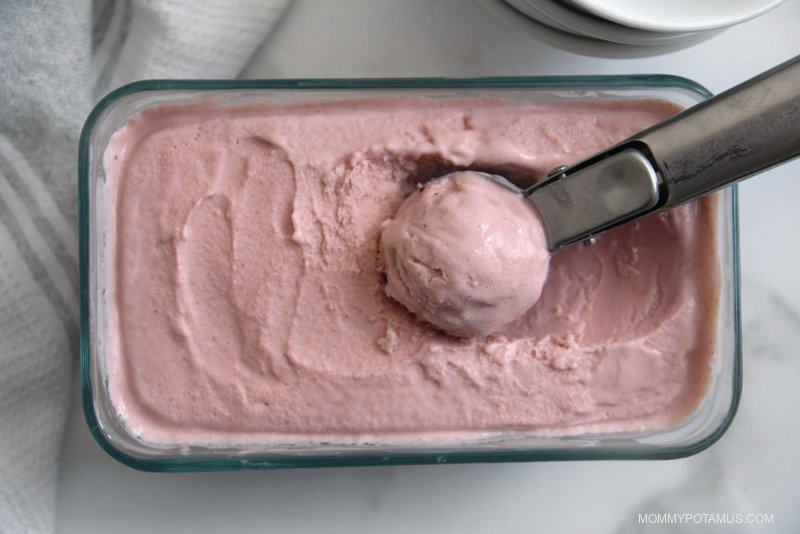
I’m also keeping both flavored and unflavored versions in my own kitchen because, well… ice cream. (And yes, if enough people ask, I’ll share the recipe.)
My experience: While I was testing protein powders for this article, Equip offered to send me one to try. I chose one with natural flavors – Strawberry – and also bought an unflavored version to try. As someone with a whole collection of strawberry-based recipes, I was rooting for that flavor, but it just wasn’t for me. I’ll definitely reorder because I like the ingredients and appreciate the testing standards. Next time, though, I’m putting Cookies & Cream in my cart.
I’ve only tried the unflavored in coffee. I didn’t add any sweetener, cream or vanilla because I wanted to get a sense of how it tastes in plain coffee. It changes the flavor a little, but didn’t bother me at all and isn’t noticeable with a bit of sweetener / cream. My husband really liked it in his coffee.
The mocha or salted caramel flavors would probably be yummy.
Best for: Women who want a dairy-free, animal-based protein and appreciate having a variety of flavors to choose from.
Worth noting: Beef protein has a different profile than both collagen and whey. Unlike collagen, it provides all nine essential amino acids. However, many beef protein isolates are naturally richer in collagen-associated amino acids like glycine, proline, and hydroxyproline, and lower in leucine than whey. Equip provides about 0.9 grams of leucine per serving, compared to roughly 2.5 grams in many whey proteins. If maximizing muscle protein synthesis is your primary goal, whey still has the advantage. On the other hand, Equip offers a convenient dairy-free option with a broader amino acid profile than collagen alone.
Why I recommend it: I don’t think of Equip as “whey without dairy.” I think of it as a collagen-rich animal protein with its own strengths. Between the simple ingredients, extensive testing, and flavor options that make it genuinely enjoyable to use, it’s one of the few beef protein powders I’d be happy to keep in the house long-term.
🔥 USE CODE MP15 TO SAVE
Best Plant-Based Protein: Perfect Supplements ^
Protein Source: Organic pumpkin seed, hemp seed, and sacha inchi protein
Protein Per Serving: 15g
Flavor Tested: Unflavored
Flavor Notes: Strong nutty/seed flavor with an earthy note. Pairs best with bold flavors.
Sweeteners: None
Third-Party Testing: Yes
Mixability Notes:
Smoothies: Good, especially with banana, cacao, cinnamon, peanut butter, dates, or berries
Plain Liquid/Coffee: Not ideal; it doesn’t dissolve like whey or beef protein
Best Uses: Smoothies, stirred into yogurt, baked into muffins, blended into energy bites, or added to savory dishes where the nutty flavor works.
Single-source plant protein powders are often low in one or more essential amino acids, which can make them less ideal as a primary protein for supporting muscle protein synthesis. For example, pea protein tends to be lower in methionine, while rice protein tends to be lower in lysine.
Perfect Supplements takes a different approach. Instead of relying on one plant, they use a blend of organic pumpkin seed, hemp seed, and sacha inchi seed to create a more complete amino acid profile.
The ingredient list is refreshingly simple, especially for a plant protein. There are no artificial sweeteners, gums, fillers, or flavor enhancers – just three organic plant proteins designed to complement each other nutritionally. Because the formula is seed-based, it also provides naturally occurring minerals like magnesium and potassium.
My experience: I have been a Perfect Supplements customer for many years because I appreciate their approach to creating simple, synergistic formulations with real food ingredients. When I started researching for this article, I asked if they would be willing to send me some of their protein to test, and they generously agreed. It is very different in flavor than the other options. It has a nutty, earthy flavor with a slight bitter edge. That may not sound like a selling point, but the bitter flavor is an indication of potent antioxidant compounds.
I prefer to use it with with thicker consistency foods – yogurt, smoothies, and even savory dishes like lentils.
Best for: Anyone looking for a plant-based or allergy-friendly protein option without nuts, soy, milk, eggs, wheat, or fish.
Worth noting: Plant proteins generally contain less leucine than whey. Perfect Supplements provides about 1 gram of leucine per serving, which is similar to many beef protein isolates and more than many single-source plant proteins. However, whey still provides substantially more leucine and branched-chain amino acids overall. If maximizing muscle protein synthesis is your primary goal, whey remains the gold standard. That said, Perfect Supplements takes a thoughtful approach by combining complementary seed proteins instead of relying heavily on pea protein isolate.
Why I recommend it: While I love and use animal-based proteins, there are times when I crave plant-based foods. Cravings can be cues, so I like having a simple seed-based option to rotate in. Perfect Supplements is my top choice because it’s organic, unsweetened, minimally processed, and made from just three real food ingredients. I also appreciate that, despite its simplicity, the blend provides a more balanced amino acid profile than many single-source plant proteins.
🔥 USE CODE MP10 TO SAVE
Best Multi-Source Animal Based Blend: Heart & Soil ^
Protein Source: Grass-fed whey concentrate, bovine colostrum, and grass-fed cartilage-derived collagen
Protein Per Serving: 24g
Flavor Tested: Unflavored
Flavor Notes: Neutral enough for coffee and smoothies
Sweeteners: None
Third-Party Testing: Yes
Mixability Notes:
Smoothies: Very good
Plain Liquid: Very good; neutral flavor
Coffee: Very good, but I’d be mindful of only adding to warm coffee in order to preserve the valuable colostrum bioactives.
Heart & Soil’s Animal-Based Protein takes a different approach than most protein powders in this guide.
Instead of focusing exclusively on muscle-building protein, it combines three animal-derived ingredients that serve different purposes: whey concentrate for complete protein, colostrum for its naturally occurring immune-supportive compounds – including immunoglobulins and growth factors – and collagen for healthy skin and connective tissue support.
There are at least sixteen types of collagen in our bodies, but most collagen powders focus on just one or two. The cartilage-derived collagen in this blend contains nine types, making it a much more full spectrum option.
In other words, this isn’t just whey protein with a few extras thrown in. It’s a nutrient-dense blend that brings several types of support together in one simple formula.
Like their Grass-Fed Whey, the ingredients are simple: just whey concentrate, collagen, and colostrum. There are no sweeteners, gums, fillers, flavor enhancers, or emulsifiers.
The whey is sourced from 100% grass-fed Australian cows and processed at relatively low temperatures to help preserve naturally occurring bioactive compounds.
Heart & Soil’s products are also packaged in a plastic-free container, which is rare in the protein powder category.
My experience: It has a neutral flavor and blends well in coffee or smoothies.
Best For: Women who want a complete protein source but are also interested in incorporating collagen and colostrum into their routine.
Why I Recommend It: This one takes a broader approach by combining complete protein with ingredients that many people intentionally seek out for connective tissue, gut, and immune support. Whether those additional ingredients are worth prioritizing is a personal decision, but if you’re already interested in collagen or colostrum, I like that they’re combined into a simple formula rather than requiring three separate products.
More Brands To Consider ^
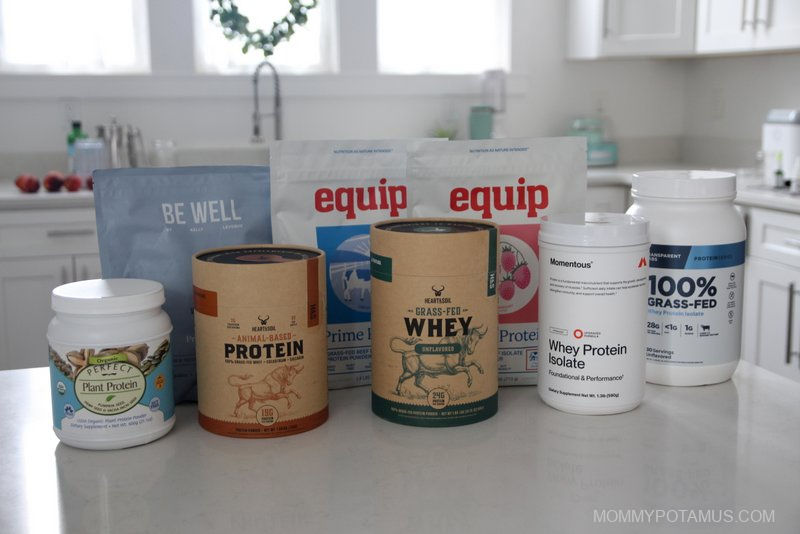
There are a lot, and I mean A LOT, of protein powder brands that claim to have simple ingredients, but a quick look at the label often reveals gums, fillers, or artificial flavors. I did find some solid options that I thought were worth considering, though. Out of those, here are the ones I personally tested and recommend.
Be Well by Kelly
Protein Source: Swedish grass-fed beef protein isolate
Protein Per Serving: 23g
Flavor Tested: Vanilla
Flavor Notes: Mild vanilla flavor
Sweeteners: Organic monk fruit in flavored versions
Third-Party Testing: Yes
Mixability Notes:
Smoothies: Very good
Plain Liquid: Very good
Coffee: Very good when added correctly. For hot coffee, mix with a little cool or room-temperature milk/water first, then stir it in. For warm coffee, a frother works well.
If ingredient simplicity is your top priority, Be Well by Kelly is one of the best beef protein isolates I’ve found. The Vanilla flavor contains just three ingredients: Swedish grass-fed beef protein isolate, organic vanilla bean powder, and organic monk fruit.
Equip and Be Well by Kelly are extremely similar nutritionally, but I gave Equip the top ranking because they do broader independent testing for all the things many brands look for, plus microplastics, BPA/BPS, glyphosate, and composition accuracy.
Compared to Equip, you’ll find slightly more mixed reviews on taste and mixability. Personally, I enjoyed the Vanilla flavor, but I’m also the person who drank scrambled eggs in a smoothie before deciding to research protein powders, so there’s that.
Transparent Labs
Protein Source: Grass-fed whey protein isolate
Protein Per Serving: 28g
Flavor Tested: Unflavored
Flavor Notes: Neutral flavor
Sweeteners: Stevia for flavored versions
Third-Party Testing: Yes
Mixability Notes:
Smoothies: Very good
Plain Liquid: Very good; neutral flavor
Coffee: Very good when added correctly. For hot coffee, mix with a little cool or room-temperature milk/water first, then stir it in. For warm coffee, a frother works well.
Transparent Labs is a good option if you want a lower-lactose option than whey concentrate. It’s sourced from grass-fed cattle, and is free from artificial sweeteners, food dyes, and fillers.
The main tradeoff is that I didn’t find the same emphasis on cold-processing or undenatured whey that I look for in a concentrate.
I tested the unflavored option, which has a neutral flavor and mixes well. That may be in part due to the inclusion of sunflower lecithin, which helps prevent clumping. Unlike soy lecithin, sunflower lecithin is non-GMO and produced using more gentle extraction methods.
The flavored varieties do use natural flavors, but I wasn’t able to find the same level of sourcing detail that some other brands provide.
Momentus
Protein Source: Grass-fed whey protein isolate from European dairy
Protein Per Serving: 20g
Flavor Tested: Unflavored
Flavor Notes: Unflavored version has a mild, neutral flavor
Sweeteners: Stevia or monk fruit extract in flavored versions
Third-Party Testing: Yes; NSF Certified for Sport® and Informed Sport Certified
Mixability Notes:
Smoothies: Very good
Plain Liquid: Very good; neutral flavor
Coffee: Very good when added correctly. For hot coffee, mix with a little cool or room-temperature milk/water first, then stir it in. For warm coffee, a frother works well.
Momentus whey isolate comes from grass-fed European dairy and is cold-processed. One interesting addition to their formula is ProHydrolase®, which is an enzyme blend designed to support protein digestion and absorption.
They offer an unflavored version and options that contain natural flavors, and they outline their approach here.
Bottom line: The combination of grass-fed sourcing, cold processing, and a simple unflavored option makes Momentous a solid choice for readers who value quality control and transparency. The main tradeoff is that at 20 grams of protein per serving, it provides less protein than some of the other whey isolates included in this guide.
Frequently Asked Questions ^
Can I mix protein powder and creatine together?
Yes. Protein powder and creatine can be mixed together, and they support different but complementary goals.
Protein provides amino acids that help build and repair muscle tissue, while creatine helps your muscles produce quick energy for short bursts of effort, like lifting, sprinting, or higher-intensity exercise.
Mixing them into the same smoothie or shake is mostly a convenience thing. It doesn’t make the protein “better,” but it can make your routine simpler – and simple routines are usually the ones we actually keep doing.
Can I Mix Protein Powder Into Hot Coffee Or Tea?
Yes, but there’s a trick to it.
To avoid clumps, mix the protein powder with a small amount of cool or room-temperature liquid first – water, milk, or whatever you’re using – until it forms a smooth paste or shake. Then slowly add the hot coffee or tea.
This helps prevent curdling and gives you a much smoother texture.
Sources ^
- Hylton, K. (2023). Physiology, Protein Synthesis. StatPearls Publishing.
- Deutz, N. E. P., Bauer, J. M., Barazzoni, R., et. al. (2014). Protein intake and exercise for optimal muscle function with aging: Recommendations from the ESPEN Expert Group. Clinical Nutrition.
- Promintzer, M., Krebs, M., Todoric, J., et. al. (2006). Effects of DIetary Protein On Glucose Homeostasis. Current Opinion in Clinical Nutrition and Metabolic Care.
- Valenzuela, P. L., Mata, F., Morales, J. S., et. al. (2019). Does beef protein supplementation improve body composition and exercise performance? A systematic review and meta-analysis of randomized controlled trials. Nutrients.
- Sharp, M. H., Lowery, R. P., Shields, K. A., et. al. (2015). The effects of beef protein isolate and whey protein isolate supplementation on lean mass and strength in resistance-trained individuals: A double-blind, placebo-controlled study. Journal of the International Society of Sports Nutrition.
- Naclerio, F., Seijo, M., Larumbe-Zabala, E., et. al. (2017). Effects of Supplementation with Beef or Whey Protein Versus Carbohydrate in Master Triathletes. Journal of the American College of Nutrition.
Share with a friend! 👇