Best Winter Storm-Proof Hydrating Skincare, According to a Dermatologist

Best Winter Storm-Proof Hydrating Skincare, According to a Dermatologist

Dry and irritated skin can be typical during winter weather—so during record-breaking low temperatures and high-speed icy winds, like much of the U.S. is enduring with this winter storm, it can get worse.

While winter-season dryness isn’t unexpected, we’d argue that winter storm certainly was—giving us just a few days to scramble and prepare our essentials. And maybe skin wasn’t your top priority at the time, we don’t blame you! 

Lucky for us, CeraVe has a clever way to solve that problem with advice that comes straight from an expert. From now until February 27, you can dial 844-SKINCIDENT to hear tips to prevent future dry-skin-issues from board-certified dermatologist and CeraVe Skincident Hotline Partner Dr. Dylan Greeney.

Curious about how to bring his tips into your skincare and bodycare routines? Keep scrolling to shop hydrating products that fit his expert advice—plus, products E!’s NYC shopping writers are using during this winter storm. 

Tags: , , , ,
Marine Collagen and Peptides in Skincare and Anti-Aging Products Market Set to Double by 2033, Driven by 'Blue Beauty' and Clean Label Trends

Marine Collagen and Peptides in Skincare and Anti-Aging Products Market Set to Double by 2033, Driven by ‘Blue Beauty’ and Clean Label Trends

LONDON, Jan. 26, 2026 /PRNewswire/ — The global beauty and wellness industry is witnessing a significant paradigm shift as consumer preference pivots toward marine-sourced ingredients. A comprehensive new market research report titled Marine Collagen & Peptides in Skincare & Anti-Aging Products Market Size, Future Growth and Forecast 2034 reveals that this niche sector is poised for robust expansion over the next decade. Valued at $1.10 billion in 2024, the market is projected to reach a valuation of $2.20 billion by 2033, registering a Compound Annual Growth Rate (CAGR) of 7.41% during the forecast period from 2025 to 2033.

The report offers an exhaustive analysis of the market dynamics, segmenting the industry by source (Fish, Jellyfish, Others), application (Skincare, Anti-Aging, Haircare, Others), distribution channel (Online, Offline), and key geographic regions. This growth trajectory underscores a deepening consumer awareness regarding the efficacy of marine bioactives, alongside a surging demand for sustainable, natural, and scientifically backed beauty solutions.

https://www.strategicrevenueinsights.com/industry/marine-collagen-peptides-in-skincare-anti-aging-products-market 

The Rise of Marine Bioactives in Modern Skincare

The doubling of market valuation by 2033 is not merely a statistical anomaly but a reflection of a fundamental change in consumer behavior. The report highlights that the primary catalyst for this growth is the increasing consumer awareness concerning the specific benefits of marine collagen and peptides. Unlike bovine or porcine alternatives, marine collagen is increasingly favored for its superior bioavailability and smaller peptide size, which allows for deeper penetration into the dermis.

This surge is inextricably linked to the broader ‘clean beauty’ movement. Today’s consumers are far more scrutinized regarding ingredient lists. There is a rising preference for natural and organic ingredients, moving away from synthetic compounds. Marine collagen fits perfectly into this narrative, offering a potent anti-aging solution that is perceived as both effective and essentially natural.

Furthermore, the global demographics are shifting. An aging population across developed nations is actively seeking non-invasive but effective anti-aging solutions. This demographic cohort has significant disposable income and is willing to invest in premium skincare products that promise to restore skin elasticity, hydration, and overall youthful appearance. The report indicates that this trend is pushing manufacturers to innovate rapidly, moving beyond basic creams to advanced serums and ingestible beauty supplements.

Browse the associated report:

https://www.strategicrevenueinsights.com/ja/industry/marine-collagen-peptides-in-skincare-anti-aging-products-market

https://www.strategicrevenueinsights.com/kr/industry/marine-collagen-peptides-in-skincare-anti-aging-products-market

https://www.strategicrevenueinsights.com/es/industry/marine-collagen-peptides-in-skincare-anti-aging-products-market

https://www.strategicrevenueinsights.com/da/industry/marine-collagen-peptides-in-skincare-anti-aging-products-market

https://www.strategicrevenueinsights.com/de/industry/marine-collagen-peptides-in-skincare-anti-aging-products-market

https://www.strategicrevenueinsights.com/it/industry/marine-collagen-peptides-in-skincare-anti-aging-products-market

https://www.strategicrevenueinsights.com/pt/industry/marine-collagen-peptides-in-skincare-anti-aging-products-market

https://www.strategicrevenueinsights.com/fr/industry/marine-collagen-peptides-in-skincare-anti-aging-products-market

Technological Advancements Driving Efficacy

A critical factor propelling this market forward is the rapid advancement in extraction and processing technologies. In the past, extracting high-quality collagen from marine sources could be cost-prohibitive and technically challenging, often resulting in products with a strong odor or lower efficacy. However, the report notes that recent technological strides have revolutionized this process.

New hydrolysis methods are enabling manufacturers to produce odorless, tasteless, and highly soluble collagen peptides. These advancements enhance the application potential of marine collagen, allowing it to be seamlessly integrated into a wider variety of skincare formulations without compromising the sensory experience of the final product. These technological improvements are crucial for market expansion, as they allow brands to offer superior products that deliver visible results, thereby fostering high rates of consumer retention and brand loyalty.

Detailed Segmentation Analysis: Sources and Applications

The market report provides a granular analysis of various segments, offering strategic insights into where the highest growth potential lies.

  • Source Analysis: The market is primarily categorized into fish, jellyfish, and other marine sources. Currently, fish-derived collagen reigns supreme. Its dominance is attributed to high bioavailability and high compatibility with human skin structure. The report emphasizes that sustainable sourcing of fish collagen is becoming a major competitive differentiator. However, the market is also witnessing the emergence of jellyfish collagen. While still in its nascent stages, jellyfish collagen is identified as a high-potential source due to its unique bioactive compounds and high collagen concentration. This presents a frontier for innovation, offering opportunities for brands to differentiate themselves in a crowded marketplace.
  • Application Landscape: In terms of application, the skincare segment remains the dominant force. Marine collagen is now a staple ingredient in moisturizers, facial masks, and restorative serums. However, the anti-aging segment is the fastest-growing vertical. This is driven by the specific ability of marine peptides to stimulate the body’s own collagen production, directly addressing the root causes of skin aging. Additionally, the report identifies haircare as an emerging application. Marine collagen is believed to strengthen hair follicles and improve texture, leading to a new wave of ‘skinification’ of hair products, where skincare-grade ingredients are used in shampoos and conditioners.

Regional Market Dynamics and Top Countries Insights

The report offers a comprehensive geographical breakdown, highlighting how cultural and economic differences shape market demand.

  • North America (The United States): The U.S. stands out as a leading market with a size of approximately $500 million and a steady CAGR of 6%. The growth here is driven by a sophisticated consumer base that values high-performance skincare. The U.S. market is characterized by a strong willingness to pay for premium brands and a robust presence of major market players. The explosion of e-commerce has further fueled growth, allowing niche marine collagen brands to reach a nationwide audience instantly.
  • Asia Pacific (China, Japan, South Korea): This region is a powerhouse for marine collagen products.
    • China: With a market size of around $400 million and a burgeoning CAGR of 8%, China represents a massive opportunity. Rising disposable incomes and the rapid urbanization of the country have led to a boom in beauty spending. The influence of social media and beauty influencers (KOLs) is particularly strong here, driving trends and educating consumers on the benefits of peptides.
    • Japan: Valued at roughly $300 million, Japan’s market is mature and highly sophisticated. Japanese consumers have a long-standing cultural acceptance of collagen, both topical and ingestible. The demand here is for high-science, innovative products, with a growing emphasis on ethical sourcing.
    • South Korea: Known globally as a trendsetter in beauty (K-Beauty), South Korea holds a market size of approximately $200 million. The emphasis here is on multi-step skincare routines where marine collagen plays a pivotal role in hydration and repair steps.
  • Europe (Germany): Germany leads the European market with a size of about $250 million. The German consumer is famously discerning, prioritizing scientific validation and ‘clean’ labels. The strong focus on health and wellness in Germany aligns perfectly with the marine collagen value proposition.

Competitive Landscape and Key Players

The report describes a highly competitive and dynamic market environment. It is a mix of established global giants and agile emerging players, all striving to capture market share through innovation and strategic branding.

Key players analyzed in the report include:

  • Rousselot: A prominent leader known for high-quality marine collagen and a steadfast commitment to sustainability.
  • Gelita AG: Recognized for its wide range of specific collagen peptides tailored for optimized efficacy in skincare applications.
  • Amicogen: A South Korean innovator specializing in bioactive peptides and advanced enzymatic technologies.
  • Nitta Gelatin: A Japanese key player highly regarded for quality and performance consistency.
  • Vital Proteins: A brand that has successfully bridged the gap between wellness supplements and beauty, particularly in the U.S. market.
  • Seagarden: A Norwegian company that leverages its geographic advantage to offer sustainably sourced marine ingredients.

The competitive dynamics are defined by product innovation and distribution strategies. Companies are increasingly investing in Research and Development (R&D) to create proprietary formulations that offer synergistic benefits, such as combining marine collagen with vitamins and antioxidants.

Challenges, Threats, and Strategic Barriers

Despite the optimistic forecast, the report provides a balanced view by outlining potential hurdles. A primary challenge is the complex regulatory landscape. Sourcing marine ingredients involves navigating strict international and local regulations regarding fishing quotas, environmental impact, and processing standards. Compliance can be costly and time-consuming.

Furthermore, the cost of production remains a restraining factor. High-quality marine collagen is more expensive to produce than bovine or synthetic alternatives. This places pressure on profit margins, particularly for smaller players who lack economies of scale. The market is also subject to intense competition, which can lead to price wars, making it difficult for companies to maintain profitability without strong brand differentiation.

Distribution Channels: The Digital Shift

The distribution landscape is evolving rapidly. While offline channels like pharmacies, specialty beauty stores, and department stores remain vital for brand prestige and customer experience, the online channel is witnessing explosive growth.

The report details that online retailing is becoming crucial for market expansion, particularly in emerging markets where physical retail infrastructure for premium beauty may be limited. Digital marketing, social media campaigns, and direct-to-consumer (DTC) models allow brands to educate consumers directly about the complex science behind peptides, a task that is often difficult to achieve on a crowded retail shelf.

Strategic Foresight: 2025-2033

Looking ahead, the report outlines a strategic roadmap for the industry. The period from 2025 to 2033 will be characterized by a shift from basic extraction methods to advanced processing technologies that maximize yield and purity.

Opportunities for growth abound in product diversification. The report suggests that the next frontier lies in personalized skincare solutions. As data analytics and AI enter the beauty space, brands that can offer customized marine collagen regimens based on individual skin types and concerns will likely lead the market. Additionally, the integration of marine collagen into hybrid products—such as makeup with skincare benefits—presents a significant avenue for innovation.

About the Report

The report, titled “Marine Collagen & Peptides in Skincare & Anti-Aging Products Market Size, Future Growth and Forecast 2034,” (Report ID: 84230) spans 171 pages and provides a comprehensive assessment of the market. It covers historic data from 2018-2024 and forecasts through 2034, offering critical insights for stakeholders, investors, and manufacturers.

Related and Popular Reports:

https://www.strategicrevenueinsights.com/industry/aquamarine-earrings-market

https://www.strategicrevenueinsights.com/industry/marine-algae-extracts-in-sun-care-products-market

https://www.strategicrevenueinsights.com/industry/marine-algae-in-sun-protection-market

https://www.strategicrevenueinsights.com/industry/marine-bioactives-for-hair-care-products-market

https://www.strategicrevenueinsights.com/industry/marine-cargo-consumer-goods-market

https://www.strategicrevenueinsights.com/industry/marine-collagen-based-face-masks-market

https://www.strategicrevenueinsights.com/industry/marine-extractor-hood-market

https://www.strategicrevenueinsights.com/industry/marine-lipids-in-skin-moisturizers-market

https://www.strategicrevenueinsights.com/industry/marine-peptides-in-beauty-formulations-market

https://www.strategicrevenueinsights.com/industry/marine-polysaccharides-in-cosmetics-market

https://www.strategicrevenueinsights.com/industry/marine-reconsumer-goods-market

https://www.strategicrevenueinsights.com/industry/marine-safety-products-market

https://www.strategicrevenueinsights.com/industry/marine-stereo-systems-market

https://www.strategicrevenueinsights.com/industry/marine-based-anti-inflammatory-skincare-ingredients-market

https://www.strategicrevenueinsights.com/industry/marine-derived-active-ingredients-in-personal-care-market

About Us:

Strategic Revenue Insights Inc., a subsidiary of SRI Consulting Group Ltd, empowers organizations worldwide with data-driven market intelligence. Headquartered in London, United Kingdom, we deliver syndicated research reports, tailored consulting solutions, and actionable insights that equip clients to make confident, future-focused strategic decisions.

Our team of seasoned analysts based in London and connected globally continuously tracks markets, identifies emerging trends, and uncovers growth opportunities to support long-term client success. As part of SRI Consulting Group Ltd, we are committed to accuracy, clarity, and practical relevance, helping businesses navigate competitive landscapes, optimize strategies, and accelerate revenue growth.

By combining rigorous research methodologies with deep industry expertise, Strategic Revenue Insights Inc. provides organizations with a comprehensive market perspective that drives measurable results and sustained competitive advantage.

Media Contact:

Company Name: Strategic Revenue Insights Inc.
Contact Person: Rohit Bhisey (Partner)
Email: sales@strategicrevenueinsights.com
Phone: +44 7877403352
Address: Suite10 Capital House 61 Amhurst Road, E8 1LL
City: London
State: London
Country: United Kingdom
Website: www.strategicpackaginginsights.com
Website: www.strategicrevenueinsights.com
Website: www.sriconsultinggroupltd.com
Blog: https://strategicrevenueinsights.blog

Logo: https://mma.prnewswire.com/media/2826292/Strategic_Revenue_Insights_Logo.jpg

Tags: , , , , , , , , , , , , , ,
9 habits of people who look 10 years younger than their age—and none of them involve skincare – VegOut

9 habits of people who look 10 years younger than their age—and none of them involve skincare – VegOut

Ever notice how some people just seem to defy time?

Last month at my college reunion, I ran into someone I hadn’t seen in years. We’d graduated together, but looking at her, you’d think she was a decade younger than the rest of us. When I asked about her secret, expecting to hear about some expensive serum or revolutionary facial treatment, she laughed and said something that stuck with me: “I just live differently.”

That conversation got me thinking about all the people I know who seem to have discovered the fountain of youth. And here’s what surprised me: none of them are obsessed with skincare routines or cosmetic procedures. Instead, they share certain lifestyle habits that keep them looking and feeling vibrant.

After years of observing these ageless wonders and adopting many of their habits myself (people often assume I’m in my early thirties rather than my actual age), I’ve identified nine key behaviors that make all the difference. And the best part? They’re all within your reach.

1. They prioritize sleep like their life depends on it

Remember when pulling all-nighters was a badge of honor? Yeah, those days need to be behind us if we want to look younger.

The people who look a decade younger consistently get 7-9 hours of quality sleep. They treat bedtime like a sacred appointment. No scrolling through social media until 2 AM, no “just one more episode” marathons on work nights.

I learned this lesson the hard way. During my financial analyst days, I survived on 4-5 hours of sleep, thinking I was being productive. My skin looked dull, I had permanent dark circles, and I felt constantly depleted. Now, I’m in bed by 9:30 PM most nights to wake at 5:30 AM for my trail runs. The difference in how I look and feel is dramatic.

Quality sleep is when your body repairs itself, produces collagen, and reduces inflammation. Skip it regularly, and you’re essentially fast-tracking the aging process.

2. They move their bodies every single day

Not necessarily intense workouts, but consistent movement.

The youngest-looking people I know have found ways to integrate movement into their daily lives. They take the stairs, walk during phone calls, do yoga in the morning, or dance while cooking dinner.

For me, discovering trail running at 28 changed everything. What started as stress relief from work became my fountain of youth. Running 20-30 miles weekly through nature doesn’t just keep me fit; it gives me a natural glow that no highlighter could replicate. The fresh air, the endorphins, the vitamin D from morning sun exposure, all of it contributes to that youthful appearance.

Movement increases blood flow, delivers oxygen to your cells, and helps flush out toxins. Plus, regular exercise maintains muscle tone, which naturally decreases with age and contributes to that “saggy” look we associate with getting older.

3. They stay hydrated (and I mean really hydrated)

How much water did you drink today? Be honest.

People who look younger than their years are water enthusiasts. They carry water bottles everywhere, drink herbal teas, eat water-rich foods, and start their day with a big glass of water.

Proper hydration plumps up your skin cells, making fine lines less noticeable. It helps flush out toxins that can make your complexion look dull. And it keeps your energy levels stable, so you’re not reaching for that third cup of coffee that disrupts your sleep later.

I aim for at least 80 ounces daily, more on running days. The difference in my skin when I’m properly hydrated versus when I’m not? Night and day.

4. They manage stress like pros

Chronic stress is aging in fast-forward mode.

The people who look youngest have developed solid stress management techniques. They meditate, practice deep breathing, journal, or have hobbies that help them decompress.

I’ll admit, when someone first suggested meditation to me, my analytical mind thought it was too woo-woo. But desperation during a particularly stressful period made me try it. Now, my daily meditation practice is non-negotiable. Those quiet moments before sunrise, before my run, set the tone for my entire day.

Stress triggers cortisol production, which breaks down collagen, increases inflammation, and can lead to premature aging. Finding healthy ways to manage stress isn’t just good for your mind; it’s essential for maintaining a youthful appearance.

5. They eat real food (most of the time)

Notice I said “most of the time,” not “always.”

The youngest-looking people I know focus on whole, nutrient-dense foods but aren’t obsessive about it. They load up on vegetables, fruits, whole grains, and lean proteins. They limit processed foods, excessive sugar, and alcohol.

When I transitioned to veganism at 35, it wasn’t initially about looking younger. But the increase in antioxidants, vitamins, and minerals from all those plants? My skin started glowing, my energy soared, and people started commenting on how “fresh” I looked.

You don’t need to go vegan, but eating a variety of colorful, whole foods provides the nutrients your body needs to repair and regenerate. Think of food as information for your cells. What message are you sending?

6. They cultivate meaningful relationships

Loneliness ages you. Connection keeps you young.

People who look younger invest in their relationships. They maintain friendships, spend quality time with loved ones, and build communities around shared interests.

My volunteering at local farmers’ markets isn’t just about supporting local agriculture. It’s about the connections, the conversations, the sense of belonging. These social interactions reduce stress, boost mood, and give us purpose, all of which reflect in how we look and carry ourselves.

Studies show that strong social connections can actually slow biological aging. Those laugh lines from genuine joy with friends? They’re worth it.

7. They never stop learning

Mental stagnation shows on your face.

The most youthful people I know are curious. They read books, take classes, learn new skills, travel to new places. They maintain that childlike wonder about the world.

Leaving my six-figure salary at 37 to pursue writing full-time wasn’t just a career change. It was choosing growth over comfort. That excitement about learning something new, that mental stimulation, it keeps you vibrant in a way that shows physically.

When your brain is engaged and challenged, it shows in your eyes, your energy, your entire demeanor. You radiate vitality.

8. They protect themselves from the sun

Okay, this one borders on skincare, but hear me out. It’s more about the habit than the product.

People who look younger wear hats, seek shade, and yes, use sunscreen. But it’s part of their lifestyle, not an obsessive routine.

During my morning trail runs, I wear a cap and choose shaded paths when possible. On sunny days, I run earlier to avoid peak UV hours. These simple habits protect against photoaging, which accounts for up to 80% of visible facial aging.

9. They laugh often and deeply

When did you last have a proper belly laugh?

The youngest-looking people find humor in daily life. They don’t take themselves too seriously. They surround themselves with people who make them laugh.

Laughter reduces stress hormones, boosts immune function, and releases endorphins. It’s literally anti-aging medicine that’s completely free. Plus, people who laugh often develop a lightness of being that makes them appear more youthful regardless of their chronological age.

Final thoughts

Looking younger isn’t about expensive treatments or complicated routines. It’s about how you live your life day to day.

These nine habits work synergistically. Good sleep supports exercise recovery. Exercise helps manage stress. Stress management improves sleep. Healthy eating fuels movement. It’s all connected.

Start with one habit. Maybe it’s drinking more water or going to bed 30 minutes earlier. Once that feels natural, add another. Small, consistent changes lead to dramatic results over time.

Remember, the goal isn’t to stop aging entirely. That’s impossible and honestly, not even desirable. The goal is to age well, to maintain vitality, to feel good in your skin at any age.

The real secret those ageless people know? Taking care of yourself isn’t vanity. It’s self-respect. And that inner confidence, that joy in being alive and healthy? That’s what really makes you glow.


What’s Your Plant-Powered Archetype?

Ever wonder what your everyday habits say about your deeper purpose—and how they ripple out to impact the planet?

This 90-second quiz reveals the plant-powered role you’re here to play, and the tiny shift that makes it even more powerful.

12 fun questions. Instant results. Surprisingly accurate.


Tags: , , , , , , ,
Rice-based Skincare Products Market Report 2026

Rice-based Skincare Products Market Report 2026

Company Logo

The global rice-based skincare market is poised for growth due to rising demand for plant-based, gentle skincare, influenced by Asian beauty trends. Key opportunities include expanding hybrid formulations that combine rice extracts with clinical actives and developing luxury lines using Rice Stem Cell Technology.

Rice-based Skincare Products Market

Rice-based Skincare Products Market · GlobeNewswire Inc.

Dublin, Jan. 26, 2026 (GLOBE NEWSWIRE) — The “Rice-based Skincare Products Market – Global Industry Size, Share, Trends, Opportunity, and Forecast, 2021-2031” has been added to ResearchAndMarkets.com’s offering.

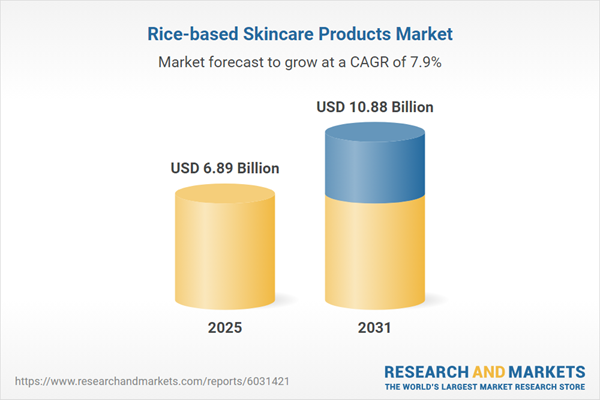
The Global Rice-based Skincare Products Market is projected to expand from USD 6.89 Billion in 2025 to USD 10.88 Billion by 2031, achieving a CAGR of 7.91%

These cosmetic formulations harness derivatives such as fermented rice filtrate, rice water, and rice bran oil, which are prized for their rich content of antioxidants, vitamins, and amino acids. This market growth is fundamentally underpinned by increasing worldwide demand for clean, plant-based ingredients and the enduring popularity of Asian beauty regimens that emphasize skin barrier health and hydration. Consequently, rice extracts have evolved from transient commodities into staple functional ingredients, reinforced by a growing preference for gentle exfoliants that are safe for sensitive skin types.

However, the market faces significant hurdles due to the volatility of raw material costs driven by agricultural supply chain disruptions and climate change, which directly affect the availability and pricing of premium cosmetic-grade rice. Manufacturers are challenged to source high-quality, contaminant-free extracts while striving to keep end-product pricing affordable amidst these uncertainties. Highlighting the sector’s economic significance, the Ministry of Food and Drug Safety reported that exports of basic skincare products: a key category for these rice-based formulations: totaled USD 7.67 billion in 2024, underscoring the critical reliance on a stable supply of these essential natural ingredients.

Market Drivers

The expansion of K-Beauty and J-Beauty philosophies globally acts as a primary driver for the Rice-based Skincare Products Market, effectively popularizing traditional Asian ingredients on an international scale. By prioritizing deep hydration and the reinforcement of the skin barrier, these regimens have elevated rice derivatives, such as bran oil and fermented rice water, from niche additives to essential, high-efficacy components. The massive global adoption of these multi-step routines is reflected in substantial trade figures; according to the Ministry of Food and Drug Safety in January 2025, South Korea recorded a historic high of USD 10.2 billion in cosmetic exports during 2024, demonstrating how these ingredient-focused products have successfully transcended domestic markets to capture significant shares in Western regions.

Story Continues

Simultaneously, the market is being propelled by a shifting consumer preference toward organic and clean label formulations. Modern buyers are increasingly examining product ingredients, favoring non-toxic, plant-derived options over synthetic alternatives, a trend that aligns well with the biodegradable and hypoallergenic nature of rice extracts. This demand for natural efficacy and transparency is reshaping corporate strategies; an NSF survey from March 2025 indicated that 74% of consumers view organic ingredients as a critical factor in personal care purchases. This consumer shift is commercially validated by major industry players, such as Unilever, which reported in July 2025 that its Japanese heritage brand, Tatcha, achieved double-digit growth in the first half of the year, confirming the strong viability of premium, nature-inspired skincare.

Market Challenges

A major impediment to the growth of the global rice-based skincare market is the instability of agricultural supply chains and the resulting volatility in raw material costs. Disruptions in global rice production caused by climate change make it increasingly difficult for manufacturers to secure a reliable stream of the premium, contaminant-free extracts necessary for high-quality cosmetics. This unpredictability creates fluctuating input costs that squeeze profit margins and hinder brands from maintaining the affordable pricing structures required for mass-market adoption, ultimately deterring long-term investment in product lines reliant on specific, high-quality rice strains.

Recent industry data on global inventory levels further underscores these supply chain constraints. The United States Department of Agriculture reported in September 2024 that global rice ending stocks were projected to drop to 177.2 million tons, marking the fourth consecutive year of decline. This sustained contraction in global reserves signals a tightening availability of the core commodity, fostering a volatile sourcing landscape that directly impedes the industry’s ability to scale operations efficiently to meet rising consumer demand.

Market Trends

Product efficacy standards are being redefined by the hybridization of rice extracts with clinical actives such as Retinol and Niacinamide, transforming the category from simple hydration to functional dermatological care. Manufacturers are blending traditional fermented rice filtrates with high-potency synthetic ingredients to develop “clean-ical” formulations that satisfy consumers who are both label-conscious and performance-driven. This approach enables brands to position rice-based serums and sunscreens as multi-tasking solutions that protect, brighten, and repair the skin barrier. The success of this strategy is evident in trade data; the Ministry of Food and Drug Safety reported in November 2025 that cosmetic exports for the first half of the year rose by 14.9% year-on-year to USD 5.51 billion, a growth largely fueled by the global adoption of these hybrid formulations.

In parallel, the market is seeing the rise of Rice Stem Cell Technology within premium anti-aging segments, elevating rice from a mass-market staple to a luxury biotechnology asset. By utilizing advanced extraction techniques to isolate bioactive peptides and rice stem cells, premium brands are creating sophisticated lines that claim to promote collagen synthesis and cellular regeneration, distinguishing them from standard moisturizing products. This trend caters to affluent consumers looking for scientifically proven natural ingredients, allowing companies to improve margins and premiumize their portfolios despite raw material volatility. The financial success of this high-end positioning is reflected in Kose Corporation’s February 2025 report, which cited a 7.4% year-on-year increase in net sales to 322.8 billion yen for Fiscal Year 2024, driven significantly by prestige skincare brands leveraging proprietary rice fermentation technologies.

Key Players Profiled in the Rice-based Skincare Products Market

Report Scope

In this report, the Global Rice-based Skincare Products Market has been segmented into the following categories:

Rice-based Skincare Products Market, by Product Type:

  • Cream & Moisturizers

  • Cleansers & Toners

  • Serum

  • Face Packs/Masks

  • Others

Rice-based Skincare Products Market, by Sales Channel:

  • Supermarket/Hypermarket

  • Specialty Stores

  • Online

  • Others

Rice-based Skincare Products Market, by Region:

  • North America

  • Europe

  • Asia-Pacific

  • South America

  • Middle East & Africa

Key Attributes:

Report Attribute

Details

No. of Pages

185

Forecast Period

2025 – 2031

Estimated Market Value (USD) in 2025

$6.89 Billion

Forecasted Market Value (USD) by 2031

$10.88 Billion

Compound Annual Growth Rate

7.9%

Regions Covered

Global

For more information about this report visit https://www.researchandmarkets.com/r/s8mb7l

About ResearchAndMarkets.com
ResearchAndMarkets.com is the world’s leading source for international market research reports and market data. We provide you with the latest data on international and regional markets, key industries, the top companies, new products and the latest trends.

Attachment

CONTACT: CONTACT: ResearchAndMarkets.com Laura Wood,Senior Press Manager press@researchandmarkets.com For E.S.T Office Hours Call 1-917-300-0470 For U.S./ CAN Toll Free Call 1-800-526-8630 For GMT Office Hours Call +353-1-416-8900

Tags: , , , ,
Herzindagi

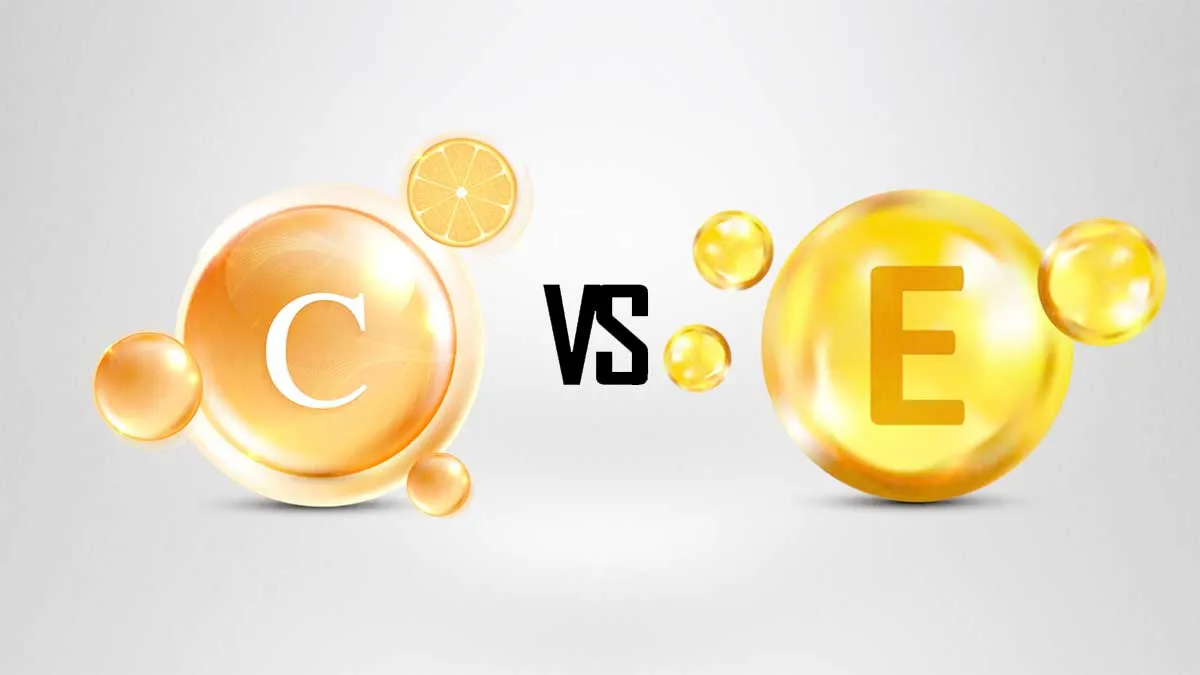
Vitamin C vs Vitamin E: Which One Does Your Skin Really Need And Why?

Vitamin C and Vitamin E are essential powerhouse antioxidants, but they play very different roles in your skincare routine. Choosing the right one or knowing how to pair them is the secret to achieving that glass skin glow. Here is the breakdown of Vitamin C vs Vitamin E and which one your skin type actually needs.

Vitamin C: The Brightener And Protector

Vitamin C acts like a morning shield for the skin, helping protect it from daily environmental stressors while enhancing overall radiance. It primarily targets surface-level damage and is best suited for concerns such as dullness, dark spots, hyperpigmentation, and exposure to pollution. Known for its brightening properties, Vitamin C helps fade acne marks and sunspots while boosting collagen production to minimise the appearance of fine lines. It also fights free radicals by neutralising damage caused by UV rays and urban smog. Vitamin C works well for normal, oily, and dull skin types, while those with sensitive skin should opt for gentler derivatives like Sodium Ascorbyl Phosphate to avoid irritation.

ALSO READ- Best Instant Tan Removal Face Mask in India

Vitamin E: The Healer And Hydrator

Vitamin E is a lipid-soluble antioxidant that naturally resides in the skin’s oils, making it especially effective for deep repair and strengthening the skin’s moisture barrier. It is best suited for concerns such as dryness, irritation, scarring, and recovery from UV damage. Known for its intense hydrating properties, Vitamin E helps prevent moisture loss while soothing inflammation, reducing redness, and supporting healing from sunburns or scars. It also strengthens the skin’s natural protective layer, improving resilience over time. Vitamin E works particularly well for dry, dehydrated, and ageing skin, though those with oily or acne-prone skin should use it sparingly, as it can be comedogenic.

Why You Should Use Both

You don’t actually have to choose between the two. Vitamin C and Vitamin E work even better when used together. When applied simultaneously, Vitamin E helps stabilise Vitamin C, preventing it from oxidising and losing its effectiveness. This powerful combination offers enhanced photoprotection against sun damage and environmental stressors. That’s why many premium skincare formulas, including popular CE Ferulic serums, pair the two Vitamin E can boost the effectiveness of Vitamin C by up to four times, delivering brighter, stronger, and better-protected skin.

Tags: ,
Cricket in L1

Glow and protect your skin daily with SPF sunscreens enriched with vitamin C, niacinamide, and hyaluronic acid

SPF (Sun Protection Factor) sunscreens with added skincare ingredients are changing the way we protect our skin in 2026. UV radiation causes nearly 80% of visible skin ageing, from fine lines to dark spots, making daily protection essential. Hybrid SPFs, formulas that combine broad-spectrum sun filters with actives like vitamin C, niacinamide, and hyaluronic acid that offer a dual-action defence: they block harmful rays while repairing and nourishing your skin. Vitamin C brightens and fights free radicals, niacinamide strengthens the skin barrier and reduces pigmentation, and hyaluronic acid keeps skin hydrated and plump.

Protect your skin and glow daily with SPF enriched with vitamins (Adobe Stock )

Choosing a proper SPF with skincare benefits ensures your daily “health shield” not only prevents photo-ageing but also promotes a healthy, radiant glow that lasts beyond sun exposure.

8 top-rated SPF sunscreens with vitamin C, niacinamide and hyaluronic acid for healthy skin:

If protecting skin while boosting radiance is your goal, HT ShopNow has shortlisted SPF sunscreens with vitamin C, niacinamide, and hyaluronic acid based on user reviews, overall feedback and ratings. These formulas shield against UV damage, repair cellular stress, and keep skin hydrated, healthy, and glowing every day.

DOT & KEY Vitamin C + E Super Bright Sunscreen SPF 50+++ is a lightweight, water-light formula that protects against UVA, UVB, and blue light. Enriched with Vitamin C, it brightens the skin while providing powerful sun protection, even in winter, when UV damage remains a concern. Its non-greasy texture leaves no white cast, making it suitable for all skin types. Perfect for daily glow and defence.

WishCare Niacinamide Oil Balance Fluid Sunscreen SPF 50 PA++++ offers high-level sun protection while keeping skin matte and fresh. Infused with niacinamide, it helps regulate sebum production, minimise pores, and improve overall skin texture. Lightweight and non-greasy, it provides 8+ hours of UVA/UVB defence with no white cast, making it perfect for all skin types. Ideal for daily use to protect, control oil, and maintain a healthy glow.

Dr Sheth’s Ceramide & Vitamin C Sunscreen SPF 50+ PA++++ is a lightweight, non-greasy formula that protects against UVA, UVB, blue light, and infrared rays. Enriched with Vitamin C and ceramides, it brightens, strengthens the skin barrier, and promotes healthy, radiant skin. Suitable for all skin types, it leaves no white cast. Apply generously daily on face and neck for optimal protection and glow.

Aqualogica Radiance+ Dewy Sunscreen SPF 50+ PA++++ is perfect for oily and combination skin, offering broad-spectrum UVA/UVB and blue light protection. Infused with niacinamide and watermelon extract, it helps control oil, brighten skin, and fight pollution damage with APF technology. Fragrance-free and lightweight, it leaves no white cast, making it ideal for daily use. Protects, nourishes, and keeps skin radiant all day long.

Garnier Super UV Invisible Serum Sunscreen SPF 50 PA++++ combines broad-spectrum UVA/UVB protection with the brightening power of Vitamin C. Its lightweight, non-greasy formula suits all skin types, including oily, dry, and acne-prone skin, leaving no white cast. Daily use helps protect against sun damage while enhancing skin radiance. Compact and easy to apply, it’s an ideal choice for men and women seeking healthy, bright, and protected skin.

The Derma Co. Pore Minimising Priming Sunscreen SPF 50 PA+++ is enriched with niacinamide, making it ideal for reducing the appearance of open pores while providing broad-spectrum UVA/UVB protection. Its lightweight, non-greasy formula works for all skin types, controlling oil and improving skin texture. Perfect for those with enlarged pores or uneven skin, it doubles as a primer and daily sunscreen, keeping skin smooth, protected, and healthy.

This SPF 70 sunscreen pairs strong sun defence with skin-caring niacinamide for a glow-ready finish. The dewy texture feels light, settles fast, and leaves no chalky residue. Its anti-tan formula helps fade uneven tone while supporting spot care over time. Suitable for daily use, it’s ideal for those who want sun protection along with clearer, brighter-looking skin in one simple step.

This SPF 50+ body sunscreen doubles as a daily moisturiser, thanks to 5% niacinamide that supports even-looking skin while helping reduce tan over time. The lotion spreads easily and settles without a sticky feel, making it suitable for everyday wear. With hydration that lasts through long hours, it keeps skin soft and comfortable while offering reliable sun care in a single, fuss-free step.

Similar stories for you:

Tags: , , , , , , , , , ,
50+ And Fabulous: Simplify Your Skincare

50+ And Fabulous: Simplify Your Skincare

Skinimalism becomes less of a trend and more of a necessity with age. Skin that has lived fully through sun, stress, emotion, and time will, by nature, begins to lose some of its original strength and cadence. And what’s especially important to know is this is not failure, it is biology. With that shift, the skin also grows less forgiving of excess.

Advertisment

Ageing skin is often uncompromising with products that do not align with its needs. What once tolerated experimentation may now respond with sensitivity, dryness, or fatigue. Limiting skincare vanity, then, is not about doing less out of restraint but just about centering on simplicity to reduce friction.

By simplifying routines, the margin for trial and error narrows. Fewer products mean fewer variables, allowing the skin to receive exactly what it requires, without interference. In this phase, less is not minimal, it is intentional. And ultimately, more effective.

Skin Care Routine for Mature Skin

A skincare routine for mature skin is no longer about doing more but rather about doing what makes sense. With age, the skin’s rhythm slows,cell turnover becomes less efficient, natural oils diminish, and the barrier grows easier to disrupt. What once tolerated experimentation now asks for care that is measured and deliberate. Mature skin thrives on predictability, comfort, and formulations that work with biology rather than against it. Over-cleansing, aggressive exfoliation, and constant product-switching often do more harm than good at this stage.

Advertisment

Instead, an effective regimen prioritises barrier repair, deep hydration, and long-term protection. Gentle cleansing preserves natural oils, while targeted actives, used sparingly, support collagen integrity and skin resilience. Texture also matters more than trends: richer creams, nourishing emulsions, and slower-absorbing formulas allow the skin to retain moisture for longer periods. Importantly, skin at this stage benefits from predictability. Repeated exposure to well-tolerated ingredients strengthens tolerance and improves efficacy over time.

This is also where restraint becomes a form of luxury. A pared-down routine reduces inflammation, minimises sensitivity, and allows the skin to recalibrate. Skincare, here, is not corrective theatre, it is maintenance with intention. And often, the most meaningful approach is the one that leaves skin feeling at ease, not overwhelmed.

Night Skin Care Routine Essentials

At night, the minimalist philosophy still holds except with a little more generosity. Cleansing stays non-negotiable. On makeup-heavy days, this is where going the extra mile matters. An oil-based cleanser gently dissolves pigment, sunscreen, and pollution, followed by a mild daytime cleanser to fully clear residue without stripping the skin. The goal is clean skin that feels comfortable, not taut.

Treatment is where mature skin requires nuance. Retinoids remain the gold standard for addressing fine lines, uneven texture, and loss of firmness, however restraint is essential. Micro-dosing low, controlled concentrations allows the skin to reap long-term benefits without triggering irritation or barrier stress. Consistency, not intensity, delivers results here.

The eye area follows naturally. A targeted eye cream containing similar low-strength actives helps address multiple concerns at once, all while respecting the fragility of the skin.

The final step is nourishment. Nighttime is when skin repairs itself most efficiently, and richer, deeper formulas help sustain hydration through these hours. The aim is comfort and longevity, by incorporating formulas that stay with the skin through the night.

Skin Care Steps That Actually Work 

For your skin at 50, effectiveness is about precision, not accumulation. The most functional routines are built around a few non-negotiables that address structural change, hydration loss, and cumulative environmental damage. Cleansing remains a foundational step, but targeted on a non-stripping policy. Other essential properties to look for are being pH-balanced, preserving the skin’s already-fragile lipid barrier.

Hydration follows, not as a single step, but as a layered strategy. Ingredients that draw water in, soften the surface, and slow moisture loss where the skin can no longer do so efficiently on its own. This triad matters more than any trend-driven serum. Active ingredients, when used, must be purposeful. Retinoids, peptides, and antioxidants earn their place through evidence, but only at tolerable strengths and frequencies.

Sun protection is the most quietly powerful step of all. Daily SPF use slows collagen degradation, pigmentation, and textural decline more effectively than most corrective products combined. Night care, meanwhile, should focus on repair rather than stimulation—supporting the skin’s natural regenerative window without overwhelming it.

If a step does not hydrate, protect, or repair, it is optional. Skin at this stage doesn’t need complexity, it needs clarity and manifest it’s best form when skincare is edited down to what truly works.

Follow the Less is More Philosophy

Mature skin, in particular, tends to prefer consistency over constant stimulation. Keeping things simple makes space for clarity. Fewer products mean fewer variables, which makes it easier to understand what the skin actually responds to. 

This isn’t about stripping a regimen down for the sake of minimalism. It’s about being selective. Over time, that selectiveness shows up as skin that feels steadier, easier to manage, and less reactive to change. Sometimes, doing less is simply what allows skin to settle into its own rhythm again.

Following a less-is-more philosophy in skincare is, ultimately, an act of trust. Trust in the skin’s ability to function when it isn’t constantly provoked, and trust in restraint over novelty. 

FAQ

1: What is the 4-2-4 rule in skincare?

It’s a cleansing method that involves four minutes of oil cleansing, two minutes of foam cleansing, and four minutes of rinsing for thorough yet gentle skin prep.

2: What are the 5 basics of skincare?

Cleanse, hydrate, treat with targeted actives, moisturise, and protect daily with sunscreen.

3: What vitamin do you need after age 50 for skin?

Vitamin A is essential, as it supports collagen renewal and improves thin texture over time.

4: What vitamin tightens saggy skin?

Vitamin C helps improve firmness by stimulating collagen production and strengthening skin structure.

5: What deficiency causes wrinkled skin?

Deficiencies in vitamins A, C, E, and essential fatty acids can accelerate wrinkles by weakening the skin barrier and collagen support.

Also Read: 

The Ultimate Guide to Anti-Ageing: 7 Surprising Tips from Dermatologists

Open Pores, Fine Lines And Superficial Wrinkles: These 8 Serums Are Great For Mature Skin

Tags: , ,
India Skin Care Market Outlook, Forecast Trends and Growth Analysis Report 2025-2033

India Skin Care Market Outlook, Forecast Trends and Growth Analysis Report 2025-2033

AstuteAnalytica India Pvt. Ltd.

India’s skincare market is booming, driven by rising incomes, digital influence, and a shift towards natural/premium products, projected to reach billions in the coming years with strong growth in online sales, especially for specialized items like anti-aging and organic solutions, with major players like HUL, L’Oreal, and homegrown brands like Honasa (Mamaearth) leading.

Chicago, Jan. 23, 2026 (GLOBE NEWSWIRE) — According to recent data from Astute Analytica, the India skincare market was valued at US$ 8.78 billion in 2024 and is projected to hit the market valuation of US$ 17.69 billion by 2033 at a CAGR of 8.43% during the forecast period 2025–2033.

Rapid urbanization in India is transforming not just the physical landscape but also consumer behaviors and skincare preferences. As cities expand and lifestyles become increasingly fast-paced, urban residents encounter a range of environmental stressors that take a toll on skin health. Pollution levels soar, daily stress intensifies, and heightened exposure to UV radiation becomes an unavoidable reality. These factors have created an urgent demand for skincare products tailored specifically to protect and repair skin from urban aggressors, positioning urbanization as a pivotal force driving the growth of India’s skincare market.

Request Sample Pages: https://www.astuteanalytica.com/request-sample/india-skincare-market

One of the clearest indicators of urban influence is the surge in anti-pollution skincare products. By 2025, sales of these specialized formulations are projected to reach an impressive 12 million units, reflecting consumers’ growing awareness of pollution’s harmful effects on the skin. These products often incorporate antioxidants, detoxifying agents, and protective barriers designed to shield skin from airborne toxins and particulate matter. The popularity of anti-pollution skincare underscores how environmental realities are reshaping product development and consumer priorities in India’s urban centers.

Embracing Clean Beauty: The Rise of Natural and Organic Skincare in India

The India skincare market is witnessing a powerful shift toward natural and organic products, reflecting a broader consumer movement embracing clean beauty and sustainability. This growing preference highlights a deepening awareness among consumers about the potential risks associated with synthetic chemicals and a desire to nurture their skin with gentler, nature-derived ingredients.

The influence of this shift is unmistakable in the marketplace, where natural and organic claims now feature prominently in 70% of new skincare product launches in India. This surge signals that brands recognize the compelling consumer demand for clean formulations and are racing to meet it. Whether it’s herbal extracts, essential oils, or fruit-based actives, ingredients sourced directly from nature are becoming the hallmark of new product innovations.

To stay ahead in this evolving landscape, brands are innovating by integrating biotech-derived actives and plant-based ingredients, creating sustainable alternatives to conventional formulations. These cutting-edge ingredients combine the best of nature and science, offering potent skincare benefits while adhering to principles of eco-friendliness and ethical sourcing. This fusion of technology and tradition is enabling brands to craft products that appeal to environmentally conscious consumers who refuse to compromise on efficacy.

A Battleground of Brands: Navigating India’s Fragmented Skincare Market

The India skincare market of 2025 is marked by fierce competition and significant fragmentation, creating a dynamic yet challenging environment for brands. This landscape hosts an eclectic mix of players—from large multinational corporations with global reach to agile local startups driven by innovation and niche appeal. Each contender is aggressively competing to capture consumer attention and build brand loyalty in a market that is both vast and diverse.

In response to the intense competition, the pace of product innovation and diversification has accelerated dramatically. Brands are no longer relying solely on traditional formulations but are exploring unique ingredients, cutting-edge technologies, and creative packaging to stand out. Marketing approaches have also become more sophisticated, with personalized campaigns and influencer collaborations becoming commonplace. The sheer volume of innovation is staggering—over 1,000 new skincare products were launched in India in 2025, marking a 50% increase from just two years prior.

While the proliferation of products presents exciting opportunities, it also intensifies the challenge for brands to distinguish themselves. With so many options available, consumers face overwhelming choices, making brand recognition and differentiation critical success factors. For new and existing players alike, carving out a unique identity and communicating clear value propositions are essential to gaining market share.

Power of Women: Driving India’s Skincare Market

Female consumers dominate India’s skincare market, accounting for over 70% of the total revenue, a testament to the shifting beauty ideals and socio-economic changes sweeping the country. Rising disposable incomes and heightened awareness about the benefits of skincare have empowered Indian women to invest more thoughtfully in their beauty routines.

Indian women are increasingly integrating skincare into their everyday self-care rituals, moving beyond basic grooming to focus on products that address specific concerns. Anti-aging, hydration, and sun protection have emerged as key priorities, as consumers seek targeted solutions that promote long-term skin health and radiance.

Indian female consumers demonstrate a clear preference for quality and efficacy over price sensitivity. Products perceived to offer visible, reliable results consistently outperform cheaper alternatives, underscoring a willingness to invest in skincare that truly works. This emphasis on quality signals a mature market where informed buyers prioritize efficacy and brand trust, driving brands to innovate and maintain high standards to capture and retain this influential segment.

The E-Commerce Surge: Redefining Skincare Shopping

E-commerce continues to revolutionize the skincare market, with online sales making up a significant 42% of total skincare revenue in 2024. This shift reflects changing consumer preferences for the convenience and variety offered by digital platforms. Leading players such as Nykaa and Purplle have emerged as dominant forces, leveraging technology to create personalized shopping experiences.

Nykaa’s innovative AI-driven skin analysis tool exemplifies the growing role of technology in transforming the skincare industry. By analyzing individual skin types and concerns, this tool provides personalized product recommendations, fostering deeper customer engagement. The impact is tangible—Nykaa has reported a remarkable 35% increase in customer interaction since implementing this technology.

Sustainability is rapidly becoming a critical factor influencing purchasing decisions in the skincare market. An impressive 65% of Indian consumers express a willingness to pay a premium for products featuring eco-friendly packaging. In response, brands like The Body Shop and L’Occitane are pioneering environmentally responsible initiatives by introducing refillable and biodegradable packaging options. These efforts resonate strongly with eco-conscious buyers, as they align product innovation with the growing demand for sustainable beauty solutions.

Top Players in India Skincare Market 

  • Beiersdorf AG

  • Oriflame Holding AG

  • Procter & Gamble

  • L’OREAL S.A.

  • Estée Lauder Companies

  • Kenvue Inc

  • Emami Limited

  • Zydus Wellness

  • Vicco Laboratories

  • Hindustan Unilever Limited (HUL )

  • HCP Wellness Private Limited

  • VLCC Health Care Ltd

  • Brunch Beauty Pvt. Ltd (D’you)

  • Onesto Labs Private Limited

  • Other Prominent Players

Private Label Companies 

  • Naturis Cosmetic

  • Cosmetify

  • Aura Herbal

  • Vasa Cosmetics

  • AG Organica

  • Zoic Cosmetic

  • Invision Pharma Limited

  • HCP Wellness

  • Clarion Cosmetics

  • Other Prominent Players

Market Segmentation Overview:

By Product

By Nature

By Skin Type

  • Sensitive Skin

  • Dry Skin

  • Oily Skin

  • Combination Skin

By Gender

By Price Range

By End User

  • Individual/Home Use

  • Commercial

By Distribution Channel

For more information about this report visit: https://www.astuteanalytica.com/industry-report/india-skincare-market

About Astute Analytica

Astute Analytica is a global market research and advisory firm providing data-driven insights across industries such as technology, healthcare, chemicals, semiconductors, FMCG, and more. We publish multiple reports daily, equipping businesses with the intelligence they need to navigate market trends, emerging opportunities, competitive landscapes, and technological advancements.

With a team of experienced business analysts, economists, and industry experts, we deliver accurate, in-depth, and actionable research tailored to meet the strategic needs of our clients. At Astute Analytica, our clients come first, and we are committed to delivering cost-effective, high-value research solutions that drive success in an evolving marketplace.

Contact Us:
Astute Analytica
Phone: +1-888 429 6757 (US Toll Free); +91-0120- 4483891 (Rest of the World)
For Sales Enquiries: sales@astuteanalytica.com
Website: https://www.astuteanalytica.com/ 
Follow us on: LinkedIn | Twitter | YouTube

CONTACT: Contact Us: Astute Analytica Phone: +1-888 429 6757 (US Toll Free); +91-0120- 4483891 (Rest of the World) For Sales Enquiries: sales@astuteanalytica.com Website: https://www.astuteanalytica.com/

Tags: , , , , , , , , ,
Why Vitamin C Keeps Failing Us And What Hyphen Did Differently

Why Vitamin C Keeps Failing Us And What Hyphen Did Differently

Vitamin C is one of skincare’s most promised-about ingredients and also one of its most quietly abandoned. On paper, it does everything. In practice, it often stings, oxidises, or delivers results that feel inconsistent at best. For many people, the relationship with Vitamin C starts with excitement and ends with a half-used bottle pushed to the back of a shelf.

Advertisment

So when Hyphen decided to enter this category, the more interesting question was not why they were launching a Vitamin C serum, but whether they were willing to address why so many people have stopped trusting it.

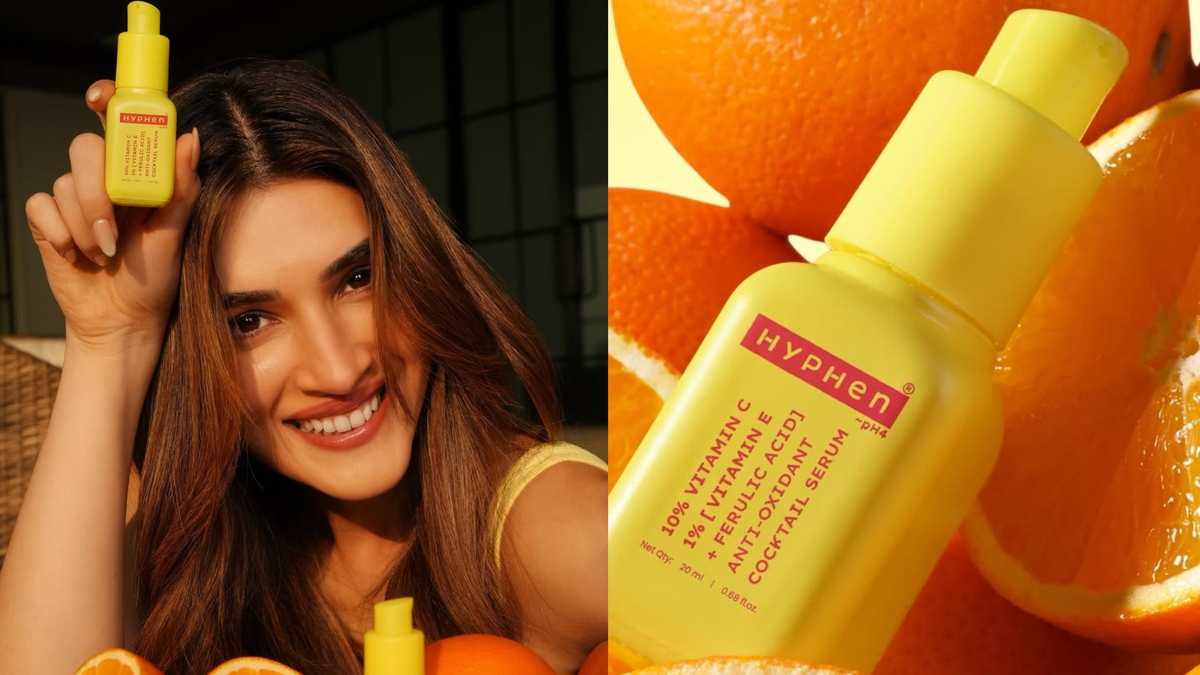
I had early access to Hyphen’s new 10% Vitamin C + 1% Vitamin E and Ferulic Acid Serum well before launch. Kriti Sanon’s ask was simple. Use it properly. Live with it. Question it. What followed felt less like a product trial and more like a slow audit of everything that usually goes wrong with Vitamin C.

Why Vitamin C Keeps Letting People Down

The issue with Vitamin C has never been its potential. It is one of the most researched and effective skincare ingredients available. The problem lies in how temperamental it becomes once it leaves controlled lab conditions and enters real routines, especially in Indian climates where heat, humidity, and long days test formulation limits.

Advertisment

Sanon acknowledges this gap early on. “Vitamin C itself isn’t the problem,” she says. “It’s how it’s formulated.” That statement sets the tone for the entire product. Instead of centring the ingredient as a hero, the focus stayed on the chemistry supporting it.

This thinking also explains the timeline. The serum took nearly 21 months to develop, with the launch paused more than once. “We even paused the launch at least twice,” she shares. “We only launched when it felt right.”

The Chemistry Was Built to Behave

At the core of the formula is 3-O Ethyl Ascorbic Acid, chosen for its stability and bioavailability. But the formula does not rely on Vitamin C working alone. Vitamin E and ferulic acid are paired with it to keep the ingredient potent over time, while liposomal CoQ10 and EGCG extend antioxidant support beyond surface-level claims.

The serum operates at a pH of around 4.0, where Vitamin C performs best, but this potency is balanced with calming ingredients like heartleaf extract and Allantoin to support the skin barrier. The intention was not to soften Vitamin C’s effectiveness but to make it more predictable and easier to live with.

This is not a formula built to impress on first use. It is designed to remain stable, consistent, and wearable over time.

What the 12-Hour Release Actually Changes

One of the more meaningful decisions in the formula is the 12-hour release system. Instead of delivering Vitamin C all at once and tapering off quickly, the ingredient is released gradually through the day. This allows for sustained antioxidant protection rather than a short spike followed by inactivity.

Penetration enhancers help the ingredient move beyond the surface of the skin, addressing a common frustration with serums that feel active but fail to translate into results. In everyday use, this simply means the serum works in the background without demanding attention.

Living With It Before Launch

The most noticeable thing about using this serum consistently is what does not happen. There is no stinging, no redness, and no need to adjust the rest of the routine around it. Over time, that absence of reaction becomes reassuring.

“I was hoping you’d notice how uncomplicated it feels,” Sanon says. “That moment when you realise it’s doing its job without demanding attention.”

After weeks of use, the skin appears more even and settled, without the artificial brightness that often fades quickly. This is not a product designed for instant gratification. It rewards consistency, which feels intentional rather than accidental.

Who This Serum Is Really For

This serum is best suited for people who want the benefits of Vitamin C without the anxiety that often comes with it. Those who have experienced irritation or instability in the past are very much the intended audience. “I’ve myself faced redness and stability issues with Vitamin C,” Sanon says. “We wanted to address the very reasons people give up on it.”

That said, this is not a shortcut product. If you are looking for overnight transformation, it will feel understated. Its strength lies in predictability, not spectacle.

Quiet Skincare as a New Marker of Luxury

There is a clear shift underway in how people approach skincare. Instant glow is slowly giving way to formulas that work steadily and respectfully with the skin. Products that integrate seamlessly into routines are beginning to feel more valuable than those that demand constant reassurance.

“To me, good skin today means healthy skin,” Sanon reflects. “It’s about consistent results, not instant ones.”

After living with this serum before launch, that perspective holds. Hyphen’s Vitamin C does not try to win you over immediately. It earns its place over time, which, for an ingredient as unforgiving as Vitamin C, feels like the most credible approach of all.

Also Read:

Day Vs Night Skin Care Routine: Do You Need Both?

The Power Of A Hair Wash Day In Changing Our Entire Mood

Tags: , , ,
An Expert Predicts The Skincare Trends That Will Dominate 2026

An Expert Predicts The Skincare Trends That Will Dominate 2026

After a couple of years that were dominated by extreme aesthetics, overstuffed routines and viral ingredients that promised instant transformation but delivered far less, the skincare pendulum is swinging back toward something more nuanced. In 2026, we want our skin to look strong and luminous, but above all, we want our skin to reflect overall health rather than manufactured perfection.

According to Dr Tania Romano, Head of Medical and Education at SkinCeuticals, this shift isn’t just a trend, it’s a recalibration of priorities across dermatology, aesthetics and consumer skincare alike.

“The biggest trend I predict for 2026 is healthy glowing skin,” Dr Romano says. “There is a real shift in the industry away from over-filling, over-freezing and over-treating, with many people now wanting a more natural look with healthy skin.”

So what does that mean in practice? From ingredient innovation to barrier health and the rise of professional diagnosis, here are the biggest skincare trends set to define 2026.

Tags: , , , ,
Best oLive
Privacy Overview

This website uses cookies so that we can provide you with the best user experience possible. Cookie information is stored in your browser and performs functions such as recognising you when you return to our website and helping our team to understand which sections of the website you find most interesting and useful.