How Laser Facials Are Inspiring A New Generation Of Beauty Products

How Laser Facials Are Inspiring A New Generation Of Beauty Products

In recent years laser facial treatments have grown in prominence, becoming a popular option for refining fine lines, minimising the appearance of scars and achieving a lasting, luminous glow.

It should come as no surprise, then, that this boom is now steering new and innovative cosmetic solutions, such as the new L’Oréal Paris Revitalift Laser Melasyl serum. The product of 18 years of research, it draws inspiration from lasers to target the appearance of wrinkles, and to give skin a firmer, more radiant look. Of course, these products do not replace professional procedures, but can serve as a brilliant at-home accompaniment to in-clinic treatments, or as a glow-giving addition to your regular skincare routine.

What is a laser facial?

Widely offered in clinics, laser facials are used primarily to target fine lines and wrinkles, as well as skin tone and texture concerns. While treatments vary, they all involve energy-based tools that emit light in specific wavelengths. Different types are used to target different needs: some work by reducing inflammation in redness-prone skin, while others stimulate the formation of new collagen and elastin to help iron out wrinkles and firm-up slack skin and use heat to break up pigments in complexions affected by hyperpigmentation.

Courtesy of L’Oreal

There are ablative and non-ablative options: ablative resurfacing removes the top layer of the skin, while non-ablative lasers are gentler and use warmth without compromising the upper layers of the epidermis, meaning a shorter recovery time.

A professional consultation is essential to work out which type is right for you, and depending on your skin’s specific needs, your practitioner will recommend either one, or a combination of both. Downtime differs according to each device, and while you may see a difference after one session, a course of treatments is often required for long-term results.

Laser-inspired skincare

Laser facials can only be performed by professionals, but the treatment is inspiring a new wave of skincare.

L’Oreal Paris Revitalift Triple Laser Anti-Ageing Creamy-Serum

Case in point: L’Oréal Paris’ new Revitalift Laser Melasyl Anti-Ageing Creamy-Serum, which promises a visible reduction in the appearance of wrinkles, and skin that feels firmer with a more radiant tone, in just seven days.*

This future-facing formula uses L’Oréal’s patented and award-winning Melasyl ingredient, which took scientists at the L’Oréal Group around 18 years of research and testing to perfect.

Melasyl is designed to specifically target dark spots and hyperpigmentation. It aims to work by stopping melanin precursors before they turn into pigments; essentially minimising the appearance of current dark spots and helping to prevent future ones.**

This all-rounder serum also features a vitamin C derivative, which brightens and protects against environmental damage, alongside niacinamide, to encourage hydration and bolster the skin barrier.

Courtesy of L’Oreal

The sensorially-pleasing cream-serum texture also makes it a joy to use. It absorbs quickly yet feels extra comforting on drier skin types without being greasy on oilier complexions. It layers seamlessly under moisturisers, SPF and make-up, and leaves skin feeling plush.

The best skincare routine is one that you are consistent with. Given how easily the L’Oréal Paris Revitalift Laser Melasyl Anti-Ageing Creamy-Serum can be used with other products and the silky, smooth texture, it is easy to incorporate this serum into your daily routine, and according to L’Oréal’s research, it can give visible results in just a week.*

With skincare science moving at lightning speed, what’s certain is that there is more choice than ever, whether you choose to turn to aesthetic interventions, or focus on next-generation skincare to make your skin the healthiest it can be.

Give the new frontier of skincare a try with the L’Oréal Paris Revitalift Laser Melasyl Anti-Ageing Creamy-Serum, available now at Boots

*Consumer self-assessment study of 69 women after seven days’ daily use. Testers reported visible results on wrinkles, firmness and brightness.

**According to L’Oréal Paris in vitro and in vivo studies.

Medina Azaldin is the beauty editor of ELLE and Harper’s Bazaar UK, working across print and digital features. She has more than seven years journalism experience and has previously written for Red and Good Hoousekeeping. When she’s not demystifying the latest skincare ingredient, sniffing out the next big perfume trend or uncovering the science behind wellness practices, you’ll most likely find her in Hatchards Piccadilly or watching a crime series with her cats. Oh, and she’s a competitive cheerleader, too. 

Tags: , , , , ,
Scarlett Johansson's 'no-makeup makeup’ routine is just three products

Scarlett Johansson’s ‘no-makeup makeup’ routine is just three products

Page Six may be compensated and/or receive an affiliate commission if you click or buy through our links. Featured pricing is subject to change.

Want to get ready like ScarJo on the go?

Scarlett Johansson recently shared her surprisingly streamlined “no-makeup makeup” routine on Gwyneth Paltrow’s Goop, saying she’s “all about things that enhance skin rather than cover it.”

“A little concealer, cream blush and something hydrating on the lips … usually does it,” she explained.

As for her exact favorites? The star name-dropped Westman Atelier Vital Skincare Concealer — the brainchild of celebrity makeup artist Gucci Westman — and Goop Beauty’s Colorblur Glow Balm.

Nordstrom

Goop

The latter swipe-and-go formula comes in five hues ranging from coral to deep mauve — though Paltrow and Johansson are both partial to the soft berry shade Afterglow.

When it comes time to put the finishing touches on her minimalist look, the “Jurassic Park” actress also reaches for a bestseller from her own brand: The Outset Lip Oasis Glossy Treatment.

The Outset

She specifically shouted out the clear version for a more natural look, though it also comes in three sheer tints — all of which have over 100 glowing reviews on Amazon, with shoppers calling them “genuinely nourishing” and “not sticky.”

While not all celebrity beauty brands stand up to the hype, Melissa Minton, Page Six Style’s Senior Editor, swears the “two-for-one product” is truly worth it.

“When I’m wearing the Lip Oasis, I feel like I have ScarJo’s enviable big pout!” she says. “It definitely gives an enhanced look.”

Why Trust Page Six Style Shopping

This article was written by Hannah Southwick, Commerce Associate Editor for Page Six. Hannah spies deals on actually affordable celebrity-worn styles, puts celebrities’ brands to the test and finds the beauty products that keep stars red carpet-ready. She consults stylists and industry pros — including celebs themselves — for firsthand product recommendations, trend predictions and more. In addition to writing for Page Six since 2020, her work has been featured in USA Today and Parade.

Tags: , , , , ,
Daily Mirror

Best PDRN products as dermatologists explain science behind ‘salmon DNA’ skincare

PDRN is the trending K-beauty skincare ingredient that dermatologists say supports skin repair and hydration – here are the best products to try in 2026

PDRN is a skincare ingredient skyrocketing in popularity this year(Image: Getty)

Every few years there seems to be a new hero skincare ingredient to incorporate into our routines. Hyaluronic acid has been universally revered for its hydration properties, vitamin C has earned essential status for its glow-giving abilities, while retinol is a must for anti-ageing focused evening routines. Now, as we head into 2026, PDRN is taking centre stage – but what exactly is it and how should we be using it?

Already a staple in medical aesthetics and K-beauty, which has dominated social media and beauty aisles over the last 12 months, PDRN is being hailed as the next generation of barrier-first, recovery-led skincare. As such, skincare fans are likely to start seeing it crop up a lot more in high-street launches in the coming months, with many formulas relying on the ingredient to deliver bouncy, hydrated and protected skin.

I asked dermatologists for the low down on the latest skincare essential, and have hunted down some of the top products starring the ingredient available now, perfect for anyone wanting a skincare refresh. I’ve even been using one of them myself for the last couple of weeks, and I’ve already noticed a difference in my complexion.

READ MORE:

What Is PDRN?

PDRN stands for polydeoxyribonucleotide, which is a biological compound made up of short DNA fragments. In skincare, it’s most commonly derived from purified salmon DNA, though fermentation-based and vegan alternatives are now emerging.

Dr Ewa Kania, an aesthetic doctor and regenerative skin specialist, explained: “PDRN is a DNA-fragment-derived regenerative ingredient originally developed for medical wound healing. In skin, it signals fibroblasts and other cells to support collagen and elastin synthesis, enhance barrier repair, improve hydration, and reduce low-grade inflammation.”

PDRN is suitable for most skin types, making it a really universally-loved ingredient(Image: Getty)

Consultant Dermatologist Dr Aiza Jamil added that PDRN has long been used in clinical dermatology before making the jump into at-home products. She added: “It acts as a regenerative ingredient that interacts with cellular mechanisms involved in repair and homeostasis. It was originally used in aesthetic and medical dermatology for wound healing, but is now formulated into topical products like serums, creams, ampoules and toners.”

What does PDRN actually do for skin?

Traditional actives like retinols or AHAs that exfoliate and resurface, PDRN works by supporting the skin’s own repair systems.

“PDRN stimulates pathways involved in tissue repair and cellular renewal,” said Dr Aiza Jamil. “It also improves the skin’s hydration through enhancing moisture retention and structural resilience, supporting the skin’s barrier function”

According to the cosmetic dermatologist, the ingredient is believed to ‘help improve elasticity and texture through influence on collagen pathways and fibroblast stimulation’.

Key benefits of using the ingredient topically include improved barrier strength and resilience, enhanced hydration and plumpness, calmer, less inflamed skin and gradual improvements in elasticity and texture.

Dr Ross Perry, Medical Director of Cosmedics Skin Clinics, describes it as a long-game ingredient. “PDRN encourages the skin to repair itself more efficiently. It helps kick-start fibroblast activity – the cells responsible for collagen and elastin – improving skin quality over time rather than offering a short-term cosmetic fix.”

“It’s not about dramatic overnight changes,” Dr Perry noted. “It’s about improving how the skin functions long term.”

Why PDRN is going to be everywhere in 2026

On TikTok, PDRN has gained viral traction thanks to its nickname – “salmon DNA skincare.” The hashtag #PDRN already has 180K posts, while #GlassSkin has surpassed 1.3 million. Searches for K-beauty on TikTok Shop are up 125% in the last six months of 2025, with #kbeauty now the third most-used beauty hashtag in the UK.

The hashtag #PDRN already has more than 180K posts on TikTok

According to Grace Vernon, Head of Boots Ignite, Foresight & Trends, PDRN is firmly on the radar at the health and beauty retailer, too. “As seen in the Boots Beauty & Wellness Trend Report 2026, PDRN is shaping up to be 2026’s buzziest skincare ingredient. It’s a popular aesthetic treatment, where PDRN is injected straight into the skin to improve regeneration—but skincare products offer a more accessible way to get the benefits (and a lot less painful!).”

“The shift toward ‘recovery-first’ skincare has driven interest in scientifically grounded actives,” Dr Kania added. “Consumers and brands are moving away from aggressive exfoliation and stripping routines toward barrier-supportive, regenerative ingredients. PDRN bridges clinic and daily care with a strong regenerative narrative.”

“Trends such as regenerative treatments and repair and recovery for our skin barrier has become very popular in the past few years, which PDRN champions, so it’s no wonder it is believed to become a leading skincare trend for 2026,” Dr Jamil agrees. “Repair and regeneration has replaced the ‘anti-ageing’ rhetoric. People are focused on cell turnover, barrier protection and hydration from a younger age.”

So it seems that for those left with sensitive or reactive skin having previously taken a ‘more is more’ approach, PDRN could just be the product to combat that.

Who should be using PDRN – and how?

PDRN works best as a supportive, daily active rather than a once-a-week treatment. It layers easily with retinoids, acids and vitamin C, making it ideal for both morning and nightly use. As part of an am skincare routine, it’s ideal for delivering a hydration boost, while evening use is reportedly most effective, working overnight to support skin regeneration.

As for who can use it, Dr Aiza Jamil suggests it is typically suitable for almost all skin types. She said: “It’s generally quite safe for those with sensitive or acne-prone skin. I would stress that PDRN on its own isn’t a miracle worker, but it’s extremely beneficial for recovery, regeneration and barrier support when included in a routine.”

It’s also important to note that topical products won’t replicate injectable results, but they’re excellent for maintenance, prevention and long-term skin health, especially between in-clinic treatments. Dr Ewa Kania added: “Clinically, PDRN fits post-procedure and sensitive skin protocols beautifully. I emphasise repair, resilience and measured results over hype, which helps set realistic expectations while leveraging its robust biological rationale.”

Top PDRN product picks

The PDRN market in the UK is growing rapidly with K-beauty imports and homegrown launches. Dr Ewa Kania has recommended a number of affordable high street options, ranging for those ideal for post-procedure care, to TikTok favourites.

One of her recommendations is the Dr Reju-All Advanced PDRN Rejuvenating Cream, which is £32.89 at Superdrug. She describes it as ‘excellent for post-procedure repair and barrier support’. Often sold-out at Korean pharmacies, according to Glam Touch, it’s designed for oily, dry, and combination skin types and helps the skin recover from daily environmental stress while restoring hydration, glow, and firmness overnight.

Dr Reju-All Advanced PDRN Rejuvenating Cream(Image: Superdrug)

At LookFantastic, the Anua PDRN Hyaluronic Acid Capsule 100 Serum costs £20 and is said to be a ‘great affordable option for sensitive or retinoid-averse skin’ according to the doctor. Consultant Dermatologist, Dr Aiza Jamil, is also a fan of Anua, in particular their PDRN Hyaluronic Acid 100 Moisturising Cream. She said: “It’s formulated with PDRN and Hyaluronic Acid to give the skin a deep boost of hydration and barrier protection.”

A TikTok favourite, Medicube’s PDRN Pink Peptide Serum has been praised by Dr Kania for ‘balancing hydration, radiance and elasticity’. It costs £24 at Boots, with one shopper commenting: “Amazing! This serum has helped my dry skin so so much! I had one stubborn patch around my nose that no moisturiser has helped, but one week of Salmon PDRN and it’s clearing up.”

Medicube PDRN Pink Peptide Serum 30ml(Image: Boots)

However, another shopper claimed it caused them to break out in blemishes, which goes to show that not every skincare product or ingredient will suit everyone. It’s also worth remembering to complete a patch test when introducing any new product or ingredient into your skincare routine, especially as in some rare cases, those with fish allergies may not find the product suitable for them.

For a vegan alternative, there’s the Yepoda The Skinject Effect, which Dr Kania said is made with’exosomes and microspicule delivery, appealing to ethically minded clients and next-gen regenerative positioning’. With its gentle yet powerful formula, it refines skin over time, stimulates collagen production, and supports the skin’s natural barrier.

My personal favourite, though, is the newly-launched Boots PDRN Serum, which was released in January as part of a capsule skincare range from the brand, which draws influence from K-Beauty. It’s priced at a purse-friendly £8, and is said to leave skin ‘feeling firmer, more supple, and radiant after use’.

Boots own brand PDRN serum is one of the most affordable on the market at £8

I’ve been using the serum daily for two weeks and love its lightweight, non-sticky feel. I’ve already noticed a marked improvement in my skin’s overall appearance, looking healthier, brighter and more glowy – and I’m not the only one.

One Boots shopper has commented: “This serum literally makes me skin glow like crazy! My skin feels so hydrated and soft, it’s my go to serum now. The glow it gives is not greasy or wet either so you glow even under makeup.”

Another added: “I’ve only been testing this product for a week so can’t comment on long term benefits, but I’m impressed so far. My skin feels so hydrated, and it looks super glowy! I would definitely repurchase.”

The bottom line?

PDRN isn’t here to replace products containing the likes of retinol or hyaluronic acid, but slots effortlessly into most skincare routines as an additional boost for skin health and glow. As Dr Perry puts it: “It’s not a miracle ingredient. But as part of a considered skincare plan, it can significantly improve how skin behaves, heals and ages.” And we can expect to see a lot more of it knocking around in 2026, that’s for sure.

Tags: , , , , , , ,
Best skin barrier repair products 2026 | how to build a skinimalism routine | top skincare trends 2026 science backed | hybrid skincare multi active formulas | affordable barrier strengthening ingredients ceramides niacinamide | These 3 skincare trends are changing beauty routines fast

Best skin barrier repair products 2026 | how to build a skinimalism routine | top skincare trends 2026 science backed | hybrid skincare multi active formulas | affordable barrier strengthening ingredients ceramides niacinamide | These 3 skincare trends are changing beauty routines fast

As the beauty industry keeps evolving, skincare remains at the forefront of the evolution. From different kinds of technology to science-backed formulas and innovative ingredients, let’s take a look at the top three skincare trends that can shape your skincare routine. 

“Skinimalism” aka skin minimalism

Gone are the days of 10-step skincare routines, overdosed with all different actives. Even the Koreans, who were the master of 10-step routines are stripping off steps from their routines. Consumers are now looking for efficiency and efficacy and are paring back on the number of products they layer on their skin. With more skincare knowledge out there than ever before, they are realizing that less is more when it comes to skin health. Too many steps in the regimen can actually do more harm than good. Hence, there will be an uptick of affordable efficacious products that target skin concerns, hydrate and protect the facial skin. 

Photo: Adnan Rahman

Enhancing the barrier

2026 is seeing a shift of focus on the health of the skin barrier. Consumers are seeking out gentle ingredients and formulations that will nourish and protect the skin barrier and the microbiome of our skin. Products with barrier-strengthening ingredients such as ceramides, hyaluronic acid, niacinamide, panthenol etc. are just what you are looking for. 

Hybrid multi-ingredient products

As our society tries to grapple with the realities of the cost-of-living crisis, along with rising environmental concerns and a general move toward minimalistic skincare, consumers are now looking for formulas that have more than one hero ingredient. Skincare enthusiasts and junkies are coming off the trend of using single-ingredient products as they can lead to more waste and excessive layering can lead to skin irritation. Instead, they are now opting for products combining synergistic and efficacious ingredients in one bottle, making the whole regimen more affordable. 


Model: Suhi

Fashion Direction & Styling: Sonia Yeasmin Isha

Mua: Masum

Hair: Probina

Tags: , , , , , , , , , , , , , , , , , , , , , , , ,
Marine Collagen and Peptides in Skincare and Anti-Aging Products Market Set to Double by 2033, Driven by 'Blue Beauty' and Clean Label Trends

Marine Collagen and Peptides in Skincare and Anti-Aging Products Market Set to Double by 2033, Driven by ‘Blue Beauty’ and Clean Label Trends

LONDON, Jan. 26, 2026 /PRNewswire/ — The global beauty and wellness industry is witnessing a significant paradigm shift as consumer preference pivots toward marine-sourced ingredients. A comprehensive new market research report titled Marine Collagen & Peptides in Skincare & Anti-Aging Products Market Size, Future Growth and Forecast 2034 reveals that this niche sector is poised for robust expansion over the next decade. Valued at $1.10 billion in 2024, the market is projected to reach a valuation of $2.20 billion by 2033, registering a Compound Annual Growth Rate (CAGR) of 7.41% during the forecast period from 2025 to 2033.

The report offers an exhaustive analysis of the market dynamics, segmenting the industry by source (Fish, Jellyfish, Others), application (Skincare, Anti-Aging, Haircare, Others), distribution channel (Online, Offline), and key geographic regions. This growth trajectory underscores a deepening consumer awareness regarding the efficacy of marine bioactives, alongside a surging demand for sustainable, natural, and scientifically backed beauty solutions.

https://www.strategicrevenueinsights.com/industry/marine-collagen-peptides-in-skincare-anti-aging-products-market 

The Rise of Marine Bioactives in Modern Skincare

The doubling of market valuation by 2033 is not merely a statistical anomaly but a reflection of a fundamental change in consumer behavior. The report highlights that the primary catalyst for this growth is the increasing consumer awareness concerning the specific benefits of marine collagen and peptides. Unlike bovine or porcine alternatives, marine collagen is increasingly favored for its superior bioavailability and smaller peptide size, which allows for deeper penetration into the dermis.

This surge is inextricably linked to the broader ‘clean beauty’ movement. Today’s consumers are far more scrutinized regarding ingredient lists. There is a rising preference for natural and organic ingredients, moving away from synthetic compounds. Marine collagen fits perfectly into this narrative, offering a potent anti-aging solution that is perceived as both effective and essentially natural.

Furthermore, the global demographics are shifting. An aging population across developed nations is actively seeking non-invasive but effective anti-aging solutions. This demographic cohort has significant disposable income and is willing to invest in premium skincare products that promise to restore skin elasticity, hydration, and overall youthful appearance. The report indicates that this trend is pushing manufacturers to innovate rapidly, moving beyond basic creams to advanced serums and ingestible beauty supplements.

Browse the associated report:

https://www.strategicrevenueinsights.com/ja/industry/marine-collagen-peptides-in-skincare-anti-aging-products-market

https://www.strategicrevenueinsights.com/kr/industry/marine-collagen-peptides-in-skincare-anti-aging-products-market

https://www.strategicrevenueinsights.com/es/industry/marine-collagen-peptides-in-skincare-anti-aging-products-market

https://www.strategicrevenueinsights.com/da/industry/marine-collagen-peptides-in-skincare-anti-aging-products-market

https://www.strategicrevenueinsights.com/de/industry/marine-collagen-peptides-in-skincare-anti-aging-products-market

https://www.strategicrevenueinsights.com/it/industry/marine-collagen-peptides-in-skincare-anti-aging-products-market

https://www.strategicrevenueinsights.com/pt/industry/marine-collagen-peptides-in-skincare-anti-aging-products-market

https://www.strategicrevenueinsights.com/fr/industry/marine-collagen-peptides-in-skincare-anti-aging-products-market

Technological Advancements Driving Efficacy

A critical factor propelling this market forward is the rapid advancement in extraction and processing technologies. In the past, extracting high-quality collagen from marine sources could be cost-prohibitive and technically challenging, often resulting in products with a strong odor or lower efficacy. However, the report notes that recent technological strides have revolutionized this process.

New hydrolysis methods are enabling manufacturers to produce odorless, tasteless, and highly soluble collagen peptides. These advancements enhance the application potential of marine collagen, allowing it to be seamlessly integrated into a wider variety of skincare formulations without compromising the sensory experience of the final product. These technological improvements are crucial for market expansion, as they allow brands to offer superior products that deliver visible results, thereby fostering high rates of consumer retention and brand loyalty.

Detailed Segmentation Analysis: Sources and Applications

The market report provides a granular analysis of various segments, offering strategic insights into where the highest growth potential lies.

  • Source Analysis: The market is primarily categorized into fish, jellyfish, and other marine sources. Currently, fish-derived collagen reigns supreme. Its dominance is attributed to high bioavailability and high compatibility with human skin structure. The report emphasizes that sustainable sourcing of fish collagen is becoming a major competitive differentiator. However, the market is also witnessing the emergence of jellyfish collagen. While still in its nascent stages, jellyfish collagen is identified as a high-potential source due to its unique bioactive compounds and high collagen concentration. This presents a frontier for innovation, offering opportunities for brands to differentiate themselves in a crowded marketplace.
  • Application Landscape: In terms of application, the skincare segment remains the dominant force. Marine collagen is now a staple ingredient in moisturizers, facial masks, and restorative serums. However, the anti-aging segment is the fastest-growing vertical. This is driven by the specific ability of marine peptides to stimulate the body’s own collagen production, directly addressing the root causes of skin aging. Additionally, the report identifies haircare as an emerging application. Marine collagen is believed to strengthen hair follicles and improve texture, leading to a new wave of ‘skinification’ of hair products, where skincare-grade ingredients are used in shampoos and conditioners.

Regional Market Dynamics and Top Countries Insights

The report offers a comprehensive geographical breakdown, highlighting how cultural and economic differences shape market demand.

  • North America (The United States): The U.S. stands out as a leading market with a size of approximately $500 million and a steady CAGR of 6%. The growth here is driven by a sophisticated consumer base that values high-performance skincare. The U.S. market is characterized by a strong willingness to pay for premium brands and a robust presence of major market players. The explosion of e-commerce has further fueled growth, allowing niche marine collagen brands to reach a nationwide audience instantly.
  • Asia Pacific (China, Japan, South Korea): This region is a powerhouse for marine collagen products.
    • China: With a market size of around $400 million and a burgeoning CAGR of 8%, China represents a massive opportunity. Rising disposable incomes and the rapid urbanization of the country have led to a boom in beauty spending. The influence of social media and beauty influencers (KOLs) is particularly strong here, driving trends and educating consumers on the benefits of peptides.
    • Japan: Valued at roughly $300 million, Japan’s market is mature and highly sophisticated. Japanese consumers have a long-standing cultural acceptance of collagen, both topical and ingestible. The demand here is for high-science, innovative products, with a growing emphasis on ethical sourcing.
    • South Korea: Known globally as a trendsetter in beauty (K-Beauty), South Korea holds a market size of approximately $200 million. The emphasis here is on multi-step skincare routines where marine collagen plays a pivotal role in hydration and repair steps.
  • Europe (Germany): Germany leads the European market with a size of about $250 million. The German consumer is famously discerning, prioritizing scientific validation and ‘clean’ labels. The strong focus on health and wellness in Germany aligns perfectly with the marine collagen value proposition.

Competitive Landscape and Key Players

The report describes a highly competitive and dynamic market environment. It is a mix of established global giants and agile emerging players, all striving to capture market share through innovation and strategic branding.

Key players analyzed in the report include:

  • Rousselot: A prominent leader known for high-quality marine collagen and a steadfast commitment to sustainability.
  • Gelita AG: Recognized for its wide range of specific collagen peptides tailored for optimized efficacy in skincare applications.
  • Amicogen: A South Korean innovator specializing in bioactive peptides and advanced enzymatic technologies.
  • Nitta Gelatin: A Japanese key player highly regarded for quality and performance consistency.
  • Vital Proteins: A brand that has successfully bridged the gap between wellness supplements and beauty, particularly in the U.S. market.
  • Seagarden: A Norwegian company that leverages its geographic advantage to offer sustainably sourced marine ingredients.

The competitive dynamics are defined by product innovation and distribution strategies. Companies are increasingly investing in Research and Development (R&D) to create proprietary formulations that offer synergistic benefits, such as combining marine collagen with vitamins and antioxidants.

Challenges, Threats, and Strategic Barriers

Despite the optimistic forecast, the report provides a balanced view by outlining potential hurdles. A primary challenge is the complex regulatory landscape. Sourcing marine ingredients involves navigating strict international and local regulations regarding fishing quotas, environmental impact, and processing standards. Compliance can be costly and time-consuming.

Furthermore, the cost of production remains a restraining factor. High-quality marine collagen is more expensive to produce than bovine or synthetic alternatives. This places pressure on profit margins, particularly for smaller players who lack economies of scale. The market is also subject to intense competition, which can lead to price wars, making it difficult for companies to maintain profitability without strong brand differentiation.

Distribution Channels: The Digital Shift

The distribution landscape is evolving rapidly. While offline channels like pharmacies, specialty beauty stores, and department stores remain vital for brand prestige and customer experience, the online channel is witnessing explosive growth.

The report details that online retailing is becoming crucial for market expansion, particularly in emerging markets where physical retail infrastructure for premium beauty may be limited. Digital marketing, social media campaigns, and direct-to-consumer (DTC) models allow brands to educate consumers directly about the complex science behind peptides, a task that is often difficult to achieve on a crowded retail shelf.

Strategic Foresight: 2025-2033

Looking ahead, the report outlines a strategic roadmap for the industry. The period from 2025 to 2033 will be characterized by a shift from basic extraction methods to advanced processing technologies that maximize yield and purity.

Opportunities for growth abound in product diversification. The report suggests that the next frontier lies in personalized skincare solutions. As data analytics and AI enter the beauty space, brands that can offer customized marine collagen regimens based on individual skin types and concerns will likely lead the market. Additionally, the integration of marine collagen into hybrid products—such as makeup with skincare benefits—presents a significant avenue for innovation.

About the Report

The report, titled “Marine Collagen & Peptides in Skincare & Anti-Aging Products Market Size, Future Growth and Forecast 2034,” (Report ID: 84230) spans 171 pages and provides a comprehensive assessment of the market. It covers historic data from 2018-2024 and forecasts through 2034, offering critical insights for stakeholders, investors, and manufacturers.

Related and Popular Reports:

https://www.strategicrevenueinsights.com/industry/aquamarine-earrings-market

https://www.strategicrevenueinsights.com/industry/marine-algae-extracts-in-sun-care-products-market

https://www.strategicrevenueinsights.com/industry/marine-algae-in-sun-protection-market

https://www.strategicrevenueinsights.com/industry/marine-bioactives-for-hair-care-products-market

https://www.strategicrevenueinsights.com/industry/marine-cargo-consumer-goods-market

https://www.strategicrevenueinsights.com/industry/marine-collagen-based-face-masks-market

https://www.strategicrevenueinsights.com/industry/marine-extractor-hood-market

https://www.strategicrevenueinsights.com/industry/marine-lipids-in-skin-moisturizers-market

https://www.strategicrevenueinsights.com/industry/marine-peptides-in-beauty-formulations-market

https://www.strategicrevenueinsights.com/industry/marine-polysaccharides-in-cosmetics-market

https://www.strategicrevenueinsights.com/industry/marine-reconsumer-goods-market

https://www.strategicrevenueinsights.com/industry/marine-safety-products-market

https://www.strategicrevenueinsights.com/industry/marine-stereo-systems-market

https://www.strategicrevenueinsights.com/industry/marine-based-anti-inflammatory-skincare-ingredients-market

https://www.strategicrevenueinsights.com/industry/marine-derived-active-ingredients-in-personal-care-market

About Us:

Strategic Revenue Insights Inc., a subsidiary of SRI Consulting Group Ltd, empowers organizations worldwide with data-driven market intelligence. Headquartered in London, United Kingdom, we deliver syndicated research reports, tailored consulting solutions, and actionable insights that equip clients to make confident, future-focused strategic decisions.

Our team of seasoned analysts based in London and connected globally continuously tracks markets, identifies emerging trends, and uncovers growth opportunities to support long-term client success. As part of SRI Consulting Group Ltd, we are committed to accuracy, clarity, and practical relevance, helping businesses navigate competitive landscapes, optimize strategies, and accelerate revenue growth.

By combining rigorous research methodologies with deep industry expertise, Strategic Revenue Insights Inc. provides organizations with a comprehensive market perspective that drives measurable results and sustained competitive advantage.

Media Contact:

Company Name: Strategic Revenue Insights Inc.
Contact Person: Rohit Bhisey (Partner)
Email: sales@strategicrevenueinsights.com
Phone: +44 7877403352
Address: Suite10 Capital House 61 Amhurst Road, E8 1LL
City: London
State: London
Country: United Kingdom
Website: www.strategicpackaginginsights.com
Website: www.strategicrevenueinsights.com
Website: www.sriconsultinggroupltd.com
Blog: https://strategicrevenueinsights.blog

Logo: https://mma.prnewswire.com/media/2826292/Strategic_Revenue_Insights_Logo.jpg

Tags: , , , , , , , , , , , , , ,
Rice-based Skincare Products Market Report 2026

Rice-based Skincare Products Market Report 2026

Company Logo

The global rice-based skincare market is poised for growth due to rising demand for plant-based, gentle skincare, influenced by Asian beauty trends. Key opportunities include expanding hybrid formulations that combine rice extracts with clinical actives and developing luxury lines using Rice Stem Cell Technology.

Rice-based Skincare Products Market

Rice-based Skincare Products Market · GlobeNewswire Inc.

Dublin, Jan. 26, 2026 (GLOBE NEWSWIRE) — The “Rice-based Skincare Products Market – Global Industry Size, Share, Trends, Opportunity, and Forecast, 2021-2031” has been added to ResearchAndMarkets.com’s offering.

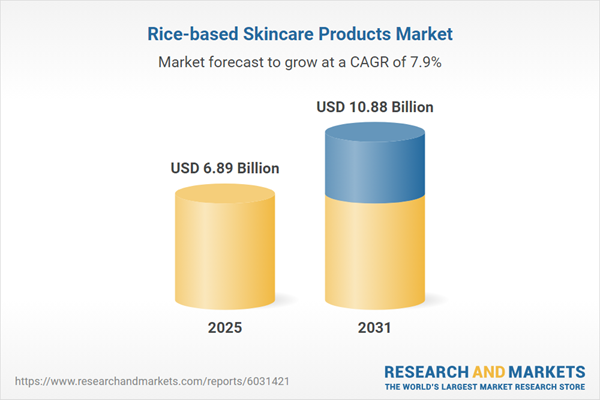
The Global Rice-based Skincare Products Market is projected to expand from USD 6.89 Billion in 2025 to USD 10.88 Billion by 2031, achieving a CAGR of 7.91%

These cosmetic formulations harness derivatives such as fermented rice filtrate, rice water, and rice bran oil, which are prized for their rich content of antioxidants, vitamins, and amino acids. This market growth is fundamentally underpinned by increasing worldwide demand for clean, plant-based ingredients and the enduring popularity of Asian beauty regimens that emphasize skin barrier health and hydration. Consequently, rice extracts have evolved from transient commodities into staple functional ingredients, reinforced by a growing preference for gentle exfoliants that are safe for sensitive skin types.

However, the market faces significant hurdles due to the volatility of raw material costs driven by agricultural supply chain disruptions and climate change, which directly affect the availability and pricing of premium cosmetic-grade rice. Manufacturers are challenged to source high-quality, contaminant-free extracts while striving to keep end-product pricing affordable amidst these uncertainties. Highlighting the sector’s economic significance, the Ministry of Food and Drug Safety reported that exports of basic skincare products: a key category for these rice-based formulations: totaled USD 7.67 billion in 2024, underscoring the critical reliance on a stable supply of these essential natural ingredients.

Market Drivers

The expansion of K-Beauty and J-Beauty philosophies globally acts as a primary driver for the Rice-based Skincare Products Market, effectively popularizing traditional Asian ingredients on an international scale. By prioritizing deep hydration and the reinforcement of the skin barrier, these regimens have elevated rice derivatives, such as bran oil and fermented rice water, from niche additives to essential, high-efficacy components. The massive global adoption of these multi-step routines is reflected in substantial trade figures; according to the Ministry of Food and Drug Safety in January 2025, South Korea recorded a historic high of USD 10.2 billion in cosmetic exports during 2024, demonstrating how these ingredient-focused products have successfully transcended domestic markets to capture significant shares in Western regions.

Story Continues

Simultaneously, the market is being propelled by a shifting consumer preference toward organic and clean label formulations. Modern buyers are increasingly examining product ingredients, favoring non-toxic, plant-derived options over synthetic alternatives, a trend that aligns well with the biodegradable and hypoallergenic nature of rice extracts. This demand for natural efficacy and transparency is reshaping corporate strategies; an NSF survey from March 2025 indicated that 74% of consumers view organic ingredients as a critical factor in personal care purchases. This consumer shift is commercially validated by major industry players, such as Unilever, which reported in July 2025 that its Japanese heritage brand, Tatcha, achieved double-digit growth in the first half of the year, confirming the strong viability of premium, nature-inspired skincare.

Market Challenges

A major impediment to the growth of the global rice-based skincare market is the instability of agricultural supply chains and the resulting volatility in raw material costs. Disruptions in global rice production caused by climate change make it increasingly difficult for manufacturers to secure a reliable stream of the premium, contaminant-free extracts necessary for high-quality cosmetics. This unpredictability creates fluctuating input costs that squeeze profit margins and hinder brands from maintaining the affordable pricing structures required for mass-market adoption, ultimately deterring long-term investment in product lines reliant on specific, high-quality rice strains.

Recent industry data on global inventory levels further underscores these supply chain constraints. The United States Department of Agriculture reported in September 2024 that global rice ending stocks were projected to drop to 177.2 million tons, marking the fourth consecutive year of decline. This sustained contraction in global reserves signals a tightening availability of the core commodity, fostering a volatile sourcing landscape that directly impedes the industry’s ability to scale operations efficiently to meet rising consumer demand.

Market Trends

Product efficacy standards are being redefined by the hybridization of rice extracts with clinical actives such as Retinol and Niacinamide, transforming the category from simple hydration to functional dermatological care. Manufacturers are blending traditional fermented rice filtrates with high-potency synthetic ingredients to develop “clean-ical” formulations that satisfy consumers who are both label-conscious and performance-driven. This approach enables brands to position rice-based serums and sunscreens as multi-tasking solutions that protect, brighten, and repair the skin barrier. The success of this strategy is evident in trade data; the Ministry of Food and Drug Safety reported in November 2025 that cosmetic exports for the first half of the year rose by 14.9% year-on-year to USD 5.51 billion, a growth largely fueled by the global adoption of these hybrid formulations.

In parallel, the market is seeing the rise of Rice Stem Cell Technology within premium anti-aging segments, elevating rice from a mass-market staple to a luxury biotechnology asset. By utilizing advanced extraction techniques to isolate bioactive peptides and rice stem cells, premium brands are creating sophisticated lines that claim to promote collagen synthesis and cellular regeneration, distinguishing them from standard moisturizing products. This trend caters to affluent consumers looking for scientifically proven natural ingredients, allowing companies to improve margins and premiumize their portfolios despite raw material volatility. The financial success of this high-end positioning is reflected in Kose Corporation’s February 2025 report, which cited a 7.4% year-on-year increase in net sales to 322.8 billion yen for Fiscal Year 2024, driven significantly by prestige skincare brands leveraging proprietary rice fermentation technologies.

Key Players Profiled in the Rice-based Skincare Products Market

Report Scope

In this report, the Global Rice-based Skincare Products Market has been segmented into the following categories:

Rice-based Skincare Products Market, by Product Type:

  • Cream & Moisturizers

  • Cleansers & Toners

  • Serum

  • Face Packs/Masks

  • Others

Rice-based Skincare Products Market, by Sales Channel:

  • Supermarket/Hypermarket

  • Specialty Stores

  • Online

  • Others

Rice-based Skincare Products Market, by Region:

  • North America

  • Europe

  • Asia-Pacific

  • South America

  • Middle East & Africa

Key Attributes:

Report Attribute

Details

No. of Pages

185

Forecast Period

2025 – 2031

Estimated Market Value (USD) in 2025

$6.89 Billion

Forecasted Market Value (USD) by 2031

$10.88 Billion

Compound Annual Growth Rate

7.9%

Regions Covered

Global

For more information about this report visit https://www.researchandmarkets.com/r/s8mb7l

About ResearchAndMarkets.com
ResearchAndMarkets.com is the world’s leading source for international market research reports and market data. We provide you with the latest data on international and regional markets, key industries, the top companies, new products and the latest trends.

Attachment

CONTACT: CONTACT: ResearchAndMarkets.com Laura Wood,Senior Press Manager press@researchandmarkets.com For E.S.T Office Hours Call 1-917-300-0470 For U.S./ CAN Toll Free Call 1-800-526-8630 For GMT Office Hours Call +353-1-416-8900

Tags: , , , ,
Want Glowing Skin Without Luxury Products? Try Rujuta Diwekar’s 4-Step Routine | Beauty News

Want Glowing Skin Without Luxury Products? Try Rujuta Diwekar’s 4-Step Routine | Beauty News

Last Updated:January 08, 2026, 16:28 IST

Celebrity nutritionist Rujuta Diwekar revealed her affordable and refreshingly simple four-step beauty regimen.

Good skin does not depend on high-end products but rather begins from inside.

Celebrity nutritionist Rujuta Diwekar is questioning the belief held by the beauty industry nowadays that elaborate routines and costly treatments are necessary for radiant skin. The fitness and wellness specialist, who has long collaborated with Bollywood celebrities like Kareena Kapoor, shared her simple, low-cost 4-step skincare regimen on Instagram, emphasising that good skin does not depend on high-end products but rather begins from inside.

Taking to Instagram, Rujuta says, “Here’s a four-step skincare routine that I follow, and I think you can do it too. It’s easy, it’s inexpensive, and it’s your ghar ka stuff.”

Watch the video here:

Water for hydration

Hydration is the cornerstone of Rujuta’s simple strategy, which she views as essential to skin health. She stresses the need to drink water all day long, not just when you are thirsty.

“I drink a lot of water during the day. I don’t wait to get thirsty. I drink because I keep water accessible. I can see it, I drink it,” she begins, highlighting that hydration helps flush toxins and maintain skin plumpness and radiance.

Sleep for repair

Sleep becomes the emphasis of Rujuta’s second stage. She advises resting early, generally between 9:30 and 10:00 pm, to give the body enough time for repair and renewal of cells.

“I make sure that I go to bed between 9:30 and 10 on most nights of the year, unless I’m travelling or there’s an emergency,” she says, reiterating that getting enough sleep helps boost the formation of collagen and minimise puffiness and dark circles—benefits that are often sought after through expensive treatments.

Workout for hormones

The third point of Rujuta’s routine is physical activity on a regular basis. She suggests a small, regular program of exercises that one can do in daily life rather than pushing hard exercises or subscribing to a gym. Regular physical activity leads to increased blood circulation, which provides the skin with nutrients and oxygen necessary for its natural glow and overall health.

“Nothing too much, nothing too little, but something that I log in week by week. And I ensure that as a working woman, I am done with my exercise before 9 am every single day,” she says.

No skincare videos

Rujuta’s refusal to engage in viral gimmicks and her disregard for skincare trends might be the most surprising feature of her method. She is quite vocal about her refusal to see videos of skincare routines and not to be taken in by products that promise age-defying transformations or anti-ageing miracles.

“I don’t fall for anything that says anti-ageing. I don’t fall for anything that says look 20 years younger than your age,” she says, advising followers to be cautious of flashy marketing and instead trust fundamental habits.

Rujuta’s message, which reminds viewers that regular, simple practices often outperform complex, costly procedures, connects with a growing movement towards simplicity and skin health rooted in lifestyle choices. “Keep it real this year. Have a glowing 2026,” she mentions in the caption.

First Published:

January 08, 2026, 16:28 IST

News lifestyle beauty Want Glowing Skin Without Luxury Products? Try Rujuta Diwekar’s 4-Step RoutineDisclaimer: Comments reflect users’ views, not News18’s. Please keep discussions respectful and constructive. Abusive, defamatory, or illegal comments will be removed. News18 may disable any comment at its discretion. By posting, you agree to our Terms of Use and Privacy Policy.

Tags: , , , , , , , , ,
Meet The Skincare Products That Make Your Botox and Laser Results Even Better

Meet The Skincare Products That Make Your Botox and Laser Results Even Better

How can you tell someone’s age? Is it A, their ability to find their way around anything more tech-y than sending an email and using a printer (guilty); B, whether or not they can recite all the lyrics to a Central Cee/Taylor Swift/Kool & the Gang song; or C, how wrinkly their faces are?

Not that it matters one bit, but the answer is definitely not “C.” As a 56-year-old woman, I find it impossible to tell anyone’s age between about 25 and 40, so furrow-free are their foreheads, and as for the over 40s, from Sienna Miller to Demi Moore to Naomi Campbell, I am fascinated at just how healthy, beautiful and vibrant women of all ages are looking these days, before thinking, “I want what she’s having.”

Women are having it all, and not necessarily in the way that Helen Gurley Brown’s book of the same name intended us to. Published a mere seven years before the arrival of the now-famous injectable Botox, what we’re actually having is, globally, about $3.5 billion worth of Botox this year alone. It’s not just Botox either: more than 14.9 million surgical and 18.8 million non-surgical procedures—everything from “tweakments” through to full-on facelifts—were performed worldwide in 2022. One happy side effect of all this? Beauty brands are now teaming up with dermatologists, aesthetic doctors, and plastic surgeons in a mutual love fest of the beauty equivalent of “if you can’t beat ’em, join ’em”, the results of which might just be giving us our best skin ever.

Dr Patricia Ogilvie, whose clinic Skinconcept Munich includes two private clinics in dermatology and laser medicine, thinks so. Working with around 14 different laser systems, from ablative (which evens out the skin by removing its top layers) to non-ablative (which creates heat and tightens the collagen without irritating the epidermis), her laser speciality was of interest to Dior, which, finding that 50% of premium customers, including its own, undergo aesthetic procedures such as laser, wanted to find ways to further support their skin. For Dr. Ogilvie, a dermatologist and member of Dior’s Reverse Aging Board, introducing Dior’s La Micro-Huile de Rose Activated Serum to these otherwise potentially aggressive treatments is irresistible. “To a certain degree, all these procedures rely on creating damage to the skin,” Dr. Ogilvie explains. “It’s an induced healing process, and we want to orchestrate that as much as possible while also getting the benefits of collagen production. It’s a balance.”

Botox & Laser-Friendly Products

The Illuminating Serum

Dior Prestige La Micro-Huile de Rose Activated Serum

Jump to review

Dr. Ogilvie is excited at how this might benefit her own patients: “My clients find it very difficult in social situations to [publicly] show any signs of redness post-treatment,” she says, “and so even just reducing the downtime by a few degrees is great for them.”

Dior isn’t the only skin-care brand to be on the laser trail. Shiseido’s new Bio-Performance Skin HIForce Cream was not only inspired by the way laser treatments propel our skin into crisis mode, prompting it to focus on maximum recovery and regeneration, but it was also tested by a dermatologist specializing in non-ablative fractional laser, where it was found that it helps skin heal faster afterward.

Meanwhile, Orveda’s new Youth Glove Protocol Hand Care Trio was inspired by aesthetic hand rejuvenation procedures, such as fillers. Our hands very often bear the brunt of aging and receive a cursory slathering of hand cream if they’re lucky, but Orveda’s new daily cream and weekly pro-grade procedure is applied at home under medical-grade silicone gloves so that the complex can “fill” the volume in the dorsal hand area. It promises to increase plumpness by 23%.

Tags: , , , , ,
Four Essential Skincare Products For Harsh Winter Skin In NJ

Four Essential Skincare Products For Harsh Winter Skin In NJ

You’re not the only one battling dry skin in South Jersey this winter. Cold temps, harsh winds, and indoor heat can do a number on your face fast. Trust me… I’m speaking from experience.

If you’re new to skincare, here’s the good news: you don’t need a 10-step routine. Experts agree that winter skincare comes down to just four essentials: cleanser, serum, moisturizer, and SPF. That’s it.

If you’re building a routine for the first time this year, it’s probably best to think of skincare as maintenance, not AT ALL like perfection.

The goal is to hydrate, protect, and cleanse without stripping your skin. That’ll make dry winter skin even worse. Everyone’s skin is different, though. That’s totally normal. What really matters is choosing products that actually work for your skin type.

Foaming Face Cleanser

Photo by The Good Hygenie Co TGHC on Unsplash

Start With A Gentle Cleanser

A hydrating cleanser removes dirt and oil without wrecking your skin barrier. If you have dry or sensitive skin, try cream or milky cleansers. If you have more oily or acne-prone skin, gentle gel cleansers are best. For combination skin, foam or balancing cleansers are your best bet.

Face Serum

Photo by sarah b on Unsplash

Add A Serum

When it comes to winter skin, serums do the heavy lifting when it comes to healing. Look for serums with Hyaluronic acid or glycerin. You’re going to want to add vitamin C if you have dull skin. Battling acne? Cue niacinimide or salicylic acid.

Cetaphil Moisturizer

Photo by Zoshua Colah on Unsplash

Lock It In With Moisturizer

Winter is not the time to skip moisturizer. Make sure you’re using thicker creams with ceramides on dry skin. For oily skin, opt for more lightweight, oil-free lotions. If you have sensitive skin, make sure everything is fragrance-free.

SPF Face Cream

Photo by Natallia Photo on Unsplash

Never Skip SPF (Even In Winter)

Unfortunately for us all, UV rays don’t take the season off. The experts recommend using SPF 30+ daily to protect against aging and damage.

It may be the new year, so it’s great to hear that you’re focusing on yourself… including your skin. The truth is skincare doesn’t need to be complicated.

The best advice for you is to keep it basic, stay consistent, and let your skin do its thing.

The Best Tips For Top Tier Winter Skincare

When we think of protecting our skin, we usually think about slathering on the sunscreen at the beach, but our skin needs protection year-round especially as temperatures drop.

Gallery Credit: ThinkStock

7 Skincare Products Being Recalled Due To Cancer Risk

Check your cabinets! These creams and lotions are being recalled due to elevated levels of benzene.

Gallery Credit: Chris Cardenas

Tags: , , , , ,
Mostly Sunny

Skincare essentials 2026: Best products for beginners to start a routine

If you purchase a product through a link on our site, we may receive compensation.

If you’re truly starting to build a skincare routine from scratch, these are the simple, effective options you should look into.

Keep it uncomplicated to start. Sure, we’ve gone through our acne must-haves, but if you’re looking into the absolute basics for the first time, you want to opt for things like a gentle cleanser, an everyday moisturizer and an SPF 50 sunscreen.

Everyone’s skin is different and utterly unique. Our flaws and imperfections make us who we are. Your new 2026 skincare routine should hydrate, protect and cleanse without stripping.

We exist in a time where there’s something for every single thing, so we’re rolling it all the way back to the basics — skincare essentials you should grab if you’re a complete novice.

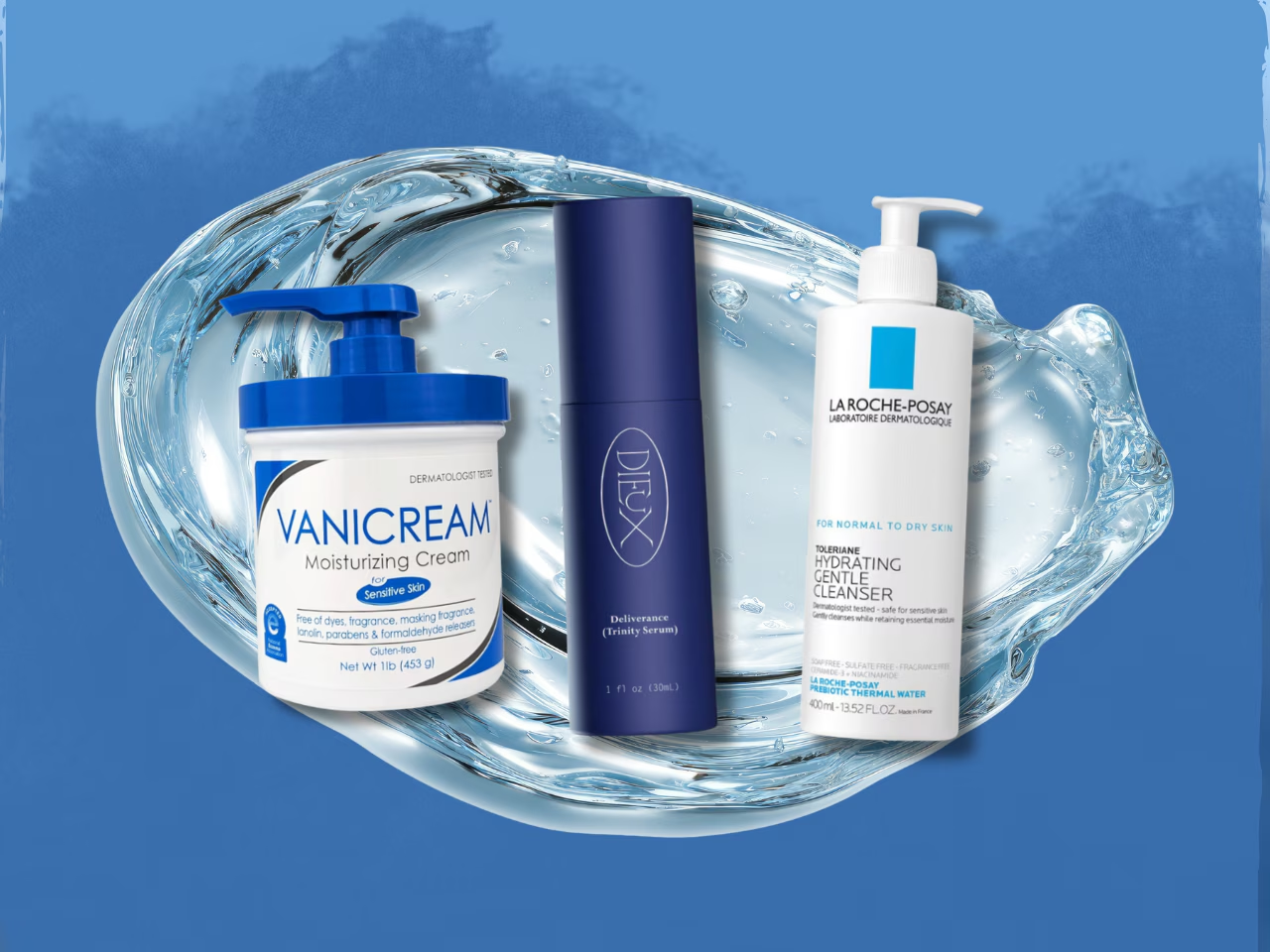
Vanicream Moisturizing CreamVanicream/Amazon

Price: $14, instead of $16

Start with a sensitive-skin-friendly moisturizer. You want to pick a tried-and-true staple that hydrates and it doesn’t need any big bells and whistles. Vanicream is dermatologist-recommended — as in, my dermatologist recommended it and it’s even safe for eczema flare-ups.

Dieux Deliverance 3-in-1 Repair SerumSephora

Price: $69

While I’d typically reserve a serum for later in the story, this peptide-forward formula is a true five-star find, helping to calm irritation, dry patches and dark spots. Yes, it’s at a higher price, but you use such a small amount per day that it lasts a while.

La Roche-Posay Toleriane Hydrating Gentle Face CleanserULTA

Price: $22

Moving on to face cleansers. My sister has been loyal to her brand of face soap, but wasn’t exactly happy with it. When she asked me to help her revamp her skincare routine, I recommended La Roche-Posay instead.

Why? Well, it’s a mild formula that effectively removes makeup and SPF. Plus, the milky texture is extra hydrating and cleanses without stripping or drying out your skin.

ROUND LAB Birch Juice Mild-up Sunscreen UV LOCK SPF 50Amazon

Price: $22, instead of $28

SPF is a non-negotiable. Take it from someone who developed dark spots way too early.

If you’re spending time in the sun — and yes, even in the winter, it’s best to create an extra barrier that protects against sunburn. I’m a fan of this Korean beauty favorite because of its superior texture and glowy finish. It does leave behind a white cast, but one that will fade with application. They also have an SPF 45 version for on-the-go reapplication.

RELATED: Australian sunscreen brand Ultra Violette just made its U.S. debut. Here’s where to shop the viral products

Consider a few extra add-ons or alternatives

While the above options kept things simple yet effective, other options work to address additional concerns, such as cystic acne or fine lines.

SOFIE PAVITT FACE Mandelic Acid Exfoliating & Clearing SerumSephora

Price: $54

I am a person who experiences frequent breakouts along my chin and jaw, painful cystic bumps that take forever to go away. If you’re like me, this Sofie Pavvit clearing serum is a mainstay. It’s recommended to alternate every other day as your skin gets used to it.

Skinfix Triple Lipid Activating SerumSkinfix

Price: $69

My mom wanted a peptide-packed serum, so I turned to a tried-and-true option. Skinfix’s Triple Lipid Activating Serum is a standout that combines all the exemplary skin stuff — like peptides, triple lipid complex, and niacinamide.

You can use this in place of Dieux’s Deliverance if you prefer. I tend to favor the antioxidants in Deliverance, but my mom prefers the vegan peptides in Skinfix for fine lines and skin elasticity, which comes down to personal preference.

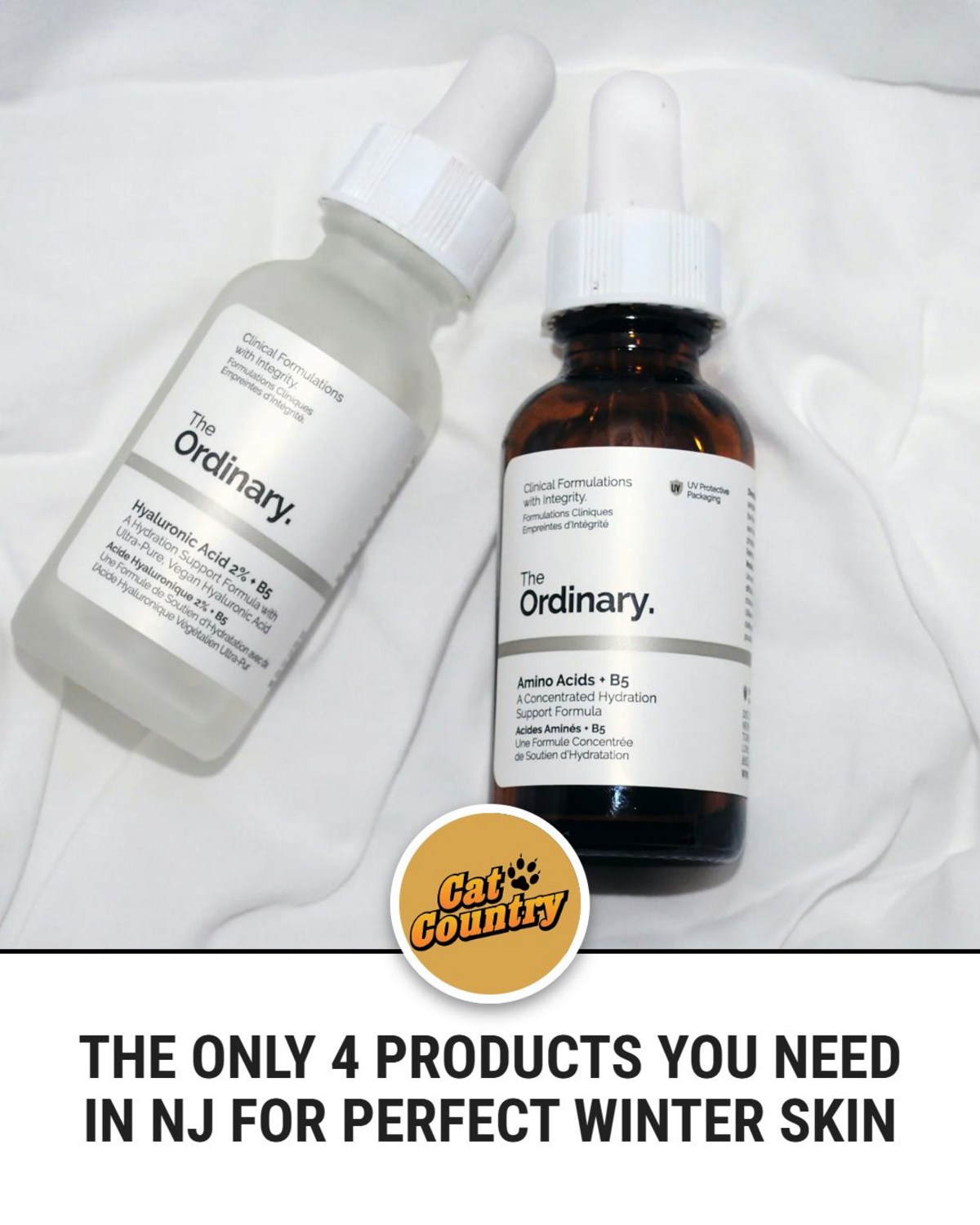
If you want to separate it, the Ordinary also has serums for $6, including a popular niacinamide blend.

Paula’s Choice CLINICAL Anti-Aging 1% Retinol TreatmentSephora

Price: $65

Retinol can seem intimidating at first. I’m not suggesting you jump right in — get the basics down first, but once you’re on a steady footing, this Paula’s Choice option is a safe bet to start using at night. Always follow it up with moisturizer, as retinol can be drying.

Tags: , , , , ,
Best oLive
Privacy Overview

This website uses cookies so that we can provide you with the best user experience possible. Cookie information is stored in your browser and performs functions such as recognising you when you return to our website and helping our team to understand which sections of the website you find most interesting and useful.