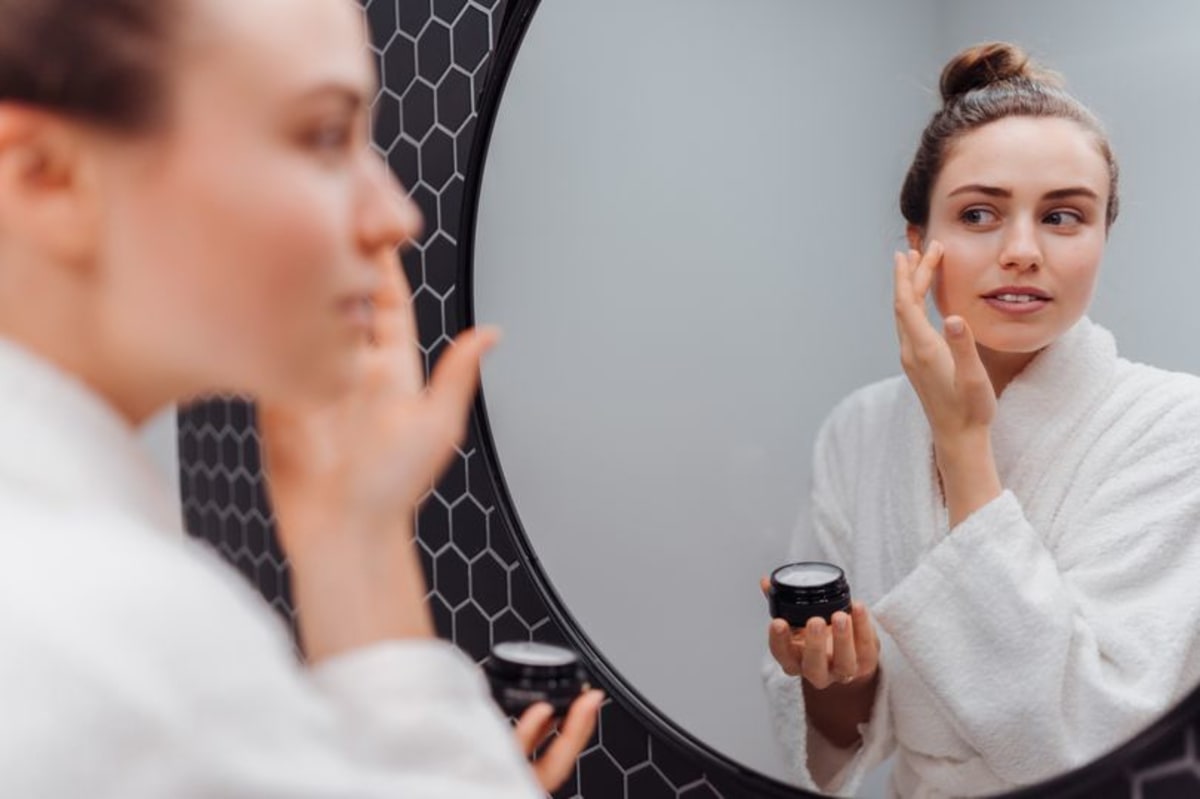
Why cold weather makes your skin look worse, according to doctors

Why cold weather makes your skin look worse, according to doctors

When you buy through links on our articles, Future and its syndication partners may earn a commission.

Credit: Future / Photographs: Zoe Economides

I can’t speak to the weather in your specific location, but from where I’m sitting, it feels like we’ve jumped straight from the pleasantly temperate tail end of summer to hot water bottle and thick socks territory.

It happens around this time every single year, and yet it always feels like a shock. But one thing that is a bit more predictable, once the weather turns, is that our skin will start looking – to put it bluntly – a fair bit worse.

Advertisement

Advertisement

Ah yes, winter skin: Rosacea flares up, lines look deeper, rough texture, dryness and a general end-of-year grey start to set in. According to aesthetic doctors, this is called ‘winter face,’ a gloomy-sounding phenomenon that, less depressingly, might not actually be the true decline it seems. Here’s what you need to know.

Does winter actually ‘age’ our skin?

Has your skin suddenly changed as the temperature has dipped? The most important thing to know is that it’s probably temporary.

“Winter doesn’t necessarily accelerate ageing, but it can make existing signs of ageing considerably more visible,” agrees Dr Nestor Demosthenous, Aesthetic Doctor MBChB, MSc, BSC and founder of The Mayfield Clinic on behalf of Allergan Aesthetics.

As you might expect, much of this comes down to dehydration, caused by central heating, frosty temperatures and biting winds. This moisture-sapping trio doesn’t just dry your skin out and make it uncomfortable; it can also give it a dull tone and make lines look deeper, seemingly overnight.

Advertisement

Advertisement

But, reassuringly, according to Dr Nestor, “Genuine structural ageing, involving collagen degradation, elastin damage and loss of facial volume, develops much more gradually” – so you can consider this more of a treatable blip.

What’s the true cause of ‘winter face’?

As with so much in skincare, this all comes down to your barrier – the outer layer of your skin that, in layman’s terms, works to keep good stuff in and bad stuff out.

“Healthy skin relies on an effective barrier and adequate water content within its outer layers to maintain a smooth, supple and luminous appearance,” explains Dr Nestor. And when your face is being attacked from all angles by the latest named storm, the floodgates open.

“When the skin barrier is compromised, the lipids that act as the “mortar” between our skin-cell “bricks” start to break down, creating tiny gaps that let moisture escape and irritation creep in,” agrees Dr Julie Scott, Nurse Prescriber and Clinical Director of Facial Aesthetics on behalf of Allergan Aesthetics. Thus barrier support and repair is the key to preventing – and treating – the winter face phenomenon.

Cicaplast Balm B5 Multi-Purpose Repairing Balm 40ml

Am ultra-reliable, calming and hydrating balm from sensitive skin friendly experts La Roche Posay – most beauty editors keep a tube of this in their bags all winter.

View Deal

Dr Althea 147 Barrier Cream 50ml

K-Beauty brands are well ahead of the game with barrier-support, as this is a huge skincare priority in the market. This silky, hydrating cream works to comfort a compromised barrier and hydrate.

View Deal

How can we prevent winter face?

If a compromised skin barrier is to blame for winter face, then it follows that a healthy, supported barrier can help you overcome it. And, according to our experts, a simple, gentle routine is all that’s required.

“What skin really needs at this time of year is more nourishment, gentler cleansing, richer moisturisers and consistent hydration, not aggressive treatments,” explains Dr Scott, who warns against the common pitfall of trying to fight your way back to a summer glow with extreme products and treatments.

Advertisement

Advertisement

“In my clinic, I see the same mistakes every year: people over-exfoliate to “smooth” flakes, reach for harsh foaming cleansers, or layer strong actives in the hope of brightening dull winter skin. Unfortunately, all this further disrupts the barrier.”

Instead, look out for products containing effective yet non-irritating ingredients such as ceramides, niacinamide and peptides, which all support the skin rather than going hell for leather on exfoliation or cell turnover.

This is exactly the sort of thing we should all be cleansing with in the winter. It’s gentle, contains barrier-cushioning ceramides, is fragrance free, PH balanced and has a lovely comforting lather.

View Deal

Soothing & Barrier Support Serum

A great choice for anyone who experiences rosacea, this combines skin-conditioning niacinamide with Centella Asiatica, an incredibly soothing ingredient that works to calm redness.

View Deal

Centella Barrier Cream 50ml

With a high lipid content and soothing Centella Asiatica, this helps restore that depleted ‘mortar’ Dr Scott mentioned, and takes down winter redness to boot.

View Deal

What professional treatments can help?

If you want to take your winter skincare a step further with an in-clinic treatment, focusing on deep hydration and collagen stimulation would be a good way to go.

Advertisement

Advertisement

“For patients looking to complement their home routine, I often suggest treatments like SKINVIVE,” suggests Dr Scott. “It works by supporting AQP3, a protein that helps transport water and glycerol within the skin, improving hydration, resilience and overall skin quality.”

Another injectable worth consideration is Galderma’s Sculptra, a biostimulator that works on a deeper level to trigger your cells to produce new collagen and elastin. This helps give the skin a plumped appearance and well-supported structure that’s more naturally resilient.

Chemical peels and ablative laser treatments can also be very effective in encouraging a more radiant tone, but should be approached with caution if you have a compromised skin barrier, as they can cause further sensitivity.

How do I know if my barrier is damaged?

If you think you have a case of ‘winter face’ and suspect your barrier may be to blame, it’s a good idea to know how to spot the signs of a damaged skin barrier, and how to differentiate it from other forms of skin unhappiness.

Advertisement

Advertisement

“I tell my patients that dehydration, irritation and true barrier damage can look similar, but there are clear differences,” explains Dr Scott, who provided this handy guide:

  • Dehydration: “Simply feels tight and dull; the ‘bricks’ are just thirsty.

  • Irritation: Is usually product-driven: that instant sting or flush after something new, more like a reaction to a fresh coat of paint.

  • Barrier damage: This is unmistakable: lingering redness, soreness, micro-flaking and a sense that even gentle products now tingle.”

Tags: , , , ,
Wedding Season Alert: Why Brides Should Avoid New Skin and Hair Treatments Before Their Big Day

Why Brides Should Avoid Getting any New Skin or Hair Treatments Before the Wedding

With the Indian festive and wedding season in full swing, brides-to-be are often busy preparing for haldi, mehendi, sangeet, Diwali gatherings and the wedding ceremony. Along with outfits, jewellery and makeup trials, skincare and haircare appointments become an important part of the preparations. From glass-skin facials and chemical peels to hair colouring, smoothing and salon treatments, the temptation to try something new for a picture-perfect look can be strong.

However, experimenting with unfamiliar beauty treatments just days before the wedding can backfire. A new product or procedure may trigger breakouts, redness, allergic reactions or hair damage, leaving little time for recovery before the celebrations. Experts generally recommend planning treatments well in advance and avoiding unnecessary changes to your beauty routine close to the wedding.

Why Is It Risky to Try New Skin Treatments Before a Wedding?

Every person’s skin responds differently to skincare ingredients and cosmetic procedures. A product that suits a friend or looks promising on social media may not suit your skin type.

Explaining further, Dr Aditi Wadhwa, Consultant – Dermatology at Prayag Hospitals, Noida, says, “New facials, exfoliating products and skin-brightening treatments may contain ingredients such as fragrances, essential oils, retinoids or exfoliating acids. These can cause irritation, dryness, peeling or allergic contact dermatitis in some people.”

“The risk may be higher when several new products are introduced together, as it becomes difficult to identify which one has caused the reaction,” she adds.

The timing of Indian weddings can add to the problem. Outdoor ceremonies, long hours in makeup, travel, heat and sun exposure may aggravate already irritated skin. Some treatments can also increase sensitivity to sunlight, raising the risk of pigmentation.

Skin Treatments Brides Should Avoid Trying At The Last Minute

Chemical Peels And Strong Exfoliating Products

Chemical peels can help address concerns such as uneven skin tone, acne and pigmentation when selected appropriately by a qualified professional. However, they can also cause redness, irritation, peeling and temporary sensitivity, according to a report published in the Current Journal of Applied Science and Technology.

Strong exfoliating acids and retinoid products can similarly irritate the skin, particularly when introduced suddenly. Brides should not start an aggressive skincare routine or undergo a new peel immediately before the wedding.

Laser Treatments And Intensive Procedures

Certain laser treatments, microneedling procedures and other intensive skin treatments may cause swelling, redness, crusting or temporary changes in skin colour. Recovery time varies depending on the procedure, skin type and treatment intensity.

Some procedures need several weeks or longer for the skin to heal. A qualified dermatologist can advise on suitable timing and whether a treatment is appropriate for a bride’s skin concerns.

Also Read: Hydrafacial, Chemical Peels or Laser Treatments: Which Is Best for Festive Skin Prep?

Trendy Facials And Instant-Glow Treatments

Salon facials marketed as instant-glow solutions may involve exfoliation, extractions, masks or unfamiliar ingredients. These can sometimes trigger irritation, swelling or breakouts.

Even a familiar salon treatment may produce a different result if the products or techniques have changed. Brides should discuss the ingredients and procedures being used instead of relying solely on promotional claims.

Why New Hair Treatments Can Also Cause Problems

Hair experiments can be equally unpredictable before a wedding. Hair colouring, chemical straightening, perming and smoothing treatments may cause dryness, breakage or scalp irritation, particularly if the hair is already damaged.

A report published in the Indian Journal of Dermatology, Venereology and Leprology shows that hair dyes can also cause allergic reactions, leading to itching, redness, rashes or swelling.

Following the product’s allergy-test instructions is important, even if you have coloured your hair previously, as sensitivity can develop over time.

A new haircut close to the wedding can also create styling difficulties if it does not suit the planned bridal look.

Brides who want to colour, straighten or chemically treat their hair should discuss their options with an experienced professional well in advance. This allows time to assess the results and address any unexpected problems.

How Early Should Brides Plan Their Beauty Treatments?

There is no universal timeline for every treatment. Routine facials, hair colouring, chemical peels and laser procedures have different recovery periods.

Major skin procedures should be planned weeks or months ahead, depending on the treatment and professional advice. Brides should avoid scheduling intensive procedures in the final days before the wedding, when even temporary redness or peeling may interfere with makeup application.

For everyday skincare, continue using products your skin already tolerates. If you have acne, pigmentation, eczema or another persistent skin concern, consult a dermatologist rather than trying multiple products in the hope of achieving quick results.

Safe Skin and Haircare Tips Before the Wedding

Brides can maintain a healthy appearance without making dramatic last-minute changes.

  • Follow a simple skincare routine:Use a familiar gentle cleanser and moisturiser suited to your skin type.
  • Apply sunscreen: Choose broad-spectrum SPF 30 or higher and reapply as directed, especially during outdoor functions.
  • Avoid picking pimples: Squeezing spots can worsen inflammation and increase the risk of marks and scars.
  • Keep haircare simple: Use a familiar shampoo and conditioner, and limit excessive heat styling and chemical treatments.
  • Eat balanced meals: Include protein, vegetables, fruits and other nutrient-rich foods rather than relying on quick beauty fixes.
  • Stay hydrated and rest: Adequate sleep and regular fluid intake support general wellbeing during a busy wedding schedule.

Also Read: 6 Winter Laser Skin Treatments For Your Pollution-Proof Glow

NOTE: If a new product causes persistent burning, a rash or swelling, stop using it and seek medical advice. Facial swelling with breathing difficulty requires emergency medical attention.

Final Word

The weeks leading up to an Indian wedding can be hectic, with several ceremonies and celebrations planned close together. Trying a new skin or hair treatment at the last minute may create problems that are difficult to resolve before the big day. Plan major treatments early, seek professional advice and stick to a beauty routine that works for you. Rather than chasing an instant glow, focus on keeping your skin comfortable and your hair healthy so you can enjoy your wedding celebrations with confidence.

FAQ

  • Which skin treatment is best before a wedding?

    The safest skin treatment before a wedding is HydraFacial or oxygen facial. It helps in deep cleansing the skin and refining the pores to enhance skin health.

  • Is it good to get a facial the day before your wedding?

    While a facial won’t do any harm, it is still advised to avoid any skin treatment at least a couple of days before the wedding.

Read Next

→ Hydrafacial, Chemical Peels or Laser Treatments: Which Is Best for Festive Skin Prep?

Disclaimer

All possible measures have been taken to ensure accuracy, reliability, timeliness and authenticity of the information; however Onlymyhealth.com does not take any liability for the same. Using any information provided by the website is solely at the viewers’ discretion. In case of any medical exigencies/ persistent health issues, we advise you to seek a qualified medical practitioner before putting to use any advice/tips given by our team or any third party in form of answers/comments on the above mentioned website.

Chanchal Sengar is a senior health journalist with nine years of experience in journalism, including seven years dedicated to health reporting. She currently serves as Chief Sub Editor at OnlyMyHealth, where she writes and edits content on women’s health, heart health, cancer awareness, nutrition, and pregnancy.
With thousands of published articles, Chanchal focuses on explaining health issues in a clear and responsible way. Her reporting draws on medical studies, government health data, and expert commentary. Articles that require medical verification are reviewed by qualified healthcare professionals before publication. Chanchal Sengar has a vast network of doctors and medical experts that continuously work with her to authenticate the articles she writes.
Before joining Jagran New Media, she worked with First India News in Rajasthan, where she gained experience in news reporting and public interest journalism.

Read More..

How we keep this article up to date:

We work with experts and keep a close eye on the latest in health and wellness. Whenever there is a new research or helpful information, we update our articles with accurate and useful advice.


  • Current Version

    Oct 23, 2026 17:02 IST

    Published By : Chanchal Sengar
    Reviewed By : Dr Aditi Wadhwa

Tags: , , , , ,
Guardian and Mannings launch Clera Cera, a dermatologist skincare range made for Asian skin

Guardian and Mannings launch Clera Cera, a dermatologist skincare range made for Asian skin

  • Clera Cera is a new science-led dermatological skincare brand, with nine products for everyday use.
  • Co-developed with Singapore’s National Skin Centre, a member of NHG Health, with ingredients that fortify the Asian skin’s natural barrier and lightweight textures suited to Asia’s heat, humidity and pollution.
  • Its Skin Barrier Resilience System combines Derma-Clera™, powered by Cynanchum Atratum (Bai Wei) extract, with five skin-identical ceramides to Replenish, Repair and Relieve Asian skin.
  • Clera Cera was shaped by listening sessions and usage tests from more than 18,000 consumers across five Asian markets

HONG KONG SAR – Media OutReach Newswire – 23 October 2026 – Clera Cera, a new science-led dermatological skincare brand made for Asian skin and designed for everyday use, launches today at Guardian and Mannings. Co-developed with an expert team from Singapore’s National Skin Centre, a member of NHG Health, Clera Cera brings dermatologist-developed skin barrier care into everyday retail.

Heat, humidity and pollution can take a toll on Asian skin, and everyday habits such as frequent cleansing and use of harsh products strain the skin barrier. Research1 also suggests that Asian skin has a thinner outer layer, which makes the barrier more vulnerable to irritants. With about one in three people in Asia reported to have sensitive skin2, the need for skincare designed for these realities is growing.

The launch of Clera Cera comes amid growing consumer demand across Asia for skincare that soothes sensitive skin, supports daily preventive care and is both science-backed and accessible. Clera Cera’s mission is simple: to make effective, dermatologist-developed skincare designed for Asian skin part of everyone’s daily routine.

“Clera Cera marks a new chapter for Guardian and Mannings. We are going beyond selling health and wellness products to creating them, with the clinical expertise of NHG Health’s National Skin Centre behind us. It takes dermatology beyond clinical walls to a shelf where customers already shop, at a price that fits an everyday routine. This is the one of the many ways we continue to democratise wellness and it’s what being our customers’ Trusted Wellness Advisor means,” said Curtis Liu, Chief Executive Officer, Health and Beauty, DFI Retail Group.

Clera Cera is the first initiative focused on dermatological skin care under the long-term partnership between DFI Retail Group and NHG Health announced in October 2025 to strengthen preventive care and widen access to everyday health and wellness. It is the first time a public healthcare cluster in Singapore has worked with a retailer to make safe and effective health solutions backed by clinical research even more accessible to the public in Singapore and across Asia.

“One of NHG Health’s mission is to enhance the health of the population we serve. Partnerships like this allow us to translate clinical knowledge and research into everyday health. What makes this collaboration with DFI Retail Group meaningful is that we are able to bring evidence-based care to people where they are, beyond the hospital and clinic. Skin health is only the starting point. The wider opportunity is in areas such as elderly nutrition and home care, which will be explored for our ageing population,” said Professor Benjamin Seet, Group Chairman Medical Board (Research), NHG Health.

A Science-led Skin Barrier Resilience System to Replenish, Repair and Relieve Asian Skin

Clera Cera was co-developed with a leading dermatology team at Singapore’s National Skin Centre, a member of NHG Health. Associate Professor Tey Hong Liang, who led the formulation of it with Ms. Winnie Choo, Principal Pharmacist, is ranked among the world’s top 2% of scientists by Stanford University and Elsevier. The team’s work spans more than 55 healthcare-related national and international awards, grants and fellowships for advancing skin health.

The core essence of Clera Cera’s formulation is a Skin Barrier Resilience System that combines two key components:

  • Derma-Clera™, powered by Cynanchum Atratum (Bai Wei) botanical extract, that helps soothe the skin;
  • Five skin-identical ceramides that help replenish essential lipids within the skin barrier, supporting hydration, repair and strength.

Working like building blocks, they help reinforce the Asian skin’s natural barrier by supporting healthy barrier in three ways:

  • Replenish: Restores skin hydration, with moisture-attracting ingredients such as saccharide isomerate
  • Repair: Strengthens the skin barrier with five skin-identical ceramides
  • Relieve​: Soothes the skin with Derma-Clera™, ​powered by a Cynanchum Atratum (Bai Wei) extract.

“Exposure to pollution and a warm, humid climate, together with frequent cleansing and use of harsh products weaken the protective barrier of the Asian skin over time. In our clinics, we often see this in patients with sensitive skin. The barrier depends on natural lipids such as ceramides, and it is best supported by gentle, consistent care, using lightweight formulations that people find comfortable applying every day,”said Associate Professor Tey Hong Liang, Clinical Director of the Centre for MedTech and Innovations, NHG Health, and Senior Consultant Dermatologist, National Skin Centre.

Made for Asian skin with feedback from Asian consumers

Shaped by listening sessions and usage tests from more than 18,000 consumers across Hong Kong, Indonesia, Malaysia, Singapore and Vietnam, Clera Cera overcomes common frustrations such as use of artificial fragrances and having sticky textures. The affordable, clean formula is designed for sensitive skin in humid climates.

The nine-product range spans body, face, targeted serums, and sun care made for Asian skin. Clera Cera is available now in Singapore, exclusively at Guardian Health & Beauty stores and online, and selected NHG Health pharmacies. Rollout in Brunei, Chinese mainland, Hong Kong, Indonesia, Malaysia, Macau and Vietnam will follow, reaching eight markets across Asia, at more than 1,500 Guardian and Mannings stores and online.

Body Care

The lineup features the Gentle Hydrating Cleanser alongside the Skin Relief Moisturising Lotion, both suitable for sensitive, eczema-prone skin and babies from three months old. Both are formulated with the ingredient, saccharide isomerate, which provides 24-hour hydration in the non-soap cleaner and 72-hour hydration in the lotion. In a home user trial involving 104 participants, 89% of panellists agree that the lotion soothes skin in just three minutes.

Face Care

Daily facial care includes the Micellar Water Gentle Makeup Remover, Hydrating Foaming Face Wash, and Barrier Hydrating Aqua Cream. Engineered to prevent clogged pores in humid climates, the line removes waterproof makeup with micellar water while the foaming wash and aqua cream containing the ingredient saccharide isomerate delivers up to 24 hours and 72 hours of skin-balancing moisture respectively.

Target Serums

Intensive treatment is delivered through the B3 TXA Brightening Dark Spot Serum and Retinol Age Defense Serum. These contain active ingredients that target specific skin concerns while supporting the skin barrier.
Suncare
Broad-spectrum protection features two mineral formulas: the Daily Defense Physical Sunscreen Serum SPF 50 PA+++ and the Tone Up Physical Sunscreen Serum SPF 50 PA+++. Powered by Nano Zinc Oxide, both sunscreens reflect UVA/UVB rays and block 95% of blue light, featuring 40-minute water resistance.

[2] Chen W, Dai R, Li L. The prevalence of self-declared sensitive skin: a systematic review and meta-analysis. Journal of the European Academy of Dermatology and Venereology. 2020;34(8):1779–1788. DOI: 10.1111/jdv.16166 Meta-analysis comprising 26 studies and 51,783 participants globally, with a pooled Asian prevalence of 31% (95% CI 16–45%).
Hashtag: #cleracera #Guardian #Mannings #dermatologist #skincare

The issuer is solely responsible for the content of this announcement.

Clera Cera

Clera Cera is a science-led dermatological skincare brand made for Asian skin. Co-developed with the National Skin Centre, NHG Health, Singapore, the brand combines deep Asian skin expertise with dermatological science to deliver effective yet gentle care for everyday Asian life. Its Skin Barrier Resilience System is designed to support the way Asian skin naturally repairs itself, helping to replenish, repair and relieve for a strong, resilient Asian skin barrier.

Tags: , , , , , , , , ,
For Skin Firmness, Care from the Inside and Out! Beauty Habits to Start Today|フェイシャル専門サロン MUQU

For Skin Firmness, Care from the Inside and Out! Beauty Habits to Start Today|フェイシャル専門サロン MUQU

Are you concerned about your skin’s firmness lately, or feel like it lacks a certain glow despite your diligent skincare routine?

Do you have such concerns?

When thinking about skin firmness and radiance, we tend to focus on skincare products like lotions and serums, but daily diet and lifestyle habits are also important.

To maintain healthy skin, the key is to focus on both ‘inner care’ by consuming necessary nutrients through your diet and ‘skincare’ by providing moisture from the outside.

In this article, we will introduce the basics of collagen, which is related to skin firmness, and beauty habits you can start today.

What is related to skin firmness? The role of collagen

Collagen is a type of protein found in the skin, bones, and other parts of the body. In the skin, it is mainly present in the dermis, where it plays a role in supporting the skin’s structure along with elastin and other components.

Various factors, such as aging, ultraviolet rays, and dryness, are related to skin firmness.

In particular, when the skin’s surface becomes dry, its texture can become disrupted, making it appear to lack firmness and radiance.

Therefore, it is important not to focus on just one beauty ingredient, but to review your daily lifestyle habits and skincare routine.

Beauty habits from the inside! Be conscious of your diet and nutritional balance

A well-balanced diet is the foundation for spending healthy days.

Protein is an important nutrient that makes up the body, and vitamin C is involved in the process of collagen production within the body.

Try to be conscious of consuming a combination of various foods, such as meat, fish, eggs, soy products, vegetables, and fruits.

Also, as a daily habit with beauty in mind, some people incorporate collagen-containing supplements.

Supplements are a type of food that can be used in addition to your regular diet. However, they do not guarantee that taking them will increase skin firmness or improve wrinkles and sagging.

Make your daily meals the foundation and find habits that you can continue comfortably according to your own lifestyle.

Moisturizing care from the outside and facial treatments are also important

In addition to being conscious of your diet, it is also important to provide moisture to your skin through daily skincare.

Incorporate cosmetics containing moisturizing ingredients such as hyaluronic acid and ceramide to prevent dryness and refine your skin’s texture.

Also, ultraviolet rays are one of the factors related to skin firmness. We recommend continuing UV protection, such as using sunscreen, even in autumn and winter.

Furthermore, incorporating facial treatments tailored to your current skin condition is another option for skin management.

At MUQU, we use AI skin analysis to propose bespoke facial care tailored to each individual’s skin condition.

Let’s aim for hydrated, healthy skin by combining daily home care with salon treatments.

If you are conscious of skin firmness and radiance, it is important to review your daily beauty habits from both the inside and the outside.

In your diet, incorporate foods containing protein, vitamin C, and other nutrients in a balanced way, and using supplements as needed is also an option.

And from the outside, continue moisturizing and UV protection, and be mindful of care that suits your own skin condition.

If you have been thinking, ‘I’m concerned about my skin’s firmness and radiance lately’ or ‘I want to know what skincare is right for me,’ please come to MUQU.

First, check your current skin condition with AI skin analysis! Why not start skin management that suits you by combining daily beauty habits and facial care?

If you found this article helpful,
I would be happy if you could like and follow me ☺
I will continue to share useful information for your skin ♪

Tags: , , , , , , ,
Daily habits that quietly damage your skin

Daily habits that quietly damage your skin

Skin ageing is a natural process, but certain lifestyle choices can accelerate visible signs of ageing. Fine lines, wrinkles, age spots, dryness and loss of elasticity may develop over time, influenced by genetics, sun exposure, diet and everyday habits.

While a good skincare routine is essential, healthy skin also depends on how we care for our bodies. Habits such as smoking, taking excessively hot showers, poor sleep and consuming too much sugar can affect skin health. Here are five common habits that may contribute to premature skin ageing and simple ways to minimise their impact.

1. Smoking

Smoking is strongly associated with premature skin ageing. Tobacco smoke contains harmful chemicals that contribute to oxidative stress and damage collagen and elastin, the proteins responsible for keeping skin firm, smooth and supple.

Smoking also constricts blood vessels near the skin’s surface, reducing the supply of oxygen and essential nutrients to skin tissues. This can interfere with the skin’s natural repair processes and contribute to a dull complexion.

Over time, smokers are more likely to develop deeper wrinkles, particularly around the mouth and eyes, along with uneven pigmentation, dryness and reduced skin firmness.

What you can do:Quitting smoking is one of the most effective ways to protect your skin and overall health. Combine this with a balanced diet, adequate hydration and regular sun protection.

2. Taking Hot Showers and Baths

Long, hot showers may feel relaxing after a tiring day, but excessive heat can strip the skin of its natural oils. These oils help maintain the skin barrier and prevent moisture loss. When this protective layer is weakened, the skin may become dry, tight, rough and more susceptible to irritation. Repeated exposure to hot water can also aggravate existing skin conditions and make fine lines more noticeable. The scalp and hair may be affected too, as excessive heat can contribute to dryness, itching and hair breakage.

What you can do:Choose lukewarm water instead of very hot water and keep showers reasonably short. Apply moisturiser while the skin is still slightly damp to help retain moisture. Use a gentle cleanser and avoid excessive scrubbing.

3. Excessive Screen Time

Smartphones, laptops and tablets have become essential parts of modern life. However, spending long hours in front of screens can indirectly affect skin health by disrupting sleep and encouraging a sedentary lifestyle.

Digital devices emit blue light, also known as high-energy visible light. Some research suggests that blue light can contribute to oxidative stress and pigmentation under certain conditions. However, the extent to which everyday screen exposure causes premature skin ageing remains uncertain.

Late-night scrolling can also interfere with sleep, leaving the skin looking tired and dull. Poor sleep may affect the body’s normal recovery processes and overall well-being.

What you can do:Take regular screen breaks and maintain a consistent sleep schedule. Reduce device use before bedtime if it interferes with your rest. Apply broad-spectrum sunscreen with SPF 30 or higher daily, particularly when spending time outdoors, to protect against established causes of premature skin ageing.

4. Sleeping Position

The way you sleep may influence the development of certain facial lines. Sleeping on your side or stomach can press the face against a pillow, creating repeated compression and friction. These pressure-related lines are known as sleep wrinkles.

Initially, they may disappear shortly after waking. However, as the skin naturally loses elasticity with age, some lines may become more persistent. Side sleepers may experience pressure-related lines on their cheeks, while stomach sleepers may place additional pressure on their forehead and face.

Although sleeping position is only one possible contributing factor, reducing repeated pressure may help minimise sleep-related creases.

What you can do:If comfortable, try sleeping on your back to reduce direct pressure on your face. Use a clean, smooth pillowcase and change it regularly. Most importantly, aim for seven to nine hours of sleep each night to support overall health and the skin’s natural recovery processes.

5. Excessive Sugar Consumption

Consuming too much added sugar may affect skin health through a process called glycation. This occurs when sugars bind to proteins such as collagen and elastin, forming compounds known as advanced glycation end products. Over time, these compounds can affect the structure and flexibility of collagen, potentially contributing to reduced skin firmness.

A diet high in sugary foods and refined carbohydrates may also contribute to metabolic problems and inflammation. High-glycaemic foods may worsen acne in some individuals, although responses vary from person to person.

What you can do:Limit sugary drinks, sweets and foods containing excessive added sugar. Choose a balanced diet rich in fruits, vegetables, whole grains, pulses, nuts and adequate protein. These foods provide nutrients that support normal skin function. Occasional treats are not a cause for concern; consistency and overall dietary balance matter more.

Build Healthy Habits for Healthy Skin

Healthy skin requires more than expensive products or elaborate beauty treatments. Everyday choices, including avoiding smoking, using lukewarm water, maintaining healthy sleep habits and eating a balanced diet, can support skin health over time.

Sun protection is particularly important. Use a broad-spectrum sunscreen with SPF 30 or higher, reapply as directed and seek shade when outdoors.

Ageing is natural and cannot be stopped. However, by making thoughtful lifestyle changes and following a consistent skincare routine, you can help maintain your skin’s health, comfort and radiance at every stage of life.

(The author is an internationally fame beauty expert and is called the herbal queen of India)

Tags: , , , ,
Global Skin Care Devices Market Size, Share, Trends and Forecast, 2026-2034

Global Skin Care Devices Market Size, Share, Trends and Forecast, 2026-2034

Company Logo

Non-invasive treatments, at-home adoption and energy-based innovation drive growth, while e-commerce expansion and clinic partnerships strengthen ROI

Dublin, Oct. 21, 2026 (GLOBE NEWSWIRE) — “Skin Care Devices Market Size, Market Share, Application Analysis, Regional Outlook, Growth Trends, Key Players, Competitive Strategies and Forecasts, 2026 To 2034” has been added to ResearchAndMarkets.com’s offering.

The skin care devices market is expected to expand at a CAGR of 12.5% during 2026-2034, supported by rising demand for non-invasive aesthetic treatments, increased adoption of at-home skin care solutions, and continued innovation in energy-based technologies. Devices used for anti-aging, acne treatment, pigmentation reduction, skin tightening, hair removal, and skin rejuvenation are gaining traction across professional and home-use settings.

Higher spending on personal care, growing awareness of appearance-related wellness, and social media influence are strengthening global demand. Improvements in device safety, portability, treatment comfort, and performance are also increasing consumer confidence and supporting adoption across multiple age groups.

Market Growth Drivers and Challenges

Demand for procedures that provide visible results with limited downtime remains a major market driver. At-home devices are benefiting from convenience, privacy, wider online availability, and lower long-term costs compared with repeated in-clinic treatments. Aging populations and interest in wrinkle reduction, collagen stimulation, and skin tightening are supporting demand for radiofrequency (RF), microcurrent, and ultrasound devices. Acne, pigmentation, and uneven skin tone concerns are increasing the use of light/LED therapy and intense pulsed light (IPL) technologies.

Market expansion may be constrained by the high cost of premium consumer devices and professional clinical systems. Safety concerns involving burns, irritation, misuse, and inconsistent results can affect trust, particularly within the at-home laser and IPL categories. Country-specific regulatory and certification requirements may extend approval timelines and increase manufacturers’ costs. Professional systems also require maintenance, training, and consumables, while topical skincare products and in-clinic injectables create competitive pressure.

Technology and Price Range Analysis

The skin care devices market is segmented by technology into light/LED therapy, radiofrequency (RF), ultrasound, microcurrent, laser, and intense pulsed light (IPL). Light/LED therapy maintains a strong position due to its use in acne treatment, inflammation reduction, and skin rejuvenation. RF devices are widely adopted for skin tightening and anti-aging procedures, while ultrasound technology is gaining momentum in firming and deeper tissue applications. Microcurrent devices remain popular for at-home facial toning and lifting. Laser and IPL systems continue to support pigmentation treatment, skin resurfacing, and hair removal applications.

By price range, low-cost products include mass-market home devices, entry-level cleansing tools, and basic LED products. The medium-price category benefits from demand for trusted brands, enhanced performance, and improved safety features. High-price products include professional systems and premium at-home devices offering advanced energy controls, durability, and stronger efficacy claims.

Product, End Use, and Distribution Segmentation

Product categories covered in the report include anti-aging devices, acne treatment devices, hair removal devices, skin rejuvenation systems, skin cleansing devices, and oxygen/steamer devices. Applications include acne and psoriasis treatment, tattoo and hair removal, cellulite reduction, skin tightening, body contouring, pigmentation and spot reduction, wrinkle reduction, skin resurfacing, skin hydration, oxygen therapy, and skin brightening.

End-use segments comprise at-home consumers, beauty salons and spas, dermatology clinics, and other professional settings. Consumer groups include men, women, and unisex users. Distribution channels include e-commerce platforms, company websites, supermarkets/hypermarkets, specialty beauty stores, dermatology clinics, and aesthetic centres.

Regional Market Outlook

North America represents a major skin care devices market due to high aesthetic spending, established dermatology and medspa networks, and early adoption of premium home-use technologies. Europe is supported by sustained demand for non-invasive cosmetic procedures, strong safety requirements, and expanding professional skincare clinics.

Asia Pacific is expected to record strong growth as disposable income, beauty consciousness, e-commerce activity, and aesthetic clinic networks expand. Latin America is benefiting from increased beauty and wellness expenditure and the development of private aesthetic clinics. The Middle East and Africa offer selective opportunities, particularly in major cities with strong demand for premium aesthetic services and advanced clinical systems.

Competitive Landscape

Competition centers on clinical validation, safety controls, treatment effectiveness, comfort, durability, and user-friendly design. Manufacturers are expanding professional and home-use portfolios, strengthening e-commerce and clinical distribution, and investing in training for safe operation. Partnerships with dermatology clinics, medspas, retailers, and online platforms remain important, while premium brands continue developing advanced energy delivery and multi-functional systems.

Key companies include Alma Lasers GmbH, BTL Aesthetics, Candela Medical, Canfield Scientific, Inc., Conair Corporation, Cutera, Inc., Cynosure, Inc., Fotona d.o.o., Lumenis Ltd., Nu Skin Enterprises, Inc., Panasonic Corporation, Philips Healthcare, Silkn, Solta Medical, Inc., Syneron Medical Ltd., and TRIA Beauty, Inc.

Research Scope and Methodology

The report analyzes market segments from 2023 to 2033, using 2024 as the base year and estimating CAGR for 2025 to 2033. It provides quantitative regional and micro-market estimates alongside competitive intelligence, market trends, segment analysis, Porter’s Five Forces analysis, investment opportunities, emerging technologies, case studies, and strategic recommendations.

The research methodology combines secondary research, primary research, and expert panel review. Market estimates consider company revenues, research and development expenditure, government spending, end-user volumes, pricing, consumption, geographical revenue, and micro and macro environmental factors. Proprietary forecasting software, data triangulation, and top-down and bottom-up validation support consistency across the market projections.

Key Topics Covered

1. Preface
1.1. Report Description
1.1.1. Purpose of the Report
1.1.2. Target Audience
1.1.3. Key Offerings
1.2. Market Segmentation
1.3. Research Methodology
1.3.1. Phase I – Secondary Research
1.3.2. Phase II – Primary Research
1.3.3. Phase III – Expert Panel Review
1.3.4. Assumptions
1.3.5. Approach Adopted

2. Executive Summary
2.1. Market Snapshot: Global Skin Care Devices Market
2.2. Global Skin Care Devices Market, By Product Type, 2025 (US$ Million)
2.3. Global Skin Care Devices Market, By Technology, 2025 (US$ Million)
2.4. Global Skin Care Devices Market, By Price Range, 2025 (US$ Million)
2.5. Global Skin Care Devices Market, By End Use, 2025 (US$ Million)
2.6. Global Skin Care Devices Market, By Consumer Group, 2025 (US$ Million)
2.7. Global Skin Care Devices Market, By Application, 2025 (US$ Million)
2.8. Global Skin Care Devices Market, By Distribution Channel, 2025 (US$ Million)
2.9. Global Skin Care Devices Market, By Geography, 2025 (US$ Million)
2.10. Attractive Investment Proposition by Geography, 2025

3. Skin Care Devices Market: Competitive Analysis
3.1. Market Positioning of Key Skin Care Devices Market Vendors
3.2. Strategies Adopted by Skin Care Devices Market Vendors

4. Skin Care Devices Market: Macro Analysis & Market Dynamics
4.1. Introduction
4.2. Global Skin Care Devices Market Value, 2024-2034, (US$ Million)
4.3. Market Dynamics
4.3.1. Market Drivers
4.3.2. Market Restraints
4.3.3. Key Challenges
4.3.4. Key Opportunities
4.4. Impact Analysis of Drivers and Restraints
4.5. Porter’s Five Force Model
4.5.1. Supplier Power
4.5.2. Buyer Power
4.5.3. Threat Of Substitutes
4.5.4. Threat Of New Entrants
4.5.5. Competitive Rivalry
4.6. PESTEL Analysis
4.6.1. Political Landscape
4.6.2. Economic Landscape
4.6.3. Social Landscape
4.6.4. Technology Landscape
4.6.5. Environmental Landscape
4.6.6. Legal Landscape

5. Skin Care Devices Market: By Product Type, 2024-2034, USD (Million)
5.1. Market Overview
5.2. Growth & Revenue Analysis: 2025 Versus 2034
5.3. Market Segmentation
5.3.1. Anti-aging devices
5.3.1.1. Laser devices
5.3.1.2. Ultrasound devices
5.3.1.3. Microcurrent devices
5.3.1.4. Others (derma pens, etc.)
5.3.2. Acne treatment devices
5.3.2.1. Laser spot treatment devices
5.3.2.2. Thermal spot treatment devices
5.3.2.3. RF devices
5.3.3. Hair removal devices
5.3.3.1. IPL devices
5.3.3.2. Epilators
5.3.3.3. Threading devices
5.3.4. Skin rejuvenation
5.3.4.1. Microdermabrasion devices
5.3.4.2. Oxygen infusion devices
5.3.5. Skin Cleansing devices
5.3.5.1. Silicone Cleansing Devices
5.3.5.2. Exfoliating devices
5.3.5.3. Others (ultrasonic excavators, etc.)
5.3.6. Oxygen/steamer devices
5.3.6.1. Oxygen devices
5.3.6.2. Steamer devices
5.3.6.3. Facial steamer devices
5.3.6.4. Nano mist devices

6. Skin Care Devices Market: By Technology, 2024-2034, USD (Million)
6.1. Market Overview
6.2. Growth & Revenue Analysis: 2025 Versus 2034
6.3. Market Segmentation
6.3.1. Light/LED therapy
6.3.2. Radiofrequency (RF)
6.3.3. Ultrasound
6.3.4. Microcurrent
6.3.5. Laser
6.3.6. Intense pulsed light (IPL)

7. Skin Care Devices Market: By Price Range, 2024-2034, USD (Million)
7.1. Market Overview
7.2. Growth & Revenue Analysis: 2025 Versus 2034
7.3. Market Segmentation
7.3.1. Low
7.3.2. Medium
7.3.3. High

8. Skin Care Devices Market: By End Use, 2024-2034, USD (Million)
8.1. Market Overview
8.2. Growth & Revenue Analysis: 2025 Versus 2034
8.3. Market Segmentation
8.3.1. At-home
8.3.2. Beauty salon & spa
8.3.3. Dermatology clinics
8.3.4. Others

9. Skin Care Devices Market: By Consumer Group, 2024-2034, USD (Million)
9.1. Market Overview
9.2. Growth & Revenue Analysis: 2025 Versus 2034
9.3. Market Segmentation
9.3.1. Men
9.3.2. Women
9.3.3. Unisex

10. Skin Care Devices Market: By Application, 2024-2034, USD (Million)
10.1. Market Overview
10.2. Growth & Revenue Analysis: 2025 Versus 2034
10.3. Market Segmentation
10.3.1. Acne treatment
10.3.2. Psoriasis treatment
10.3.3. Tattoo removal
10.3.4. Hair removal
10.3.5. Cellulite reduction
10.3.6. Skin tightening
10.3.7. Body contouring
10.3.8. Pigmentation & spot reduction
10.3.9. Wrinkle reduction
10.3.10. Skin resurfacing
10.3.11. Skin hydration & oxygen therapy
10.3.12. Skin brightening
10.3.13. Others (rosacea treatment, vascular lesion treatment, etc.)

11. Skin Care Devices Market: By Distribution Channel, 2024-2034, USD (Million)
11.1. Market Overview
11.2. Growth & Revenue Analysis: 2025 Versus 2034
11.3. Market Segmentation
11.3.1. Online
11.3.1.1. E-commerce
11.3.1.2. Company websites
11.3.2. Offline
11.3.2.1. Supermarkets/hypermarkets
11.3.2.2. Specialty beauty stores
11.3.2.3. Dermatology clinics
11.3.2.4. Others (aesthetic centres, etc.)

12. North America Skin Care Devices Market, 2024-2034, USD (Million)
12.1. Market Overview
12.2. Market Analysis By Product Type, Technology, Price Range, End Use, Consumer Group, Application, and Distribution Channel
12.3. Country Analysis
12.3.1. U.S.
12.3.2. Canada
12.3.3. Rest of North America

13. UK and European Union Skin Care Devices Market, 2024-2034, USD (Million)
13.1. Market Overview
13.2. Market Analysis By Product Type, Technology, Price Range, End Use, Consumer Group, Application, and Distribution Channel
13.3. Country Analysis
13.3.1. UK
13.3.2. Germany
13.3.3. Spain
13.3.4. Italy
13.3.5. France
13.3.6. Rest of Europe

14. Asia Pacific Skin Care Devices Market, 2024-2034, USD (Million)
14.1. Market Overview
14.2. Market Analysis By Product Type, Technology, Price Range, End Use, Consumer Group, Application, and Distribution Channel
14.3. Country Analysis
14.3.1. China
14.3.2. Japan
14.3.3. India
14.3.4. Australia
14.3.5. South Korea
14.3.6. Rest of Asia Pacific

15. Latin America Skin Care Devices Market, 2024-2034, USD (Million)
15.1. Market Overview
15.2. Market Analysis By Product Type, Technology, Price Range, End Use, Consumer Group, Application, and Distribution Channel
15.3. Country Analysis
15.3.1. Brazil
15.3.2. Mexico
15.3.3. Rest of Latin America

16. Middle East and Africa Skin Care Devices Market, 2024-2034, USD (Million)
16.1. Market Overview
16.2. Market Analysis By Product Type, Technology, Price Range, End Use, Consumer Group, Application, and Distribution Channel
16.3. Regional Analysis
16.3.1. GCC
16.3.2. Africa
16.3.3. Rest of Middle East and Africa

17. Company Profiles
17.1. Profile Framework
Company Overview, Financial Performance, Product Portfolio, Strategic Initiatives
17.2. Alma Lasers GmbH
17.3. BTL Aesthetics
17.4. Candela Medical
17.5. Canfield Scientific, Inc.
17.6. Conair Corporation
17.7. Cutera, Inc.
17.8. Cynosure, Inc.
17.9. Fotona d.o.o.
17.10. Lumenis Ltd.
17.11. Nu Skin Enterprises, Inc.
17.12. Panasonic Corporation
17.13. Philips Healthcare
17.14. Silkn
17.15. Solta Medical, Inc.
17.16. Syneron Medical Ltd.
17.17. Other Notable Players

For more information about this report visit https://www.researchandmarkets.com/r/5bu1gg

About ResearchAndMarkets.com
ResearchAndMarkets.com is the world’s leading source for international market research reports and market data. We provide you with the latest data on international and regional markets, key industries, the top companies, new products and the latest trends.

Tags: , , , , , , , ,
UV Care Habits to Protect Your Future Skin During Daily Commutes and Outings|Kingly【メンズ美容】

UV Care Habits to Protect Your Future Skin During Daily Commutes and Outings|Kingly【メンズ美容】

UV Care Habits to Protect Your Future Skin During Daily Commutes and Outings

In the midst of a busy daily life filled with work and personal commitments, many people feel anxious about their skin condition and whether their care routine is truly correct. While consistency is the most important aspect of skincare and daily maintenance, the reality is that complex steps or time-consuming methods are difficult to sustain.

Having the right knowledge and choosing effortless items that fit your personal lifestyle is crucial for maintaining a clean and healthy skin appearance. In this article, we will organize the skin challenges and questions often faced in daily life, and explain practical knowledge and selection points that are useful even on their own, in approximately 3,000 characters.

1. Various Challenges and Influences on Skin in Modern Life

In modern living environments, there are many factors that place more burden on the skin than we realize. Changes in indoor and outdoor environments and irregular lifestyle habits can disrupt the balance of moisture and oil on the skin’s surface.

For example, during long hours of desk work or in air-conditioned indoor spaces, the skin’s moisture is gradually stripped away by dry air. Additionally, physical irritation from UV rays, airborne dust, and daily shaving can accumulate, making it easier for the skin’s natural health to be compromised.

To address these challenges, it is necessary to go beyond just covering the skin’s surface; daily care that delivers and retains essential moisture in the stratum corneum while reducing damage from dryness and friction is required.

2. Basic Points for Choosing and Using Items Without Failure

When choosing skincare or daily care products, it is important to judge them comprehensively from the perspectives of “ease of use” and “ingredients/formulation,” rather than just relying on buzz or popularity.

See details of Kingly official products

  • Does it fit your lifestyle? Whether the process is simple enough to continue without strain, even on busy mornings or tired nights, is the biggest point for habituation.
  • Comfort of texture and usage: If it feels too sticky or is difficult to spread on the skin, it becomes a source of stress. Choosing a texture that blends easily and leaves a smooth finish is comfortable.
  • Ingredient composition that supports moisture in the stratum corneum: Check if it contains moisturizing ingredients (such as hyaluronic acid, ceramide, or plant extracts) and has a clear formulation design for its intended purpose.
  • Thoroughness in usage that minimizes burden on the skin: No matter how excellent a product is, applying it with force or rubbing it in can cause skin irritation. The golden rule is to spread it gently with your palms and apply it as if wrapping the skin.

3. Kingly’s Approach as an Option for Solving Challenges

We introduce Kingly official products as one of the options that meet the conditions we have explained so far—”simple and easy-to-continue care,” “reliable moisture retention,” and “skin-friendly comfort”—at a high level.

At Kingly, we develop products with a focus on carefully selected ingredients and a comfortable feel so that those living busy lives can continue their daily care comfortably and without strain.

There is no need to force yourself to collect many cosmetics. Why not consider these as reliable items that can simply update your daily moisturizing and daytime care to match your lifestyle?

4. Summary: Daily Consistency Builds Future Healthy Skin

Skin health and a clean appearance are not achieved overnight. By consistently using high-quality items that suit you, along with care based on correct daily knowledge, you can cultivate a healthy skin condition that you will feel confident in years from now. Please use this as a reference for reviewing your skincare routine starting today.

References

View the Kingly official Amazon product page

#CommuteUV #DailyCare #HabitFormation #FutureSkinImpression #Kingly

Tags: , , , , , , ,
Apple App Store

This under-£20 skin barrier-repairing balm is the number one skincare product of 2026

There’s no denying that everywhere you turn, there’s a skincare product declaring it’s the best new thing, has a miracle new product, or is something your beauty bag simply isn’t complete without. But with thousands of different products around, knowing which ones to invest your money in – and which ones to avoid – isn’t always so easy.

To make things easier, LookFantastic has revealed its top 10 best-selling skincare products of 2026, with the overall theme of these beauty buys proving that repairing and protecting your skin is at the top of everyone’s list of importance. And, to prove that versatility, practicality and affordability all add up to one seriously popular product, the number one skincare product sold at LookFantastic this year was the La Roche-Posay Cicaplast Balm B5 Multi-Purpose Repairing Balm.

READ MORE: LookFantastic’s Beauty Vault has dropped with £560 of free products like Medik8, NARS and Jo Malone

READ MORE: I’m a beauty expert and these are the 10 best 2026 beauty advent calendars under £150

Priced at just £19.99 (and currently on sale for £16.91), the Cicaplast Balm has topped the chart for its all-rounder approach to skincare. Containing a wide range of skin-loving ingredients, the balm can be used all over your body, including your face, to tackle a whole range of concerns from sunburn to damaged skin barriers.

It contains vitamin B5 which helps improve hydration, as well as glycerin which acts as a humectant to maintain your skin’s moisture levels. Cicaplast, which is a leafy herb rich in vitamins and amino acids helps repair and plump skin, whilst thermal spring water adds to the hydrating and soothing properties of the balm. The Cicaplast Balm also contains panthenol which protects the skin barrier and gives it a cooling, nourished feeling.

La Roche-Posay’s Cicaplast Balm is number one on the list -Credit:LookFantastic

It’s specially designed for sensitive skin, and is gentle enough to be used twice a day in the morning and evening, and can be applied in a thick layer if your skin needs some extra attention. It can be used on the whole family, and is even suitable for patients undergoing cancer treatment.

The full list of LookFantastic’s top 10 skincare products includes:

1. La Roche-Posay Cicaplast Balm B5 Multi-Purpose Repairing Balm

2. Elemis Pro-Collagen Cleansing Balm

3. Medicube Zero Pore Pad 2.0

4. Silk’n Facial LED Mask 100 LEDs

5. Beauty of Joseon Relief Sun Rice + Probiotics SPF50+

6. Elemis Pro-Collagen Marine Cream SPF 30

7. La Roche-Posay Anthelios UVMune 400 Invisible Fluid SPF50+

8. Medik8 Crystal Retinal 3 Serum

9. Biodance Bio Collagen Real Deep Mask

10. Kiehl’s Creamy Eye Treatment with Avocado

Tags: , , , , , ,
A story about how I got 'my skin feeling great' by slightly reviewing my daily skincare routine|みー

A story about how I got ‘my skin feeling great’ by slightly reviewing my daily skincare routine|みー

There was a time when I felt like my skin condition just wasn’t quite right lately.

‘I feel like I’m washing my face thoroughly, but it still feels rough.’ ‘I’m using my usual toner, but it feels like it lacks that plump, moisturized feeling.’

These little skin discomforts can become small daily stresses, can’t they?

I was in that exact state myself, and I had a period where I was lost, thinking and trying various things like, ‘Should I switch to a more expensive serum?’ or ‘Should I incorporate a special face mask?’

But one day, it suddenly occurred to me, ‘Before adding new things, let’s review the basic daily steps I’m already doing.’

From there, I carefully changed my daily ‘routine’ one by one, such as how I apply cleansing oil, how I lather my face wash, and the timing of my moisturizing. As a result, I gradually began to feel changes in my own skin.

This time, I will share plenty of skincare tips and tricks that I actually tried and felt were ‘really worth doing’ to prepare the base of your skin.

1. The pitfalls of ‘cleansing and face washing’ that we often fall into

Speaking of the first step of skincare, it’s ‘cleansing,’ but this is also the point that is most likely to put a burden on the skin. In the past, I also used to put strength into my hands unconsciously, with the sole desire to remove my makeup quickly.

How to use your hands to minimize friction

When you take cleansing agent in your hand, it is recommended to warm it slightly in your palms before applying it to your face, rather than applying it immediately. This alone will significantly improve how well it blends with your skin.

When applying it to your face, use the pads of your fingers to gently massage it in a circular motion, with the image of ‘sandwiching a cushion of cleansing agent between your hands and your face.’ Especially around the sides of the nose and the jawline, it’s easy to apply too much pressure, so using your ring fingers is a great way to avoid applying unnecessary pressure.

Also, the temperature of the water when rinsing is very important. If you rinse with hot water, the moisture necessary for your skin will wash away, and if it’s too cold, makeup residue won’t come off easily. It is ideal to rinse carefully about 20 times with lukewarm water at around 32°C to 35°C, which feels ‘a bit lukewarm.’

Try being particular about the ‘quality of the foam’ for your face wash

When you lather your face wash, are you able to create foam with proper elasticity?

The point is to use a foaming net to create fine, chewy foam that won’t fall off even if you turn your palm upside down. Once you have the foam on your entire face, wash it by ‘rolling the foam’ rather than letting your hands touch your skin directly.

Just by applying it from the T-zone (forehead and nose) and only quickly spreading the foam over the cheeks and around the eyes, which are prone to dryness, the moist feeling after washing will be quite different.

2. Moisturizing makes a difference depending on ‘timing’ and ‘how you layer it’

Once you’ve finished washing your face, move on to the moisturizing step immediately. What’s important here is ‘when and how you apply it,’ just as much as what you use.

The ‘sense of speed’ after a bath or washing your face

After washing your face, your skin is in a state where moisture evaporates rapidly. Once you have gently wiped off the water with a towel, it is a good idea to get into the habit of applying your first stage of hydration (booster serum or toner) within 3 minutes if possible.

What worked well for me was keeping the toner I use immediately after washing my face in a place that is easy to reach in the dressing room or washroom. This alone can prevent that ‘time when it accidentally dries out’.

For toner, ‘apply in layers’ rather than ‘splashing it on all at once’

When applying toner to your face, are you spreading it all over your hands and slapping it on at once?

Even if you apply a large amount at once, it may not fully absorb into the skin and will just bounce off. The recommended method is to ‘apply a 500-yen coin-sized amount in 2 to 3 separate layers’.

  1. First, spread the first layer over your entire palms and gently press it into your skin (hand press) to help it absorb.

  2. Once the surface of your skin feels slightly tacky to your hands, apply the second layer.

  3. For areas that dry out easily, like around the eyes and mouth, use your fingertips to gently pat on extra layers.

With just this, even if you use the same amount of toner, the final feeling of absorption will change completely. If you use cotton pads, don’t be stingy—soak them until they are saturated, and the trick is to gently pat them on without sliding them across your skin.

3. The importance of ‘sealing it in properly’ with milky lotion or cream

Once you have provided plenty of moisture with toner, you need to lock it in firmly with oil at the end.

In the past, I made the mistake of skipping milky lotion in the summer because I didn’t like the sticky feeling. But that causes the moisture I worked so hard to put in to escape, which actually disrupts the balance of moisture and oil in my skin.

Adjust the amount you apply based on the area

Instead of applying milky lotion or cream uniformly to your entire face, a smarter way is to adjust the amount depending on the area.

  • Areas that dry out easily like cheeks, mouth, and eyes: Apply generously

  • T-zone and chin that get oily easily: Apply only a thin layer using what is left on your hands

By adding these variations, it becomes easier to properly balance the moisture and oil across your entire face. Wrapping your whole face with your palms and finishing by warming it up makes your skincare time a little moment of relaxation, so it’s killing two birds with one stone.

4. ‘Daily lifestyle habits’ to be conscious of along with skincare

Care from the outside is certainly important, but I have realized that ‘care from the inside’ has just as much of an impact.

You don’t need to start anything special; just a little bit of awareness is enough.

Hydrate frequently

Instead of drinking a large amount of water all at once only after I feel thirsty, I make sure to take small sips of room-temperature water or low-caffeine tea throughout the day. I feel that when my internal circulation improves, it has a positive effect on my skin tone and glow.

Prioritize quality sleep

The morning after staying up late for work or chores, my skin’s firmness would inevitably feel lackluster. Rather than being rigid about exactly how many hours I sleep, I recommend trying simple adjustments like stopping smartphone use right before bed and relaxing with indirect lighting; it really makes a difference in how smooth my skin feels the next morning.

Find the level of ‘gentle care’ that feels right for you

Through trial and error, I realized that skincare isn’t just about completing many steps or buying expensive products.

What’s important is to carefully observe your skin’s current condition and treat it with care.

  • Reduce friction during cleansing and face washing

  • Gently apply toner in several layers

  • Seal in moisture thoroughly with milky lotion

Just by being a little more mindful of these basic steps, daily care becomes much more enjoyable, and you’ll find yourself thinking, ‘Oh, my skin looks pretty good today!’ more often when you glance in the mirror.

If you feel like your skincare routine has become a bit monotonous lately or you want to boost your skin’s overall condition, please try being just a little gentler with your touch starting with your skincare routine tonight.

Tags: , , , , , , , ,
I stopped doing things 'just because' and realized something. 3 habits I reviewed to improve my skin condition|みー

I stopped doing things ‘just because’ and realized something. 3 habits I reviewed to improve my skin condition|みー

Have you ever felt like your skin condition just won’t stabilize, even though you’re doing a thorough skincare routine every day?

I used to be the same way; every time I felt my skin was rough or dry, I would try a new serum or add more steps to my routine. I was convinced that if I just added products that were said to be good, my skin would surely respond.

However, no matter how many promising items I incorporated, there was a long period where I didn’t feel the changes I had hoped for.

Through that trial and error, I realized that how you prepare the foundation is just as important as what you apply.

In this article, based on the mistakes I’ve made, I’ve summarized the ‘3 basic habits’ that I found helpful to review in order to stabilize my skin condition. I hope you’ll read this casually as a hint for reviewing your daily skincare and lifestyle habits.

Expecting too much and failing… My experience of being lost in skincare

First, I’ll talk about the mistakes I made in the past with ‘backfiring care.’ I was desperate at the time, but looking back now, I feel like I was putting a significant burden on my skin.

Mistake 1: ‘Adding’ new items every time I had skin trouble

I would get anxious whenever my skin condition worsened even slightly, and I would introduce new serums or masks all at once, thinking, ‘Maybe I’m not moisturizing enough’ or ‘Maybe I’m lacking vitamins.’

However, after layering various ingredients without knowing what my skin was reacting to, my skin actually became more sensitive, and I started to feel a tingling discomfort.

Mistake 2: ‘Over-cleansing’

Driven by the belief that ‘to prevent skin trouble, I just have to get the dirt off thoroughly!’, I would spend time scrubbing with a high-cleansing-power cleanser.

As a result, I ended up washing away the moisture my skin actually needed, and it became normal for my skin to feel tight after washing. I had fallen into a vicious cycle where the dryness caused excessive sebum secretion.

The ‘3 basic habits’ that were really worth reviewing

After these failures, I decided to return my skincare to a simple starting point. The following three are what I feel helped me prepare my skin’s foundation without being too difficult to maintain.

1. Review the pressure of your ‘cleansing care’

When people talk about skincare, they tend to focus on ‘what to apply,’ but the area where I felt the most change was ‘how to wash.’

By changing my mindset from ‘washing thoroughly’ to ‘removing only the dirt without causing stress,’ the calm feeling of my skin after washing has changed completely.

2. Be conscious of the ‘balance’ between moisture and oil

When it came to moisturizing, I used to think it meant ‘just applying plenty of moisturizing cream,’ but the important thing was the balance between moisture and oil.

By storing the necessary moisture in the skin and sealing it with an appropriate amount of oil, I became less concerned about dryness-induced makeup breakdown or feelings of tightness during the day.

3. Incorporate ‘care from the inside’ as well as the outside

Just as important as changing skincare products was reviewing inner care (diet, hydration, and sleep).

No matter how well you apply products from the outside, if your internal body condition is disrupted, your skin’s turnover cycle also tends to become disrupted.

To live comfortably with your own skin

Skin condition changes daily due to various influences such as seasonal changes, lifestyle rhythms, and stress.

When things aren’t going well, instead of ‘rushing to buy this and that,’ I feel that stopping to observe by asking, ‘Has the basic care I’m doing now become sloppy?’ or ‘Am I getting enough nutrition and sleep?’ is ultimately the best shortcut.

You don’t have to change everything at once. Why not try starting with small adjustments, such as lowering the temperature of your face wash today or drinking one extra sip of water?

I hope this serves as a trigger for you to find a form of care that suits your skin at a pace that is comfortable for you.

Tags: , , , , , ,
Best oLive
Privacy Overview

This website uses cookies so that we can provide you with the best user experience possible. Cookie information is stored in your browser and performs functions such as recognising you when you return to our website and helping our team to understand which sections of the website you find most interesting and useful.