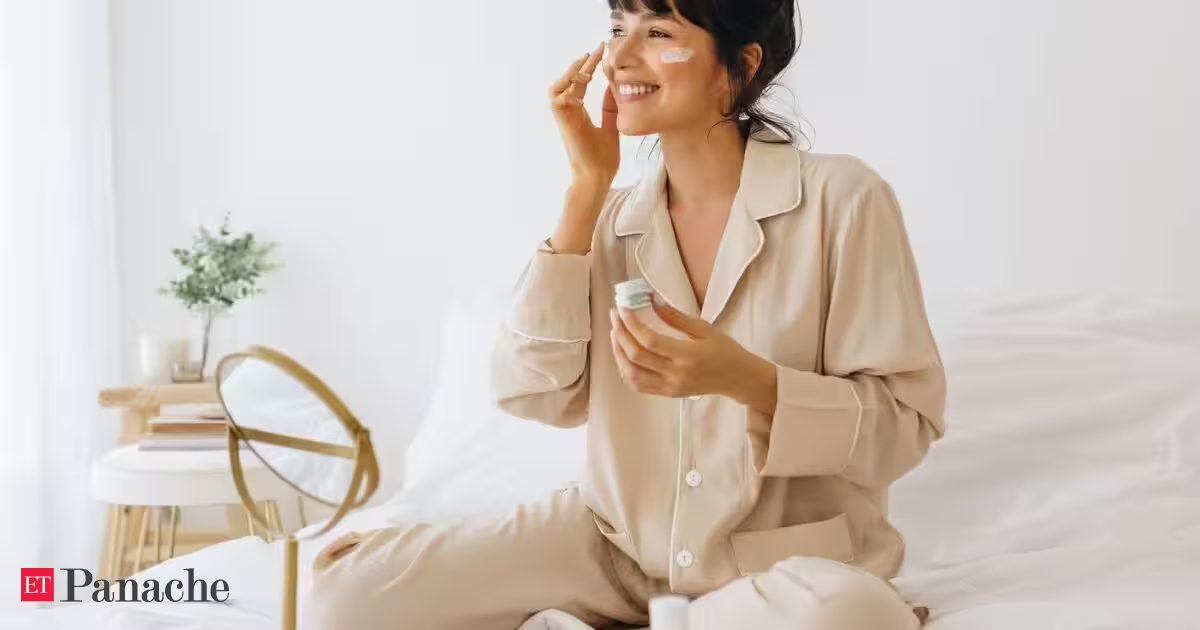
Why Topical Treatments Are Becoming a Bigger Part of Modern Skincare Routines

Why Topical Treatments Are Becoming a Bigger Part of Modern Skincare

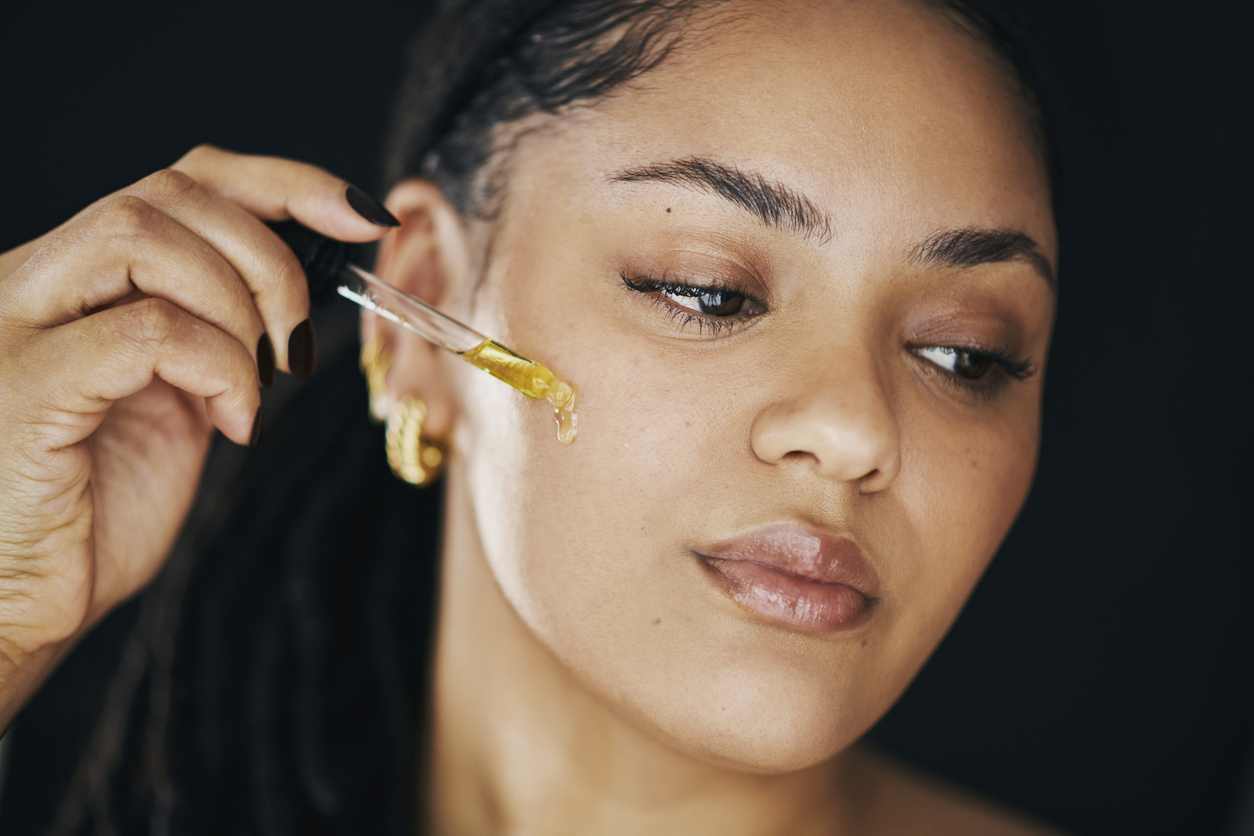
Have you ever wondered why creams, gels, or any other topical treatments have grown in popularity in skincare discussions? This comes from people understanding that simply using a cleanser-moisturizer approach doesn’t treat all skin issues. Actually, it turns out that acne affects around 85% of teenagers and young adults, which means that targeted treatments are important to many people’s skincare routines.

However, this does not mean that it’s necessary to have a cabinet full of skincare products. Skincare has now shifted towards targeting specific skin issues. People stopped trying out one product after another and learned how to use treatments that their skin actually needs. This article explains why topical treatments have become part of modern skincare routines.

Skincare Is Becoming More Personal

There was a time when skincare advice seemed pretty straightforward: wash your face, apply moisturizer, and call it a day. These basic steps are still essential. However, every skin is different, and a method that suits one person can lead to dryness, irritation, or acne in another.

Someone with acne will have to choose a different treatment approach from someone suffering from eczema, psoriasis, excessive drying of skin, or other kinds of inflammation. This is where topical treatments might be of help.

Unlike universal treatments, topical medications will target a specific concern. They may help with inflammation, acne, itching, infections, or skin barrier protection.

They Are About More Than Acne

The term ‘topical treatment’ is usually associated with acne. However, topical treatments can be used for more than just acne. They treat conditions like eczema, plaque psoriasis, skin diseases, and different types of dermatitis.

With atopic dermatitis, there are topical medications like moisturizers, corticosteroids, calcineurin inhibitors, and PDE-4 inhibitors that can be used as part of the treatment plan. This is important because not all topical products should be considered beauty products. Some of them are medications for skin conditions that already have a diagnosis.

They Put Treatment Where It Is Needed

One of the most important advantages of topical applications is very straightforward. You apply the product to the area that requires treatment.

Topical treatments may feature different active substances depending on the formulation. For instance, products that are recommended for the treatment of acne can include benzoyl peroxide, retinoids, azelaic acid, and salicylic acid.

These ingredients do different jobs. Some can alleviate clogged pores, others can deal with the inflammation, while others can target acne-causing bacteria.

Topical Treatments Can Be Incorporated Into a Simple Routine

You might assume that adding a treatment means your skincare routine has to become more complicated. It does not. In most cases, you would just need to add a topical treatment to your existing skincare routine.

For example, you could clean the skin thoroughly, apply the required treatment, moisturize, and use sunblock. That’s all there is. Instead of applying several serums and hoping for the best outcome, you can use a treatment with a clear purpose.

New Techniques Offer More Alternatives

Skincare has evolved tremendously throughout the years, and topical treatments have followed suit. Active ingredients and products for various skin issues have increased over the years. For instance, acne treatment can be applied independently or in combination with other treatments, depending on the type of acne and the intensity of the problem.

Topical treatments for inflammatory skin disorders like atopic dermatitis have also improved. The increased number of options is great, as not every person’s skin works the same.

The dermatologist weighs factors like the following before determining the appropriate course of therapy,

  • The nature of the problem
  • Its intensity
  • The sensitivity of the problem

Modern skincare is gradually changing from the search for a miracle product to finding what works for you.

A Targeted Routine Could Mean Fewer Products

Sometimes, better skincare involves buying less instead of more. It’s tempting to get stuck in the cycle of seeing a new product, buying it, trying it for a while, and then moving on if you don’t get immediate results.

This may leave you with a cabinet full of products and no clue about what actually worked on your skin. In contrast, a focused treatment gives purpose to your regimen. Instead of experimenting endlessly, you can concentrate on solving specific problems.

Smarter Skincare Starts With Knowing What Your Skin Needs

Smart skincare begins with understanding what your skin needs. The rise of topical treatments shows a more significant trend in skincare. Skincare today proves to be much more than just having many products and following the newest trend. It’s about being more intentional.

A good skincare routine doesn’t require ten steps. Sometimes what’s needed is simply identifying the problem, using the right treatment, letting it take effect, and implementing some simple daily habits that support the skin.

Topical treatments can be very useful because they provide a targeted approach or solution for specific problems. If used wisely, they can easily find their way into a routine, making it efficient and simple. The point is not to collect a lot of products, but to be able to understand your skin well enough to provide what it needs.

Tags: , , , , ,
A modern skincare brand’s guide to sensitive skin

A modern skincare brand’s guide to sensitive skin

If you’re a beauty enthusiast with sensitive skin, then you are probably familiar with the struggle of trying new products. One wrong ingredient can cause breakouts, dryness, rashes, bumps, or a combination of all. For sensitive skin, creating a healthy skin barrier with products that combine high-performance actives with gentle formulations is essential. Built on this philosophy, British-made skincare brand Plenaire launched in India with a forward-thinking approach that blends science, transparency and emotional wellbeing. Inspired by the French philosophy of “en plein air”, which translates to “in the open air,” Plenaire’s selection of products is designed for a new generation of beauty lovers who value self-care as much as self-expression. Think barrier-first beauty, modular routines, and science-backed formulations that work with the skin barrier rather than overstimulating it. Because when it comes to sensitive skin, less is more.
Read along to unveil your new AM and PM skincare routine.

Images courtesy: Plenaire

A modern solution

At Plenaire, the secret to unlocking a healthier skin barrier begins with Éclat Botanique™, a unique product philosophy. Here, “éclat” translates to radiance, while “botanique” puts an emphasis on plant-derived and naturally sourced ingredients. Bringing together actives, bio-plant and marine components, these ingredients seamlessly combine to protect the skin barrier and maintain a natural glow. Rooted in modern science, actives such as BHA’s, Glycolic acid, Ceramides, and Hyaluronic acid help support the skin’s natural repair cycle. They work gently to calm irritation, reinforce the skin barrier, and provide long-term nourishment for a balanced, healthy-looking complexion.

For AM

Start your day with a two-step skincare ritual that promises clean and balanced skin. The ritual begins with Plenaire’s Duelle 2-in-1 Brightening Cleanser, a gentle daily cleanser with a pH of 5.5 that removes impurities and excess oil. With the goodness of Niacinamide, it helps brighten the skin without stripping it of moisture. Enriched with upcycled Jojoba micro-grains, it exfoliates to help smooth skin and restore its natural glow.

Tags: , , , , ,
Does your routine need a longevity skincare upgrade?

Does your routine need a longevity skincare upgrade?

Skin longevity is 2026’s big trend – does it deliver anything genuinely new? Or is it simply anti-ageing reinvented?

Any products in this article have been selected editorially however if you buy something we mention, we may earn commission.

Jump To

You might have been hearing a lot of talk about ‘skin longevity’ in recent months. Because ‘longevity’, for a while a buzzword bandied about by biohacking bros, has entered the beauty lexicon, with longevity skincare taking over the shelves in Boots and SpaceNK.

Major brands have brought out ranges that name-drop the L word: Lancome Absolue Longevity MD, fronted by 63-year-old actress Demi Moore, promises to target ‘cellular senescence’ (when old cells stop dividing), while Tatcha’s The Longevity Serum suggests that its Blue Zone-inspired ‘Okinawa Cellescence Complex’ of botanicals will do likewise. Meanwhile, on social media, influencers are sharing ‘skin longevity’ guides. But what exactly does it all mean? 

Actress Demi Moore is the face of LancomevLongevity MD skincare

From a wellness point of view, longevity science is all about not just extending our lifespan (the number of years we live) but extending our healthspan, the number of healthy years we live. The idea is that we can be proactive, focusing on prevention and preservation, rather than correcting or curing. Translate that into skin, and it’s ostensibly about keeping our skin healthy for longer. Yes, ‘skinspan’ is now a thing.

But is longevity skincare simply ‘anti-ageing’ by another name? Does it really demand specific longevity serums with new ingredients? To find out, I consulted some of the UK’s top dermatologists.

What is skin longevity?

I’ll be honest, my first instinct was to dismiss ‘skin longevity’ as a politically correct reinvention of the term ‘anti-ageing’, which has been demonised in the last decade, with many asking why we should be ‘anti’ a natural process, criticising the negative connotations associated with it, and the fact that it’s mainly aimed at women. However, many of the dermatologists I spoke to pointed out that it actually represents a shift in our thinking about skin.

“While there is certainly marketing attached to it, skin longevity reflects a genuine change in dermatology and skin science in the last five years,” says Dr Caitriona Ryan, clinical professor at University College Dublin, consultant dermatologist and co-founder of ID Formulas longevity supplements.

“It’s about a deeper scientific understanding of why skin ages and how we may be able to preserve its function over time.”

She points out that while traditionally, anti-ageing has focused on treating the visible consequences of ageing, such as wrinkles, pigmentation, laxity and uneven texture, skin longevity isn’t about how we make skin look younger, but about how we keep skin functioning like younger skin for as long as possible, in the same way that we want all our other organs to support us for the long haul.

“Healthy skin is remarkably resilient,” she adds. ”It repairs DNA damage efficiently, maintains a strong barrier, produces collagen effectively, controls inflammation and protects itself against oxidative stress. With age, those systems gradually become less efficient.

“Skin longevity is about supporting those biological processes before significant decline occurs,” she says. She and other dermatologists now look at skin through the lens of the hallmarks of ageing, the 12 biological processes that drive ageing throughout the whole body.

Applied to skin, these are concepts such as ‘inflammageing’ (the idea that ageing is actually a disease of inflammation),  mitochondrial health (the skin cells’ energy banks), cellular senescence (what happens when cells get old), preserving the extracellular matrix (keeping the structure of the skin intact) and DNA repair.

It’s all very different to the ‘anti-ageing’ tropes of blasting our wrinkles and lifting our jowls; these ideas were “simply not part of mainstream skincare conversations a decade ago,” she says.

All this does make perfect sense — after all, skin is the body’s largest organ and its first line of defence. The science is credible, but why is it that most of the new longevity skincare products target just the face – which makes up less than five per cent of skin  – not the whole body? There are only a handful of body longevity creams, such as Joonbyrd, Longevity Body Glaze, £62, which is aimed at improving skin resilience and Neova Body Repair, which has DNA repair enzymes, more on which below. 

This is where marketing muddies the waters. While ostensibly the focus of skin longevity is improving skin function, it’s also true that if you stop skin from declining, chances are you’re also preserving a more youthful face.

Who is skin longevity for?

When we’re talking about prevention rather than cure, it makes sense that you’d start a skin longevity regime earlier in your 20s or 30s, before you start to see an age-related decline in levels of collagen (wrinkles, sagging) and measurable decline in cellular energy (your mitochondria, your cell ‘batteries’.)

But you don’t necessarily need a longevity cream at this stage, as simple skin preservation habits can have the biggest effect, says consultant dermatologist, Dr Sidra Khan. “For most people in their 20s, ‘skin longevity’ is overwhelmingly delivered by daily broad-spectrum sunscreen, not smoking, [sufficient] sleep, and a sane barrier-supportive routine – not a shelf of endless serums!”

And, in fact, that’s exactly the demographic that No7 is targeting with the Prime Forever launch earlier this year. The range, targeted squarely at 30-somethings, leverages the concept of ‘prejuvenation’ — or keeping skin at its optimum for as long as possible — using a combination of peptides, antioxidants and sun protection.

But while a skin longevity approach can benefit everyone, there are some for whom it can be particularly helpful.

”We know that chronic inflammation drives ageing — ‘inflammageing’ is a real and well-described concept,” says Dr Khan. “So a regime built around calming inflammation, supporting the barrier and avoiding the irritation-repair-irritation cycle is both a longevity strategy and exactly what reactive skin, such as rosacea-prone or sensitised skin, needs.”

She adds that if you’re someone who doesn’t do well with “a traditional ‘anti-ageing’ routine stacked with strong actives that the skin can’t tolerate, a longevity-led, anti-inflammatory approach is often more appropriate.”

What to look for: key skin longevity skincare ingredients

There’s a lot of chat about exciting new longevity ingredients. But according to Prof Ryan, “many of our best evidence-based anti-ageing ingredients also happen to be our best longevity ingredients. The difference lies less in the ingredient itself and more in the biological pathways we are trying to support.”

  • Daily broad spectrum sunscreen

“Ultraviolet exposure remains the single biggest external driver of DNA damage, collagen breakdown and premature skin ageing, so daily broad spectrum sun protection does more to preserve long term skin function than anything else you can apply,” says Prof Ryan. “Any serious longevity conversation that does not begin there is incomplete.”

Like many dermatologists, she’s a fan of physical sun filters (such as zinc) because she believes they are less likely to cause irritation, and favours a tint, which shows the product contains iron oxide, which has been shown to offer extra protection to skin prone to pigmentation.

NAD+ is touted as a longevity ingredient, especially in the supplements landscape and is a coenzyme essential for cellular energy production, DNA repair, and metabolic signalling. But the consensus is that simply putting NAD+ into a cream or serum probably isn’t the answer, as it’s a large, unstable molecule and has limited skin penetration. However, topical ingredients, such as niacinamide, or sunflower sprout extract (see below) can help boost NAD+ levels within the body, might help, as might some oral NAD+ booster supplements. But, says Prof Ryan, “applying NAD+ directly is far more persuasive on a label than it is in the biology.”

UV from the sun damages our DNA, but there are some enzymes — found in bacteria, algae, other plants and many animals — that can help repair this damage. While humans may have evolved to no longer produce these enzymes ourselves, there is a way that we can benefit from them.

“Enzymes like this can be delivered in liposomes [fatty bubbles] so they penetrate skin and help to reverse any DNA damage caused by UV,” explains Dr Khan. “They boost our own repair machinery, clearing UV-induced lesions before they drive pre-cancers or mutations.” Still not widely used, they can be found in The Skin Diary Age Defence Moisturising Day Cream, SPF 50 and Neova’s Correction range and SPF.

The hottest new skin longevity ingredient is sunflower sprout extract. There’s a trademarked version of it called RejuveNAD, found in Swissline 360 Collagen Night Concentrate, and now also in Beauty Pie Youth Bomb Intense, £59 for members, which has been shown to boost NAD+ in vitro. However, it gets a lukewarm reception from the derms I spoke to. “Laboratory studies suggest it may activate antioxidant defence pathways and support mitochondrial resilience, but robust human data isn’t there yet,” says Prof Ryan. She’s similarly hesitant about other antioxidant ingredients such as CoenzymeQ10, which some claim can improve mitochondrial energy — “the topical evidence remains modest.”

“Certain botanical extracts [such as astragalus, centella asiatica, and rhodiola rosea] have been shown to slow telomere shortening,” says

But, explains consultant dermatologist Dr Malvina Cunningham of Skin & Me skincare.

Telomeres are protective caps on chromosome ends that shorten with each cell division. These extracts also modulate telomerase, the enzyme that maintains telomeres in vitro, she adds. “When telomeres become critically short, cells enter a state of ‘growth arrest’ that contributes to tissue ageing. “Human clinical data are still limited, though,” she adds.

Longevity skincare: the verdict

While the promise of longevity skincare is seductive, it feels like the marketing is still outpacing the science. If you want to preserve your ‘skinspan’, start with the basics. They might not be as flashy, but a consistent routine that helps to keep your skin barrier healthy and intact, includes broad-spectrum SPF to protect your skin from DNA damage, and adds in antioxidants and enzymes to help mop up free radicals and repair any damage is essential. Once those basics are in place, then — and only then — you might want to look at products that can preserve your telomeres or boost NAD+ levels as well.

7 skin longevity skincare buys I rate

The prejuvenation powerhouse

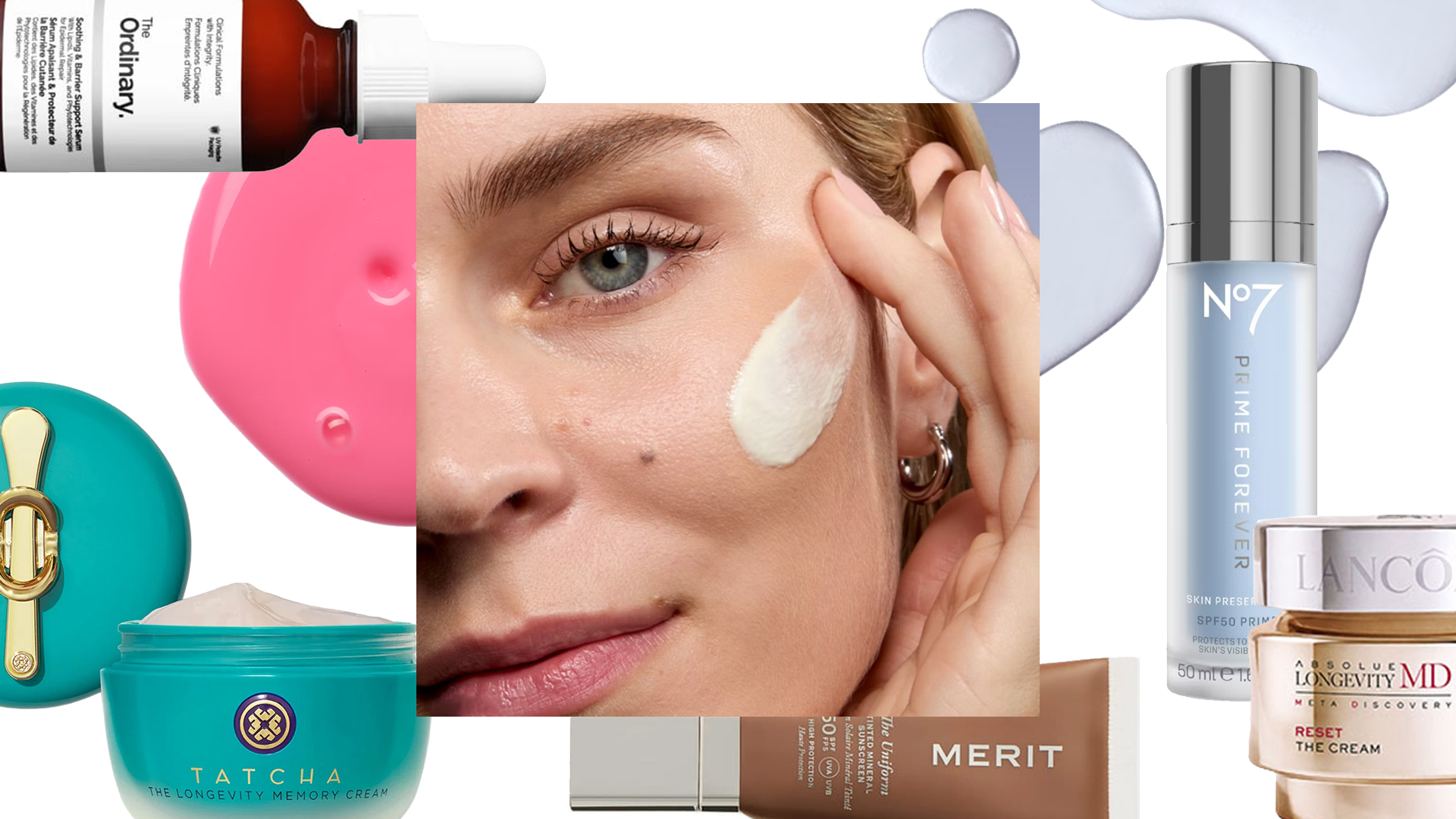
No7 Prime Forever SPF50 Primer, £24.95

There’s no arguing with the combination of antioxidants and broad-spectrum UVA/UVB protection both found in this lightweight primer as our most powerful weapon against the destruction (and therefore accelerated ageing) of skin cells of any colour and of any age. To complete the triple threat, they’ve added No7’s potent peptide that’s the hero ingredient of the blockbuster No7 Future Renew damage repair range. It uses chemical rather than the mineral sun filters recommended by the derms I spoke to, but is nevertheless am affordable all-rounder if you aren’t prone to redness.

SHOP  

The mineral SPF in 20 shades

Merit The Uniform, £34

As Prof Ryan says, broad spectrum sun protection, ideally tinted zinc oxide, is the starting point for any longevity regime. And this is particularly important for anyone who suffers from melasma, or any other form of hyperpigmentation, which can be considered a form of inflammation. I’ve tried many tinted SPFs and this, available in 20 shades, is one of the best.

SHOP  

The soothing must-have 

The Ordinary Soothing & Barrier Support Serum, £17.30

Maintaining the skin barrier and dampening down any irritation is at the heart of longevity skincare so this serum, packed with soothing ingredients, such as bisabolol and centella asiatica, barrier repair heroes, such as ceramides, and that all-rounder, niacinamide, which might just help boots NAD+, is a winner.

SHOP  

The dry skin saviour

Dr Sam’s Flawless Moisturiser Intense, £36

While the jury might be out on whether the sunflower seed extract that this contains can really boost NAD+ levels, this moisturiser is packed with skin-soothing and barrier-boosting ingredients, including panthenol, ectoin, squalane, ceramides, and centella asiatica. It’s perfect for dry, thirsty skin, as well as for any flares after you’ve been heavy-handed with an active. The new lighter version Dr Sam’s Flawless Moisturiser Balance, is a great everyday moisturiser for all skin types.

SHOP  

The SPF that repairs sun damage

The Skin Diary Age Defence, £92

Yes it’s pricey, but not only is it packed with those DNA repair enzymes that target the damage form UV, but it’s been through some seriously rigorous tests to prove that it can reduce damage and inflammation and has been formulated by the UK’s top-tier derms, led by professor Chis Griffith, OBE. While any skin would benefit from this complex powerhouse, if you find yours normally reacts to UV filters, these are encapsulated, so you should have fewer issues.

SHOP  

The doctor’s choice

Revision Skincare D.E.J. Daily Boosting Serum, £265

Oft-cited by aesthetic doctors such as Dr Sophie Shotter as their skin longevity serum of choice, this lightweight product, containing sunflower sprout extract and powerful peptides scooped Gold in the ‘Ageing Well’ category at the Get The Gloss Beauty Awards 2025. Judge Dr Ash Soni, a plastic surgeon says: ‘The science and the research behind Revision as a brand are excellent. The ingredients in this serum are innovative, with sunflower sprout extract to negate the visible effects of glycation and boost the energy of the cells. The clinicals are good – you can’t beat it.

SHOP  

For body skin longevity

Neova Body Repair, £69

Bucking the trend of longevity skincare focusing only on the face, this body lotion combines those all-important DNA repair enzymes with a copper peptide complex to boost collagen and elastin production, allantoin which soothes skin as well as moisturising ingredients to help hydrate the skin.

SHOP  

Tags: , , ,
Il Sole 24 Ore

Beauty combines skincare, aesthetics and longevity

The beauty market is expanding and moving beyond traditional practices. More and more consumers are complementing their skincare and make-up routines with beauty treatments and solutions focused on performance and longevity (tools and treatments related to health, bodily function and the prevention of ageing), in a process that is redefining the boundaries of the sector.

Driving this change is what the second edition of the Boston Consulting Group (BCG) study, in collaboration with WWD, “Consumers Are Shaping a New Age of Optimisation in Beauty”, defines as the “optimizer” consumer: a profile that integrates aesthetic procedures and treatments aimed at performance and longevity into their traditional beauty routine, and which today accounts for 6 per cent of American adults – approximately 15 million people. Over the past twelve months, this segment has spent an average of $3,000 across the three categories.

According to the survey, carried out in April in the US amongst 5,000 consumers of beauty products, around 70 per cent of respondents said they were open to non-traditional solutions, whilst 80 per cent considered beauty to be a matter of physical and mental wellbeing, not just outward appearance. Should the ‘optimisers’ segment double in size, the report estimates a potential of over 30 billion dollars in added value for the entire beauty ecosystem, of which over 10 billion is linked to aesthetic procedures and more than 20 billion to the performance and longevity categories.

“Traditional beauty – understood as skincare, make-up and hair care – remains the cornerstone of the category, as it is upon this that consumers build their routines, but its definition is broadening,” comments Guia Ricci, managing director and partner at BCG. “Rather than relying solely on a few flagship products, today’s consumers combine solutions that address aesthetics, physical performance and longevity to achieve their desired results. This is a shift that brands must take note of: these consumers are pointing the way forward for the sector.”

70 per cent of beauty enthusiasts now regard cosmetic procedures as a regular part of their routine, a habit that is also reflected in their purchasing behaviour within the traditional beauty sector: 70 per cent have increased their spending on premium or medical-grade skincare products, whilst 50 per cent have introduced new steps or ingredients into their routine. A similar trend is evident with GLP-1 drugs, which are creating new beauty needs: they have been used by 30 per cent of optimisers in the last twelve months and, amongst those who have noticed physical changes or changes in skin quality, around half have turned to luxury or medical-grade skincare products, whilst amongst those who have experienced a loss of skin firmness, almost 80 per cent have increased their use of fillers, injectables, skin-tightening treatments or laser treatments. ‘Optimisers’ are also four times more likely than the average consumer to take supplements for longevity and to combat ageing, and twice as likely to use beauty supplements.

Tags: , , , ,
Move Over French Girl Skincare

Move Over French Girl Skincare: Experts Say Australia’s “No Worries” Beauty Philosophy Is Taking Over the World

Move Over French Girl Skincare: Experts Say Australia’s “No
Worries” Beauty Philosophy Is Taking Over the World

You have probably, at some point, found yourself
layering snail mucin under camel milk, following a ten-step Korean
skincare routine that promised poreless perfection. Or maybe you
invested in French micellar water and the perfect rouge, chasing
that effortlessly chic Parisian glow that somehow always felt out
of reach. We have collectively spent years hopping from one
international beauty philosophy to another, always convinced the
next one would finally crack the code. But what if the real secret
was not about adding more steps – it was about stripping them away
entirely?

How we ended up with overflowing bathroom shelves

Think about the beauty rituals we
have adopted from around the world. K-beauty arrived from Korea
with elaborate multi-step regimens and exotic ingredients like
snail mucus and camel milk, all in pursuit of flawless skin.
Japanese beauty introduced streamlined yet luxurious products
rooted in refined skin rituals. And French girl beauty captivated
us for years, from pharmacy staples to that coveted undone look
that remained, for most of us, impossible to truly replicate – even
for the most devoted Francophiles.

Each of these traditions brought
something culturally rich and genuinely valuable to our

routines
. They still deserve a place in our hearts and
our cabinets. But here is the thing: have you noticed how
exhausting it has become to keep up? The sheer number of products,
the layering sequences, the rules – it all started to feel like a
second job rather than self-care.

That collective fatigue opened
the door to something refreshingly different. A movement rooted not
in complexity but in simplicity, nature, and a laid-back mindset.
It is called A-Beauty, short for Australian Beauty, and it is
quickly reshaping what we expect from our skincare.

Why the land down under is rewriting the beauty
playbook

At the heart of A-Beauty is a
philosophy that mirrors the Australian way of life itself. The
beach, the sun, the great outdoors – these are not just lifestyle
perks but beauty’s unsung heroes. Irene Falcone, a clean lifestyle
expert and the founder of Nourished Life, has described A-Beauty as
centered on simple, pared-back regimens built around naturally
derived products packed with powerful ingredients that actually
deliver on their promises.

Australians are known worldwide
for their relaxed, stress-free outlook, and Falcone notes that this
very approach to life is thought to have a positive impact on how
skin looks and feels. Unlike the pharmaceutical-heavy formulas
associated with French skincare or the intricate layering protocols
of Korean routines, A-Beauty is deliberately unfussy, hardworking,
and natural.

What makes it even more
distinctive is where the ingredients come from. Australia’s
geography is rare and precious – spanning sand, sea, forest, and
desert in ways found nowhere else on the planet. That diverse,
flourishing landscape yields highly innovative botanical
ingredients that skin genuinely responds to. Australian beauty
brands tend to be made not just in Australia but quite literally
from Australia, harnessing native flora and terrain-specific
elements that set them apart from anything else on the global
market.

A post-pandemic shift toward less-is-more skincare

The timing of A-Beauty’s rise is
no coincidence. The last few years pushed us to increase our
self-care efforts dramatically, yet they simultaneously forced us
to simplify. Hair regained its natural texture and color –
sometimes by choice, sometimes not. Nails went bare. Skin got a
well-earned break from layers of product. We collectively turned
our backs on overcomplicated, fussy routines and began craving
something more streamlined.

That craving dovetailed perfectly
with a broader cultural shift toward sustainability and
transparency. Falcone has called the move toward A-Beauty an
evolution that ties into current trends of minimalism, ingredient
transparency, and the expectation that products should do exactly
what they claim. With nature and the environment at its core, this
philosophy reflects our growing investment in understanding what we
put on our skin – and consuming beauty in a way that is sensitive
to issues like
climate change
and sustainability.

Global research by McKinsey
reinforces the momentum. According to the firm’s findings, the
pandemic increased demand for natural, sustainable beauty, with 57%
of consumers stating they had made significant changes to their
lifestyles to lessen their environmental impact. A-Beauty, with its
emphasis on efficacy, natural ingredients, and eco-conscious
processes, sits squarely at the intersection of everything modern
consumers say they want.

What this means for your routine going forward

The takeaway here is genuinely
liberating. You do not need a ten-step regimen or a cabinet full of
imported serums to take excellent care of your skin. A-Beauty
suggests the opposite: fewer products, potent natural ingredients
sourced from one of the most biodiverse landscapes on earth, and a
mindset that treats stress reduction as a legitimate skincare
strategy. It is an approach that is kind to you and kind to the
planet. And honestly, in a world that keeps getting more
complicated, a beauty philosophy built on simplicity might be
exactly what we all need next.

Tags: , , , , , , , , ,
Must-have skincare ingredients for every age group • PhilSTAR Life

Must-have skincare ingredients for every age group • PhilSTAR Life

Every now and then, a new beauty trend dominates our feeds—from must-have launches to formulas promising everything from glass skin to age-defying magic. It’s easy to get swept up when favorite creators swear by a product, but before adding that viral serum to your cart, ask yourself: Is it actually right for your skin—and your age?

Choosing skincare goes beyond picking a popular brand, believing bold marketing claims, or falling for pretty packaging and pleasant fragrances. The key to building an effective routine is paying attention and understanding a product’s ingredients.

If you’re wondering where to start, experts break down the science-backed ingredients your skin craves at every stage of life.

Embracing the journey of aging

Gone are the days when aging was treated like a crisis that needed constant fixing. Dr. Jarische Lao-Ang points out a cultural pivot, noting that people are finally ditching the fear of growing older and instead leaning into self-care that celebrates natural longevity. 

“I think with the advent of an emphasis on the importance of proper skincare or taking good care of yourself, people are now more leaning towards embracing what aging really is,” she told PhilSTAR L!fe.

Board-certified dermatologist Dr. Mai Diño-Yanga shared a similar view, saying, “Instead of treating wrinkles, laugh lines, or volume changes as problems to be erased, the pro-aging mindset treats them as normal, expected evidence of a life being lived, and it puts the focus back on skin health rather than skin ‘perfection.’ Skincare supports that by prioritizing function over correction,” she said.

She added that the focus is more on building healthy, resilient skin through proper care than aggressively treating wrinkles, emphasizing graceful aging over looking ageless.

Essential skincare ingredients for different ages

While you can build healthy habits at any age, early prevention creates the ultimate foundation for skin resilience. During the teenage years, puberty often brings oiliness and breakouts, making a minimalist approach best: a cleanser and sunscreen by day, paired with a cleanser and moisturizer at night. Salicylic acid or mild retinoids can be introduced to keep pores clear, but daily sun protection remains the absolute need.

In your 20s

Entering your 20s is the ideal window to establish habits that safeguard your skin long-term, Diño-Yanga, owner of Pacific Skin Bel-Air and MDY Skincare, said.

Both dermatologists emphasize that daily broad-spectrum SPF 30 or higher is a strict, “non-negotiable” step to prevent premature photoaging.

As natural collagen production quietly begins to slow down, this decade focuses on early defense. Niacinamide helps balance oil and strengthen the barrier, Vitamin C delivers essential morning antioxidant defense, and gentle alpha-hydroxy acids (AHAs) like lactic or glycolic acid keep cell turnover smooth.

In your 30s

By the time you reach your 30s, skincare becomes more targeted toward maintaining barrier strength and smoothing early fine lines, Lao-ang noted. This is often the decade to transition from gentle retinol to stronger retinoids, including prescription tretinoin, based on your skin’s tolerance.

To complement these powerful actives, hydration powerhouses like peptides, polynucleotides, and ceramide-rich moisturizers take priority to keep the skin firm, plump, and deeply nourished.

Meanwhile, Diño-Yanga explained that as collagen production gradually declines, ingredients like retinoids can help support collagen and improve skin texture. She added that vitamin C and peptides can help protect and support the skin, while a ceramide-rich moisturizer and daily SPF 30 to 50 remain important to maintain the skin barrier and prevent further damage.

In your 40s, 50s

In your 40s and 50s, natural collagen loss accelerates, cell turnover slows, and dryness becomes far more common due to hormonal shifts like perimenopause. Barrier repair and deep hydration become the main defense, Lao-ang said.

Look for rich formulas packed with hyaluronic acid, glycerin, and barrier-replenishing lipids like ceramides, cholesterol, and fatty acids. Antioxidants like vitamin C and exfoliating acids provide additional support.

Higher-strength retinoids and exfoliating acids still play a key role in boosting cell turnover, Diño-Yanga said, while tinted sunscreens offer necessary added protection against visible light that triggers stubborn pigmentation. Many individuals may also explore clinic-based treatments such as injectables and lasers, emphasizing that skincare should always be personalized based on each person’s needs and concerns.

Ingredients to use separately and those that work together

When building your daily routine, chemical compatibility is just as crucial as ingredient selection. Both dermatologists advised caution when using multiple strong actives together, as over-layering can lead to irritation and weaken the skin barrier.

Lao-Ang said beginners and those with sensitive skin should avoid combining retinol with hydroxy acids, vitamin C, or hydroquinone in the same routine since they can destabilize one another and irritate sensitive skin. Instead, these ingredients can be separated by time of day, such as using vitamin C in the morning and retinoids at night.

Similarly, ingredients like retinoids should also not be used together with AHAs, BHAs, or benzoyl peroxide, as it can reduce the former’s effectiveness while increasing dryness and irritation.

When paired correctly, certain ingredients can complement each other and improve results. Antioxidants like Vitamin C work synergistically with morning sunscreen to build an enhanced shield against environmental damage.

For improving texture and preventing signs of aging, she also recommended balancing retinoids with gentler ingredients such as niacinamide, cica, centella asiatica, ceramides, and hydrating ingredients like hyaluronic acid and glycerin.

Hyaluronic acid and exfoliating acids also complement barrier repair creams, allowing you to shed dead skin cells without stripping away vital moisture.

To keep things simple, Dr. Diño-Yanga advises separating strong actives by the time of day rather than layering everything into a single step.

“My general rule for patients: separate your strong actives by time of day rather than trying to layer everything into one routine. Antioxidants and SPF belong in the morning; retinoids and acids belong at night,” she said.

Both dermatologists emphasized that skincare is not a one-size-fits-all approach. Overall formulation also matters just as much as key ingredients—fragrances, preservatives, and conflicting active blends can still irritate skin even if a single component seems gentle.

Ultimately, effective skincare requires realistic expectations and a healthy dose of patience. Diño-Yanga dispels the widespread myth that skin becomes “addicted” to retinol, clarifying that stopping its use won’t cause sudden, accelerated aging; your skin simply returns to its natural aging rate.

“I think this myth genuinely keeps people away from ingredients that are well-studied, well-understood, and effective, out of a fear that isn’t backed by any real evidence. That’s the real cost of the myth, not that people age faster, but that they age without the tools that could have helped them,” she told L!fe.

Lao-Ang noted that the right ingredients, procedures when needed, and healthy lifestyle habits all play a role in maintaining skin health.

“Aging is really inevitable. Everyone ages, everyone matures. It’s just a matter of knowing how to take good care of yourself,” she said.

Tags: , , , , , ,
Google News Icon

The One Sixth Sense: A More Considered Approach to Skincare, Where Less Begins to Matter

New innovations in the skincare industry have led to the introduction of a wide range of products, resulting in increasingly complex skincare routines. Products have multiplied, active ingredients have become more aggressive, and multi-step regimens are now treated as the standard for healthy skin. But alongside this rise in intensive skincare fatigue, a different trend has started emerging, consisting of consumers looking for simpler routines, healthier skin barriers, and products that feel easier to sustain long-term. More people are beginning to question whether using more products actually leads to better skin, especially in Indian climate conditions where heat, humidity, pollution, and environmental stress already place constant pressure on the skin.

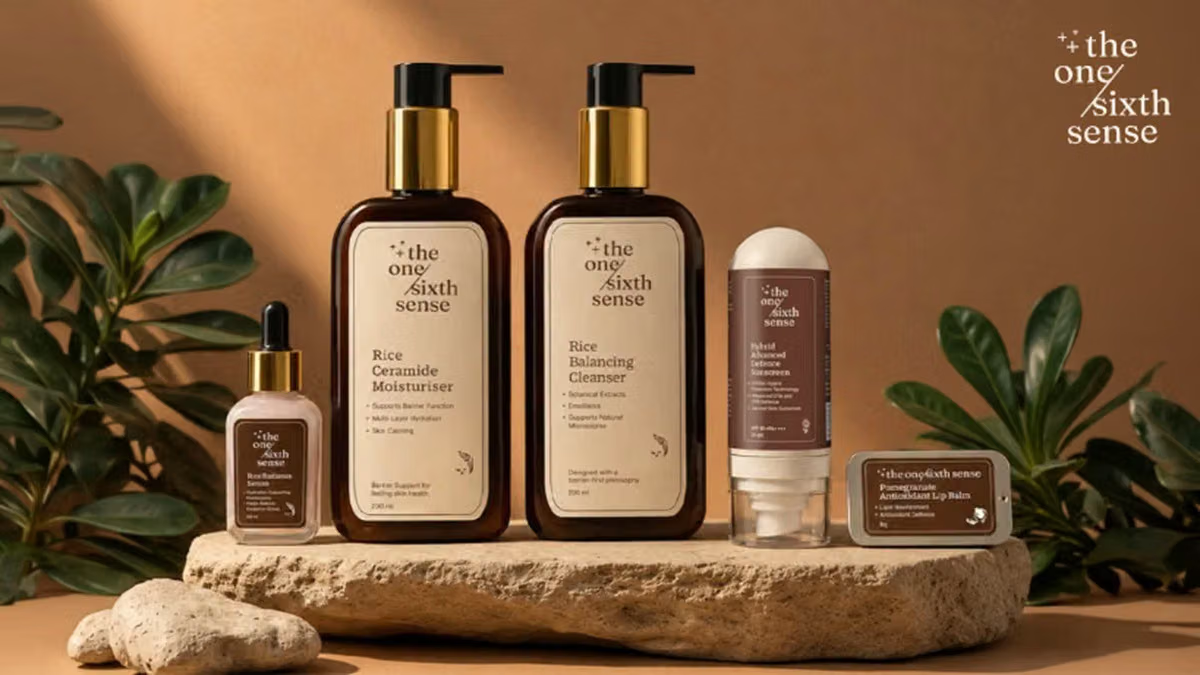
The One Sixth Sense, founded by Krishna Vilas and Desha Yadav, enters the skincare space, taking advantage of the opportunities rising out of this shift. The brand positions itself around a more measured and barrier-first approach to skincare, prioritising consistency and long-term skin health over excessive layering and rapid visible correction.

Rather than encouraging increasingly complicated routines, The One Sixth Sense focuses on a minimal skincare system designed to work with the skin instead of overwhelming it. The range remains intentionally focused with essential products such as a cleanser, serum, moisturiser, sunscreen, and lip balm, developed to support skin barrier health through fewer, more deliberate steps.

“For a long time, skincare kept moving toward maximalism,” says founder Krishna Vilas. “More products, more actives, more corrections. But skin is not a system that necessarily responds better to constant intervention. Sometimes the better question is not what else needs to be added, but what can be removed without affecting the skin negatively.”

This idea of “less, but more considered” sits at the centre of the brand’s philosophy. The approach is not built around minimalism as a trend, but around the belief that skincare routines have become difficult to sustain and, in many cases, unnecessarily aggressive.

As active ingredients entered mainstream skincare, many consumers also started experiencing sensitivity, irritation, and damaged skin barriers caused by over-layering products or frequently changing routines. According to the founders, this growing skincare fatigue reflects a larger shift in consumer behaviour, people moving away from intensity and looking for skincare that feels calmer, clearer, and more realistic for everyday life.

“We were interested in understanding why skincare had started feeling so exhausting,” says co-founder Desha Yadav. “There is so much information, so many routines, so many products being positioned as essential. Somewhere within all of that, skincare became less intuitive. We wanted to create something that felt more balanced and easier to stay with.”

The formulations are also developed with Indian climate conditions in mind, where heavy textures and excessive layering often become difficult to maintain consistently. Instead, the focus remains on lightweight skincare that supports long-term skin health without overcomplicating the routine.

At a time when the skincare industry continues to move toward an overly crowded industry, The One Sixth Sense marks its entry with a slower and more considered approach, suggesting that healthier skin may not come from doing more, but from finally understanding what the skin can function well without.

Tags: , , , , , ,
PROYA Partners with Ulta Beauty: Joining The Retailer's Prestige Skincare Portfolio Later This Year

PROYA Partners with Ulta Beauty: Joining The Retailer’s Prestige Skincare Portfolio Later This Year

HANGZHOU, China, Aug. 19, 2026 /PRNewswire/ — PROYA, the flagship brand of Proya Cosmetics, has partnered with Ulta Beauty, the nation’s largest beauty retailer. PROYA will join Ulta Beauty as part of the retailer’s global prestige skincare lineup. This November, PROYA will officially launch its Advanced Firming and Original Repair collections in 400 Ulta Beauty stores nationwide and online at Ulta.com.

The collaboration marks a significant milestone in PROYA’s global expansion, as PROYA brings its cutting‑edge R&D and science‑led skincare philosophy to U.S. consumers, while further strengthening the presence of Chinese beauty in the global prestige skincare market.

Yuli Cai, Head of PROYA’s Overseas Business, said:

Get the latest news


delivered to your inbox

Sign up for The Manila Times newsletters

By signing up with an email address, I acknowledge that I have read and agree to the Terms of Service and Privacy Policy.

“Global expansion today is about far more than simply entering a new market. It means earning a lasting place in consumers’ daily skincare routines. Through our partnership with Ulta Beauty, we aim to bring a fresh perspective to global prestige skincare, delivering research-backed innovation with meaningful results. This partnership represents an important step in building PROYA as a global beauty brand, grounded in quality, scientific innovation and long-term growth.”    

Science-Driven Chinese Beauty Solution for Balanced High-Efficacy Skincare

PROYA enters the U.S. market amid rising consumer demand for clinically proven, results-driven skincare that balances potent performance with long-term skin tolerance. More specifically, beauty enthusiasts are seeking professional-level effects without compromising skin barrier health.

Guided by its skincare philosophy of “effective, gentle, and balanced”, PROYA has built a strong reputation for science-backed skincare across Asia. The brand integrates advanced ingredient research, proprietary patented technologies and rigorous clinical testing to deliver visible cosmetic results while safeguarding long-term skin health and stability. Two flagship lines will headline the U.S. launch:

PROYA Advanced Firming Collection:

As PROYA’s signature peptide-retinol anti-aging range, this market-leading line targets signs of aging. It delivers powerful anti-wrinkle performance with exceptional gentleness, while its refillable packaging helps reduce plastic waste.

PROYA Original Repair Collection:

This dual-function, research-backed skincare range unites basement membrane repair and early anti-aging benefits within a single mild yet potent essence. It delivers barrier repair and collagen support to meet surging demand for streamlined, multi-tasking skincare among North American consumers.

This market rollout is backed by PROYA’s long-term investment in a global R&D framework built around local consumer insight integration and cross-border technical collaboration. From ingredient screening and formula development to patent registration and clinical validation, PROYA consistently translates laboratory research into tangible, user-friendly skincare benefits.

From “Product Export” to “Global Brand Building”

The Ulta Beauty partnership stands as a defining milestone within PROYA’s global expansion roadmap. Far beyond a retail product launch, it signals the brand’s strategic shift from product export to comprehensive global brand development – bringing not just skincare solutions overseas, but also PROYA’s brand philosophy, proprietary research system and long-term commitment to local markets.

Leveraging Ulta Beauty’s nationwide store footprint and millions of Ulta Beauty Rewards members, PROYA aims to cultivate deep consumer trust across the U.S., while building replicable operational standards and retail partnership models for future expansion into Western Europe and other global markets.

About PROYA

PROYA is the leading brand under PROYA Cosmetics Co., Ltd. (603605.SH). Founded on the principle of “Scientific Skincare,” the brand is dedicated to providing high-quality, high-efficacy beauty solutions through continuous innovation and a globalized R&D supply chain. As a pioneer in the Chinese beauty industry, PROYA is committed to empowering consumers with technology-backed skincare that delivers visible results.

About Ulta Beauty

Ulta Beauty is the largest specialty beauty retailer in the U.S. and a leading destination for cosmetics, fragrance, skin care, hair care, wellness and salon services. Since opening its first store in 1990, Ulta Beauty has grown to more than 1,500 stores across the U.S. and redefined beauty retail by bringing together All Things Beauty. All in One Place®.

Tags: , , , , , , , , ,
How Sensory Skincare Is Redefining the Way We Experience Beauty Routines

How Sensory Skincare Is Redefining the Way We Experience Beauty Routines

For years, skincare was evaluated almost entirely on results — did the redness fade? Did the fine lines soften? Did the breakouts clear? But a quiet revolution has been building beneath the surface of the beauty industry, one that asks a different question entirely: how does your skincare make you feel in the moment you use it? This shift toward experience-driven beauty has given rise to a category that is equal parts science and sensation, and it is changing the way consumers think about their daily rituals.

The Rise of Experience-Driven Beauty

Modern consumers are no longer satisfied with products that simply work in theory. They want formulas that engage the senses — textures that transform on contact, scents that calm the nervous system, temperatures that shift as they absorb. This demand for a more immersive product experience has pushed formulators and brand developers to think beyond the ingredient list and consider the full arc of how a product feels from the moment it leaves the bottle to the moment it disappears into the skin.

This is not a superficial trend. Research in psychodermatology has consistently shown that the emotional experience of applying skincare can influence how the skin responds. Stress reduction, tactile pleasure, and even the ritual of a routine itself have measurable effects on skin health. When a product feels luxurious, calming, or invigorating, it encourages consistency — and consistency is the single most important factor in any skincare outcome.

Why Texture and Touch Matter More Than You Think

The skin is the body’s largest sensory organ, and yet most skincare conversations ignore the tactile dimension almost entirely. Texture is often treated as a cosmetic afterthought — something that makes a product feel pleasant but does not contribute to its efficacy. In reality, texture plays a critical role in how deeply an ingredient penetrates, how evenly it distributes across the skin, and how the skin barrier responds to application. A poorly formulated texture can cause pilling, uneven absorption, or even irritation, while a well-crafted one can enhance delivery and improve the overall condition of the skin over time.

Beyond function, texture also communicates trust. When a serum glides smoothly, when a moisturizer melts without greasiness, when a cleanser foams gently without stripping — these sensory signals tell the user that the product was made with care. That perception of quality directly influences how faithfully someone will stick to a routine, which ultimately determines whether results are achieved at all.

The Science Behind Skin That Looks Dull Despite a Routine

One of the most common frustrations among skincare enthusiasts is maintaining a consistent routine and still not seeing the glow they expected. If you have ever wondered why your skin still looks dull even with a skincare routine, the answer often lies in the gap between using products and using the right products in the right way. Layering incompatible actives, applying products in the wrong order, or simply using formulas that do not suit your skin’s current condition can all undermine even the most disciplined routine. Sensory-focused skincare addresses part of this problem by encouraging users to pay closer attention to how their skin feels at each step — a form of mindful application that naturally leads to better choices and better results.

Mindful Application as a Skincare Strategy

There is a meaningful difference between rushing through a routine and genuinely engaging with it. When you slow down and notice how a product feels — whether it absorbs quickly or sits on the surface, whether it soothes or tingles, whether it leaves the skin feeling balanced or tight — you gather real-time information about what your skin needs. This kind of attentive application is not just meditative; it is diagnostic. Over time, it builds a more intuitive understanding of your skin that no ingredient label can fully replace.

Global Influences Shaping Sensory Skincare

The sensory skincare movement did not emerge in a vacuum. It draws heavily from global beauty traditions that have long understood the relationship between ritual, sensation, and skin health. Korean beauty, in particular, has been instrumental in popularizing multi-step routines that prioritize texture layering, hydration, and the pleasure of application. The famous glass-skin aesthetic is not just about ingredients — it is about the cumulative effect of applying products with intention, patience, and an appreciation for how each layer feels. For a deeper look at how these principles are applied in practice, Vogue’s guide to the Korean skincare routine offers an excellent overview of the philosophy and the steps involved.

Japanese skincare similarly emphasizes gentle, sensory-rich formulas — lightweight essences, cushiony creams, and cleansing oils that dissolve makeup with a satisfying, silky feel. French pharmacy beauty, meanwhile, leans into minimalism with a focus on formulas that feel clean and uncomplicated on the skin. Each of these traditions, in its own way, treats the act of skincare as something worth savoring rather than simply completing.

Bonjil: A Brand Built Around the Sensory Experience

Within this evolving landscape, Bonjil has carved out a distinctive space by placing sensory experience at the center of its product philosophy. The brand’s approach to sensory skincare is rooted in the belief that the way a product feels is inseparable from the results it delivers. Each formula in the collection is developed with careful attention to texture, scent, and the overall experience of application — not as a marketing exercise, but as a genuine expression of how skincare should feel when it is done right. The result is a range that invites users to slow down, engage with their skin, and find genuine pleasure in a routine that is as enjoyable as it is effective.

What Sets Sensory-First Formulation Apart

Brands that prioritize sensory design from the formulation stage — rather than adding pleasant textures as an afterthought — tend to produce products that perform differently. When texture is engineered alongside active ingredient delivery, the two work in concert rather than in competition. The result is a product that not only feels exceptional but also delivers its benefits more effectively, because the formula has been optimized for how it interacts with the skin in real conditions, not just in a laboratory setting.

Building a Routine That Engages All the Senses

Incorporating sensory awareness into your skincare routine does not require a complete overhaul. It begins with paying attention — noticing which products feel right on your skin, which scents you find calming or energizing, which textures you genuinely enjoy applying. From there, it becomes a process of curating a routine that you look forward to rather than one you simply endure. That shift in attitude, subtle as it sounds, has a profound effect on consistency, and consistency, as any dermatologist will confirm, is the foundation of every meaningful skincare result.

Conclusion

Skincare has always been about more than the surface. The best routines are the ones that connect the physical act of caring for skin with a broader sense of well-being — routines that feel like something worth doing rather than something that must be done. As the beauty industry continues to evolve, the brands and products that understand this distinction will define what modern skincare looks like for years to come. Sensory skincare is not a niche within the industry; it is the direction the entire industry is moving toward, one beautifully formulated texture at a time.

Tags: , , , , ,
Beauty and the brief: Your cheat sheet to modern skincare, from barrier repair to regenerative treatments

Beauty and the brief: Your cheat sheet to modern skincare, from barrier repair to regenerative treatments

Cleanser, moisturiser and sunscreen were once the only skincare products we needed to know. Today, the industry has its own language, with ingredients, treatments and buzzwords becoming part of everyday conversations.

Here’s a look at what they really mean.

A
AHAs

You no longer reach for the gunky face scrubs thanks to alpha hydroxy acids or AHAs. These chemical exfoliants clear away dead skin cells for brighter skin. Glycolic and lactic acids are the stars of the AHA worldAzelaic acidThe quiet achiever of skin – care. It tackles acne, redness and pigmentation in one go. This isn’t an exfoliating acid and is well-tolerated by sensitive skin.

B
Barrier repairGood skin begins with a healthy barrier. It keeps the moisture in and the irritants out.BHAsBeta-hydroxy-acids, or BHAs, cut through excess oil, clear clogged pores and help reduce blackheads and breakouts. Salicylic acid is the best known BHA.

C

Ceramides

The cement that holds your skin cells together. Ceramides are lipids that lock in moisture, protect against environmental damage and reduce irritation.

D

Double cleansing

The two-step ritual has become the gold standard for removing sunscreen, makeup and pollution.

Guide to modern skincare (Credit: iStock)

E

Exosomes

Tiny in size, big in promise. These microscopic messengers carry signals between cells and are attracting attention for their potential role in skin regeneration.

F

Face basting

A viral trend that requires coating the skin with a thick moisturiser or petroleum jelly overnight to help repair a damaged barrier.

G

Glutathione

The latest buzzword for brighter, more even-toned skin. Naturally produced by the body, glutathione helps protect cells from oxidative stress.Glass skinCoined in Korea, it refers to smooth and radiant skin that barely needs makeup.

H

Hyaluronic acid

Not an exfoliator. Hyaluronic acid is a humectant that draws moisture into the skin, leaving it smoother and more hydrated.

Ice Rollers (Credit: iStock)

I

Ice rollers

Probably the coolest thing in your daily skincare. Ice roll – ers help depuff, cool irritated skin and temporarily tighten the appearance of pores.

Healthy Barrier Over Hype

Social media may have made skincare more accessible, but it has also created a generation of self-taught skin experts. According to dermatologist Dr Geeta M Fazalbhoy, founder of Skin & You Clinic, “Healthy skin isn’t achieved by following trends. It requires an understanding of your skin type, concerns and medical history.”

A growing concern, says Fazalbhoy, is the “overuse of active ingredients, and excessive product layering, often called ‘skin cycling’ without proper understanding or even ‘cosmeticorexia’, an unhealthy obsession with using multiple skincare products”.

“Many people combine retinoids, exfoliating acids, vitamin C, benzoyl peroxide and other actives without understanding their interactions. A well-designed routine with a few scientifically proven ingredients is far more effective than a complicated 10- step regimen. Healthy skin begins with preserving the skin barrier,” she explains.

Looking ahead, Fazalbhoy believes regenerative treatments and personalised skincare routines “represent the future of dermatology”.

“Regenerative dermatology,” she says, “focuses on stimulating the skin’s natural repair mechanisms through treatments such as growth factors, platelet-derived therapies, biostimulators and, where permitted, exosomes, while research into stem cells and cell-derived therapies is advancing rapidly.”

At the same time, skincare is becoming increasingly personalised, with future routines likely to be tailored to an individual’s genetics, skin microbiome, lifestyle and environmental exposure, she says.

J

Jojoba oil

The oil that even oily skin loves. Non-comedogenic and lightweight, jojoba oil closely resembles the skin’s natural sebum, making it suitable for all skin types

K

Kojic acid

Kojic acid is the comeback kid. It helps slow melanin production, making it a favourite for tackling pigmentation and post-acne marks.

L

LED light therapy

Red for collagen, blue for acne. LED light therapy uses different wave lengths to target different skin concerns.

M

Microbiome

Billions of beneficial microbes live on your face, and a new generation of skincare is designed to nourish them.Micro needlingMicro needling creates tiny, controlled punctures in the skin to improve scars and trigger collagen production. Best performed in clinics, though at-home devices are available.

N

Niacinamide

Once unknown, now in every product you own. Niacinamide brightens skin , calms inflammation, strengthens the barrier and reduces excess oil.

O

Occlusives

Think of this as a cling film for your skincare. Occlusives lock in moisture, keeping your skin soft, smooth and protected.

P

PDRN

Derived from ‘salmon DNA’, PDRN (polydeoxyribonucleotide) is one of skincare’s biggest obsessions and is being studied for its potential to repair damaged skin and improve hydration and elasticity.PeptidesPeptides are tiny protein fragments that send signals encouraging the skin to produce more collagen, helping improve firmness and fine lines.

Q

Quiet beauty

Quiet beauty is about buying fewer products and sticking to a simple routine instead of chasing every viral trend.

R

Retinal/Retinol

The vitamin A derivatives that rewrote the anti-ageing rulebook. Retinal is the newer, faster-acting option, while retinol continues to be a trusted favourite.

Snail Mucin (Credit: iStock)

S

Snail mucin

The slimy ingredient that won the world over. Harvested from snails, snail mucin hydrates, soothes and supports the skin barrier.

T

Thermal water

The face mist naturally rich in minerals. Thermal water helps calm irritations, reduce redness and soothe sensitive skin.

U

UV filters

The science behind your SPF. Whether mineral or chemical, UV filters are the active ingredients that shield the skin from harmful UV rays.

Beyond the Hero Ingredient

The skincare industry may have turned ingredients into the heroes, but cosmetic chemist and CEO at Capsum KKT, Krupa Koestline, believes they are “only part of the story”.

A formula is a system: The concentration and stability of the active, its delivery to the skin, the supporting ingredients, the pH, the packaging and whether people can tolerate and enjoy using it consistently all affect performance,” she says

A well-formulated product, she adds, begins with a genuine skin need, not a trend. Consumers should look beyond hero ingredient claims and choose brands that are transparent about testing, ingredient function and how a product is designed to work.

Looking ahead, Koestline is excited by the convergence of biotechnology, botanical science and smarter delivery systems. She points to precision farming, which could make botanical ingredients more reliable and traceable, and ectoin, which helps support skin under stress.

Koestline also sees promise in mRNA and advanced delivery technologies that could influence skin biology in more targeted ways. “An ingredient is only as good as the system that keeps it stable and delivers it where it needs to go,” she says.

Her biggest piece of advice? “Skincare does not need to be so serious. Yes, formulation matters… but if you keep your skin moisturised, protect it from the sun and use products that agree with your skin, you will be fine.” She adds, “Skincare should support your skin and make you feel good; it should not become another source of stress.”

V

Vitamin C

The real glow-getter that hates sunlight. Vitamin C can help even out your skin and boost radiance.

W

Waterless beauty

Water less beauty replaces traditional water based formulas with concentrated ingredients, reducing water use while delivering more potent skincare.

X

Xeomin

The injectable called the ‘naked Botox’. Xeomin is a botulinum toxin injectable that’s attracting attention for its purified formulation.

Y

Yellow peel

Dermatologist administered chemical peel designed to brighten skin, improve texture and fade pigmentation.

Z

Zombie cells

Senescent or ‘zombie cells’ are ageing cells that stop functioning but refuse to die, contributing to inflammation and skin ageing. Scientists are exploring ways to target them as part of longevity research.

The Great Skin Reset

The biggest change in skincare isn’t what’s available on the shelves; it’s the modern consumers. Celebrity dermatologist Dr Bindu Sthalekar, founder of Skin Smart Solutions, says today there are more informed questions about prevention, skin barrier health and sun protection.

“Earlier, the focus was largely on anti-ageing and finding quick fixes for wrinkles or pigmentation. Today, more people understand that a healthy barrier is the foundation of beautiful skin,” she says

Sthalekar warns consumers not to confuse social media popularity with scientific evidence. “Products that promise ‘instant results’, ‘permanent pore reduction’, or ‘miracle cures’ should be viewed with caution. A product should have scientific backing, not just viral popularity. When in doubt, consult a dermatologist instead of relying solely on influencer recommendations,” she says.

Sthalekar believes the future lies in personalised, science-led skincare rather than one-size-fits-all routines. Innovations such as microbiome-friendly skincare, biomimetic peptides, AI-assisted skin analysis and exosome research are shaping the next generation of treatments.

“The future of skincare,” she says, “will be smarter, more personalised and backed by stronger scientific evidence,” she says.

Add as a Reliable and Trusted News Source

Tags: , , , , , , , ,
Best oLive
Privacy Overview

This website uses cookies so that we can provide you with the best user experience possible. Cookie information is stored in your browser and performs functions such as recognising you when you return to our website and helping our team to understand which sections of the website you find most interesting and useful.