Skincare trends: how nurses can guide children and young people

Skincare trends: how nurses can guide children and young people

Given the physiological differences in the skin of children and young people compared to adults, elaborate multi-step skincare routines – which have become increasingly popular on social media – can risk damaging the skin barrier rather than protecting it.

Here, pharmacist and healthcare lawyer Thorrun Govind explains how nurses can steer young people towards something simpler and more age appropriate.

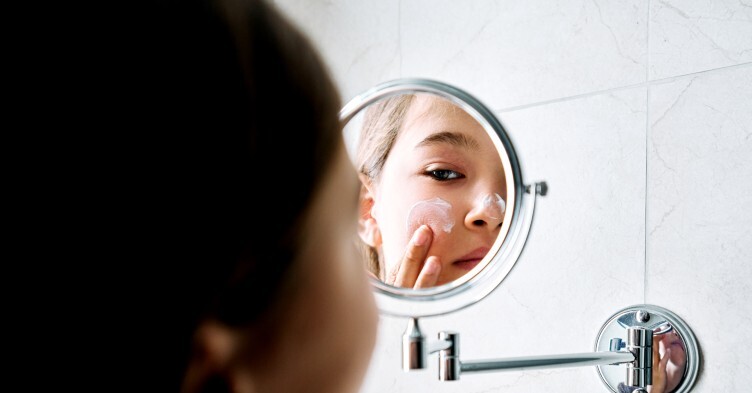
Not so long ago, daily skincare routines were mostly associated with adults. Now, I am increasingly seeing children and young teenagers being drawn into complicated skincare routines, often influenced by what they see on social media.

Through these skincare routines, children are being exposed to products containing active ingredients without necessarily understanding what those ingredients do, why they are being used, or whether they are appropriate for young skin.

What starts as an interest in looking after their skin can quickly become a routine involving multiple products, sometimes bought because they are popular online rather than because they are needed.

Related Article: MHRA approves new oral treatment for plaque psoriasis 

There is also an important role for nurses here. Parents may seek advice because they are unsure of what their child needs, or because their child is asking for products they have seen on social media. This is an opportunity to have a sensible conversation about skin health, what different ingredients do and when a product is unnecessary or potentially irritating.

A 2025 study published in Pediatrics analysed skincare routines shared on TikTok by creators aged seven to 18. The researchers found an average of six products per routine. Among the 25 most-viewed videos, there were an average of 11 potentially irritating active ingredients, while only around a quarter included sunscreen.1

This matters because young people may be copying routines without understanding why particular products are being used. Retinoids, exfoliating acids and other active ingredients, for example, can cause dryness and irritation when used unnecessarily, too frequently or alongside other potentially irritating products, and may compromise the skin barrier.2,3

The British Association of Dermatologists has also called for clearer labelling on skincare products containing ingredients that may be unsuitable for children.4

This is particularly relevant as some ingredients commonly associated with adult skincare, such as retinoids, do have legitimate medical uses in teenagers, including the treatment of acne.

The issue is the difference between using an active ingredient for a clinical reason and routinely using it as part of an anti-ageing skincare regime.4

Youthful skin typically presents with a thick epidermis, normal collagen content and healthy vascularity. As we get older – typically in our mid-20’s – our collagen production begins to decline.5

The message should not be that young people do not need to care about their skin. It is about helping them understand that more products do not necessarily mean healthier skin, and that skincare should be appropriate for their age and individual needs.

For most children and younger teenagers, skincare does not need to be complicated. A gentle cleanser, moisturiser where needed and appropriate sun protection, such as at least SPF 30 with UVA protection, are a sensible starting point.6 They do not need a ten-step routine simply because an influencer they have seen online has one.

This is reflected in guidance published by the Cosmetic, Toiletry and Perfumery Association in 2025. Its skincare guide, developed with consultant dermatologist Dr Anjali Mahto, advises parents and carers to ‘keep it simple’, recommending gentle cleansing, moisturising where needed and sun protection for young people. The guidance also highlights the lack of need for complex routines or anti-ageing products in young people.6

Related Article: Join us for the final Nursing in Practice virtual event of the year

How can nurses help?

I always start with questions. What are they trying to treat? What are they already using? How often are they using it? Have they recently introduced anything new? And where did they hear about the product?

Social media is now a significant source of information about skincare. But I do not think the answer is to dismiss young people’s interest in it. For many teenagers, skincare is tied to confidence and self-esteem. Telling a teenager that their concerns are silly or that they should not care about their appearance is unlikely to make them listen to our advice.

We need to meet them where they are. That means taking their concerns seriously, while helping them understand what their skin actually needs and where social media advice may not tell the whole story.

For nurses, that can be an important part of the conversation. We can give practical, evidence-based advice without making young people feel judged for taking an interest in their skin.

We can also help them distinguish between healthy skin and the often-unrealistic version of skin presented online. We can explain what ingredients do, identify unnecessary products and encourage a simpler routine.

A request for skincare can also be an opportunity to identify a genuine skin condition. Acne, eczema, contact dermatitis and infections can all initially present as a cosmetic concern. Persistent acne, for example, should not simply be dismissed as something teenagers have to put up with.

Related Article: Psoriasis in primary care: ten tips for nurses

As healthcare professionals, we cannot control what children see online. But we can make sure that when they come to us with questions, they get advice based on skin health rather than an algorithm.

Thorrun Govind is a pharmacist, healthcare lawyer and former Chair of the Royal College of Pharmacy.

References

  1. Hales M, et al.Pediatric Skin Care Regimens on TikTok. Pediatrics 2025; 156: e2024070309.
  2. Narsa AC, et al. A Comprehensive Review of the Strategies to Reduce Retinoid-Induced Skin Irritation in Topical Formulation. Dermatol Res Pract 2024; 2024: 5551774.
  3. How to safely exfoliate at home. https://www.aad.org/public/everyday-care/skin-care-secrets/routine/safely-exfoliate-at-home
  4. Saleh A. BAD advocates for skincare warnings. https://aestheticsjournal.com/news/bad-advocates-for-skincare-warnings/
  5. Pagani A, et al. Iron Chelators & HIF-1α: A New Frontier for Skin Rejuvenation. https://www.researchgate.net/figure/Differences-between-young-and-aged-skin-a-Youthful-healthy-skin-presents-thick_fig1_337549602
  6. Cosmetic, Toiletry and Perfumery Association.SkinCare Simplified – A Parent’s Guide. https://www.ctpa.org.uk/press/skincare-simplified-a-parents-guide-8724
Tags: , , , , , ,
What To Know Before Booking

What To Know Before Booking

The world of skincare has changed considerably over the past decade. While traditional facials and topical products remain important, modern aesthetic treatments now offer additional ways to address concerns such as uneven texture, fine lines, and declining skin firmness. For many people, the appeal lies in achieving subtle improvements without dramatically changing their appearance.

However, choosing the right treatment isn’t always straightforward. With so many options available, understanding what each procedure can realistically accomplish is essential. Exploring professional medical spa services can be a useful starting point for learning about personalised skin treatments, professional consultations, and the importance of qualified practitioners.

The best aesthetic decisions begin with understanding your skin rather than following the latest beauty trend.

Why Personalised Skincare Is Becoming the New Standard

No two people experience skin ageing in exactly the same way. Genetics, sun exposure, lifestyle, and natural changes in collagen production all influence how the skin looks and feels over time.

Some individuals notice fine lines around their eyes, while others become concerned about pigmentation, facial volume, or reduced firmness along the jawline.

This is why personalised treatment planning matters. A procedure that produces noticeable improvements for one person may offer limited benefits for someone with different concerns.

Professional consultations allow practitioners to assess skin condition, discuss medical history, and recommend appropriate options. Rather than choosing treatments based on popularity, patients can make decisions that reflect their own needs and expectations.

Understanding What Your Skin Actually Needs

Before booking any aesthetic procedure, it’s worth identifying the specific concern you want to address.

Skin texture, pigmentation, wrinkles, and laxity are different problems, and they don’t necessarily respond to the same treatment.

For example, certain resurfacing procedures focus on improving uneven texture, while other treatments are designed to address pigmentation or support collagen remodelling.

Skin tightening treatments generally aim to improve firmness rather than replace lost facial volume.

Understanding these distinctions helps prevent disappointment and unnecessary spending.

A qualified practitioner should explain which concerns a treatment can address, what limitations exist, and whether alternative approaches may be more suitable.

The Growing Interest in Non-Surgical Skin Tightening

Non-surgical skin tightening has attracted increasing attention among people who want to address mild or moderate changes in skin firmness without undergoing surgery.

Many of these procedures use energy-based technologies to deliver controlled heat into selected layers of tissue. Depending on the technology, this process may encourage collagen remodelling and gradual changes in skin appearance.

Unlike surgical procedures, non-invasive treatments generally don’t involve incisions or the removal of excess skin.

However, the results are also different. Non-surgical treatments cannot reproduce the degree of lifting or correction achievable through an appropriately performed surgical procedure.

Understanding these limitations is important when deciding whether a treatment matches your expectations.

How XERF Fits into Modern Aesthetic Treatments

One technology receiving attention within the aesthetic industry is XERF non-surgical skin tightening, a radiofrequency-based treatment intended to improve the appearance of skin laxity.

XERF uses radiofrequency energy to generate controlled heating within treated tissue. This approach is designed to encourage collagen remodelling, potentially leading to gradual improvements in skin firmness and texture.

The treatment may appeal to individuals concerned about changes around the lower face, jawline, or neck who prefer a non-invasive option.

However, treatment suitability depends on the individual’s skin condition, medical history, and aesthetic goals.

Improvements vary between patients, and results should not be compared directly with surgical lifting procedures. A professional assessment is essential before deciding whether this technology is appropriate.

Why Natural-Looking Results Matter

One of the most noticeable shifts in aesthetic preferences is the growing emphasis on subtle improvements.

Rather than pursuing dramatic transformations, many patients want to look refreshed while maintaining their natural facial characteristics.

Achieving this requires realistic treatment planning and an understanding of how different procedures affect the skin.

More treatment doesn’t automatically mean better results. In some cases, a conservative approach may be more appropriate than combining several procedures within a short period.

Experienced practitioners consider facial proportions, skin quality, and individual expectations before recommending an aesthetic plan.

The objective should be an outcome that feels appropriate for the individual rather than following a standardised beauty ideal.

What to Expect During a Professional Consultation

A good consultation should involve more than a brief discussion about pricing.

The practitioner should ask about your concerns, previous aesthetic procedures, relevant medical conditions, medications, and expected results.

You should also receive an explanation of how the proposed treatment works, what preparation may be required, and which side effects or complications are possible.

For energy-based procedures, important questions include treatment suitability, anticipated discomfort, expected recovery, and the number of sessions that might be recommended.

Ask about the practitioner’s qualifications and experience with the specific equipment being used.

A trustworthy provider should be willing to explain the limitations of a procedure and discuss alternatives when appropriate.

Recovery and Results: Setting Realistic Expectations

One reason non-invasive aesthetic treatments appeal to busy individuals is that some procedures involve relatively short recovery periods.

However, minimal downtime doesn’t mean every treatment is completely free from side effects.

Radiofrequency treatments may cause temporary warmth, redness, swelling, or discomfort. Less common complications can occur, including burns when thermal energy is not delivered appropriately.

Recovery expectations depend on the device, treatment settings, area treated, and individual skin response.

Results may also develop gradually as collagen remodelling takes place over subsequent weeks or months.

Patients should follow their practitioner’s aftercare instructions and avoid expecting immediate or guaranteed changes.

Choosing a Medical Spa with Confidence

The quality of an aesthetic experience depends on more than luxurious surroundings or advanced equipment.

Professional qualifications, hygiene standards, patient assessment, and appropriate safety procedures should influence your decision.

Before booking, research the clinic and confirm who will perform the treatment. Ask whether the provider has relevant training and experience with the specific procedure.

It’s also useful to understand the full cost, including any recommended follow-up appointments or maintenance treatments.

Be cautious of unrealistic promises, particularly claims suggesting that one procedure can permanently eliminate all visible signs of ageing.

A reputable medical aesthetics provider should prioritise informed decision-making over aggressive sales techniques.

Building a Sensible Long-Term Skincare Plan

Professional aesthetic procedures can be one part of a broader skincare routine, but everyday habits remain important.

Consistent sun protection, gentle cleansing, appropriate moisturising, and evidence-based skincare products can support skin health between appointments.

Treatments should be selected according to actual concerns rather than performed simply because a particular technology is trending.

If several procedures are being considered, a qualified practitioner can help determine whether combining them is appropriate and how treatments should be scheduled.

A thoughtful approach can reduce unnecessary interventions while keeping expectations realistic.

Final Thoughts

Modern skin rejuvenation offers a growing range of possibilities, from professional facials and resurfacing procedures to advanced radiofrequency-based treatments.

The most important decision isn’t choosing the newest technology. It’s understanding your skin, recognising the limitations of each procedure, and working with appropriately qualified professionals.

Non-surgical options such as XERF may be worth discussing for certain skin-firmness concerns, while other individuals may benefit from different treatments or a carefully planned skincare routine.

Ultimately, successful aesthetic care should be personal, informed, and focused on realistic results rather than unnecessary transformation.

Tags:
Skincare and haircare products worth exploring

Skincare and haircare products worth exploring

African beauty is rich, diverse, and deeply rooted in culture, tradition, and the natural resources found across the continent. From the nourishing shea butter used for generations in West Africa to the lightweight botanical oils inspired by African plants, beauty traditions across Africa offer plenty of inspiration for anyone looking to care for their skin and hair. So, choosing the right skin and hair care products in Nigeria and across West Africa is more than just a preference; it is a matter of necessity. Since our climate is intense, with high humidity, harsh sun, heat, dust, and hard water, it is imperative to choose skin and hair care products that offer real moisture, barrier protection, deep cleansing, and long-lasting results. This will consistently care for and address skin and hair issues.

Today, African beauty brands are combining age-old knowledge with modern skincare science to create incredible products that address concerns such as dryness, uneven skin tone, acne, scalp irritation, hair breakage, and moisture retention. Whether you are building your skincare routine from scratch, trying to understand your natural hair, or you are looking for locally made beauty products worth exploring, there is something here for you.

Beyond skincare and haircare products, African beauty also encompasses wellness and relaxation. Massage is an important part of self-care, helping people unwind, ease muscle tension, and make time for their overall well-being. Brands like ORÍKÌ, through their massage and spa services in Nigeria, offer another way to experience beauty and self-care beyond everyday skincare and haircare routines.

Here’s where it gets interesting: you do not need an overflowing bathroom shelf or an expensive collection of beauty products to enjoy the benefits of African-inspired beauty. All you have to do is understand your skin, learn what your hair needs, and choose the right ingredients that can make a real difference.

 Now, let’s explore hair and skin care products, ingredients, and everyday habits that can help you get the best out of your beauty routine.

Why Selecting the Right Skin and Hair Products Matters

One of the most beautiful things about African beauty is its diversity in skin tones, skin types, hair textures, climates, and cultural practices that vary significantly across the continent. Because of this, choosing the right skin and hair care matters, as products that work wonderfully for one person may not produce the same results for another. For instance, someone living in a hot, humid environment such as Lagos may prefer lightweight moisturizers that do not leave the skin feeling greasy. Someone living in a dry climate may need richer creams to help prevent moisture loss.  

So knowing exactly what works for you to get the best out of your hydrating cleansers, exfoliants, and moisturizers is KEY. This same principle applies to haircare. Tightly coiled natural hair benefits from conditioning products that improve softness and manageability, while looser curls may require lighter products that do not weigh them down.

Ultimately, exploring the best African beauty products matters because African traditions also make use of ingredients sourced from plants, seeds, nuts, and fruits, which are essential and beneficial to skincare and haircare goals. 

African Skincare Products Worth Exploring

If you are looking for African natural skincare beauty products, here are some popular African-inspired products that give great care through their unique properties. 

 1. ORIKI DEEP CLEANSING FACE SCRUB

If you have oily, dull-looking skin, ORÍKÌ Deep Cleansing Face Scrub is worth exploring. It’s one of the strongest exfoliating scrubs used in Nigeria. It is naturally formulated with ingredients that help exfoliate, remove dead skin cells and impurities, and unclog pores,  leaving skin feeling smoother, fresher, and revitalized. Enriched with Vitamins C and E, it gives the face a brighter, glowing look while supporting the skin barrier.

Looking to buy a face scrub for oily skin in Nigeria? ShopORÍKÌ Deep Cleansing Face Scrub to gently exfoliate your dead skin cells, leaving your skin feeling softer, smoother, and revitalized 

You can incorporate it into your skincare routine if you have oily, congested, or dull-looking skin, and it will work wonders.

Explore ORÍKÌ Youthful Skin Niacinamide Serum 10% for a brighter, renewed complexion. It is a brightening face serum formulated to support healthier, more radiant-looking skin while removing excess oil, dirt, and everyday impurities. If you’re looking for niacinamide serum for purchase in Nigeria, this serum offers a carefully formulated blend of natural skin brighteners and powerful age-reversing antioxidants to support a clearer, more even-looking complexion.

ORÍKÌ Youthful Skin Niacinamide Serum 10% helps protect black skin from daily environmental exposure to harsh conditions and helps ease the appearance of dark spots and discoloration. It is hydroquinone-free and a suitable addition to a skincare routine focused on improving the appearance of uneven skin tone and maintaining healthy, glowing-looking skin. It has long been used to moisturize skin and protect it from dryness.

Cleansing is an important first step in maintaining healthy-looking skin. If you’re looking for a natural, gentle face wash, ORÍKÌ Gentle Foam Citrus Cleanser with Green Tea is a go-to for a refreshing daily face cleanser. It gently washes and purifies the skin while helping to maintain its natural moisture balance. It is suitable for daily use, removing impurities without leaving your skin feeling stripped or uncomfortable. This balanced formula also offers a refreshing start to your skincare routine. ORIKI Tea Tree Oil Control Face Wash contains clarifying ingredients like Grapefruit and Apple Cider Vinegar, which provide natural antiseptic properties. 

It is also blended with calming extracts of Plantain, Echinacea, and Burdock Root to create a beautifully balanced cleanser with a lovely natural aromatic scent. Its gentle foaming formula makes it easy to achieve fresh, clean, and healthy-looking skin, and it can be incorporated into a simple daily skincare routine.

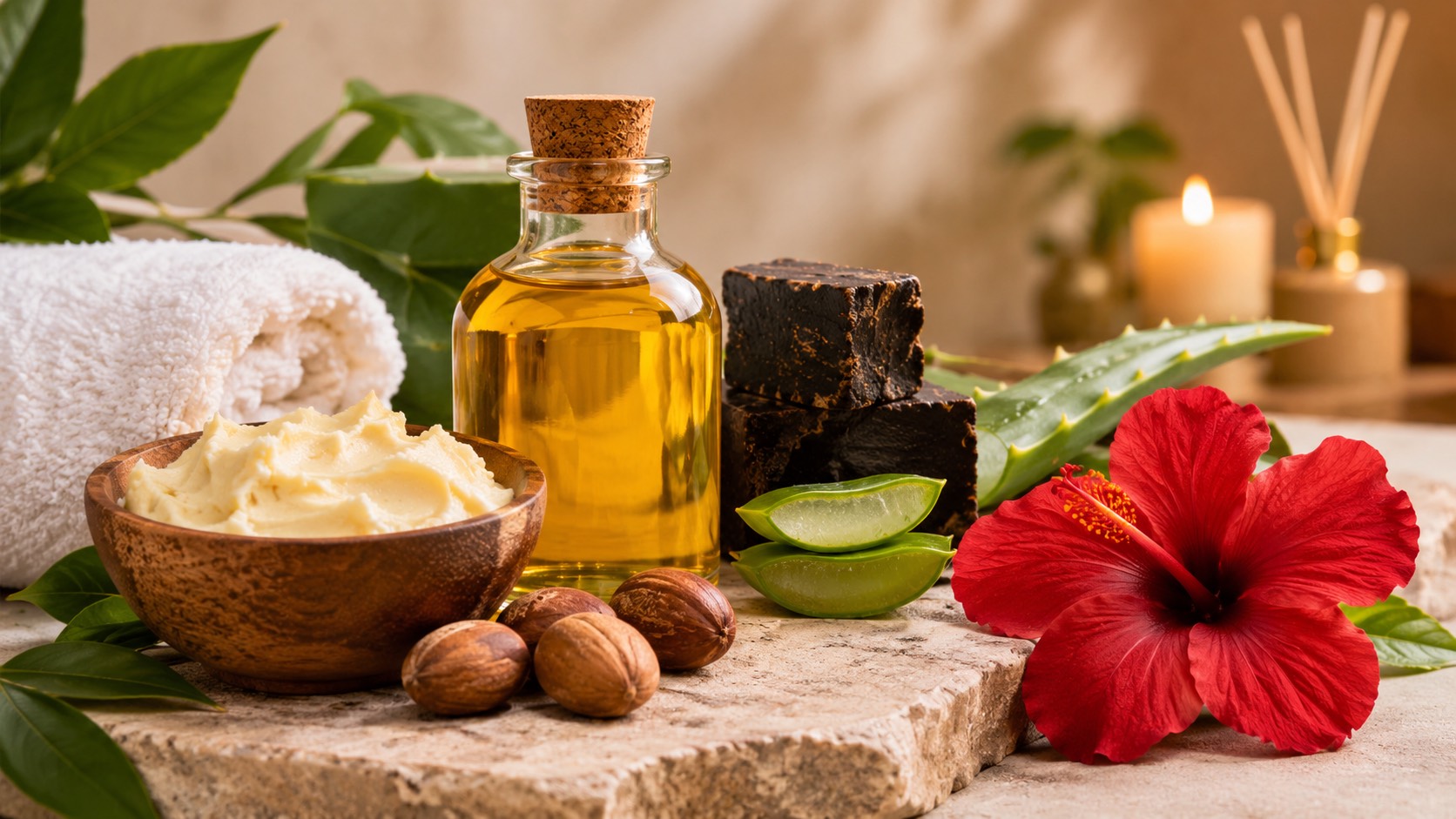
Shea butter is extracted from the nuts of the shea tree, which grows across parts of Africa, particularly West Africa. It has long been used to moisturize skin and protect it from dryness, so if you are interested in body moisturizers inspired by African beauty traditions, give ORIKI WHIPPED SHEA BUTTER SOUFFLÉ a try. If your skin is dry and thirsty, a rich layer of moisture with the ORÍKÌ Whipped Shea Butter Soufflé works wonders. This versatile shea butter moisturizer helps soften the skin and support its natural moisture barrier. It is worth exploring on the body and, when well tolerated, on the face too. If your skin often feels dry, tight, or in need of extra nourishment, this shea butter body moisturizer is a simple addition to your daily body-care routine. Use it as part of your everyday moisturizing routine to help keep skin feeling soft, nourished, and comfortable.

5. ORÍKÌ REFRESHINGLY MINT BODY OIL

Mint body oil is generally known as a refreshing African skincare product known for its cooling sensation and invigorating fragrance, and the ORÍKÌ Refreshingly Mint Body Oil has just offered that and more. It is worth exploring for African women who are fascinated by botanical extracts. ORÍKÌ Refreshingly Mint Body Oil is an exclusive blend of potent natural oils formulated to moisturize the skin while keeping it soft, smooth, and supple. Its energizing, ultra-fresh minty aroma adds a refreshing touch to your daily body-care routine, helping you feel refreshed while caring for your skin. You can shop it in Lagos, Nigeria, and it can be incorporated easily into your skincare routine, as it supports skin elasticity

If you want to buy skincare lotion for dry skin in Nigeria, shop ORÍKÌ Skin Nourishing Body Lotion. It is specially formulated for dry, rough, and dull-looking skin. This lightweight, non-greasy body lotion helps restore natural skin hydration and leaves the skin feeling soft, smooth, and refreshed. Infused with Lemon and Peppermint, it softens the skin, locks in moisture, and leaves the body feeling fresh and revitalized. For best results, apply a small amount to damp skin after bathing; suitable for all skin types.

You can shop online or explore ORÍKÌ products available in Lagos and across Nigeria to build a healthy body care routine that supports soft, smooth, and naturally radiant-looking skin.

Looking to take your lip care routine to the next level? Explore Oriki Sugar Lip Scrub with Coconut Oil, available in Nigeria for dry, chapped, or flaky lips. The lip scrub with coconut oil is an all-natural, gentle exfoliating and moisturizing scrub treatment that helps remove flaked, dead, chapped, and dried skin from the lips. Using it will help leave your lips looking bright and feeling soft and moisturized, without unnecessary coatings.  Making it a simple addition to your regular lip care routine. Gently massage the ORÍKÌ Sugarcane Lip Scrub into your upper and lower lips using a circular motion for about one minute. Rinse off the residue, then seal in moisture with a good lip balm.

African-Inspired Haircare Products for Healthy Natural Hair 

African natural hair is beautiful, versatile, and rewarding to care for, but it also has its challenges. Depending on your curl pattern, porosity, styling habits, and environment, your hair may be prone to dryness, tangling, shrinkage, or breakage. 

This is why a good haircare routine should focus on keeping the hair clean, conditioned, moisturized, and protected from unnecessary damage. Here are natural haircare products that are worth exploring to keep healthy, natural hair;

A leave-in conditioner is one of the most useful products to explore if you have natural hair that becomes dry shortly after washing. Unlike rinse-out conditioners, leave-in conditioners remain on the hair to provide ongoing conditioning, improve softness, and make detangling easier. If your hair dries off quickly after a wash, is tangled, or is difficult to manage, explore The ANOINT “Fortress” Leave-In Conditioner. It is a moisturizing leave-in conditioner formulated with fermented rice milk, hair-enriching oils, and herbal extracts to soften, revitalize, detangle, soothe, restore damaged hair, and replenish moisture. If you’re looking to buy leave-in conditioner in Nigeria for natural hair, this leave-in conditioner helps keep your hair moisturized, softer, easier to detangle, and more manageable.

2. Anoint Black Soap Shampoo 8oz/240ml

Healthy-looking natural hair starts with a scalp that is properly cared for. Sweat, dirt, excess oil, styling products, and environmental debris can accumulate on your scalp, and skipping shampoo for too long may lead to buildup, itching, or discomfort. If you’re looking to buy shampoo for natural hair in Nigeria, Anoint Black Soap Shampoo is a great choice, offering a gentle cleansing option for your regular wash routine. 

It cleans the scalp effectively without leaving your hair excessively dry. Anoint Black Soap Shampoo is formulated with African natural plant-based essentials like peppermint, cloves, uziza, and black soap based with are essential for healthy hair growth. For natural hair care routines, this is a thoughtful choice to explore for anyone looking to buy natural shampoo in Nigeria or add a gentle cleansing step to their routine.

3. Anoint Deep Conditioner 8oz/240ml

Deep conditioners are helpful for hair that is frequently manipulated, coloured, heat-styled, or worn in protective styles. If you want to have a feel of African beauty through your hair care routine, explore Anoint Deep Conditioner 8oz/240ml. It is a botanical deep conditioning treatment naturally formulated with ingredients like kolanut, uziza, black seed, castor oil and cloves for natural hair to deeply hydrate and condition the hair while helping to repair, detangle, soften, and strengthen your strands. 

If your hair feels dry, weak, rough, or difficult to detangle after washing, adding this deep conditioning step to your routine can give your hair the extra moisture and conditioning it needs. It is available for purchase in Nigeria. 

4. Anoint Multipurpose Hair Oil 4oz/120ml

Natural essential oils appear in many African-inspired haircare products, in which Anoint Multipurpose Hair Oil is considered. This lightweight oil is a fusion of essential plant-based oils obtained from oil-rich seeds, fruits, and leaves of African plants. Anoint Multipurpose Hair Oil provides the scalp and hair with vital nutrients to support healthy, nourished hair. It supports the ability to reduce protein loss from the hair and is useful primarily for lubrication, softness, and reducing friction while styling. If you’re looking to buy hair growth oil in Nigeria, Anoint Multipurpose Hair Oil will give that soothing feeling, nourishing your scalp and hair as part of your routine. Available to shop online, including for customers looking to buy hair oil in Lagos.

5. Anoint Rejuvenating Hair Serum 4oz/120ml

The ANOINT Rejuvenating Hair Serum is an African-inspired botanical hair serum enriched with plant extracts and natural oils to help soothe an itchy scalp, support healthy edges, reduce frizz, and add moisture and shine to the hair. If your edges need extra attention, this serum helps support healthier-looking edges and fuller-looking hair around the hairline as part of a consistent hair care routine. You can get the serum for natural hair growth in Nigeria.

It is lightweight, helps support a healthier scalp and stronger-looking hair while nourishing strands with essential plant nutrients and vitamins. Its key ingredients include kolanut, cloves, castor oil, black seed, and uziza, which help in revitalizing damaged hair and support healthier, longer-looking hair. Gently apply to your scalp until evenly distributed, and be sure not to use too much serum to avoid making your hair greasy and heavy.

6. Anoint Hair Spray Elixir 8oz/240ml

Anoint Hair Spray Elixir is a lightweight African-inspired haircare product designed to refresh, nourish, and improve the overall appearance of your hair. It contains botanical extracts like nutrient-rich rice water, essential oils, and moisturizing ingredients that help soften strands, add shine, reduce dryness, and improve manageability.  Anoint Hair Spray Elixir is ideal for dry, dull, or weakened hair.  It helps refresh and hydrate your strands without weighing them down, and it can be a practical addition to a moisture-focused natural hair routine, especially when your hair needs lightweight hydration alongside scalp and strand care. For best results, spray a considerate amount of the hair spray and gently massage it into the hair and scalp.

African Beauty Shopping Tips: What to Check Before You Buy

Whether you are shopping at a local beauty store, ordering from an online retailer, or buying directly from an African beauty brand, take a moment to evaluate the product. Here’s how to determine the best skincare and haircare for your self-care.

● Read the ingredient list. Look beyond attractive packaging and popular claims. Check for ingredients you know your skin or hair tolerates, and avoid known personal irritants.

● Check the product label. Look for clear directions, manufacturer information, batch details, and relevant expiry or period-after-opening information.

● Be cautious about exaggerated claims. Promises such as guaranteed hair growth in seven days or permanent removal of every dark spot are warning signs.

● Consider your climate. In humid weather conditions like Nigeria, lighter lotions and gels are ideal, as they are more comfortable. Dry skin or hair benefits from richer products. But your personal preference and response still matter.

● Buy from reputable sellers like ShopAnoint and ORIKI. They are legit and sell original haircare and skincare products. Counterfeit or poorly stored products can pose safety risks to your health, so take your time to verify the brand when shopping online. 

● Introduce products gradually. Patch-test new skincare products and avoid starting several strong active ingredients at the same time. If a product causes burning, swelling, or a persistent rash, stop using it.

Final Thoughts

The ultimate guide to African beauty begins with understanding that there is no single formula for beautiful skin or healthy hair. African botanical ingredients such as shea butter, peppermint, uziza, cloves, castor oils, black seeds, and noney offer exciting possibilities.

At the same time,  African-founded brands like BuyORIKI and ShopAnoint continue to contribute to the continent’s growing beauty industry. Whether you are exploring moisturizing body creams, gentle cleansers, natural hair conditioners, or botanical oils, the best products are those that address your specific needs without causing irritation or unnecessary buildup.

Discover more from Premium Times Nigeria

Subscribe to get the latest posts sent to your email.

Tags: , , , ,
Small Steps Make a Difference...

Small Steps Make a Difference…

The story of skin in autumn begins with small changes that are difficult to overlook: a moisturizer that no longer provides the same softness, fine lines appearing as dryness sets in, and a complexion that loses some of its radiance despite maintaining a daily skincare routine. These changes are driven by factors beyond falling temperatures, including lower humidity and changes in skincare habits. This makes it important to reassess certain daily steps—not by adding more products, but by choosing those that support the skin barrier, maintain moisture balance and help the skin look healthy and radiant throughout the season.اضافة اعلان

Smart skincare begins with observing how the skin changes rather than automatically replacing products when a new season arrives. A feeling of tightness after washing the face, fine flaking around the nose and mouth, or increased redness may indicate that the current routine has become too harsh or is no longer providing sufficient hydration.

Experts stress the importance of distinguishing between dry skin and temporary dehydration. Dry skin tends to produce less natural oil, while dehydrated skin lacks water. Temporary dehydration can affect all skin types, including oily skin. Understanding the difference helps in choosing suitable products instead of applying a rich cream to the entire face or avoiding moisturizer out of fear of clogged pores.

Adjusting the way the face is cleansed is also an important step during autumn. Hot water, heavy foaming cleansers and frequent scrubbing can increase moisture loss and worsen feelings of tightness, particularly for sensitive skin. It is therefore advisable to use lukewarm water and a gentle cleanser that does not leave the skin feeling dry or tight after rinsing. The face should preferably be patted dry with a soft towel rather than rubbed, followed by moisturizer before the skin has completely dried. This helps retain some water on the skin’s surface and enhances the effectiveness of the moisturizer.

Not all skin types need double cleansing every day. If there is no heavy makeup or waterproof products, a gentle cleanser may be sufficient to remove dirt and product residue. Over-cleansing does not necessarily mean cleaner skin and may leave the skin barrier more vulnerable to irritation.

As humidity levels fall, a lightweight moisturizer that was suitable during summer may no longer be enough for some skin types. In such cases, the texture of the product should be adjusted according to the needs of each area. Dry skin may benefit from a richer cream containing moisturizing ingredients and lipids that help reduce water loss, while oily or acne-prone skin may respond better to a lightweight, non-comedogenic moisturizer. Combination skin can be treated more selectively, with a larger amount applied to the cheeks and areas prone to dryness and a lighter layer on the forehead, nose and chin.

When choosing a moisturizer, it is advisable to look for ingredients such as ceramides, which support the skin barrier, as well as glycerin and hyaluronic acid, which help attract and retain water. Emollient ingredients and substances that reduce water evaporation can also be beneficial when dryness becomes more pronounced. Fragrance-free formulations remain a suitable option for sensitive skin.

A loss of radiance may lead people to increase their use of exfoliating acids or turn to physical scrubs during autumn. However, this can have the opposite effect when the skin is dry or irritated, potentially increasing redness and flaking and weakening the skin barrier. It is better to reassess the frequency of exfoliation and the concentration of active ingredients rather than follow a fixed schedule that does not take the skin’s condition into account. If signs of irritation appear, exfoliating products should be temporarily discontinued, with the focus shifted to gentle cleansing and moisturizing. The need for exfoliation can then be reassessed once the skin has stabilized.

When introducing a new active ingredient, it is best to start with one product and use it sparingly according to its instructions while monitoring the skin’s response. This approach makes it easier to determine whether the product is suitable, rather than introducing several ingredients at the same time and making it difficult to identify the cause of any potential irritation.

One common mistake is associating sunscreen use only with sunny summer days, even though ultraviolet radiation can still cause cumulative damage during autumn. UV exposure contributes to dark spots and signs of skin aging, while repeated exposure increases the risk of skin cancer. Therefore, a broad-spectrum sunscreen with an SPF of 30 or higher should remain part of the morning routine, with reapplication every two hours while outdoors and after swimming or sweating, in accordance with the product’s instructions.

The neck, upper chest and backs of the hands should not be overlooked either. These areas are frequently exposed to sunlight and can develop signs of photoaging over time. Sitting near windows does not completely eliminate exposure to certain types of ultraviolet radiation, making daily protection a worthwhile habit to maintain.

Autumn skincare is not limited to products used on the face. Long showers with hot water can further dry out the skin, so it is preferable to keep showers shorter and use lukewarm water, followed by body moisturizer immediately after gently drying the skin. Another useful habit is keeping hand cream near the place where hands are washed, as frequent washing and exposure to cleansers can worsen dryness. A simple lip moisturizer can also be used when chapping begins rather than waiting until discomfort becomes more pronounced.

A smart autumn skincare routine is based on one fundamental principle: adjust skincare according to the skin’s response, not the season alone. Gentle cleansing, appropriate moisturizing, thoughtful exfoliation and daily sun protection form an integrated routine that helps maintain healthy, radiant skin without overwhelming it with unnecessary products.

Persistent itching, redness or flaking, as well as painful cracks, should prompt a consultation with a dermatologist, particularly if the condition does not improve with gentle skincare. Such symptoms may be associated with conditions such as eczema or contact dermatitis, which require appropriate diagnosis and treatment.

Source: Al Arabiya

Tags: , ,
A Must-Read for Those Suffering from Dry Skin! 5 Daily Skincare Habits|kanaaym33

A Must-Read for Those Suffering from Dry Skin! 5 Daily Skincare Habits|kanaaym33

Are you worried that “even if I apply plenty of lotion, my skin feels dry by the evening”?

Sometimes your foundation flakes and your makeup doesn’t sit well, right?

Many cases of dry skin can be improved by reviewing the order and method of your skincare routine.

In this article, we will introduce the causes of dry skin, a 5-step skincare routine you can do even with affordable products, and common bad habits.

Try incorporating what you can starting from tonight’s care.

Why does skin become dry? Let’s understand the causes

Dry skin occurs when the “barrier function” that protects the skin’s moisture weakens.

The barrier function is mainly supported by the following three elements:

・Sebum that prevents moisture evaporation

・Natural moisturizing factors that hold moisture within the skin

・Ceramides that fill the gaps between cells to keep moisture in

When these decrease, the barrier function weakens, making it easier for moisture to escape and for itching or redness to occur.

So, why does the barrier function weaken?

Here, we will introduce three main causes for a weakened barrier function.

Dry air and air conditioning

From autumn to winter, humidity drops, making it easier for skin moisture to be stripped away.

Since indoor air can easily become dry due to air conditioning in the summer as well, caution is needed regardless of the season.

When dry air persists, the skin’s surface becomes parched, and the barrier function easily weakens.

You can easily increase humidity just by drying laundry indoors or hanging up a wet towel.

When going out, it is also effective to protect your skin from cold wind with a mask or scarf.

Decrease in sebum and ceramides due to aging

The amounts of sebum and ceramides tend to decrease with age.

Because the components that support the barrier function decrease, it becomes easier for skin to dry out than before.

Many people start to suddenly notice dryness once they reach their 30s or 40s.

Since these levels decrease even more after 50, you should aim for more careful moisturizing.

Be aware that skin condition is also prone to instability after childbirth or during seasonal changes.

Incorrect skincare and lifestyle habits

Casual daily habits may also be weakening your barrier function.

・Washing too much with facial cleanser, removing necessary sebum

・Scrubbing the skin hard, damaging the surface

・Lack of sleep, disrupting skin turnover

・Unbalanced diet, leading to a lack of nutrients to build skin

For meals, consume a good balance of protein, which is the building block of skin, and vitamins that regulate skin condition.

Check if there are any habits leading to dryness hidden in your usual care or lifestyle.

5 recommended skincare steps for dry skin

From here, we will introduce 5 steps for daily dry skin care.

All of these can be practiced with items available at drugstores, so please feel free to try them.

Step 1: Cleanse gently and quickly

For those with dry skin, it is important to choose a cleanser that is gentle on the skin.

Choosing a gentle milk or cream type will make it harder to strip away moisture.

When using it, be conscious of the following points:

・Use the soft parts of your fingers, not your fingertips, to blend it in as if stroking the skin

・Once it blends with your makeup, rinse it off without taking too much time

Be careful, as leaving it on your skin for a long time can easily remove necessary moisture along with your makeup.

On days when you wear waterproof makeup, using a point makeup remover can reduce the burden on your skin.

Since some cleansers can be used with wet hands and others cannot, it is safe to check before purchasing.

Step 2: Wash with plenty of foam and lukewarm water

Lather your facial cleanser well, and wash by stroking the skin using the foam as a cushion.

For rinsing, water around 32–36°C is recommended.

Avoid hot water, as it removes necessary sebum.

When wiping your face, do not rub with a towel; just press it lightly.

If you are not good at lathering, using a facial cleanser that comes out as foam is easy.

Try choosing a low-irritation cleanser that contains moisturizing ingredients.

Step 3: Replenish moisture with lotion immediately after washing

After washing, your skin will continue to dry out if you do nothing.

Once you have wiped off the water with a towel, apply lotion as soon as possible.

Here are three tips for applying lotion:

・Use hand-pressing to wrap your entire face with your palms

・Apply in several portions, using the amount written on the product as a guide

・Layer on areas where you are concerned about dryness, such as the cheeks and around the eyes

Applying with your hands rather than rubbing with a cotton pad can reduce the burden on your skin.

For lotion, it is best to choose a “moist type” that has less alcohol and contains moisturizing ingredients.

Step 4: Add moisturizing ingredients with serum

Recently, there are more affordable serums that contain moisturizing ingredients like ceramides.

They are easy to find at drugstores, so try incorporating one after your lotion.

When choosing, try to focus on the following moisturizing ingredients:

・Ceramides

・Hyaluronic acid

・Amino acids

Among these, ceramides are important components that support the skin’s barrier function.

Hyaluronic acid is excellent at holding moisture and makes the skin feel supple.

Amino acids are similar to the moisturizing components originally in the skin, so they are characterized by being easily absorbed.

Apply the serum while your skin is still moist after the lotion.

Step 5: Seal it in with milky lotion or cream

The moisture provided by lotions and serums will evaporate if left as is.

Finally, seal in the moisture with an oil-based product like milk or cream.

For areas that are particularly dry, it is safe to apply an extra layer of cream.

On busy mornings, you can use an all-in-one gel instead of milk.

It is also recommended to use different products, such as a richer cream at night and a lighter milk in the morning.

Once you have finished caring for your face, be sure to moisturize your entire body, including your arms, shins, and heels.

It is easier to maintain the habit if you apply body lotion or cream after drying off and before getting dressed.

3 Bad Habits People with Dry Skin Should Avoid

Even if you continue with the 5 steps, minor habits can prolong dryness.

Here, we have summarized three points to be careful about, separate from your daily care.

Please check to see if any of these apply to you.

NG #1: Scratching itchy skin caused by dryness

Dry skin is prone to itching, and you might find yourself scratching it with your hands.

Scratching damages the skin’s surface and causes the barrier function to weaken further.

As a result, this can lead to a vicious cycle where the itching intensifies, causing you to scratch even more.

When you feel itchy, try to manage it by applying moisturizer or gently pressing a cold towel against the area.

NG #2: Trying to manage concerning symptoms only with self-care

While there is much you can do for dry skin on your own, caution is required depending on the condition of your skin.

In the following cases, do not just rely on self-care; consult a dermatologist as soon as possible:

・You have intense itching, redness, or pain

・You have cracks or bleeding

・Dryness persists even after reviewing your skincare routine

Even if you think it is just dry skin, other skin problems may be hidden underneath.

Since they can advise you on care and medication suited to your skin condition, please consult a professional instead of worrying alone.

NG #3: Over-exfoliating the skin surface with scrubs or wipe-off products

When you are concerned about roughness or stiffness, you might want to use a scrub cleanser or peeling product.

However, if people with dry skin use these frequently, they will strip away the moisture barrier on the skin’s surface.

Since stiffness is often a sign of dryness, first try reviewing your moisturizing routine.

If you want to use them, it is recommended to do so sparingly when your skin is in good condition.

Summary | Aim for Moist Skin with Proper Skincare Habits

Dry skin occurs when the skin’s barrier function weakens due to factors like dry air, aging, and daily habits.

To protect moisture, it is important to continue the following 5 steps every day:

・Cleanse gently and quickly

・Wash your face with plenty of foam and lukewarm water

・Replenish moisture with lotion immediately after washing

・Add moisturizing ingredients with a serum

・Seal it in with milk or cream

Additionally, be careful not to scratch itchy areas or over-exfoliate the skin surface.

You don’t need to use expensive items; you can care for your skin sufficiently with affordable cosmetics from the drugstore.

Just by slightly reviewing your daily skincare, your skin will respond little by little.

Aiming for moist skin, let’s start what you can from tonight’s care.

Tags: , , , , , ,
https://www.magnific.com/free-photo/young-woman-mask-face-relaxing-spa-salon_8224736.htm#fromView=search&page=1&position=19&uuid=c6d5ceb0-eac4-484b-a290-fce6328638f6&track=ais_hybrid&query=spa

How Personalized Aesthetic Treatments Fit Into a Broader Self-Care Routine

Self-care can mean different things to different people. For some, it is taking a quiet walk in the morning or making time for a good night’s sleep. For others, it may involve maintaining a skincare routine, eating balanced meals, or scheduling time for activities that help them feel more confident. In recent years, personalized aesthetic treatments have also become part of the conversation around self-care.

Aesthetic care is not simply about changing the way someone looks. For many people, it is about addressing a particular concern, feeling more comfortable in their skin, or making time for personal well-being. When approached thoughtfully, treatments can complement everyday habits rather than replace them.

The key is understanding what aesthetic treatments can realistically offer, how to choose options that suit individual needs, and why long-term self-care involves much more than a single appointment. A balanced approach brings together physical health, emotional well-being, daily skincare, and informed decisions about professional treatments.

Understanding the Role of Personalized Aesthetic Care

No two people have exactly the same skin, lifestyle, preferences, or aesthetic goals. One person may want to improve uneven skin texture, while another may be concerned about fine lines, changes in facial volume, or areas of the body they would like to refine. Personalized aesthetic care begins by recognizing these differences.


Rather than recommending the same procedure to everyone, a thoughtful consultation considers the person’s concerns, medical history, skin condition, expectations, and lifestyle. This conversation helps determine whether a treatment is appropriate and what kind of outcome may be realistic.

Personalization also means recognizing when a procedure may not be necessary. Sometimes, a consistent skincare routine, sun protection, or a few changes in daily habits may be a sensible starting point. In other situations, a professional treatment may offer an option worth discussing with a qualified provider.

The purpose is not to pursue every available treatment. It is to make informed choices that align with personal goals while keeping safety and overall well-being at the center of the process.

Why Self-Care Should Begin With Everyday Habits

Professional aesthetic treatments often receive attention because they can be tailored to specific concerns. However, everyday habits remain an important foundation for skin health and general well-being.

A consistent skincare routine is a useful example. Gentle cleansing, suitable moisturizing products, and regular sunscreen use can help maintain the skin’s condition. Sun protection is particularly important in Florida, where outdoor activities and strong sunlight can contribute to premature skin aging and sun damage.

Sleep, nutrition, hydration, and stress management also influence how people feel and how their skin may appear. Poor sleep can leave someone looking tired, while stress may affect routines and contribute to certain skin concerns. A balanced diet and sufficient rest support general health, although they cannot guarantee a particular cosmetic result.

These habits do not need to be complicated. A realistic routine that someone can follow consistently is often more useful than an elaborate plan that becomes difficult to maintain.

Professional aesthetic care works best as one possible part of this broader picture. It should not be presented as a substitute for healthy habits, appropriate medical care, or realistic expectations.

How Personalized Treatments Can Complement a Self-Care Plan

Aesthetic treatments are designed to address different concerns, so the right choice depends on the individual. Some people may explore facial treatments or medical-grade skincare to support skin texture and appearance. Others may ask about microchanneling or skin-tightening procedures, while people concerned about particular body areas may want to learn about non-surgical body-contouring options.

Hair restoration and anti-aging treatments may also be relevant to certain personal goals. However, these services differ in their methods, suitability, potential side effects, and expected results. A treatment that works well for one person may not be appropriate for another.

This is why consultation matters. A qualified professional can explain the available options, discuss possible risks and limitations, and help determine whether a proposed treatment fits the person’s needs. Depending on the procedure, several sessions or ongoing maintenance may be required, and results may develop gradually rather than appearing immediately.

For people exploring personalized aesthetic treatments in Fort Myers, Southwest Florida Med Spa offers a range of services, including facial treatments, medical-grade skincare, microchanneling, skin tightening, body-contouring options, and hair restoration. The appropriate service depends on an individual’s concerns, eligibility, and consultation with the provider.

Approaching aesthetic care this way can make the experience more purposeful. Instead of selecting a treatment because it is popular, people can consider whether it addresses a genuine concern and fits comfortably into their wider self-care routine.

The Connection Between Confidence and Emotional Well-Being

Self-care is not limited to physical health. Emotional well-being, confidence, and the way people feel about themselves can also influence their quality of life.

Some people find that addressing a particular aesthetic concern helps them feel more comfortable in social situations or more confident in their daily routines. For them, a treatment may be a personal choice that supports how they want to present themselves to the world.

At the same time, it is important to keep expectations realistic. Aesthetic treatments cannot guarantee happiness, improve every aspect of self-esteem, or resolve deeper emotional difficulties. Confidence is influenced by relationships, life experiences, mental health, and many other factors.

A healthy approach to aesthetic care begins with personal motivation rather than pressure from social media, advertising, or other people’s expectations. People should feel free to choose a treatment, postpone it, or decide against it without feeling that their appearance needs to meet a particular standard.

When aesthetic choices are made for personal reasons and with a clear understanding of the likely outcomes, they can sit more comfortably alongside other self-care practices that support emotional and physical well-being.

Make Time for Recovery and Ongoing Care

Self-care does not end when a treatment appointment is over. Depending on the procedure, the skin or treated area may need time to recover, and following aftercare instructions can be an important part of the process.

Some treatments may cause temporary redness, swelling, tenderness, or other side effects. The type and duration of recovery vary, so it is important to understand what is normal for the specific procedure and when to contact the provider about a concern.

People should also consider the practical side of treatment planning. A procedure that requires recovery time may be difficult to schedule immediately before a major event, a holiday, or a demanding work period. Discussing timing in advance can help prevent unnecessary stress.

Follow-up appointments may be recommended to review progress, address questions, or determine whether additional treatment is appropriate. Not everyone needs the same schedule, and more frequent treatment does not automatically mean better results.

A thoughtful approach allows enough time for recovery and evaluation rather than rushing into the next procedure. This supports a more considered experience and helps keep safety ahead of convenience.

Choosing a Provider Who Understands Your Goals

Selecting a suitable provider is an important part of personalized aesthetic care. The quality of the consultation matters because it gives people an opportunity to ask questions, understand the procedure, and decide whether they feel comfortable proceeding.

A responsible provider should discuss relevant qualifications, potential benefits, possible side effects, alternatives, and realistic expectations. They should also review relevant medical history and explain whether a particular treatment is suitable. Patients should feel comfortable asking what a procedure involves, how long recovery may take, and what happens if the results are different from what they expected.

It is equally important to understand the difference between cosmetic services and medical treatment. Some aesthetic procedures involve medical devices, prescription products, or techniques that carry specific risks. These should be provided by appropriately qualified professionals within their scope of practice.

Be cautious of promises of perfect results, claims that a procedure is risk-free, or pressure to purchase multiple treatments during a single visit. Before-and-after photographs and testimonials may provide context, but individual results vary and are not guarantees of what another person will experience.

The right provider should help people make informed decisions, including the decision not to proceed when a treatment is unsuitable.

Creating a Sustainable Self-Care Routine

A sustainable self-care routine should fit the realities of everyday life. People have different schedules, budgets, responsibilities, and priorities, so there is no single plan that works for everyone.

For some, self-care may begin with a simple morning skincare routine and daily sunscreen. Others may focus on improving sleep, making time for movement, or setting aside a few minutes to relax without a screen. Professional aesthetic appointments can be added when they suit a person’s goals, budget, and circumstances.

It can help to think about self-care in terms of long-term consistency rather than quick changes. Spending within a comfortable budget, choosing treatments carefully, and allowing time to assess results can reduce the temptation to make decisions in response to short-lived trends.

People should also remember that their needs may change over time. A routine that suits someone today may need adjustment as their skin, health, lifestyle, or preferences evolve. Regularly reviewing what is helpful—and letting go of what is not—keeps self-care personal rather than prescriptive.

Ultimately, the most effective routine is one that supports well-being without becoming another source of pressure.

Conclusion: A Personal Approach to Looking and Feeling Your Best

Personalized aesthetic treatments can be one part of a broader self-care routine when they are chosen thoughtfully and approached with realistic expectations. They may help address specific appearance-related concerns, but they work alongside everyday practices such as sun protection, consistent skincare, adequate rest, balanced nutrition, and stress management.

The most important step is understanding your own goals and choosing options that suit your needs rather than following every new trend. Professional guidance, clear communication, and appropriate aftercare help make aesthetic decisions more informed.

Self-care does not have to involve expensive products or frequent treatments. It is about making choices that support your well-being, respecting your individual preferences, and giving yourself time and attention. Whether that means keeping a simple skincare routine or exploring a professional aesthetic service, a balanced approach can help make self-care feel practical, personal, and sustainable.


Disclaimer

Artificial Intelligence Disclosure & Legal Disclaimer

AI Content Policy.

To provide our readers with timely and comprehensive coverage, South Florida Reporter uses artificial intelligence (AI) to assist in producing certain articles and visual content.

Articles: AI may be used to assist in research, structural drafting, or data analysis. All AI-assisted text is reviewed and edited by our team to ensure accuracy and adherence to our editorial standards.

Images: Any imagery generated or significantly altered by AI is clearly marked with a disclaimer or watermark to distinguish it from traditional photography or editorial illustrations.

General Disclaimer

The information contained in South Florida Reporter is for general information purposes only.

South Florida Reporter assumes no responsibility for errors or omissions in the contents of the Service. In no event shall South Florida Reporter be liable for any special, direct, indirect, consequential, or incidental damages or any damages whatsoever, whether in an action of contract, negligence or other tort, arising out of or in connection with the use of the Service or the contents of the Service.

The Company reserves the right to make additions, deletions, or modifications to the contents of the Service at any time without prior notice. The Company does not warrant that the Service is free of viruses or other harmful components.

Tags: , , , , , ,
The Best Rhode Skincare Products, According to Editors

The Best Rhode Skincare Products, According to Editors

“Hearst Magazines and Yahoo may earn commission or revenue on some items through these links.”

Quick Overview

See 6 more

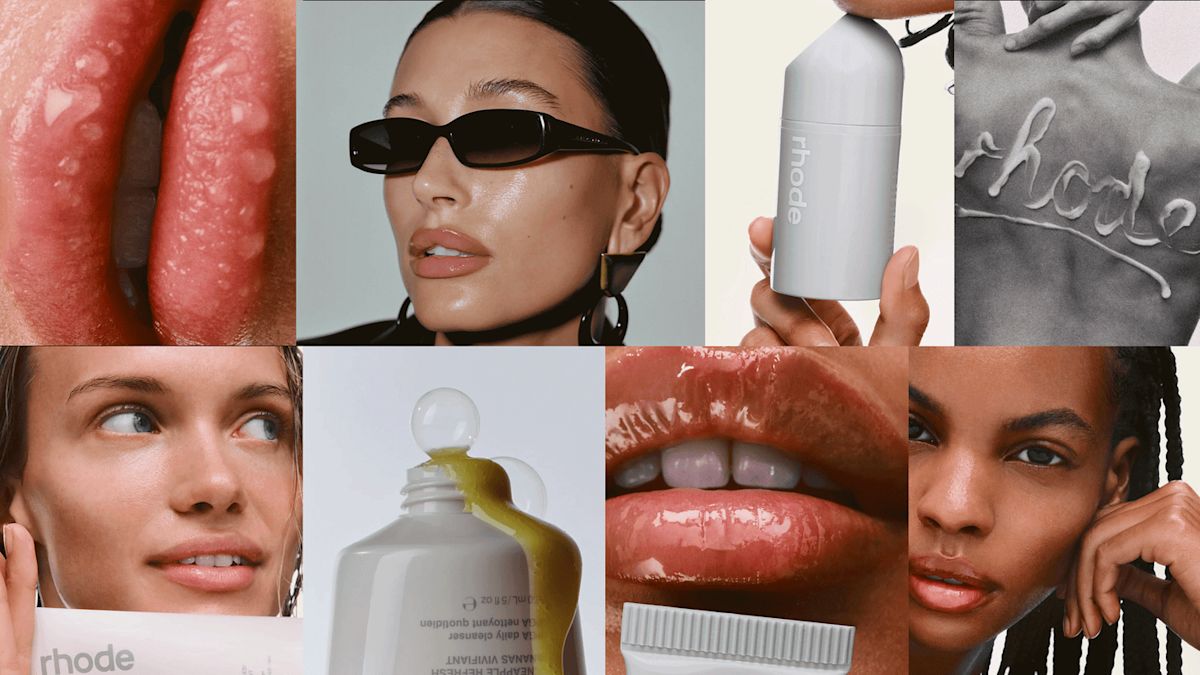
The Hailey Bieber effect is real—from inspiring others to wear pimple patches on their feet to creating a chrome nail craze. If you are staying up to date with her, then you likely already know that Hailey Bieber sold her brand, Rhode, to e.l.f. Beauty for a whopping $1 billion, just a short three years after she launched the brand. Since the sale, the brand has only accelerated, creating viral product after viral product.

While a billion dollars is a lot, the sale doesn’t come as much of a surprise when you consider the popularity of the products. The formulas are fan favorites among those on TikTok, as well as among the Bazaar team. In a sea of celebrity brands, Rhode stands out, partly because Bieber enlisted the help of skincare professionals like cosmetic chemist Ron Robinson, who created his own line, BeautyStat, and New York dermatologist Dhaval Bhanusali to help formulate the products.

Advertisement

Advertisement

“My ethos behind the brand is that we want to make one of everything,” Bieber told Bazaar when the brand launched in 2022. “One really good moisturizer, one really good hydration serum, one really good lip product. I believe in curating your essentials in your closet the same way I believe in curating your essentials in your skincare.”

Rhode now has seven skincare formulas (including the latest Glazing Mist launch) and has even expanded into making creamy blushes, plush lip tints, and shaping lip liners. But the skincare offerings are still at the core of Bieber’s brand. Ahead, our favorite Rhode skin products that are worth the hype and deliver on the promise of Hailey Bieber-worthy glazed doughnut skin.

1) Rhode Skin Glazing Milk

Rhode’s Glazing Milk is the product that converted me to a Rhode stan. While the milky essence category continues to grow, Rhode was one of the first Stateside brands to jump on the bandwagon.

The Glazing Milk has a lightweight yet creamy consistency. The ingredient list is like a vitamin shot for your skin, featuring a trio of ceramides, beta-glucan to calm the skin, and a blend of magnesium, zinc, and copper that protects your barrier. It’s the perfect hydration base layer for your skincare routine or can be mixed with a foundation to create a DIY skin tint.

2) Rhode Skin Caffeine Reset Mask

It sounds gimmicky that this mask can depuff and sculpt the face, but the caffeine- and peptide-powered formula truly leaves skin firmer, tighter, and brighter in under 10 minutes.

3) Rhode Skin Peptide Glazing Fluid

The Peptide Glazing Fluid was one of Rhode’s first products, offering a glimpse into Hailey Bieber’s plumping skincare routine. While hydrating serums sometimes conjure thick, gloopy textures, this formula is more like a light gel that instantly sinks into the skin. It gently hydrates skin, leaving a subtle glow. My skin drinks up this serum, and it’s the perfect layer under makeup or as an extra layer of hydration and plumping before bed.

Pros

  • Hydrating and plumping
  • Wear great under makeup

Cons

  • May not be hydrating enough for dry skin on its own

4) Rhode Skin Pineapple Refresh

There’s a reason this cleanser won a Harper’s BazaarSkincare Award, and why it’s become my go-to cleanser. With most face washes, I still feel dirt, makeup, and grime left on my face even after a thorough scrub, but the lather on this balm-to-foam cleanser is unmatched—it takes the day off in one fell swoop. Pineapple is the star of the show in this cleanser—specifically pineapple enzyme, which sloughs off dead skin—while polyglutamic acid and green tea extract hydrate.

5) Rhode Skin Peptide Lip Boost

The Peptide Lip Boost, a nourishing lip mask from Rhode, may be our favorite lip formula from the brand. It’s thicker than the Peptide Lip Treatment and feels more like a hefty balm, providing extra hydration and cushion. Plus, it leaves behind a very slight tingle, which feels more refreshing than painful and plumps the lips and softens fine lines.

6) Rhode Peptide Eye Prep

Ever since Rhode launched its cooling and depuffing eye patches, they have been staples in Bazaar editors’ routines. The patches instantly smooth and depuff the under-eye area, and they don’t budge, so they are perfect for multitasking.

Pros

  • Smooth the delicate eye area
  • Budge-proof

7) Rhode Skin Barrier Butter

The brand’s latest skincare launch is like an SOS button for parched, irritated skin. A thicker, more hydrating iteration of the brand’s Barrier Restore Cream, the Barrier Butter harnesses the power of hyaluronic acid (utilizing five different molecular weights of the ingredient) and ceramides, along with nourishing, rich murumuru butter, to lock in moisture.

I love using the rich, buttery cream as the last layer of my nighttime routine, but also on any dry patches from head to toe. Hailey Bieber told us she uses the Barrier Butter everywhere—from her neck and chest to her hands and even her arms.

Pros

  • Can be used on the whole body
  • A little goes a long way

Cons

  • Can be too rich for oily skin

8) Rhode Skin Peptide Lip Treatment

The lip balm that started it all, Rhode’s Peptide Lip Treatment went viral when the brand first launched, and for good reason. While the texture of this skincare-infused treatment feels more like a gloss than a traditional treatment balm, it leaves lips with a high-shine finish that also plumps courtesy of peptides. The treatment has now expanded into tinted versions and has even inspired other peptide-forward lip products, such as the Peptide Lip Shape liner.

Pros

  • Plumping and hydratin
  • Comes in fun shades

Cons

  • Peptides can sometimes feel grainy over time

9) Rhode Skin Glazing Mist

The brand’s newest launch is a hydrating face mist designed to refresh the skin and add a glow with a single spritz. While I haven’t gotten my hands on the Glazing Mist yet, it has all the hallmarks of a great mist, including a superfine mister. The formula boasts a ceramide trio to improve the skin barrier, ectoin to keep skin hydrated throughout the day, and panthenol to soothe skin.

10) Rhode Skin Barrier Restore Cream

Many moisturizers on the market contain actives such as acids or retinol, but Rhode’s face moisturizer has zero actives—just ingredients that focus on calming, softening, and hydrating the skin. When my perioral dermatitis flares up, I reach for this lightweight yet moisturizing formula, which is filled with squalane, peptides, niacinamide, shea butter, and açaí.

11) Rhode Skin Spotwear

While Rhode wasn’t the first to jazz up pimple patches, these 100 percent hydrocolloid patches stay in place while healing and protecting breakouts. You can also use them on blisters, as demonstrated by Bieber.

12) Why Trust Harper’s Bazaar?

Photo credit: Hearst Owned

For more than 150 years, Harper’s Bazaar has been the preeminent fashion and beauty resource for women at every age. We cover what’s new and what’s next in beauty by working with the world’s leading authorities in dermatology, plastic surgery, cosmetics, skincare, haircare, and fragrance. Every story we publish has been thoroughly researched and vetted by our team of beauty editors and industry experts.

You Might Also Like

Tags: , , ,
The Best Pregnancy-Safe Skincare Routine, According to Dermatologists

The Best Pregnancy-Safe Skincare Routine, According to Dermatologists

Being pregnant is nothing short of miraculous, but it’s also really damn hard. I recently gave birth to my second child, and during both pregnancies, my body didn’t look or feel like my own, my anxiety levels were always elevated, and my skin? It was a disaster. (The pregnancy glow that people rave about? I didn’t experience it.)

During my first pregnancy my face was constantly oily and full of angry cystic breakouts. Then came the perioral dermatitis (a fancy term for inflammation around the chin and mouth). My very stubborn post-inflammatory hyperpigmentation—aka acne scars—from all those hormonal breakouts took forever to go away, too.

I knew I couldn’t be the only person with this experience, which prompted me to chat with dermatologists to find out what really happens to skin during pregnancy and learn how skincare routines should shift while growing a human. Keep in mind that you should always consult with your OB about specific concerns, but the following information can be used as a starter guide to pregnancy skincare. Prepare yourself, because you’re about to learn a lot.

How should my skincare routine change during pregnancy?

Your skin goes through a variety of changes during pregnancy because of hormonal fluctuations. Board-certified dermatologist Marisa Garshick, MD, says this can lead to acne, dryness, sensitivity, and hyperpigmentation. “It is important to adjust your skincare routine to address these concerns while making sure the ingredients you are using are safe during pregnancy,” she explains. “In general, I recommend keeping the routine simple and focusing on gentle cleansing, hydration, skin barrier support, and sun protection.” We’ll get into more details about this routine a little later, but first…

What skincare ingredients aren’t pregnancy safe?

Depending on who you ask, the list of what skincare to avoid while pregnant can either be really long or really short. “It’s a big gray area,” says board-certified dermatologist Heather Rogers, MD. “There’s very little scientific data surrounding skincare ingredients and pregnancy, and the vast majority of recommendations come from inference,” she says. This makes sense considering most pregnant women wouldn’t willingly volunteer to be in a scientific study or clinical trial that comes with any potential risks to their fetus.

This is why topical retinoids—a derivative of vitamin A—are most commonly avoided during pregnancy. Dr. Rogers explains that, through research, we know that taking high doses of vitamin A orally (in the form of Accutane) causes birth defects, so doctors infer that the topical versions must be bad or potentially harmful too.

If you want to be extra cautious, Dr. Garshick also suggests avoiding hydroquinone (which is often used to treat hyperpigmentation), and high concentrations of exfoliating acids (like glycolic and salicylic acids). “Low concentrations of exfoliating acids used on small areas are generally considered low risk, though,” she adds.

Is pregnancy glow a real thing?

Technically, yes, but not all women will experience the “glow” during their pregnancy. Dr. Garshick explains that as blood volume increases during gestation, it can lead to more blood flow in the skin, which gives some people that flushed, radiant appearance. That said, “sometimes hormonal changes lead to increased oil production which may make the skin seem more dewy, but also can contribute to acne and other skin concerns,” she adds.

An easy pregnancy-safe skincare routine

Most skincare is “safe” for pregnant women, so don’t feel like you need to overhaul your existing routine and replace everything with all-natural or organic products (although that’s totally fine if you choose to do so). Ultimately, the safest and best skincare to use during pregnancy contains ingredients that are approved by your OB and tailored to your specific skin type and concerns, which can be narrowed down by a derm or skincare pro if you’re feeling overwhelmed or confused.

Still, if you’d like some guidance, follow this dermatologist-recommended skincare framework during your pregnancy.

1. Use a cleanser

Hormonal fluctuations that occur during pregnancy can lead to more oil production, so you should always begin your routine with washing your face, regardless of whether you’re wearing makeup or not. Dr. Garshick recommends a “gentle, hydrating cleanser that removes dirt and oil without stripping the skin of its natural moisture.” I like the La Roche-Posay Toleriane Purifying Foaming Cleanser.

2. Stick with gentle serums

Serums are typically the most potent products in your skincare routine, so you’ll want to pay attention to the ingredients when choosing which ones to use throughout pregnancy. Dr. Garshick says to look for formulas with hyaluronic acid, niacinamide, and azelaic acid because they can “help address concerns such as dryness, discoloration, and breakouts.”

You can still use vitamin C while pregnant, but maybe swap your current pick for one that also contains niacinamide for extra skin barrier support. The Summer Fridays CC Me Serum is a great addition to your morning routine. In the evening, Dr. Garshick suggests using an azelaic acid serum if you are dealing with acne or hyperpigmentation.

3. Always remember moisturizer

Maintain hydration levels and strengthen your skin barrier with a moisturizer packed with hyaluronic acid, ceramides, or glycerin. You don’t need anything super fancy—the CeraVe Moisturizing Cream contains all three hydrators and is under $20.

4. Sunscreen is still important!

Yes, you still need to wear sunscreen while pregnant. Dr. Garshick recommends using a broad-spectrum SPF 30 or higher every morning. My favorite is the Alastin HydraTint Pro Mineral Broad Spectrum Sunscreen SPF 36.

Meet the experts

Why trust Cosmopolitan?

Lauren Balsamo is the beauty director at Cosmopolitan with over a decade of experience researching, writing, and editing skincare stories. She’s an authority in all skincare categories but an expert when it comes to pregnancy skincare products. She used the products recommended in this article during her two pregnancies.

Mary Honkus is a contributor for Cosmopolitan with eight years of experience researching, writing, and editing beauty stories, including a deep dive on face mists and making a case for hypochlorous acid for skin. She’s an authority in all beauty categories and prides herself on her skin. For this story, she spoke with dermatologists to learn how skin changes during pregnancy.

Mary Honkus is a freelance writer who covers beauty, home, fashion, health, and wellness (just call her a jack of all trades!). She has held staff roles at Real Simple, People, and InStyle, and her bylines can be found in numerous other publications. When she’s not testing the latest and greatest products, she can be found chilling on her Hell’s Kitchen rooftop, checking out NYC’s hottest new restaurants, or recording her podcast Good Trouble NYC. Follow her on Instagram.

Lauren Balsamo is the beauty director at Cosmopolitan where she writes, edits, and produces all types of beauty content—from product reviews to personal essays and trend reports. She has covered beauty for more than a decade at Cosmopolitan. Follow her on Instagram. 

Tags: , , ,
Do you really need vitamin C in every step of your skincare routine? Expert explains

Do you really need vitamin C in every step of your skincare routine? Expert explains

Vitamin C in sunscreen offers antioxidant support alongside the product’s sun protection. Similarly, a Vitamin C lip balm can provide antioxidant benefits while helping keep the lips moisturised and nourished. However, neither product is interchangeable with a dedicated serum, nor does the presence of Vitamin C guarantee the same brightening results. When choosing a sunscreen, prioritise broad-spectrum protection and substantiated testing, followed by a texture that suits your skin. A lightweight gel that settles without stickiness or a white cast may be easier to wear in humid conditions. For lip care, look for a comfortable, hydrating formulation, preferably with SPF for daytime protection. Follow the recommended application directions and reapply sun protection regularly, regardless of the additional skincare ingredients.

Before adding another vitamin C product, identify the job it would perform. The useful addition is one that addresses a need in your routine, with expectations suited to its format.

(Image Credits: Pinterest)

Tags: , , , , ,
Best oLive
Privacy Overview

This website uses cookies so that we can provide you with the best user experience possible. Cookie information is stored in your browser and performs functions such as recognising you when you return to our website and helping our team to understand which sections of the website you find most interesting and useful.