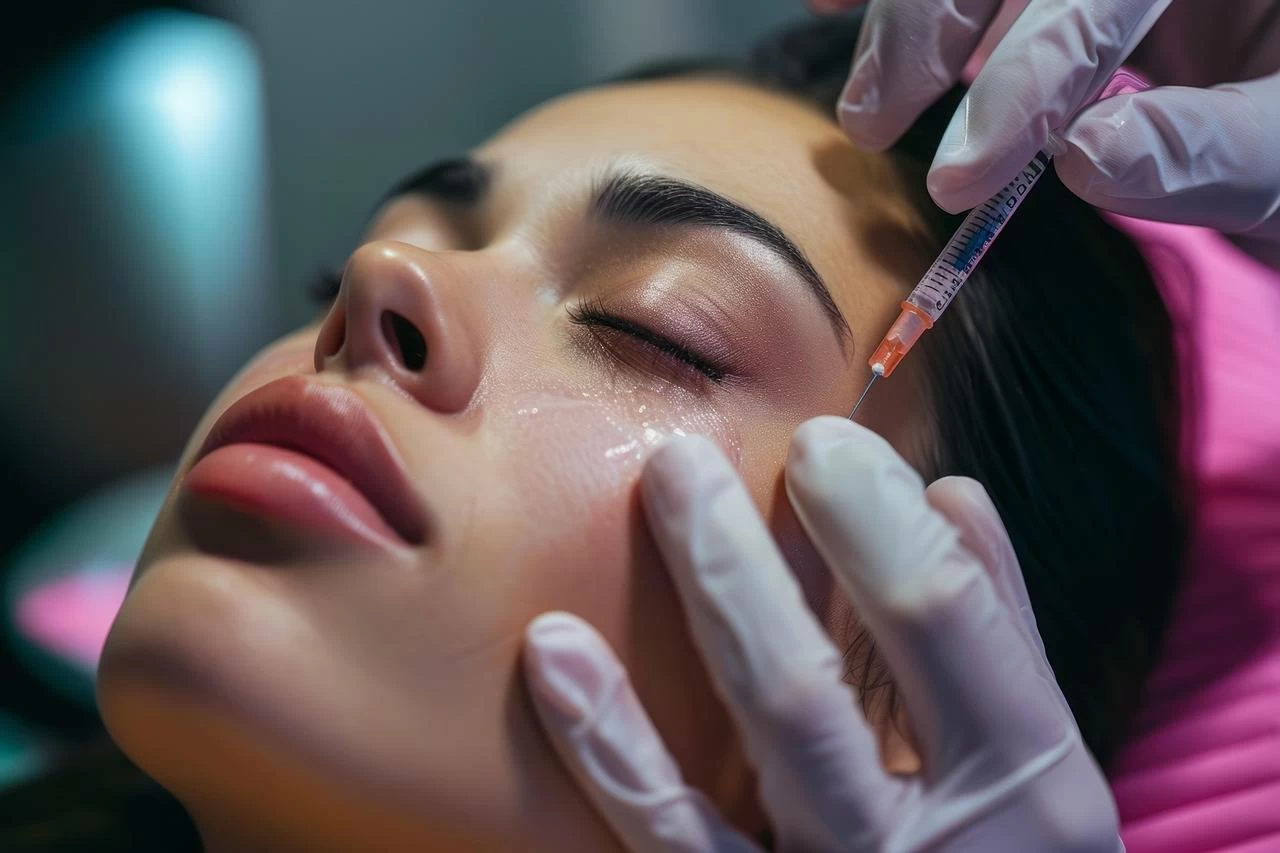
Doctors have warned against being influenced by advertisements promoting so-called miracle beauty treatments on digital platforms, noting that filters and edited images on social media have helped create unrealistic beauty standards, raised expectations and reduced acceptance of natural differences in facial and body features. Picture used for illustrative purpose only.

Doctors warn against social media beauty myths and overreliance on cosmetic procedures

Experts urge patients to prioritise skin health, realistic expectations and medical qualifications over online trends and marketing claims

Dubai: Doctors have warned against being influenced by advertisements promoting so-called miracle beauty treatments on digital platforms, noting that filters and edited images on social media have helped create unrealistic beauty standards, raised expectations and reduced acceptance of natural differences in facial and body features.

They also cautioned against a growing tendency among some dermatologists, particularly recent graduates, to focus on cosmetic procedures at the expense of diagnosing and treating skin diseases, despite increasing social and psychological pressures related to appearance.

Experts said several factors are driving this shift, including the quick financial returns associated with cosmetic procedures, rising demand for aesthetic treatments, advances in minimally invasive techniques, ease of performing such procedures and shorter recovery periods.

They stressed that addressing the trend requires a shared effort from patients, doctors and the beauty industry, with skin health and patient safety taking precedence over commercial considerations. They also urged patients to choose doctors based on qualifications and experience rather than social media popularity or advertising exposure.

Dermatology consultant Dr Anwar Al Hammadi

Dermatology consultant Dr Anwar Al Hammadi said the growing obsession with cosmetic procedures has negatively affected the core of dermatology, with some doctors focusing on Botox, filler injections and other high-demand treatments that generate rapid returns while neglecting the treatment of skin diseases.

He stressed the need to maintain a balance between cosmetic and therapeutic dermatology.

“A doctor who has spent many years studying medicine and specialising should not limit their professional ambition to quick cosmetic procedures,” he said.

Al Hammadi described dermatology as a broad medical specialty closely linked to both physical and mental wellbeing. He noted that it overlaps with several disciplines, including internal medicine, rheumatology, psychiatry and surgery, and continues to evolve through rapid scientific and therapeutic advances.

“We want the real dermatology that patients need. If everyone turns to cosmetics, who will treat skin diseases?” he said. “There is no objection to practising cosmetic medicine, provided it is not at the expense of the specialty’s medical and humanitarian mission.”

He explained that the skin can serve as a window into overall health, with changes in the skin and nails sometimes indicating conditions such as iron deficiency or liver and kidney diseases.

Al Hammadi added that patients often visit dermatology clinics carrying emotional burdens as well as physical concerns.

“A patient may come burdened with anxiety, fear and a loss of self-confidence because of a slight change in appearance,” he said.

He warned about the psychological impact of bullying and negative comments about appearance, even when made jokingly by friends or family members. Such experiences can drive people towards unsafe practices, including the use of unverified products, unsuitable treatments or potentially harmful cosmetic solutions.

According to Al Hammadi, the role of a dermatologist often extends beyond improving physical appearance to helping patients regain confidence and develop a healthier self-image.

He said social media filters and heavily edited images have reinforced unrealistic beauty ideals, encouraging some people to focus excessively on perceived imperfections.

“Beauty does not mean perfection,” he said. “It is based on harmony between outward appearance, self-confidence, intellect and spirit.”

Al Hammadi also warned against advertisements claiming guaranteed results for skin and hair treatments, particularly those promoting complete skin-tone uniformity.

“There is no such thing as perfectly uniform skin tone in a healthy person. Variations and tanning are natural and genetic,” he said.

He cautioned against excessive scrutiny of facial features in mirrors or under magnifying lights, noting that some individuals become fixated on minor or even imagined flaws to the extent that it affects their quality of life.

Al Hammadi stressed that expensive or newly introduced treatments are not automatically the best option for every patient. He said treatment decisions should be guided by accurate diagnosis, scientific evidence and individual medical needs rather than marketing claims.

He also advised patients to select doctors based on qualifications, experience and professional practice rather than the size of their social media following.

“Taking care of one’s appearance is legitimate, but it should not become a source of psychological stress or self-rejection,” he said.

Dermatology consultant Dr Marwa Al Badawi

Dermatology consultant Dr Marwa Al Badawi said social changes in recent years have altered perceptions of ageing and appearance, amid growing pressure to look youthful and idealised.

She noted that the desire to improve appearance is often linked to self-confidence and personal satisfaction, making it important for doctors to understand the motivations behind requests for cosmetic procedures rather than focusing solely on physical changes.

Al Badawi said advances in minimally invasive procedures, including injectables and laser treatments, have made cosmetic treatments more accessible and popular by reducing recovery times.

She added that dermatology has undergone a significant transformation over the past two decades, with demand for aesthetic and preventive treatments increasing alongside the continued need to treat conditions such as acne, eczema, psoriasis and skin cancer.

“The growth of cosmetic dermatology should not come at the expense of therapeutic dermatology, which remains a fundamental pillar of the specialty,” she said.

Al Badawi stressed that doctors must set realistic expectations and be prepared to decline requests when desired outcomes are unattainable or unsafe, particularly when motivations stem from social pressures or dissatisfaction with appearance.

She said doctors have a responsibility to educate patients about the natural effects of ageing and to explain realistically what medical procedures can and cannot achieve.

“The ethical medical decision must place a patient’s physical and psychological wellbeing above commercial considerations and financial returns,” she said.

Looking ahead, Al Badawi warned that if large numbers of dermatologists focus exclusively on cosmetic procedures, it could affect the availability of specialists capable of managing complex skin diseases and participating in clinical research and treatment development.

“Cosmetics are part of dermatology, but they should not overshadow the rest of the specialty or turn it into a purely commercial practice divorced from its therapeutic and humanitarian mission,” she said.

Dermatology consultant Dr Rana Abu Tarab

Dermatology consultant Dr Rana Abu Tarab said meaningful change requires the combined efforts of patients, doctors and the beauty industry.

She emphasised that health awareness should be the starting point.

“An informed patient is interested not only in having more beautiful skin, but also in understanding skin health, the causes of their condition and the most appropriate treatment based on an accurate medical diagnosis,” she said.

Abu Tarab added that doctors have a responsibility to uphold professional ethics and recommend treatments that genuinely meet patients’ needs, while the beauty industry must promote safe and responsible practices that prioritise health and safety.

She said the success of a dermatologist should not be measured by the number of cosmetic procedures performed but by the ability to diagnose and treat skin diseases and improve patients’ quality of life.

Dermatology and skincare

Beauty expert Raja Atlas

Beauty expert Raja Atlas said achieving a balance between dermatology and cosmetic skincare requires close cooperation between dermatologists and skincare specialists, with each working within their area of expertise.

She explained that dermatologists are responsible for diagnosing and treating skin diseases, while skincare specialists help improve appearance and maintain treatment results. Cosmetic procedures, she said, should never replace medical treatment where specialised care is required.

Atlas stressed that greater public awareness is essential to correcting misconceptions about beauty and skincare.

“Beautiful skin starts with healthy skin,” she said, adding that understanding the skin’s needs helps people choose suitable products and treatments while avoiding unnecessary procedures and passing beauty trends.

She said responsibility is shared between patients and healthcare professionals, who should provide realistic advice and encourage people to prioritise skin health before pursuing cosmetic enhancement.

Tags: , , , , , , , ,
The Everyday Beauty and Wellness Traditions That Shape Latin American Culture

The Everyday Beauty and Wellness Traditions That Shape Latin American Culture

By Sounds and Colours
12 October, 2026

Beauty and wellness traditions across Latin America are shaped by far more than products or passing trends. Family habits, climate, social life and regional customs all influence the way people think about grooming, personal care and presentation.

There is no single Latin American beauty routine. Practices vary widely between countries, cities and generations. Still, certain themes appear repeatedly: attention to hair and skin, regular grooming, strong social connections and an emphasis on looking cared for without necessarily making the process feel formal.

Many of these habits are learned at home. Advice is passed between relatives, familiar routines become part of daily life and personal care often blends naturally with broader ideas about confidence, health and social connection.

Skin Care Often Responds to Climate and Everyday Comfort

Latin America includes humid coastal regions, dry highlands, tropical climates and cooler southern areas, so skin care habits naturally differ by location.

The basic principle is often practical: people adjust routines according to how their skin feels in the environment around them. Someone dealing with tightness or seasonal dryness might choose a dry skin moisturizer as part of a straightforward routine focused on maintaining comfort and supporting the skin barrier.

Sun exposure also influences everyday care in many regions, particularly where strong sunlight is part of daily life.

Rather than following one universal routine, the most sustainable approach is usually adapting products and habits to climate, lifestyle and individual skin needs.

Oral Care Is Part of the Wider Grooming Routine

Personal presentation is not limited to hair, makeup or clothing.

Oral hygiene is another everyday habit that can influence how confident someone feels during close social interactions, particularly in cultures where conversation, family gatherings and shared meals play such a central role.

Resources such as https://getlivfresh.com/ fit into that broader wellness picture by reflecting the attention many people give to maintaining a consistent oral-care routine alongside other forms of grooming.

The important factor is regularity.

Brushing, appropriate dental care and routine professional checkups are not glamorous beauty rituals, but they form part of the same wider idea of looking after oneself consistently rather than only preparing for special occasions.

Hair Care Often Carries Personal and Cultural Meaning

Hair can be one of the most visible parts of personal identity.

Across Latin America, hair textures range widely, and routines may involve curls, waves, straight hair or combinations that respond differently to humidity, heat and styling.

Family knowledge often plays an important role.

Techniques for washing, conditioning, braiding or styling may be learned from parents, grandparents or siblings long before someone starts following professional beauty advice.

Salon culture is also important in many communities.

A salon visit can be practical, social and restorative at the same time, turning routine grooming into an opportunity to talk, exchange news and maintain familiar relationships.

That social element helps explain why beauty spaces can become part of community life rather than simply service businesses.

Beauty Rituals Often Begin at Home

Many personal-care traditions are informal.

They may start with a family member recommending a particular way to care for the hair, prepare for an event or maintain a simple skin routine.

Those habits can remain influential even when modern products and online trends enter the picture.

Home routines also create continuity between generations.

A technique may change over time, but the idea of setting aside time for grooming before a family gathering, celebration or weekend outing can remain familiar.

This is one reason beauty traditions are difficult to separate from culture.

They are not only about appearance. They can carry memories of relatives, childhood routines and the way people learned to prepare themselves for social life.

Social Occasions Give Grooming a Stronger Role

Family gatherings, weddings, birthdays, religious celebrations and weekend social events are important parts of life across many Latin American communities.

These occasions often make grooming feel like part of the preparation.

Hair may be styled more carefully, clothing chosen deliberately and makeup adjusted to suit the event.

That does not mean everyday beauty is always elaborate.

In fact, regular maintenance can make special-event preparation easier because the basic routine is already established.

Looking polished becomes less about dramatic transformation and more about building on habits that are already part of daily life.

Modern Wellness Is Adding New Layers to Old Habits

Digital media has introduced new beauty and wellness influences across Latin America, just as it has elsewhere.

Skincare ingredients, fitness routines and international beauty trends can spread quickly through social platforms, often reaching younger audiences before traditional media does.

At the same time, older habits have not disappeared.

Family advice, local beauty businesses and established social routines continue to shape how people interpret new trends.

The result is often a blend rather than a replacement.

A modern skincare product may sit beside a long-standing hair ritual, while a new wellness habit becomes part of a family routine that has existed for years.

That combination is what makes everyday beauty culture so dynamic.

Across Latin America, beauty and wellness are rarely only about appearance. They are connected with routine, confidence, family knowledge and social life.

The specific practices may differ from one place to another, but the underlying pattern is consistent: care becomes meaningful when it is woven into everyday life rather than reserved only for special occasions.

Subscribe to the Sounds and Colours Newsletter for regular updates, news and competitions bringing the best of Latin American culture direct to your Inbox.

Share:

Tags: , , , , , , ,
Repeat Procedures: Comprehensive Guide for Effective Fall Treatments at Laser Center of Marin

Repeat Procedures: Comprehensive Guide for Effective Fall Treatments at Laser Center of Marin

As the seasons change, so do the needs of your skin. Fall is the ideal time to address summer damage and prepare your skin for winter. At the Laser Center of Marin, we focus on providing effective repeat procedures to rejuvenate your skin. Understanding how these treatments work and how to optimize their benefits is crucial for achieving the desired results. This comprehensive guide will explore the specific treatments offered, the key techniques employed, and the necessary preparation and aftercare to ensure successful outcomes.

Repeat Procedures: Defining Effective Fall Treatments at Laser Center of Marin

Fall Treatments at Fall Treatments at Laser Center of Marin are designed to address various skin concerns, including sun damage, hyperpigmentation, and fine lines. One of the critical aspects of these treatments is the use of evidence-based practice, which ensures that each procedure is grounded in scientific research and clinical efficacy. The center’s approach combines advanced technology with personalized care, allowing for tailored treatment plans that cater to individual skin types and conditions.

For example, laser resurfacing is a popular option during the fall. This treatment helps remove damaged skin layers, revealing smoother, more youthful skin. The center employs cutting-edge lasers that are safe and effective, minimizing downtime and maximizing results. By incorporating biostatistics and health informatics, the center continuously evaluates treatment outcomes to refine and improve their services.

Moreover, the center follows a clinical pathway to ensure consistency and quality across all repeat procedures. This structured approach involves a series of steps, from initial consultation to follow-up care, ensuring that patients receive comprehensive care throughout their treatment journey.

Key Techniques for Successful Repeat Procedures

Successful repeat procedures at the Laser Center of Marin rely heavily on advanced techniques and skilled practitioners. One such technique is telehealth integration, which allows for remote consultations and follow-ups, ensuring continuous care without the need for frequent in-person visits. This approach not only enhances convenience but also improves the patient experience by offering timely advice and support.

Another important aspect is the use of population health management, where treatments are tailored based on demographic data and individual health profiles. This method enables the center to identify trends and adjust treatment protocols to better serve their diverse patient base.

The center also emphasizes the importance of medical coding specialists in maintaining ICD-10 compliance, ensuring that all procedures are documented accurately and efficiently. This attention to detail helps in tracking treatment efficacy and aligning with health regulations, which is crucial for delivering high-quality care.

Patient Preparation for Optimal Treatment Outcomes

Proper patient preparation is vital for achieving optimal outcomes from Fall Treatments at Laser Center of Marin. The center conducts a thorough health literacy assessment to ensure patients understand the procedures, risks, and expected results. This step is essential for informed decision-making and setting realistic expectations.

Patients are also guided through a detailed preparation process, which may include skincare regimens, dietary adjustments, and sun protection measures. These preparatory steps are tailored to each individual’s needs, ensuring that their skin is in the best possible condition prior to treatment.

Additionally, the center employs patient journey mapping to personalize the treatment experience further. This process involves outlining the entire treatment course, from initial consultation to post-treatment care, ensuring that patients are well-informed and supported at every stage.

Aftercare and Follow-Up: Ensuring Long-Term Results

Aftercare and follow-up are crucial components of ensuring long-term success from Fall Treatments at Laser Center of Marin. The center provides comprehensive aftercare instructions, including skincare routines and lifestyle modifications, to promote healing and enhance results.

Follow-up appointments are scheduled to monitor progress and address any concerns. The use of chronic care management techniques allows the center to maintain ongoing patient engagement, ensuring that treatments continue to deliver benefits long after the initial procedure.

Additionally, value-based care metrics are utilized to evaluate treatment outcomes and patient satisfaction. This approach helps the center continuously improve their services, ensuring that they meet the highest standards of care.

Conclusion

Effective Fall Treatments at Laser Center of Marin are a result of advanced techniques, personalized care, and thorough patient preparation. By focusing on repeat procedures that are evidence-based and tailored to individual needs, the center ensures that patients achieve their desired results. For those seeking to rejuvenate their skin this season, exploring the comprehensive options available can provide lasting benefits and renewed confidence.

Tags: , , , , , , , , ,
Morning to Night: How Small Daily Rituals Can Help Build Lasting Habits

Morning to Night: How Small Daily Rituals Can Help Build Lasting Habits

A productive morning does not have to begin at 5 am, and a relaxing evening does not require an elaborate skincare routine, an hour of meditation or pages of journaling. For many people, a more practical approach is to develop small, repeatable habits that fit their existing schedules.

Daily rituals can provide structure to otherwise hectic days. Drinking water after waking up, stretching for a few minutes, reviewing the day’s priorities or putting away a phone before bedtime are simple actions that can be incorporated into everyday life.

The challenge is not finding advice about better routines. Social media is filled with carefully planned schedules and elaborate self-care rituals. The real difficulty is maintaining those habits when work runs late, sleep is disrupted or family responsibilities take priority.

Why complicated routines can be difficult to maintain

A routine that demands a complete lifestyle change may be difficult to sustain. Someone accustomed to waking up at 7 am, for instance, may struggle to maintain a 5 am workout schedule.

Introducing several habits simultaneously can also create unnecessary pressure. Missing one workout or skipping a day of journaling may make an otherwise useful routine feel like a failure.

A more manageable approach is to begin with one achievable behaviour and gradually build from there. A 10-minute walk may be easier to maintain than a daily hour-long workout, while writing down one priority may feel more realistic than maintaining a detailed journal.

The objective is not to make every day identical. It is to make beneficial actions easier to repeat.

Create a morning routine around existing habits

Morning rituals are often easier to maintain when they are connected to activities that already form part of the day.

For example, a person could stretch briefly after brushing their teeth, review their calendar while having tea or coffee, or take a short walk after breakfast.

A simple morning routine might include opening the curtains, drinking water, moving for a few minutes and identifying the day’s most important task. There is no need to follow every suggestion. The routine should reflect individual health needs, working hours and responsibilities.

Make evenings a time to reset

Evenings can easily become an extension of the working day. Unfinished tasks, messages and prolonged screen time may leave little room to unwind.

A short evening ritual can help establish a boundary between work and personal time. Preparing clothes for the following day, tidying one small area or writing down unfinished tasks can make the next morning easier to manage.

Keeping a reasonably consistent sleep schedule and allowing time to wind down may also support better sleep habits. Persistent sleep difficulties, however, may require professional advice rather than a routine alone.

Use smaller habits on difficult days

A useful strategy is to create a shorter version of a habit for busy days. Someone who usually exercises for 30 minutes could stretch briefly when time is limited. A person who journals could write one sentence instead of a full page.

The purpose is to make returning to a habit easier, not to demand consistency at the expense of rest or recovery. Illness, exhaustion and unexpected responsibilities should be accommodated.

Track progress without demanding perfection

A simple checklist or calendar can help people recognise patterns and understand what makes a habit easier to maintain.

Missing a day does not erase previous progress. Instead, it can be an opportunity to consider whether the habit needs a different time, a smaller target or a more convenient reminder.

Too many tracking systems, however, can turn a supportive routine into another administrative burden.

Let routines support everyday life

Daily rituals should not become another measure of personal worth. For one person, success may mean walking before work; for another, it may mean having breakfast without checking notifications or preparing for bed at a consistent time.

The most useful routine is not necessarily the most impressive one. It is the one that can be repeated, adapted when circumstances change and resumed without unnecessary guilt.

The takeaway: Start with one manageable habit, connect it to an existing activity and allow room for imperfect days. Small routines can provide structure without making everyday life feel like a constant productivity challenge.

Tags: , , , , , , ,
Neurocosmetics, Peptides And Barrier Biotech: The Skincare Trends Defining 2026

The Skincare Trends Defining 2026

Skincare in 2026 has evolved into something far more sophisticated, targeting not just the surface but the very mechanisms of skin health. Trends like neurocosmetics, barrier-repair biotech, and peptides are redefining routines, offering science-backed solutions for urban skin challenged by pollution, stress, and humidity. These innovations, rooted in biotech and regenerative science, promise resilience and radiance tailored to diverse needs, from Mumbai’s metros to global spas.

As a beauty enthusiast in India’s chaotic beauty scene, I’ve watched these trends explode on Instagram Reels and dermatologist feeds, promising real results without the irritation of yesterday’s actives like retinol. Here’s why they’re worth your rupee – and how you can weave them into your routine.

Neurocosmetics

Your skin isn’t just armor – it’s wired with nerve endings that freak out under stress, sparking inflammation and premature aging. Enter neurocosmetics, 2026’s breakout star. Dr. Mikki Singh, Board-Certified Dermatologist and Cosmetologist, Founder and Medical Director at Bodycraft Clinics says: It targets the skin-brain connection using biotech-derived actives like adaptogens, neuropeptides, and fermented botanicals to target neurogenic inflammation and dullness, especially relevant in high-stress cities like Mumbai. Think of it as skincare that whispers “chill” to overstimulated cells.

I’ve felt the difference in serums blending these with magnesium; skin feels quieter, bouncier. Dr Mikki also adds, “Neurocosmetic peptides, such as Argireline® and Peptilift® can mimic Botox by inhibiting neurotransmitter release or relaxing facial micro-contractions, reducing wrinkles but these are not as effective as Botox and Dysport and the effects are only mildly visible for as long as the product is used.” Perfect for layering under makeup, it’s preventive beauty for the emotionally overloaded.

Barrier-repair biotech

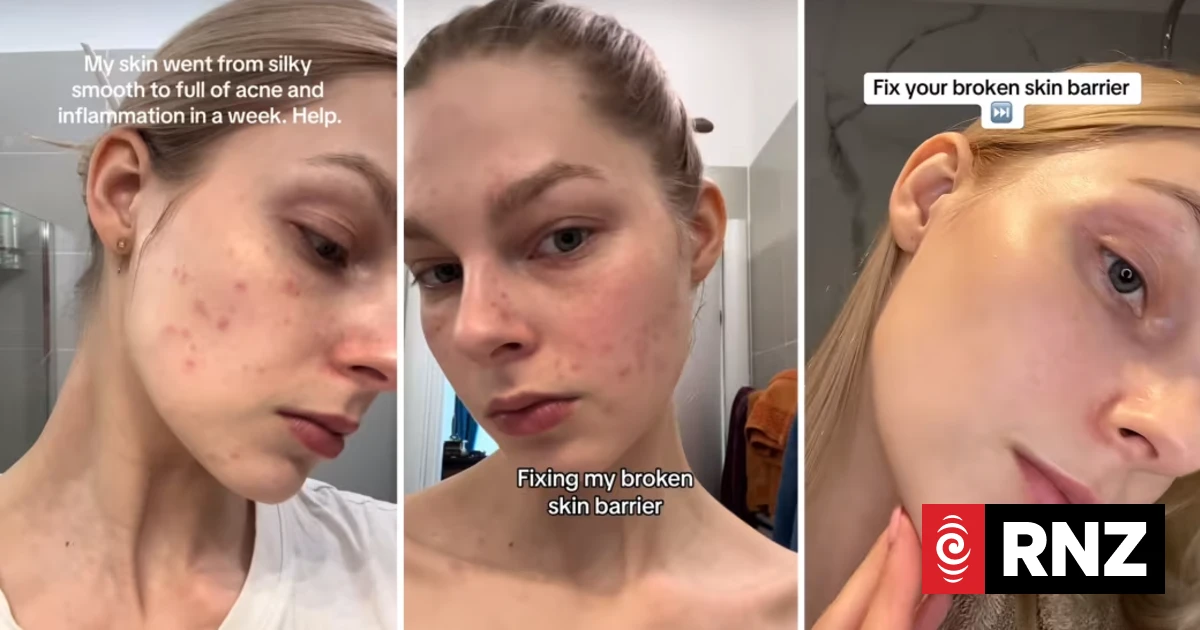
India’s pollution and monsoons wreck havoc on skin barriers, leading to dryness and sensitivity in over 60% of users. Barrier-repair biotech steps in with next-gen actives like fermented bio-ceramides, postbiotics, and hypochlorous acid (HOCL) to reconstruct lipids at a cellular level – not just patch the surface.

These multi-lipid systems mimic skin’s natural 3:1:1 ceramide-cholesterol-fatty acid ratio, while peptides stimulate production and microbiome supporters fend off inflammation. AI-optimized formulas predict tolerance across types, delivering resilience over quick fixes. In polluted metros, they’re game-changers, outperforming basic ceramide creams by preventing damage proactively.

Picture slathering a lightweight ampoule post-cleansing; tightness vanishes, hydration locks in. Ethical biotech sourcing ensures sustainability, aligning with eco-conscious Indian shoppers. Reliable source integrated seamlessly; pair with your experts for holistic depth.

Peptides

Peptides aren’t new, but 2026’s advanced blends – like copper (GHK-Cu), signal, and neurotransmitter types – are revolutionizing routines with targeted cellular chatter. They signal collagen production, relax expression lines, and inhibit breakdown enzymes, firming skin without downtime – perfect for fine lines from sun and squinting at screens.

Copper peptides shine for healing acne-prone skin, while multi-peptide serums hydrate deeply and support microbiomes, stacking beautifully with sunscreen. Dermatologists endorse evening application for max repair, yielding elasticity gains visible in weeks.​

As we age, natural peptide dips cause sagging; these replenish without irritation, ideal for layering in humid weather. The founder of Aminu says: “In acne-prone skin, especially post-inflammatory acne that leaves behind marks, shallow scars, uneven texture, copper peptides support the repair process itself. They help regulate inflammation, support collagen and elastin rebuilding, and improve how skin recovers after breakouts. In monsoon weather, when acne flares are common, this becomes even more relevant. Copper peptides don’t just sit on the surface binding water; they help skin resolve damage. That’s why, clinically, I’ve seen better long-term texture and resilience when copper peptides are part of a routine, especially for people who feel stuck in a cycle of breakouts followed by slow healing.”

Why these matter and how to start

PDRN for regen, neurocosmetics for calm, barrier biotech for defense, peptides for signals – interlock like a dream routine: cleanse, peptide serum, PDRN essence, neuro-barrier cream, SPF. They’re biotech-backed, celeb-hyped, and tuned for diverse tones battling environmental foes.

Start small: a 0.5% PDRN daily for sensitivity, or peptide-ceramide night cream. Consult derms, patch-test, and prioritize ethical brands. In 2026, skincare isn’t surface-level – it’s intelligent, holistic armor for real life. Your skin will thank you with that effortless, Mumbai-proof radiance.

Tags: , ,
How Small Self-Care Changes Can Make Everyday Life Feel Easier

How Small Self-Care Changes Can Make Everyday Life Feel Easier

Self-care often sounds like something that requires extra time, money or planning. In reality, the habits that make everyday life feel easier are usually much smaller.

A calmer morning, a short walk, a simple skincare routine or ten quiet minutes after work can all create useful pauses in a busy day. None of these changes needs to transform an entire schedule. Their value comes from being realistic enough to repeat.

The challenge is avoiding the idea that self-care has to become another task to complete perfectly. When routines become too complicated, they can create more pressure than they remove.

A better approach is to identify a few small habits that improve comfort, energy or mood and allow them to fit naturally around work, family and other responsibilities. Over time, those modest changes can make demanding days feel much more manageable.

Make Recovery Easier to Fit Into the Day

Recovery does not have to happen only after an exhausting week.

Small pauses between demanding periods can be more practical than waiting for a large block of free time. A short walk, a quieter lunch break or twenty minutes without screens can provide a useful reset before moving on to the next part of the day.

People interested in making recovery more intentional may also explore options from oxify.com alongside other wellness habits. The useful principle is to create moments that deliberately interrupt the constant pace of work, errands and responsibilities.

These pauses do not need to feel productive.

In fact, their purpose is often the opposite. Allowing a little time where nothing urgent is being completed can make it easier to return to responsibilities with more patience and concentration.

Keep Skincare Simple Enough to Maintain

Skincare is another area where routines can quickly become more complicated than necessary.

A long collection of products is not always easier or better than a smaller routine built around a few steps that suit individual needs. Someone looking to add occasional chemical exfoliation, for example, may consider an aha exfoliant as one possible part of a broader skincare routine.

Introducing new products gradually can make it easier to understand how the skin responds, particularly with exfoliating ingredients.

The larger lesson applies beyond skincare as well. Self-care habits tend to last longer when they are straightforward.

A routine that takes a few minutes and fits naturally around washing, dressing or getting ready for bed is much easier to maintain than one that requires a major commitment every evening.

Remove One Source of Friction From the Morning

Mornings often feel stressful because too many small decisions happen at once.

Choosing clothes, finding keys, preparing food and remembering what needs to leave the house can create a surprising amount of pressure before the day has properly started.

Removing even one of these decisions can help.

Clothes can be prepared the night before. Bags can have a permanent place near the door. Breakfast can be built around a few reliable options rather than requiring a new decision each morning.

None of these habits is particularly dramatic, but that is exactly why they work.

Self-care can sometimes mean making practical changes that give the mind fewer things to manage rather than adding another wellness activity to the schedule.

Give Yourself Short Breaks Without Feeling Guilty

Many people find it difficult to stop when there are still unfinished tasks nearby.

A break can feel undeserved when emails remain unanswered, laundry needs folding or another job could easily fill the next fifteen minutes.

The problem is that waiting until everything is finished usually means waiting indefinitely.

Short breaks can be built into the day before exhaustion forces them. A cup of tea away from a screen, a few minutes outside or simply sitting somewhere quiet can be enough to interrupt a stressful rhythm.

These pauses are especially useful when moving between different types of responsibilities.

Allowing the mind to reset briefly can make the next task feel less like an immediate continuation of the previous one.

Make Evening Routines More Comfortable

Evenings often become an attempt to catch up with everything that was not completed earlier.

That can leave very little distinction between the working day and the time meant for rest.

Creating a simple wind-down point can help. It might involve changing into comfortable clothes, lowering the lights, taking a shower or putting away work-related devices at a set time.

The routine should feel easy rather than elaborate.

If it requires an hour of preparation, it may disappear on the busiest days, which are often the days when it is most useful.

A few familiar steps can create a clearer signal that responsibilities are slowing down and the day is moving toward rest.

Focus on Consistency Rather Than Perfect Routines

Self-care becomes difficult when every habit is treated as something that must be done perfectly.

Missing a workout, skipping part of an evening routine or having a particularly busy week does not mean the entire approach has failed.

Flexible routines are usually more sustainable.

A long walk can become a short one. A twenty-minute break can become five minutes. A more involved skincare routine can be simplified when energy is low.

The ability to adapt is what keeps habits useful during real life rather than only during ideal weeks.

Small self-care changes work because they reduce pressure rather than adding to it. Recovery, skincare, simpler mornings and more deliberate breaks can all create small improvements in how the day feels.

There is no need to overhaul every routine at once. Choosing one or two changes that genuinely make daily life easier is often enough to begin.

When those habits become normal, self-care stops feeling like another project and starts becoming part of how everyday life is managed.

Tags: , , , , ,
Rahul Gandhi says ‘Mogambo Modi’ destroying democracy at Chennai's 'Chhatron Ki Goonj'

Rahul Gandhi says ‘Mogambo Modi’ destroying democracy at Chennai’s ‘Chhatron Ki Goonj’

As tensions escalated in the national capital, Congress leader Rahul Gandhi organised ‘Chhatron Ki Goonj’ in Chennai on Saturday and alleged that “Mogambo Modi” is destroying India’s democracy.

At the event, Gandhi asserted that Prime Minister Narendra Modi will pay for the crimes he has committed against the country. The Leader of Opposition in the Lok Sabha also accused Modi of attacking docmocracy directly and indulging in “vote chori”.

“PM Modi is silencing voices; as you saw in Delhi, the entire city was shut down, and police were beating students. The BJP also unleashed its goondas who beat up students,” Gandhi said at the sixth edition of his youth outreach initiative, ‘Chhatron Ki Goonj’.

Before Chennai, ‘Chhatron ki Goonj’ was held in Kota, Dehradun, Prayagraj, Pune and Indore.

“The problem is, Mr Modi does not understand that the game is over. The drama that he has been doing for the past 15 years is coming to an end. We will ensure that Modi pays for the crimes he has committed against the country,” Gandhi said, PTI reported.

“Mogambo Modi” is destroying India’s democracy, he added, likening the prime minister to a Bollywood movie villain. As Gandhi delivered the line, the screen behind him played a scene from the 1987 movie with Modi’s face superimposed on Amrish Puri.

The Congress leader said his message to students is that they should not fear anything, stressing that all those who attacked the Constitution and democracy will be brought to justice.

Gandhi also alleged that Prime Minister Modi and Home Minister Amit Shah have launched a “full-scale attack” on Tamil culture, language and history.

“Amit Shah openly says that Hindi will be imposed on Tamil Nadu. It is Modi and Shah who are stifling curiosity. This is happening through the New Education Policy; a three-language formula has been imposed,” he said, PTI reported.

Claiming that Tamil Nadu is being punished through the design of delimitation, he said, “We will not allow Modi to attack Tamil culture, language and history.”

Gandhi also said that questioning is the foundation of progress, and democracy itself emerges from curiosity and asking questions. “Modi and Shah are destroying the foundation of curiosity,” he alleged.

(With inputs from PTI)

Tags: , , , , , , , ,
Canada to send 300-member trade delegation to India, largest in over 30 years

Canada to send 300-member trade delegation to India, largest in over 30 years

Canada will send nearly 300 business delegates to India from October 12 to 17 in its largest trade mission to the country in more than 30 years, as Ottawa seeks to expand commercial ties and more than double bilateral trade by 2030.

Led by Canadian Minister of International Trade Maninder Sidhu, the delegation will visit Mumbai and Bengaluru, according to an official statement issued on Friday. The mission comes as India and Canada work towards concluding negotiations for a Comprehensive Economic Partnership Agreement (CEPA) by the end of this year.

“By matching Canadian expertise in sectors like aerospace, agri-food and clean technology with India’s growing demand, we will diversify our trade and attract new investment,” Sidhu said.

The mission aims to connect Canadian businesses with Indian decision-makers, industry leaders and potential customers, while building partnerships expected to generate employment in Canada, the statement said.

India-Canada Trade Deal Talks Gather Pace

The fifth round of CEPA negotiations was held in Ottawa from October 5 to 9. Sidhu also met India’s Commerce and Industry Minister Piyush Goyal on the sidelines of the G20 Trade Ministers’ Meeting in Milwaukee, US, on October 1. They discussed progress in the negotiations and ways to deepen bilateral trade and investment ties.

India and Canada renewed their push for a comprehensive trade agreement during Canadian Prime Minister Mark Carney’s visit to India in March. The two countries set a target of increasing bilateral trade to CAD 70 billion by 2030.

Bilateral Trade Stood At CAD 30.4 Billion In 2025

Trade in goods and services between India and Canada totalled CAD 30.4 billion in 2025, according to Canadian government data.

Canada’s merchandise exports to India stood at CAD 3.9 billion, led by vegetables, mineral fuels and oils, and wood pulp. Its merchandise imports from India amounted to CAD 9.7 billion, comprising mainly precious stones and metals, machinery and pharmaceutical products.

Canada Seeks To Diversify Export Markets

Canada is seeking to diversify its exports beyond the United States, with India forming a key part of its strategy to expand trade with other markets, according to the statement.

The Canadian Indo-Pacific Strategy, launched in 2022, identifies trade, security, sustainability, people-to-people ties and regional engagement as its five strategic objectives.

The trade mission will give Canadian businesses an opportunity to explore partnerships in India as negotiations on the proposed CEPA continue.

(With PTI inputs)

Tags: , , , , , , ,
Best oLive
Privacy Overview

This website uses cookies so that we can provide you with the best user experience possible. Cookie information is stored in your browser and performs functions such as recognising you when you return to our website and helping our team to understand which sections of the website you find most interesting and useful.