Apple App Store

6 Skincare Tips That Will Leave You Glowing All Summer Long

Key Takeaways

  • Dermatologists recommend adjusting your skincare routine based on the season and changing weather.

  • Expert-approved summer skincare tips include using SPF, incorporating antioxidants like vitamin C into your routine, and regularly exfoliating.

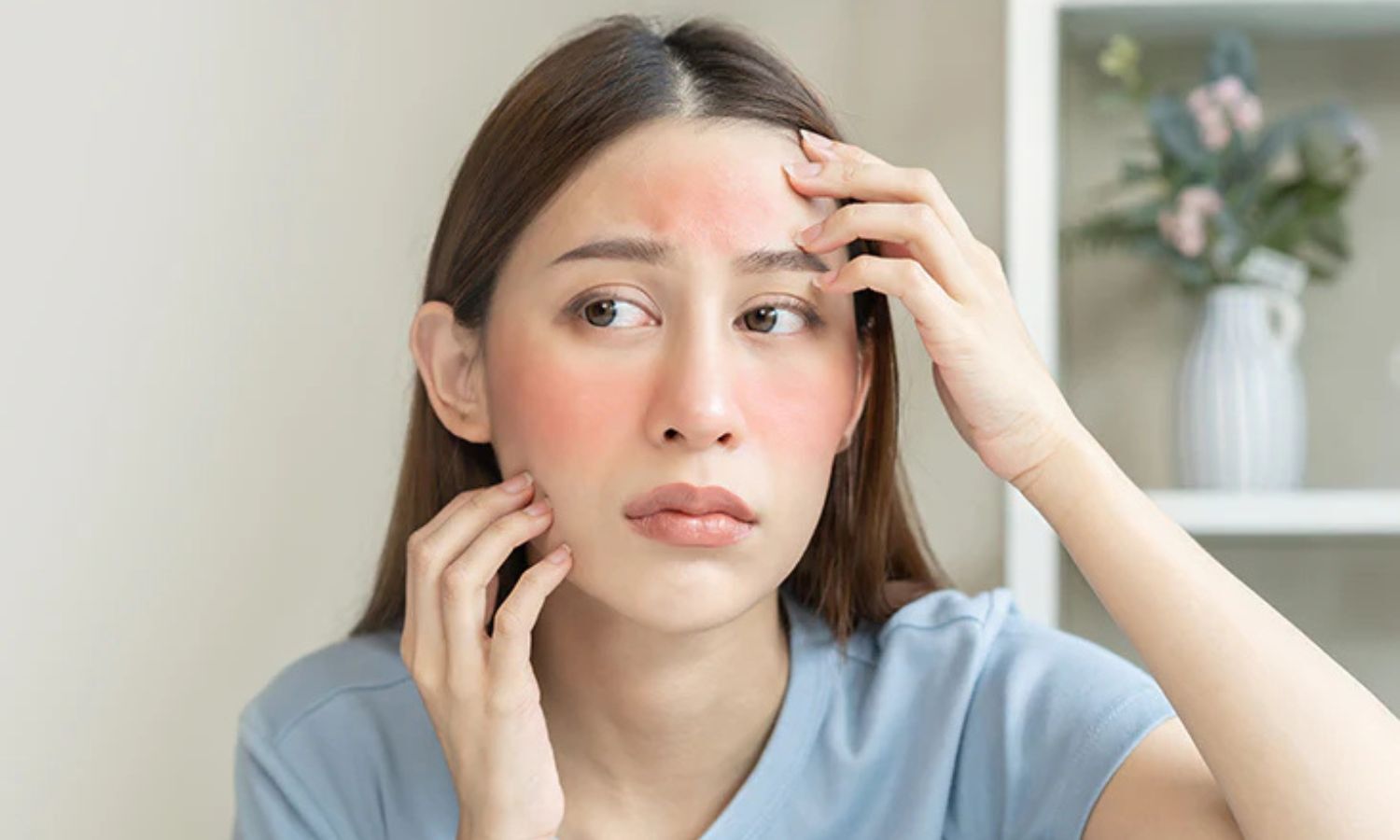
It’s once again time to break out the summer skincare routine. Like switching out your wardrobe from scarves and sweaters to sundresses and sandals, your warm-weather skincare routine should be lightweight and free from thick or heavy products. “It’s essential to adjust your skincare routine to address changes in temperature and humidity,” says board-certified dermatologist Mona Foad, MD. “I recommend switching to lighter, hydrating products like those with hyaluronic acid, aloe vera, and glycerin, which provide hydration without feeling heavy.”

A good summer skincare routine isn’t just about lightweight moisturizers, though. For the low-down on how to get the best skin this summer, we asked Foad and board-certified dermatologists Ava Shamban, MD, and Karan Lal, DO, for the best skincare tips they swear by all season long. Ahead, six expert-approved summer skincare tips to incorporate into your routine.

Meet the Experts

  • Ava Shamban, MD, is a board-certified celebrity dermatologist, clinician, and author based in Los Angeles. She is the founder of AVAMD Dermatology and Althaea Skin.

  • Karan Lal, DO, is a celebrity double board-certified adult pediatric and cosmetic dermatologist based in Scottsdale, AZ.

  • Mona Foad, MD, is a board-certified dermatologist and the founder of Mona Dermatology based in Cincinnati, OH.

Protect Your Skin From Head to Toe

Arguably, the most essential part of your summer skincare routine (or any season, TBH) is wearing SPF. By now, you probably already know that wearing sunscreen is a must. But on top of that, remembering to apply it everywhere that may get exposed to those harmful UV rays, like on the scalp and lips, will prevent unwanted surprise burns. (Your scalp burns way faster than you’d think, especially after a long winter hiding under beanies.)

“More concentrated time spent outdoors in high UV index weather requires some additional measures,” says Shamban. Brush a mineral powder SPF (like zinc oxide, which “won’t irritate even the most sensitive” skin) all over your scalp, specifically concentrating on the hair’s part, she says. “It also helps to absorb excess oil [in the hair].”

Shamban also recommends swapping out lipsticks for SPF lip balms. “Summer is the best time of year to put away drying matte lipsticks and pencils to protect your pout,” she says. If you’re not ready to give up the full glam makeup look, there are plenty of options out there with color. “SPF products with tint will prevent transepidermal water loss and keep lips smooth, supple, plump, hydrated, and healthy.”

Cool Off With Your Skincare

Cooling skincare ingredients will feel so refreshing on the skin after a long day in the heat and humidity, even if you haven’t been in the sun. Foad says to look out for ingredients like aloe vera, cucumber, and even mint-based products, as these will “provide instant relief, especially after sun exposure, and help calm the skin.”

If you do find yourself feeling a little crispy after too much time in the sun (it happens to the best of us), after-sun recovery products will provide some quick comfort. Foad expects these types of products to gain popularity over the summer. Keep an eye out for “formulations with ingredients like chamomile, calendula, and hyaluronic acid, which provide much-needed hydration and repair to skin that has been exposed to the sun,” she says.

Get Your Antioxidants

If you ask any dermatologist what ingredients are in their ideal skincare routine, an antioxidant like vitamin C will absolutely be one of them. Antioxidant-rich skincare is a must-have, especially in the summer. Vitamin C “helps to prevent premature aging and protect against environmental damage,” says Foad. Shamban recommends increasing your antioxidants or adding a vitamin C serum into your routine if you don’t use one already.

Another popular antioxidant is niacinamide. “This ingredient is a powerhouse that helps repair the skin barrier [and] helps with hyperpigmentation,” says Lal. “In the summer months, I recommend people use niacinamide either in a serum or in their moisturizer once a day to help fight free radicals from excessive UV exposure.”

Don’t Be Afraid of Self-Tanner

Staying out of the sun is a surefire way to help keep your skin healthy and prevent premature aging. Fortunately, sun tanning alternatives abound, from body self-tanners like mousses and creams to bronzing face drops. Lal recommends contouring with self-tanner to get a bronzed look without spending time in those UV rays. “I think this is brilliant for those who want to have that contoured look for longer and that sun-kissed appearance,” he says. Both Lal and Shamban also suggest wearing sun-protective, UPF-rated clothing if you will be spending extensive time in the sun.

Exfoliate Regularly

If you’re noticing your pores are getting clogged more often during the summer, you’re not alone. “High temperatures combined with extreme humidity and heavy sweating can lead to increases in sebum production or trapping bacteria on the skin surface, leading to clogged pores,” says Shamban. To combat this and keep pores clean and clear, she recommends double cleansing, using an exfoliating cleanser, or wiping a peel pad on your skin at night.

“Opt for gentle exfoliation with AHAs, BHAs, or physical exfoliants to help with skin turnover and enhance product absorption,” says Foad. Ingredients to look out for include glycolic acid, salicylic acid, lactic acid, or enzymes, adds Shamban.

Try Multi-Tasking Products

If you want to keep your routine quick and easy, investing in multi-use skincare products is a must. Summer-friendly hybrid products often combine skincare or makeup with SPF. “We are moving towards the ‘sunification’ of beauty,” says Shamban.

It’s always important to apply a traditional standalone sunscreen as the last step of your skincare routine, even if you’re using an SPF-infused makeup or skincare product, as you might not be applying enough product to get the full SPF value of the makeup product. But, if you’re in a pinch or want an extra layer of protection, derms are all for these easy-to-use products. “I’m seeing a shift toward SPF-infused skincare products, such as moisturizers and foundations with built-in sun protection,” says Foad. “These provide added convenience and ensure we’re consistently protected from harmful UV rays throughout the day.”

Read the original article on Byrdie

Tags: , , , , ,
Is Vitamin C Still the Best Antioxidant for Your Skin?

Is Vitamin C Still the Best Antioxidant for Your Skin?

For years, the topical antioxidant big dog has been vitamin C. And for good reason: Products containing it often flaunt enticingly bright and sunny packaging, and the sensorial experience of rubbing it into your skin is undeniably luxurious.

But most importantly, vitamin C is well-studied: It has a robust library of scientific literature dating back to the 1990s, and that evidence has proven time and again that the ingredient can effectively help you achieve a brighter, younger-looking complexion, especially when used with other skincare ingredients proven to work.

“Vitamin C remains one of the top skincare ingredients because it delivers multiple benefits in a single ingredient,” explains Marisa Plescia, president of the Society of Cosmetic Chemists and founder of FemChem Beauty. “It not only functions as a potent antioxidant for boosting the skin’s natural defense, but it also supports collagen synthesis and helps reduce the appearance of hyperpigmentation.”

Meet the experts: Marisa Plescia is the president of the Society of Cosmetic Chemists and founder of FemChem Beauty, a cosmetic chemistry consulting company. Perry Romanowski is the vice president of the Society for Cosmetic Chemists and vice president of Element 44, a cosmetic formulating consulting company. Ava Shamban, MD, FAAD, is a board-certified dermatologist and founder of Los Angeles–based practice Ava MD. Erum Ilyas, MD, FAAD, is a board-certified dermatologist at Schweiger Dermatology in Pennsylvania.

That said, vitamin C is not without its shortcomings, Plescia says. Namely, its instability in formulations can potentially render many vitamin C products useless. Given such a major pitfall, you might be wondering whether this ingredient truly deserves its spot on beauty shelves across the globe.

To get to the bottom of the answer, Women’s Health spoke with cosmetic chemists and dermatologists to break down everything they want you to know about vitamin C—including its benefits for the skin, the downsides of using it, and how it stacks up against other topical antioxidants on the market.

What, exactly, is vitamin C?

Vitamin C is an antioxidant, which means it helps neutralize free radicals, or unstable molecules, that are generated by environmental stressors such as UV rays and pollution and attack and damage skin cells. As such, you can find the ingredient in serums, skin brightening products, face moisturizers, under-eye skincare, and face masks, experts say.

The vitamin occurs in nature—you can find it in foods such as citrus fruit, bell peppers and other produce—but the variations we use in products are generally made synthetically in labs and purified for cosmetic use, experts say.

The most commonly used and most thoroughly researched version of vitamin C in skincare is called L-ascorbic acid. It’s considered the purest, most biologically active form of the ingredient, experts say. However, frustrated formulators quickly learned that this version is difficult to keep stable in products because its prone to degradation when exposed to water, oxygen, and light. In response to these challenges, “the industry did what it always does: It created more versions” of the ingredient, says Perry Romanowski, vice president of the Society for Cosmetic Chemists and vice president of Element 44, a cosmetic formulating consulting company.

In an attempt to strike the perfect balance of stability, efficacy, skin compatibility, and shelf-life, formulators developed various forms of vitamin C that you’ll find on the ingredients list of your products. Common examples include sodium ascorbyl phosphate, magnesium ascorbyl phosphate, ascorbyl glucoside, ethyl ascorbic acid and tetrahexyldecyl ascorbate, Romanowski adds.

What are the benefits of vitamin C for the skin?

When formulated well, vitamin C is a biological multitasker that can be a power player for both skin tone and texture, especially when used daily, says Ava Shamban, MD, FAAD, a board-certified dermatologist and founder of Los Angeles–based practice Ava MD. For instance, by protecting your skin from the sun’s ultraviolet rays, it helps prevent collagen—a protein responsible for keeping skin firm and bouncy—from breaking down over time. It can also help boost its production, she says. This, in turn, delays the onset of signs of aging such as sunspots, fine lines, wrinkles, and inelasticity.

Now don’t get it twisted, vitamin C isn’t a sunscreen in and of itself, Romanowski adds, so it’s still important to wear your SPF every single day. But vitamin C can complement sunscreen by further reducing oxidative stress from ultraviolet radiation and pollution exposure, he says. “It functions as a defense mechanism,” Dr. Shamban adds.

Beyond that, vitamin C is also known to inhibit the activity of a pigment-producing enzyme called tyrosinase, allowing the ingredient to brighten the skin, fade dark spots, and create a brighter, more even complexion, Dr. Shamban says. And another plus: Vitamin C works synergistically with other skincare actives, enhancing the effectiveness of other ingredients such as vitamin E, ferulic acid, and sunscreen, experts say.

Given the long list of perks the ingredient can offer your skin, it’s no surprise that there’s an overabundance of vitamin C products on the market. Here are a few that areWomen’s Health approved:

Best for Aging Skin

La Roche-Posay Pure 12% Vitamin C Serum

If you’re looking to turn back the clock by fading wrinkles, boosting radiance, and achieving softer, smoother skin, give this serum a whirl. Other than 12% L-ascorbic acid, this serum includes salicylic acid to clear pores, and hyaluronic acid to offer long-lasting hydration.

Best for Dull Skin

SkinMedica Vitamin C+E Complex

This gel product combines both vitamin C (in the form of tetrahexyldecyl ascorbate, a more stable version of the vitamin) as well as vitamin E to give you brighter, more youthful-looking skin. It’s formulated for all skin types, and is small enough to be TSA-friendly.

Best for Dry Skin

Olay Regenerist Vitamin C Face Moisturizer Cream

This lightweight, refreshing moisturizer boasts vitamin C in the form of 3-O-Ethyl ascorbic acid, a highly stable version of the ingredient, alongside other powerhouses like glycerin and niacinamide. Plus, it’s citrus-scented, making the sensorial experience just as enjoyable as the skin-rejuvenation benefits.

What are the pitfalls?

Vitamin C’s primary challenge lies in its lack of stability in cosmetic formulations. It quickly oxidizes when exposed to oxygen, light, heat, or metal contaminants, Plescia says, and once the integrity of the ingredient is compromised, its efficacy drops dramatically.

Oftentimes, a vitamin C serum is clear or a pale yellow color when fresh. It’ll also have a pretty benign scent that’s either neutral or slightly metallic. But when exposed to the elements after opening, the serum may turn a darker yellow, orange or even a brown color instead, Romanowski says. It’ll also probably begin to smell differently—all signs that your product has turned rancid.

Since vitamin C is so finicky, storing products containing it with more intention than other ingredients in your routine is paramount: Airtight containers are a must, and dark, cool environments are preferred to reduce the risk of oxidation, experts say. And as a general rule of thumb, toss vitamin C products three to six months after opening it: Even the best formulations have short shelf lives due to the ingredients inherent instability, Romanowski says.

Another downside is the fact that vitamin C can anger the skin when used in higher concentrations: Cosmetic formulas with vitamin C in concentrations over 20 percent tend to be particularly irritating, according to one study in the Journal of Clinical And Aesthetic Dermatology.

Plus, L-ascorbic acid needs to be formulated with a very low, or acidic, pH in order to benefit the skin, research suggests. And when a substance disrupts our skin’s natural pH (which is closer to neutral, rather than highly basic or acidic) the skin barrier can become compromised—leading to excess sensitivity and irritation, Women’s Health previously reported. This is especially true in patients with sensitivity, rosacea, or eczema-prone skin, adds Erum Ilyas, MD, FAAD, a board-certified dermatologist at Schweiger Dermatology in Pennsylvania.

And as previously mentioned, cosmetic chemists developed other versions of vitamin C in an attempt to resolve the stability problem. Even though those derivates are indeed more stable and gentler on the skin, they don’t always work as well as plain ol’ L-ascorbic acid, Romanowski says. These alternatives must undergo chemical conversions on the skin before they can become the active form of the ingredient and work their magic. “And how well that happens is not always clear,” Romanowski explains.

As such, its possible to find yourself stuck between a rock and a hard place when using vitamin C: You may use a product that works but carries a higher risk of irritation, or you may use a gentler product that doesn’t provide your skin much benefit.

So, how does Vitamin C stack up against other antioxidants?

Compared to newer, emerging antioxidants in skincare like glutathione, melatonin, ferulic acid, and pterostilbene, vitamin C has a serious head-start in the metaphorical scientific research race. In fact, there are so many studies on the efficacy of vitamin C that recent research has moved away from testing whether the ingredient works and instead focuses on how to better optimize it in topical formulations, Plescia says. Others are still catching up. For this reason, vitamin C remains the antioxidant best supported by current research, despite its drawbacks.

Nevertheless, experts agree there are certain antioxidants worth incorporating into your routine as well. They include:

  • Niacinamide: Also known as vitamin B3, niacinamide is much easier to formulate with compared to vitamin C, Romanowski says. But more importantly, there is substantial evidence to support the ingredient’s efficacy for a variety of cosmetic and skin health concerns such as inflammation, pore size, excess oil production, and dark spots, Women’s Health previously reported. It’s also used in topical treatments for acne, melasma, eczema, rosacea, psoriasis, wrinkles, skin laxity, texture changes, sensitivity, and pigmentation, as well as increasing ceramide and fatty acid production in the skin to strengthening the skin barrier. As such, this ingredient may be a better choice than vitamin C for more sensitive skin types.
  • Ectoin: Recent research demonstrates this ingredient’s effectiveness against photodamage, Plescia says, making it a tool to combat premature skin aging caused by sun exposure. It’s also thought to help repair the skin barrier in folks with inflammatory skin conditions, and it can offer deep hydration to dry skin.
  • Ferulic acid: This plant-based antioxidant is often found in formulas alongside vitamin C to help ward off oxidation, Dr. Shamban says. “Ferulic acid is a great booster, [increasing] the efficacy of C and E while simultaneously acting as a strong agent of protection against UV rays and sun damage.”
  • Vitamin E: Like niacinamide, this vitamin earns a mention because it’s easier to formulate with, especially in oil-based formulas, Romanowski says. The ingredient, also called tocopherol, is a potent antioxidant that’s actually produced naturally in our skin, Women’s Health previously reported. It’s often put in formulas alongside vitamin C because studies suggest both vitamins work synergistically to protect skin from elements in the environment. Vitamin E is also an emollient, meaning it’s good for moisturizing and softening the skin.

If you’re looking to supplement your skincare routine with antioxidants other than vitamin C, here are a few worth giving a try:

Best for Dry Skin

The Ordinary Rice Lipids + Ectoin Microemulsion

This ultra-light moisturizer is formulated to sooth and hydrate dry skin for up to 24 hours. It contains ectoin, a formidable antioxidant that combats photoaging and skin inflammation, alongside rice lipids, and jojoba oil.

Best for Dark Spots

La Roche-Posay Mela B3 Serum

This serum features a patented pigment-reducing complex called Melasyl, which helps to fade stubborn areas of discoloration. Also in there: 10 percent niacinamide to further reduce hyperpigmentation, and encourage radiance.

Best for Oily Skin

Naturium Niacinamide Face Serum 12% Plus Zinc 2%

Alongside leveraging niacinamide’s ability to fade dark spots, this serum includes zinc PCA to control oil production in the skin. The formula work to reduce signs of aging, the appearance of pores, and promote a more even complexion.

The bottom line: Vitamin C is still the winner.

The skincare industry will always chase the next big thing, and some of those things are genuinely worth watching. But when it comes to antioxidants, vitamin C has earned its cult status, and the research still backs it up.

That doesn’t mean other antioxidants aren’t worth using: Ingredients like niacinamide genuinely give vitamin C a run for its money given its own established body of research. But if you prefer to rely on ingredients supported with the longest-standing, most robust scientific evidence to rejuvenate your skin, vitamin C remains your best bet.

Wendy Rose Gould is a veteran lifestyle journalist who’s covered topics around skin, hair, health, and wellness for over 15 years. Her reporting has appeared in Real Simple, Well+Good, Allure, Martha Stewart, Verywell Mind, and other outlets. Whether on the ground at NYFW or talking trends with industry experts, she’s always excited to report on the next new thing.  

Katie Mogg is the beauty editorial assistant at Women’s Health. Since starting college at Northeastern University in 2020, her bylines have appeared in The New York Times, The Wall Street Journal, NBC News and The Boston Globe. She strives to help readers lead happier and healthier lives through science-backed stories that explain how to care for hair, skin and nails. When she’s not working, Katie enjoys live music, strolling through Central Park, planning her next beach getaway, and sharing hotpot with friends. 

Tags: , ,
Apple App Store

The best anti-aging routine for your zodiac sign, according to your horoscope

Image Credit: Tigist Mezzanzanica/iStock

The best anti-aging routine for your zodiac sign, according to your horoscope

People know the science. They know retinol exists, they know SPF matters, and they know hyaluronic acid is not just a syllable count contest. And yet the routine never sticks, most probably because the approach does not match the person using it. The zodiac is not a substitute for dermatology. It is a map of behavior patterns that determine whether any routine survives contact with your actual life.

The anti-aging science behind every recommendation comes from Healthline, WebMD and the zodiac profiles at Astrostyle.

Twelve signs, below.

mage Credit: Allexxandar/Istockphoto.

Aries (March 21 to April 19)

The routine for Aries needs to be fast or it will not happen. This does not mean Aries is lazy but rather that they multitask and that anything requiring more than ninety seconds is already competing with three other things. Healthline confirms the essentials: vitamin C morning, SPF every day, retinol at night. Three steps. Easy. 

Image Credit: sutthirat sutthisumdang / iStock.

Taurus (April 20 to May 20)

Best compliance rate in the zodiac. Taurus will research for six weeks, buy the expensive version of everything, and then actually use it every day without being reminded. WebMD says that retinol and hyaluronic acid are the core anti-aging game changers. Taurus will apply them in the correct order without a second thought. The only risk, however, is loyalty to a product that stopped working months ago. Update it when the skin changes.

Image Credit: sutthirat sutthisumdang / iStock.

Gemini (May 21 to June 20)

Gets bored. Starts swapping products mid-cycle and wonders why nothing works. Healthline is clear that results require months of consistency. They recommend that you lock the core, that is, the cleanser, vitamin C, SPF, retinol, and reserve one rotating slot for the novelty itch. Change the mask. Leave the actives entirely alone.

Image Credit: Allexxandar/istockphoto.

Cancer (June 21 to July 22)

There is a version of fine that Cancer performs very convincingly while something quieter accumulates underneath, and it shows up around the eyes first. WebMD identifies hyaluronic acid as the key ingredient for skin that looks depleted in exactly that way. Eye cream with peptides at night, calming SPF moisturizer in the morning; they altogether make it feel like something given rather than gotten through.

Image Credit: Allexxandar/istockphoto.

Leo (July 23 to August 22)

Wants to always glow, which is not vanity so much as a fundamental operating requirement and somewhat ironic, because sunlight is the single largest driver of visible skin aging and Leo tends to spend considerable time in it. Healthline rates vitamin C as the highest-impact brightening ingredient available. Apply it every morning under SPF without exception. 

Image Credit: kasezo / iStock.

Virgo (August 23 to September 22)

The routine already exists, it is thorough, and it is probably doing quiet damage the spreadsheet has not caught yet. Over-exfoliation, too many actives on the same night, a barrier compromised by the very thoroughness meant to protect it. WebMD is clear about it: retinol and acids do not belong on the same night. The intervention Virgo needs is permission to do less, which turns out to be the harder ask.

Image credit: Allexxandar / iStock

Libra (September 23 to October 22)

The products are good and the packaging excellent, and then 7 am arrives with the question of whether today calls for vitamin C or whether yesterday’s retinol means something gentler and whether the tinted SPF counts as moisturizer. Something always gets skipped. Healthline recommends collapsing it: vitamin C in the morning, retinol at night, SPF always. Set the products out in order the night before and treat it as already decided. The bottom line is that the morning version of Libra should not be making skincare choices.

Image Credit: sutthirat sutthisumdang / iStock.

Scorpio (October 23 to November 21)

Does not discuss their skincare routine and will not start now. The research has been done quietly and the products sourced without broadcasting any of it. WebMD calls retinoids the most evidence-backed anti-aging topical available and the odds are reasonable that Scorpio has already moved to prescription tretinoin. 

Image Credit: Elen11 / iStock.

Sagittarius (November 22 to December 21)

The retinol has been left in hotel bathrooms in at least three countries. The evening routine does not survive nights when something more interesting is happening, which is most nights. Healthline rates broad-spectrum SPF with antioxidant protection as the most effective single-product intervention for photoaging. One SPF moisturizer every morning before anything else happens. The rest is optional but welcome when it shows up.

Image Credit: sutthirat sutthisumdang / iStock.

Capricorn (December 22 to January 19)

The routine will be built and executed without deviation, producing results faster than most because Capricorn simply does the thing every day without needing motivation. WebMD confirms retinol’s collagen-building benefits compound over months. What the routine cannot fix is what happens outside the bathroom: late nights, chronic stress, and sleep moved to the bottom of the priority list. No topical reverses what sustained sleep deprivation accelerates.

Image Credit: Allexxandar/istockphoto.

Aquarius (January 20 to February 18)

There is a new ingredient. Aquarius has already found it, read three papers about it, and formed a preliminary opinion before most people have seen the first headline. Healthline covers peptides and niacinamide as emerging actives with genuine evidence behind them, which means Aquarius is probably already past that conversation. The risk is leaving retinol behind in the pursuit of whatever comes next. Retinol is forty years of evidence and it still works. The new thing can sit beside it.

Image Credit: sutthirat sutthisumdang / iStock.

Pisces (February 19 to March 20)

Absorbs stress from the surrounding environment and wonders around 2 am why the skin looks depleted in a way that nothing seems to address. WebMD identifies hyaluronic acid as the key ingredient for skin that looks emotionally exhausted rather than simply aged. The routine is simple. The lifestyle habits that determine whether it works are where the real anti-aging happens for this sign.

Image Credit: iStock.

The bottom line

The best anti-aging routine is the one you will actually use every day without skipping. Your zodiac sign is not a dermatological diagnosis. It is a map of how you behave when nobody is watching, which is exactly when the skincare routine either happens or doesn’t.

Ask us! What questions do you have about content, strategy, pop culture, lifestyle, wellness, history or more? We may use your question in an upcoming article! 

Ask us a question

Related:

Like MediaFeed’s content?Be sure to follow us. 

This article was syndicated by MediaFeed.co.

Tags: , , , ,
Why your skincare routine needs cocoa beans

Why your skincare routine needs cocoa beans

Cocoa bean paste has natural moisturizing properties

What’s the story

African cocoa bean paste has been a secret for centuries, giving you naturally radiant skin.
Extracted from the rich beans of Africa, this paste is loaded with antioxidants and essential nutrients that nourish and rejuvenate the skin.
Using it in your skincare routine can help you get a brighter complexion without the use of harsh chemicals or synthetic products.
Here’s how you can use this natural remedy to brighten your skin.

Tags: , , ,
Hindustan Times News

Is your skincare routine slowly burning out your skin? Know why overusing products may be more harmful

In the age of social media, skincare has become a daily ritual, a trend, and for many, an obsession. From multi-step routines inspired by beauty influencers to the constant launch of new serums, acids, and actives, people are using more skincare products than ever before. Ironically, this pursuit of flawless skin is leading to a growing concern dermatologists are calling “skin burnout.”

Can too much skincare damage skin? (Adobe Stock)

Tavishi Dogra is a Deputy Chief Content Producer, Health & Wellness, at Hindustan Times. She has over 9 years of experience writing about fitness, nutrition, and mental well-being, translating medical research and expert insights into practical advice readers can trust.

Career journey and experience
Tavishi began her health journalism journey in 2017, and has since reported for RSTV, Financial Express, Jagran, HT Media Labs and Zee. She joined Hindustan Times to simplify wellness subjects by cutting through jargon.

From decoding health trends and interviewing doctors to testing fitness routines herself, Tavishi always approaches content with one filter: “Will this help someone make a better decision today?”

Subject expertise
With 9+ years tracking India’s health conversations, Tavishi knows the gap between clinical advice and daily life. She knows fads from fundamentals and curates science-backed, expert-recommended solutions.

In fitness, she breaks down bodyweight training, recovery, and posture fixes for desk-bound readers. In nutrition, she translates guidelines into affordable, desi meal tweaks. In mental well-being, she focuses on stigma-free, actionable tools — all backed by research, expert input, and lived context.

Education and professional background
Tavishi holds a Master’s degree in Journalism and Mass Communication and began her career reporting on public affairs for broadcast. Those early years in policy and TV shaped how she writes today: fast, factual, and human-first.

Editorial Philosophy
I write with one single goal: To simplify health in a world full of noise by finding what’s actually doable, safe, and evidence-based for my readers. I test claims against research and user experiences. When all else fails, I speak to the expert who sees 50 patients a day, not the one with the most followers.

Read moreRead less

“Many people believe that if one product is good, using several more will produce faster results. Unfortunately, the skin doesn’t work that way. Overloading the skin with multiple actives can disrupt its natural protective barrier, leading to irritation, sensitivity, and persistent skin issues,” Dr Karuna Malhotra, Aesthetic Physician and Cosmetologist, tells Health Shots.

What is skin burnout?

Skin burnout is not a formal medical diagnosis. Still, it is a term increasingly used to describe skin that has become stressed, inflamed, and reactive due to excessive use of skincare products. The skin barrier, the outermost layer responsible for retaining moisture and protecting against environmental damage, becomes compromised. When this barrier weakens, the skin loses its ability to function normally, making it more vulnerable to dryness, redness, irritation, and breakouts.

Is skin burnout common?

Skin burnout occurs when the skin barrier becomes overwhelmed and damaged by excessive use of skincare products, especially those containing active ingredients.

1. Multi-step skincare routines

Social media platforms have normalised 10- to 15-step skincare routines, often encouraging people to layer multiple products without understanding how ingredients interact.”Not every ingredient works well with another. Combining retinol, exfoliating acids, vitamin C, and other potent actives without professional guidance can easily irritate the skin,” explains Dr Malhotra.

2. Excessive exfoliation

Chemical exfoliants such as AHAs, BHAs, and peeling solutions have gained immense popularity. While these ingredients can improve skin texture and pigmentation when used correctly, frequent exfoliation strips away healthy skin cells and damages the protective barrier.

3. Instant results

Many individuals switch products frequently or use multiple treatments simultaneously in hopes of achieving faster results for acne, pigmentation, or anti-ageing concerns. The skin, however, requires time to respond. Constantly introducing new products can create inflammation rather than improvement.

4. Misinformation on social media

Online skincare advice is often generalised and may not suit every skin type. What works for one person may trigger irritation in another, especially when potent ingredients are copied without proper assessment.

Signs your skin may be burnt out

Skin burnout often presents with symptoms that people mistakenly interpret as a need for even more products.

Common signs of skin burnout

  1. Persistent redness and irritation
  2. Increased skin sensitivity
  3. Tightness and dryness despite moisturising
  4. Burning or stinging sensation after applying products
  5. Sudden breakouts or acne flare-ups
  6. Flaky or rough skin texture
  7. Increased oiliness due to barrier disruption

“One of the biggest mistakes people make is treating these symptoms with additional active ingredients. In reality, the skin often needs less, not more,” says Dr Malhotra.

How to recover from skin burnout?

The first step is simplifying the skincare routine. Dr Malhotra recommends temporarily discontinuing harsh exfoliants, retinoids, and unnecessary active ingredients. Instead, focus on a basic regimen consisting of:

  • A gentle cleanser
  • A barrier-repairing moisturiser
  • Broad-spectrum sunscreen

“Think of it as rehabilitation for your skin. The goal is to allow the barrier to heal before reintroducing any treatment products. Hydrating ingredients such as ceramides, hyaluronic acid, glycerin, and panthenol can help restore barrier function and reduce inflammation,” she advises.

Prevention is better than repair

The number of products used does not achieve healthy skin it is about consistency and suitability. “The biggest skincare trend I would like to see is mindful skincare. A personalised routine with a few effective products is often far more beneficial than a shelf full of trending formulations,” says Dr Malhotra.

As consumers become increasingly exposed to skincare marketing and influencer recommendations, it is important to remember that skin health is not a race. Sometimes, the most effective routine is the simplest one. In an era of skincare excess, giving your skin a chance to breathe may be the secret to achieving a healthier, more resilient complexion.

(Disclaimer: At Hindustan Times, we help you stay up-to-date with the latest trends and products. Hindustan Times has an affiliate partnership, so we may get a part of the revenue when you make a purchase. We shall not be liable for any claim under applicable laws, including, but not limited to, the Consumer Protection Act, 2019, arising from the products. The products listed in this article are in no particular order of priority, and the brands have not been directly suggested by the expert mentioned.

This article is for informational purposes only and is not a substitute for professional medical advice. Always seek the advice of your doctor with any questions about a medical condition.)

Tags: , , , , , , ,
The New Face of Cosmetic Obsession: Truths About Girls and Skincare

The New Face of Cosmetic Obsession: Truths About Girls and Skincare

The New Face of Cosmetic Obsession: Truths About Girls and Skincare – RaillyNews

Taking a deep dive into the latest viral skincare routines among young teens reveals a concerning trend that could have long-lasting health implications. Recently, a teenager shared an elaborate, multi-step makeup and skincare routine on social media, showing off the products and techniques used to achieve a seemingly flawless complexion. While such videos often garner thousands of views and new followers, they conceal a darker reality: the overuse of potent skincare ingredients and the psychological toll of striving for perfection at a tender age. It’s crucial to understand that adolescents’ skin differs significantly from adults’. Their skin has a faster cell turnover rate, higher moisture levels, and a delicate protective barrier more prone to damage. Introducing aggressive products like retinol, high-concentration acids, or severe chemicals without professional guidance can irritate, thin, and embolden long-term skin issues. Many young users succumb to the allure of quick fixes presented by social media influencers, unaware of the potential hazards lurking behind seemingly innocent routines. ### What Is “Cosmetic Correctia”, and Why Is It Concerning? Recently coined, “Cosmetic Correctia” describes the compulsive obsession with perfect skin often driven by social media and peer pressure. Dermatologists find that children as young as 8 to 14 start developing unhealthy behaviors, such as excessive product use or avoidance of social activities without makeup, fueled by a desire to meet unrealistic beauty standards. This obsession also correlates with an increase in psychological issues like anxiety, low self-esteem, and body dysmorphia. Children start fearing blemishes or imperfections so intensely that they obsessively apply products or indulge in harmful routines without consulting health professionals. ### The Market’s Explosive Growth and Its Impact The global youth skincare market surpasses billions in revenue, propelled by relentless marketing strategies aimed directly at children and teenagers. Marketers often utilize TikTok, Instagram, and YouTube influencers to promote beauty routines, implicitly correlating skin perfection with popularity and success. A typical TikTok skincare routine, for example, can cost upwards of 125 pounds annually for a teen, owing to the frequent repurchase of trendy serums, masks, and creams. These quick-sell tactics make it easy for young consumers to fall into a cycle of endless shopping, often unaware of the long-term health risks. ### The Dark Side of Popular Skincare Ingredients Many skincare products marketed towards youth contain ingredients that can be dangerous when misused. Retinol, for instance, widely used in anti-aging products for adults, should not be used on young, developing skin. Overuse can cause retinol burns, barrier disruption, and a heightened sensitivity to the sun. Similarly, high concentrations of AHA and BHA acids—which exfoliate the skin—may lead to redness, peeling, and increase photosensitivity, especially when the skin’s natural defenses are not yet mature. A common misconception involves the belief that parfum, preservatives, and synthetic fragrances are harmless; However, these components often trigger allergic reactions and contact dermatitis among sensitive young skin. ### Clinical Evidence and Real Experiences Dermatologists have observed a sharp uptick in cases of acne, contact dermatitis, and even hair loss linked directly to excessive use of over-the-counter products. In one notable case, a 10-year-old child developed severe facial irritation after applying multiple potent acids and retinoids without medical supervision. Parents are increasingly reporting that their children are refusing to socialize or attend school because of self-esteem issues fueled by digital beauty standards. Many families cite that young teenagers are compulsively checking their appearance online, feeling inadequate compared to edited images of influencers. ### Psychological Impact and Social Media Influence The pressure to meet social media beauty standards causes many teens to develop poor self-image and anxiety. Exposure to filtered content and perfect selfies often distorts reality, leading to misguided confidence based on virtual validation. Research highlights that young users who compare themselves to curated images face increases in self-loathing and depressive symptoms. This cycle perpetuates the need for more products and more editing, escalating the cosmetic obsession. ### Responsibility of Marketers and Parents While platforms like TikTok and Instagram claim to regulate sponsored content, hidden advertising still influences minors. Brands must adopt transparent marketing practices and avoid targeted advertising to vulnerable audiences. Parents play a vital role by monitoring social media usage and education. Experts recommend: – Supervising digital consumption and discussing marketing tactics openly. – Encouraging simple, safe skincare routines supervised by dermatologists. – Educating children about natural skin and the dangers of overusing products. – Promoting self-esteem activities beyond appearance, like sports, arts, and face-to-face socialization. ### Practical Steps for Parents Here’s a step-by-step guide to protect your child’s skin and mental health: | Step | Action | |—|—| | Review skincare products | Regularly check products for retinol, strong acids, or fragrance-heavy ingredients; Remove all unnecessary or aggressive products. | Encourage transparency | Talk about the reality of beauty standards and the artificial nature of filters and edits. | Limit social media exposure | Set reasonable boundaries for online time, emphasizing quality over quantity. | Seek professional advice | Consult a dermatologist for any persistent skin issues or behavioral concerns. The key to safeguarding young people from the pitfalls of DIY skincare trends and social media pressures lies in education, supervision, and promoting healthy self-image. Understanding the risks of aggressive ingredients and the influence of curated digital content sets the foundation for making informed decisions that prioritize health over appearance.

Tags: , , , , ,
Herzindagi

5 Morning Habits For Naturally Glowing Skin

Healthy, glowing skin isn’t just about expensive products; it’s a result of consistent daily habits. Your morning routine plays a crucial role in how your skin looks and feels throughout the day. By making a few simple changes, you can enhance your natural glow and keep your skin fresh, hydrated, and radiant. Here are five easy morning habits you can follow for naturally glowing skin.

5 Morning Habits For Naturally Glowing Skin

1. Start Your Day With Hydration

One of the simplest yet most effective habits is drinking water as soon as you wake up. After hours of sleep, your body needs hydration to function properly. Drinking a glass of warm water, with or without lemon, helps flush out toxins and improve blood circulation, giving your skin a natural glow.

2. Cleanse Your Face Gently

Cleansing your face in the morning removes excess oil, sweat, and impurities that accumulate overnight. Use a mild cleanser suitable for your skin type to avoid stripping natural oils. Clean skin allows better absorption of skincare products and keeps your face fresh.

3. Don’t Skip Moisturiser

Moisturising is essential, even if you have oily skin. A good moisturiser locks in hydration, strengthens the skin barrier, and keeps your skin soft and supple. Opt for a lightweight, non-greasy formula during summer for a comfortable feel.

ALSO READ- Top 5 Transfer-Proof Lip Liners To Add To Your Cart In 2026

4. Apply Sunscreen Daily

Sunscreen is your skin’s best friend. Exposure to harmful UV rays can cause dullness, tanning, and premature ageing. Applying sunscreen every morning, even on cloudy days, helps protect your skin and maintain its natural glow.

5. Eat A Healthy Breakfast

What you eat reflects on your skin. A nutritious breakfast rich in fruits, nuts, and vitamins can do wonders for your complexion. Foods high in antioxidants and hydration help nourish your skin from within, giving you that natural radiance.

Conclusion

Achieving glowing skin doesn’t have to be complicated. By incorporating these simple morning habits into your daily routine, you can naturally improve your skin’s health and appearance. Consistency is key. Stick to these habits, and your skin will thank you with a fresh, radiant glow every day. 

Image credits: Freepik

ALSO READ- Korean Skincare Routine For Spring Season: K-Beauty Tips For Radiant Skin

For more such stories, stay tuned to HerZindagi. 

Tags: , , , ,
Truth about common skincare myths

Truth about common skincare myths

Follow this guide

What’s the story

With so many skincare myths floating around, it is hard to know what is true and what is not.
Most of us believe these myths, which can lead to improper skincare routines.
Knowing the difference between myth and fact is important to keep your skin healthy and glowing.
Here is busting some common skincare myths with factual insights to help you make informed decisions about your daily routine.

Tags: , , ,
Priyanka Chopra’s beauty routine: A throwback to the skin secret revealed by her mother

Priyanka Chopra’s beauty routine: A throwback to the skin secret revealed by her mother

(Image Credits: Pinterest) Long before elaborate 10-step skincare routines and viral online trends, glowing skin often came down to simple, time-tested remedies passed down through generations. But when a celebrity-inspired skincare routine goes viral, people definitely give it a try, and today we’re dissecting the DIY remedy used by Priyanka Chopra and her mother.Over the years, fans have been eager to uncover the secret behind her luminous complexion, and one throwback revelation from her mother offered a glimpse into the beauty rituals that shaped the star’s skincare journey. In an old Instagram post, Dr Madhu Chopra shares her DIY besan-haldi face pack recipe that Priyanka swears by.

(Image Credits: Pinterest)

In the video, she says, “I have never used a face wash or soap on my skin. Occasionally, I go for scrubs to remove dead cells from my ageing skin. Thanks to this ubtan, I have always maintained healthy skin, free of pimples, acne, or pigmentation. My daughter and I use the same face pack for all our skin needs.” Let’s see how to make this DIY besan face pack at home. How to makeStep 1: Add 2 tablespoons of gram flour to a bowl, which will tackle your skin’s dryness.Step 2: Add some homemade cream with a spoonful of fresh yoghurt.Step 3: To prevent inflammation, boils, and acne issues, you can also add a hint of turmeric and blend everything with some cold milk.Dr Madhu Chopra also focused on the fact that it is best for people with dry skin. She said, “This recipe is for people with dry skin because my skin is very dry. It is also very easy to make and sticks to your skin like a mask. You can wash it off after 15 to 20 minutes. The outcome will be very good. You will see a difference in your previously tired skin, and after.” She continued and ended the video saying, “The skin below the eyes is very delicate. Don’t apply, don’t rub, don’t do anything here.” This is a gentle reminder that sometimes the most effective beauty solutions don’t come in luxury packaging, but some are rooted in traditional Indian beauty wisdom. The remedy highlights the power of natural ingredients and self-care, proving that age-old practices still hold power in the age of high-tech beauty products. As interest in DIY skincare continues to reign, this throwback beauty tip remains as relevant as ever.

Tags: , , , , , , , ,
The Best Summer Skincare Routine For Black Women: 5 Tips

The Best Summer Skincare Routine For Black Women: 5 Tips

  • Swap heavy creams for lightweight, hydrating formulas to combat humidity.

Source: Jacob Wackerhausen / Getty

Hot girl summer starts with healthy skin, and for Black women, that means keeping your glow protected while preventing the dark spots and uneven tone that can show up after long days in the sun. While melanin-rich skin offers some natural protection, summer heat, humidity, and UV exposure can still trigger hyperpigmentation, excess oil production, and skin irritation. The secret to maintaining that radiant, lit-from-within glow? A simple routine focused on hydration, brightening, and serious sun protection. So, what’s the best skincare routine for Black women in the summer? Here’s what to do, according to experts. 

1. Use a gentle cleanser in the morning.

Source: Taras Grebinets / Getty

Start your mornings with a gentle cleanse. During the summer, your skin doesn’t need anything overly harsh. 

NYC-based board-certified dermatologist Rose Ingleton told Allure during an interview on March 31 that she starts her day simply by splashing water on her face. A mild cleanser can also help refresh your complexion without stripping away its natural moisture. Skip aggressive scrubs and rough exfoliators, which can create irritation and increase the likelihood of post-inflammatory hyperpigmentation.

2.  Use a Vitamin C serum to fight dark spots and hyperpigmentation.

Source: Milky Way / Getty

Next, reach for a vitamin C or antioxidant serum. Think of this step as your skin’s daily bodyguard. Antioxidants help fight environmental stressors, brighten dull skin, and support the fading of existing dark spots. Ingredients like THD Ascorbate, a stable form of vitamin C, are especially effective for melanin-rich skin because they help improve overall radiance without causing unnecessary irritation.

Ingleton told Allure that her go-to product is Future Bright Dark Spot Vitamin C Serum from her brand, Rose Ingleton MD. 

“An antioxidant serum followed by an SPF each morning can ward off free radicals and prevent damage from the sun, especially the invisible kind present even on cloudy days,” she explained. 

3. Hydrate your skin with lightweight products.

Source: VladimirFLoyd / Getty

As temperatures rise, it’s also time to swap out heavy winter creams for lightweight hydration. Gel moisturizers and water-based formulas provide plenty of moisture without feeling greasy or clogging pores. Look for hydrating ingredients such as hyaluronic acid, which helps attract and retain water, leaving skin plump, smooth, and refreshed even during the most humid days. At night, she uses a gentle brightening cleanser to remove the day’s makeup and dirt. 

Caroline Opene, medical director of the UCLA Health Skin of Color Clinic, echoed a similar sentiment during an interview with AARP in 2025. 

Before washing her face at night, the skincare expert shared that she uses CeraVe Hydrating Micellar Water to wipe off sunscreen, makeup and oil. 

“A few nights a week, I use an alpha-hydroxy acid … toner for gentle exfoliation,” Opene further explained. “The rest of the nights, I’ll apply my prescription-strength retinoid tazarotene,” a light cream primarily used to treat acne, that keeps “breakouts at bay and reduces dark spots and has added anti-aging benefits.” 

4. Use sunscreen.

Source: Marti Rossello Garrido / Getty

The real MVP of any summer skincare routine, however, is sunscreen. If you’re serious about protecting your glow, preventing hyperpigmentation, and slowing signs of premature aging, daily SPF is non-negotiable. Tiffany Clay, a board-certified dermatologist from Atlanta, told Allure that her personal favorites are Senté’s Invisible Shield Full Physical and the Glytone Hydra Lipid UV Mineral Sunscreen. 

“They don’t leave a white cast on my skin, which I love,” she said.

Thankfully, today’s sunscreens are far more inclusive than ever. Invisible formulas leave no chalky residue and blend seamlessly into deeper skin tones, while newer mineral options feature warm tints that eliminate the dreaded white cast many Black women have struggled with for years.

Ultimately, the best summer skincare routine for Black women doesn’t have to be complicated. Cleanse gently, brighten strategically, hydrate consistently, and never leave home without SPF. Follow those simple steps, and you’ll spend less time worrying about dark spots and more time enjoying everything the summer season has to offer. Because the goal isn’t just surviving the summer heat, it’s glowing through it.

DON’T MISS:

How You Can Build A Clean Skincare Routine

Nourish & Protect: 5 Beauty Products To Shop In Honor of National Strawberry Day

Tags: , , , , ,
Best oLive
Privacy Overview

This website uses cookies so that we can provide you with the best user experience possible. Cookie information is stored in your browser and performs functions such as recognising you when you return to our website and helping our team to understand which sections of the website you find most interesting and useful.