The wellness wild west’s latest skincare fad is salmon sperm 

The latest skincare fad is rubbing salmon sperm on your face

This is Optimizer, a weekly newsletter sent every Friday from Verge senior reviewer Victoria Song that dissects and discusses the latest gizmos and potions that swear they’re going to change your life. Opt in for Optimizer here.

While scrolling through my TikTok feed, I often find myself thinking of Elizabeth Báthory. Legend has it that Báthory, a powerful 16th-century Hungarian countess, would kill virgins and bathe in their blood to retain her youth. Historians have debated whether Báthory really was a serial killer, though most agree she probably didn’t actually bathe in blood. Still, she’s what I think of anytime I see how far vanity will take us: vampire facials, snail mucin, bird poop treatments, and now Rejuran — a Korean skincare serum with the hottest new ingredient, PDRN. In case you were unaware, PDRN comes from salmon sperm.

Usually, these ads show skinfluencers with bouncy, hydrated skin extracting a clear liquid from a silver bottle. This serum, they say, is a game changer. Rubbing it into your face will promote skin rejuvenation, elasticity, and collagen production. The result is enhanced healing, improved skin texture, and reduced wrinkles, and it’s all thanks to patented science. Rejuran’s PDRN molecule is 670 times smaller than your pores, meaning enhanced absorption.

You can be the most skeptical person on the planet, but it’s hard to argue with the human desire to be young and beautiful.

“PDRN stands for polydeoxyribonucleotide, which essentially is just a DNA fragment,” says Victoria Fu, a cosmetic chemist and one of the founders behind the Chemist Confessions skincare brand. “Super old-school PDRN treatments actually come from human placenta, but now salmon sperm PDRN has become the industry standard.”

According to Fu, beauty trends like injectables often stem from the medical field. Before it became a hot skincare ingredient, PDRN was studied as an injected therapeutic treatment for conditions like diabetic foot ulcers, and there are some promising studies for injectable PDRN that suggest it could be helpful for wound healing — though PDRN injectables haven’t been FDA-approved in the US. Generally speaking, injectables are considered more effective for rapid, dramatic, and structural changes, as they’re able to deliver ingredients deeper into the skin. Injectable hyaluronic acid, for instance, is more effective at restoring volume than topical hyaluronic acid.

Online, PDRN started gaining notoriety a few years ago as skinfluencers shuttled themselves to South Korea for salmon DNA facials. In the typical video, these beauty influencers would giggle. Come with me to get a salmon sperm facial! Usually, a doctor is shown injecting PDRN into the skin every few millimeters until the influencer’s face is riddled with tiny, swollen mounds. It hurts so much! Recovery takes so long! But just LOOK at this glow!!!

The painful treatment blew up once celebrities like Kim Kardashian and Jennifer Aniston admitted to incorporating salmon sperm facials into their routines. And then, about a year ago, Rejuran — the company behind the injections — announced a topical version. No scary needles, no need to fly to Korea, and a bottle costs about $52, whereas the facial could run anywhere from $500 to $700. Now, you can find PDRN in all kinds of skincare products ranging from eye creams to sunscreen.

Despite authoring this newsletter, I’m not immune to wellness fads. I covet glass skin like any other vain 30-something afraid of the harsh ravages of time. I’ve bought the stupid TikTok skincare wand that influencers said was “clinically proven” and that Hailey Bieber uses. I reviewed its clinical studies on electroporation — microcurrents that supposedly tear tiny holes in your skin to help products absorb better — and knew it was dubious (if relatively harmless).

Which is to say, I knew it was a red flag when I heard an influencer in a Rejuran ad say the product was “clinically proven,” but I bought a bottle anyway. I’ve used two bottles of Rejuran’s topical ampoule and other skincare products marketing hot new ingredients like volufiline, because that’s the power of science-adjacent wellness marketing. (Volufiline is a new plant-based compound that’s marketed as “topical filler” because it stimulates fat cell production.)

Still, if you truly could replicate injectable results in an easily accessible serum — that’s a compelling claim. So I asked Fu if any of the claims about topical PDRN being as effective as injected skincare treatments held water.

“There’s some early research supporting PDRN in medical and aesthetic procedures, but evidence for topical PDRN is still very limited,” says Fu. “A serum cannot be a non-invasive substitute for an injectable procedure.”

The reason is straightforward. Even if there’s evidence that PDRN itself could be an effective ingredient, the mode of delivery matters.

“Injectable treatments deliver material directly into skin tissue at concentrations and depths topical products simply won’t be able to achieve,” says Fu.

But silly things like facts aren’t enough to stop skincare brands from jumping on experimental fads so long as they’re not technically harmful.

Just the other day, I was served a video from megaviral beauty influencer Mikayla Nogueira announcing to her 17 million followers that she’s launching a salmon-derived PDRN face ampoule and eye serum for her own cosmetics line.

“A science-backed duo powered by PDRN that is going to lift, firm, plump your skin plus so much more. Not to mention these products are made in Korea, dermatologist tested, clinically tested, and proven to do exactly what they say they’re going to do,” Nogueira says in the ad. She goes on to say that she worked with Korean cosmetics chemists, and uses phrases like “low molecular weight” and “efficacious” levels.

I have no doubt Nogueira believes in PDRN products. But as I wrote in a recent Optimizer, “clinically tested” and “science-backed” are marketing phrases that don’t always mean what you think.

Meanwhile, other brands are advertising less icky versions of PDRN derived from plants. There are ginseng-derived PDRN products on the market, like the VT Cosmetics PDRN Essence 100, and the Medicube PDRN Pink Peptide Serum derived from roses. Supposedly, these brands would have you believe plant-based PDRN is just as effective and a vegan alternative.

“PDRN source, purity, molecular size, and stabilization all matter,” says Fu. “‘Plant-based PDRN’ is a bit of a marketing gray area. It may be DNA fragments, but it’s not automatically equivalent to the clinical material studied in medical literature. Two products can list PDRN and behave very differently. The good news is we are seeing more studies come out on these plant PDRNs, so hopefully we can better gauge these different sources soon.”

Fu says all things considered, PDRN is a “relatively vanilla” skincare active that’s unlikely to irritate your skin and is fine for curious skincare hobbyists to experiment with. But that also means it’s not a foundational part of any skincare routine. Things like sunscreen, moisturizers, and well-studied actives like retinoids are more likely to do the heavy lifting in any regimen. Like most things in the wellness space, the main harm that PDRN poses is to your wallet. Fu says that consistency and patience are the key to getting real, long-term results. (Unfortunately, these are also the two things most consumers would like to bypass.)

“Social media has made it possible for consumers to hear from industry insiders like ourselves,” Fu says, referring to herself and her partner, Gloria Lu. In addition to running their own cosmetics brand, the two chemists also write a skincare science education blog and host a podcast. “But the flip side is that consumers will also hear a LOT of noise and contradicting information from all sorts of directions.”

Fu says the smart thing to do is look at any testing a brand is willing to share and look for quantifiable grading metrics over consumer perception. As in, “34 percent improvement in elasticity” is a more meaningful claim than “90 percent of users agree they saw an improvement in skin hydration in two weeks.” Before and after pictures, she says, can also be misleading due to inconsistent lighting or face angles. If a claim sounds too good to be true, it likely is.

“We try to remind everyone to refrain from a ‘knee-jerk’ reaction and not to let the trends distract you from sticking to the fundamentals of your routine,” says Fu.

Having spent the past three months slathering a salmon sperm serum on my face, I honestly couldn’t tell you if it’s improved my skin. Maybe it’s a smidge glowier. I think it helped with one stubborn acne scar. I knew that I wouldn’t see dramatic results going in, just as I knew that the trendy volufiline serums that skinfluencers claim are “filler in a bottle” wouldn’t fix my undereyes. Is it egregious that I know better and still partook? Maybe. But to Fu’s point, I’m religious about the fundamentals — sunscreen, moisturizer, and as of recently, tretinoin, which I incorporated after consulting my dermatologist. The point is that I’ve done my homework and made an informed choice.

It just so happened that this time, I thought experimenting with salmon jizz serums was harmless fun.

Follow topics and authors from this story to see more like this in your personalized homepage feed and to receive email updates.

  • Close

    Victoria Song

    Senior Reviewer, Wearable Tech

    Posts from this author will be added to your daily email digest and your homepage feed.

    FollowFollow

    See All by Victoria Song

  • ColumnClose

    Column

    Posts from this topic will be added to your daily email digest and your homepage feed.

    FollowFollow

    See All Column

  • HealthClose

    Health

    Posts from this topic will be added to your daily email digest and your homepage feed.

    FollowFollow

    See All Health

  • OptimizerClose

    Optimizer

    Posts from this topic will be added to your daily email digest and your homepage feed.

    FollowFollow

    See All Optimizer

  • ScienceClose

    Science

    Posts from this topic will be added to your daily email digest and your homepage feed.

    FollowFollow

    See All Science

Tags: , , , , , ,
The wellness wild west’s latest skincare fad is salmon sperm 

The wellness wild west’s latest skincare fad is salmon sperm 

This is Optimizer, a weekly newsletter sent every Friday from Verge senior reviewer Victoria Song that dissects and discusses the latest gizmos and potions that swear they’re going to change your life. Opt in for Optimizer here.

While scrolling through my TikTok feed, I often find myself thinking of Elizabeth Báthory. Legend has it that Báthory, a powerful 16th-century Hungarian countess, would kill virgins and bathe in their blood to retain her youth. Historians have debated whether Báthory really was a serial killer, though most agree she probably didn’t actually bathe in blood. Still, she’s what I think of anytime I see how far vanity will take us: vampire facials, snail mucin, bird poop treatments, and now Rejuran — a Korean skincare serum with the hottest new ingredient, PDRN. In case you were unaware, PDRN comes from salmon sperm.

Usually, these ads show skinfluencers with bouncy, hydrated skin extracting a clear liquid from a silver bottle. This serum, they say, is a game changer. Rubbing it into your face will promote skin rejuvenation, elasticity, and collagen production. The result is enhanced healing, improved skin texture, and reduced wrinkles, and it’s all thanks to patented science. Rejuran’s PDRN molecule is 670 times smaller than your pores, meaning enhanced absorption.

You can be the most skeptical person on the planet, but it’s hard to argue with the human desire to be young and beautiful.

“PDRN stands for polydeoxyribonucleotide, which essentially is just a DNA fragment,” says Victoria Fu, a cosmetic chemist and one of the founders behind the Chemist Confessions skincare brand. “Super old-school PDRN treatments actually come from human placenta, but now salmon sperm PDRN has become the industry standard.”

According to Fu, beauty trends like injectables often stem from the medical field. Before it became a hot skincare ingredient, PDRN was studied as an injected therapeutic treatment for conditions like diabetic foot ulcers, and there are some promising studies for injectable PDRN that suggest it could be helpful for wound healing — though PDRN injectables haven’t been FDA-approved in the US. Generally speaking, injectables are considered more effective for rapid, dramatic, and structural changes, as they’re able to deliver ingredients deeper into the skin. Injectable hyaluronic acid, for instance, is more effective at restoring volume than topical hyaluronic acid.

Online, PDRN started gaining notoriety a few years ago as skinfluencers shuttled themselves to South Korea for salmon DNA facials. In the typical video, these beauty influencers would giggle. Come with me to get a salmon sperm facial! Usually, a doctor is shown injecting PDRN into the skin every few millimeters until the influencer’s face is riddled with tiny, swollen mounds. It hurts so much! Recovery takes so long! But just LOOK at this glow!!!

The painful treatment blew up once celebrities like Kim Kardashian and Jennifer Aniston admitted to incorporating salmon sperm facials into their routines. And then, about a year ago, Rejuran — the company behind the injections — announced a topical version. No scary needles, no need to fly to Korea, and a bottle costs about $52, whereas the facial could run anywhere from $500 to $700. Now, you can find PDRN in all kinds of skincare products ranging from eye creams to sunscreen.

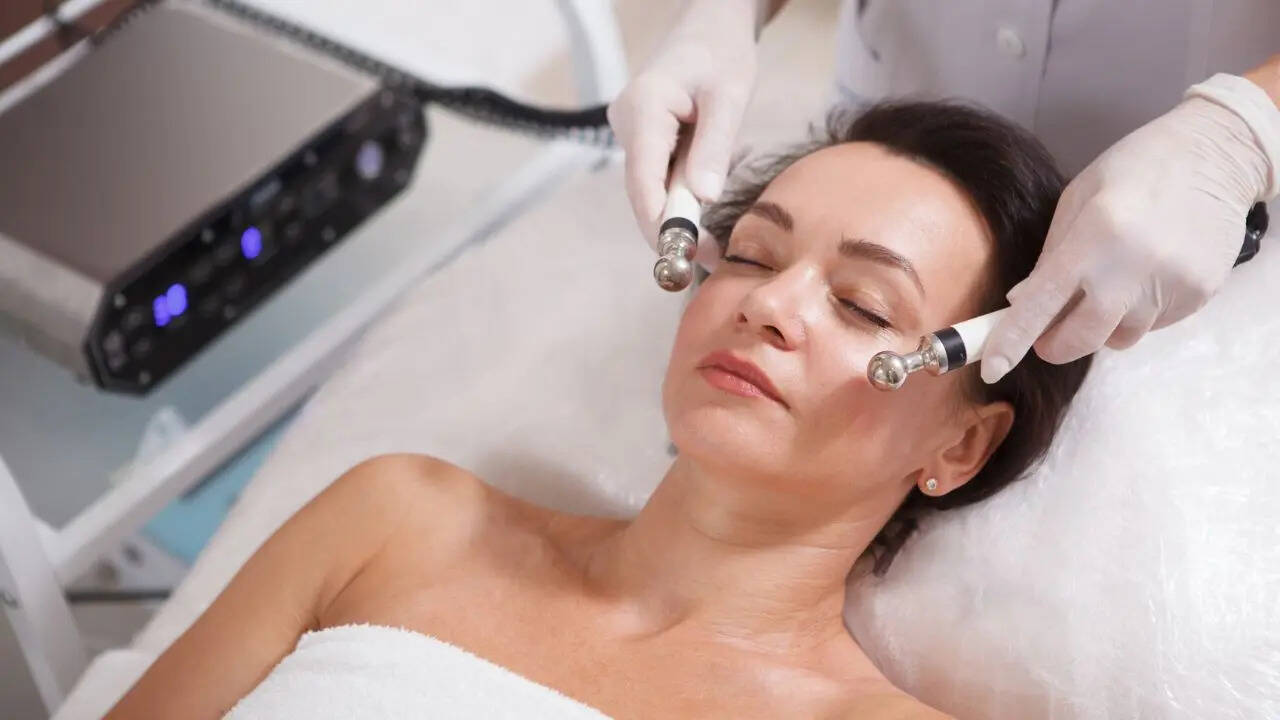
Despite authoring this newsletter, I’m not immune to wellness fads. I covet glass skin like any other vain 30-something afraid of the harsh ravages of time. I’ve bought the stupid TikTok skincare wand that influencers said was “clinically proven” and that Hailey Bieber uses. I reviewed its clinical studies on electroporation — microcurrents that supposedly tear tiny holes in your skin to help products absorb better — and knew it was dubious (if relatively harmless).

Which is to say, I knew it was a red flag when I heard an influencer in a Rejuran ad say the product was “clinically proven,” but I bought a bottle anyway. I’ve used two bottles of Rejuran’s topical ampoule and other skincare products marketing hot new ingredients like volufiline, because that’s the power of science-adjacent wellness marketing. (Volufiline is a new plant-based compound that’s marketed as “topical filler” because it stimulates fat cell production.)

Still, if you truly could replicate injectable results in an easily accessible serum — that’s a compelling claim. So I asked Fu if any of the claims about topical PDRN being as effective as injected skincare treatments held water.

“There’s some early research supporting PDRN in medical and aesthetic procedures, but evidence for topical PDRN is still very limited,” says Fu. “A serum cannot be a non-invasive substitute for an injectable procedure.”

The reason is straightforward. Even if there’s evidence that PDRN itself could be an effective ingredient, the mode of delivery matters.

“Injectable treatments deliver material directly into skin tissue at concentrations and depths topical products simply won’t be able to achieve,” says Fu.

But silly things like facts aren’t enough to stop skincare brands from jumping on experimental fads so long as they’re not technically harmful.

Just the other day, I was served a video from megaviral beauty influencer Mikayla Nogueira announcing to her 17 million followers that she’s launching a salmon-derived PDRN face ampoule and eye serum for her own cosmetics line.

“A science-backed duo powered by PDRN that is going to lift, firm, plump your skin plus so much more. Not to mention these products are made in Korea, dermatologist tested, clinically tested, and proven to do exactly what they say they’re going to do,” Nogueira says in the ad. She goes on to say that she worked with Korean cosmetics chemists, and uses phrases like “low molecular weight” and “efficacious” levels.

I have no doubt Nogueira believes in PDRN products. But as I wrote in a recent Optimizer, “clinically tested” and “science-backed” are marketing phrases that don’t always mean what you think.

Meanwhile, other brands are advertising less icky versions of PDRN derived from plants. There are ginseng-derived PDRN products on the market, like the VT Cosmetics PDRN Essence 100, and the Medicube PDRN Pink Peptide Serum derived from roses. Supposedly, these brands would have you believe plant-based PDRN is just as effective and a vegan alternative.

“PDRN source, purity, molecular size, and stabilization all matter,” says Fu. “‘Plant-based PDRN’ is a bit of a marketing gray area. It may be DNA fragments, but it’s not automatically equivalent to the clinical material studied in medical literature. Two products can list PDRN and behave very differently. The good news is we are seeing more studies come out on these plant PDRNs, so hopefully we can better gauge these different sources soon.”

Fu says all things considered, PDRN is a “relatively vanilla” skincare active that’s unlikely to irritate your skin and is fine for curious skincare hobbyists to experiment with. But that also means it’s not a foundational part of any skincare routine. Things like sunscreen, moisturizers, and well-studied actives like retinoids are more likely to do the heavy lifting in any regimen. Like most things in the wellness space, the main harm that PDRN poses is to your wallet. Fu says that consistency and patience are the key to getting real, long-term results. (Unfortunately, these are also the two things most consumers would like to bypass.)

“Social media has made it possible for consumers to hear from industry insiders like ourselves,” Fu says, referring to herself and her partner, Gloria Lu. In addition to running their own cosmetics brand, the two chemists also write a skincare science education blog and host a podcast. “But the flip side is that consumers will also hear a LOT of noise and contradicting information from all sorts of directions.”

Fu says the smart thing to do is look at any testing a brand is willing to share and look for quantifiable grading metrics over consumer perception. As in, “34 percent improvement in elasticity” is a more meaningful claim than “90 percent of users agree they saw an improvement in skin hydration in two weeks.” Before and after pictures, she says, can also be misleading due to inconsistent lighting or face angles. If a claim sounds too good to be true, it likely is.

“We try to remind everyone to refrain from a ‘knee-jerk’ reaction and not to let the trends distract you from sticking to the fundamentals of your routine,” says Fu.

Having spent the past three months slathering a salmon sperm serum on my face, I honestly couldn’t tell you if it’s improved my skin. Maybe it’s a smidge glowier. I think it helped with one stubborn acne scar. I knew that I wouldn’t see dramatic results going in, just as I knew that the trendy volufiline serums that skinfluencers claim are “filler in a bottle” wouldn’t fix my undereyes. Is it egregious that I know better and still partook? Maybe. But to Fu’s point, I’m religious about the fundamentals — sunscreen, moisturizer, and as of recently, tretinoin, which I incorporated after consulting my dermatologist. The point is that I’ve done my homework and made an informed choice.

It just so happened that this time, I thought experimenting with salmon jizz serums was harmless fun.

Follow topics and authors from this story to see more like this in your personalized homepage feed and to receive email updates.

  • Close

    Victoria Song

    Senior Reviewer, Wearable Tech

    Posts from this author will be added to your daily email digest and your homepage feed.

    FollowFollow

    See All by Victoria Song

  • ColumnClose

    Column

    Posts from this topic will be added to your daily email digest and your homepage feed.

    FollowFollow

    See All Column

  • HealthClose

    Health

    Posts from this topic will be added to your daily email digest and your homepage feed.

    FollowFollow

    See All Health

  • OptimizerClose

    Optimizer

    Posts from this topic will be added to your daily email digest and your homepage feed.

    FollowFollow

    See All Optimizer

  • ScienceClose

    Science

    Posts from this topic will be added to your daily email digest and your homepage feed.

    FollowFollow

    See All Science

Tags: , , , , , , ,
Operators around the world are prioritising in-room wellness

Operators around the world are prioritising in-room wellness

A raft of operators have been in touch with Spa Business recently, to tell us how they are extending the spa experience by introducing in-room wellness offerings, such supercharged wellness mini-bar menus.

From self-guided facial treatment videos, skincare in minibars and rented equipment, hotels around the world are finding new ways to improve the guest experience and create revenue.

This is not to say heavily salted nuts and a sugar-laden drink have disappeared entirely from mini-bars, but operators are definitely being more imaginative in how they maximise wellness spending.

Early adopters, known for introducing in-room wellness features, include Kerzner International’s SIRO hotel brand, which offers fitness equipment, workout videos and various bedding options for optimum sleeping conditions. 

Newer offerings are moving beyond on-demand fitness videos by boosting in-room recovery and wellness rituals.

Recovery

Casa Palmero at Pebble Beach, a 24-key resort in California, US, has launched a wellness mini bar menu of rentable recovery products.

Available to borrow for 24 hours at a time, equipment on the menu is by Hyperice, including the brand’s Normatec leg compression boots, the Venom 2 heat and massage wraps, the Hypervolt 2 percussion massager and the Hyperice X contrast therapy devices for knees and shoulders.

The menu also offers access to infrared and PEMF therapies in the form of sauna blankets and infrared mats by HigherDOSE.

Additional sleep-supporting products are available, such as melatonin-infused teas, CBD soaks and gummies, plus eye masks and socks by luxury lifestyle brand Kashwére.

Hyatt property, Alila Marea Beach Resort in Encinitas, US, has also recently introduced molecular hydrogen water bottles, light masks and supplement drops in partnership with rejuvenation technology company Lumati. 

The 130-key resort’s Spa Alila added Lumati’s Recharge Portal to one of its treatment rooms recently, offering short, stackable longevity treatments and the in-room extras are seen as a way to extend the experience for busy guests.

Skincare and fragrance

Darko Vasic, regional spa and wellness director for EMEA at Karisma Hotels and Resorts, spoke about adding skincare products to minibars at the Wellness Hospitality Conference in Milan, Italy, at the end of last year.

He said adding 111Skin eye patches and products by fragrance manufacturer Amouage to mini bars at properties in Karisma’s portfolio – along with a retail upselling strategy – has generated sales.

Another example is Low Wood Bay Resort and Spa in the UK’s Lake District, which has extended its ESPA-branded spa experience into guestrooms during spa-break stays worth £340 (US$432, €398) per person, per night. 

The property has recorded a video of the spa’s head therapist, guiding guests in a facial ritual, called The Guided Glow. The three-minute and thirty-second video is accessible by a QR code found in the room and is accompanied by travel-sized ESPA products. 

Annabel Berry, product development and training manager for Low Wood Bay’s owning and operating company, English Lakes, told Spa Business: “The Guided Glow has been introduced as a way to extend the spa experience beyond our treatment rooms and into the quiet comfort of our guests’ own space. 

“We wanted to create a calming ritual that helps guests slow down, settle in, and begin their wellness journey the moment they arrive,” added Berry. “By introducing this simple five‑step guided ritual, we’re encouraging guests to try something new and enjoy a moment of self‑care in the comfort of their room and it offers a gentle introduction to our beautiful ESPA products.”

Tags: , , , ,
Ramadan 2026: Skincare mistakes to avoid while fasting, experts advise

Ramadan 2026: Skincare mistakes to avoid while fasting, experts advise

Between long fasting hours, late nights, and packed iftar plans, Ramadan often brings a shift not just in routine, but in how your skin looks and feels. Dryness, dullness, chapped lips, dark circles, puffiness, and increased sensitivity are common concerns that arise as sleep patterns change and daytime hydration levels decrease.

While these changes are normal, dermatologists and skincare experts noted that a few everyday habits can exacerbate them. The key during Ramadan is not to do more, but to simplify your routine and focus on hydration, gentle care, and protecting the skin barrier.

Dr Malaz Eldirdiry, specialist dermatologist at Burjeel Medical City, Abu Dhabi, explained that reduced fluid intake during the day can affect the skin’s appearance and comfort.

“Dehydration can lead to dryness and dullness, and may worsen conditions like eczema or sensitive skin,” she said. “But when hydration and nutrition are well managed after iftar, fasting itself can have neutral or even positive effects, including better oil balance and, in some cases, improvement in acne.”

Sleep changes also play a role. Skincare professionals note that late nights, early suhoor wake-ups, and fragmented sleep can disrupt the skin’s natural day-night rhythm. During the day, the skin focuses on protection, while at night it shifts into repair mode. When this cycle is disturbed, it can lead to slower healing, lingering inflammation, puffiness, and a tired-looking complexion.

If your skin has been looking a little off this month, here are some common Ramadan skincare mistakes to avoid.

Washing your face too often

It’s tempting to keep cleansing throughout the day to feel fresh, but overwashing can do more harm than good.

“Over cleansing or using harsh soaps can damage the skin barrier, leading to increased dryness, irritation, and even rebound oil production,” Dr. Eldirdiry said. “A gentle cleanser twice a day, morning and night, is usually enough during Ramadan.”

Trying to scrub away dullness

When skin looks tired, the instinct is often to exfoliate more, especially in the final days of Ramadan as Eid approaches.

However, using scrubs, acids, or peels too frequently can weaken the skin barrier and trigger redness, sensitivity, or pigmentation. Instead of chasing instant brightness, experts recommend reducing exfoliation and focusing on hydration to restore the skin’s natural glow.

Using strong activities as usual

Skin tends to be more reactive during Ramadan, which means powerful ingredients may need to be used less often. Retinol, strong exfoliating acids, high strength lightening creams, and alcohol heavy toners can all increase dryness and irritation when the skin is already dehydrated.

Rather than stopping them completely, spacing out their use and monitoring how your skin responds can help prevent flare-ups.

Forgetting barrier repair and hydration

“One of the biggest mistakes is trying to fix dehydration with aggressive treatments instead of supporting the skin barrier,” Dr. Eldirdiry said.

A simple Ramadan routine works best:

·       Gentle cleanser morning and night

·       Hydrating serum with hyaluronic acid or glycerin

·       Moisturiser and sunscreen during the day

·       A richer cream or sleeping mask after iftar

Booking treatments at the wrong time

If you’re planning facials or laser sessions during Ramadan, timing matters. Hydrating facials and gentle treatments are generally well tolerated, but more intensive procedures may feel uncomfortable when the body is dehydrated.

Aesthetic expert Ahmed Nhaban recommends scheduling treatments two to three hours after iftar, once the body has been rehydrated and nourished. Many clinics across the UAE report that evening appointments become the most requested during Ramadan for this reason.

Leaving your Eid prep too late

If you’re planning a pre-Eid glow-up, dermatologists suggest booking early. Clinics typically see a surge in the final weeks of Ramadan, with popular requests including skin boosters, hydrating treatments, laser hair removal, and upper face Botox.

Botox, in particular, should ideally be administered around 10 to 14 days before Eid to allow the full effect to take hold.

When your sleep schedule changes, your skin feels it too

Late nights, early suhoor wake-ups, and broken sleep during Ramadan don’t just affect energy levels; they can also disrupt the skin’s natural rhythm.

According to skincare professionals at Circadia, the globally trusted professional skincare brand rooted in chronobiology and circadian science,the skin follows its own internal clock. During the day, it focuses on protection against environmental stress, while at night it shifts into repair mode, boosting cell turnover, collagen production, and barrier recovery.

When sleep patterns change, this repair phase may be affected, leading to common Ramadan concerns such as dullness, dehydration, puffiness, dark circles, breakouts, and slower healing.

Experts say adjusting skincare to match this shift can help the skin stay balanced, with a focus on protection and hydration during the day and supporting repair in the evening.
Adjust your routine to your Ramadan rhythm

Skincare specialists recommend thinking about your routine in two phases:

After suhoor or early morning

·       Focus on lightweight hydration

·       Use antioxidants such as Vitamin C

·       Always apply sunscreen

·       Choose products that strengthen the skin barrier to reduce moisture loss

After iftar and before sleep

·       This is the best time for richer products and repair focused care

·       Use soothing or barrier-restoring formulas

·       Add targeted eye care to help with puffiness and dark circles

·       Avoid aggressive treatments if the skin feels stressed or sensitised

They also recommend prioritising hydration focused ingredients such as hyaluronic acid and peptides, avoiding over-exfoliation, and choosing gentle, oxygen boosting facials if opting for professional treatments.

Tags: , , , , , ,
Gen Z travellers turning holidays into full-blown skincare adventures

Gen Z travellers turning holidays into full-blown skincare adventures

There was a time when travel meant chasing sunsets, collecting fridge magnets, and pretending you enjoy hiking. Then came digital nomads, coolcations and set-jetting. Now? Enter the Glowmads, the travellers who refuse to board a flight without SPF, a serum, and a solid skincare routine.

Yes, the holiday has had a glow-up.

Image credit : AI generated | Glowmads are proving that the world is best explored with a face mask, a facial, and a carefully curated selfie.

What even is a glowmad?

A Glowmad is a traveller who plans trips around beauty, skincare and wellness rituals. Think less “backpacking through chaos” and more “booking a facial between museum visits.” These are the people turning holidays into full-blown glowcations, where the main souvenir is luminous skin.

Reports suggest that a significant percentage of Gen Z travellers are intentionally seeking beauty treatments and skincare shopping while abroad. Travel is no longer just about escape. It is about elevation. Emotional healing, yes. But also glass skin.

Image credit : AI generated | Much like an offshoot of wellness travel, the trend is based on ultimate glow-up, beauty, skincare, and overall wellness.

Beauty is the itinerary

Glowmad travel is curated. Destinations are chosen for their reputation in beauty and wellness. South Korea for advanced skin clinics. Paris for iconic French pharmacy staples. Kerala for Ayurveda. Tuscany for mineral-rich thermal springs. The vibe is simple: arrive tired, leave transformed.

It is not just about spa robes and cucumber water. It is targeted, tech-forward treatments, spiritual cleansing rituals, and yoga retreats that promise inner peace and outer radiance. Even airports are part of the ritual, with travellers stocking up on duty-free make-up and skincare before take-off.

Image credit : AI generated | This style of travel, dubbed “glowcations, ” emphasises indulging in the best spa retreats, discovering local beauty products, and visiting destinations renowned for transformative wellness rituals.

Skincare at 30,000 feet

The Glowmad does not pause their routine mid-air. Airplane cabins may be dry, but their skin will not be. Travel-sized serums, face mists, sheet masks and SPF-infused moisturisers are now as essential as passports. Hydration is a lifestyle.

Image credit : AI generated | 2026 will see skincare and beauty rituals move beyond social media, influencing travel in many ways for some.

Who is driving it?

Primarily Gen Z and Millennials. Beauty influencers amplify the movement with in-flight routines and “pack with me” videos. Frequent flyers swear by compact, multi-tasking products to survive constant climate shifts.

The question for 2026 is simple. If your suitcase is not half spa kit, are you even travelling?

Tags: , , , , , ,
What is PDRN skincare? The K-beauty trend that promises glass skin

What is PDRN skincare? The K-beauty trend that promises glass skin

Polynucleotides are one of the fastest growing aesthetic treatments of the past half-decade. In fact, according to one report by Two Face Aesthetics, Google Trends has shown a significant increase in searches for the procedure – 1,566% more, to be exact.

Perfectly in line with our continued evolving taste in more natural-looking injectables that boost longevity and skin wellbeing overall (rather than ‘obvious’ enhancements), polynucleotides help with hydration, collagen production, skin repair, and regeneration.

However, as with all injectables, there is a cost associated with these procedures – and they’re not exactly affordable. Considering most patients will require two to three appointments to really reap the rewards from their treatment, the financial implications of signing up to these can often deter beauty fans.

Luckily, you’ve got alternatives if you want to achieve that revered polynucleotides glow. While topical products won’t offer the depth and longevity that injectables can, they are a great place to start, and the rise of PDRN-powered products are proof of this.

Beloved by derms and doctors (and rumoured to be used by celebrities like Kim Kardashian and Jennifer Aniston), this is an ingredient you should take note of if you’re looking to unveil stronger, healthier skin.

What is PDRN and how can it benefit your skin?

PDRN is an acronym for PolyDeoxyRiboNucleotide, which is a DNA fragment typically derived from fish like salmon or trout. It is a form of polynucleotide with a slightly lower molecular weight, and can be used in aesthetic treatments or at-home skincare routines.

“When injected, PDRN stimulates fibroblasts, cells responsible for producing collagen and repairing damaged skin. In skincare it’s gaining popularity for its restorative and soothing effects, even when used in topical form,” explains Dr Christine Hall, Aesthetic Doctor and Korean skincare expert at Taktouk Clinic.

PDRN – which first gained traction and popularity in South Korea – has been hailed for its skin healing and regenerative properties, both in a medical and cosmetic sense.

When used topically as part of your skincare routine, it can do everything from boosting hydration, increasing collagen production (hence, aiding in anti-ageing), brightening, and improving skin tone, texture and resilience.

“It hydrates the skin, reduces inflammation and helps to support the skin’s natural repair processes,” notes Dr Hall. “These effects are particularly valuable for compromised or post-procedure skin where it can aid recovery and improve skin texture and comfort.”

James Devaney//Getty Images

Can PDRN replace polynucleotides treatments?

In short, yes and no. In terms of skin penetration, there’s no contest between injectable absorption of PDRN and topical application, the experts agree. “It won’t penetrate as deeply or work as dramatically as injectables,” says Cosmetic Doctor Dr Raquel Amado.

“Results may take longer and be less pronounced,” when using PDRN skincare, she adds. This is largely due to PDRN’s larger molecular size, meaning it cannot penetrate as deeply when applied at the surface versus injected beneath. However, she says, “while it won’t deliver the same depth of regeneration since it cannot penetrate the skin barrier effectively, it can still offer visible improvements in hydration, calmness and surface repair.”

It therefore “provides a more affordable and non-invasive alternative to injectable treatments,” and is “a worthwhile addition to a skincare routine, particularly for maintaining skin health and supporting recovery.”

In addition, PDRN topical application can be a great complementary skincare addition for those attending Polynucleotides appointments. Together, they can offer the best possible results.

“Polynucleotides (PNs) are longer DNA chains with deep regenerative abilities. PDRN, being a shorter fragment, acts more rapidly and is easier to absorb topically,” explains Dr Amado.

“When combined, PDRN can be used between injectable PN treatments to maintain and enhance effects. It can prep the skin before procedures, improving skin condition and tolerance, and works synergistically to amplify wound healing, hydration, and collagen synthesis.”

Who can use PDRN skincare?

Luckily, PDRN is well-tolerated by most, and because it’s an ingredient that’s used to hydrate and heal skin, it’s relatively gentle. In saying that, there are some who may wish to steer clear of it. For example, due to the fact it is derived from fish like salmon, anyone with a fish allergy will find it not to be suitable. In addition, says Dr Hall, “it may also not be appropriate for vegans, vegetarians, or those with religious or ethical concerns regarding animal-derived ingredients.”

Dr Amado adds that those who are pregnant or breastfeeding, immunocompromised or experiencing severe skin conditions, should always consult a doctor before trying the ingredient.

How to use PDRN in your routine

As PDRN is all about hydration, rejuvenation and healing, it’s best to try a leave-on product like a serum or cream – note too that serums are often the greatest vehicles for delivery as they can penetrate more deeply into the skin due to their make-up of smaller molecule sizes. Korean skincare brands are known for their inclusion of PDRN, making them a great place to start.

Banobagi PDRN Repair Real Balm

Credit: Banobagi

Focused on reparative care for dry, delicate skin, this balm is like a soothing salve for the face.

Medicube Medicube PDRN Pink Peptide Serum

Credit: Medicube

A popular formula that’s both lightweight and non-sticky, Medicube’s serum delivers bouncier skin with better elasticity.

Anua PDRN Hyaluronic Acid Capsule 100 Serum

Credit: Anua

For just £20, you can get in on the salmon sperm trend with this serum, which you can pick up at Boots.

Genabelle PDRN Rejuvenating Cream

Credit: Genabelle

Want something even more hydrating? Genabelle’s cream is suitable for all skin types, and helps with hydration and skin cell regeneration.

Tags: , , , , , ,
Planning A Valentine’s Glow-Up? Read This Before Booking A Cosmetic Treatment | Beauty News

Planning A Valentine’s Glow-Up? Read This Before Booking A Cosmetic Treatment | Beauty News

Last Updated:February 08, 2026, 14:02 IST

From peels to fillers, here’s what to know before booking a pre-Valentine glow-up – timelines, downtime and expert advice for safer outcomes.

While skincare procedures can enhance brightness, texture, or tone, they rarely bring sudden transformation.

The days leading up to Valentine’s Day often come with an urge to refresh – clearer skin, sharper contours, a little extra glow. But when it comes to cosmetic treatments, last-minute bookings rarely deliver last-minute miracles. In fact, the most seamless results come from something far less glamorous: planning.

From lasers and peels to injectables and skin rejuvenation beauty procedures, timing quietly shapes everything – healing, texture, even how natural the final look feels. Rush it, and you risk redness or uneven results. Plan it well, and the change looks effortless.

Start With Realistic Goals

“Timing plays a quiet but vital role behind the scenes. Preparation often shapes outcomes more than expected. While skincare procedures can enhance brightness, texture, or tone, they rarely bring sudden transformation,” says Dr. Gaurav Garg, Consultant Dermatologist and Founder of Dermalife Skin and Hair Clinic, New Delhi. He stresses that cosmetic procedures enhance rather than transform overnight.

That means identifying specific concerns – dullness, fine lines, pigmentation or acne marks, and choosing treatments designed for those targets instead of chasing dramatic changes.

Consultation First, Always

According to Dr. Garg, the most important step happens before any treatment begins: a proper dermatology consultation. Skin behaviour varies widely depending on health history, medications and even daily skincare habits.

“Seeing a licensed dermatologist ensures your skin gets properly evaluated. Results from treatments can vary in timing and effect,” he explains. Discussing recovery periods, side effects and when results will actually peak can help avoid awkward scheduling, especially if you have an event circled on the calendar. Medical details matter more than most people realise. Supplements, blood thinners or certain prescriptions can increase bruising or swelling, extending downtime.

Respect The Recovery Window

Not all procedures fit neatly into a packed social schedule. Some treatments cause only mild redness; others need days or even weeks for the skin to settle. Sun avoidance, barrier-strengthening skincare and gentle routines often begin weeks before the procedure. “Starting mild skincare habits early supports the skin’s protective layer while lowering chances of discomfort later,” says Dr. Garg.

Post-treatment care is equally critical. Sunscreen, hydration and soothing ingredients like ceramides and hyaluronic acid help maintain results, while harsh scrubs and actives should be avoided until healing is complete.

Choose Subtle Over Sudden

For first-timers, experts recommend starting conservatively. Small, gradual tweaks tend to look more natural than aggressive changes close to an important date.

That philosophy extends to injectables, too. “It’s important that you seek an expert injector who can explain the treatment that will aim to provide the best clinical outcome. The reality is the overall facial messages that detract from facial attractiveness and youthfulness to look less tired, look less sad, look less saggy, and look less angry,” says Dr. Satish Bhatia, Board-Certified Dermatologist, MD, FAAD, at the Indian Cancer Society, Mumbai. He notes that patients often ask for dramatic transformations, but the real goal is softer.

In other words, refinement beats reinvention.

The Art Of Looking Like Yourself – Only Better

Great aesthetic work should be almost invisible. As Dr. Bhatia puts it, “The facial treatments are focused to produce a balanced and harmonious outcome, both at rest and dynamic movements of the face.” That harmony takes time, skill and thoughtful scheduling.

When planned early, cosmetic treatments can quietly elevate your look without the tell-tale signs of last-minute intervention. Because the best Valentine’s glow isn’t dramatic – it’s confident, natural and entirely your own.

Handpicked stories, in your inbox

A newsletter with the best of our journalism

submit

Location :

Delhi, India, India

First Published:

February 08, 2026, 14:02 IST

News lifestyle beauty Planning A Valentine’s Glow-Up? Read This Before Booking A Cosmetic TreatmentDisclaimer: Comments reflect users’ views, not News18’s. Please keep discussions respectful and constructive. Abusive, defamatory, or illegal comments will be removed. News18 may disable any comment at its discretion. By posting, you agree to our Terms of Use and Privacy Policy.

Tags: , , , , , , , ,
Daily Mirror

Best PDRN products as dermatologists explain science behind ‘salmon DNA’ skincare

PDRN is the trending K-beauty skincare ingredient that dermatologists say supports skin repair and hydration – here are the best products to try in 2026

PDRN is a skincare ingredient skyrocketing in popularity this year(Image: Getty)

Every few years there seems to be a new hero skincare ingredient to incorporate into our routines. Hyaluronic acid has been universally revered for its hydration properties, vitamin C has earned essential status for its glow-giving abilities, while retinol is a must for anti-ageing focused evening routines. Now, as we head into 2026, PDRN is taking centre stage – but what exactly is it and how should we be using it?

Already a staple in medical aesthetics and K-beauty, which has dominated social media and beauty aisles over the last 12 months, PDRN is being hailed as the next generation of barrier-first, recovery-led skincare. As such, skincare fans are likely to start seeing it crop up a lot more in high-street launches in the coming months, with many formulas relying on the ingredient to deliver bouncy, hydrated and protected skin.

I asked dermatologists for the low down on the latest skincare essential, and have hunted down some of the top products starring the ingredient available now, perfect for anyone wanting a skincare refresh. I’ve even been using one of them myself for the last couple of weeks, and I’ve already noticed a difference in my complexion.

READ MORE:

What Is PDRN?

PDRN stands for polydeoxyribonucleotide, which is a biological compound made up of short DNA fragments. In skincare, it’s most commonly derived from purified salmon DNA, though fermentation-based and vegan alternatives are now emerging.

Dr Ewa Kania, an aesthetic doctor and regenerative skin specialist, explained: “PDRN is a DNA-fragment-derived regenerative ingredient originally developed for medical wound healing. In skin, it signals fibroblasts and other cells to support collagen and elastin synthesis, enhance barrier repair, improve hydration, and reduce low-grade inflammation.”

PDRN is suitable for most skin types, making it a really universally-loved ingredient(Image: Getty)

Consultant Dermatologist Dr Aiza Jamil added that PDRN has long been used in clinical dermatology before making the jump into at-home products. She added: “It acts as a regenerative ingredient that interacts with cellular mechanisms involved in repair and homeostasis. It was originally used in aesthetic and medical dermatology for wound healing, but is now formulated into topical products like serums, creams, ampoules and toners.”

What does PDRN actually do for skin?

Traditional actives like retinols or AHAs that exfoliate and resurface, PDRN works by supporting the skin’s own repair systems.

“PDRN stimulates pathways involved in tissue repair and cellular renewal,” said Dr Aiza Jamil. “It also improves the skin’s hydration through enhancing moisture retention and structural resilience, supporting the skin’s barrier function”

According to the cosmetic dermatologist, the ingredient is believed to ‘help improve elasticity and texture through influence on collagen pathways and fibroblast stimulation’.

Key benefits of using the ingredient topically include improved barrier strength and resilience, enhanced hydration and plumpness, calmer, less inflamed skin and gradual improvements in elasticity and texture.

Dr Ross Perry, Medical Director of Cosmedics Skin Clinics, describes it as a long-game ingredient. “PDRN encourages the skin to repair itself more efficiently. It helps kick-start fibroblast activity – the cells responsible for collagen and elastin – improving skin quality over time rather than offering a short-term cosmetic fix.”

“It’s not about dramatic overnight changes,” Dr Perry noted. “It’s about improving how the skin functions long term.”

Why PDRN is going to be everywhere in 2026

On TikTok, PDRN has gained viral traction thanks to its nickname – “salmon DNA skincare.” The hashtag #PDRN already has 180K posts, while #GlassSkin has surpassed 1.3 million. Searches for K-beauty on TikTok Shop are up 125% in the last six months of 2025, with #kbeauty now the third most-used beauty hashtag in the UK.

The hashtag #PDRN already has more than 180K posts on TikTok

According to Grace Vernon, Head of Boots Ignite, Foresight & Trends, PDRN is firmly on the radar at the health and beauty retailer, too. “As seen in the Boots Beauty & Wellness Trend Report 2026, PDRN is shaping up to be 2026’s buzziest skincare ingredient. It’s a popular aesthetic treatment, where PDRN is injected straight into the skin to improve regeneration—but skincare products offer a more accessible way to get the benefits (and a lot less painful!).”

“The shift toward ‘recovery-first’ skincare has driven interest in scientifically grounded actives,” Dr Kania added. “Consumers and brands are moving away from aggressive exfoliation and stripping routines toward barrier-supportive, regenerative ingredients. PDRN bridges clinic and daily care with a strong regenerative narrative.”

“Trends such as regenerative treatments and repair and recovery for our skin barrier has become very popular in the past few years, which PDRN champions, so it’s no wonder it is believed to become a leading skincare trend for 2026,” Dr Jamil agrees. “Repair and regeneration has replaced the ‘anti-ageing’ rhetoric. People are focused on cell turnover, barrier protection and hydration from a younger age.”

So it seems that for those left with sensitive or reactive skin having previously taken a ‘more is more’ approach, PDRN could just be the product to combat that.

Who should be using PDRN – and how?

PDRN works best as a supportive, daily active rather than a once-a-week treatment. It layers easily with retinoids, acids and vitamin C, making it ideal for both morning and nightly use. As part of an am skincare routine, it’s ideal for delivering a hydration boost, while evening use is reportedly most effective, working overnight to support skin regeneration.

As for who can use it, Dr Aiza Jamil suggests it is typically suitable for almost all skin types. She said: “It’s generally quite safe for those with sensitive or acne-prone skin. I would stress that PDRN on its own isn’t a miracle worker, but it’s extremely beneficial for recovery, regeneration and barrier support when included in a routine.”

It’s also important to note that topical products won’t replicate injectable results, but they’re excellent for maintenance, prevention and long-term skin health, especially between in-clinic treatments. Dr Ewa Kania added: “Clinically, PDRN fits post-procedure and sensitive skin protocols beautifully. I emphasise repair, resilience and measured results over hype, which helps set realistic expectations while leveraging its robust biological rationale.”

Top PDRN product picks

The PDRN market in the UK is growing rapidly with K-beauty imports and homegrown launches. Dr Ewa Kania has recommended a number of affordable high street options, ranging for those ideal for post-procedure care, to TikTok favourites.

One of her recommendations is the Dr Reju-All Advanced PDRN Rejuvenating Cream, which is £32.89 at Superdrug. She describes it as ‘excellent for post-procedure repair and barrier support’. Often sold-out at Korean pharmacies, according to Glam Touch, it’s designed for oily, dry, and combination skin types and helps the skin recover from daily environmental stress while restoring hydration, glow, and firmness overnight.

Dr Reju-All Advanced PDRN Rejuvenating Cream(Image: Superdrug)

At LookFantastic, the Anua PDRN Hyaluronic Acid Capsule 100 Serum costs £20 and is said to be a ‘great affordable option for sensitive or retinoid-averse skin’ according to the doctor. Consultant Dermatologist, Dr Aiza Jamil, is also a fan of Anua, in particular their PDRN Hyaluronic Acid 100 Moisturising Cream. She said: “It’s formulated with PDRN and Hyaluronic Acid to give the skin a deep boost of hydration and barrier protection.”

A TikTok favourite, Medicube’s PDRN Pink Peptide Serum has been praised by Dr Kania for ‘balancing hydration, radiance and elasticity’. It costs £24 at Boots, with one shopper commenting: “Amazing! This serum has helped my dry skin so so much! I had one stubborn patch around my nose that no moisturiser has helped, but one week of Salmon PDRN and it’s clearing up.”

Medicube PDRN Pink Peptide Serum 30ml(Image: Boots)

However, another shopper claimed it caused them to break out in blemishes, which goes to show that not every skincare product or ingredient will suit everyone. It’s also worth remembering to complete a patch test when introducing any new product or ingredient into your skincare routine, especially as in some rare cases, those with fish allergies may not find the product suitable for them.

For a vegan alternative, there’s the Yepoda The Skinject Effect, which Dr Kania said is made with’exosomes and microspicule delivery, appealing to ethically minded clients and next-gen regenerative positioning’. With its gentle yet powerful formula, it refines skin over time, stimulates collagen production, and supports the skin’s natural barrier.

My personal favourite, though, is the newly-launched Boots PDRN Serum, which was released in January as part of a capsule skincare range from the brand, which draws influence from K-Beauty. It’s priced at a purse-friendly £8, and is said to leave skin ‘feeling firmer, more supple, and radiant after use’.

Boots own brand PDRN serum is one of the most affordable on the market at £8

I’ve been using the serum daily for two weeks and love its lightweight, non-sticky feel. I’ve already noticed a marked improvement in my skin’s overall appearance, looking healthier, brighter and more glowy – and I’m not the only one.

One Boots shopper has commented: “This serum literally makes me skin glow like crazy! My skin feels so hydrated and soft, it’s my go to serum now. The glow it gives is not greasy or wet either so you glow even under makeup.”

Another added: “I’ve only been testing this product for a week so can’t comment on long term benefits, but I’m impressed so far. My skin feels so hydrated, and it looks super glowy! I would definitely repurchase.”

The bottom line?

PDRN isn’t here to replace products containing the likes of retinol or hyaluronic acid, but slots effortlessly into most skincare routines as an additional boost for skin health and glow. As Dr Perry puts it: “It’s not a miracle ingredient. But as part of a considered skincare plan, it can significantly improve how skin behaves, heals and ages.” And we can expect to see a lot more of it knocking around in 2026, that’s for sure.

Tags: , , , , , , ,
Princeton Medspa Partners ("PMP") Expands Its Portfolio with Acquisition of Allura Skin, Laser & Wellness Clinics

Bio-Xin Cosmeceuticals Announces Expansion of Personalized Skincare Solutions Globally

DHAKA, BD / ACCESS Newswire / February 5, 2026 / Bio-Xin Cosmeceuticals, led by Founder & CEO Muhammad Zahidul Hoque, is set to expand its personalized skincare solutions globally, revolutionizing the industry through science and empowerment.

Revolutionizing Aesthetic Care with Personalized Solutions

Bio-Xin Cosmeceuticals, a leading force in the global skincare and wellness industry, is taking a significant step forward in its mission to revolutionize the skincare experience. The company, founded in 2015 by Muhammad Zahidul Hoque in Bangladesh, has announced its plans for global expansion while continuing its commitment to personalized, science-backed solutions that address individual skin needs. With over 500 employees and a track record of groundbreaking achievements in the aesthetic care industry, Bio-Xin is redefining what skincare can be.

Building on a Vision Rooted in Science and Innovation

The story of Bio-Xin Cosmeceuticals begins with a clear vision from its founder, Muhammad Zahidul Hoque, a biotechnology graduate with a deep passion for healthcare and entrepreneurship. After gaining invaluable experience in the pharmaceutical sector, Hoque recognized a critical gap in the Bangladeshi market for scientifically advanced, personalized skincare solutions. Armed with a commitment to innovation, Hoque founded Bio-Xin with the goal of blending biotechnology, personalized care, and human-centered design to offer products and services that truly resonate with customers.

“I didn’t just want to create another skincare brand; I wanted to create a movement,” said Muhammad Zahidul Hoque, Founder & CEO of Bio-Xin Cosmeceuticals. “By using science, we empower people to feel confident in their own skin.”

The Bio-Xin Approach: Science Meets Personalization

What sets Bio-Xin Cosmeceuticals apart is its unique approach to skincare. Rather than offering one-size-fits-all solutions, Bio-Xin focuses on a personalized, integrated care model that combines biotechnology, wellness, and aesthetic treatments under one roof. The company offers customized skincare and wellness programs based on individual skin biology, lifestyle, and specific concerns, ensuring each client receives effective and tailored treatments.

“Personalization is the future of skincare. Every individual’s skin is unique, and our solutions are designed to respect that uniqueness,” said Hoque. This approach has made Bio-Xin a leader in the industry and garnered attention for its ability to deliver effective, long-term results for diverse skin types and needs.

Women Empowerment and Social Impact

Bio-Xin’s success extends beyond the realm of skincare. The brand has been a catalyst for social change, especially in its commitment to women empowerment. With more than 83% of its workforce being women, Bio-Xin has created meaningful employment opportunities and fostered an inclusive, growth-driven environment. The company’s focus on leadership development and social impact has made it a pioneer in promoting gender equality within the business landscape.

As the company scales to meet global demand, it remains deeply committed to upholding its values of inclusivity and social responsibility. Bio-Xin is not just a brand; it’s a platform for change that inspires individuals to embrace their unique beauty while contributing positively to society.

Recognized Excellence and Global Expansion

The growth and recognition of Bio-Xin Cosmeceuticals have been remarkable. The company’s dedication to excellence has earned it numerous accolades, including the “Most Innovative Cosmeceuticals Brand in Bangladesh” at the Global Brand Awards 2025 and the “Top Brands of the Year 2025” by The Enterprise World. These honors, coupled with the success of its founder, Muhammad Zahidul Hoque, who was named “Entrepreneur of the Year 2023” by CEO Review Magazine, position Bio-Xin for continued success both locally and internationally.

Bio-Xin’s international expansion is already underway, as the company looks to bring its cutting-edge skincare solutions to new markets while staying true to its roots of innovation and quality. The vision for Bio-Xin’s future is ambitious, but with strong leadership, a commitment to sustainable growth, and a people-first approach, the brand is poised to make a lasting impact globally.

A Purpose-Driven Brand

At its core, Bio-Xin Cosmeceuticals is driven by purpose. It is not merely about skincare; it is about making a difference in people’s lives. With a focus on long-term skin health and empowering individuals to embrace their natural beauty, Bio-Xin is setting new benchmarks for the industry. Through its global expansion and unwavering commitment to its founding principles, Bio-Xin is reshaping the future of skincare and wellness.

“Bangladesh has the talent, ambition, and capability to build global brands. Bio-Xin is our contribution to proving that vision,” said Hoque. The brand is setting its sights on making a difference in the global market while remaining rooted in the values that have propelled its success.

About Bio-Xin Cosmeceuticals

Bio-Xin Cosmeceuticals was founded in 2015 by Muhammad Zahidul Hoque with a vision to transform skincare and wellness through science-driven, personalized solutions. A leader in the aesthetic care and cosmeceuticals industry, Bio-Xin combines biotechnology, innovative treatments, and a people-first culture to offer clients customized skincare programs designed for long-term health and beauty. With a workforce that is 83% women, Bio-Xin is also committed to promoting women empowerment and creating positive social impact. As the company expands internationally, Bio-Xin continues to build on its mission to redefine the global skincare landscape.

Media Contact:
Muhammad Zahidul Hoque
Founder & CEO
Bio-Xin Cosmeceuticals
Email: [email protected]
Website: www.bioxin.com
Facebook: Bio-Xin Cosmeceuticals
Instagram: @bioxin_cosmeceuticals
LinkedIn: Bio-Xin Cosmeceuticals
YouTube: Bio-Xin Cosmeceuticals
TikTok: @bioxincosmeceuticals
X: @Bioxinhq

SOURCE: Bio-Xin Cosmeceuticals

View the original press release on ACCESS Newswire

News published on 5 february 2026 at 03:00 and distributed by:

Tags: , , , , , , ,
Find your glow at More Today Skincare and Wellness Studio

Find your glow at More Today Skincare and Wellness Studio

If this winter’s brutal cold and snow have your skin begging for hydration and a glow, there’s never been a better time to find an esthetician near you and finally book that facial you’ve been thinking about.

More Today Skincare and Wellness Studio, located at 38-01 23rd Ave. #316 in Astoria, has just what your skin has been longing for, with customized facial treatments, chemical peels, and more to bring out your best glow, in an environment that feels laid-back and fun, with upbeat music playing in the background and friendly vibes and less generic white robes and spa soundscapes.

“I wanted to create a vibe where skincare doesn’t feel intimidating, starting with the atmosphere of the studio itself,” said Rebecca Velez, More Today’s owner. “We play upbeat music, you come as you are in your comfy clothes, and it’s just like we’re hanging out and taking care of your skin.”

Rebecca Velez is the owner and founder of More Today Skincare and Wellness Studio. Photo credit: Nata Sokolovskaya

Velez, an Astoria local, first worked in the beauty industry as a cosmetics buyer at Macy’s while she also spent time learning about skincare and helping others through founding Levitate Beauty Blog, where she shared her own experiences dealing with acne and learning how to truly care for her skin, and built a following on social media by sharing her journey and skincare tips. Her experiences led her to esthetician school, not only to further her own knowledge but also to learn the best way to help others.

After she earned her esthetician license, she became inspired to open Levitate Beauty and Skin Studio in 2022 in Astoria, continuing to help others find the best skincare routine for them, while making a spa experience feel less intimidating and non-judgmental, especially for those suffering from a range of skin conditions, from acne to rosacea. Most recently, Velez expanded to a new spa space in Astoria in October 2024, where she started a new chapter with More Today Skincare and Wellness. The esthetician now has a team of three estheticians alongside her and has expanded her vision with the new studio. 

“I knew I always wanted to help other people take care of their skin, and one of the biggest issues that I saw as someone dealing with acne is that it felt like spas and makeup counters felt really uncomfortable for me and very intimidating,” said Velez. “So we’re never here to judge your skin, and you always leave with a game plan, because what we do here is important, but also the knowledge that we give you for at home is equally important.”

Velez, treating a client to a customized facial treatment.Photo credit: Nata Sokolovskaya

The skincare studio offers a range of services, including customized all-inclusive facials with a specific number of enhancements based on what the esthetician treating you determines is best to support your skin goals, as well as targeted treatments like dermaplaning, microcurrent, or nano-infusion. Their customized facials include the Level Up, which targets and addresses skin concerns such as breakouts, dark spots, and fine lines. The Ultimate Glow fuses targeted results and relaxation for your best glowing complexion, and the Refresh focuses on healthy skin essentials and maintaining existing results. The studio also offers body treatments, including the Sun and Moon Treatment for the face and back, as well as a Back treatment, customized to your skin goals and concerns.

“We create a game plan for you based on what you filled out in your intake form and what we talked about during our consultation,” said Velez. “Every facial looks a little bit different, because no one’s skin is the same. We incorporate a good amount of Korean skincare treatments because we focus more on starting gentle and working our way up, and the Korean skincare philosophy fits ours very well, where it’s focused on nourishing the skin.”

Photo credit: MC3 Photography

For those looking to turn their esthetician visits into a habit, the skincare studio has monthly facial memberships to keep clients consistent while giving them a discount on products and services, including their Level Up Membership, which offers one 60-minute Level Up facial each month, and 10% off products, additional facials and back treatments, and peels. The Ultimate Glow membership includes one 90-minute Ultimate Glow facial per month and 15% off products, additional facials and back treatments, and peels. 

Photo credit: Nata Sokolovskaya

“We really wanted to create a way to make getting monthly facials feel easy,” said Velez. “A lot of our clients tell us they love it because it keeps them accountable to coming in every month, but it also gives you that space once a month to have that planned self-care time, and you can check in so we can guide you with your skincare routine and keep you on track.” 

For the new year, Velez has been focused on continuing to foster a community at the skincare studio and is planning to host quarterly self-care events, including private events, to help people connect and unwind.

“Self-care looks different for everyone, which is why we’ve created our studio, but it’s also more than just skincare, so we are in the process of hosting birthdays here and hosting self-care nights and special events as well.”

Velez, with a client at her skincare studio. Photo credit: MC3 Photography

For those interested in booking a treatment or want to learn more about the skincare studio, More Today Skincare and Wellness Studio is open 5 days a week, including Wednesdays and Thursdays, from 2-8 p.m., Fridays from 10 a.m. to 5 p.m., Saturdays from 9 a.m. to 5 p.m., and Sundays from 9 a.m. to 4 p.m. Visit their website or follow them at @moretodayskincare.

“We want to give people a space where they can focus on their self-care,” said Velez. “The biggest part of our philosophy is giving people a place where they feel comfortable and get the help that they need without feeling judged or pressured.”

Tags: , , , , ,
Best oLive
Privacy Overview

This website uses cookies so that we can provide you with the best user experience possible. Cookie information is stored in your browser and performs functions such as recognising you when you return to our website and helping our team to understand which sections of the website you find most interesting and useful.