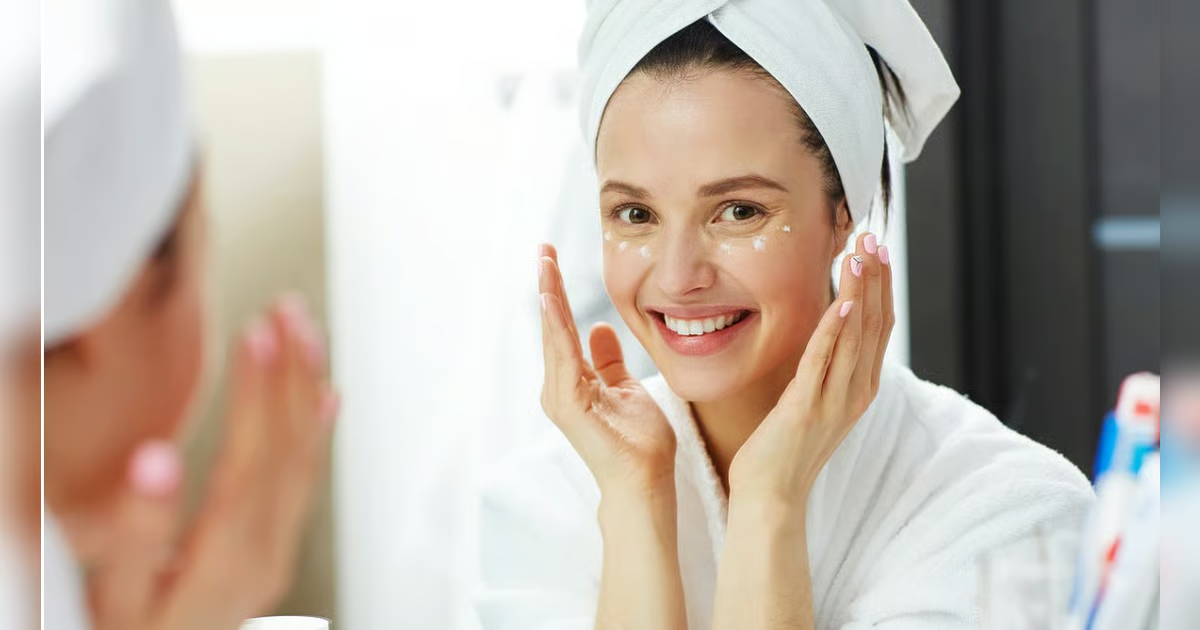
Skin Boosters Market to Surpass USD 3,263.80 Million by 2032, Shows New Analysis on Injectable Skin Rejuvenation and Anti-Aging Trends: MMR Statistics

Skin Boosters Market to Surpass USD 3,263.80 Million by 2032, Shows New Analysis on Injectable Skin Rejuvenation and Anti-Aging Trends: MMR Statistics

PUNE, India, Jan. 28, 2026 /PRNewswire/ — Global Skin Boosters Market size, valued at USD 1492.17 Million in 2025, is projected to reach USD 3,263.80 Million by 2032, growing at a CAGR of 11.58%.

Key Market Trends & Insights from the Skin Boosters Market Report

Skin Boosters Market 2025–2032

Injectable Skin Rejuvenation Treatments Drive Market Growth: The global Skin Boosters Market was valued at USD 1,358.25 Million in 2024 and is projected to reach USD 3,263.80 Million by 2032, growing at a CAGR of 11.58%. Rising adoption of anti-aging skin boosters and non-invasive cosmetic dermatology solutions is fueling market expansion.

Hyaluronic Acid-Based Boosters Lead the Market: HA-based skin boosters dominate due to their proven safety, hydrating properties, and ability to improve skin elasticity and reduce fine lines, driving demand across professional dermatology clinics.

Non-Invasive Aesthetic Procedures Gain Popularity: Consumers increasingly prefer injectable skin rejuvenation treatments over surgical procedures, boosting adoption in urban markets and professional aesthetic clinics.

Get Full PDF Free Sample Copy of Report: (Including Full TOC, List of Tables & Figures, Chart) @ https://www.mmrstatistics.com/reports/045816/skin-booster-market/contact?type=sample

Customized & Advanced Formulations Are Trending: Development of personalized skin booster treatments targeting hydration, elasticity, and overall skin health is becoming a key differentiator for brands and clinics.

Integration with Wellness and Skincare Routines: Combining skin booster injections with holistic skincare regimens and non-invasive cosmetic treatments enhances consumer appeal and brand loyalty.

Digital Marketing and Social Media Influence Adoption: Beauty influencers, online campaigns, and e-commerce availability of professional skin booster treatments are accelerating awareness and adoption globally.

Professional Skin Clinics Expand Market Reach: Growing number of dermatology and aesthetic clinics offering injectable anti-aging skin boosters is increasing access and consumer confidence in non-invasive cosmetic procedures.

Skin Boosters Market Segmentation: How HA-Based Mesotherapy and Injectable Rejuvenation Treatments Are Redefining Facial Anti-Aging

Global Skin Boosters Market thrives on precision and innovation, with HA-based mesotherapy for facial rejuvenation emerging as the most dominant segment. Leading dermatology clinics worldwide are elevating anti-aging treatments for women, delivering visibly hydrated, youthful skin. From under-eye revitalization to full-face rejuvenation, advanced injectable skin rejuvenation treatments are redefining beauty standards, blending science, luxury, and clinical expertise for a new era of non-invasive cosmetic excellence.

Get Insightful Data on Regions, Market Segments, Customer Landscape, and Top Companies (Charts, Tables, Figures and More) – https://www.mmrstatistics.com/reports/045816/skin-booster-market/contact?type=sample

By Type

Mesotherapy

Micro-needle)

By Ingredient Type

HA Boosters

PDRN/PN

Polynucleotides

PLLA

PCL

Exosome-based Boosters

By Application

Face

Neck

Hands

Under-eye

Full-face Rejuvenation

By End User

Dermatology Clinics

Medical Spas

Hospitals

Aesthetic Centres

By Gender & Age Cohort

Women

Men

Skin Boosters Market Innovations: From HA-Based Injectables to Stem Cell & Peptide Rejuvenation Transforming Anti-Aging Treatments

Hyaluronic Acid (HA)-Based Skin Boosters:

  • Injectable HA gels
  • Cross-linked HA formulations
  • Non-cross-linked HA formulations

Peptide-Based Skin Boosters:

  • Anti-aging peptides
  • Collagen-stimulating peptides
  • Growth factor peptides

Vitamin & Antioxidant-Based Skin Boosters:

  • Vitamin C formulations
  • Vitamin E formulations
  • Combination antioxidant boosters

Stem Cell & Biotech-Based Skin Boosters:

  • Plant stem cell-based boosters
  • Human-derived stem cell boosters
  • Exosome-based formulations

Delivery Methods:

  • Intradermal injections
  • Microneedling-assisted boosters
  • Topical boosters

Adjunctive Therapies:

  • PRP (Platelet-Rich Plasma) boosters
  • Combination therapies with dermal fillers
  • Combination therapies with laser or RF treatments

Skin Boosters Market 2025: AbbVie, Galderma, Merz & Teoxane Lead Innovation in HA Injectables and Anti-Aging Rejuvenation

In 2025, AbbVie’s SKINVIVE by JUVÉDERM expanded to 57 global markets, while Galderma showcased new clinical data for Restylane HA injectables and Skinboosters at ASDS 2025. Merz Aesthetics launched an ergonomically redesigned BELOTERO syringe and submitted FDA approvals for HA boosters, and Teoxane advanced its RHA and Redensity 1 formulations with innovative injection techniques, reinforcing leadership in injectable skin rejuvenation and anti-aging treatments worldwide.

Skin Boosters Market 2025: North America Leads, Europe Strengthens, Asia-Pacific Surges in HA Injectable Rejuvenation

North America: Dominating 32.59% of global revenues, North America leads with advanced HA injectable skin rejuvenation hubs, early adoption of anti-ageing treatments, and widespread access to luxury non-invasive aesthetic solutions.

Europe: Supported by robust dermatology infrastructure and CE-certified injectable skin boosters, Europe’s market grows with rising demand for non-invasive facial rejuvenation and precision anti-aging therapies across premium aesthetic clinics.

Asia-Pacific: Rapidly expanding with 24.52% market share, APAC benefits from increasing consumer awareness, dermatology-led injectable skin rejuvenation, and booming med-spa growth, making anti-aging treatments more aspirational and accessible.

Immediate Delivery Available | Buy this Research Report (Insights, Charts, Tables, Figures and More) – https://www.mmrstatistics.com/checkout/reports/045816/contact

Skin Boosters Market, Key Players:

  1. AbbVie, Inc. (Allergan – Juvederm Volite)
  2. Galderma (Restylane Skin boosters)
  3. Merz Pharma (Belotero Revive)
  4. Teoxane (Redensity 1)
  5. Croma Pharma GmbH
  6. Fidia Farmaceutici
  7. IBSA Farmaceutici Italia Srl (Profhilo)
  8. Laboratories Filorga
  9. Revitacare
  10. Skin Tech Pharma Group
  11. Prollenium Medical Technologies
  12. BioScience GmbH
  13. Professional Dietetics (Sunekos)
  14. Aqtis Medical
  15. Anika Therapeutics
  16. Medytox Inc.
  17. Huons Global
  18. Jetema Co., Ltd.
  19. Daewoong Pharmaceutical
  20. LG Chem (Yvoire)
  21. Caregen Co., Ltd.
  22. BioPlus Co., Ltd.
  23. Classys Inc.
  24. Across Co., Ltd. (Dermalax)
  25. DongKook Pharmaceutical

Analyst Perspective:

Analysts observe that the Skin Boosters Market is poised for robust growth as HA-based injectables, peptide, and stem cell innovations reshape non-invasive aesthetic treatments. Rising consumer demand, med-spa expansion, and dermatology-led adoption highlight the sector’s potential. Key players like AbbVie, Galderma, Merz, and Teoxane are driving innovation through product launches, clinical data releases, and strategic expansions, attracting significant investor interest and reinforcing the market’s competitive and lucrative landscape.

Related Reports:

Skin Care Market: https://www.mmrstatistics.com/reports/328845/global-skin-care-market

North America Skin Boosters Market: https://www.mmrstatistics.com/statistics/027881/north-america-skin-boosters-market-yoy-growth

Mesotherapy vs. Micro-Needle: https://www.mmrstatistics.com/statistics/967865/mesotherapy-vs-microneedle-france-skinbooster

Lip Balm Market – https://www.mmrstatistics.com/reports/199401/lip-balm-market

Dry Shampoo Market – https://www.mmrstatistics.com/reports/008184/dry-shampoo-market

FAQs:

1. What is the forecast size of the Global Skin Boosters Market (2025–2032)?

Ans: Global Skin Boosters Market is projected to grow from USD 1,492.17 Million in 2025 to USD 3,263.80 Million by 2032, registering a CAGR of 11.58% during the forecast period.

2. What are the key drivers fueling growth in the Skin Boosters Market?

Ans: Growth is driven by rising adoption of HA-based injectable skin rejuvenation treatments, demand for non-invasive anti-aging procedures, advanced formulations like peptides, stem cell and antioxidant boosters, and increased awareness through digital marketing and aesthetic clinics.

3. Which regions dominate the Global Skin Boosters Market?

Ans: North America leads with 32.59% of global revenues, driven by advanced HA injectable hubs and luxury non-invasive treatments. Europe grows with robust dermatology infrastructure and CE-certified products, while Asia-Pacific expands rapidly (24.52% share) due to consumer awareness, med-spa growth, and dermatologist-led adoption.

About Us :

MMR Statistics (https://www.mmrstatistics.com) has been empowering organizations with data-driven insights since 2015. We deliver industry intelligence, bespoke research, and strategic advisory support tailored to help our clients achieve sustainable growth.

Contact:
Lumawant Godage
Visit Our Web Site : https://www.mmrstatistics.com/
Email: sales@mmrstatistics.com
Phone :+91 9607365656
Global Office :
Navale IT park Phase 3
Pune-Bangalore Highway,
Narhe, Pune, Maharashtra 411041, India

Photo: https://mma.prnewswire.com/media/2871601/Skin_Boosters_Market_2025_2032.jpg

Tags: , , , , , , , , , , , , ,
Beyond Lohri: Winter Skin Wisdom That Keeps Your Glow Alive | Beauty News

Reset Your Skin For 2026: Post-Holiday Skincare Must-Dos | Health and Fitness News

Last Updated:January 28, 2026, 16:51 IST

Post-holiday travel, indulgence and winter weather can damage your skin barrier. A dermatologist shares science-backed skincare tips to repair, rejuvenate, reset your skin for 2026

Post-holiday indulgence meets winter dryness, the right skincare reset can help restore your skin’s glow, strength and balance for the year ahead.

While we love holiday travel, sweet indulgences, and late-night celebrations, these festive habits can quickly take a toll on our complexion. As January sets in, colder temperatures and drier air across India further exacerbate skin concerns, often leaving it dull, dehydrated, and irritated. Issues such as puffiness, breakouts, peeling, and dryness are common during this period and surprisingly, there is a scientific explanation behind this seasonal skin chaos.

Factors like heavy makeup use, long flights, late nights, and alcohol consumption can overwhelm the skin, weakening its barrier and accelerating concerns such as inflammation and premature ageing. With the right approach, however, this damage can be reversed.

Dr Nivedita Dadu, Senior Dermatologist and Founder, Dadu Medical Centre, shares expert-backed steps to help your skin recover and reset for the year ahead.

1. Repair: The First Step to Reversing Damage

Whether you are recovering from travel fatigue or festive excess, restoring the skin barrier is essential. A healthy barrier protects the skin from pollution, UV damage, and moisture loss while keeping pores resilient and balanced.

Start with the basics: gentle cleansing and consistent moisturisation. “Incorporate vitamin C into your morning routine to fade dark spots and stimulate collagen production, which improves skin elasticity,” says Dr Dadu. Beyond brightening, vitamin C strengthens the skin’s structure and enhances its ability to retain moisture. Ingredients such as niacinamide further support the skin barrier, helping reduce irritation while improving texture and tone.

Dermatologists also recommend formulations containing hyaluronic acid and ceramides, as they provide deep hydration and reinforce the skin barrier. Advanced treatments like Profhilo may also be considered, as they stimulate natural collagen production, improving firmness and elasticity while addressing early signs of ageing.

2. Prioritise Quality Over Skincare Trends

The skincare space is saturated with branding and social media noise. New “miracle” products go viral daily, promising instant results that rarely stand the test of time. Allowing trends to dictate your skincare routine without considering your individual skin type often does more harm than good, leading to breakouts and barrier damage.

Healthy skin is not achieved by following the crowd, but by understanding your skin’s biology. For those seeking science-backed alternatives to over-the-counter trial and error, clinical solutions such as Harmony XL PRO offer effective, dermatologist-led care. Suitable for various skin types and ages, the platform addresses concerns like acne, pigmentation, and fine lines in a controlled, evidence-based manner something viral trends simply cannot replicate.

3. Bring Your Skin Back to Life

The post-holiday period often follows weeks of heavy makeup use, late nights, and indulgent meals, all of which can strip the skin of its natural oils and disrupt its protective barrier. This leads to dehydration, dullness, and visible fatigue.

A structured skincare routine is crucial during this phase. Skin rejuvenation treatments can help revive tired skin and restore luminosity. Procedures such as Er:YAG (Erbium Yttrium Aluminium Garnet) laser treatments are designed to support resurfacing, rejuvenation, and scar revision. With consistent care, these advanced treatments can significantly enhance skin radiance and texture.

4. Reset and Repair Through Mindful Eating

Skincare does not stop at topical treatments, it extends to nutrition. Mindful eating involves paying attention to food quality, nutrient intake, and how your body responds to what you consume. Balanced meals rich in fruits, vegetables, protein, and healthy fats help regulate inflammation, improve sleep quality, and reduce binge-eating patterns.

Stress management is equally important, as elevated stress levels often lead to poor dietary choices that negatively impact skin health. Rebuilding your skin after the holidays requires nourishing your body from within, making mindful eating a powerful tool in the reset process.

Great skin isn’t the result of chasing viral products or seasonal trends, it comes from intentional, informed choices. While the market is flooded with tempting new launches, choosing ingredients and treatments backed by science is what truly restores skin health. With the right routine, expert guidance, and consistency, damaged skin can recover its strength, glow, and resilience. Ultimately, the power to reset your skin lies in mindful care, inside and out.

Handpicked stories, in your inbox

A newsletter with the best of our journalism

submit

First Published:

January 28, 2026, 16:51 IST

Disclaimer: Comments reflect users’ views, not News18’s. Please keep discussions respectful and constructive. Abusive, defamatory, or illegal comments will be removed. News18 may disable any comment at its discretion. By posting, you agree to our Terms of Use and Privacy Policy.

Tags: , , , , , , ,
Skin Recode's Dr Danielle Gounder: The move to safety first in skincare

Skin Recode’s Dr Danielle Gounder: The move to safety first in skincare

Every year, a new list of skincare trends is released, offering new tips and tricks to achieve the best skin possible. However, over the last few years, one of these trends has slowly become the gold standard of skincare and aesthetics.

Skin Recode’s Dr Danielle Gounder. Image supplied.

The move to safety first in skincare is now ruling all aspects of skincare — from the products and technology used to the incorporation of informed decision-making.

Skin barrier health was heralded as the champion of 2025, and its impact continues into 2026.

The importance of acknowledging protection as the true essence and function of skin is the foundation for achieving optimal skin performance.

Rebuilding and maintaining the skin’s barrier with protective products and treatments is key to achieving long-term results while providing the building blocks for aesthetic-based practices.

Skin damage

The necessary shift to emphasise safe skincare practices was shaped by a pattern of excessive use of harsh chemicals and invasive quick-fix procedures, which often led to long-term skin damage.

This change in focus is also bolstered by increased consumer awareness of product quality and treatment risks.

However, in an age where information is readily available, consumers are often bombarded with large volumes of skincare advice that is difficult to put into practise.

This not only leads to confusion from conflicting suggestions but also leads to the misuse of products.

It is for this very reason that expert guidance should be at the forefront of safe skincare.

Is capturing the Gen Alpha skincare market worth the potential harm?

  19 hours

The tech boom

AI-assisted technology allows us to individualise product and treatment routines while also incorporating up-to-date strategies.

This initial assessment process also provides us with a space for education.

Clients deserve to be front and centre when making decisions about their skincare routines.

This can only be done if trusted experts have given them the most recent and accurate information.

In that same vein, it is up to us as the chosen experts to engage in continuous learning in our craft.

This ensures that the services and products offered are of the highest quality, efficiency and, most importantly, safety.

With copious new research and advancements in skincare, it is our duty as skincare providers to stay informed and to incorporate these into our services where possible.

Advances in technology have made procedures less invasive, without sacrificing the intended aesthetic effect.

#BizTrends2026 | S&S Aesthetics’ Dr Saumya Gautam: The global rise of regenerative aesthetics

Dr Saumya Gautam  20 Jan 2026

Inclusive skincare

It has also promoted more inclusivity within the aesthetics industry.

This can be seen especially with laser hair removal, which was previously only suitable for certain people matching a select criteria.

By incorporating the latest laser technology, we’ve been able to bridge the gap in the hair removal market and respect the diversity of South African people.

The incorporation of medical-grade skincare extends expert care into the client’s everyday skincare routine while minimising the number of products being used.

Medical-grade products contain therapeutic levels of active ingredients that have been rigorously tested and safely dosed, allowing for deeper penetration within the layers of the skin while supporting barrier strength and cellular renewal.

#BizTrends2026: The trends set to shape beauty and wellness in 2026

Maroefah Smith  21 Jan 2026

Safe spaces

The departure from over-the-counter products is a welcome move, as most of these products target the superficial outer layers of the skin, leading to ineffective skincare.

The effect of skincare on a person’s quality of life cannot be understated.

Many studies have shown that the mind and body work in tandem with each other, with poor body image being linked to negative mental health outcomes.

Increasing accessibility to safe, evidence-based skin care interventions and medically graded products forms the basis of why creating safe skincare spaces is so important.

While skincare trends come and go, good quality, safe skincare is forever.

Tags: , , , , , ,
Beyond Lohri: Winter Skin Wisdom That Keeps Your Glow Alive | Beauty News

Why Treatments Around Skin Barrier Therapy Is Replacing The Instant-Glow Obsession | Beauty News

Last Updated:January 24, 2026, 18:11 IST

This new skin barrier therapy shifts focus from instant glow to healthier, stronger, more balanced skin over time.

Emfusion is redefining professional skincare by repairing and strengthening the skin barrier for lasting results.

For years, professional skincare treatments have prioritised instant radiance – brighter skin, smoother texture, visible glow. But as conversations around sensitivity, barrier damage, and long-term skin health grow louder, a new category of treatments is emerging. Enter EmFusion, a next-generation therapy that places the skin barrier, not surface glow, at the heart of its philosophy.

Launched in India this January at MediGlo Clinic, Gurugram, EmFusion is being positioned as the world’s first dedicated skin barrier therapy, signalling a meaningful shift in how we approach in-clinic skincare. Rather than chasing quick fixes, the treatment focuses on restoring the skin’s foundational strength to protect, hydrate, and heal itself.

The skin barrier is the body’s first line of defence, responsible for locking in moisture while shielding against pollutants, bacteria, and environmental stressors. When compromised, it often leads to dehydration, inflammation, breakouts, sensitivity, and premature ageing.

Emfusion addresses this problem at its root. Unlike traditional facials that work largely on the surface, this treatment targets the barrier itself, helping the skin regain balance and resilience over time. The result is not just improved appearance, but healthier skin function.

At the core of Emfusion is a proprietary multi-modal technology that combines controlled electrical pulses with resonance-based stimulation. This allows active ingredients, including hyaluronic acid and ceramides, to penetrate more effectively without needles or discomfort.

The treatment follows a precise four-step protocol: skin refinement, activation, fusion of actives, and sealing. Each phase is designed to support deeper absorption while reinforcing the skin’s protective structure, delivering visible results without downtime.

Dr Jaspreet Kour, Founder & Medical Director, Mediglo Clinic, Gurugram, explains the idea behind the treatment: “For years, skincare has focused on instant results, often overlooking the skin barrier, which is actually the cornerstone of long-term skin health. With Emfusion, we wanted to change that narrative. This therapy is designed to work with the skin’s natural biology, strengthening its barrier so it can heal, protect, and function optimally on its own. Emfusion is not about a temporary glow; it’s about building resilient, balanced skin that stays healthy over time.”

What sets Emfusion apart is its long-term approach. Clinical outcomes show enhanced hydration levels, improved barrier strength, and clearer skin texture. It is especially beneficial for individuals experiencing chronic sensitivity, dehydration, recurring breakouts, or early signs of ageing.

Completely non-invasive and gentle, this treatment is suitable even for sensitised skin, making it a compelling option for those who find aggressive treatments too harsh.

Handpicked stories, in your inbox

A newsletter with the best of our journalism

submit

Location :

Delhi, India, India

First Published:

January 24, 2026, 18:11 IST

News lifestyle beauty Why Treatments Around Skin Barrier Therapy Is Replacing The Instant-Glow ObsessionDisclaimer: Comments reflect users’ views, not News18’s. Please keep discussions respectful and constructive. Abusive, defamatory, or illegal comments will be removed. News18 may disable any comment at its discretion. By posting, you agree to our Terms of Use and Privacy Policy.

Tags: , , , , , , , ,
LED Light Therapy Marylebone for Sensitive Skin: The Calm, Consistent Approach

LED Light Therapy Marylebone for Sensitive Skin: The Calm, Consistent Approach

Looking for LED light therapy that is practical, non-invasive, and designed for real-world results? This guide focuses on professional treatment with the Dermalux Tri-Wave MD —a medical LED phototherapy system used in structured programmes for skin performance and recovery.

Clients often search for LED light therapy London because they want a treatment that fits into a busy schedule, supports calmer-looking skin, and complements professional skincare. If you are specifically considering LED light therapy Marylebone , consistency and device quality are the two most important factors to prioritise.

Dermalux Tri-Wave MD delivers three clinically utilised wavelengths—blue (415 nm), red (633 nm), and near-infrared (830 nm)—so protocols can be tailored for a range of goals, including supportive programmes for psoriasis, acne, joint pain, skin conditions, eczema, and to speed up healing appearance after skin stress or procedures.

Medical note: LED light therapy is supportive care and is not a substitute for medical diagnosis or treatment. If you have a diagnosed medical skin condition, are pregnant, are photosensitive, or take photosensitising medication, seek clinician advice before treatment.

What LED Light Therapy Is and What It Is Not

LED light therapy is often described as a ‘skin performance’ treatment: it supports the conditions for healthy-looking skin so that your skincare routine and professional treatments can work more effectively. As with any light-based modality, eye protection is used during treatment, and settings are adjusted for comfort and skin sensitivity.

In central London, demand continues to rise because LED sessions are comfortable, quick, and easy to integrate into a weekly routine. As with any light-based modality, eye protection is used during treatment, and settings are adjusted for comfort and skin sensitivity. LED light therapy is often described as a ‘skin performance’ treatment: it supports the conditions for healthy-looking skin so that your skincare routine and professional treatments can work more effectively.

Near-infrared light is also widely used in photobiomodulation-informed approaches for comfort, including programmes that support clients managing joint pain. By combining 415 nm, 633 nm, and 830 nm in a single platform, the Dermalux Tri-Wave MD allows programmes to be tailored for breakouts, redness, recovery, and comfort-focused goals. The Dermalux Tri-Wave MD supports protocol-driven treatment planning because wavelength selection, coverage, and dose consistency are controlled by the practitioner.

For clients seeking LED light therapy London options, our Marylebone setting makes it easy to stay consistent with a course. In practice, that consistency is what allows LED light therapy Marylebone programmes to deliver dependable, incremental improvement.

Why We Use Dermalux Tri-Wave MD

LED light therapy is often described as a ‘skin performance’ treatment: it supports the conditions for healthy-looking skin so that your skincare routine and professional treatments can work more effectively. Marylebone is a convenient location for ongoing care, which matters because regular sessions are where LED light therapy tends to deliver its best, most measurable benefits.

In central London, demand continues to rise because LED sessions are comfortable, quick, and easy to integrate into a weekly routine. Dermalux protocols are commonly discussed for a range of skin conditions, including supportive care for psoriasis and eczema-prone skin, where calming and barrier support are priorities. Whether your priority is clearer skin, calmer redness, or faster-looking recovery, a structured LED programme provides a practical, low-disruption option.

For many clients, LED light therapy London appointments are a straightforward addition to a lunch break, with no downtime and minimal aftercare requirements. In central London, demand continues to rise because LED sessions are comfortable, quick, and easy to integrate into a weekly routine. Marylebone is a convenient location for ongoing care, which matters because regular sessions are where LED light therapy tends to deliver its best, most measurable benefits.

For clients seeking LED light therapy London options, our Marylebone setting makes it easy to stay consistent with a course. In practice, that consistency is what allows LED light therapy Marylebone programmes to deliver dependable, incremental improvement.

Benefits You Can Expect Over a Course

LED light therapy has become a cornerstone of modern, non-invasive skin care because it supports the skin’s natural repair and calming pathways without heat, needles, or downtime. Whether your priority is clearer skin, calmer redness, or faster-looking recovery, a structured LED programme provides a practical, low-disruption option.

LED light therapy is often described as a ‘skin performance’ treatment: it supports the conditions for healthy-looking skin so that your skincare routine and professional treatments can work more effectively. LED light therapy is generally well tolerated, but suitability should be assessed if you are photosensitive, taking photosensitising medication, or managing a medical skin condition under clinician care. LED therapy is supportive care and is not a substitute for medical diagnosis or treatment; if you have persistent symptoms, consult a qualified healthcare professional.

A common approach is weekly sessions for several weeks followed by maintenance sessions that match your lifestyle, triggers, and seasonal changes. LED light therapy is often described as a ‘skin performance’ treatment: it supports the conditions for healthy-looking skin so that your skincare routine and professional treatments can work more effectively. LED light therapy is often described as a ‘skin performance’ treatment: it supports the conditions for healthy-looking skin so that your skincare routine and professional treatments can work more effectively.

For clients seeking LED light therapy London options, our Marylebone setting makes it easy to stay consistent with a course. In practice, that consistency is what allows LED light therapy Marylebone programmes to deliver dependable, incremental improvement.

Conditions We Commonly Support

LED light therapy Marylebone is particularly popular for clients who want a calm, professional environment and a consistent plan that can be maintained year-round. The most effective results usually come from a personalised course, tracked over time, with maintenance sessions to keep the skin calm and resilient.

Most programmes work best as a course rather than a one-off session; consistency is the factor that typically separates ‘nice’ results from noticeable change. Whether your priority is clearer skin, calmer redness, or faster-looking recovery, a structured LED programme provides a practical, low-disruption option. Our clinic uses the Dermalux Tri-Wave MD, a professional LED phototherapy system that delivers clinically utilised wavelengths: blue (415 nm), red (633 nm), and near-infrared (830 nm).

For clients looking for consistent results in a time-efficient format, LED light therapy is one of the most practical in-clinic options available today. Because LED therapy is non-thermal and gentle, it is commonly used to support recovery after professional treatments and to reduce the look of post-treatment redness. LED light therapy Marylebone is particularly popular for clients who want a calm, professional environment and a consistent plan that can be maintained year-round.

For clients seeking LED light therapy London options, our Marylebone setting makes it easy to stay consistent with a course. In practice, that consistency is what allows LED light therapy Marylebone programmes to deliver dependable, incremental improvement.

How to Plan Your Course in London and Marylebone

The Dermalux Tri-Wave MD supports protocol-driven treatment planning because wavelength selection, coverage, and dose consistency are controlled by the practitioner. If you want a plan that is gentle, evidence-informed, and designed for real life, an in-clinic course with Dermalux Tri-Wave MD is an excellent place to start.

If you want a plan that is gentle, evidence-informed, and designed for real life, an in-clinic course with Dermalux Tri-Wave MD is an excellent place to start. The most effective results usually come from a personalised course, tracked over time, with maintenance sessions to keep the skin calm and resilient. LED therapy is frequently chosen to speed up healing appearance after procedures and during periods when the skin feels stressed or reactive.

When delivered with a medical-grade device and a structured plan, LED light therapy can be a highly dependable way to improve the look and feel of the skin over time. LED light therapy is generally well tolerated, but suitability should be assessed if you are photosensitive, taking photosensitising medication, or managing a medical skin condition under clinician care. Near-infrared light is also widely used in photobiomodulation-informed approaches for comfort, including programmes that support clients managing joint pain.

For clients seeking LED light therapy London options, our Marylebone setting makes it easy to stay consistent with a course. In practice, that consistency is what allows LED light therapy Marylebone programmes to deliver dependable, incremental improvement.

Safety, FAQs, and Realistic Outcomes

For clients looking for consistent results in a time-efficient format, LED light therapy is one of the most practical in-clinic options available today. Our clinic uses the Dermalux Tri-Wave MD, a professional LED phototherapy system that delivers clinically utilised wavelengths: blue (415 nm), red (633 nm), and near-infrared (830 nm).

Near-infrared light is also widely used in photobiomodulation-informed approaches for comfort, including programmes that support clients managing joint pain. Our clinic uses the Dermalux Tri-Wave MD, a professional LED phototherapy system that delivers clinically utilised wavelengths: blue (415 nm), red (633 nm), and near-infrared (830 nm). By combining 415 nm, 633 nm, and 830 nm in a single platform, the Dermalux Tri-Wave MD allows programmes to be tailored for breakouts, redness, recovery, and comfort-focused goals.

In central London, demand continues to rise because LED sessions are comfortable, quick, and easy to integrate into a weekly routine. Dermalux protocols are commonly discussed for a range of skin conditions, including supportive care for psoriasis and eczema-prone skin, where calming and barrier support are priorities. LED light therapy is often described as a ‘skin performance’ treatment: it supports the conditions for healthy-looking skin so that your skincare routine and professional treatments can work more effectively.

For clients seeking LED light therapy London options, our Marylebone setting makes it easy to stay consistent with a course. In practice, that consistency is what allows LED light therapy Marylebone programmes to deliver dependable, incremental improvement.

Conclusion: A Positive, Practical Approach

When delivered with the Dermalux Tri-Wave MD and a course-based plan, LED light therapy can be a reliable, low-disruption way to support calmer, clearer, more resilient-looking skin. Whether your focus is acne clarity, psoriasis or eczema-prone comfort support, visible recovery to speed up healing, or comfort-focused support for joint pain, the key is a personalised protocol and consistent attendance.

If you are comparing options for LED light therapy London , choose a provider who explains wavelength selection, course timing, and realistic outcomes. For many clients, LED light therapy Marylebone is ideal because it supports ongoing consistency—often the single biggest driver of results.

Medical note: LED light therapy is supportive care and is not a substitute for medical diagnosis or treatment. If you have a diagnosed medical skin condition, are pregnant, are photosensitive, or take photosensitising medication, seek clinician advice before treatment.

Additional Notes on Post-Treatment Recovery

LED therapy is frequently chosen to speed up healing appearance after procedures and during periods when the skin feels stressed or reactive. LED therapy is frequently chosen to speed up healing appearance after procedures and during periods when the skin feels stressed or reactive. The Dermalux Tri-Wave MD supports protocol-driven treatment planning because wavelength selection, coverage, and dose consistency are controlled by the practitioner. In practice, we track progress with simple markers such as reduced flare frequency, calmer baseline redness, and faster-looking recovery after skin stressors. This makes it easier to adjust the plan thoughtfully rather than guessing. Because LED is gentle, it is well suited to modern ‘less but better’ skincare routines, where consistency and barrier respect are prioritised over frequent product switching.

Additional Notes on Post-Treatment Recovery

The Dermalux Tri-Wave MD supports protocol-driven treatment planning because wavelength selection, coverage, and dose consistency are controlled by the practitioner. Dermalux protocols are commonly discussed for a range of skin conditions, including supportive care for psoriasis and eczema-prone skin, where calming and barrier support are priorities. Most programmes work best as a course rather than a one-off session; consistency is the factor that typically separates ‘nice’ results from noticeable change. In practice, we track progress with simple markers such as reduced flare frequency, calmer baseline redness, and faster-looking recovery after skin stressors. This makes it easier to adjust the plan thoughtfully rather than guessing. Because LED is gentle, it is well suited to modern ‘less but better’ skincare routines, where consistency and barrier respect are prioritised over frequent product switching.

Tags: , , , , , , , ,
Roots and Leaves Announces Expansion into Ethical Wellness with Radical Transparency

Roots and Leaves Announces Expansion into Ethical Wellness with Radical Transparency

Roots and Leaves: A Wellness Brand Built on Integrity and Healing

Roots and Leaves, a woman-owned, herbalist-founded wellness brand based in Aiken, South Carolina, is redefining clean living by offering transparent, non-toxic products that support families’ health without compromise. Founded in 2017 by Haley Maness, the brand emerged from a personal health crisis and is now one of the leading names in the non-toxic wellness industry. With a mission rooted in integrity, transparency, and ethical production, Roots and Leaves creates handcrafted, small-batch products that prioritize family safety and environmental consciousness.

Haley Maness’s journey began when she was diagnosed with chronic Lyme disease, a health crisis that prompted her to reevaluate everything she put into and on her body. Frustrated by confusing ingredient lists and products that promised wellness but were loaded with harmful toxins, Haley started formulating her own herbal remedies and body care solutions. This personal healing journey turned into a passion to help others make more informed choices about the products they use every day.

Today, Roots and Leaves offers an array of wellness products including elderberry remedies, magnesium body care, tallow-based skincare, probiotic haircare, and clean skincare essentials. Each product is made in small batches, formulated in-house, and free from synthetic fragrances, fillers, harsh preservatives, or unnecessary additives. The company’s guiding philosophy is simple: if it’s not good enough for our own families, it doesn’t make it into a jar.

A Health Crisis Transformed Into a Purpose-Driven Brand

The story behind Roots and Leaves is one of resilience and healing. Haley Maness’s struggle with Lyme disease forced her to confront the reality of the wellness industry—many so-called “clean” products still contained questionable ingredients. “After battling chronic Lyme disease, I realized that ‘clean’ often doesn’t mean safe,” says Haley. “I wasn’t willing to compromise when it came to my family’s health.” This realization became the foundation for Roots and Leaves, where the mission is to offer products that are genuinely non-toxic, transparent, and family-safe.

Roots and Leaves stands out in the wellness space for its dedication to true integrity. While many wellness brands focus on scale and trends, Roots and Leaves has intentionally chosen slow growth and a commitment to quality over quantity. All products are hand-crafted, manufactured in small batches, and packaged by a local team of women and stay-at-home moms in South Carolina, emphasizing the importance of community impact and ethical production.

Roots and Leaves: Standing Against Greenwashing

One of the key differentiators of Roots and Leaves is its refusal to participate in greenwashing. In an industry where many companies claim to be “clean” without being transparent about their ingredient sourcing, Roots and Leaves stands firm in its commitment to provide products that are not only safe but also hold themselves to the highest standards. “If I wouldn’t use an ingredient on my own children, it doesn’t go into our products,” explains Haley. This strict family-first ingredient policy ensures that every product is both effective and truly non-toxic, setting Roots and Leaves apart from many competitors who may cut corners for the sake of convenience or cost.

Unlike many brands that rely on generic or trend-driven formulations, Roots and Leaves takes a deeply hands-on approach to product development — from ingredient sourcing to final standards — preserving the integrity of each product from start to finish. The brand also deliberately chooses not to sell on mass marketplaces, opting instead to partner with retailers and platforms that align with their values. This careful approach to growth has allowed the brand to remain deeply connected to its mission and to build a loyal customer base based on trust and authenticity.

Roots and Leaves Earns Prestigious Recognition: Best Non-Toxic Wellness Brand for Families

Roots and Leaves has recently been honored as the Best Non-Toxic Wellness Brand for Families in the U.S. for 2026 by Best Of Best Review. This prestigious award recognizes the brand’s unwavering commitment to ingredient integrity, transparency, and ethical production in the wellness industry. As noted by the awarding committee, the recognition is grounded in the brand’s lived experience and steadfast dedication to providing families with non-toxic wellness solutions.

Haley Maness founded Roots and Leaves after battling chronic Lyme disease, creating safe, chemical-free products for her family. The brand prioritizes family wellness with transparency and ethical production. Focused on small-batch quality, it has earned trust across the country for its integrity and commitment to non-toxic wellness.

Commitment to Community and Empowerment

Roots and Leaves is not only focused on creating high-quality products but also on fostering a sense of community. The brand’s small-batch production is handled by a local team of women and stay-at-home mothers in Aiken, South Carolina. By supporting these individuals, Roots and Leaves ensures that the products are crafted with care and attention to detail, while also providing meaningful economic opportunities for local families.

Education is another important aspect of Roots and Leaves. The brand actively empowers families to make informed decisions about the products they choose. By sharing knowledge about ingredient sourcing and the long-term effects of toxic chemicals, Roots and Leaves helps its customers understand why clean living is not only about purchasing the right products but also about making healthier choices for their families and the environment.

The Future of Wellness: Integrity Over Trends

Roots and Leaves has steadily grown into a trusted name in the non-toxic wellness space. The brand’s partnership with over 3,000 retailers across the United States and 30-plus international markets speaks to its success and the loyalty of its customers. However, growth for Roots and Leaves has never been about quick wins or trends. “We’ve grown by choosing integrity over convenience,” says Haley. “Even when that meant saying no to faster or bigger opportunities, we stayed true to our mission.”

Roots and Leaves continues to prove that a wellness brand can succeed without resorting to shortcuts, greenwashing, or compromising its values. The brand’s steady, intentional rise is proof that success doesn’t have to come at the expense of integrity. As the wellness industry becomes more crowded, Roots and Leaves remains a standout example of how businesses can thrive when they stay grounded in their mission, prioritize quality over scale, and offer products that truly make a difference in people’s lives.

About Roots and Leaves

Roots and Leaves is a woman-owned, herbalist-founded wellness brand based in Aiken, South Carolina. Established in 2017 by Haley Maness, the brand offers clean, non-toxic wellness products formulated from only the safest ingredients. From elderberry remedies to magnesium body care, Roots and Leaves focuses on products that promote simple, honest wellness for families. The brand is committed to radical transparency and ethical production, with every product crafted in small batches and packaged by a local team of women and stay-at-home moms. Roots and Leaves partners with over 3,000 retailers nationwide and is committed to helping families return to a simpler, healthier way of living.

For more information, visit Roots and Leaves and follow on social media:

Media Contact:

Haley Maness
Founder, Roots and Leaves
Email: rootsandleaves@outlook.com
Website


Post navigation

Tags: , , , , , , ,
From Kitchen To Skincare: The Surge of Spice-Led Beauty in Urban India

From Kitchen To Skincare: The Surge of Spice-Led Beauty in Urban India

Indian spices have long been celebrated for their therapeutic properties, from supporting immunity and digestion to promoting mental health and skin-hair care treatments. The raw form was always a part of skincare routines, but in the last few years, traditional wisdom has found new relevance as beauty brands are coming up with sophisticated skincare products formulated with these active compounds.


Ingredients such as turmeric, saffron, clove, and cinnamon have a rich history in beauty rituals. In the past few years, brands and trends based on these spices have gained a significant following. “The rise of spice-led beauty reflects a growing consumer shift toward functional, ingredient-led self-care, where effectiveness, authenticity, and trust drive purchase decisions,” says Cyril Feuillebois, Founder of Spiceology, a wellness brand rooted in the ancient Indian science of spices.

To gain more insights into growing spice-led beauty trends, we spoke to Dr Tanushree Biswas, Consultant Dermatologist and Head Medical Advisor, and Dr Veena Praveen, Head Medical Advisor (South) and Consultant Dermatologist at Kaya Limited. Continue reading to know what dermatologists have to say about the latest skincare trends and their effectiveness.

The Rise of Spice-Led Beauty

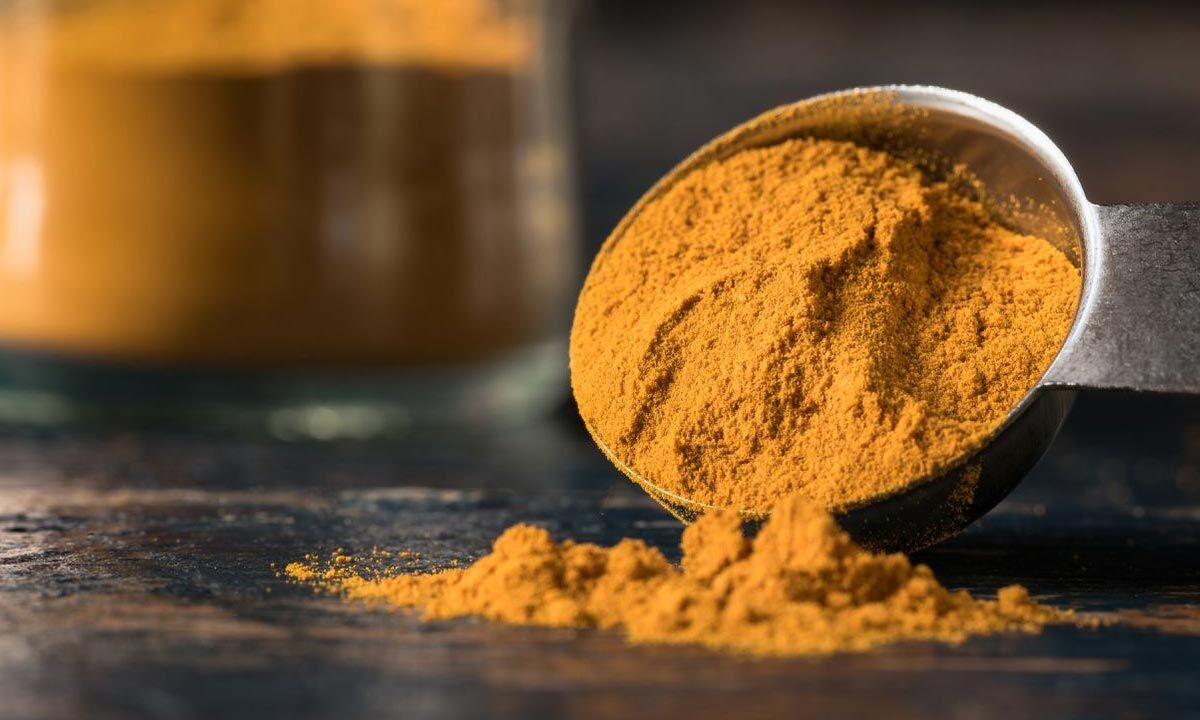
For ages, Indian spices such as turmeric, saffron, cinnamon, gram flour, honey, and pepper have been used in skincare treatments passed down through generations. Turmeric, for instance, is prized for its anti-inflammatory and brightening properties, while saffron is associated with antioxidant benefits and skin revitalisation. Clove and cinnamon are increasingly incorporated for their antimicrobial and circulation-boosting effects.

Cyril Feuillebois states that when formulated thoughtfully, these actives provide tangible skin benefits, bridging the gap between tradition and modern science.

Speaking about the surge in spice beauty products and remedies’ use, Dr Veena Praveen says, “The growing popularity of spice-based beauty trends reflects a shift toward natural and culturally rooted skincare practices. While the intent is positive, these trends often overlook the scientific understanding of skin physiology and safety.”

Traditional ingredients can certainly be beneficial, but only when used in appropriate forms and concentrations. “The credit for this surge can be given to the blend of ancient knowledge with modern formulation techniques,” Cyril Feuillebois adds.

Also Read: No Extremes, This Is How You Can Detox Gently After Holiday Meals

How Safe Are These Spices for Your Skin?

Speaking about the effectiveness and risks of these active compounds, Dr Veena Praveen says, “Some commonly used kitchen spices are known to trigger irritation and allergic contact dermatitis. The skin is a highly effective protective barrier that restricts the penetration of raw spice compounds. In their pure form, the concentration of active components is inconsistent and often too harsh, which may weaken rather than strengthen the skin barrier.”

Here are a few spices and active components that can triggeran allergy or irritation to your skin in some cases:

  • The essential oils present in Cinnamon and Clove are particularly potent and can cause burning sensations and redness.
  • Capsaicin and piperine in Chilli and Black Pepper may cause intense irritation, stinging, and inflammation when applied to the skin.
  • When used in its raw or concentrated form, garlic carries a high risk of allergic conditions and has been linked to blistering and chemical burns.
  • Even milder spices like turmeric may trigger irritation if you have sensitive skin. While not usually linked to photosensitivity, Turmeric may enhance skin sensitivity if the barrier is already damaged.
  • Individuals with acne-prone or sensitive skin must be extra careful with DIY spice treatments, particularly going viral on social media. Many spices are comedogenic, inflammatory, or irritating and can aggravate acne, precipitate a flare-up, or destroy the skin barrier.

Also Read: Dermatologist-Approved Anti-Ageing Treatments for Men: What Works & What Doesn’t

As per Dr Tanushree Biswas, most of these actives need to be harnessed safely through controlled formulations. “The risk of adverse effects increases with prolonged use, higher concentrations, or application on already inflamed or broken skin.”

Homemade DIY Or Commercial Products?

Dr Tanushree Biswas emphasises that commercial skincare products with spice extracts are usually safer than homemade DIY masks, as raw usage may cause side effects on sensitive skin.

“Spice-led skincare products are better options since they are made with regulated concentrations, stabilisers, and skin-safe bases. These products are safety-tested to reduce irritation and are usually formulated with calming ingredients that balance the strength of spice-derived actives,” Dr Biswas explains.

On the contrary, DIY masks use raw materials of unpredictable strength. They are not standardised or checked by dermatologists, and pose a higher risk of burns, allergies, or barrier damage.

Dr Veena Praveen also highlights, “Commercial formulations are designed to reduce irritation while preserving beneficial properties. These products also undergo stability testing, ensuring consistent performance, which makes professionally formulated skincare a safer choice than homemade remedies.”

A Balanced Approach

A balanced approach that integrates traditional knowledge with dermatological research is essential to ensure these trends support, rather than compromise, long-term skin health.

Dr Biswas notes that trends fostered by social media may encourage the notion that something natural is always safe, which is not necessarily the case. A lack of proper guidance may cause irritation, pigmentation, or permanent damage. Safe skincare depends on the combination of classical wisdom and scientific development.

Agreed to the social media factor and the need of balance approach shared by Dr Biswas, Dr Veena Praveen adds, “Social media has amplified quick-fix remedies without adequately highlighting potential risks. Traditional ingredients can certainly be beneficial, but only when used in appropriate forms and concentrations.”

Also Read: ‘Teens’ Skin Not For Elaborate Viral Skin Care Routines’ Dermatologist Warns Long-Term Health Issues Including Cancers

Bottomline

As the line between wellness and beauty continues to blur, spice-led skincare exemplifies a larger movement, but the approach matters most. Cyril Feuillebois underlines that consumers are no longer looking for indulgence alone, but for products that nourish, protect, and enhance overall well-being. By connecting centuries-old wisdom with contemporary science, the industry is redefining what it means to care for the skin in a holistic, preventive way.

FAQ

  • Which spices are good for skin?

    For ages, Indian spices and ingredients such as turmeric, saffron, cinnamon, and pepper, along with gram flour and honey, have been used in skincare treatments passed down through generations.

  • Is spice good for your face?

    Yes, spices such as ginger, turmeric, nutmeg, and pepper are considered beneficial for skin health; however, it is essential to first perform a patch test and have your skin checked by a dermatologist. Experts believe that products containing these spices are good to use, but directly applying raw spices to the skin may cause side effects.

  • Which herb is best for skin glow?

    Herbs such as witch hazel and turmeric are known for their benefits, such as moisturising the skin, brightening dark pigmentation spots, and even exfoliating the skin


Read Next

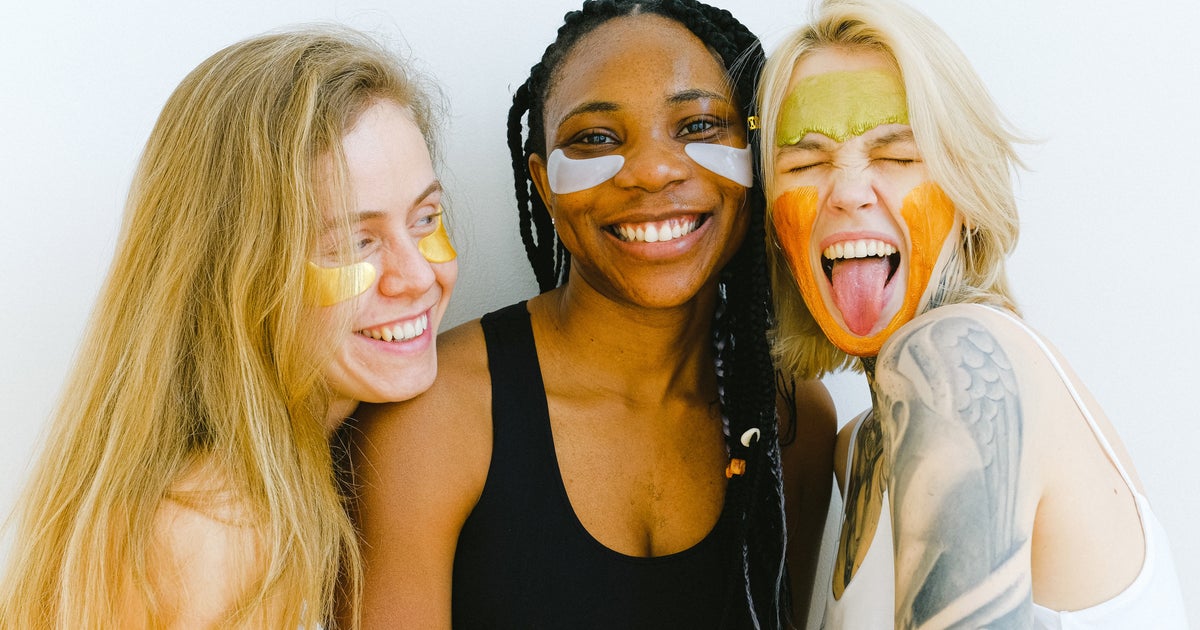
Are Under-eye Masks Effective? Let’s Find Out

Disclaimer

Sameeksha is a lifestyle journalist with over three years of experience exploring the intricacies of mental health, human interest stories, diseases and more. With a passion for crafting compelling narratives, she combines expert insights, on-ground reporting and scientific research to deliver accurate and engaging reports. Her bylines in News18, ABPLive and SheThePeopleTV reflect her commitment to producing trustworthy and impactful health stories.

Read More..

How we keep this article up to date:

We work with experts and keep a close eye on the latest in health and wellness. Whenever there is a new research or helpful information, we update our articles with accurate and useful advice.


  • Current Version

  • Jan 17, 2026 13:42 IST

    Published By : Sameeksha Sharma
    Reviewed By : Dr Veena Praveen

Tags: , , , , , ,
Healing Earth brings transformative wellness to Zanzibar's Shah Palace

Healing Earth brings transformative wellness to Zanzibar’s Shah Palace

Zanzibar. Zanzibar’s wellness landscape is poised for a remarkable evolution as Shah Palace Hotel prepares to unveil its signature spa in partnership with Healing Earth, one of Africa’s most distinguished wellness and skincare brands.

With over 30 years of experience curating transformative spa journeys across the continent’s most celebrated luxury establishments, Healing Earth’s arrival marks a defining moment for the island’s hospitality sector.

The brand’s impressive portfolio spans an elite constellation of Africa’s finest properties, including Belmond, Thanda Safari, andBeyond, Wilderness Safaris, MalaMala Game Reserve, A&K Sanctuary Retreats, Elewana Collection, Serena Hotels & Resorts, Tintswalo Collection, Marriott International, and Cocoon Collection.

This strategic partnership positions Shah Palace among East Africa’s most prestigious wellness destinations.

A sanctuary born from cultural fusion

What sets the Shah Palace spa apart is Healing Earth’s commitment to creating an entirely bespoke wellness experience, one that has never been offered anywhere else in their global portfolio.

This is a truly unique wellness journey that Zanzibar has not yet seen, combining therapeutic innovation with cultural authenticity at a level that establishes a new standard for the island’s luxury hospitality sector.

The brand’s wellness architects are meticulously crafting signature rituals that weave together three distinct therapeutic traditions: the time-honoured Middle Eastern healing practices that have long defined Healing Earth’s award-winning treatments, the ancient Swahili coastal wellness traditions of Tanzania and Zanzibar, and contemporary African botanical therapy.

This cultural alchemy will manifest in treatments that celebrate Zanzibar’s aromatic heritage, clove, cardamom, cinnamon, and nutmeg-infused body therapies; coconut and hibiscus skin rituals inspired by coastal purification ceremonies; coffee and baobab exfoliations that honour East African traditions; and stone healing techniques passed down through generations of Swahili healers.

The result is a wellness menu unlike any other: traditional Arabic ceremonies reimagined with Zanzibari spices, African grounding rituals enhanced with island botanicals, and signature Healing Earth treatments elevated through indigenous Tanzanian healing wisdom.

Architectural elegance meets therapeutic innovation

The spa itself reflects Shah Palace’s core vision of intimate luxury and architectural refinement. Ocean-facing treatment rooms, comprising two couples’ suites and two individual sanctuaries, offer panoramic views of the Indian Ocean, allowing the rhythm of the waves to become part of each therapeutic journey.

High ceilings adorned with handcrafted chandeliers create an atmosphere of spacious serenity, while strategically placed mirrors amplify natural light and enhance the sense of tranquil expansiveness. What truly sets Shah Palace apart and establishes a new wellness benchmark for Zanzibar is a pioneering feature: the island’s first dedicated Himalayan salt saunas.

Each gender-specific changing sanctuary features its own private sauna with a complete Himalayan salt crystal back wall, a therapeutic innovation not yet seen anywhere else on the archipelago.

This groundbreaking amenity elevates Shah Palace beyond the wellness offerings currently available in Zanzibar, positioning it alongside the world’s most sophisticated spa destinations.

Beyond the treatment room: wellness as a way of life

Healing Earth’s philosophy extends beyond conventional spa experiences.

At Shah Palace, treatments will transcend the walls of the spa itself, with therapists offering bespoke rituals in the privacy of guest suites or on the beach, where the sound of the ocean and the warmth of the sand become integral elements of the healing journey.

This flexibility reflects Healing Earth’s holistic approach to wellness, one that recognizes that true restoration occurs when treatments align with each guest’s natural rhythms and preferences.

Whether experiencing a sunrise body scrub on the beach or a moonlit aromatherapy massage in a private villa, guests will discover wellness woven seamlessly into every aspect of their Shah Palace experience.

A brand built on African wisdom and global excellence

Healing Earth’s foundation rests on principles that resonate deeply with contemporary luxury travellers: authenticity, sustainability, and cultural respect.

The brand’s award-winning skincare range features 95% sustainable, refillable packaging, with formulations that are biodegradable, reef-safe, and crafted from ethically sourced African botanicals.

This environmental consciousness aligns perfectly with Shah Palace’s commitment to responsible luxury and community stewardship.

Elevating Zanzibar’s wellness tourism narrative

As wellness travel continues its ascent across East Africa, the Healing Earth spa at Shah Palace arrives at a pivotal moment. Today travellers seek more than relaxation, they desire authentic cultural immersion, environmental responsibility, and transformative experiences rooted in place and tradition.

This is not merely the opening of another luxury spa; it is the introduction of a new paradigm in African wellness, one that honours the past while embracing the future.

The shores of Zanzibar are about to witness something extraordinary: a wellness experience that captures the island’s essence in every touch, every scent, every healing moment.

Tags: , , , , , , ,
Jeera water for skin: Why Chitrangda Singh calls this desi skin remedy her ‘Ram Baan’ |

Jeera water for skin: Why Chitrangda Singh calls this desi skin remedy her ‘Ram Baan’ |

(Image Credits: Pinterest) Chitrangda Singh has always been open about her skincare and wellness routines. In this growing world of beauty and skincare, the actress still prefers to keep things natural and believes in focusing on time-tested desi remedies that help her body glow from within.Recently, in an interview with Curly Tales, she opened up about her beauty journey and revealed how a simple home remedy has changed her skin and hair’s texture. According to a report in News18, she spoke about including jeera water in her everyday routine, which made her skin, nails, and hair look better. She next called it a ‘Ram Baan’.

(Image Credits: Pinterest)

She said, “That’s my jeera paani. I’ve definitely stuck with it. It’s horrible-tasting jeera paani, but it will give you good skin.” She trusted this wellness drink completely and admitted that while the taste may not be pleasant, the benefits outweigh the discomfort. She also highlighted its nutritional benefits and said, “It’s very high in vitamin C. You’ll stop falling sick.”

Nimbu paani and more: 5 weight loss drinks that actually work

Jeera, or cumin seeds, has anti-inflammatory and antioxidant properties, which improve the blood sugar control in people with type 2 diabetes and also help in weight management, digestion, and skin health. Rich in antibacterial and antimicrobial properties, it helps detoxify the body, control breakouts, and protect the collagen, further reducing wrinkles and promoting smoother skin. Brimming with vitamin E and antioxidants, it supports healthy and radiant overall skin.So, if you’re looking for a desi solution that is easy on your pocket, then this should be your ultimate match.

Tags: , , , , , , , , ,
2026 is the year of curated, not chaotic, skincare

2026 is the year of curated, not chaotic, skincare

If 2025 was the year of 12-step routines, ‘morning sheds’ and LED masks – 2026 is shaping up to be simpler and more sophisticated, writes Lara Owen.

Now we’ve rattled through the fads – dermatologists, facialists and skin specialists are all pointing towards the same shift: a return to simplified long-term focused results.

So, the industry’s leading experts reveal the habits worth adopting during this year.

1. Use retinoids properly

You’ve likely heard of retinoids – the umbrella term for vitamin As which include the milder, over-the-counter retinol and retinals you may be familiar with.

Retinoids are integral in improving tone, laxity and skin texture. They boomed last year, but interestingly experts disagree on how to use them.

“A well-formulated, medical-grade retinoid makes a remarkable difference,” says Nottingham-based aesthetics doctor, Dr Jessica Halliley.

“Many people run into problems because they use poor-quality formulas, apply them sporadically or start with a strength that overwhelms the skin.”

Her advice is to start incorporating retinols in small doses, slowly and always in the evening to avoid sun sensitivity.

If you’re feeling brave however, advanced clinical facialist Kate Kerr’s approach is quite the opposite.

“My approach is to go in fast and hard – which surprises many,” she says. “If you use it too slowly, you won’t get the results and will actually take longer to acclimatise to it.”

“I also don’t believe in ‘buffering’ retinols between layers of moisturisers and serums,” which, she believes, reduces their effectiveness.

“Just use it directly onto the skin, starting with two to three times per week, then working up to every night.”

It’s important, however, to understand your individual skin type, and if you’re unsure, ask your dermatologist.

Suggestion: Medik8 Crystal Retinal 1 Serum, Look Fantastic.

2. If you’re investing in one thing, make it collagen – not an LED mask

While LED masks have been touted as the go-to beauty investment, experts believe investing in collagen production is more effective than viral at-home tech.

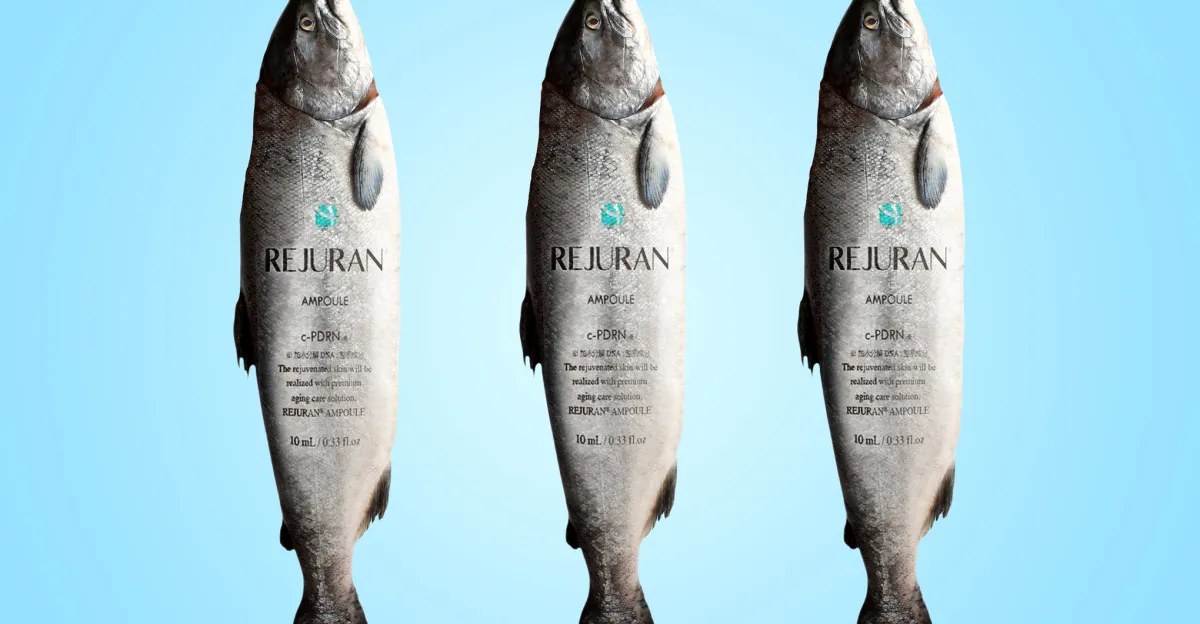
Collagen-stimulating procedures can include polynucleotides and Softwave – a non-invasive ultrasound treatment that stimulates collagen production in the mid-dermis which lifts and tightens skin.

“[Softwave] remains one of the most worthwhile investments,” says Dr Halliley, “those who commit to a programme often appear to age more slowly outwardly.”

When it comes to polynucleotides, this is a slightly more invasive treatment, with the solution being injected directly into targeted areas.

“They signal your skin to repair itself, boost collagen, calm inflammation and lock in hydration,” explains senior skin and laser specialist at Thérapie Clinic, Kerrie-Ann Grant. “It’s like giving your skin the ‘blueprints’ to heal.”

While these treatments are worth the investment, investing in high-quality liquid or powder collagen (as opposed to the less effective tablet or capsule form) to have at home will deliver visible improvement within months.

When it comes to which type to pick, marine collagen (from fish) is primarily type I collagen, meaning it is more beneficial for skin health, while bovine collagen (from cow) typically contains both type I and III, which best supports skin, bones and joints.

Look for details like “grass-fed, pasture-raised” (for bovine) or “wild-caught, sustainably sourced” (for marine) to make sure it’s of higher purity and quality.

Suggestion: Absolute Collagen Marine Liquid Collagen Supplement.

3. Declutter your beauty stash

After a year of maximalist, multistep skincare routines, the pendulum is swinging back. And despite what TikTok tells you, you should have far fewer beauty products on the go than you probably think.

Dr Halliley predicts, ‘a renewed shift towards skinimalism with fewer products that outperform complicated multi-step routines’.

This isn’t just about clutter-clearing – streamlined routines also help aesthetic treatments work better.

Streamlining products won’t just trend for skin health, but for budgets too.

“I think we’re going to see a huge reduction,” says Ms Grant, “consumers want sustainability, less waste and budget-friendly products. The current 10 or 12-step routines will reduce to just three or four steps.”

In other words, 2026 is the year of curated, not chaotic, skincare.

Suggestion: 47 Skin 3 Step Treatment Bundle

4. Prioritise annual treatments for cumulative results

It’s clear that the experts see structural longevity as something to prioritise over fast fixes.

While treatments like Botox offer quick results, the experts say less invasive treatments can help improve skin quality in the long term, instead of offering purely aesthetic results.

Ms Kerr’s long-term recommendation leans towards collagen-stimulating techniques. “Microneedling and Xeogenesis laser help rebuild structure,” explains Kerr, “acting as a form of collagen banking for the future.”

Dr Halliley again stresses treatments like Sofwave and Sculptra that ‘stimulates both collagen and hyaluronic acid production giving a natural and progressive tightening effect’.

5. Stop over-exfoliating

Glycolic acid became one of the leading ‘must-have’ items in 2025, with countless experts touting it as a ‘hero ingredient’.

And, of course, glycolic acid is a crucial ingredient for brightening as well as reducing fine lines and wrinkles – but it comes at a cost.

Overusing this chemical exfoliant can wreck your skin barrier and actually speed up signs of ageing.

“I would love to see people stop over-exfoliating,” says Dr Halliley. Gritty cleansers and stringent chemical exfoliants may feel as though they’re doing something – but they’re actually doing more harm than good.

“This constant friction leaves the skin inflamed, reactive and prone to breakouts,” explains Halliley, “and over time it can even speed up visible ageing.”

It’s not just over-exfoliating that can damage our barrier, but combining this with too much moisture can stress the skin.

“The skin has an extraordinary self-regulating moisture system, yet we disrupt it when we over-cleanse or strip the barrier with harsh actives (then) overload (with moisturisers).” This can lead to dryness, congestion and sensitivity.

lSuggestion: Caudalie Vinoclean Deep Cleansing Exfoliator

6. Rebuild your lifestyle foundation

Radiant skin, it turns out, isn’t skin deep.

Dr Halliley calls lifestyle the ‘fundamentals’, emphasising whole foods, hydration, reduced beverages and avoiding smoking or vaping.

“These lifestyle pillars often determine how well aesthetic treatments perform and how long results last.”

Ms Kerr focuses on sleep – an underrated skincare and all-round wellbeing essential. “Night-time is when the skin repairs cellular damage,” she says. “When sleep is compromised, I often see more congestion, dullness and heightened sensitivity.”

Ms Grant suggests mediative breathing exercises and reduced screen time to help improve sleep quality.

If you want better skin, resolution Number Six is to treat your nervous system with the same enthusiasm you treat your skincare shelf.

Suggestion: L’Occitane En Provence Relaxing Pillow Mist.

Tags: , , ,
Best oLive
Privacy Overview

This website uses cookies so that we can provide you with the best user experience possible. Cookie information is stored in your browser and performs functions such as recognising you when you return to our website and helping our team to understand which sections of the website you find most interesting and useful.