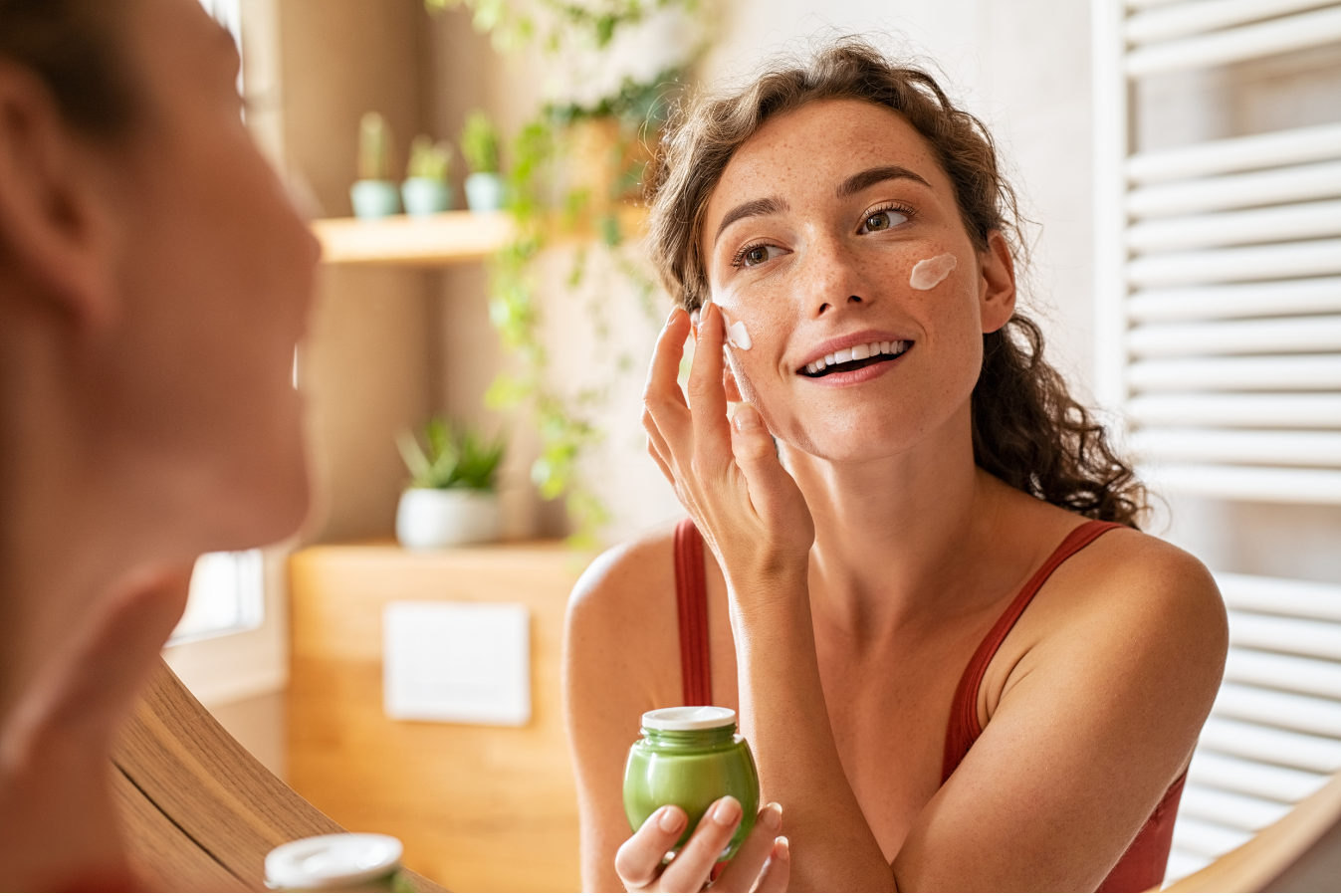
Secret to hydrated skin? It is avocado

Secret to hydrated skin? It is avocado

Follow this guide

What’s the story

African avocados are becoming increasingly popular for their skin benefits.
Rich in vitamins and healthy fats, these avocados can be a great addition to your skincare routine.
They are known to nourish and hydrate the skin, making it look healthy and glowing.
Here is how you can use African avocados for skincare, and the benefits they offer.

Nutrient-rich composition

African avocados are loaded with essential nutrients, such as vitamin E, vitamin C, and potassium.
Vitamin E is an antioxidant that protects the skin from free radicals, while vitamin C promotes collagen production for elasticity.
Potassium helps in keeping the skin hydrated by retaining moisture.
These nutrients work together to keep the skin healthy and youthful.

Hydration boost

The healthy fats in African avocados are great for keeping the skin moisturized.
They form a protective barrier on the skin’s surface, preventing moisture loss. This is especially helpful for people with dry or flaky skin.
By adding avocado oil or pulp into your skincare routine, you can achieve softer and more supple skin.

Anti-aging properties

African avocados also have anti-aging properties, thanks to their high antioxidant content.
Antioxidants fight oxidative stress that causes premature aging signs, such as wrinkles and fine lines.
Regular use of avocado-based products may reduce these signs over time, giving you a youthful appearance.

Versatile application methods

There are several ways to use African avocados in your skincare routine.
You can apply them directly as a face mask by mashing the pulp, or use avocado oil as a moisturizer or serum.
Mixing avocado with other natural ingredients, like honey or yogurt, can enhance its benefits further while catering to different skin types and concerns.

Tags: , , ,
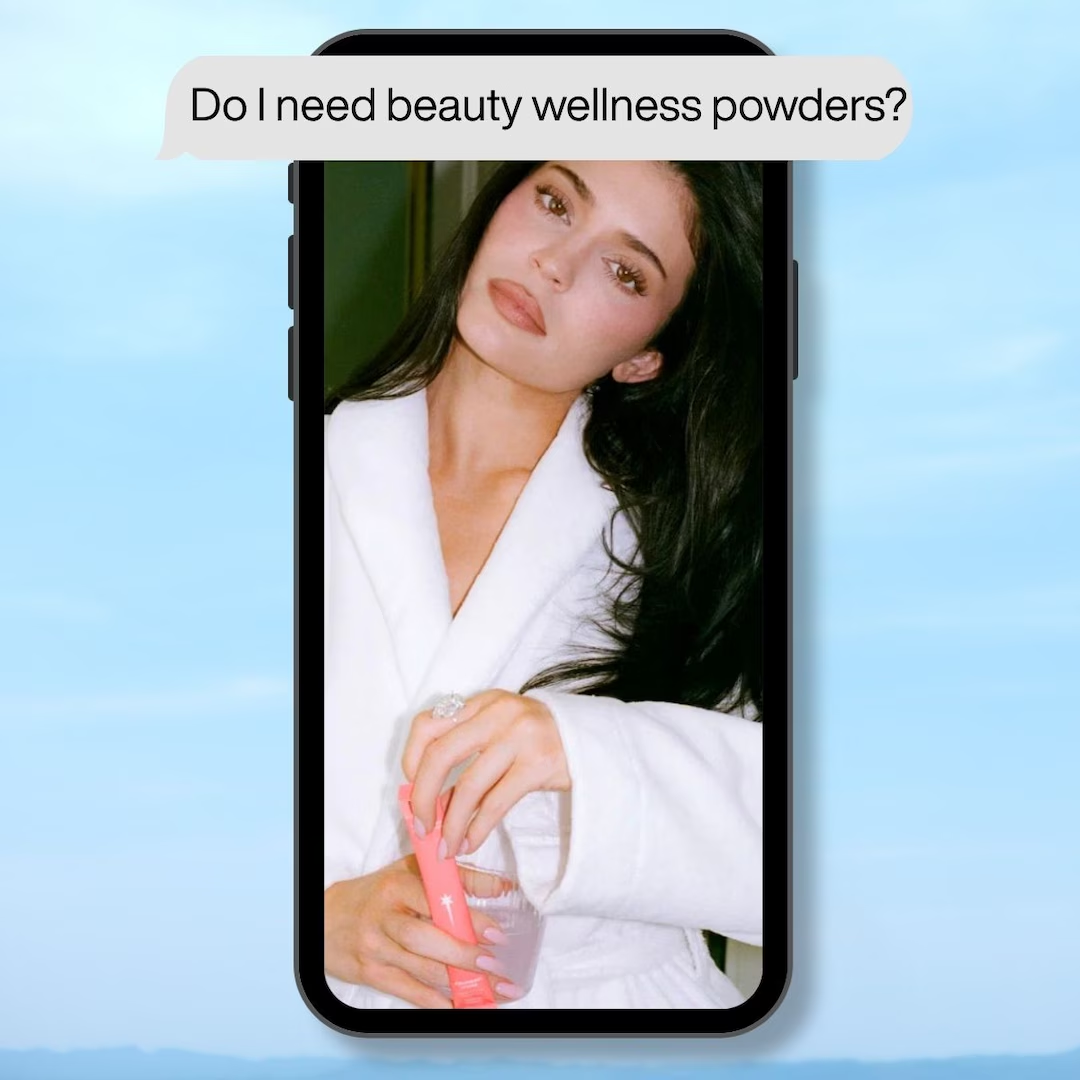
Do You Need Liquid Collagen & Beauty Supplements? A Doctor Explains It All

Do You Need Liquid Collagen & Beauty Supplements? A Doctor Explains It All

What Are The Potential Benefits & Side Effects of Liquid Collagen & Beauty Wellness Powders?

The potential benefits of these beauty wellness drinks and powders depend on three key aspects of the ingredients: the formulation, the quality, and the amount.

“Some ingredients need to be at certain levels to be efficacious.  So, unfortunately, because many things can be claimed by the wellness brands, it’s up to you, the consumer, to do your research,” Dr. Hamdan told E!.

Most products may support hydration, skin barrier function, stress resilience, sleep quality, energy levels, or overall skin radiance. Still, that doesn’t mean there aren’t possible side effects, either.

“Certain ingredients or highly concentrated formulas may not work for everyone and can sometimes interact with medications, sensitivities, or underlying health conditions,” she explained. 

Dr. Hamdan recommends that people interested in these supplements look beyond the marketing and opt for clinically backed formulations that use evidence-based ingredients. 

Tags: , , , , ,
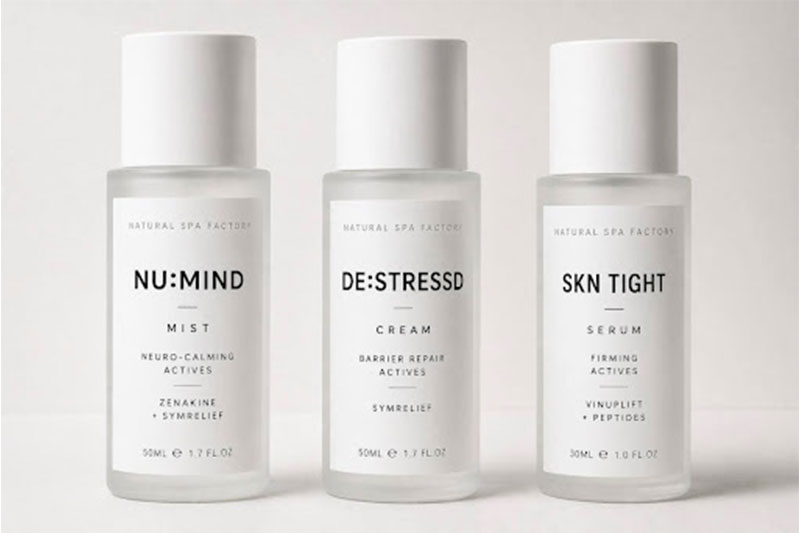
Natural Spa Factory announces new wellbeing & treatment collections

Natural Spa Factory announces new wellbeing & treatment collections

The collections represent a significant evolution for the British wellness brand, introducing a more treatment-focused direction centred around neurocosmetics, skin longevity and modern non-invasive skincare innovation.

Designed around the intersection of wellbeing, psychodermatology and advanced cosmetic actives, the collections combine clinically inspired formulations with a refined monochromatic packaging system developed to reflect a more modern and intelligent approach to skincare.

NU:MIND

Emotionally Intelligent Skincare

NU:MIND™ explores the growing field of neurocosmetics skincare designed to support the skin-brain axis and influence both skin health and emotional wellbeing.

The collection uses a combination of neuroactive skincare ingredients and mood-focused aromatics designed to work in sync with the circadian rhythm, calm inflammatory stress, and encourage emotional balance.

The range incorporates advanced actives including:

  • Zenakine
  • SymRelief
  • Lemon Balm Extract
  • Valerian Extract
  • Pink Pepperslim

These ingredients have been selected for their ability to support restorative sleep, reduce visible stress responses within the skin and promote neurocutaneous balance.

The NU:MIND collection includes:

  • Face & Body Mists
  • Massage Oils
  • Pulse Point Oils
  • Day & Night Moisturisers
  • Scalp & Hair Treatments
  • Body Care

Day formulations focus on energising, mood-boosting aromatics, while night formulations have been designed around calming fragrance profiles intended to support evening rituals and sleep preparation.

SKIN:TIGHT

Advanced Skincare Inspired by Aesthetic Treatments

SKIN TIGHT™ has been developed in response to growing consumer demand for non-invasive, procedure-inspired skincare alternatives.

The collection focuses on lifting, plumping, resurfacing, contouring and skin longevity using advanced delivery systems, peptide technologies and high-performance actives designed to replicate or enhance the visible effects associated with professional aesthetic treatments.

The range features ingredients including:

  • Multi-peptide complex
  • Vin UpLift
  • Cellfie
  • Pink Pepperslim
  • Pomegranate Enzyme
  • Triple Molecular Weight Hyaluronic Acid
  • Encapsulated Caffeine Herbasome

Together, these actives work to visibly improve firmness, hydration, radiance and skin texture while helping reduce the appearance of fine lines and expression wrinkles.

The SKIN:TIGHT collection includes:

  • Advanced Serums
  • Eye Treatments
  • Cleansers
  • Treatment Creams
  • Exfoliating Toners
  • Contouring Body Care
  • Overnight Treatments

DE:STRESSD

Barrier Repair for Modern Stressed Skin

DE:STRESSD is Natural Spa Factory’s new barrier-focused skincare collection developed to support skin exposed to modern environmental and emotional stress.

Built around the emerging understanding of the skin-brain axis, microbiome health and inflammatory skin stress, the collection has been designed to help calm sensitivity, strengthen the skin barrier and improve the skin’s resilience to daily stressors.

The range focuses on:

  • stressed and sensitised skin
  • redness and irritation
  • compromised skin barriers
  • dehydration and inflammation
  • environmental aggressors
  • skin fatigue and imbalance

At the centre of the collection is Ectoin — an award-winning extremolyte active recognised for its clinically proven protective and repairing benefits. Originally discovered in microorganisms surviving extreme desert environments, Ectoin helps defend the skin against pollution, moisture loss, UV stress, blue light exposure and inflammatory damage while supporting long-term hydration and barrier recovery.

The collection also incorporates Symferment, a postbiotic ferment technology designed to support microbiome balance and reinforce a healthier skin ecosystem through barrier-supportive micronutrients.

The DE:STRESSD collection includes:

  • Cleansing Balm
  • Moisturiser
  • Serum
  • Eye Cream
  • Facial Polish
  • Night Cream & Mask
  • Ectoin Face & Body Mist

Rich textures, restorative formulations and calming aromatics work together to support both skin comfort and sensory wellbeing as part of a modern daily recovery ritual.

Finished with notes of Green Tea & Palo Santo, the collection has been designed to feel grounding, comforting and quietly restorative.

The visual identity for all 3 collections introduces a more restrained monochromatic packaging system featuring frosted glass, oversized wrap labels and typographic-led branding intended to reflect the collections’ simplistic yet elevated positioning.

“We wanted to move beyond traditional wellness language and create products that feel emotionally intelligent, modern and genuinely useful,” says Natural Spa Factory Head of Projects, Jamie Rossiter,. “These collections are designed to support how people feel as much as how their skin looks.”

The collections will launch in September 2026 via naturalspafactory.co.uk and selected retail partners.

Tags: , , , , , ,
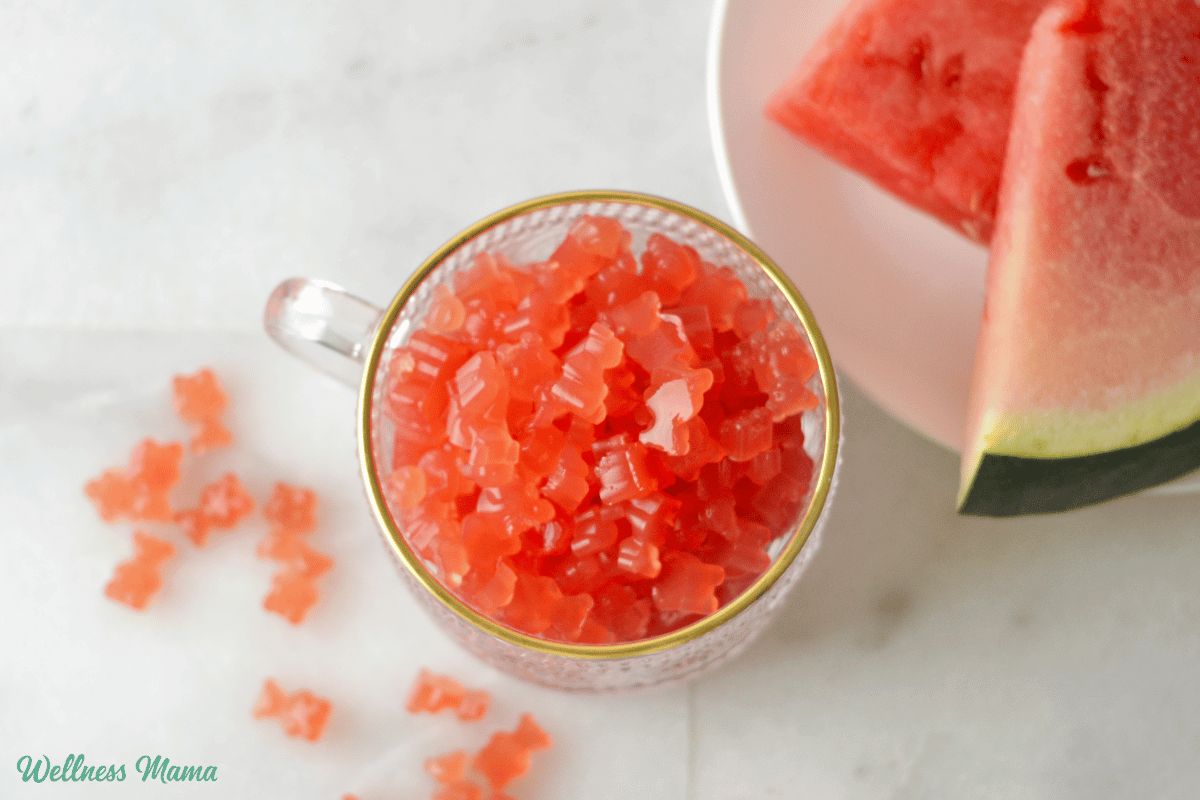
watermelon electrolyte gummies

Homemade Electrolyte Gummies Recipe

My kids love homemade gummies and I’m quite the fan myself. They’re a fun way to get gummy candy without the processed ingredients and refined sugar. This version has a delicious fruity flavor and adds electrolytes for better hydration.

Electrolyte Gummy Benefits

In the past few years it seems like there’s a gummy version of almost everything. You can get gummy multivitamins, gummy ACV, and gummy beets. And while people love their gummies, they often contain processed sugars and fillers I’d rather avoid. 

I’ve made a lot of gummies to target a variety of health complaints or just for general wellness. (See the bottom for a full list!). I wanted to try something a little different this time though and incorporate electrolytes like potassium, magnesium, and sodium. We need these all of the time, but we can especially get depleted during hotter months. And if you’re really active or use a sauna, these health habits can deplete electrolytes even more. 

We need electrolytes to power our cells, have energy, and do basically everything in the body. I’ve come to the realization that we are electrical beings first and biomechanical second! So the more that I can do to support that, the better. 

Electrolyte Gummy Ingredients

This ingredient list focuses on nutrient dense, whole food ingredients that taste delicious.

  • Watermelon – Has vitamin A, potassium, magnesium, and antioxidants like vitamin C, carotenoids, lycopene, and cucurbitacin E. It’s really hydrating and there’s some evidence it’s antioxidants help with cancer prevention.
  • Coconut water – Loaded with potassium and has some magnesium and sodium too. You’ll also find phosphorus, vitamin C, and calcium.
  • Electrolyte powder – My favorite is LMNT. It offers a concentrated and balanced blend of magnesium, sodium, and potassium. Most brands don’t have the levels our body actually needs to hydrate.  
  • Raw Honey – Adds a touch of sweetness, antioxidants, and antimicrobial benefits. 
  • Gelatin – Grass-fed gelatin offers naturally occurring collagen for healthier skin, hair, nails, and gut function. 

How To Make Electrolyte Gummies

There are a few different ways to make these. Option 1 is to use watermelon that’s been blended and strained. This creates a thin juice for a more traditional gelatin gummy. Or you can not strain the pulp out to create a higher fiber version. The texture is obviously different, but either way works. 

Tips For Using Gelatin

It’s also important to let the gelatin “bloom” first. This way it dissolves into the liquid instead of getting clumpy and grainy. Just sprinkle the gelatin on top of the juice and wait until it’s absorbed and looks like a wrinkly layer on top. Another tip when making gummies is to not stir too vigorously after adding the gelatin. You want to combine the ingredients, but overwhisking can make it really foamy. 

Some readers ask about a vegan version and I’ve heard agar agar powder works, though I haven’t personally tried it. I’m a big fan of grass-fed gelatin for its health benefits so that’s what I use and recommend. 

Fruity Electrolyte Gummies

These delicious electrolyte gummies are a fun way to get more hydration. Featuring vitamins, minerals, antioxidants, and electrolytes for maximum nourishment!

  • Blend the watermelon until smooth. Pour through a strainer to remove the larger pieces of pulp. You can also leave the fiber in if preferred.

  • Add the fruit juice, coconut water, electrolytes, and honey to a pot and stir to combine. It’s ok if the honey doesn’t fully mix in yet.

  • Evenly sprinkle the gelatin over the top. Allow it to bloom for a minute or until it looks absorbed into the liquid.

  • Gently heat the mixture over low heat, whisking until dissolved.

  • Pour the liquid into your molds and let harden in the fridge for several hours, or until firm.

Nutrition Facts

Fruity Electrolyte Gummies

Amount Per Serving (2 TBSP)

Calories 19
Calories from Fat 1

% Daily Value*

Fat 0.1g0%

Saturated Fat 0.02g0%

Polyunsaturated Fat 0.01g

Monounsaturated Fat 0.01g

Sodium 56mg2%

Potassium 4755mg136%

Carbohydrates 3g1%

Fiber 0.2g1%

Sugar 3g3%

Protein 2g4%

Vitamin A 108IU2%

Vitamin C 2mg2%

Calcium 5mg1%

Iron 0.1mg1%

* Percent Daily Values are based on a 2000 calorie diet.

  • If you don’t have a silicone mold, then grease a glass baking dish and use that instead. Cut the gummies into squares before serving.
  • This recipe makes a little over 3 cups of liquid. The exact amount of gummies depends on the size of your molds. 

The Best Electrolyte Powder

I use LMNT because it uses research backed, balanced amounts of potassium, magnesium, and sodium. They have some delicious flavors or you can use their unflavored “raw” version. Another option is to make your own with their recipe here.

For this recipe I used their Watermelon Salt flavor, but the Lime Salt would taste really good too.

More Gummy Recipes

Here are some more gummy recipes to try. Some are for specific health complaints, but many are just for overall nutrition. 

Do you prioritize getting enough electrolytes? What are some ways you’ve found to do that? Leave a comment and share below!

Tags: , , ,
Beauty industry leaders unite to champion more holistic approach to skincare, wellness

Beauty industry leaders unite to champion more holistic approach to skincare, wellness

MANILA, Philippines — A new collaboration between leading players in the beauty and wellness industry is generating discussion across the sector by challenging the traditional divide between oral supplementation and topical skincare.

Bringing together expertise from both categories, the initiative promotes a more integrated approach to beauty — one that recognizes the complementary role of internal wellness and external skin care in achieving overall skin health.

The campaign is spearheaded by two influential female entrepreneurs, Maureen Estrada of Nuwhite (Oxina Nutricosmetics) and Glenda “Miss Glenda” Victorio of Brilliant Skin Essentials, who have each built strong reputations within their respective segments of the beauty market. Their collaboration reflects a growing industry shift toward solutions that address beauty from multiple dimensions rather than relying on a single approach.

At the center of the initiative is the idea that wellness and skincare are not competing categories, but complementary elements of a broader self-care routine. By encouraging consumers to consider both internal support and external care, the partnership seeks to spark conversations around more comprehensive and balanced beauty practices.

This strategic alignment represents a disruptive shift in how beauty icons engage with their audiences. Rather than maintaining the status quo, Estrada and Miss Glenda are using this campaign to address the disconnect between cellular-level wellness and surface-level repair.

By merging Nuwhite’s focus on authentic and transparent product development with the massive retail energy of Brilliant Skin Essentials, the collaboration presents a unified front that forces a re-evaluation of current beauty regimens, positioning any single-track routine as an incomplete measure.

The TikTok 6.6 Bonggang Birthday Sale collaboration will feature exclusive content, livestream appearances, and special promotions designed to engage beauty enthusiasts and digital audiences nationwide. Fans can also expect high-impact moments that showcase the chemistry and shared values between Nuwhite and Miss Glenda.

“This collaboration is about bringing together strong brands and even stronger women who inspire confidence and positivity,” shared Maureen Estrada, CEO and Founder of Nuwhite. “Working with Miss Glenda allows us to create something fresh, meaningful, and culturally relevant for today’s generation.”

Skincare enthusiasts may view this as a bold movement, particularly as these two powerhouses have previously competed within the same market categories. However, this strategic campaign is designed to demonstrate the power of synergy over competition.

By combining the high-absorption innovation of Nuwhite with the market mastery of Brilliant Skin Essentials, the initiative provides a professional-grade conceptual alternative to the fragmented and often contradictory routines that currently dominate the local market.

Throughout this campaign, beauty enthusiasts can expect a series of initiatives that showcase the impact of this “Inside-Out” philosophy. The partnership serves as a definitive argument that true results are best achieved when internal antioxidant support and external skin repair are utilized together.

As this initiative unfolds, the alignment between Nuwhite and Brilliant Skin Essentials stands as a provocative reminder that the most effective beauty solutions often come from the most unexpected alliances.

Today, Nuwhite continues to lead the beauty and wellness industry, proudly carrying its legacy as the first brand to introduce 200mg S-Acetyl Glutathione in the Philippines. As the industry evolves, Nuwhite remains committed to setting higher standards through innovation, premium quality, and a growing community that empowers confidence and self-care.

Nuwhite products are available nationwide at Watsons and online through www.nuwhite.com.ph, Shopee, Lazada, and TikTok Shop.

RELATED: Victoria’s Secret reopens with expanded range of intimate wear, essentials

Tags: , , , , , , , ,
Hindustan Times News

Two-time cancer survivor and wellness entrepreneur suggests 7 self-care swaps for cleaner, ingredient-conscious living

The beauty and wellness industry is undergoing a remarkable transformation. Consumers today are becoming increasingly aware of what they put on their skin, into their bodies, and ultimately into their lifestyles. The focus is gradually shifting away from “advertised” beauty standards toward a more holistic understanding of health, longevity, and well-being. Radhika Iyer Talati, a two-time cancer survivor and wellness entrepreneur says people are moving towards “conscious choices” in the beauty sector.

6 beauty and wellness swaps (Pexels)

Shweta Pandey is a Senior Content Writer at Hindustan Times, with over 12 years of experience in beauty and wellness journalism, specialising in makeup, skincare, and hair care.

She began her professional writing journey in 2011, entering the evolving world of digital lifestyle journalism as beauty and wellness content rapidly transformed in India. Over the years, she has worked with reputed digital media houses like India Today, the Times of India and Skymet Weather, steadily building credibility through well-researched features, product reviews, and trend analyses. Her career reflects consistent growth, moving from content contributor to senior writer. She now plays a key role in shaping editorial strategy, social media content, and ensuring high-quality, reader-focused content that aligns with evolving audience needs.

Shweta’s core expertise spans makeup, skincare, hair care, and holistic health and fitness. She specialises in in-depth beauty product reviews, ingredient analysis, skincare routines, and evidence-based wellness advice. Known for her analytical and data-driven approach, she relies on verified sources, dermatological insights, and expert consultations to ensure credibility. Her field experience includes interviewing Bollywood celebrities, beauty and makeup professionals, tracking consumer trends, and simplifying the top picks.

Shweta holds a Master’s degree in Mass Communication, Advertising, and Journalism and has done Bachelor’s in Commerce from Delhi University. She believes in delivering reader-first insights that empower informed decisions while maintaining transparency, credibility, and trust.

Beyond her writing desk, Shweta enjoys exploring new destinations, experimenting in the kitchen with delightful recipes, and staying in tune with the latest beauty and wellness trends.

Read moreRead less

Talati, the founder of Anahata Organic – a wellness brand focussed on natural botanicals and chemical-free ingredients, tells HT Shop Now, “Beauty is no longer just about appearances; it is about supporting the body, mind, and spirit through conscious choices”.

Here are some of the beauty and wellness swaps she personally follows and recommends.

1. Choose skin tints over heavy foundations

One of the simplest yet most effective beauty swaps she recommends is replacing heavy foundations and concealers with lighter alternatives such as skin tints, BB creams, or tinted moisturisers with SPF.

Choosing skin tints allows the skin to breathe naturally. It creates a more natural-looking complexion and reduces pore congestion. Skin tints also help in minimising acne, breakouts, and skin irritation. Rather than covering the skin completely, lightweight products work with the skin, allowing its natural health to shine through. It also enhances skin texture rather than masking it.

2. Use natural balms instead of synthetic moisturisers

Radhika Iyer Talati, a two-time cancer survivor, recommends using oil-based balms formulated with ingredients such as Shea butter, Cocoa butter, Kokum butter, and Mango butter.

  • Benefits of natural balms

These natural balms mimic the skin’s natural lipid structure and provide deep nourishment to the skin barrier. These natural balms also contain fewer additives and preservatives. These deliver concentrated nutrients directly to the skin.

According to Talati, unlike conventional moisturisers, which often contain water and broad-spectrum preservatives, balms rely primarily on oils and butters, making them richer and more compatible with the skin’s natural composition.

3. Bring Back Traditional Attars

“Fragrance is another area where consumers are becoming more ingredient-conscious”, says Talati, who strongly advocates the revival of traditional attars as an alternative to synthetic perfumes and deodorants.

Attars are plant-based and naturally derived scents that are long-lasting without relying on synthetic fragrance compounds. These attars also allow the body to sweat naturally and help neutralise odour without overwhelming the body’s natural processes. She believes many modern fragrance products contain unnecessary chemical additives, making natural alternatives increasingly relevant. “Attars offer a more traditional and holistic approach to personal fragrance,” notes Talati.

4. Adopt adaptogen-inspired wellness rituals

This is another growing trend in the integration of beauty and nutrition. Radhika Iyer Talati suggests consumers swap caffeine with green tea or Kahwa tea. She also highlights the use of green and herbal teas, rose water, honey, and lime. Furthermore, she says these herbs help to calm skin inflammation, and fight everyday pollution and climate stressors.

  • Potential benefits of this switch:

These herbal teas support the body’s response to stress, help manage inflammation and combat environmental stressors and pollution. This switch will also promote overall wellness from within. For her, beauty is increasingly linked to what we consume rather than simply what we apply externally.

5. Replace harsh sulphate-based cleansers

Another crucial swap that most consumers have already made, and many are moving away from, is the step back from harsh cleansers loaded with sulphates and synthetic surfactants. According to Talati, these sulphates are hormone disruptors as well.

Some natural alternatives that she suggests include mild plant-derived surfactants, coco-glucoside-based cleansers, and traditional cleansing ingredients such as reetha (soapnut).

  • Advantages of natural alternatives:

Being free from chemicals, these alternatives are gentler on the skin and scalp, giving healthy-looking skin and hair. Moreover, they are less likely to disrupt the skin barrier and are better suited for sensitive skin. Radhika views the growing innovation in natural cleansing technologies as one of the most encouraging developments in the wellness industry.

6. Return to traditional hair care practices

Hair care is another category witnessing a significant shift. As per Talati, consumers are increasingly moving away from chemical-heavy hair treatments, frequent keratin treatments, synthetic serums, and highly processed formulations. Instead, she recommends using traditional oil treatments, herbal hair powders, and natural shampoo powders.

  • Benefits of making this switch:

Being natural, these back-to-roots ingredients lower environmental impact, reduce chemical exposure, are cost-effective and allow a stronger connection to traditional wellness practices. For Talati, these age-old methods continue to offer reliable and sustainable results.

7. Embrace herbal approaches to healthy ageing

As the anti-ageing conversation evolves, Talati says that instead of relying solely on cosmetic procedures and elaborate skincare routines, people are exploring simpler skincare regimens, herbal ingredients, nutritional support, and metabolic wellness.

  • Popular wellness ingredients today include:

Some popular wellness ingredients that she recommends include Curcumin, Ashwagandha, Shatavari, Black pepper extracts, Biotin, Vitamin C, Magnesium, and marine collagen peptides.

While she encourages professional guidance before starting supplements, Talati believes supporting internal health often delivers more lasting results than external treatments alone.

Why holistic beauty matters

Beyond products and routines, Talati emphasises the fact that beauty cannot be separated from health. According to her, true beauty encompasses nutrition, gut health, quality sleep, hygiene, mental wellness, emotional balance, and spiritual well-being.

She notes that the traditional saying “beauty comes from within” is increasingly supported by both science and personal experience.

Technology and Wellness: The rise of wearable devices, AI-driven beauty solutions, wellness trackers, and personalised analytics has transformed the self-care landscape. According to Talati, “While these innovations can offer useful insights, I encourage people to avoid becoming overly dependent on constant monitoring and optimisation”.

Sustainable Beauty: One of the most important lessons she has learned is that sustainable beauty is not about buying more products; it is about buying fewer, better products.

Conscious beauty practices include:

  • Understanding the difference between needs and wants.
  • Choosing refill packs when possible.
  • Reducing unnecessary consumption.
  • Opting for products with simpler ingredient lists.
  • Prioritising quality over quantity.
  • Practical Sustainable Swaps

Packaging: Consider a packaging switch as well. Go for refill systems whenever available. Or use products with glass packaging, reducing dependence on single-use plastics.

Give up fancy fragrances: Minimise synthetic fragrances in deodorants, perfumes, room fresheners, creams, lotions, and sunscreens. Furthermore, she acknowledges that natural products may smell different and that consumers must be willing to embrace those differences.

For Radhika Iyer Talati, “Beauty is about reconnecting with nature, simplifying daily routines, making informed choices, and understanding that health, wellness, and beauty are deeply interconnected.”

Similar articles for you

Turmeric, vaseline and inner beauty: Padmini Kolhapure spilt her simple skincare secrets

Don’t let the sudden pimple outburst ruin your date; Here are 7 acne patches you should keep handy

Expert says these 4 hidden chemicals can damage your hair; Tips to prevent hair damage

Tags: , , , , , , , , , ,
Forbes

Agricosmetics Is The Future Of Sustainable Beauty—And Beau Domaine Is Leading It

Beau Domaine Skincare is in a very unique position, and it’s not just because Brad Pitt is the co-founder and co-director of the skincare brand. Despite that it launched in 2022, Beau Domaine actually has centuries of history and science behind it. The proof of that is in a beautiful building in the south of France in the heart of Provence, surrounded by the vineyards of Château de Beaucastel that produce some of the most coveted wines in the world by the Perrin family.

Above the fireplace of their once simple, stone-walled ancestral home reads “5 Septembre 1687.” Wine has been grown on this land for centuries, and it was once owned by Louis XIV, who used it as a hunting lodge. Since 1909, over five generations, the farming has been done without pesticides or herbicides, instead relying on organic farming techniques, allowing them to cultivate the finest and purest ingredients. The Perrin family is dedicated to farming practices that are better for the planet and their wine—and now, your skin. Though no one no longer lives in the farmhouse, it was fully restored and the historical part of the house was returned to its former glory during a major renovation, along with the winery.

The Beau Domaine Skincare range

Beau Domaine Skincare

“Being the fifth generation of Beaucastel, it is a project which is completely inside of what we think about culture, about beauty, about wine making,” says Pierre Perin, a co-founder of Beau Domaine and co-owner of Château de Beaucastel. “Today, Beaucastel is not only for wine anymore. We also want to use grapes to make cosmetics. It’s what makes Beaucastel special today. It respects the family tradition, which is very important, so we’re going to continue that, and we are amazed by what has been done in Beaucastel before. To be able to have 100 years of history of no chemicals, no practices that we don’t want to have, is something that we are proud of.”

The Perrin family has embraced sustainable farming for generations, adapting to the most advanced technologies over the years across all their vineyards. Now they are leading the charge in agricosmetics, the latest frontier of clean beauty. The concept is that the efficacy and authenticity of skincare is intrinsically linked to the quality of the agricultural raw materials used in the formulas. Instead of purchasing pre-processed ingredients from third parties, agricosmetic brands rely on an integrated vertical, growing, studying and processing their ingredients every step of the way themselves, giving them absolute control over exactly what goes into their products. This process not only ensures the ingredients are grown to the highest standards, but also that everything is done so ethically in-house, with full transparency. This starts from the soil and ends with the final ingredients.

Château de Beaucastel

Beau Domaine Skincare

A cutting-edge facility has been built around the ancestral home that remains at the center of the Château de Beaucastel headquarters, illustrating the balance between history and modernity, which is evident in the property’s circularity and biodynamic practices (a horse is used to plow). The property’s significant renovation was completed last May and the renovated Beaucastel includes a 12-meter deep swimming pool for water collection and a wind tower for natural cooling. Whenever possible, they used local materials and innovative practices to respect the environment. “The wind is very important,” Perrin says. “The building was created with respect of the elements that we have in Beaucastel. The building was built with our own earth.” Similar to adobe, they used local dirt and clay to create a concrete that was used to create the building. They are one of the most sustainable wineries in the world.

“What is left after the winemaking is very important,” Perrin says. “When we make wine, we extract 50% of what is in the skin. What is left after that is 50% of the antioxidants, the color, the flavor, and we said 15 years ago, what are we going to do with that?” The answer was Beau Domaine Skincare.

The Perrin family’s advanced agricosmetics approach stems from their whole-plant philosophy. Every single part of the vine is utilized for its unique bioactive compounds, including stilbenoids from the roots, resveratrol from the canes, antioxidant complexes from grapes and oligomeric procyanidins from seeds. Each is carefully isolated, stabilized and optimized for potency. Nothing goes to waste, resulting in a fully circular system. They approach all products made from the vine the same way, prioritizing terroir and sustainable practices. The grapes used by Château de Beaucastel for their wines are top-notch, so it makes sense they’d also excel as a skincare ingredient.

The vineyards of Château de Beaucastel

Beau Domaine Skincare

To prove it, Beaucastel has partnered with several universities in Europe to study the benefits their grapes have on health. “The brand was built on more than 15 years of scientific research with the University of Bordeaux,” says Léo Lajoie, PhD, Head of Research and Development, Beau Domaine and Famille Perrin. Their research pinpointed the efficacy of antioxidant activity and studied the effects of catechins and resveratrol.

Agricosmetics requires a deep understanding of science and skincare every step of the way. That’s what enabled Beau Domaine to create their proprietary skin longevity technology, GSM10 and PROGR3. They studied all 13 grape varieties at Beaucastel and selected three to create a new patent-pending powerful antioxidant active ingredient, GSM10, which fights oxidative stress at the intracellular and extracellular level and is enhanced with a post-biotic microorganism, a Lactobacillus, to help balance the skin. Made with upcycled grape marc, it’s deeply sustainable. “We introduce GSM10 in every product in our cosmetic line,” Lajoie says.

The walls of Château de Beaucastel are made of concrete from the local dirt and clay

Beau Domaine Skincare

PROGR3 was created in partnership with a leading geneticist, Professor Nicolas Lévy of Aix-Marseille University, Chief Scientist for Rare Diseases at the Servier Group, after researching molecules in plant extracts that counter the effects of progerin, which causes DNA damage and premature aging. PROGR3 contains three plant actives: resveratrol from vine shoots, apigenin from chamomile and catechin from green tea. “The apigenin from chamomile is cold-pressed and we get the blend of resveratrol from our own vines,” Lajoie says.

The Beau Domaine Skincare products are rounded out with other compounds sourced straight from the vineyard’s crops, such as hydrating organic grape water and olive oil. “An important thing about the cosmetic line is the olive oil that is produced here is organic and really concentrated in compounds,” Lajoie says. “We performed a lot of tests to know exactly what it contains.”

They also put plenty of research into their extraction techniques. “It’s very important to be able to produce our cosmetics actives, but it’s also important to use the most natural process of extraction,” Perrin says. “It can boost the activity of your skin. To be regenerative makes the most of your body, your vineyards, your earth. To be able to be better is suitable to all our activities.”

Beau Domaine Skincare The Body & Tattoo Cream

Beau Domaine Skincare

It took 15 years to research and develop the active ingredients. The provenance and detailed research behind the carefully curated ingredients is what makes Beau Domaine Skincare so efficacious, which is validated through clinical testing by independent labs. For example, The Cream, an anti-aging daily moisturizer, increases hydration by 84% after two hours and 34% after 24 hours, improves radiance by 35% and reduces dehydration fine lines by 16%. The Serum plumps skin by 42%, reduces signs of fatigue by 12% and crow’s feet by 11%, and 94% said it left their skin more radiant. The Cleansing Emulsion, an antioxidant face wash, improved hydration levels for 100% of testers and 97% said their skin was clean, fresh and supple after using.

Those three products make up Pitt’s skincare routine. “Brad is an architect,” Perrin says. “He loves beautiful things. He loves nature.” He weighs in on product development and advises on design. He’s the one who requested that their latest launch, The Body & Tattoo Cream, also be used to brighten and preserve tattoos. His aesthetic is evident in the chic wood caps that top most of the products. The wood caps are finished by hand in the mountains of France, showcasing the attention to detail of the brand and craftsmanship of local artisans.

Beau Domaine Skincare products

Beau Domaine Skincare

The rest of the packaging was created with the utmost devotion to sustainability. Opting to avoid plastic, the jars are made of glass. When plastic is necessary, such as for the pumps, it’s post-consumer recycled plastic. The packaging is as light as possible to reduce shipping weights and their carbon footprint. They work with as many local suppliers as possible, so the packaging comes from France or Italy.

In beauty, often what’s old is new again. Despite that organic farming is centuries old, agricosmetics is the future of skincare. “We don’t have to compromise between what we put on our skin, the impact on the planet and the efficiency of the products,” Perrin says. “We have produced our own ingredients and we are going to continue that. We want to respect five generations of what we’re doing at Beaucastel.”

This article was originally published on Forbes.com

Tags: , , , , , ,
Puffy eyes, dry skin on long flights? 7 skincare essentials for UAE travellers in 2026

Puffy eyes, dry skin on long flights? 7 skincare essentials for UAE travellers in 2026

1) Best Hydrating Facial Cleanser

2) Best Serum: Vichy Mineral

3) Best Moisturiser: Dr.Jart+ Cicapair™ Sensitive Skin Face Moisturizer

4) Best Sunscreen: Eucerin Face Sunscreen Oil

5) Best Hydrating Face Mist

6) Best Lip Balm: La Roche-Posay Cicaplast Levres Moisturiser

7) Best Eye Cream: TOSOWOONG PDRN Pink Peptide Eye

Lakshana is an entertainment and lifestyle journalist with over a decade of experience. She covers a wide range of stories—from community and health to mental health and inspiring people features.

A passionate K-pop enthusiast, she also enjoys exploring the cultural impact of music and fandoms through her writing.

Tags: , , , , , , , , ,
Squalane Moisturizers Worth Adding to Your Routine

Squalane Moisturizers Worth Adding to Your Routine

Squalane has become one of the most talked-about ingredients in skincare over the last few years, appearing in everything from lightweight serums to rich overnight creams.

Unlike some trend-driven skincare ingredients, squalane is valued largely because of how well it works with the skin’s natural moisture barrier.

The skin naturally produces a lipid called squalene, which helps keep the surface soft, balanced, and moisturized. Over time, natural squalene levels gradually decline, which is one reason skin can start to feel drier, tighter, or less resilient with age and environmental stress.

Squalane is the stabilized version used in skincare formulations. Because it closely mimics the skin’s natural oils, it’s widely used in moisturizers designed to support hydration without feeling overly heavy or greasy.

Today, squalane is commonly recommended for a wide range of skin types, including oily, dry, combination, and sensitive skin. Its versatility has also made it increasingly popular within minimalist skincare routines that focus on fewer, barrier-supportive ingredients.

Dermatologists often recommend squalane-based moisturizers because they tend to layer well within both simple and ingredient-focused skincare routines.

Here’s what to know about how squalane works, how it compares with other moisturizing ingredients, and what to look for in a moisturizer that includes it.

Squalene vs. Squalane: What’s the Difference?

The names are similar, but they refer to two different forms of the ingredient.

Squalene (with an “e”) is a lipid naturally produced by the skin. While it plays an important role in maintaining moisture balance, it oxidizes quickly when exposed to air, which makes it difficult to use effectively in skincare formulations.

Squalane (with an “a”) is the hydrogenated, more stable version commonly used in skincare products.

Feature
Squalene
Squalane

Source
Naturally produced by skin
Used in skincare formulations

Stability
Oxidizes quickly
Highly stable

Texture
Lightweight oil
Lightweight, silky emollient

Shelf Life
Short
Long-lasting

Skin Compatibility
Natural skin lipid
Mimics naturally occurring skin lipids

Common Sources
Sebaceous glands
Sugarcane, olives, rice bran

Historically, some forms of squalane were sourced from shark liver oil. Today, many skincare brands use plant-derived squalane from sources like sugarcane, olives, or rice bran instead.

What Squalane Does for the Skin

Squalane is often described as a moisturizing ingredient, but its role in skincare goes beyond basic hydration. Here are some of the main ways squalane supports the skin within a daily skincare routine:

  • Helps Support the Skin Barrier

Squalane functions as an emollient, helping soften the skin while reducing moisture loss from the surface. Because it closely resembles naturally occurring skin lipids, it’s frequently included in products designed to support a compromised or dryness-prone skin barrier.

  • Delivers Lightweight Hydration

Unlike heavier occlusive ingredients that can feel greasy or overly rich, squalane is known for its lightweight texture and quick absorption. This is one reason it’s commonly used even in products formulated for oily or acne-prone skin types.

  • Works Well Alongside Other Ingredients

Squalane is often paired with ingredients like:

  • hyaluronic acid
  • ceramides
  • niacinamide
  • peptides
  • antioxidant-rich botanical extracts

Its texture makes it easy to layer within both simple and more advanced skincare routines.

  • Helps Maintain Skin Comfort

Because squalane is generally well tolerated, it’s frequently recommended in routines focused on dryness, sensitivity, or barrier support.

Squalane vs. Hyaluronic Acid vs. Ceramides

These ingredients are often grouped together in moisturizing products, but they each support the skin differently.

Ingredient
Main Function
Best Known For
Texture

Squalane
Emollient
Softening and sealing in moisture
Lightweight, silky

Hyaluronic Acid
Humectant
Drawing water into the skin
Lightweight, hydrating

Ceramides
Barrier lipid
Supporting the skin barrier
Richer, protective

Rather than competing ingredients, they’re often complementary.

A simple layering approach may include a hydrating serum with hyaluronic acid followed by a ceramide-rich or squalane-based moisturizer to help support moisture retention and overall skin barrier function.

Many moisturizers now combine multiple barrier-supportive ingredients together in a single formula.

Is Squalane Good for Every Skin Type?

Squalane is considered one of the more versatile moisturizing ingredients because of its lightweight feel and broad compatibility. Its lightweight, non-greasy texture makes it suitable for a wide range of skin concerns, including dryness, sensitivity, dehydration, and excess oil.

Skin Type
How Squalane May Help
Pair It With
Verdict

Oily or acne-prone
Lightweight hydration without a greasy finish
Niacinamide or lightweight gel moisturizer
✅ Well suited

Dry or dehydrated
Helps reduce moisture loss and support skin comfort
Hyaluronic acid serum
✅ Highly compatible

Sensitive or reactive
Often well tolerated in barrier-supportive routines
Ceramide cream or fragrance-free moisturizer
✅ Gentle option

Combination
Lightweight enough for oily areas while supporting drier patches
Apply more selectively if preferred
✅ Versatile

Mature (30+)
Supports softness and overall moisture balance
Retinol or bakuchiol + SPF
✅ Commonly recommended

What to Look for in a Squalane Moisturizer

Not all squalane moisturizers are formulated the same way. Texture, supporting ingredients, and overall formulation all influence how a product performs. Here are some of the main things to look for when choosing a formula:

Many modern formulations use plant-derived squalane sourced from sugarcane or olives.

  • Barrier-Supportive Ingredients

Squalane is often paired with ingredients like:

  • ceramides
  • hyaluronic acid
  • niacinamide
  • botanical antioxidants

These combinations can help support hydration and overall skin comfort.

A well-formulated squalane moisturizer should absorb easily without leaving a greasy or heavy finish. Lightweight cream or gel-cream textures often work especially well for daytime layering under sunscreen and makeup.

People with sensitive skin may prefer formulas without heavy fragrance or high concentrations of drying alcohols.

How to Layer Squalane in Your Routine

Because squalane helps soften and seal in moisture, it’s typically applied after lighter water-based products and before SPF.

A simple morning and evening routine may look something like this:

Morning Routine
Evening Routine

Gentle cleanser
Gentle or double cleanse

Hydrating serum
Treatment serum or retinoid

Squalane moisturizer

SPF 30+
Optional facial oil

Squalane also layers easily alongside ingredients like vitamin C, niacinamide, peptides, and hyaluronic acid in both simple and active-focused skincare routines.

Choosing a Lightweight Moisturizer for Daytime Use

For daytime use, many people prefer a lightweight moisturizer that combines hydration with barrier-supportive ingredients without feeling overly rich under sunscreen or makeup.

Squalane is often paired with ingredients like botanical antioxidants, hydrators, and soothing plant extracts to support daily moisture balance while maintaining a lightweight texture.

Products like Three Ships’ Radiance grape stem cell + squalane day cream combine sugarcane-derived squalane with antioxidant-rich botanical ingredients in a formula designed for everyday hydration and skin barrier support.

Grape stem cell extract is commonly included in skincare formulations because of its antioxidant content, particularly polyphenols and resveratrol, which are often associated with antioxidant support against environmental stressors.

The Bottom Line

Squalane is widely used in skincare because it helps support hydration and skin comfort without feeling overly heavy or greasy.

Because it layers easily alongside other skincare ingredients, squalane works well in both simple and more advanced skincare routines.

Whether used in a simple moisturizer or paired with ingredients like ceramides, hyaluronic acid, or antioxidants, squalane can help maintain moisture balance and overall skin comfort.

For people looking for lightweight daily hydration, a well-formulated squalane day cream can support moisture balance without adding unnecessary heaviness.

Its compatibility with different skin types and skincare ingredients is part of the reason squalane remains a popular choice in modern skincare formulations.

Tags: , , , ,
Smart led mirror

Beyond SPF: Why the WHO’s New UV Radiation Guidelines Should Change Your Morning Routine

Most people still think about sun protection in highly simplified terms. If sunscreen is applied before leaving the house, the job feels complete.

Yet dermatologists and public health researchers have spent years pointing out that UV exposure behaves far less predictably than most daily skincare routines account for, particularly as people spend longer hours moving between outdoor spaces, reflective surfaces, transit systems, and screens throughout the day.

That conversation has intensified as global health organisations place greater emphasis on cumulative exposure rather than isolated sunburn events alone. Skin damage often builds gradually through ordinary routines: morning commutes, outdoor lunches, driving, walking errands, or sitting near windows for long periods without realising how consistently UV radiation reaches the skin.

The skincare industry has responded by shifting more attention toward barrier support, antioxidant protection, hydration balance, and daily resilience alongside traditional sunscreen use. Consumers are becoming increasingly aware that SPF alone rarely addresses every factor contributing to visible skin aging or environmental stress.

This article will explore why updated conversations around UV radiation are changing skincare habits, how cumulative exposure affects the skin over time, and why morning routines increasingly focus on layered protection rather than sunscreen alone.

Why UV Exposure Is More Complex Than Most People Realise

Public understanding of UV damage still tends to revolve around obvious overexposure. Redness, peeling, or painful sunburn remain the most recognisable warning signs, even though long-term skin changes often develop through repeated low-level exposure that appears harmless in the moment.

UV exposure has also changed the way many consumers approach anti-aging skincare. Fine lines are no longer viewed separately from sun damage, dehydration, pigmentation, or barrier stress caused by daily environmental exposure. As a result, the best anti-aging cream is increasingly judged not only by wrinkle-focused ingredients but by how well the formula supports hydration, antioxidant protection, and long-term skin resilience under constant UV pressure.

The World Health Organisation’s guidance around UV radiation emphasises the broader health impact of cumulative ultraviolet exposure, particularly its relationship to premature skin aging, eye damage, immune suppression, and increased skin cancer risk. Those concerns have become increasingly relevant as warmer temperatures and changing outdoor habits alter how much incidental exposure people experience daily.

Morning Routines Are Becoming More Layered

The traditional ‘cleanse, moisturise, SPF’ structure still forms the foundation of many routines, but skincare increasingly focuses on what happens underneath sunscreen rather than sunscreen alone.

Hydration plays a larger role than many people realise because dehydrated skin often becomes more reactive when exposed to heat, sunlight, pollution, or air conditioning throughout the day.

Barrier-supportive ingredients such as ceramides, peptides, antioxidants, and botanical oils are also receiving more attention because they help reinforce the skin’s ability to maintain stability under environmental stress.

That does not mean sunscreen becomes less important. If anything, it becomes part of a broader support system rather than functioning as the single line of defense.

UV Damage Rarely Looks Dramatic at First

One reason cumulative sun damage remains difficult to address is that it develops gradually enough to feel invisible in daily life. Texture changes, pigmentation, dryness, uneven tone, and collagen decline often emerge slowly across years rather than appearing suddenly after one afternoon outdoors.

That delayed effect contributes to why many people underestimate how much ordinary exposure shapes long-term skin condition. Recent reporting from IBTimes on record skin cancer cases highlighted growing concern among health experts around sun exposure habits and the cumulative nature of skin damage.

Consumers are also becoming more aware that recovery matters alongside protection. Skin exposed to repeated environmental stress often benefits from routines focused on maintaining hydration balance, calming irritation, and supporting long-term barrier health rather than relying entirely on corrective treatments later.

Why Barrier Health Has Entered the UV Conversation

The skin barrier has become one of the defining concepts in modern skincare because it influences how the skin responds to almost everything else. UV exposure, pollution, dehydration, exfoliation, and heat all interact with barrier function in ways that affect texture, sensitivity, and visible aging over time.

That growing focus on resilience has shaped a broader movement toward skincare systems designed for ongoing support rather than aggressive correction. Discussions around skin barrier health increasingly frame healthy skin as something maintained gradually through consistency rather than repaired suddenly through extreme intervention.

Several habits now appear repeatedly in routines built around long-term environmental protection:

  • Daily SPF use regardless of season
  • Antioxidant support during daytime routines
  • Consistent hydration maintenance
  • Barrier-supportive ingredients such as ceramides and peptides
  • Reduced over-exfoliation during warmer months
  • Simpler routines focused on long-term consistency

Those habits may seem less dramatic than highly corrective skincare trends, yet they often align more closely with how dermatologists describe sustainable skin maintenance over time.

The Wellness Industry Is Rethinking Prevention

The broader wellness and beauty industries are moving toward prevention-focused thinking in general. Luxury skincare conversations increasingly revolve around maintenance, resilience, and long-term skin function instead of immediate transformation alone.

That shift appears across editorial coverage discussing modern luxury skincare rituals, where routines are framed less as complicated self-optimisation and more as manageable daily support systems that fit naturally into contemporary lifestyles.

There is also a growing overlap between skincare awareness and broader public health conversations. Concerns around healthcare accessibility, preventative care, and long-term health planning have become increasingly visible across multiple sectors, including recent reporting on the wider US healthcare crisis.

Preventative skincare increasingly exists within that same cultural shift toward reducing cumulative damage before more intensive intervention becomes necessary.

The Future of Sun Protection Looks More Holistic

One of the biggest misconceptions around skincare is that UV protection begins and ends with sunscreen application. In reality, healthy skin tends to depend on a much broader network of habits working together consistently over time.

SPF remains essential, but conversations around UV exposure now increasingly include hydration, antioxidant defense, barrier resilience, inflammation management, and environmental recovery as part of the same equation. That broader perspective reflects a more realistic understanding of how skin actually changes across years of daily exposure rather than isolated moments in the sun.

The future of preventative skincare may ultimately become less about chasing perfect skin entirely and more about helping the skin remain stronger, calmer, and more resilient through the environments people move through every day.

Tags: , , , , , ,
Best oLive
Privacy Overview

This website uses cookies so that we can provide you with the best user experience possible. Cookie information is stored in your browser and performs functions such as recognising you when you return to our website and helping our team to understand which sections of the website you find most interesting and useful.