Forget 'Botox in a bottle'! Dermatologist reveals exact Korean skincare routine to look ageless in your 40s

Forget ‘Botox in a bottle’! Dermatologist reveals exact Korean skincare routine to look ageless in your 40s

If your social media feed is full of serums promising to “erase” wrinkles and replicate the results of a cosmetic procedure, you’re not alone. The “Botox in a bottle” boom has been hard to ignore, but K-beauty experts say the real anti-ageing secret has nothing to do with a single hero product.

In your forties and beyond, it’s about working smarter, and Korean skincare could be the way to go. Prioritising hydration, skin barrier health and consistency over miracle claims, could this be the real key to maintaining a youthful complexion?

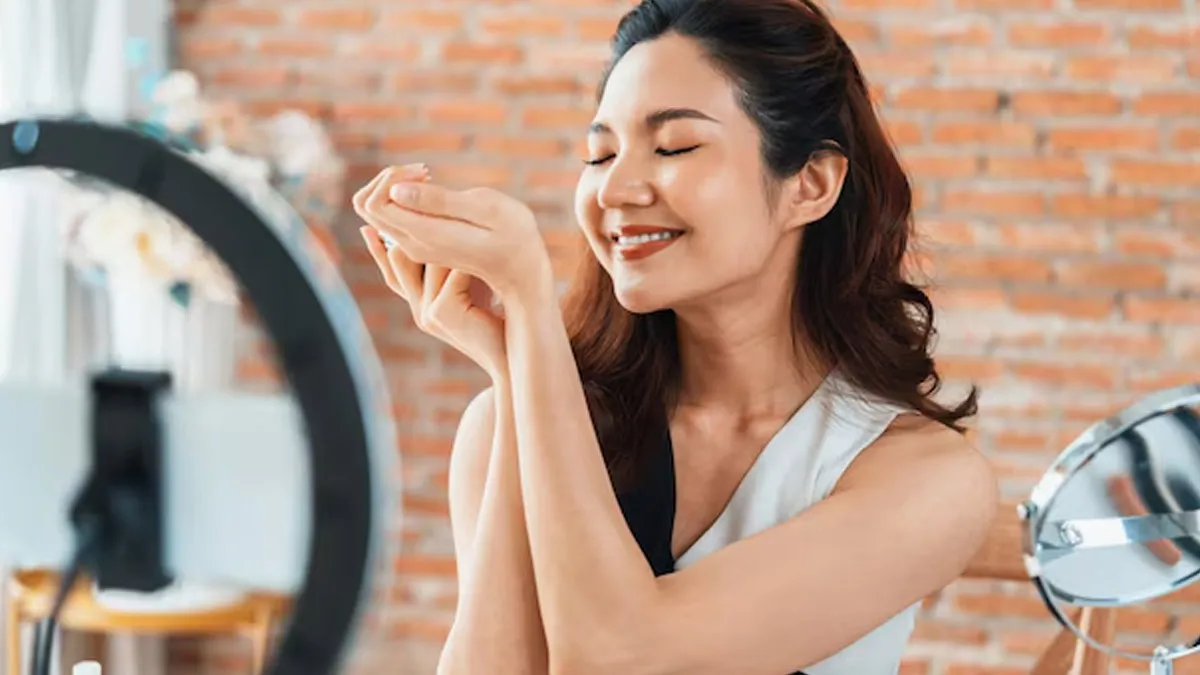
© Getty ImagesA dermatologist has shared Korean beauty products and routines that can support healthy ageing skin

To understand more about K-beauty tips and the routines to try, we caught up with Dr. Marie Jhin, a board-certified dermatologist and the author of The K-Beauty Secrets: Accessible Beauty for Every Woman. 

“In Korea, the focus is never on dramatic changes – it’s on looking refreshed and natural,” she says. “That mindset, combined with the right ingredients and consistency, is what makes K-beauty so effective for women navigating this stage of life.” Here are the skincare routines and habits she recommends…

© Getty Images

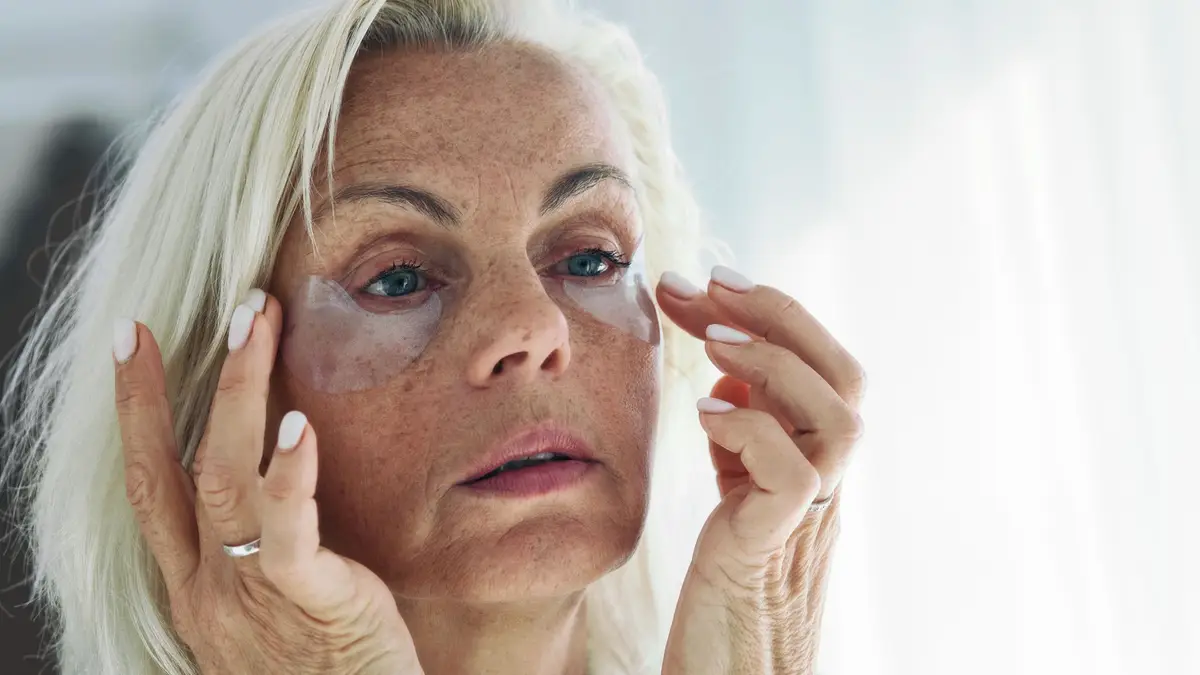
Supporting the skin barrier can protect against some signs of ageing

Understand key ageing times

Dr Jhin says there are two key life stages where women might notice accelerated ageing, and says supporting the skin barrier can help to protect against some of the effects.

“Research has identified two distinct peaks in the ageing process — one in your 40s and another in your 60s. That first peak is significant, and understanding why it happens is key to addressing it effectively,” she says.

“In your 40s, your skin undergoes real hormonal shifts — collagen production slows, the skin barrier becomes more fragile, and hydration retention decreases. Korean skincare philosophy approaches this not as ‘anti-aging’ but as skin health preservation — treating the skin with consistency and layering rather than dramatic intervention.”

© Getty Images

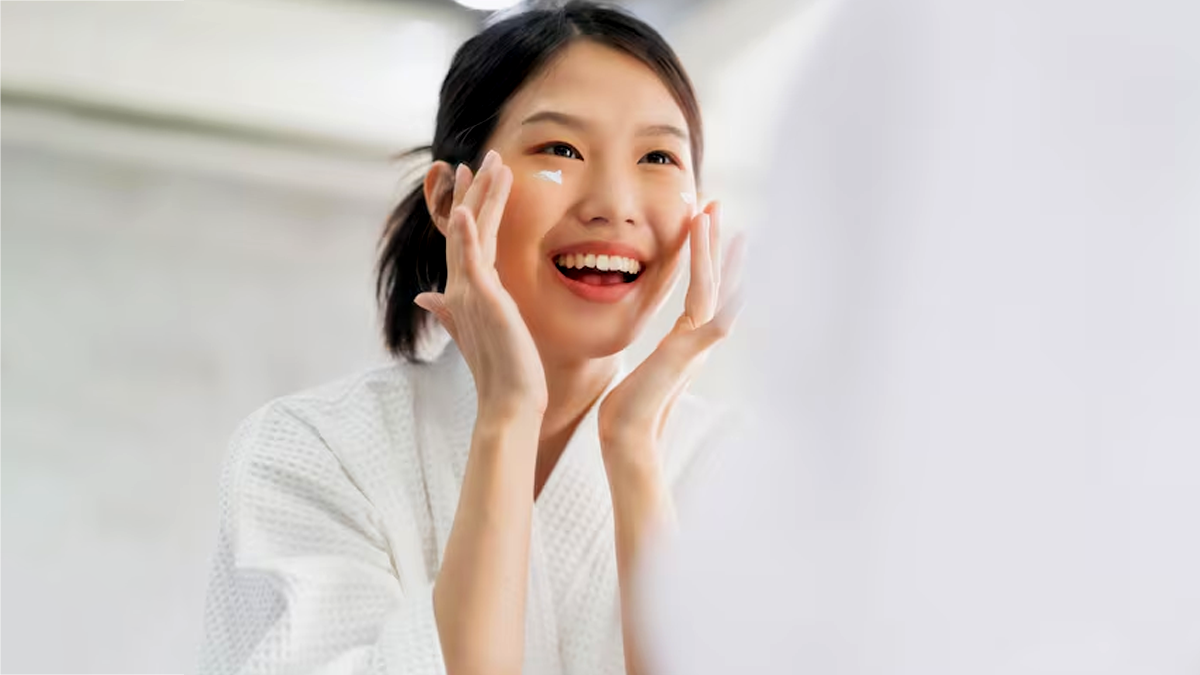
The dermatologist recommends the following morning skincare routine

Recommended morning routine

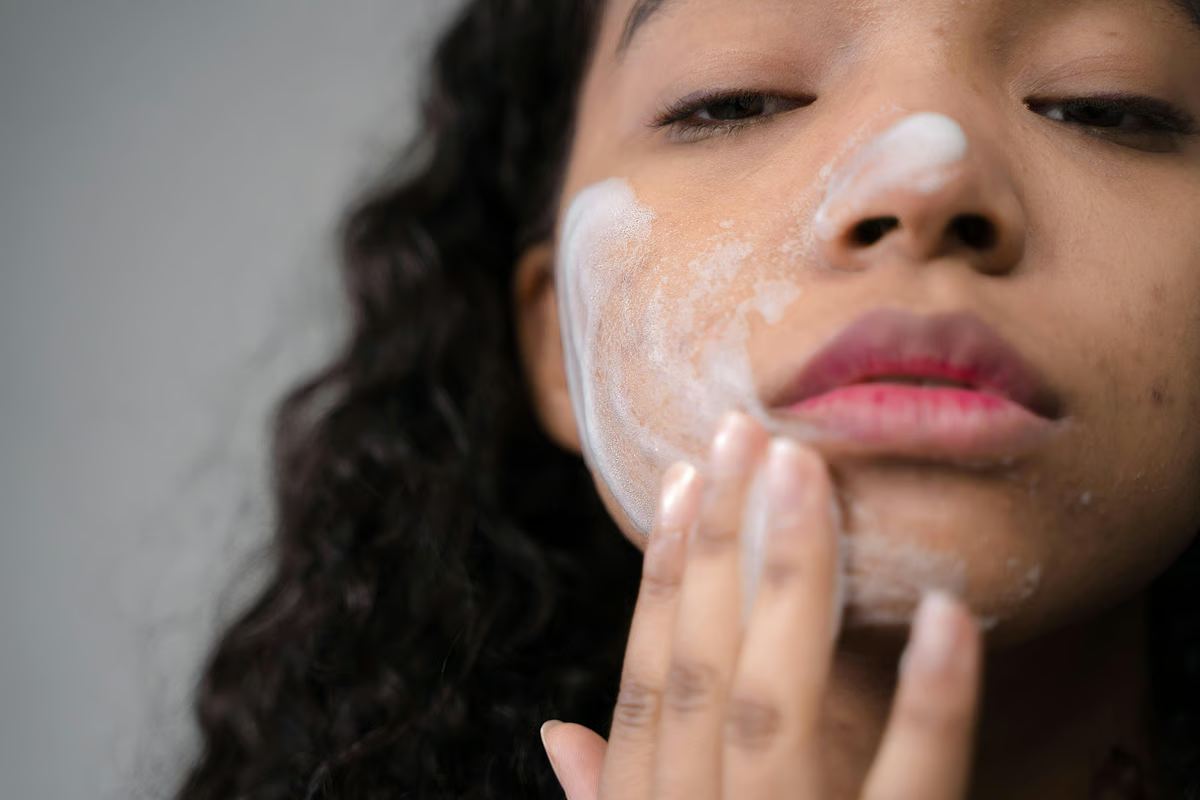
  1. Low-pH gentle cleanser — preserves the acid mantle, which becomes more vulnerable in your 40s.

  2. Hydrating toner/essence — the cornerstone of K-beauty; look for fermented ingredients like galactomyces or bifida ferment lysate to boost radiance and cell renewal.

  3. Vitamin C serum — brightens hyperpigmentation (common in your 40s) and supports collagen synthesis.

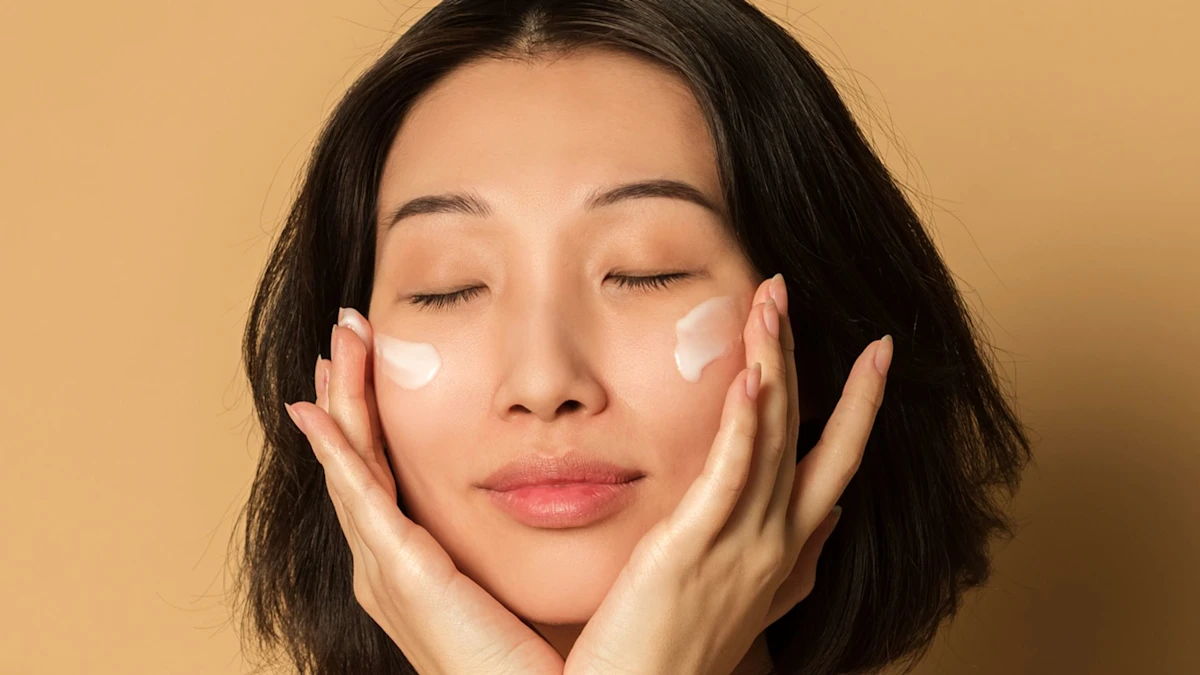
  4. Lightweight moisturiser with ceramides — rebuilds the skin barrier.

  5. SPF 50 sunscreen — the single most impactful anti-ageing step, full stop.

© Getty Images

These Korean beauty secrets could transform your evening skincare routine

Recommended evening routine

Meanwhile, the following evening skincare routine incorporates some popular K-beauty products to nourish skin.

  1. Double cleanse — oil cleanser first, then water-based, to ensure actives can fully penetrate.
  2. Exfoliating toner (2-3x weekly) — gentle AHAs like lactic acid to resurface without stripping.

  3. Peptide or PDRN (polynucleotide) serum — signals skin to produce collagen; hugely popular in Korean clinics.

  4. Retinol or bakuchiol — for cell turnover; bakuchiol is the gentler, Korean-favoured alternative for sensitive skin.

  5. Rich moisturiser or sleeping mask — seals everything in overnight.

© Getty Images

These skincare ingredients are hugely popular in Korea

Hero K-Beauty ingredients

When you’re updating your skincare routine, these are the popular Korean beauty ingredients to consider trying, according to the dermatologist.

  • Snail secretion filtrate — repairs, hydrates and firms.
  • Centella asiatica (Cica) — calms inflammation and boosts collagen.
  • Niacinamide — evens skin tone, tightens pores and strengthens the barrier.
  • Hyaluronic acid and polyglutamic acid — multi-depth hydration that plumps skin from within.

© Getty Images

Support circulation with a facial massage

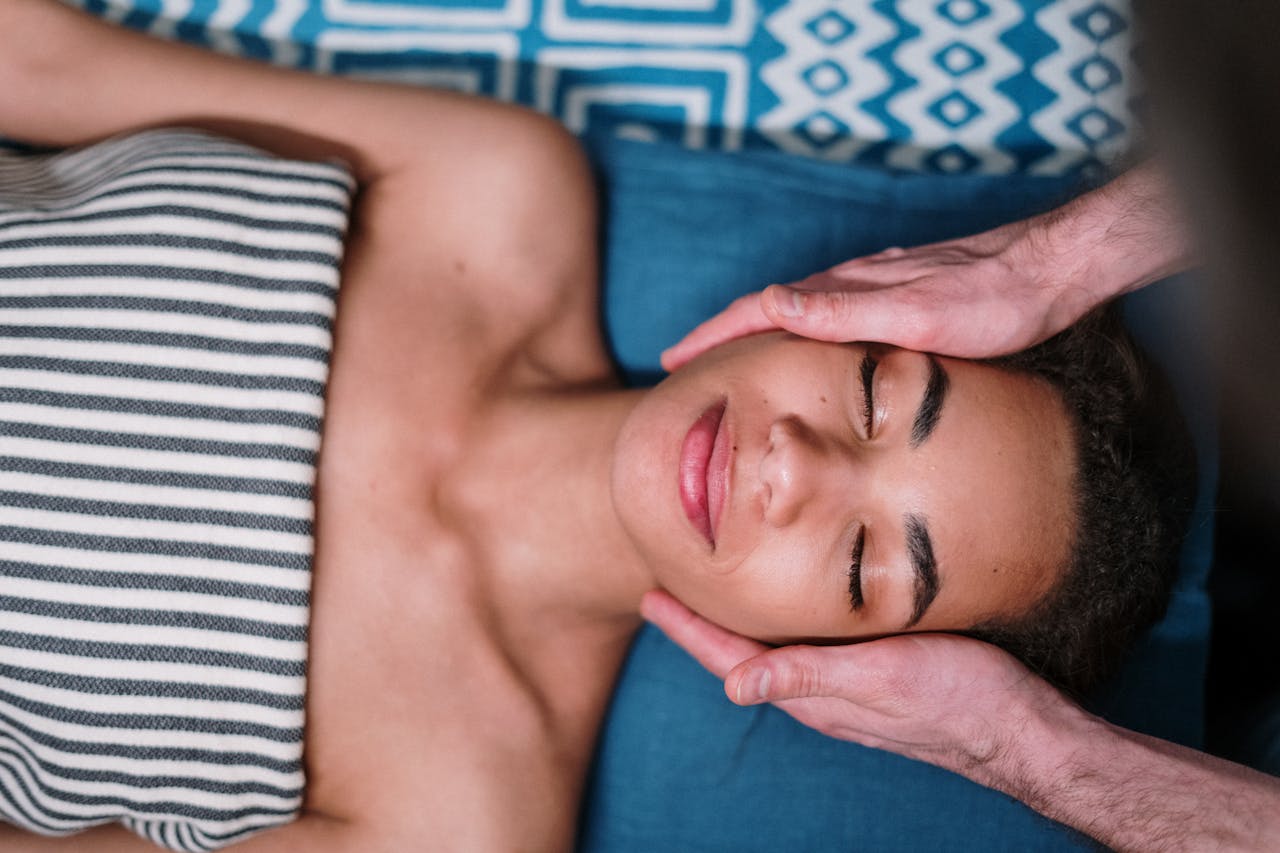
Incorporate a gentle massage

Meanwhile, the skincare expert says that women in their 40s benefit most from collagen-stimulating treatments such as the following:

  • Skin boosters — injectable hydration is hugely popular in Korean clinics, giving a natural, plumped effect.
  • Regenerative treatments using PRP, or polynucleotide (PDRN) injections — derived from salmon DNA, these accelerate collagen repair.
  • Tightening devices such as Ulthera, XREF and Thermage — non-surgical options that lift and firm.
  • Toxins (botulinum toxin) — still the mainstay treatment for ageing skin in the 40s, when used subtly and skilfully.
Tags: , , , , , , , , , ,
Centella Asiatica

Top 6 Korean Skincare Beauty Essentials For Spring Season With Natural Ingredients

Korean Skincare Beauty Essentials For Spring Season: As spring arrives in India, our skin asks for a lighter, gentler routine that keeps it calm, hydrated and glowing. Korean skincare, or K‑Beauty, is loved worldwide because it focuses on natural, soothing ingredients that work without harsh chemicals. Instead of heavy creams, spring calls for ingredients that balance oil, boost hydration, and strengthen the skin’s barrier, according to various skincare experts. Below, in this article, we will tell you about the key natural ingredients you’ll want to look for this season, and why they’re perfect for Indian skin types in Spring season:

6 Best Korean Skincare Beauty Essentials For Spring Season You Must Try

1. Centella Asiatica (Cica)

Centella, often called Cica, is one of the most celebrated Korean skincare ingredients because of its calming and healing properties. It’s great if your skin gets irritated or red due to pollution or warmth in spring. According to a June 2025 research, “Centella asiatica (CICA)-derived exosomes have emerged as bioactive agents for skin rejuvenation due to their regenerative and anti-inflammatory properties.” Cica helps soothe inflammation, supports skin repair and strengthens the moisture barrier, making it ideal for sensitive or reactive skin.

2. Rice Water

Rice water has long been a staple in Asian beauty traditions and is now widely used in Korean products. It’s rich in vitamins and antioxidants that help brighten dullness and smooth skin texture. An April 2018 research highlights, “Rice, a rich source of amino acids, peptides, organic acids, polyphenols, vitamins, and polysaccharides, has garnered growing attention owing to its diverse skincare benefits. Research has demonstrated its potential to enhance skin hydration, improve skin barrier function, mitigate oxidative stress, promote skin whitening, and address signs of aging.” For Indian climates during Spring, which can be humid and sun‑exposed, rice water also helps balance oil and improve overall radiance.

3. Niacinamide (Vitamin B3)

Niacinamide (vitamin B3) is a versatile, water-soluble nutrient crucial for cellular energy, skin health, and barrier function. It regulates excess oil, shrinks the look of pores, and evens out skin tone. It also supports the skin’s barrier and helps reduce redness or pigmentation that can show up with changing seasons. It’s suitable for almost every skin type, from oily to combination skin in spring.

4. Green Tea Extract

Green tea is packed with antioxidants that protect skin from environmental stressors like pollution. It also soothes redness and balances oil production, which is perfect for spring when skin might feel uneven or more reactive.

ALSO READ- Top 7 High-Shine Powder Highlighters For Every Skin Tone

5. Hyaluronic Acid

One of the best humectants in skincare, hyaluronic acid can hold up to 1,000 times its weight in water. This makes it ideal for keeping skin deeply hydrated without heaviness. In spring, when humidity rises but skin still needs moisture, hyaluronic acid keeps skin plump and comfortable.

ALSO READ- 5 Must-Have Korean Skincare Ingredients For Flawless Skin

6. Ginseng

A traditional herbal ingredient, ginseng boosts circulation, supports collagen production and improves skin vitality.  National Institutes of Health (.gov) highlights, “Ginseng is widely used in cosmetics and skin care. The main active ingredient in ginseng is ginsenoside, and its effects on the skin are mostly anti-aging and whitening.” This helps skin stay firm and radiant, especially if it has looked dull after winter. Its antioxidant power also protects against environmental stress.


Choosing products with these natural Korean skincare ingredients means your skin gets gentle and effective care that matches the changing season.

Note: Make sure to do a patch‑test.

For more such stories, stay tuned to HerZindagi. 

Image credit: Freepik 

Tags: , , , , , , , ,
Subscribe Placeholder

Experts weigh in on whether ‘slapping’ ritual in South Korean skincare works

SEOUL – There is one unwritten rule for anyone hoping to debut as a beauty influencer in South Korea: Slap your face – rhythmically and with flair.

A quick scroll through YouTube, TikTok and other social media channels showcasing South Korean cosmetics reveals a familiar scene where creators vigorously pat toner, lotion or foundation onto their faces in a slapping motion, using their hands or make-up puffs.

The same exaggerated tapping ritual is also a staple of TV home shopping channels, where hosts repeatedly slap products onto their faces.

This technique has even inspired its own onomatopoeia, “chap chap”. Originally a Korean adjective describing things neatly settled in place or a calm state of mind, the term now appears in online beauty content to mimic the sound of patting cosmetics onto the skin.

Beauty experts say the phenomenon is closely tied to South Korea’s multistep skincare and make-up routines, where speed and absorption are considered essential.

With products layered sequentially – from toner and essence to primer and foundation – each step is expected to settle before the next begins. If an earlier layer fails to be absorbed properly, it can affect how subsequent products apply, sometimes leading to pilling or uneven texture.

“In Korea, even toners come in multiple formulas, and there is an incredible range of products with different ingredients and textures, including serums, essences and moisturizers,” a 37 year old called Ms Choi, who runs a skincare salon, Hee Aesthetic, near Soongsil University in Dongjak-gu, Seoul, told The Korea Herald.

“It’s almost as if the products are being stacked one on top of another. Absorption really matters, so I usually pat the products in as if I’m massaging the skin.”

For some digital creators, the appeal is more than skin deep.

Beyond its supposed benefits for faster and better absorption, the technique’s strong visual and audible impact helps capture viewers’ attention in video content, said a freelance presenter called Ms Kim in Incheon who promotes cosmetic products through live broadcasts on Instagram.

“People want to see a dramatic before and after effect. When products are applied with a bit more force, they seem to absorb faster. With foundation, for example, pores and blemishes appear more fully covered, which helps keep viewers focused on the video,” she said.

“Also, slapping on toner or lotion while making a ‘chap chap’ sound can make the product seem easy to apply. Thicker creams are especially well suited for ASMR content when they are patted onto the skin.”

Another beauty creator, Ms Kim Hye-jeong, who also works as a home shopping host, has even developed her own patting techniques tailored to different products.

“For watery products like toner, I pat quickly so it doesn’t run. With lipstick, I gently tap with my finger to control the amount and create a more natural look. For blush, I pat it on as if I’m blending it out. It definitely feels like the skincare or make-up turns out better when I tap rather than just rub.”

“These days, ‘chap chap’ has basically become part of beauty lingo. I find myself using it a lot during broadcasts.”

For those unfamiliar with K-beauty, the “chap chap” motion should not be confused with the so-called “ajeossi” slaps, a “meme-fied” habit of some middle-aged men who apply skincare with a few loud, forceful smacks to the face.

Their exaggerated face-slapping while washing up or slapping on lotion has become an online meme in recent years.

Still, the two gestures share a similar motivation: a preference for speed and immediate results.

“Korean men learn to shower quickly during their military service, and Koreans in general are used to doing things quickly, a habit often described as the ‘ppalli ppalli’ culture. Maybe that’s why a culture of roughly applying lotion developed,” said Mr Yang Hong-geun, a 64-year-old resident in Seoul.

“When I wash my face and apply lotion that way, I feel refreshed and my skin feels more hydrated,” he said.

Regardless of the reason, the belief that applying products with force must be good for the skin is widely shared among South Koreans across generations.

But Dr Lee Ha-eun, a dermatologist at Foret Dermatology in Gangnam-gu, Seoul, told The Korea Herald that the motion plays only a supporting role when it comes to absorption.

“The skin barrier does not open easily just because the skin is tapped or slapped, so this motion does not actually help ingredients sink deeper into the skin,” she said.

“However, patting is not completely pointless. It helps spread the product evenly and press it closer to the skin, reducing small pockets of air between the skin and the product. In other words, patting helps the product sit better on the skin, rather than helping it absorb better.”

Dr Lee, who has treated both South Korean and foreign patients, further explained that in the world of skincare and beauty, South Koreans tend to be more willing to tolerate discomfort, if it promises visible results.

“A willingness to tolerate a certain degree of discomfort for better outcomes is fairly common among Korean women, who show strong interest in skincare and cosmetic procedures,” she said.

Among the dermatological procedures that remain consistently popular despite being known for their intense pain are anti-aging laser treatments such as Rejuran and InMode.

These often leave patients with severe redness and visible marks immediately afterwards. While recovery varies from person to person, the after-effects typically last anywhere from two days to a week.

The tolerance for pain extends to non-clinical treatments as well.

Korean facial massage, known as “kyungrak”, which involves applying intense pressure along the jawline, cheekbones and brow bones, has become almost a pre-wedding ritual among young brides and grooms seeking a slimmer looking face.

Beauty comes with pain even at home.

Skincare products containing spicules, microscopic needle-like structures extracted from marine sponges, have sparked buzz among beauty aficionados in recent years, as they are thought to improve absorption, aid skin regeneration, and refine overall texture.

Dr Lee attributed South Koreans’ embrace of painful beauty treatments to a broader social mindset that treats endurance as a virtue.

“In a beauty powerhouse like Korea, ‘no pain, no gain’ applies to skincare as well. At our clinic, many patients tend to put up with pain rather than express it, even when procedures are uncomfortable,” she said.

“With so many new treatments emerging each year and dermatological procedures becoming so common, people’s psychological hurdle toward pain appears to have gradually lowered.” THE KOREA HERALD/ASIA NEWS NETWORK

Tags: , , , , , , ,
Why Indian skincare scores over Korean routines

Why Indian skincare scores over Korean routines

Nature’s benefits

One of the most exquisite strengths of Indian skincare lies in its use of revered, time-honoured ingredients drawn from nature’s most precious offerings. Turmeric, sandalwood, saffron, neem, rose, aloe vera, and multani mitti have adorned beauty rituals for centuries, not merely for cosmetic enhancement, but for their deeply therapeutic properties.

These botanicals are naturally abundant in antioxidants, anti-inflammatory compounds, and healing elements that soothe sensitivity, refine pigmentation, and restore clarity. Rather than offering a fleeting glow, Indian traditions work on the deeper harmony of the skin, encouraging long-term vitality and resilience.

Another advantage is Ayurveda’s personalised elegance. Traditional Indian skincare recognises that beauty is never one-size-fits-all. Every individual possesses a unique doshic constitution — Vata, Pitta, or Kapha — and skincare is curated accordingly. Cooling rose and sandalwood calm fiery redness and irritation, while nourishing oils such as almond or sesame envelop dry skin in softness and protection. This bespoke approach creates a ritual of balance and refinement, far more intuitive and enduring than generic routines shaped by global trends.

Indian skincare is also defined by its simplicity, sophistication, and sustainability. Unlike the often elaborate Korean routines involving numerous layers of toners, essences, serums, and masks, Indian rituals embrace fewer, more versatile preparations. A single ubtan — an herbal blend once cherished by royal brides — can cleanse, exfoliate, and illuminate the complexion in one luxurious step. Similarly, facial oils serve as moisturisers, protectors, and age-defying elixirs. This minimal yet potent approach feels indulgent while remaining gentle and respectful of the skin barrier.

Tags: , , , ,
7 simple habits Korean women over 60 do that makes their face look naturally lifted – VegOut

7 simple habits Korean women over 60 do that makes their face look naturally lifted – VegOut

Ever since I started splitting my time between Saigon and Singapore, I’ve become fascinated by something I keep noticing.

Korean women in their 60s and 70s have this remarkable way of looking decades younger than their Western counterparts, with faces that seem naturally lifted and sculpted without any obvious signs of cosmetic work.

At first, I thought it was just good genes. But after befriending several Korean families through my wife’s social circle and diving deep into Korean wellness practices for my research, I discovered something more interesting.

These women follow specific daily habits that have been passed down through generations, habits that Western skincare science is only now beginning to understand.

What really got me hooked was watching my wife’s 68-year-old Korean friend demonstrate her morning routine during a visit. Her skin had this bounce and lift to it that most people lose by 40. When I asked her secret, she laughed and said, “No secret, just consistency.”

After months of observation and conversations with Korean women over 60, plus diving into research on facial aging and muscle tone, I’ve identified seven simple habits that create that naturally lifted appearance. And here’s the kicker: none of them require expensive products or procedures.

1. They practice facial gua sha every morning

Korean women over 60 treat their morning facial massage as seriously as brushing their teeth. But they don’t just randomly rub their faces. They use a specific upward sweeping technique with either their knuckles or a smooth stone tool.

The science behind this is actually fascinating. As we age, facial muscles can become stagnant, leading to sagging. This daily massage stimulates blood flow and lymphatic drainage, which reduces puffiness and creates a natural lifting effect.

I watched one woman demonstrate this, spending exactly three minutes each morning working from her jawline up to her temples in firm, upward strokes. She’d been doing it for 40 years. The difference in her jawline definition compared to women her age who don’t practice this was striking.

The key is the upward motion. Always up, never down. They believe pulling the skin downward accelerates sagging, and honestly, looking at their results, they might be onto something.

2. They sleep on their backs religiously

This one surprised me because it seems so simple, yet it’s probably one of the most effective habits I discovered. Korean women over 60 are incredibly disciplined about sleeping on their backs, even if it means training themselves over months to change their natural sleeping position.

Why does this matter? Side sleeping creates compression on one side of your face for hours each night. Over decades, this leads to deeper wrinkles on one side and can actually cause facial asymmetry. Stomach sleeping is even worse, pushing your face into the pillow and creating vertical lines.

When I was researching for my book Hidden Secrets of Buddhism: How To Live With Maximum Impact and Minimum Ego, I came across Buddhist teachings about body awareness even during sleep. Korean women have taken this concept and applied it practically to facial preservation.

They often use specialized pillows that make side sleeping uncomfortable, essentially forcing themselves to maintain the back position. After seeing the difference in facial symmetry and wrinkle patterns, I’ve started attempting this myself, though I’ll admit it’s harder than it looks.

3. They do face yoga while watching TV

Picture this: a group of Korean grandmothers watching their evening dramas while simultaneously doing facial exercises. It’s a common sight in Korean households, and there’s solid reasoning behind it.

These aren’t random facial movements. They follow specific exercises designed to tone the 57 muscles in the face and neck. Think of it like going to the gym, but for your face. The exercises include resistance training using their own hands, stretching movements, and isometric holds.

One exercise I learned involves placing your fingers on your temples, then trying to squint while using your fingers to create resistance. Another involves filling your cheeks with air and transferring it from side to side. They do these for about 15 minutes daily.

The result? Lifted cheekbones, defined jawlines, and reduced nasolabial folds. Western facial yoga instructors charge hundreds for teaching these techniques, but Korean women have been passing them down for free through generations.

4. They hydrate from the inside out with specific timing

Korean women over 60 don’t just drink water. They have a specific hydration protocol that maximizes facial plumpness and skin elasticity. They drink warm water first thing in the morning, before any food or coffee, and they sip water consistently throughout the day rather than gulping large amounts at once.

But here’s where it gets interesting. They stop drinking large amounts of liquid two hours before bed. This prevents nighttime puffiness that can stretch facial skin over time. They also add specific ingredients to their water: a slice of ginger in the morning for circulation, and sometimes a pinch of sea salt for mineral balance.

The warm water thing initially seemed odd to me, coming from Australia where we prefer everything iced. But warm water is absorbed more quickly by the body and doesn’t shock the digestive system. Better absorption means better cellular hydration, which directly impacts skin firmness and that lifted appearance.

5. They eat collagen-rich foods daily, not supplements

While Western women pop collagen pills, Korean women over 60 get their collagen from food sources, and they’ve been doing it long before collagen became a buzzword. Bone broth, fish skin, chicken feet, and pig trotters are regular parts of their diet.

They also pair these foods with vitamin C sources to boost collagen synthesis. A typical combination might be fish soup with kimchi, or bone broth with fresh herbs. They understand that collagen from food is more bioavailable than processed supplements.

What struck me was their consistency. They don’t eat these foods occasionally; they’re part of the daily diet. One woman told me she hasn’t gone a week without bone broth in 30 years.

6. They protect their faces from gravity throughout the day

This habit is subtle but genius. Korean women over 60 are constantly aware of how gravity affects their facial skin. They avoid looking down at phones or books for extended periods, instead holding devices at eye level. When applying skincare, they use upward motions exclusively.

They even avoid certain facial expressions that work with gravity to pull features downward. Frowning, for example, is consciously minimized. This isn’t about suppressing emotions but about being mindful of habitual expressions that contribute to sagging over time.

In my book Hidden Secrets of Buddhism: How To Live With Maximum Impact and Minimum Ego, I write about mindfulness in daily actions. These women have mastered this concept specifically for facial preservation.

7. They use cold water exclusively on their faces

Never hot water. Ever. Korean women over 60 wash their faces with cool or cold water only, regardless of the season. Hot water strips natural oils and breaks down collagen and elastin fibers over time.

But they take it further. Many keep their skincare products in the refrigerator and use cold spoons or ice rollers on their faces each morning. The cold causes vasoconstriction followed by vasodilation, which boosts circulation and creates a natural tightening effect.

Some even practice cold water immersion for their faces, dunking their faces in bowls of ice water for a few seconds at a time. The immediate lifting effect is visible, but the long-term benefits of preserved collagen are what really matter.

Final words

After studying these habits, what strikes me most is their simplicity and accessibility. These aren’t expensive treatments or complicated procedures. They’re daily practices that require nothing more than consistency and mindfulness.

The Korean women I’ve observed don’t view these habits as chores. They’re simply part of life, as automatic as brushing teeth. And perhaps that’s the real secret: making facial care so routine that it becomes effortless.

Since learning these techniques, I’ve incorporated several into my own routine, and my wife has adopted even more. While we might not have 40 years of practice behind us like these Korean women, starting now is better than never starting at all.

The naturally lifted appearance these women maintain into their 60s, 70s, and beyond isn’t magic. It’s the compound effect of small, daily habits performed consistently over decades. And that’s something anyone can start today.


What’s Your Plant-Powered Archetype?

Ever wonder what your everyday habits say about your deeper purpose—and how they ripple out to impact the planet?

This 90-second quiz reveals the plant-powered role you’re here to play, and the tiny shift that makes it even more powerful.

12 fun questions. Instant results. Surprisingly accurate.


Tags: , , , , , , ,
The K-beauty trends expected to explode in 2026, according to a Korean skincare expert

The K-beauty trends expected to explode in 2026, according to a Korean skincare expert

Long before ‘skin barrier’, ‘slugging’ or ‘glass skin’ entered our everyday beauty vocabulary, Korean skincare was quietly setting the standard, rewriting the rules of what effective (and fun) skincare could look like. This year, K-beauty continued to inform skincare trends. And according to the experts, 2026 will show no sign of that interest slowing down. In fact, they believe that the influence of K-beauty is only set to deepen in 2026. As beauty lovers become savvier, the desire for results-driven routines that still feel sensorial has never been stronger. Next year, it’s all about fewer steps, smarter formulas and a focus on long term skin health. 

© Biodance

So what’s next? To get a pulse on the trends set to take over our bathroom shelves in the year ahead, K-beauty expert and Skin Cupid CEO and founder, Melody Yuan, exclusively shares her predictions on the innovations, ingredients and philosophies set to define 2026.

Melody tells H! Fashion: “Having already set the global stage for skin care, K-beauty continues to set the benchmark for innovation. UK consumers are becoming more ingredient-savvy, gravitating towards the gentle formulations and advanced technology that Korean skincare is celebrated for. 2026 will be a year defined by personalisation, skin health, and sustainable luxury.”

Keep reading for all the need to know trends, ingredients and innovations in K-beauty for 2026…

 AI-Driven Skin Personalisation

K-beauty is set to embrace next-level personalisation in 2026, driven by rapid advances in beauty tech. Melody explains that tech-integrated skincare will soon deliver truly tailored routines for UK consumers. “With tech-integrated beauty on the rise, 2026 is set to bring personalised routines to UK consumers,” says Melody, pointing to advanced diagnostic tools, app-linked routines, and AI-generated custom formulations that adapt in real time to lifestyle and environmental factors.

Barrier-First

Barrier repair continues to dominate the global skincare conversation and K-beauty is taking it a step further. “Barrier-repair skincare is rising across the globe, and K-beauty will be pushing it further with new-generation strengthening complexes,” notes the expert. She explains that ultra-gentle, microbiome-supporting formulas, particularly those using fermented ingredients, ceramides, and postbiotic blends, will become central to everyday routines. However, she adds that consumers will need to be mindful about how they protect and restore the skin barrier, rather than overdoing it.

Poly-L-Lactic Acid (PLLA)

PLLA, long associated with in-clinic treatments, is also moving into mainstream skincare. “You may have heard of this ingredient, which is often used in injectable fillers and other dermatology treatments, and we can expect to see more over-the-counter cosmetic products formulated with PLLA in 2026,” she explains. While topical formulas can’t replicate the results of injectables, the expert  explains they can still help exfoliate, hydrate, and improve elasticity for smoother-looking skin.

Hybrid-Skincare Products

The ‘glass skin’ aesthetic continues to dominate, and hybrid skincare is playing a major role in achieving the look. Already gaining momentum, these multitasking formulas are set to become even more prevalent in the year ahead. “We’ve seen a rise in the ‘glass skin’ aesthetic this year, and this is formed by using hybrid-skincare products,” she says. As the category grows, Skin Cupid’s founder explains that hybrid formulas promote wearable, multi-layered radiance through a mix of skincare and makeup benefits. “Think soft-focus glow and skin-boosting luminisers – products that deliver long-term skin health benefits alongside instant luminosity.”

Traditional Ingredients

Modernised hanbang (traditional Korean herbal medicine) is also set to make a strong comeback in 2026, reimagined through a contemporary lens. “We expect that 2026 will see a major surge in modernised hanbang formulas,” says the expert. Ingredients such as ginseng, mugwort, and bamboo sap will rise in popularity, she explains, paired with peptides and advanced encapsulation technologies to improve stability and ingredient delivery.

Sensorial Skincare

As skincare culture continues to thrive on TikTok, sensorial experiences are becoming just as important as results. “With the rise of sensorial skincare on TikTok, Korean beauty brands are set to introduce more sensorial textures, uplifting aromas, and mood-enhancing formulations,” she tells us. By transforming daily routines into moments of self-care, Melody believes sensorial skincare will add an entirely new dimension to the K-beauty market and is one of the most exciting trends to watch in the new year.

An expert’s K-beauty product recommendations for 2026: 

PURCELL PIxcell Biom 2Billion/ml

© Purcell

Melody’s Expert Opinion: “PURCELL’s PIXCELL BIOM 2BILLION/ml is a powerhouse treatment crafted to restore, protect, and strengthen your skin from the inside out – starting with the barrier. Formulated with a remarkable 90% concentration of 2 probiotic ingredients, Bifida Ferment Lysate and Lactobacillus Ferment Lysate, this potent treatment delivers intensive care for stressed, sensitive, or acne-prone skin.”

MA:NYO Bifida Biome Aqua Barrier Cream 

© Amazon

Melody’s Expert Opinion: “MA:NYO’s Bifida Biome Aqua Barrier Cream is a refreshing, lightweight moisturiser that delivers deep hydration while helping to keep skin balanced and soothed, even in hot and humid conditions. Specially designed for year-round use, it’s particularly effective in summer when skin can become dry, flaky, and overheated from excessive sun exposure.”

PARNELL Cicamanu Serum Cushion

© Parnell

Melody’s Expert Opinion: “Meet PARNELL’s Cicamanu Serum Cushion, Korea’s No.1 cushion foundation, and your shortcut to glowing, calm, and hydrated skin – even on your most sensitive days. This innovative base combines the featherlight coverage of a cushion with the power of a full serum, creating a radiant finish that looks like your skin, only better.”

Tags: , , , , , ,
Woman Lying on Blue and White Textile

Why Cloud Skin Is the Next Big Thing After Glass Skin in Korean Beauty Trends for K-Beauty

Korean beauty trends have long shaped global skincare and makeup standards, from multi-step routines to complexion-focused aesthetics. For years, glass skin dominated the conversation with its ultra-glossy, reflective finish. However, as beauty preferences evolve, a softer and more wearable look is gaining momentum. Enter cloud skin, a rising trend expected to define K-beauty 2025 with its balanced, diffused glow and effortless elegance.

This shift reflects changing lifestyles, climate considerations, and a growing preference for skin that looks healthy rather than flawless. Cloud skin offers a modern alternative that still embraces the signature dewy look associated with Korean beauty, but in a more understated way.

What Is Cloud Skin?

Cloud skin is a complexion trend characterized by a soft-focus, velvety finish that mimics naturally well-moisturized skin. Instead of a high-shine surface, it delivers a subtle luminosity that appears smooth, fresh, and breathable. The goal is skin that looks calm and refined, with light reflecting gently rather than sharply.

Unlike glass skin, which prioritizes intense hydration and visible shine, cloud skin focuses on balance. Hydration remains essential, but it is paired with texture refinement to create a diffused glow. This approach aligns with broader Korean beauty trends that emphasize skin health, realism, and comfort.

Why Glass Skin Is Falling Out of Favor

Glass skin gained popularity for its aspirational, almost porcelain-like appearance. However, maintaining such a look often requires multiple layers of products and frequent touch-ups. As consumers become more ingredient-conscious and time-aware, overly complex routines are losing appeal.

Additionally, climate and lifestyle factors play a role. In humid environments or busy daily schedules, high-shine finishes can feel impractical. Cloud skin addresses these concerns by offering a polished appearance that is easier to maintain, making it more suitable for everyday wear in K-beauty 2025.

How Cloud Skin Differs From Glass Skin

The primary difference lies in finish and intention. Glass skin aims for maximum luminosity, often resulting in a wet or glossy appearance. Cloud skin, on the other hand, sits between matte and dewy. It softens the skin’s surface while retaining a healthy glow.

From a visual standpoint, cloud skin blurs imperfections rather than highlighting them with shine. It creates an even complexion that looks naturally smooth, making it appealing to those seeking a refined but low-effort dewy look.

What Does Cloud Skin Look Like?

Visually, cloud skin appears plush and airy, much like the name suggests. The skin looks hydrated without appearing oily, with pores and fine lines subtly blurred. Light reflects softly across the face, giving a fresh and youthful impression.

This aesthetic aligns with modern Korean beauty trends that favor understated elegance. Instead of dramatic finishes, the focus is on skin that looks consistently healthy throughout the day.

Are you ready for the cloud skin trend?

How to Achieve the Cloud Skin Look

Skincare Approach

The foundation of cloud skin begins with proper skincare. Lightweight hydration is key, using products that moisturize without leaving residue. Toners, essences, and gel-based moisturizers help maintain skin balance while supporting the skin barrier.

Exfoliation and barrier care are also important, as smooth texture enhances the soft-focus effect central to cloud skin. Overly rich or heavy products are generally avoided.

Makeup Techniques

Makeup for cloud skin is minimal and strategic. Sheer foundations or skin tints with satin finishes are preferred over full-coverage formulas. Light powder application helps control excess shine while preserving luminosity.

Blurring primers and soft-finish cushions are commonly used to enhance the diffused glow. The result is a complexion that feels breathable and natural, aligning with the evolving standards of K-beauty 2025.

Products Commonly Associated With Cloud Skin

Cloud skin relies on thoughtfully selected products that enhance hydration and texture without creating excessive shine. Instead of heavy layering, this approach prioritizes lightweight formulas that support a soft, diffused finish while maintaining a natural dewy look associated with modern Korean beauty trends.

  • Lightweight hydrating toners and essences that prep the skin without residue
  • Gel or lotion-type moisturizers that balance moisture and absorption
  • Sheer foundations or skin tints with satin or soft-matte finishes
  • Blurring primers or finely milled powders used sparingly to refine texture

Why Cloud Skin Is Trending in K-Beauty 2025

The rise of cloud skin reflects broader shifts within K-beauty 2025, where practicality and skin realism are becoming more important than high-shine perfection. As routines simplify and consumer expectations evolve, cloud skin offers a more adaptable interpretation of the classic dewy look.

  • Preference for wearable, everyday-friendly Korean beauty trends
  • Increased emphasis on skin health and comfort over dramatic finishes
  • Influence of celebrities and digital beauty content promoting softer aesthetics
  • Greater adaptability across skin types, climates, and lifestyles

Conclusion

The transition from glass skin to cloud skin signals a new chapter in Korean beauty trends. With its soft-focus finish and balanced dewy look, cloud skin offers a more wearable and inclusive approach to complexion aesthetics. As K-beauty 2025 approaches, this trend is set to redefine how healthy, radiant skin is perceived. It’s less about shine, and more about harmony.

Frequently Asked Questions

What is cloud skin in Korean beauty?

Cloud skin is a complexion trend that focuses on a soft, diffused glow rather than high shine. It emphasizes balanced hydration and smooth texture.

Is cloud skin suitable for all skin types?

Yes. Cloud skin can be adapted for oily, dry, and combination skin by adjusting skincare and base products to suit individual needs.

Does cloud skin still count as a dewy look?

Cloud skin offers a more subtle version of the dewy look. It maintains radiance without the glossy finish associated with glass skin.

Will cloud skin replace glass skin completely?

While glass skin may remain popular for certain occasions, cloud skin is expected to become the dominant everyday look in K-beauty 2025 due to its practicality and versatility.

Originally published on beautyworldnews.com

Tags: , , , , , , ,
If you adopted these 10 habits from Korean beauty culture, your skin would thank you

If you adopted these 10 habits from Korean beauty culture, your skin would thank you

Korean beauty culture has been having a moment for years now, and honestly, I get why.

While living in Seoul for a few months back in 2019, I noticed something interesting: people of all ages seemed to have this luminous, healthy-looking skin that didn’t come from heavy makeup or fancy filters.

The secret? It wasn’t one magic product or procedure. It was a completely different approach to skincare built on consistency, prevention, and actually listening to what your skin needs.

Today, I want to walk you through ten habits from Korean beauty culture that genuinely make a difference. These aren’t complicated rituals requiring expensive imports or hours of your time. They’re practical approaches to skin health that happen to align with what dermatologists have been saying all along.

Let’s get into it.

1. Double cleansing becomes non-negotiable

Here’s the thing about cleansing: most of us aren’t doing it thoroughly enough.

Korean beauty culture popularized the double cleanse method, and after adopting it myself, I can’t imagine going back. The concept is simple but effective: first, you use an oil-based cleanser to break down makeup, sunscreen, and sebum. Then you follow with a water-based cleanser to remove any remaining impurities and sweat.

Think about it this way. Your face accumulates layers throughout the day: sunscreen, pollution, natural oils, maybe some makeup. One quick wash with face soap isn’t going to cut through all of that.

When I started double cleansing about three years ago, I noticed my skin looked clearer within weeks. My serums and moisturizers seemed to work better too, probably because they could actually penetrate clean skin instead of sitting on top of residue.

You don’t need expensive products for this. A basic cleansing oil or micellar water followed by your regular gentle cleanser does the job perfectly.

2. Sunscreen isn’t optional, it’s the foundation

In Korean beauty culture, sunscreen is treated like brushing your teeth. It’s not a beach day thing or a summer thing. It’s an every single day thing.

This habit alone might be the most impactful one you can adopt. UV damage is responsible for up to 80% of visible aging, not to mention the skin cancer risks. Yet so many people skip sunscreen daily because it feels like extra work or they don’t like the texture.

Korean sunscreen formulations changed my entire relationship with SPF. They’re lightweight, don’t leave a white cast, and some even work as primers under makeup. I keep one in my bathroom, one in my bag, and one at my desk.

The rule is simple: if you’re awake, you’re wearing sunscreen. Cloudy day? Sunscreen. Working from home? Sunscreen. Winter? Still sunscreen.

Your 50-year-old self will thank you for this habit more than any other skincare choice you make.

3. Hydration happens in layers

Forget the idea that moisturizer alone equals hydrated skin.

Korean skincare introduced me to the concept of layering hydration, and it completely transformed how my skin looks and feels. The approach involves applying multiple lightweight layers of hydrating products rather than one heavy cream.

A typical routine might include a hydrating toner, an essence, a serum, and then a moisturizer. Each layer adds hydration and helps the next product absorb better.

I know what you’re thinking: that sounds like a lot of steps and a lot of time. But here’s the reality. Each product takes maybe 30 seconds to apply. The entire layering process adds maybe three minutes to your routine, and the difference in how plump and healthy your skin looks is worth every second.

Start simple if you want. Just add a hydrating toner after cleansing and before your moisturizer. You’ll notice the difference.

4. Prevention matters more than correction

Western skincare culture often focuses on fixing problems after they appear. Korean beauty culture flips this entirely.

The philosophy centers on preventing issues before they start: maintaining your skin barrier, protecting against environmental damage, keeping inflammation low, staying consistently hydrated.

This shift in mindset changed how I approach my entire routine. Instead of buying products to fight breakouts or fade dark spots after they happen, I focus on keeping my skin healthy so those issues are less likely to occur.

Prevention is also way more cost-effective. Quality sunscreen and a gentle routine cost less than treatments for sun damage. Keeping your skin barrier healthy prevents the sensitivity and irritation that lead to expensive dermatologist visits.

Think of it like this: you wouldn’t wait until your teeth are rotting to start brushing them. Why wait until your skin is damaged to start taking care of it?

5. Sheet masks become regular maintenance, not special occasions

Sheet masks used to feel like this indulgent spa thing I’d do maybe once every few months.

In Korean culture, they’re more like a regular tune-up. People use them a few times a week as a normal part of their routine, not as a treat.

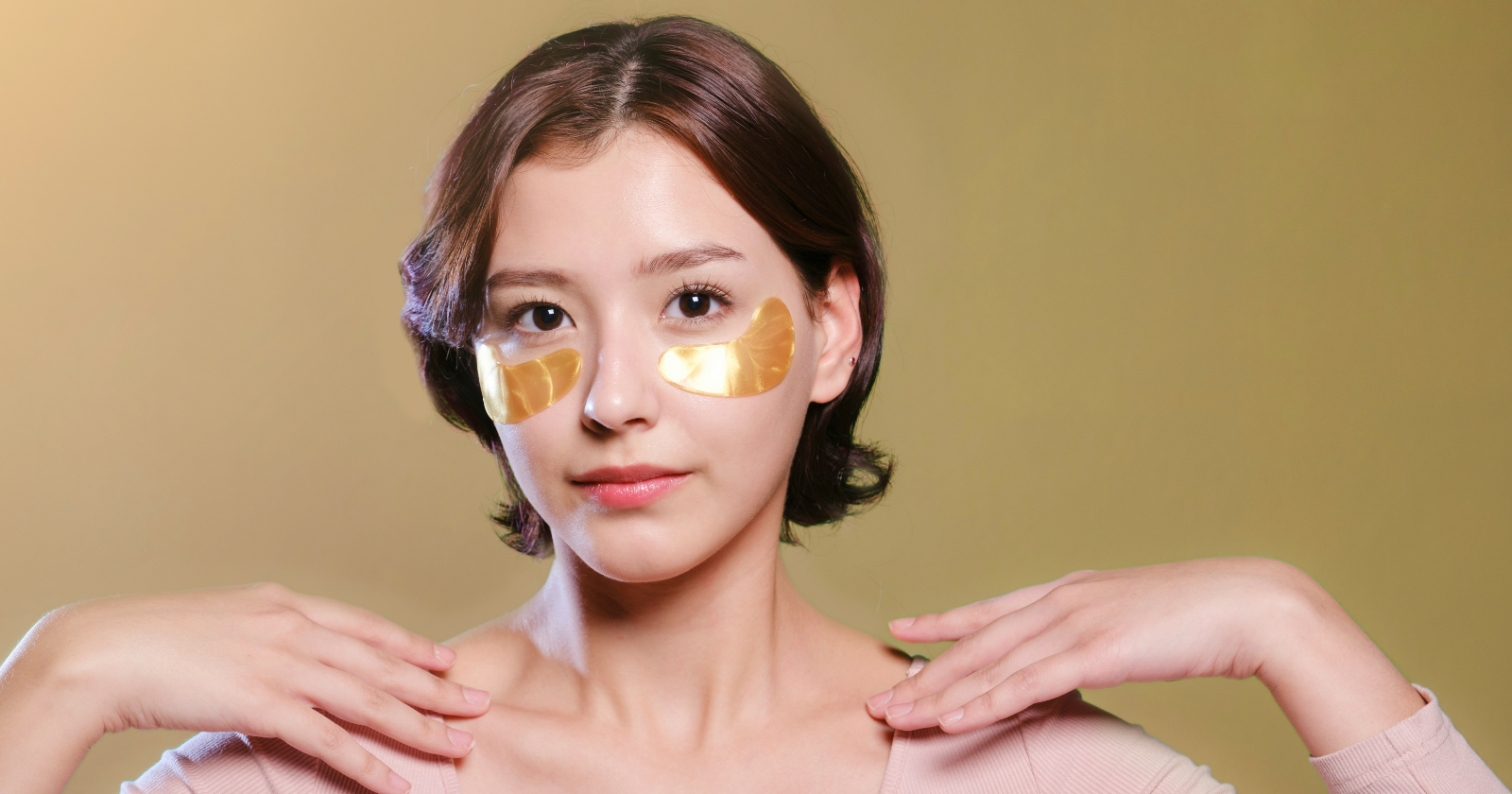
The benefit isn’t just the concentrated serum soaking into your skin, though that helps. It’s also the forced 15-20 minutes of sitting still with a mask on your face. You’re not touching your skin, not checking your phone constantly, just letting your skin absorb the treatment.

I started keeping a variety of sheet masks on hand and using them while I read or watch something in the evening. My skin always looks more plump and refreshed the next morning, especially if I’ve been stressed or not sleeping well.

They’re also perfect for travel when your skin gets dehydrated from planes and hotels. I always pack a few in my suitcase now.

6. Exfoliation gets gentler and more strategic

For years, I thought good exfoliation meant scrubbing my face with something gritty until it felt “squeaky clean.”

Korean skincare taught me that aggressive exfoliation actually damages your skin barrier and causes more problems than it solves. The approach there favors gentle chemical exfoliants or soft physical exfoliation, used sparingly and strategically.

I’ve mentioned this before, but one of the biggest improvements in my skin came from switching from harsh scrubs to a gentle AHA toner I use maybe twice a week. My skin is smoother, brighter, and way less irritated.

The key is understanding that exfoliation isn’t about scraping off layers of skin. It’s about gently encouraging cell turnover and removing dead skin cells that make your complexion look dull.

If your skin feels tight or looks red after exfoliating, you’re doing it too hard or too often. Dial it back.

7. Ingredients matter more than marketing

Korean beauty consumers are incredibly educated about ingredients. They read labels, understand what different actives do, and make informed choices based on what their skin actually needs rather than what packaging promises.

This habit transformed me from someone who bought whatever had the prettiest bottle to someone who actually understands what I’m putting on my face.

You don’t need to become a cosmetic chemist, but learning the basics helps. Understanding the difference between humectants and occlusives, knowing which acids do what, recognizing irritating ingredients you should avoid.

When you know what you’re looking for, you stop wasting money on products that don’t work for your skin type or concern. You also stop falling for marketing gimmicks and focus on formulations that actually deliver results.

Start by researching the ingredients in products you’re currently using. You might be surprised by what you find.

8. Consistency trumps intensity every time

Korean skincare culture values gentle, consistent care over aggressive treatments.

Instead of harsh peels or intense actives that strip your skin, the focus is on sustainable routines you can maintain long-term without damaging your skin barrier.

This was a hard lesson for me. I used to think results required intensity. The more my skin burned or tingled, the better the product must be working, right? Wrong.

That approach left my skin irritated, sensitive, and actually worse than when I started. When I switched to gentler products used consistently, my skin improved steadily and stayed healthy.

Think marathon, not sprint. Your skin responds better to steady, gentle care than dramatic interventions followed by neglect.

Find a routine that works for your skin and your lifestyle, then stick with it for at least a few months before deciding if it’s working. Consistency is where real results happen.

9. Your skin changes, and your routine should too

One thing I noticed in Seoul was how people adjusted their skincare based on seasons, stress levels, hormones, and other factors affecting their skin.

Your skin isn’t static. What works perfectly in humid summer might leave you dry and flaky in winter. What your skin needed at 25 is different from what it needs at 35 or 45.

Korean beauty culture embraces this flexibility. People might have a core routine but swap in different products based on what their skin needs right now.

I keep different moisturizers for different seasons and pay attention to when my skin needs extra hydration versus when it needs something lighter. When I’m stressed or not sleeping well, I might add in more soothing ingredients.

Listen to your skin instead of rigidly following the same routine regardless of what’s happening. Your skin will tell you what it needs if you pay attention.

10. The ritual matters as much as the results

Maybe the most underrated aspect of Korean skincare culture is treating your routine as self-care rather than a chore.

The process of cleansing, applying each product mindfully, gently patting things into your skin becomes this meditative ritual that benefits your mental health as much as your complexion.

I used to rush through skincare, seeing it as something I had to do before bed. Now it’s one of my favorite parts of the day. Those ten minutes in the evening when I’m taking care of my skin are calming and grounding.

This mindset shift makes consistency easier too. When your routine feels good, you’re more likely to stick with it. When it feels like a hassle, you skip it.

Your relationship with your skin changes when you start treating skincare as an act of self-respect rather than vanity or obligation.

Final thoughts

Adopting these habits doesn’t mean completely overhauling your routine overnight or spending hundreds on new products.

Start with one or two changes that feel manageable. Maybe commit to daily sunscreen and double cleansing for a month and see how your skin responds. Add other habits gradually as they make sense for your life and skin.

The beauty of Korean skincare philosophy is that it’s less about perfection and more about building sustainable habits that support healthy skin long-term.

Your skin is with you for life. Treating it with consistent care, protection, and respect will pay dividends not just in how you look, but in how you feel about taking care of yourself.

Which of these habits are you most excited to try?

What’s Your Plant-Powered Archetype?

Ever wonder what your everyday habits say about your deeper purpose—and how they ripple out to impact the planet?

This 90-second quiz reveals the plant-powered role you’re here to play, and the tiny shift that makes it even more powerful.

12 fun questions. Instant results. Surprisingly accurate.


Tags: , , , , ,
Best oLive
Privacy Overview

This website uses cookies so that we can provide you with the best user experience possible. Cookie information is stored in your browser and performs functions such as recognising you when you return to our website and helping our team to understand which sections of the website you find most interesting and useful.