Yoona Skincare Routine — 36-Year-Old Star Reveals Her Anti-Aging Secrets

Yoona Skincare Routine — 36-Year-Old Star Reveals Her Anti-Aging Secrets

[Photo] OSEN DB.

Girls’ Generation member and actress Yoona skincare routine has recently caught the attention of fans after she shared her personal self-care tips through a fashion magazine’s official YouTube channel.

Yoona’s Daily Sheet Mask Habit for Deep Hydration

During the video, Yoona opened up her bag to reveal her everyday carry items, including a camera, script, and sheet masks. Explaining her love for sheet masks, she shared that she has developed a habit of using one every single day. She noted that she even packs them when traveling abroad, explaining that it makes her skin feel deeply moisturized and forms a solid foundation for her complexion.

Stretching Bands and Gua Sha for Circulation

In addition to skincare, Yoona introduced a stretching band as another must-have item she carries everywhere. By performing a simple overhead stretch, she finds it instantly revitalizes her physical condition. She also showcased a traditional gua sha tool, emphasizing its effectiveness in promoting blood circulation and proving her thorough dedication to self-care.

Meanwhile, Yoona is expanding her acting career and has chosen the upcoming 2027 tvN drama ‘Unnatural (working title)’ as her next major project.

Tags: , , , , , , ,
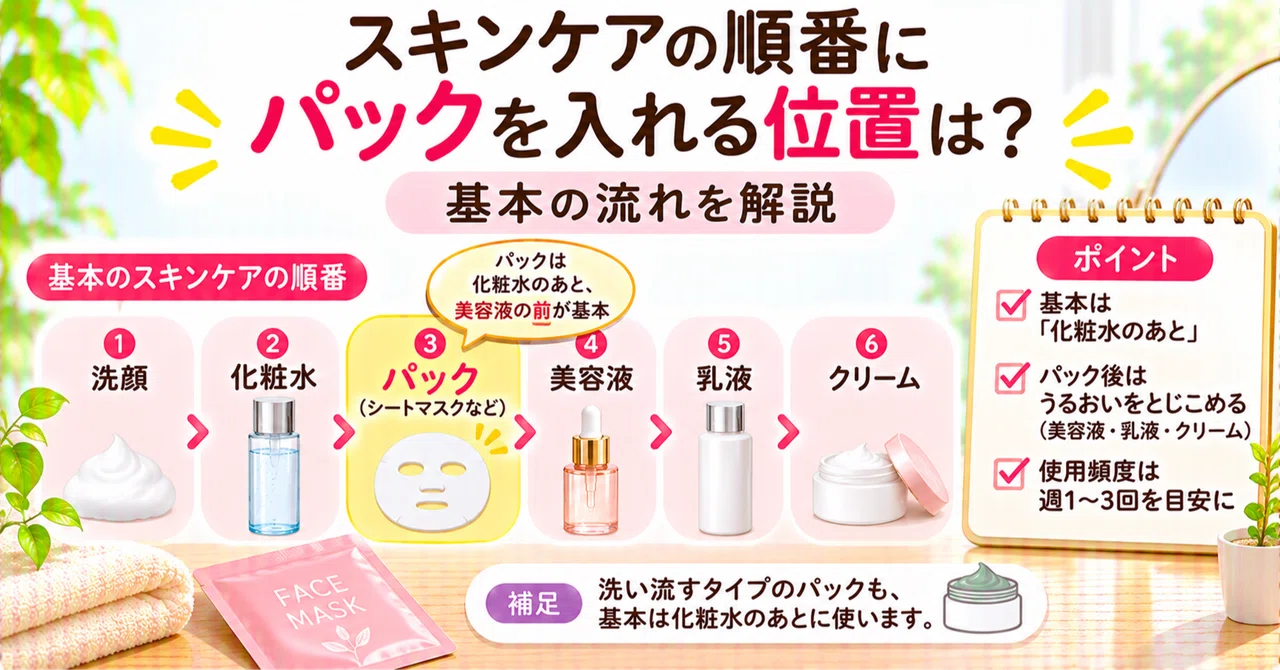
Where does a face mask fit into your skincare routine? Explaining the basic order|natural_life23

Where does a face mask fit into your skincare routine? Explaining the basic order|natural_life23

Wash your face, apply toner, and condition your skin with serum or emulsion.

When you try to incorporate a face mask into your usual skincare routine, do you ever wonder, “What order should I use this in?”

Some instructions say to use it before toner, while others say to use it after toner.

You might even find that the more you research, the more conflicting the information becomes, leaving you more confused than before.

In fact, the position of a face mask in your routine depends on its type.

As a general guideline, standard sheet masks are used after washing your face or after toner, wash-off masks are used early on after washing your face, and sleeping masks are used at the very end of your nighttime skincare routine.

However, even within the same type, the order can vary by product. If the usage order is written on the packaging or the manufacturer’s official website, prioritize that.

In this article, we will organize the basic order of skincare, how to use different types of masks, moisturizing after masking, and how to distinguish between morning and evening use.

Where should you fit the mask you are currently using? Let’s check together.

Where does a mask go after washing your face? The basic order

The position of a mask in your post-cleansing skincare routine is determined by the role that specific product plays.

The order of use differs for products that replenish moisture like sheet masks, products that are washed off, and products that moisturize the skin at the end.

First, let’s confirm the flow of your usual skincare routine and think about how to add the mask to it.

Basic flow: From face wash to emulsion

When not using a mask, the general order of skincare is as follows:

  1. Cleansing

  2. Face wash

  3. Toner

  4. Serum

  5. Emulsion

  6. Cream

Cleansing is primarily used to remove makeup and oil-based impurities, while face washing is used to wash away skin dirt and excess sebum.

However, whether both cleansing and face washing are necessary depends on the products used and the state of your makeup.

After washing your face, hydrate your skin with lotion, then add targeted care with a serum.

Then, the process continues by locking in moisture with emulsion or cream.

Shiseido’s official guide also introduces the basic order of hydrating with lotion followed by moisturizing with emulsion.

Shiseido Official Website

If you are not using a serum or cream, you can skip those steps.

Also, some products, such as booster serums, are designed to be used immediately after washing your face.

Consider the basic flow as a guideline, and in practice, follow the usage instructions for the products you have on hand.

Guidelines for where to place a face mask

When using a sheet mask, the following order is one guideline.

Face wash → Lotion → Sheet mask → Serum → Emulsion/Cream

Shiseido also recommends that many sheet masks be used after lotion.

Shiseido Official Website

On the other hand, there are also types of sheet masks that are used as a substitute for lotion.

In that case, the flow is to use the mask after washing your face, and then proceed to the necessary moisturizing care.

In other words, it is not always the case that a sheet mask must come after lotion.

The position depends on the role of the serum contained in the mask and how the manufacturer intends it to be used.

It is easiest to start by referring to the general order and then adjusting it according to the instructions for the specific mask you have.

How to think about it when the product specifies an order

If the order you found on the internet differs from the order written on the mask packaging, prioritize the product’s usage instructions.

There are mainly three places to check:

  • The “How to Use” section on the back of the package

  • The outer box or the included instruction manual

  • The product description on the manufacturer’s official website

You should especially look for phrases like “after washing your face,” “after toner,” or “at the end of your skincare routine.”

At the same time, check the usage time, whether it needs to be rinsed off, and the recommended frequency of use.

Even for the same type of sheet mask, the order will differ between those that replace toner and those used after toner.

Even if general information differs from the product instructions, it does not necessarily mean that one of them is wrong.

Order by mask type: Sheet, Rinse-off, and Sleeping masks

The basic position for each type of mask can be summarized as follows:

  • Sheet mask: Use after washing your face, after toner, etc.

  • Rinse-off mask: Use early after washing your face, then rinse off before moisturizing

  • Sleeping mask: Use at the end of your nighttime skincare routine

  • Targeted mask: Use according to your purpose and the product’s specifications

However, there are exceptions, such as rinse-off types that are used after toner.

After confirming the type, be sure to compare it with the actual usage instructions.

For sheet masks

Sheet masks are a type that consists of a face-shaped sheet soaked in toner, serum, or other ingredients.

Generally, they are used on clean skin after washing your face.

If the product specifies that it should be used after toner, the sequence is as follows:

  1. Wash your face to clean your skin

  2. Prepare your skin with toner

  3. Apply the sheet mask to your face

  4. Remove it after the time specified on the product

  5. Use serum, lotion, or cream as needed

Leaving a sheet mask on for a long time does not necessarily increase its moisturizing effect.

Do not keep it on longer than the recommended time; follow the product instructions.

Also, if the instructions say to blend the remaining liquid into your skin after removing the mask, follow that method.

You should also be mindful to handle your skin gently without rubbing it.

For wash-off or peel-off masks

Wash-off masks are a type that you apply to your skin, leave on for a certain amount of time, and then rinse off.

For clay masks and similar products, the recommended routine is to use them after washing your face, then rinse off and follow with toner or lotion to condition your skin.

For example, Kiehl’s clay masks suggest using them after washing your face, rinsing off, and then applying toner or lotion.

Cleansing Mask – Kiehl’s Official Online Store

On the other hand, some moisturizing wash-off masks from the same manufacturer are meant to be used after washing your face and prepping with toner.

Kiehl’s

Therefore, you should not place all rinse-off masks before your toner; you need to check the product instructions.

Also, peel-off masks are the type that you peel off after they have dried.

Since the removal method is different from rinse-off types, be careful not to confuse the usage time or the peeling method.

If you are concerned about skin irritation, it is important not to force the mask off or rub your skin.

For sleeping masks and cream masks

Sleeping masks are typically used at the very end of your nighttime skincare routine.

One way to use them is to apply them after prepping your skin with toner, emulsion, etc., and then go to sleep with the product on.

The Avene sleeping mask featured on the Shiseido Online Store also provides instructions to use it at the end of your evening routine and go to sleep without rinsing it off after application.

Shiseido Official Website

However, not all cream-type masks are meant for sleeping.

Some cream masks are meant to be left on for a certain amount of time and then rinsed off.

Therefore, do not judge based on the texture alone; check for labels such as “rinse off,” “do not rinse off,” or “wash off the next morning.”

Also, even when using a sleeping mask, whether or not you should use a separate emulsion or cream depends on the product.

If your skin feels heavy when layering products, you can review your combination of moisturizing items while checking the product’s usage instructions.

For targeted masks

Targeted masks are the type used on specific areas of concern, such as around the eyes, mouth, or cheeks.

Unlike sheet masks that cover the entire face, they can be applied only to the areas where they are needed.

For example, one method is to use an eye mask after applying toner, and then finish with emulsion or cream.

However, there are different types of targeted masks, and the position in your routine depends on the product.

If you want to use a full-face mask in combination with others, be sure to check the usage instructions for both.

Layering multiple masks on the same area can sometimes feel burdensome to the skin.

Instead of combining several from the start, you can also try testing how each one feels individually.

Do you need toner or emulsion after a mask? How to choose the steps to follow

What you apply after using a mask depends on the type of mask and the product’s usage instructions.

For sheet masks, it is common to follow up with emulsion or cream to lock in moisture after removing the mask.

However, whether you need to use toner separately or if emulsion is necessary is not the same for every product.

Can you skip toner if you use a mask?

To determine if you can skip toner when using a mask, it is important to check if the product is designed to serve as a toner replacement.

Shiseido’s official guide recommends using most sheet masks after toner, while noting that types intended to be used as toner are an exception.

Shiseido Official Website

In other words, if it is a type that replaces toner, you have the option of using the mask after washing your face.

On the other hand, if it is specified to be used after toner, do not skip the toner and use it in that order.

When deciding, check the “How to use” and “When to use” sections on the packaging.

The feel of your skin can also be a reference, but just because it feels moist does not necessarily mean you can skip toner.

Reasons to use cream or emulsion after a mask

After removing a sheet mask, one method is to finish your moisturizing routine with emulsion or cream.

The concept is to hydrate the skin with lotion or serum, then replenish oils with emulsion or cream to lock in that moisture.

Shiseido also explains that using emulsion after hydrating with lotion plays a role in maintaining moisture.

Shiseido Official Website

However, depending on the mask, there are some that do not require layering other items afterward.

Therefore, it is not always necessary to use both emulsion and cream after removing a mask.

Check the product instructions and choose according to how your skin feels and the level of dryness.

How to reduce products when you have too many and your skin feels heavy

Even if you are doing your skincare carefully, some people may feel their skin is heavy after using a mask.

When layering lotion, serum, mask, emulsion, and cream, you may feel like you are using too many products.

In such cases, you can try the following adjustments:

  • Check if the roles of your serum and mask overlap

  • See if the amount of emulsion or cream you use matches the product’s recommended amount

  • Adjust the frequency of mask use

  • Compare how your skin feels on days you use a mask versus days you do not

However, there is no need to drastically reduce the amount specified by the product.

First, start by thinking about what you want to replenish with your current care and choose the necessary items.

Should you change how you use masks in the morning and at night? How to decide on frequency and timing

You do not necessarily have to change how you use masks between morning and night.

There are sheet masks that can be used in the morning, as well as sleeping masks intended for nighttime use.

The important thing is to check the recommended usage time and frequency for the product and choose a method that is easy to incorporate into your daily life.

Order and precautions when using a face mask in the morning

If you use a sheet mask in the morning, incorporate it into your skincare routine after washing your face, and then proceed to sunscreen and makeup.

For example, if you are using a sheet mask that is applied after toner, the flow is as follows:

Face wash → Toner → Sheet mask → Emulsion → Sunscreen → Makeup

If you use serums or makeup primers, add those steps according to the product instructions.

Since you may not have much time in the morning, checking the usage time of the mask will make it easier to plan your schedule.

Also, if the surface of your skin is wet immediately after removing the mask, let the remaining liquid absorb according to the product instructions, and proceed to the next step once your skin has settled.

Morning masks can be used to prepare your skin before applying makeup.

However, just because you used a mask does not mean you can skip sunscreen.

Order when using a face mask at night

At night, incorporate the mask after removing makeup and impurities.

For a sheet mask, you might use it after washing your face and applying toner, then finish with the necessary moisturizing care.

For a wash-off mask, use it at the stage specified by the product, and continue with moisturizing care after rinsing it off.

For a sleeping mask, the typical method is to use it as the final step of your nighttime routine.

Some people may find it easier to set aside time at night.

However, just because you have time does not mean you need to use the mask for longer than the specified time.

Choose a method that you can continue comfortably while adhering to the product’s usage time.

Whether to use it daily or as a special treatment

Whether or not to use a mask every day should be based on the product’s recommended usage frequency.

Even in Shiseido’s official explanation, it is stated that while some sheet masks can be used daily depending on the product, it is not necessary to use every product every day.

Shiseido Official Website

Some wash-off masks and sleeping masks also have specified usage frequencies.

First, check the usage instructions on the packaging.

Then, decide which days to use them based on your skin condition and your daily schedule.

For example, if you don’t want to spend time on morning preparations, you can incorporate them into your nighttime routine.

If increasing your daily care routine feels burdensome, another approach is to decide on specific days to use them within the frequency range permitted by the product.

The goal of using a mask is not just to increase the number of times you use it.

It is also important to incorporate it in a way that is easy for you to maintain.

Summary: How to verify conflicting information and how to decide the order starting today

When incorporating a mask into your skincare routine, first check the type of mask.

Sheet masks are typically used after washing your face or after applying toner, while wash-off masks are typically used early on after washing your face, and sleeping masks are used at the very end of your nighttime routine.

However, even within the same type, usage varies by product.

When information conflicts, try checking in this order: the usage instructions on the packaging, the manufacturer’s official website, and how your own skin feels.

When using a new mask, one approach is to incorporate it while observing your skin’s reaction, rather than changing all your other items at once.

If you experience redness, itching, or irritation, discontinue use, and if symptoms are severe or persist, consult a dermatologist.

Start by checking the usage instructions for the mask you have tonight and decide where to fit it in after washing your face.

Rather than constantly searching for the perfect order, checking the instructions for the product you are using is the first step toward reducing confusion.

Tags: , , , , , , ,
Is Your Skincare Routine Making Acne Worse?

Is Your Skincare Routine Making Acne Worse?

If you’ve stepped foot in a Sephora recently, odds are you’ve witnessed tweens and teens flooding the skincare aisles and filling up baskets to the brim. “I saw this one on TikTok,” a seemingly no-older-than-12-year-old girl says to a friend as they purchase bottles of serums designed to smooth their mother and grandmother’s lines. The beauty marketplace has transformed into a social haven, and teens have moved away from buying lip gloss and face wash and are now purchasing potent, anti-aging formulas that could be doing far more harm than good.

And it’s not just the under-18 crowd. Between TikTok Shop, skinfluencers, and the endless stream of celebrity beauty launches, we’re all being encouraged to add another cream, exfoliant, or treatment to our routines. And for those of us dealing with acne, that temptation can be especially strong—when you’re trying to clear persistent breakouts, it’s easy to convince yourself that every buzzy ingredient might finally be the one that finally works. But piling on too many active ingredients can backfire, irritating your skin and compromising the very barrier that helps keep your complexion balanced and healthy.

“Consumers are more educated and enthusiastic about skincare than ever before, which is awesome, but there’s also this constant pursuit of the latest and greatest ingredient or product,” says Stephanie Criscione, licensed esthetician and senior director of education and clinic at Face Reality. “Somewhere along the way, we’ve started equating more products and stronger ingredients with better results.”

Your skin barrier is responsible for retaining moisture and helping protect your complexion from external irritants. When it’s compromised, the skin can become dry, tight, red, and unusually sensitive. For people with acne-prone skin, that irritation can exacerbate breakouts, especially when the products meant to treat blemishes are also contributing to irritation.

So how do you know when your skincare routine has crossed the line from helping your acne to potentially making it worse? And if you’ve already gone a little too far with the actives, how do you repair your skin barrier while still managing breakouts? I spoke with skincare professionals about the signs of a damaged skin barrier, the acne treatments to be mindful of, and how to build a routine that supports both clearer skin and a healthy complexion.

Can you be overdoing your acne skincare routine?

Yes, one of the biggest misconceptions in skincare is that more steps are better. In reality, even well-researched ingredients have limits, and using too many at once can overwhelm your skin. This is especially important when you’re treating acne, since many of the ingredients commonly used to address breakouts can also cause irritation when they’re overused or combined incorrectly.

“Typically, this goes for certain AHAs like glycolic acid, retinoids, and benzoyl peroxide, which can all be phenomenal ingredients used to effectively treat acne,” says Samantha Susca, NYC-based licensed esthetician and founder of Refinery4. “But there is a fine line between proper usage and misuse.”

And it’s not just about how many products you’re using. The way skincare is marketed can also make it difficult to separate what your skin actually needs from what brands want you to buy. “There are certain brands that I am noticing with a ton of great marketing, but that are actually being over-marketed to certain clients who are not being taught how to use certain ingredients properly, and they’re causing more damage,” she says.

Celebrity-founded brands can add another layer to that confusion, especially when consumers assume a product alone can recreate a celebrity’s complexion. Susca says there’s a lot more that goes into maintaining that skin than what’s inside the A-lister-promoted bottle.

“Using a product that a celebrity is selling is not going to give you their skin,” she explains. “What you’re not seeing or getting in that bottle is the tens, if not hundreds, of thousands of dollars of on-call dermatologists and aestheticians work, prescriptions, lasers, peels, and more.”

This is particularly relevant for younger consumers, who may be reaching for products designed to address concerns they haven’t yet developed. Susca says she’s seeing strong ingredients like retinoids used frequently on teen and preteen skin. While acne treatments can be appropriate for younger patients who need them, a complicated routine filled with multiple active ingredients isn’t necessarily the best way to get breakouts under control. The right treatment depends on the individual’s skin and should be introduced thoughtfully, with professional guidance when needed.

How can you tell if your skin barrier is compromised?

Your skin will usually let you know when something isn’t working. “It may not show an effect on the skin barrier immediately, but after a few days, your face may start to feel tight, itchy, uncomfortable, and sometimes red,” Susca explains. “These are signs of an impaired skin barrier, which is something that can take weeks to months of repair and reregulation.”

Breakouts can also become harder to manage when your skin is irritated. A compromised barrier doesn’t automatically cause acne, but the inflammation and sensitivity that come with barrier disruption can exacerbate existing blemishes. “Even someone with acne or oily skin can become dehydrated when the barrier isn’t functioning properly,” Criscione explains. You might also notice that products you previously tolerated, including your usual acne treatments, suddenly sting or leave your skin feeling flakey or uncomfortable.

How do you repair a compromised skin barrier?

If your skin is feeling irritated, it is not the time to introduce more steps. Susca says to “remove all actives, and keep the same simple routine morning and night,” so your skin can begin to readjust.

For anyone managing acne, yes, this can feel counterintuitive. Taking a break from exfoliants or acne treatments might make you nervous about triggering more breakouts, but continuing to apply products that are irritating your skin will make the situation harder to manage.

Dr. Karan Lal, double board-certified adult, pediatric, and cosmetic dermatologist, suggests paring things back to a few essentials. “I recommend a simplified routine built around a few evidence-based ingredients,” he says. “A gentle cleanser helps remove excess oil without stripping the skin, a non-comedogenic moisturizer containing ceramides, glycerin, or other humectants will support barrier function, and sunscreen is essential, because many acne treatments increase sensitivity and post-inflammatory pigmentation can be exacerbated by UV exposure.”

How long it takes your skin to recover depends on how irritated it is. Susca notes that repairing a compromised skin barrier can take weeks to months, so don’t expect your complexion to bounce back overnight. If you’re experiencing persistent irritation, painful inflammation, or breakouts that aren’t improving, consult a dermatologist. They can help determine whether you’re dealing with acne, irritation from your products, or both, and recommend a treatment plan that addresses the underlying concerns.

Once your skin has settled after a few weeks or months, you can consider reintroducing treatments one at a time. For people using retinoids to manage acne, Dr. Lal recommends starting slowly. “Topical retinoids should be introduced gradually; you can begin with two or three nights per week and increase frequency as tolerated.”

He also recommends being strategic with other acne treatments, rather than layering multiple formulas just because each one targets a different concern. “Benzoyl peroxide can be used strategically, and lower concentrations or short-contact formulations may be useful for sensitive skin,” he explains. “Azelaic acid is another excellent option because it has anti-inflammatory, comedolytic, and pigment-reducing properties.”

What should your skincare routine look like as you age?

There’s no milestone birthday when you suddenly need a more involved routine. Your skin type, concerns, and tolerance should determine which ingredients you use. And if you’re dealing with acne, that doesn’t necessarily mean you need to keep adding stronger treatments as you get older. The goal is to find an approach that addresses breakouts while keeping your skin barrier in good shape, but if you want a simple guideline, keep reading for what our experts recommend.

Teens

Teenagers should be the age group keeping it the simplest. “Generally, teens need only to cleanse, moisturize, and apply spf in the day time,” Susca explains. “Sometimes a weekly or biweekly exfoliant may be appropriate,” specifically if they’re dealing with acne.

Criscione agrees. “In your teens, the focus is mostly on establishing healthy habits, gentle cleansing, daily sunscreen, and managing acne if it’s an issue.”

If teens are dealing with persistent breakouts, a dermatologist can help determine which acne treatments are appropriate for their specific skin’s needs. You definitely don’t need to introduce a full lineup of exfoliating acids and serums.

20s

Criscione says this decade “is really about prevention, protecting against UV damage, and introducing targeted ingredients when needed to address specific concerns.” This is where you can start to get into exfoliating formulas and protective serums.

Susca suggests building on a basic routine with an AHA, such as glycolic or lactic acid, or a BHA, like salicylic acid, along with an antioxidant serum such as vitamin C.

30s

Into your 30s, Susca says “a retinol and eye cream can be added in as well,” and recommends preventative treatments like microdermabrasion and microcurrent.

Criscione notes that hormonal changes can bring new skin concerns during this time. “By your 30s, you may start noticing differences in skin texture, pigmentation, or fine lines, so ingredients like retinoids and antioxidants can be helpful,” she says.

Acne can also continue into adulthood or appear for the first time during this decade. If you’re experiencing recurring breakouts, especially if your skin is also becoming drier or more sensitive, it’s worth revisiting your routine rather than automatically reaching for stronger exfoliants. A dermatologist can help you find acne treatments that address breakouts while accounting for your skin’s changing needs.

40s+

As your skin changes with age, hydration and barrier support may become bigger priorities. Criscione says, “In your 40s, 50s, and beyond, hormonal changes can influence hydration, barrier function, and skin elasticity, making moisture retention and barrier support increasingly important.”

And if you’re still managing acne, getting older doesn’t mean you have to give up effective treatments. “As skin becomes drier and more sensitive with age, the goal is not to eliminate effective acne treatment, it is to deliver that treatment in a way the skin can tolerate,” Dr. Lal says. “For patients in their 40s and beyond, the skin may be drier or more sensitive, so I may recommend a lower-strength retinoid, less frequent application, or a more supportive moisturizing regimen.” This may include richer night creams or barrier creams for added hydration.

Final thoughts

If you’re dealing with acne, it’s tempting to keep adding products in the hope that one more active ingredient will finally clear your skin. But overusing exfoliants, retinoids, and acne treatments can compromise your skin barrier, leaving your complexion irritated and making existing breakouts harder to manage. Plus, it’s always important to check for non-comedogenic ingredients in your products if you’re acne-prone.

Pay attention to how your skin responds to formulas, especially if new blemishes appear alongside tightness, redness, or sensitivity. The goal is to find a regimen that treats your acne while supporting your skin barrier, because clearer skin shouldn’t have to come at the expense of a healthy complexion.

Meet the experts:

Why trust Cosmopolitan?

Jasmine Hyman is the assistant beauty editor at Cosmo who covers all things skincare and has dealt with acne for the last five years. For this story, she consulted acne experts for all their insight on skin barrier damage and how your skincare routine can impact acne.

Jasmine Hyman is the Assistant Beauty Editor at Cosmopolitan, where she writes about the latest beauty trends and must-have products. Her most prized beauty possessions are a meticulous skincare routine and salon blowouts. You’ll also likely find her in bed reading a good book or endlessly scrolling TikTok (spoiler: it’s usually the latter) while listening to Harry Styles’ entire discography on repeat. Follow her on Insta to be inundated with pictures of her meals. 

Tags: , , , ,
How Hyaluronic Acid Moisturizes and How to Incorporate It into Your Skincare Routine|natural_life23

How Hyaluronic Acid Moisturizes and How to Incorporate It into Your Skincare Routine|natural_life23

When you are concerned about dryness and looking for moisturizing products, you may often see the phrase “contains hyaluronic acid.”

While it is known as an ingredient that provides moisture to the skin, some people may not fully understand how it actually works.

Usage also differs depending on the product, such as lotions, serums, and creams.

“If it contains hyaluronic acid, is that enough to combat dryness?”

“How should I incorporate it into my current skincare routine?”

You may have questions like these.

Hyaluronic acid is a moisturizing ingredient that holds onto water to keep the skin hydrated. In skincare, the basic method is to incorporate it using lotions or serums after washing your face, and combining it with emulsions or creams as needed.

However, hyaluronic acid alone cannot solve all causes of dryness.

In this article, we will organize everything from the moisturizing mechanism of hyaluronic acid to how to choose products, how to use them daily, and how to rethink your routine when dryness persists.

How does hyaluronic acid work for moisturizing? The property of holding water and the differences in ingredient names

Hyaluronic acid is an ingredient with the property of retaining water.

It naturally exists in the human body and is involved in the function of maintaining moisture in tissues such as the skin.

Hyaluronic acid formulated in cosmetics is mainly used for the purpose of supporting moisture on the skin surface and in the stratum corneum.

First, let’s understand this basic role.

What is the property of retaining water?

To keep the skin hydrated, it is important to provide moisture and create a state where that moisture is not easily lost.

Hyaluronic acid has the property of attracting and holding onto water.

When applied to the skin as a cosmetic, it can be expected to retain moisture on the skin surface and support a moist condition.

What you should know here is the size of the hyaluronic acid molecule.

General high-molecular-weight hyaluronic acid has large molecules and does not penetrate deep into the skin.

On the other hand, hyaluronic acid with smaller molecules is designed to be more easily absorbed into the stratum corneum, depending on the product formulation.

However, in the context of cosmetics, penetration generally refers only to the stratum corneum.

Just because you use cosmetics containing hyaluronic acid does not mean the hyaluronic acid inside your skin will increase as a result.

Furthermore, skin dryness is also related to factors such as the stress caused by face washing, dry air, and the condition of the skin’s barrier function.

While hyaluronic acid is an ingredient that helps with hydration, it is important to remember that it does not solve all causes of dryness.

What is the difference between hyaluronic acid and sodium hyaluronate?

When looking at the ingredient lists of cosmetics, you may sometimes see the name “sodium hyaluronate.”

Sodium hyaluronate is the sodium salt of hyaluronic acid.

In cosmetics, it is used as an ingredient for the purpose of moisturizing.

“Hyaluronic acid” and “sodium hyaluronate” are not ingredients that perform completely different functions.

Both are ingredients related to hyaluronic acid, but they differ in their chemical form and their names on ingredient lists.

Additionally, cosmetics may contain ingredients derived from processed hyaluronic acid.

For example, you might see names like the following on ingredient lists.

While each has different properties and roles within a product, there is no need to memorize all the specific names from the start.

First, try checking whether the product contains moisturizing ingredients related to hyaluronic acid.

Steps to incorporate hyaluronic acid hydration into your skincare routine

If you want to incorporate hyaluronic acid into your skincare, the basic method is to use it during your moisturizing routine after washing your face.

Replenish moisture with lotion or serum, and layer with emulsion or cream as needed.

While hyaluronic acid plays a role in retaining moisture, combining it with other moisturizing ingredients and oils is also important to protect the skin’s hydration.

Basic Steps After Face Washing

For daily skincare, it is easier to organize your routine by following this flow.

1. Remove dirt from the skin by washing your face

If using a facial cleanser, lather it well and wash without rubbing strongly.

After washing, gently pat your skin dry with a towel.

2. Replenish moisture with lotion

If using a lotion containing hyaluronic acid, take the appropriate amount indicated on the product into your palm.

Gently apply it to your entire face, and consider layering it on areas prone to dryness according to the product’s usage instructions.

There is no need to pat it strongly or rub it repeatedly.

3. Incorporate a serum

If using a serum containing hyaluronic acid, incorporate it in the order specified by the product.

Generally, some are used after lotion, but since there are types used immediately after washing your face, please prioritize the product’s instructions.

4. Finish with emulsion or cream

For skin prone to dryness, lotion or serum alone may not provide enough moisture.

In that case, layer with emulsion or cream to help prevent moisture from escaping from the skin’s surface.

Don’t forget to use sunscreen after this in the morning.

Just because you are using products containing hyaluronic acid, you do not need to replace all your lotions, serums, and creams.

You can also try incorporating just one product into the areas where you feel your current skincare routine is lacking.

The concept of combining it with other moisturizing ingredients

You may be wondering if hyaluronic acid alone is enough to moisturize your skin.

Skin moisture is not maintained by a single ingredient alone.

The stratum corneum has mechanisms to maintain moisture, such as natural moisturizing factors and intercellular lipids.

In skincare, there is also a method of combining moisturizing ingredients by considering their respective roles.

For example, consider the following ingredients:

  • Hyaluronic acid: Attracts moisture and retains hydration on the skin surface

  • Glycerin: Attracts moisture and helps moisturize the skin

  • Ceramide: An ingredient related to intercellular lipids in the stratum corneum that helps maintain the skin’s barrier function and moisture

  • Petrolatum: Covers the skin surface and suppresses moisture evaporation

Since each has a different role, they can be combined according to the condition of your skin.

For example, if you feel dry after some time even when using a lotion containing hyaluronic acid,

you might want to review whether you are getting enough care to protect your moisture, such as using a milky lotion or cream.

Conversely, if you are already using a cream that provides a moisturizing feel, there is no need to force yourself to add new products.

Rather than increasing the number of ingredients, think about whether the roles necessary for your current skin condition are being fulfilled.

What to do when it doesn’t suit your skin

Although hyaluronic acid is used as a moisturizing ingredient, the cosmetics it is formulated in may not suit everyone’s skin.

Cosmetics contain various ingredients in addition to hyaluronic acid.

If you experience redness, itching, or stinging during use, please discontinue use.

If symptoms persist or worsen, consult a dermatologist.

Also, if you have experienced skin problems with cosmetics in the past, you may want to consider testing a new product on an inconspicuous area before using it.

If the product includes instructions on how to perform a patch test, follow those directions.

Choosing Hyaluronic Acid Cosmetics: Comparing by Ingredient Lists and Usage Feel

When choosing cosmetics containing hyaluronic acid, it is essential to check the ingredient list and how it feels to use.

Even with the same hyaluronic acid formulation, lotions, serums, and creams differ in their usage feel and roles.

You might feel overwhelmed by the number of products available, but there is no need to compare every single detail.

First, let’s focus on three main points: the ingredient list, the product form, and how easy it is to continue using.

Where to Check on the Ingredient List

The full ingredient list is provided on cosmetic packaging or official product pages.

First, try to find ingredient names like Sodium Hyaluronate within that list.

Next, check if other moisturizing ingredients are included.

For example, if glycerin or ceramide is included, it can be considered a product that combines moisturizing ingredients other than hyaluronic acid.

However, just because a product contains many ingredients does not necessarily mean it has high moisturizing power.

The usage feel changes depending on the concentration and the overall design of the product.

Also, as a general rule, the full ingredient list for cosmetics is listed in descending order of concentration, but ingredients at 1% or less can be listed in any order.

Therefore, even if Sodium Hyaluronate is listed toward the end, you cannot judge that it is ineffective based on that alone.

If your skin tends to be sensitive, you may also want to check if it contains ingredients that have caused irritation in the past, such as fragrances or ethanol.

Do not judge safety solely by ingredient names; consider them in light of your own usage experience.

Using Lotions, Serums, and Creams Appropriately

There are various forms of cosmetics containing hyaluronic acid.

Let’s organize the characteristics of each.

Lotion (Toner)

  • Easy to incorporate into your moisturizing routine after washing your face

  • Some products have a fresh, watery feel

  • Easy to replace with the lotion you are currently using

  • There is a wide range of products, from refreshing to viscous types

Serum

  • Easy to add to your usual skincare routine

  • Easy to choose products that prioritize moisturizing

  • Some are designed to be used in small amounts

  • The order of use, such as before or after lotion, varies by product

Cream

  • Many products contain oil

  • Easy to incorporate as the final step of your moisturizing routine

  • Some are suitable for caring for areas prone to dryness

  • The level of moisture and stickiness varies by product

It is not about which one is the best, but rather choosing what fits your current skincare routine that is important.

For example, if you find your current lotion lacking, you might consider a more moisturizing type.

On the other hand, if you are satisfied with your lotion but still feel dry as time passes, reviewing how you use your milky lotion or cream is another option.

If you dislike stickiness, you might want to start by considering a serum with a light texture.

Feeling that a product is easy to use is also an important criterion for your daily skincare routine.

Things to keep in mind when looking at prices and reviews

When looking for cosmetics containing hyaluronic acid, you may be concerned about price and reviews.

However, just because a product is expensive does not necessarily mean it will suit your skin.

Conversely, you cannot assume that a product has low moisturizing power just because it is affordable.

The characteristics of cosmetics change depending not only on the ingredients, but also on the feel and the overall design of the product.

When looking at reviews, you should also keep in mind that the skin type and usage environment of the person who wrote them may not be the same as yours.

For example, even if there is a comment saying it feels moisturizing, someone with dry skin and someone with oily skin may have different perceptions.

Take reviews as one piece of reference information, and ultimately choose based on whether it suits your skin type and preferences.

When in doubt, narrow your candidates down to two or three and compare the ingredient lists, feel, volume, and price to make it easier to organize your thoughts.

When you still feel dry after using it: points to review and when to seek advice

Even if you are using cosmetics containing hyaluronic acid, you may still feel dry.

In that case, instead of immediately deciding that hyaluronic acid is not for you, try reviewing your usage amount, the order of your skincare routine, your face washing method, and your indoor environment.

Some people may feel lost about what to use if their skin remains dry even though they continue to moisturize.

However, since multiple factors are involved in dryness, simply adding more cosmetics is not the only solution.

Common points to review regarding usage

First, let’s look back at your usual skincare routine.

1. Is the amount you are using too little?

If the amount of lotion or serum is small, you may not be able to apply it sufficiently to your entire face.

Check the usage amount stated on the product and review whether you are using the appropriate amount.

2. Is your moisturizing routine sufficient?

While hyaluronic acid is a moisture-retaining ingredient, it does not necessarily prevent moisture evaporation from the skin on its own.

If you feel dry using only lotion or serum, you may want to combine them with a milky lotion or cream.

3. Are you rubbing your skin too hard when washing your face?

Friction or over-washing during face cleansing can lead to dry skin.

Check to see if you are using hot water or washing your face multiple times with cleanser.

4. Is there a delay between washing your face or bathing and applying moisturizer?

After washing your face or bathing, your skin can easily become dry.

If you tend to put off moisturizing, consider making it a habit to apply skincare promptly after wiping off moisture from your skin.

5. Is your indoor environment dry?

Indoor air can become dry due to winter heating or summer air conditioning.

In addition to your skincare routine, try paying attention to the humidity in your room and how you use your air conditioning.

When reviewing your routine, you do not need to change everything at once.

Start by choosing one item that concerns you and observe the condition of your skin.

However, if the cause of dryness is a skin condition or similar issue, adjusting your skincare routine may not lead to improvement.

When to consider seeking advice

There are cases where dryness does not improve even when using cosmetics containing hyaluronic acid.

If you continue to experience strong tightness or flaking even after reviewing your moisturizing method, consider consulting a dermatologist.

In particular, you should be careful if you have the following symptoms:

  • Persistent redness or itching

  • You feel a stinging pain

  • Your skin is cracked

  • You have eczema or swelling

  • You feel irritation every time you use skincare products

If you have these symptoms, do not force yourself to continue your skincare routine and consult a doctor.

If symptoms appear after you start using a new cosmetic product, it is also important to stop using that product.

On the other hand, if there are no particular abnormalities but you feel the moisturizing effect is slightly lacking, there is room to review how you use or combine products while still following the usage instructions.

Do not judge the quality of an ingredient based on just a few days of use; instead, observe the condition of your skin.

However, if you are experiencing symptoms, there is no need to endure them and continue using the product.

Summary: Things to check before starting hyaluronic acid moisturizing

Hyaluronic acid is a moisturizing ingredient that works to keep skin hydrated due to its property of retaining moisture.

In cosmetics, it is formulated under names such as “Sodium Hyaluronate” and is used in lotions, serums, creams, and more.

When choosing products, it is important to check not only the ingredient names but also the combination with other moisturizing ingredients, the feel of the product, and whether it suits your skin type.

First, check the ingredient list of the lotion or serum you are currently using to see if it contains Sodium Hyaluronate or other moisturizing ingredients.

After that, review the amount you use and the order of your skincare routine, and continue with a comfortable moisturizing regimen while monitoring your skin’s condition.

Tags: , , , , ,
Is your 10-step skincare routine hurting your skin? A dermatologist reveals everything about need-based care

Is your 10-step skincare routine hurting your skin? A dermatologist reveals everything about need-based care

What is a dermatologist-recommended skincare routine? (Adobe Stock)

Tavishi Dogra is a Deputy Chief Content Producer, Health & Wellness, at Hindustan Times. She has over 9 years of experience writing about fitness, nutrition, and mental well-being, translating medical research and expert insights into practical advice readers can trust.

Career journey and experience
Tavishi began her health journalism journey in 2017, and has since reported for RSTV, Financial Express, Jagran, HT Media Labs and Zee. She joined Hindustan Times to simplify wellness subjects by cutting through jargon.

From decoding health trends and interviewing doctors to testing fitness routines herself, Tavishi always approaches content with one filter: “Will this help someone make a better decision today?”

Subject expertise
With 9+ years tracking India’s health conversations, Tavishi knows the gap between clinical advice and daily life. She knows fads from fundamentals and curates science-backed, expert-recommended solutions.

In fitness, she breaks down bodyweight training, recovery, and posture fixes for desk-bound readers. In nutrition, she translates guidelines into affordable, desi meal tweaks. In mental well-being, she focuses on stigma-free, actionable tools — all backed by research, expert input, and lived context.

Education and professional background
Tavishi holds a Master’s degree in Journalism and Mass Communication and began her career reporting on public affairs for broadcast. Those early years in policy and TV shaped how she writes today: fast, factual, and human-first.

Editorial Philosophy
I write with one single goal: To simplify health in a world full of noise by finding what’s actually doable, safe, and evidence-based for my readers. I test claims against research and user experiences. When all else fails, I speak to the expert who sees 50 patients a day, not the one with the most followers.

Read moreRead less

Does healthy skin really need a shelf full of products? For years, skincare advice has encouraged consumers to build increasingly elaborate routines, layering cleansers, toners, essences, serums, exfoliants, and moisturizers. Yet the number of products in a routine tells us very little about how well it supports the skin.

A more useful starting point is to ask what the skin actually needs. Is it dry, acne-prone, sensitive, or showing uneven pigmentation? Does each product address a specific concern, or does it duplicate something already in the routine? This is the principle behind need-based skincare: choosing products with a clear purpose and using them consistently.

A growing market and more complex choices

India’s skincare market continues to expand. Euromonitor International’s May 2026 Skin Care in India report recorded 13% value growth in 2025, reaching ₹32,210 crore in retail sales.

  • Mintel research published in August 2024 found that 23% of Indian Gen Z consumers aged 18–27 struggled to select suitable skincare products. It also found that 33% were increasingly prioritizing lifestyle changes, such as healthier diets and better sleep, over products to manage their skin concerns.
  • These findings point to consumer uncertainty and a broader interest in skin health. They do not, by themselves, establish that elaborate routines are disappearing. Instead, they highlight the need for clearer guidance about which products are useful, for whom, and why.

What minimal skincare really means?

Minimal skincare has no fixed number of products. Someone with healthy, comfortable skin may need only a basic routine, while someone with acne, rosacea, or pigmentation may need several complementary treatments. The aim is to remove unnecessary steps without overlooking necessary care.

“It is also important to distinguish fewer products from fewer ingredients,” Dermatologist Dr Chytra V Anand, co-founderof SKINQ, tells Health Shots.

A well-formulated moisturizer can combine humectants, barrier-supporting lipids, and other useful ingredients. Similarly, a serum with a short ingredient list isn’t automatically gentler or more effective. The right question is whether the finished formula suits the individual’s skin and delivers its intended benefit.

Why overdoing skincare can be counterproductive?

Repeated exfoliation, frequent product changes and layering several potentially irritating treatments can leave skin dry, uncomfortable or inflamed. This is especially true for skin of color, where irritation can trigger post-inflammatory hyperpigmentation.

“A routine intended to improve uneven tone may therefore create additional dark marks if it is poorly tolerated,” says the expert.

Persistent burning, redness, itching, or peeling should prompt a reassessment of the routine. Don’t accept these symptoms as proof that a product is working. Simplifying also makes it easier to identify which products help and which may be causing a problem.

Ingredients matter, but formulation matters too

  • Hyaluronic acid and glycerin attract water and support skin hydration.
  • Niacinamide can support barrier function and may help improve uneven tone and regulate excess sebum.
  • Salicylic acid helps unclog pores, especially in skin prone to blackheads and whiteheads.
  • Retinoids have established roles in acne treatment and improving signs of photodamage, but can cause irritation and should be avoided during pregnancy.
  • Vitamin C provides antioxidant support and may help improve uneven pigmentation, depending on its form and formulation.

However, recognizing an ingredient on a label is only the beginning. Concentration, stability, delivery system, the overall formula, and individual tolerance all influence performance. A higher percentage isn’t automatically better. Nor does every ingredient need its own serum.

Building a need-based routine

A practical routine starts with three functions: cleansing, moisturizing, and sun protection. Then add targeted treatments when there is a clear reason.

1. Cleanse gently

Choose a gentle, pH-balanced cleanser suited to your skin type. The aim is to remove sweat, excess oil, makeup, and surface impurities without leaving the skin tight or uncomfortable. Add extra cleansing steps only when needed, such as to remove heavy makeup or stubborn sunscreen, rather than including them automatically.

2. Support the skin barrier

Choose a moisturizer according to how your skin feels and behaves. Dry skin may benefit from a richer formulation, while oily or acne-prone skin may prefer a lightweight product. Ceramides, glycerin, and hyaluronic acid can help. The overall formulation matters more than whether one fashionable ingredient appears on the label.

3. Protect against sun exposure

Choose a broad-spectrum sunscreen with SPF 30 or higher; SPF 50 is a practical option for daily use. Water resistance is useful when swimming or sweating. Apply enough to cover exposed skin, and reapply about every two hours when outdoors and after swimming or sweating, as directed on the product label. Shade, clothing,ng and hats provide additional protection. SPF primarily describes UVB protection. Broad-spectrum coverage is therefore essential; don’t choose a product based on its SPF number alone.

4. Add treatment where needed

Acne, pigmentation, and other concerns may require a targeted treatment. Compatibility also depends on how much treatment your skin can comfortably tolerate. Two products may be usable together, yet their combined effects may still cause excessive dryness or irritation. If a dermatologist prescribes combination treatment, follow their plan rather than removing necessary medicines to simplify the routine.

Personalization begins with the right assessment

  • Online skincare education can help, but an influencer’s routine cannot account for another person’s diagnosis, treatment history, or skin sensitivity.
  • Persistent acne, recurrent rashes, rosacea, and worsening pigmentation warrant a proper assessment. In these situations, repeatedly adding over-the-counter products can delay effective treatment.
  • Dermatological guidance helps distinguish a cosmetic concern from a condition that requires medical care. It can also help consumers decide what to use, what to stop, and how to maintain results.
  • Digital tools may support education and initial assessment, but their usefulness depends on their validation and an understanding of their limitations. They should complement professional care when needed.

The future is more purposeful skincare

Innovation has an important role in developing stable, well-tolerated formulations that address meaningful concerns. Personalization can make those innovations more useful by matching them to the right person. A simpler routine may be easier to follow consistently, but simplicity should remain flexible. Skin needs can change with climate, age, pregnancy, medication, and underlying conditions. The goal is a routine in which every step earns its place. Healthy skin does not require an overflowing shelf. It requires appropriate care, protection, and consistency, and the judgment to recognize when a specific problem needs treatment.

(Disclaimer: At Hindustan Times, we help you stay up to date with the latest trends and products. Hindustan Times has an affiliate partnership, so we may get a part of the revenue when you make a purchase. We shall not be liable for any claim under applicable laws, including but not limited to the Consumer Protection Act, 2019, with respect to the products. The products listed in this article are in no particular order of priority. The brand provided them to HT Shop Now for testing and evaluation. Our opinions remain independent and based on our personal experience with the items. Please patch test the products before use.)

Tags: , , , , , , , ,
Key Points to Consider for Men's Skincare from Your 30s|Kingly【メンズ美容】

Key Points to Consider for Men’s Skincare from Your 30s|Kingly【メンズ美容】

Kingly Skincare Column: Key Points to Consider for Men’s Skincare from Your 30s

In your daily life, do you ever suddenly notice dryness, stickiness, or roughness on your skin? The accumulation of daily care is a major key to nurturing a healthy skin impression for the future.

1. Main causes and mechanisms that trigger skin problems

The stratum corneum on the surface of the skin acts as a “barrier function” that prevents external irritation and prevents moisture from evaporating from within. However, when affected by friction, ultraviolet rays, seasonal temperature changes, or irregular lifestyle habits, this barrier function can easily decline.

See product details on the official Kingly website

Bring out your skin’s natural beauty with careful daily moisturizing care

2. Concrete approaches to maintaining healthy skin

When washing your face, the basic rule is to wash gently with lukewarm water without scrubbing. After washing, it is important to moisturize sufficiently without delay to maintain the balance of moisture and oil.

3. Future skin impressions that change with daily habits

Rather than expecting rapid changes in a short period, it is more important than anything to continue daily skincare without strain. Let’s make comfortable care a habit with simple steps that suit you.

Kingly care aimed at high-quality, clean-looking skin

See the product page on the official Kingly Amazon store

Reviewing your routine starting with daily observation

Skin condition changes due to multiple factors such as the season, indoor environment, sleep, and how you wash your face. It is important to look back on times when you felt tightness or stickiness, and to organize the basics without adding too many steps. Wash gently with lukewarm water, spread the necessary amount with clean hands, and blend it in without rubbing.

Linking it to fixed morning and evening actions makes it easier to continue without strain. Do not change too much at once, and choose a method that fits your life while checking how it feels to use. If redness or strong itching persists, do not continue to judge for yourself; please consult a dermatologist.

Reviewing your routine starting with daily observation

Skin condition changes due to multiple factors such as the season, indoor environment, sleep, and how you wash your face. It is important to reflect on times when you felt tightness or stickiness, and to focus on the basics without adding too many steps. Wash gently with lukewarm water, spread the necessary amount with clean hands, and blend it in without rubbing.

Linking it to fixed morning and evening routines makes it easier to continue without strain. Do not change too much at once, and choose a method that fits your lifestyle while checking how it feels to use. If redness or strong itching persists, do not rely on your own judgment; consult a dermatologist.

Reviewing by starting with daily observation

Skin condition changes due to multiple factors such as the season, indoor environment, sleep, and how you wash your face. It is important to reflect on times when you felt tightness or stickiness, and to focus on the basics without adding too many steps. Wash gently with lukewarm water, spread the necessary amount with clean hands, and blend it in without rubbing.

Linking it to fixed morning and evening routines makes it easier to continue without strain. Do not change too much at once, and choose a method that fits your lifestyle while checking how it feels to use. If redness or strong itching persists, do not rely on your own judgment; consult a dermatologist.

In daily care, avoid strong friction and excessive washing, and review your moisturizing and UV protection according to your skin’s condition. Choose simple steps that you can continue, and observe changes calmly over a period of several weeks.

In daily care, avoid strong friction and excessive washing, and review your moisturizing and UV protection according to your skin’s condition. Choose simple steps that you can continue, and observe changes calmly over a period of several weeks.

In daily care, avoid strong friction and excessive washing, and review your moisturizing and UV protection according to your skin’s condition. Choose simple steps that you can continue, and observe changes calmly over a period of several weeks.

Skin condition changes daily. Continue face washing, moisturizing, and UV protection within a range that fits your life, and review your steps if you feel irritation. Do not push yourself, and consult a professional if concerning symptoms persist.

Skin condition changes daily. Continue face washing, moisturizing, and UV protection within a range that fits your life, and review your steps if you feel irritation. Do not push yourself, and consult a professional if concerning symptoms persist.

Skin condition changes daily. Continue face washing, moisturizing, and UV protection within a range that fits your life, and review your steps if you feel irritation. Do not push yourself, and consult a professional if concerning symptoms persist.

#Kingly #MensSkincare #MoisturizingCare #SkincareHabits #DrySkinCare

Tags: , , , ,
Diwali 2026 Beauty Guide: Expert Shares 5 Simple Skincare Tips For Natural Festive Glow Like Deepika-Priyanka

Diwali 2026 Beauty Guide: Expert Shares 5 Simple Skincare Tips For Natural Festive Glow Like Deepika-Priyanka

Diwali 2026 skincare tips: The festive season brings with it celebrations, social gatherings, and a fair share of indulgence. Amid the busy calendars and long days, however, personal care routines can often take a back seat or become unnecessarily elaborate.

A simpler, more mindful approach to self-care can help maintain a sense of balance, allowing everyday wellness to remain a part of the celebrations rather than another task on the list. Want to have the perfect glowing skin like Deepika Padukone or Priyanka Chopra, you need to follow a certain routine and not overdo a few things.

In an exclusive conversation with Filmibeat Assistant Editor Abhishek Ranjit, Ms. Nagaveni K.S., Research Scientist, Personal Care R&D, Himalaya Wellness, shared skincare tips and stated how keeping things simple can make a difference.

Go back to time-tested ingredients

Nature has long been a source of everyday self-care, with ingredients such as turmeric, neem, and aloe vera finding a place in traditional wellness practices. Choosing thoughtfully formulated products with familiar, purpose-led ingredients can be one way to bring this simple, nature-inspired approach into everyday routines.

Keep your routine simple and intentional –

With festive preparations already demanding time and attention, self-care does not need to involve an elaborate line-up of products. Focusing on a few essentials that suit individual needs can make routines easier to follow while avoiding unnecessary product overload.

Prioritise consistency over quick fixes

The desire for a festive glow can often lead to last-minute treatments and intensive routines. Instead, staying consistent with everyday basics such as cleansing, hydration, nourishment and personal care can help support healthy-looking skin and hair through the season.

Make mindful wellness part of the celebration

Festivities naturally come with indulgent meals, late nights and busy schedules. Rather than striving for perfection, small everyday rituals, from personal and oral care to skin, hair, and overall wellness, can help create moments of balance and make self-care feel less like a chore and more like a natural part of the festive experience.

Here’s wishing everyone a very Happy Diwali! Don’t forget to take care of your skin

Tags: , , , , , , , , , , ,
An Objective Observation of the Korean Cosmetics and Skincare Boom in Europe|シマザキ エリ|ドイツ・欧州コスメと美容

An Objective Observation of the Korean Cosmetics and Skincare Boom in Europe|シマザキ エリ|ドイツ・欧州コスメと美容

A writer living in Germany examines the context and scale of the K-Beauty (Korean cosmetics and skincare) trend in Europe.

In this first part, we will unravel ‘why K-Beauty is trending now’ by looking at past European skincare trends.

Conclusion: The rapid expansion of Korean cosmetics, which were once known only to a select few, can be attributed to three factors: ‘filling the gap in European trends as they shifted from organic to ingredient-focused and barrier care,’ ‘generous export support from the Korean government,’ and ‘bringing an unprecedented user experience to the European market, which struggles with hard water and dryness.’

The influence of the ‘K-Beauty’ trend as felt by a writer living in Germany

In Japan, Korean cosmetics and skincare have firmly established themselves as a beauty category. They have also become a trend in the United States in recent years, and there isn’t a day where you don’t see posts about K-Beauty on social media; however, compared to that, the distribution of Korean items in Europe felt almost non-existent.

I live in Berlin. Because of my work, I have many opportunities to interact with people who love beauty, but even so, I had only met a handful of people who actually used Korean skincare up until 2024. (It might be a little different in Paris or London, where there are many East Asians.)

However, that atmosphere changed dramatically around 2025.

Serums from brands that are also popular in Japan have become easily available at major beauty shops and online stores in Germany. Before that, I think it hadn’t penetrated the general public at all, except for serious Asia enthusiasts or some beauty geeks who would access YesStyle (an Asian beauty and cosmetics e-commerce site), which was known only to those in the know.

The flow of skincare trends in Europe to date

Before considering ‘why K-Beauty has rapidly flowed into the European market since 2025,’ let’s take a rough look at skincare trends in Europe since the late 2010s.

Demand for natural cosmetics (until around 2015)

Long-established organic brands like WELEDA and Dr. Hauschka, as well as French dermatology brands (La Roche-Posay, Avène, etc.), monopolized the support of consumers seeking ‘safety, security, and sustainability.’

It was also around this time that the concept of clean beauty began to attract attention.

Eliminating parabens (preservatives), sulfates, synthetic fragrances, and microplastics, as well as formulations that can be used safely even on sensitive skin and environmentally conscious production, became important.

Growing interest in aggressive beauty with ‘scientific evidence’ (from around 2016)

The influence of the Canadian skincare brand The Ordinary was enormous.

With the spread of social media, consumers began to ‘learn.’ And they started seeking transparency in ingredients, thinking, ‘It is more effective to apply ingredients with scientific evidence directly.’

Through The Ordinary and the ingredient-focused brands that followed, ingredient names like ‘retinol,’ ‘niacinamide,’ and ‘salicylic acid’ became generalized, and minimalist, high-concentration, and low-priced products became explosive hits.

I also believe this was when the trend of North American trends being adopted in Europe began to strengthen.

Return to ‘skin barrier protection and dermatology’ (from around 2018). The leading player here is surely CeraVe. In 2017, the French L’Oréal Group acquired the American skincare brand for sensitive skin, CeraVe. The company began full-scale expansion into Europe in 2018. Since then, terms like skin barrier protection and human-type ceramide replenishment have spread throughout Europe. In the aforementioned ingredient-focused ‘aggressive’ skincare, it was also seen as a problem that people were causing skin irritation by using high-concentration products without having the correct knowledge. The trend shifted rapidly from ‘aggressive’ to ‘defensive.’ While not flashy, the sense of security that dermatologists recommend (in other words, authority) and the approach of ‘strengthening defenses’ became established across all generations. That leads to the current K-Beauty (Korean cosmetics) boom.

An unprecedented K-Beauty boom!

And now (2025–).
Korean cosmetics and skincare have been introduced to Europe in a very well-balanced way that takes the ‘best of’ previous trends.

Elements such as a focus on soothing and scientific research, as well as the ‘affordable price while maintaining high ingredient transparency’—the biggest reason for The Ordinary’s boom—were likely easily incorporated into the consumption habits of beauty-conscious individuals.

Two of my personal favorites from the many Korean ‘barrier protection’ skincare products I use.
Innisfree’s Retinol Cica Barrier Cream and Aestura’s Atobarrier 365 Cream.

Why is K-Beauty so popular right now?

I can understand why Korean cosmetics and skincare are novel to European consumers, but ‘why’ is it this popular?
Europe has creams specialized in barrier function protection, and after all, Europe is home to France, a skincare powerhouse…

‘Why’ Korean cosmetics? I have thought of three reasons based on my own subjective perspective.

1. South Korea’s policies

It is well known among beauty enthusiasts that Korean skincare and cosmetics exports receive significant government support and are treated as one of the country’s key national projects.

Following the contraction of the Chinese market, which previously accounted for more than half of exports, the focus shifted to developing the U.S. market. As a result, in 2024–2025, South Korea surpassed France, which had held the top spot for many years, to become the ‘largest exporter of cosmetics to the U.S.’

However, with concerns remaining over new U.S. tariff regulations, the potential for further exports is shifting toward the European and Latin American markets.

Export statistics from the Ministry of SMEs and Startups (MSS) of South Korea.
Cosmetic exports to the European Union (EU) by South Korean SMEs (which house many K-Beauty brands) have shown a record-breaking surge, up 62.4% compared to the same period last year.
Since exports to Japan have remained around 6%, the rapid growth of the European market is clear.

Data source: SME Export Trends Report, Q3 2026

Also, the biggest barrier for overseas brands entering the European market is the EU’s strict cosmetics regulations.

Regarding EU cosmetics regulations…
There are over 1,600 to 1,700 prohibited ingredients. Because they follow the ‘guilty until proven innocent’ principle, many ingredients permitted in Japan, the U.S., and other countries are banned.
Furthermore, before a product can be placed on the market, a qualified professional must check all ingredient combinations and toxicity to create a Cosmetic Product Safety Report (CPSR), and it is mandatory to register product information on the European Commission’s online portal (CPNP registration) before distributing cosmetics in the EU market.

There is a mechanism where the South Korean government directly subsidizes 50% to 70% of the costs required to clear these processes for the EU market.

On top of that, the South Korean Ministry of Health and Welfare has opened ‘K-Beauty Official Experience and Sales Hubs’ in Paris, Milan, and Stuttgart one after another. They are using national funds to penetrate local retail at a scale impossible for a single company.

As a beauty geek living in Europe, I am overjoyed that Korean skincare is becoming easier to buy here! On the other hand, it is frustrating to wonder why the Japanese government doesn’t work a bit harder to support cosmetics companies in their overseas expansion.

2. Rapid expansion of brand marketing

One of the major factors that explosively permeated K-Beauty among general European consumers is the presence of social media, centered on TikTok, and influencers.

As a movement separate from the already mature Korean and Japanese markets, many brands are conducting new marketing for the Western and European markets.

Gifting and PR projects for Western TikTokers and influencers have visibly surged. As a result, the boom has accelerated even further.

For example, ‘Glass Skin,’ which recently became a trend in the West.
These are before-and-after videos of finishes that look like they are glowing from within, using Korean skincare. It spread rapidly among the Western MZ generation and was recognized as ‘new beauty potential’ along with its visual impact.

3. Because the usage experience was ‘new’ for European consumers

The climate in Europe is dry, and because the tap water is hard, skin tends to become rough. The mainstream approach of traditional European products has been to cover this with ‘oil’.

Korean skincare introduced the concept of ‘moisturizing the skin with light, fresh hydration’ to this market.

It might not seem like a big deal to those who use Korean and Japanese skincare daily, but a texture that moisturizes without being sticky was something that had never existed in Europe before.

The traditional method of ‘dealing with dryness using oil’ inevitably leaves a sticky feeling, and for some, it even increases acne. Therefore, the quality of the texture, which is taken for granted in Korea and Japan, must have been a ‘discovery’ for many Europeans.

Thank you for reading until the end!

In the next article, I will introduce what kind of Korean cosmetics are actually in demand in Europe.

Tags: , , , , , , ,
Best oLive
Privacy Overview

This website uses cookies so that we can provide you with the best user experience possible. Cookie information is stored in your browser and performs functions such as recognising you when you return to our website and helping our team to understand which sections of the website you find most interesting and useful.