7 Irish skincare experts on their top products and treatments

7 Irish skincare experts on their top products and treatments

Do you find yourself overwhelmed by skincare options? Or simply wondering what’s simply a fad? Some of Ireland’s top skincare experts cut through the noise to reveal the options they stick to, and the ones they’d ban if they could. Kate Demolder writes.

Once, it all seemed so simple: Cleanse, tone, moisturise. However, much has changed in the skincare world, with what seems like thousands of new products launching every week. With that comes conflicting advice: what goes first? Is it better to cleanse once or twice? And is ‘natural’ skincare at all better?

If you’ve found yourself wondering whether your skin would be better suited to beef tallow or retinoids, read on. We spoke to eight skin experts to find out their own skincare routines – and the mistakes they’d run a mile from. (Spoiler: none of them uses beef tallow.)

Agnes Gajewska, Advanced facialist and Face Yoga trainer
https://www.faceyogabyagnes.com/

With a waitlist several months long, Agnes Gajewska is the go-to woman for anyone looking for facial sculpting, and was even recently billed by the Sunday Times as the person to “make skin sing”.

What do you use daily?

My daily rituals revolve around lymphatic work, warm water with lemon and ginger or celery juice and cleansing (Skingredients Prebiotic Cleanser), Vitamin C (C-Esta Serum from Jan Marini or Medik8), serum (my own Óige Peptide Elixir), eye patches (POCO Beauty or any Korean brands), moisturising (Avene) and SPF (SPF Trinny London or Heliocare), although I don’t always use moisturiser in the summer months.

I do a quick Face Yoga by Agnes ritual in the morning – or in the evening if I’m under pressure – and I love walking and listening to podcasts, so definitely lots of steps.

My evening rituals are dry brushing as part of my shower, usually three times a week, with evening skincare of double cleanser, an active toner (a sample of a product I’m working on), an LED mask or Lyma Laser, eye cream (Medik8 Eye Retinol), my peptide elixir and retinal, although I don’t apply active toner under retinol.

What do you do in-clinic?

My salon addiction is Dermalux [non-invasive treatment that uses clinically proven blue, red, and near-infrared wavelengths to rejuvenate skin, reduce acne, and calm inflammation] and investments in my treatments/education.

I also try to do a course of IPL and microneedling every year. I had my semi-permanent brows done two years ago, best decision. I never had injectables, but I’m planning to have a blepharoplasty – I’m just not brave enough yet.

What do you base your skincare choices on?

Science, not trends. Ingredients that really make the difference. I will not spend big money on cleansers and moisturisers, but I do definitely invest in serums, and always apply SPF. I also don’t feel pressure to look 20, and I believe in a 360° approach. (I would like to be better with weights; I’m 44 this year and definitely feeling the change.)

Dr Alex Quinn, aesthetics doctor and founder of the Dr Alex Clinic
https://thealexclinic.ie/

With advanced training across both medical dermatology and aesthetic practice, as well as postgraduate diplomas in Dermatology and Aesthetic Medicine, the Dr Alex Clinic is one of the buzziest new clinics in Ireland.

What do you use daily?

I almost exclusively use SkinCeuticals, which is the range I stock in the clinic. That decision was very deliberate. I’m not particularly interested in marketing trends; I’m interested in formulation science, peer-reviewed studies and reproducible results across different skin types.

My morning routine consists of a gel-based, lightly acidic cleanser, Phloretin CF Gel (antioxidant protection), P-TIOX, H.A. Intensifier serum, Triple Lipid Restore, A.G.E. Advanced Eye cream, Ultrasun SPF 50 and SPF, which is the single most important anti-ageing intervention — everything else is secondary to that.

My evening routine is the Glycolic 10 Renew Overnight Cream, which I use twice weekly (I also use this on the backs of my arms for keratosis pilaris), retinol two nights per week and a barrier-focused hydration on non-active evenings. I avoid over-exfoliation and frequent product changes; skin responds best to consistency and barrier integrity.

What do you splurge on?

Regarding in-clinic treatments, I believe in gradual, cumulative improvement rather than dramatic change. Over time, I’ve had: Anti-wrinkle injections (upper and lower face), Profhilo for skin quality, filler-wise I’ve had nose, lip and chin filler all done very subtly to balance my side profile, Polynucleotides in the periocular area, Sunekos [an injectable skin treatment made of hyaluronic acid and amino acids, designed to stimulate collagen and elastin production] for hydration support, Microneedling, BBL and MOXI, a course of chemical peels and fat dissolving under the chin in the past.

These treatments have been spaced and layered over time. The focus is always collagen stimulation, skin quality and subtle structural balance — not transformation.

Anything else?

Finally, I’m a strong believer in the gut–skin axis and take a daily probiotic. I also use sauna and cold plunging regularly, which I find beneficial for overall skin radiance. I don’t routinely have facials; while relaxing, I prioritise treatments with measurable biological impact. Similarly, I don’t personally use red light therapy – it can be effective, but only with strict consistency. Ultimately, my aim is to look like myself, simply well-maintained and healthy.

Dr Hanhushar Gunasagaran, aesthetic doctor at AnuMe Clinic, Cork
https://anumemedicalclinic.com/

Dr Gunasagaran is an experienced Aesthetic Physician specialising in Dermatology and Anti-Aging Regenerative Medicine, and a skincare line founder. As a key opinion leader for Dr Babor Pro Skincare in 2023, she has contributed to the advancement of aesthetic treatments and led a patient outcome study focused on at-home skincare combined with aesthetic procedures.

What do you use daily?

My daily routine, in the morning, is cleansing with Elementre (cleansing gel nettoyant) 3.5% Glycerin + Allantoin Water Lily, applying Definisse (KP1) Regenerating Serum, Relife Definisse (KP1) Revitalising Eye Contour and Celimax pore + dark spot cream: Niacinamide 5%, Tranexamic acid 5%, Melazero V2 1%, a ceramide, and finally, moisturising with Definisse (KP1) Redensifying Cream. I top that off with Purito SEOUL-Daily Soft Touch Sunscreen SPF50++++. I also reapply sunscreen with the Beauty of Joseon Matte Sun Stick throughout the day.

My night routine is the same cleanser and eye serum, along with CELIMAX – The Vita-A Retinal Shot Tightening Serum and Skinceuticals Advanced RGN-6.

What do you splurge on?

Once a month, I splurge on a medical grade facial, like a Hydrafacial or chemical peel, and my favourite treatment at the moment is SKINVIVE [an FDA-approved hyaluronic acid (HA) microdroplet injectable designed to boost skin hydration, smoothness, and radiance in the cheeks]; results last me a good 6-9 months and it’s an easy one session treatment, and great value for money.

What do you base your skincare choices on?

My honest opinion with skincare is that a simple regime goes a long way, and it requires consistency more than a hefty price tag. I suggest spending on potent serums and actives, clinically proven treatments, broad-spectrum daily SPF and targeted therapies for pigmentation, ageing, or texture.

Best advice I can give? Pick up sunscreen, lift weights, eat well and start now.

Dawn Hill, facialist and owner of Floraison
https://floraison.ie/

Dawn is the founder of Floraison, a skincare clinic far more than the sum of its parts. Her waiting list is years-long, and she is credited with being one of the foremost minds of niche skincare brands in Dublin.

What do you use daily?

Cleansing is the foundation of good skin, and it’s genuinely my favourite part of my routine. I double cleanse every evening, usually either with the Deviant Blue Tansy Balm, Mansard Baume Initial or the LAST Cleansing Gel.

Serums are the Trojan workers in my routine, my main serum is the Poets Atelier Bio Recovery Serum, and for night-time it’s the LAST Skin Repair Serum, an absolute powerhouse. I use it about three nights a week.

As a complete reset for the skin, I use the Ayuna Longeva Epidermal Fasting Ampoules. I use one ampoule a night when my skin is in need of serious nourishment; after procedures, travelling, after illness or just a stressful period.

Masking is a big part of my routine –– it’s hard to beat the masks from Ayuna, they’re speedy, but wow, results are guaranteed – and a seaweed or salt bath is a must once a week. It’s a ritual now and one I never miss.

Anything else?

Whilst products are important, they will only ever get so deep. I drink a green smoothie daily with chia seeds, spinach, cucumber – anything green! I take Omega 7s daily from Pharmanord. I take Moss Boss daily for a healthy gut. I brew a lot of nettle tea and also drink my own tea that I formulated with Oir Tonics, Rest & Bloom. I drink it about an hour before bed to rest the mind and work on the skin while I sleep.

What are your favourite tweakments?

Aesthetics-wise, I get Botox done twice a year. I believe it can be a lovely addition to a routine, but it shouldn’t be relied on, in my opinion. I get it done with Dr Sarah Kate in D6 Skin in Ranelagh; I send all my clients to her and trust her implicitly.

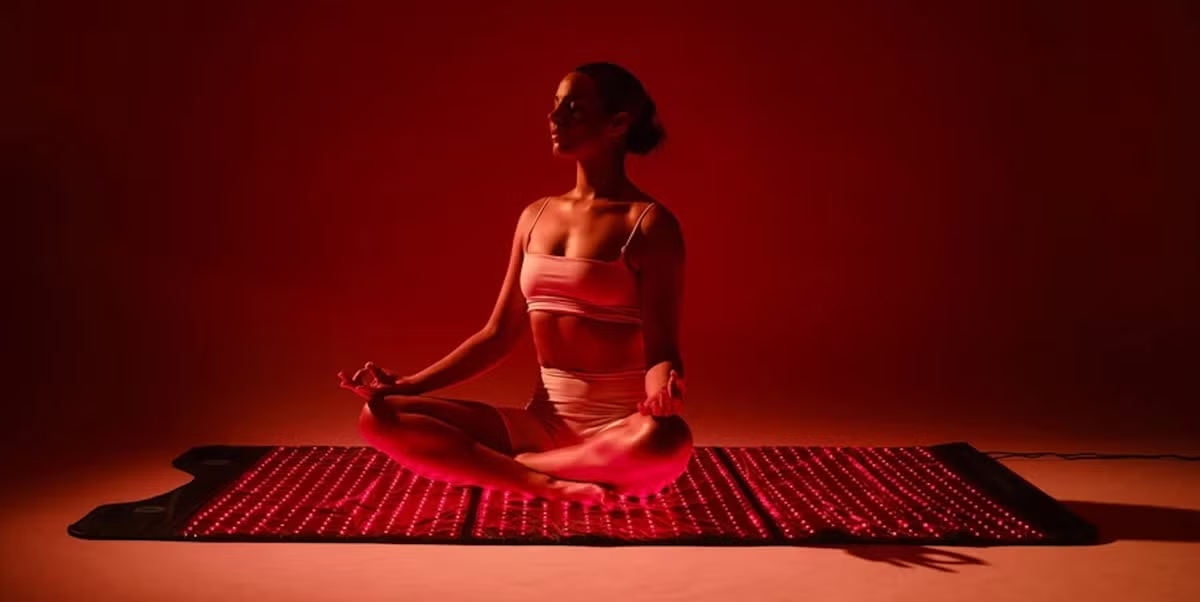
I’ve gone to Le Formulaire for Sunekos under my eyes, which I will absolutely keep doing. A big part of my routine is micro-needling. I do this on myself, perhaps every three months. LEDs are a big part of my routine, too.

I use the Celluma device (in my opinion, absolutely nothing else comes close), pop on a podcast and let it do its magic for half an hour.

Professor Niki Ralph, Consultant Dermatologist, FRCPI and co-founder of the Institute of Dermatologists
https://instituteofdermatologists.ie/

Professor Niki needs no introduction – she is one of two co-founders of the Institute of Dermatologists, where every one of your favourites go for their skincare concerns. A Consultant Dermatologist on the Specialist Register for Dermatology in Ireland, she is an honours graduate of the Royal College of Surgeons and a Clinical Assistant Professor at University College Dublin.

What do you use daily?

In the morning, post-gym, I cleanse the face with creamy cleanser – Clinical+ skin or Probiotic Cleanser (Skingredients) – apply Vitamin C or an antioxidant serum, a multitasking eye cream, like Clinical+ Skin Rejuvenating Corrective Eye Balm, a hydrating moisturiser and finish with broad spectrum, physical only sunscreen: this is a non-negotiable step in my morning skincare routine. I use ELTA MD UV Elements (tinted SPF), which is ideal for patients with sensitive skin.

In the evening, I double cleanse with ELTA MD Oil in a gel cleanser, which is great for removing makeup and oils, and is also suitable for sensitive and acne-prone skin. I use Simple Eyemakeup Remover or Optase Life because they’re the only two that don’t sting my eyes, then pat the skin dry and apply my other non-negotiable: a topical retinoid.

A pea-sized amount for the entire face, avoiding lips and eyes. My go-to is Alpharet Overnight Cream by Skinbetter Science, a patented formula, slow-release retinoid (equivalent to prescription strength retinoid), but with added ingredients to moisturise the skin. Then I apply the same eye cream and seal it all with polypeptide firming serum by Clinical+ Skin.

What treatments do you get?

When it comes to procedures, I get anti-wrinkle injections every 3-4 months in my forehead/around my eyes for crows’ feet and occasionally in the masseter muscle as I clench a lot. I’ve also had Ultherapy [skin-tightening treatment], which is great for the lower face, neck and jawline, and Secret PRO, which is an amazing treatment for acne scars and skin rejuvenation that combines radiofrequency, microneedling and CO2 laser.

IPL (intense pulsed light), I usually do once per year for mild pigmentation, and if I am going to an event, I sometimes combine therapies such as a quick IPL/chemical peel and Skinpen microneedling, as there is such limited downtime, but the skin is radiant thereafter.

I’m a big fan of C02 laser for skin resurfacing, improved texture, reduced pore size and its ability to remove precancerous cells in the top layer of the skin.

Anything else?

I have to be honest and say the work is so busy, I am not the best at finishing courses of treatments, so, say, polynucleotides are usually a course of three, and I’ve only ever done two. I prefer this treatment over Profhilo, as it treats the entire face rather than just the cheeks downwards.

If I had time, I would do an Emfusion facial, especially before an event, but I have only ever had this treatment once – it is super relaxing, which is not something I can say about any other treatment!!

Dr Jane Mulrooney, Consultant Dermatologist and co-founder of the Dr Mulrooney Clinic
https://drmulrooney.com/

Dr Mulrooney (MB. BCh. B.A.O., BSc. Pharmacology, MSc. Clinical Dermatology) is another doctor at the forefront of all advances in the treatment of ageing skin and cosmetic dermatology. Specialising exclusively in cosmetic dermatology, her work is known for the less-is-more approach.

What do you use daily?

In the morning, I use Profhilo micellar water for eyes and skin refresh, complexion renewal pads from ZO by Dr Obagi, ZO by Dr Obagi Daily Power Defence, Seavite Eye Contour Gel, Seavite Serum, then P Tiox and CE Ferulic by Skinceuticals.

Then, I wait 10 minutes and apply an SPF 50; I like Vichy, or if I want a tinted SPF, I use Heliocare. I let this soak again for 10 min before applying makeup.

In the evening, I remove my makeup with Seavite Cleanser, followed by ZO’s Gentle Cleanser, the ZO complexion renewal pads that I used in the morning, Seavite Serum, Seavite Eye Contour Gel, and Tretinoin 0.05 % (prescription cream) mixed with Seavite Face cream.

What are your favourite skin treatments in-clinic?

1. Combined facial treatment (CFT) that we use in the Dr Mulrooney Clinic, which consists of a superficial glycolic and lactic peel followed by IPL laser. No downtime and leaves skin glowing, improving skin texture, tone and radiance. I do this monthly.

2. Ultherapy to my brow to lift, and also to lift the jawline and improve collagen in overlying skin. No downtime, and I do this yearly.

3. Fraxel laser to treat pigment and fine lines. Downtime is three days, and I do this three times a year.

4. Profhilo Scructura is injected in front of the ear to lift the jawline and hydrate the under-eye region. No bruising, no downtime and painless to inject.

Dr George Nema, internal medicine and cosmetic dermatology doctor, and owner of The Sculpture Clinic
https://www.sculptureclinic.ie/

Dr George is responsible for maintaining the faces of some of Ireland’s most photographed women, like Rosanna Davidson and Holly Carpenter. Uniquely dual-certified in internal medicine and cosmetic dermatology, his clinics are based in Nenagh and Donnybrook.

What do you use daily?

I do look after my skin. I do the things everybody does in the morning, like cleansing, but I’m passionate about vitamin C, because it works. I don’t touch retinol – it doesn’t agree with my skin, but I like Obagi’s Anti-Ageing Kit, which is basically all about cleansing, good serums and exfoliating when necessary. I love their exfoliating polish and their growth factor. I’m on the oilier side, and they work for me. But the main thing that’s most important to my routine is vitamin C, and also sunblock.

What do you splurge on?

I get Botox 2-3 times a year; everybody can see me on my Instagram doing that. I also like biostimulators, which I inject into myself two or three times a year, and my other big thing is C02 laser, which is a gentle resurfacing laser. I get that every 12-18 months, and that’s the only thing I really think works.

Is there anything you’re totally against?

I’m against microneedling at home because they’re not medical devices, there’s no quality control there, so they’re generally doing more harm than good. I’m also against exosomes – there’s no evidence right now to support their merit, and no backed-up research behind them – and I’m moving away from injecting thicker gels into my clients – I just don’t think it’s necessary.

I’m also obviously against tanning beds and baking in the sun, but I do think we need the sunshine, too. I’m from the Mediterranean, and we only sit in the sun for 30 minutes in the morning, then we wear big hats.

The views expressed here are those of the author and do not represent or reflect the views of RTÉ

Tags: , , , , ,
5 skincare experts share the timeless beauty lessons they learnt from their mums

5 skincare experts share the timeless beauty lessons they learnt from their mums

Behind many of our earliest beauty habits is someone who taught them to us first. For some it was a mother insisting on sunscreen before leaving the house; for others, a reminder not to pick at spots or the quiet ritual of removing make-up before bed. But as time passes, those lessons often start to flow in both directions.

In the world of aesthetics and skincare, many experts say their first inspiration came from watching the women closest to them care for themselves – and now, with years of professional expertise behind them, they’re returning the favour. To celebrate Mother’s Day, WH speaks to five mothers and daughters about the beauty wisdom they’ve shared across generations, from lifelong skincare habits to evolving ideas of confidence, self-care and what it really means to feel comfortable in your own skin.

1 / Cheryl Cain & Julia Cain

Cheryl is a GetHarley practitioner and master’s-trained ANP with a Level 7 qualification in aesthetics and a special interest in health optimisation and skin health. She is the owner of The Good Skin Guru Medical Aesthetics Clinics in Cumbria and Manchester, as well as Sōma Sana, a health optimisation clinic opening soon in the Lake District. Julia, her mum, is 65 years old, a nana and married with three adult children. She works in a local school kitchen and spends her spare time sewing and creating fancy dress costumes.

Biggest beauty lesson you have learnt from each other

‘Mam always told me from a young age never to pop spots because of the scarring and marks they could leave. It was a good habit to learn as a teenager, as I know so many patients struggle to break this habit as they get older. The older your skin is, the slower healing can be, leading to worsened scarring.’ Cheryl

‘I didn’t really have a skincare routine before Cheryl started giving me tips. I just washed with warm water and used a basic moisturiser. My skin is so much better since I started taking more care of it – it’s so much smoother and the lines around my eyes are nowhere near as noticeable.’ Julia

What does beauty mean to you?

‘Beauty is feeling happy and confident – in who you are, in how you present yourself to the world, and in how you treat those around you, including yourself.’ Cheryl

‘When a person is selfless and caring and will go out of their way to help others. That’s beauty to me.’ Julia

Favourite beauty products & treatments

‘I’m a fan of the Tinted SPF Cliniccare Dermo Corrective Creamfor broad-spectrum protection with an added glow. Skinthings Night Shift, a liposomal retinol and peptide night treatment that’s barrier-restorative rather than irritating like many retinoids. I also love Alumier’s Vitamin C with peptides, which you mix on arrival to keep it fresh and potent. For treatments, SkinPen Precision Microneedling with exosomes is a firm favourite. It stimulates collagen with minimal downtime and always leaves my skin glowing.’ Cheryl

‘Skinceuticals vitamin CE Feruelic is my favourite serum because it doesn’t feel heavy on my skin. I also like Obagi tinted SPF because it gives a hint of colour and I don’t have to wear any makeup. My go-to treatment is the BBL laser treatment because I see fast visible results, especially with my redness, from just one session with no downtime.’ Julia

2 / Dr Anjuli Patel & Bina Patel

Dr Anjuli Patel runs a medical aesthetics clinic in Fitzrovia where she specialises in non-surgical facial balancing. Her mother Bina is a 63-year-old retired teacher.

Biggest beauty lesson you have learnt from each other

‘The biggest beauty lesson I’ve learnt from my mum is the importance of a consistent nighttime skincare routine. Growing up, I watched her take off her makeup every evening and go through her full routine without fail. It was never rushed and it always felt like a small ritual of self-care and a way to unwind at the end of the day. Seeing that consistency really shaped the way I approach skincare now. I see those few minutes in the evening as a moment to reset, take care of myself and maintain healthy skin over the long term.’ Anjuli

‘One of the biggest beauty lessons I’ve learnt from my daughter is the importance of wearing SPF every single day. I grew up in Kenya where we had lots of sunshine year-round, and at the time sun protection simply wasn’t something people spoke about as much as they do today. Through her work, she has taught me just how important daily SPF is for protecting the skin and preventing pigmentation and premature ageing.’ Bina

What does beauty mean to you?

‘For me, beauty is about taking the time to prioritise yourself in the same way that so many of us naturally care for others. It’s about those small daily moments of self-care that help you feel confident and feminine, whether that’s a skincare routine, a treatment, or simply giving yourself a bit of time and grace.’ Anjuli

‘As I’ve gotten older, I’ve realised that our skin and beauty needs naturally evolve, and it’s important to adapt your routine as those changes happen. I feel very fortunate to have a daughter whose expertise helps guide me with that. She has taught me so much about skincare and treatments, and it’s been lovely to share that journey together. For me, beauty is really about self-care, confidence and feeling comfortable in your own skin at every stage of life.’ Bina

Favourite beauty products & treatments

‘My CurrentBody LED Mask is one of my favourites. I use it every evening while reading, so it’s become part of a habit-stacking routine that keeps me consistent. I also love the Wonderskin Lip Stain Masque in Whimsical paired with AlumierMD LipBoost peptide treatment for a hydrated, subtly overlined lip. ZO Skin Health Retinol Skin Brightener 0.5% is another staple for improving brightness and texture and maintaining a healthy glow. My favourite treatment is Sofwave. It’s completely non-invasive, requires no needles or downtime, yet stimulates collagen beautifully. With results lasting up to 18 months, it’s a great low-maintenance option for keeping the face firm and defined.’ Anjuli

‘Retinol has become a staple in my routine as I’ve gotten older. It’s made a real difference to my skin texture and helps keep my complexion looking smooth and refreshed. I also love ZO Skin Health Growth Factor Serum as it makes my skin feel stronger and more resilient. My CurrentBody LED hair growth helmet has been another favourite as it’s easy to use at home and supports healthy hair growth. My favourite treatment has been Pico Laser. It makes a huge difference to sunspots and uneven pigmentation, leaving my skin tone clearer and brighter. I also love that there’s no downtime, which makes it easy to fit into everyday life.’ Bina

3/ Dr Fiona McCarthy & Izzy McCarthy

Dr Fiona McCarthy is a Consultant Medical Oncologist with a specialist interest in skin toxicities associated with cancer treatments. As well as her NHS practice, she is also the founder and Medical Director of The Bronte Clinic, a specialist dermatology and aesthetic clinic with locations in London and Surrey, where she and her team focus on skin health and natural, regenerative aesthetic treatments. Her daughter Izzy is 11 years old and loves playing cricket and hockey.

Biggest beauty lesson you have learnt from each other

Izzy has reminded me that the best skincare habits are often the simplest ones. Her routine is very simple (just washing her face and wearing sunscreen) and it is a very good reminder that healthy skin often comes from keeping things simple rather than using lots of products.’ Fiona

Use SPF every day! Mummy always says it’s the most important thing you can do to keep your skin healthy. Izzy

What does beauty mean to you?

‘Beauty, to me, is about feeling comfortable in your own skin – something that often only comes with age. I love the Roald Dahl line that good thoughts shine out of your face like sunbeams — a lovely reminder that kindness is often the most beautiful thing about someone.’ Fiona

‘I think beauty is being kind and just being yourself.’ Izzy

Favourite beauty products & treatments

‘My go-to products are La Roche Posay UV Air SPF 50, Medik8 Lipid Cleansing Oil, I use this religiously every night as it manages to remove all makeup and make my skin feel incredibly clean, and SkinCeuticals Phloretin CF. This works as an antioxidant, helps target pigmentation, stimulates collagen. It is difficult to choose just one treatment, but if I had to choose, it would be BroadBand Light (BBL) and it evens skin tone, stimulates collagen and leaves the skin looking healthy and luminous with very little downtime.’ Fiona

My go-to products are Laneige lip mask, Byoma creamy Jelly Cleanser and Cerave Facial moisturiser SPF50.’ Izzy

4/ Dr Alaa Ati & Semira Ati

Dr Alaa Ati is a GetHarley practitioner, medical aesthetic practitioner and the founder of The Clinic By Dr Alaa, based in Harley Street, London. Outside the clinic, she believes strongly in the connection between wellbeing and skin health, and enjoys staying active through reformer pilates and strength training. Semira Ati is a mother and grandmother, she has dedicated her life to her family, nurturing them with warmth, generosity, and love. She also has a passion for cooking.

Biggest beauty lesson you have learnt from each other

‘The biggest beauty lesson I learned from my mum is that the most powerful kind of beauty comes from within. It’s not just about how you look on the outside, but about your heart, your kindness and the way you treat people. Growing up, I always noticed how warm and generous she was with everyone around her, and that left a much deeper impression on me than anything purely superficial. It taught me that the most beautiful people are the ones whose inner qualities shine through.’ Alaa

‘The biggest beauty lesson I have learned from my daughter is how much science has evolved when it comes to skincare and aesthetic medicine. I’ve being introduced to treatments that support healthy skin and help you age confidently, rather than trying to change how you look.’ Semira

What does beauty mean to you?

‘Beauty is about confidence and authenticity. It’s about feeling comfortable in your own skin and embracing who you are, rather than following trends or trying to meet anyone else’s expectations. To me, true beauty comes from caring for yourself in a way that nurtures both your skin and your spirit.’ Alaa

‘The most meaningful kind of beauty is the kind that comes from your values. It’s not just about products or treatments, it’s about kindness, warmth, and living with generosity.’ Semira

Favourite beauty products & treatments

‘I never start the day without a broad spectrum sunscreen. My go to is the Intradermology Synergy 6 NX-Gen SPF 50 because it gives excellent protection while still feeling light and wearable every day. Next up is Revision C+ Correcting Complex. It’s fantastic for brightening the skin and protecting against environmental damage whilst giving a really healthy glow. This also has prebiotic technology which helps nurture my skin’s microbiome. I’m also a big believer in the importance of retinoids and one of my favourites is Cellderma RetinAce. ‘ Alaa

‘I love the Meder Quatre Peptide Mask which has a blend of four potent peptides to help support collagen signalling while delivering deep hydration, leaving the skin looking plumper and more rejuvenated. Revision DEJ Eye Cream is another staple, alongside Obagi Elastiderm Lift & Sculpt Facial Moisturiser, which focuses on improving skin elasticity while providing deep hydration to support a firmer, smoother complexion.’ Semira

5/ Dr Priya Verma & Neelam Rallon

Priya Verma is a GetHarley Practitioner and Founder and Medical Director of ART Clinic in Belgravia. Neelam Rallon is a 64-year-old entrepreneur who has successfully run her own property and convenience store businesses in Greater London for more than 35 years.

Biggest beauty lesson you have learnt from each other

‘The biggest beauty lesson I’ve learnt from my mum is that true skin health starts from within. She has always prioritised eating well, sleeping well and taking care of her overall wellbeing through yoga, meditation and staying active. Growing up, I saw how those habits translated into healthy, glowing skin. It taught me that skincare isn’t just about products – it’s about nurturing your body and mind as well.’ Priya

‘The biggest beauty lesson I’ve learnt from Priya is that helping the skin age well comes down to small, consistent habits. She has taught me that gentle treatments, good medical-grade skincare at home and simple preventative steps can make a big difference over time. It’s not about doing anything drastic, it’s about maintaining healthy skin in small, easy and sustainable ways.’ Neelam

What does beauty mean to you?

‘To me, beauty is about respecting our own individuality, our unique features, expressions and identity. The goal isn’t to change how we look, but to feel confident and comfortable in our own skin.’ Priya

‘For me, beauty is about feeling happy and confident. When you take good care of yourself through healthy habits, balance and consistency, that confidence naturally shines through.’ Neelam

Favourite beauty products & treatments

My favourite treatment is the LaseMD Ultra laser facial. It’s a fantastic treatment for overall skin rejuvenation, improving skin tone, texture and luminosity while stimulating collagen production. It delivers noticeable skin quality improvement while still looking completely natural.

My favourite treatment is the LaseMD Ultra laser facial. It’s a fantastic treatment for overall skin rejuvenation, improving skin tone, texture and luminosity while stimulating collagen production. It delivers noticeable skin quality improvement while still looking completely natural. As for products, my go-tos are Intradermology Synergy 6 NX-Gen SPF, Revision Skincare Derm-Protect Barrier Defence, and Alastin Aluminate Brightening Serum.’ Priya

‘My favourite treatment is the Belgravia Signature Facial at ART Clinic, which incorporates the iS Clinical Fire & Ice facial protocol. It leaves the skin feeling incredibly refreshed, smooth and glowing. Product wise, I like iS Clinical Hydra-Intensive Cooling Masque, Obagi Hydrate Luxe Moisturiser and Alastin Restorative Neck Complex. ‘ Neelam

Perdita Nouril is the Beauty Editor for Women’s Health UK. She has worked in the beauty industry for 15 years since graduating from the University of Nottingham. Adept at exploring the colossal world of beauty, she loves to scratch beneath the surface to debunk the myths, decode the science and challenge traditional notions of beauty. You can always find her preaching sermons on the power of a red lip, extolling the virtues of a decent serum and championing the very best female beauty founders.  
 You can find Perdita on Instagram on @perditanouril

Tags: , , , , , , ,
A view of down town Dubai on March 3, 2026. (File Photo: AFP)

Struggling With Dark Spots? Skincare Experts Say Prevention Is The Real Game-Changer | Beauty News

Last Updated:March 09, 2026, 10:09 IST

Dermatologists share expert tips to prevent pigmentation and dark spots, from sunscreen and antioxidants to skincare habits that protect your skin barrier.

Sun protection remains the single most important step in preventing pigmentation.

Clear, even-toned skin rarely comes from complicated skincare routines alone. More often, it is the result of small, consistent habits that protect the skin from everyday triggers like sun exposure, pollution, stress and inflammation. Pigmentation and dark spots remain among the most common skincare concerns for women, particularly in urban environments where lifestyle and environmental factors constantly challenge the skin barrier.

From hormonal changes to UV exposure and post-acne marks, several factors can lead to uneven skin tone. Dermatologists say the key to managing pigmentation is not only treating it after it appears, but also preventing it through thoughtful skincare, sun protection and healthy lifestyle choices.

Why Pigmentation Happens

According to Dr. Tanushree Biswas, dermatologist at Kaya, pigmentation often develops due to a combination of lifestyle and environmental factors.

“Healthy, glowing skin blooms from consistent, mindful habits rather than elaborate routines that fizzle out. Pigmentation and dark spots top the list of concerns for so many women today, sparked by relentless sun exposure, hormonal shifts like those during pregnancy or PCOD, gritty urban pollution, everyday stress, and even well-meaning but misguided skincare tweaks that ramp up melanin production,” she explains.

Similarly, Dr. Priyanka Keshav, dermatologist at VLCC Group, notes that pigmentation often develops gradually and can be influenced by multiple factors. “Pigmentation and dark spots are common concerns that many women experience at different stages of life. These marks often develop gradually due to factors such as sun exposure, hormonal changes, inflammation, and environmental stressors,” she says.

Sunscreen: The Most Powerful Prevention Tool

Dermatologists agree that sun protection remains the single most important step in preventing pigmentation. “Start with sunscreen, your non-negotiable shield. UV rays, even sneaking through clouds or windows, ignite 80 per cent of pigmentation issues by overstimulating melanocytes,” says Dr Biswas.

She recommends using a broad-spectrum SPF 50+ sunscreen with PA++++ protection, ideally one that contains zinc for better compatibility with Indian skin tones. Reapplication every three to four hours when outdoors is equally important.

Dr Keshav adds that protective measures beyond sunscreen can also make a difference. Wearing wide-brimmed hats, sunglasses, or using umbrellas during peak sunlight hours can help limit UV exposure and reduce melanin stimulation.

Strengthening The Skin Barrier

Overdoing skincare can sometimes worsen pigmentation instead of preventing it. Dr Keshav explains that excessive exfoliation or harsh products can weaken the skin barrier and trigger irritation, which may later lead to dark spots. Instead, she recommends focusing on barrier-supporting ingredients such as ceramides, hyaluronic acid and calming botanical extracts.

Dr Biswas also suggests gentle cleansing and mindful exfoliation. “Cleanse gently twice daily with a pH-balanced, ceramide-rich formula to whisk away pollutants without stripping natural oils.” She advises exfoliating only twice a week using mild acids like mandelic or lactic acid rather than abrasive scrubs that can inflame the skin.

The Role Of Antioxidants And Hydration

A well-balanced skincare routine also benefits from antioxidant ingredients that help defend the skin against environmental damage. Dr Biswas recommends incorporating vitamin C and niacinamide into nighttime routines. Vitamin C helps brighten the complexion while blocking tyrosinase, the enzyme responsible for melanin production, while niacinamide can help reduce existing dark spots and calm pollution-induced irritation.

Hydration, both internal and external, also plays a key role. Drinking adequate water and using moisturisers containing hyaluronic acid can strengthen the skin barrier and improve resilience against environmental stressors.

Lifestyle Choices Matter Too

Dr Keshav explains that sleep, nutrition and stress management all influence hormonal balance and skin repair. Diets rich in vitamins, minerals and antioxidants can support the skin’s natural healing process and help minimise post-inflammatory pigmentation.

Avoiding habits such as picking pimples is equally important, as it can trigger post-inflammatory hyperpigmentation that takes longer to fade.

Preventing pigmentation is rarely about a single miracle product. Instead, it comes down to a balanced approach that combines sun protection, gentle skincare, antioxidant support and healthy lifestyle habits. By protecting the skin barrier and minimising triggers, it becomes far easier to maintain an even, radiant complexion over time.

Location :

Delhi, India, India

First Published:

March 09, 2026, 10:09 IST

News lifestyle beauty Struggling With Dark Spots? Skincare Experts Say Prevention Is The Real Game-ChangerDisclaimer: Comments reflect users’ views, not News18’s. Please keep discussions respectful and constructive. Abusive, defamatory, or illegal comments will be removed. News18 may disable any comment at its discretion. By posting, you agree to our Terms of Use and Privacy Policy.

Tags: , , , , , , , , ,
Subscribe Placeholder

Experts weigh in on whether ‘slapping’ ritual in South Korean skincare works

SEOUL – There is one unwritten rule for anyone hoping to debut as a beauty influencer in South Korea: Slap your face – rhythmically and with flair.

A quick scroll through YouTube, TikTok and other social media channels showcasing South Korean cosmetics reveals a familiar scene where creators vigorously pat toner, lotion or foundation onto their faces in a slapping motion, using their hands or make-up puffs.

The same exaggerated tapping ritual is also a staple of TV home shopping channels, where hosts repeatedly slap products onto their faces.

This technique has even inspired its own onomatopoeia, “chap chap”. Originally a Korean adjective describing things neatly settled in place or a calm state of mind, the term now appears in online beauty content to mimic the sound of patting cosmetics onto the skin.

Beauty experts say the phenomenon is closely tied to South Korea’s multistep skincare and make-up routines, where speed and absorption are considered essential.

With products layered sequentially – from toner and essence to primer and foundation – each step is expected to settle before the next begins. If an earlier layer fails to be absorbed properly, it can affect how subsequent products apply, sometimes leading to pilling or uneven texture.

“In Korea, even toners come in multiple formulas, and there is an incredible range of products with different ingredients and textures, including serums, essences and moisturizers,” a 37 year old called Ms Choi, who runs a skincare salon, Hee Aesthetic, near Soongsil University in Dongjak-gu, Seoul, told The Korea Herald.

“It’s almost as if the products are being stacked one on top of another. Absorption really matters, so I usually pat the products in as if I’m massaging the skin.”

For some digital creators, the appeal is more than skin deep.

Beyond its supposed benefits for faster and better absorption, the technique’s strong visual and audible impact helps capture viewers’ attention in video content, said a freelance presenter called Ms Kim in Incheon who promotes cosmetic products through live broadcasts on Instagram.

“People want to see a dramatic before and after effect. When products are applied with a bit more force, they seem to absorb faster. With foundation, for example, pores and blemishes appear more fully covered, which helps keep viewers focused on the video,” she said.

“Also, slapping on toner or lotion while making a ‘chap chap’ sound can make the product seem easy to apply. Thicker creams are especially well suited for ASMR content when they are patted onto the skin.”

Another beauty creator, Ms Kim Hye-jeong, who also works as a home shopping host, has even developed her own patting techniques tailored to different products.

“For watery products like toner, I pat quickly so it doesn’t run. With lipstick, I gently tap with my finger to control the amount and create a more natural look. For blush, I pat it on as if I’m blending it out. It definitely feels like the skincare or make-up turns out better when I tap rather than just rub.”

“These days, ‘chap chap’ has basically become part of beauty lingo. I find myself using it a lot during broadcasts.”

For those unfamiliar with K-beauty, the “chap chap” motion should not be confused with the so-called “ajeossi” slaps, a “meme-fied” habit of some middle-aged men who apply skincare with a few loud, forceful smacks to the face.

Their exaggerated face-slapping while washing up or slapping on lotion has become an online meme in recent years.

Still, the two gestures share a similar motivation: a preference for speed and immediate results.

“Korean men learn to shower quickly during their military service, and Koreans in general are used to doing things quickly, a habit often described as the ‘ppalli ppalli’ culture. Maybe that’s why a culture of roughly applying lotion developed,” said Mr Yang Hong-geun, a 64-year-old resident in Seoul.

“When I wash my face and apply lotion that way, I feel refreshed and my skin feels more hydrated,” he said.

Regardless of the reason, the belief that applying products with force must be good for the skin is widely shared among South Koreans across generations.

But Dr Lee Ha-eun, a dermatologist at Foret Dermatology in Gangnam-gu, Seoul, told The Korea Herald that the motion plays only a supporting role when it comes to absorption.

“The skin barrier does not open easily just because the skin is tapped or slapped, so this motion does not actually help ingredients sink deeper into the skin,” she said.

“However, patting is not completely pointless. It helps spread the product evenly and press it closer to the skin, reducing small pockets of air between the skin and the product. In other words, patting helps the product sit better on the skin, rather than helping it absorb better.”

Dr Lee, who has treated both South Korean and foreign patients, further explained that in the world of skincare and beauty, South Koreans tend to be more willing to tolerate discomfort, if it promises visible results.

“A willingness to tolerate a certain degree of discomfort for better outcomes is fairly common among Korean women, who show strong interest in skincare and cosmetic procedures,” she said.

Among the dermatological procedures that remain consistently popular despite being known for their intense pain are anti-aging laser treatments such as Rejuran and InMode.

These often leave patients with severe redness and visible marks immediately afterwards. While recovery varies from person to person, the after-effects typically last anywhere from two days to a week.

The tolerance for pain extends to non-clinical treatments as well.

Korean facial massage, known as “kyungrak”, which involves applying intense pressure along the jawline, cheekbones and brow bones, has become almost a pre-wedding ritual among young brides and grooms seeking a slimmer looking face.

Beauty comes with pain even at home.

Skincare products containing spicules, microscopic needle-like structures extracted from marine sponges, have sparked buzz among beauty aficionados in recent years, as they are thought to improve absorption, aid skin regeneration, and refine overall texture.

Dr Lee attributed South Koreans’ embrace of painful beauty treatments to a broader social mindset that treats endurance as a virtue.

“In a beauty powerhouse like Korea, ‘no pain, no gain’ applies to skincare as well. At our clinic, many patients tend to put up with pain rather than express it, even when procedures are uncomfortable,” she said.

“With so many new treatments emerging each year and dermatological procedures becoming so common, people’s psychological hurdle toward pain appears to have gradually lowered.” THE KOREA HERALD/ASIA NEWS NETWORK

Tags: , , , , , , ,
Ramadan 2026: Skincare mistakes to avoid while fasting, experts advise

Ramadan 2026: Skincare mistakes to avoid while fasting, experts advise

Between long fasting hours, late nights, and packed iftar plans, Ramadan often brings a shift not just in routine, but in how your skin looks and feels. Dryness, dullness, chapped lips, dark circles, puffiness, and increased sensitivity are common concerns that arise as sleep patterns change and daytime hydration levels decrease.

While these changes are normal, dermatologists and skincare experts noted that a few everyday habits can exacerbate them. The key during Ramadan is not to do more, but to simplify your routine and focus on hydration, gentle care, and protecting the skin barrier.

Dr Malaz Eldirdiry, specialist dermatologist at Burjeel Medical City, Abu Dhabi, explained that reduced fluid intake during the day can affect the skin’s appearance and comfort.

“Dehydration can lead to dryness and dullness, and may worsen conditions like eczema or sensitive skin,” she said. “But when hydration and nutrition are well managed after iftar, fasting itself can have neutral or even positive effects, including better oil balance and, in some cases, improvement in acne.”

Sleep changes also play a role. Skincare professionals note that late nights, early suhoor wake-ups, and fragmented sleep can disrupt the skin’s natural day-night rhythm. During the day, the skin focuses on protection, while at night it shifts into repair mode. When this cycle is disturbed, it can lead to slower healing, lingering inflammation, puffiness, and a tired-looking complexion.

If your skin has been looking a little off this month, here are some common Ramadan skincare mistakes to avoid.

Washing your face too often

It’s tempting to keep cleansing throughout the day to feel fresh, but overwashing can do more harm than good.

“Over cleansing or using harsh soaps can damage the skin barrier, leading to increased dryness, irritation, and even rebound oil production,” Dr. Eldirdiry said. “A gentle cleanser twice a day, morning and night, is usually enough during Ramadan.”

Trying to scrub away dullness

When skin looks tired, the instinct is often to exfoliate more, especially in the final days of Ramadan as Eid approaches.

However, using scrubs, acids, or peels too frequently can weaken the skin barrier and trigger redness, sensitivity, or pigmentation. Instead of chasing instant brightness, experts recommend reducing exfoliation and focusing on hydration to restore the skin’s natural glow.

Using strong activities as usual

Skin tends to be more reactive during Ramadan, which means powerful ingredients may need to be used less often. Retinol, strong exfoliating acids, high strength lightening creams, and alcohol heavy toners can all increase dryness and irritation when the skin is already dehydrated.

Rather than stopping them completely, spacing out their use and monitoring how your skin responds can help prevent flare-ups.

Forgetting barrier repair and hydration

“One of the biggest mistakes is trying to fix dehydration with aggressive treatments instead of supporting the skin barrier,” Dr. Eldirdiry said.

A simple Ramadan routine works best:

·       Gentle cleanser morning and night

·       Hydrating serum with hyaluronic acid or glycerin

·       Moisturiser and sunscreen during the day

·       A richer cream or sleeping mask after iftar

Booking treatments at the wrong time

If you’re planning facials or laser sessions during Ramadan, timing matters. Hydrating facials and gentle treatments are generally well tolerated, but more intensive procedures may feel uncomfortable when the body is dehydrated.

Aesthetic expert Ahmed Nhaban recommends scheduling treatments two to three hours after iftar, once the body has been rehydrated and nourished. Many clinics across the UAE report that evening appointments become the most requested during Ramadan for this reason.

Leaving your Eid prep too late

If you’re planning a pre-Eid glow-up, dermatologists suggest booking early. Clinics typically see a surge in the final weeks of Ramadan, with popular requests including skin boosters, hydrating treatments, laser hair removal, and upper face Botox.

Botox, in particular, should ideally be administered around 10 to 14 days before Eid to allow the full effect to take hold.

When your sleep schedule changes, your skin feels it too

Late nights, early suhoor wake-ups, and broken sleep during Ramadan don’t just affect energy levels; they can also disrupt the skin’s natural rhythm.

According to skincare professionals at Circadia, the globally trusted professional skincare brand rooted in chronobiology and circadian science,the skin follows its own internal clock. During the day, it focuses on protection against environmental stress, while at night it shifts into repair mode, boosting cell turnover, collagen production, and barrier recovery.

When sleep patterns change, this repair phase may be affected, leading to common Ramadan concerns such as dullness, dehydration, puffiness, dark circles, breakouts, and slower healing.

Experts say adjusting skincare to match this shift can help the skin stay balanced, with a focus on protection and hydration during the day and supporting repair in the evening.
Adjust your routine to your Ramadan rhythm

Skincare specialists recommend thinking about your routine in two phases:

After suhoor or early morning

·       Focus on lightweight hydration

·       Use antioxidants such as Vitamin C

·       Always apply sunscreen

·       Choose products that strengthen the skin barrier to reduce moisture loss

After iftar and before sleep

·       This is the best time for richer products and repair focused care

·       Use soothing or barrier-restoring formulas

·       Add targeted eye care to help with puffiness and dark circles

·       Avoid aggressive treatments if the skin feels stressed or sensitised

They also recommend prioritising hydration focused ingredients such as hyaluronic acid and peptides, avoiding over-exfoliation, and choosing gentle, oxygen boosting facials if opting for professional treatments.

Tags: , , , , , ,
A Nighttime Skincare Routine, Step-By-Step & Approved By Experts 2026

A Nighttime Skincare Routine, Step-By-Step & Approved By Experts 2026

Once you’ve understood the importance of building a basic skincare routine, the next step is establishing the steps of your day and nighttime skincare routine – and sticking to them. And while there is some crossover in terms of the steps, there are some key differences. Some are easy to understand: you don’t need to use SPF at night for obvious reasons. But it’s also important that your evening regimen differs slightly to support your skin while you sleep.

“Our skin actually operates on a circadian rhythm too, meaning its biological functions change over a 24-hour cycle,” explains Consultant Dermatologist Dr Sidra Khan. “During the day, the skin focuses on protection, defending against UV radiation, pollution and oxidative stress. At night, blood flow to the skin increases, cell turnover and DNA repair are up-regulated, and the barrier is repaired. Using the right ingredients at the right time allows skincare to work with these natural processes rather than against them.”

Our expert’s summary? “At night, the goal is to cleanse, treat and repair. Start with a gentle cleanser to remove sunscreen, make-up and environmental pollutants. Follow with a targeted treatment if needed, such as a retinoid, and finish with a moisturiser to support barrier repair and reduce overnight water loss. A simple, consistent routine is far more effective than an overly complicated one.” With this in mind, we’ve broken down the fundamental steps of a strong yet simple skincare line-up for nighttime – regardless of whether you need to build a routine for dry skin, oily skin, or the best skincare routine for mature skin.

The best step-by-step nighttime skincare routine, approved by a dermatologist:

Make no mistake: the best cleanser is so important for a successful evening routine. While double cleansing isn’t required in the mornings – one gentle cleanse is enough – it’s usually a good idea in the evenings, especially if you live in or around a city. Even if you don’t wear makeup, it ensures you get all of the day’s sunscreen, dirt and general grime off your skin. Starting with a completely clean complexion before you apply your other products also means those formulas work as effectively as possible.

As your first step, use something that removes oil-based makeup and SPF well, such as a cleansing balm, cleansing oil, or richer cream cleanser. (For skin that doesn’t get on well with heavier cleansers, micellar water is good for removing makeup.) Then, for your second cleanse, a lighter fluid, creamy or non-stripping foam formula works well. As a general rule, richer and more nourishing textures suit drier skin types well, while more lightweight options are better for oily skin.

Tags: , , , , ,
7 Biggest K-Beauty Trends of 2025, According to Experts

7 Biggest K-Beauty Trends of 2025, According to Experts

Lee’s a fan of it too, adding that milky toners were a common addition for an adjacent TikTok trend that gained traction this year. “Skin flooding is a hydration stacking technique where you apply multiple layers of hydrating products onto damp skin to ‘flood’ it with moisture before sealing it in [with a cream or gel moisturizer].” Another viral option comes from TirTir, which adds niacinamide to its formula for added brightening.

Flushed Blush

Blush was a major beauty trend everywhere, including Seoul’s It girls—who, of course, put their own spin on it. In Korea, makeup leans toward a soft-matte, diffused look, and blush is no different. What sets it apart is the placement when applied and unique textures—think bouncy, mousse-like formulas and roller-ball blushes.

“Blush had a real moment in 2025, with lots of cool girls in Korea wearing blush high up on their cheeks, right below their eyes,” says Lee. “The result was a fresh, youthful look. We saw lots of great new textures and formats for blush, whether it was bouncy Pudding Pots from FWEE, Dewy Roll Cheeks from Rom & amp;.”

Fwee

Lip&Cheek Blurry Pudding Pot

PDRN and Vegan Alternatives

“PDRN has been a major trending ingredient in 2025. PDRN (also known as salmon DNA) has been incorporated into serums, mists, creams, masks—and it all happened at record speed,” explains Lee, noting that brands like Reju-all were completely sold out at many pharmacies in Seoul when she visited over the summer. She suspected the ingredient would gain widespread attention given the buzz it was already generating on social media—even Kim Kardashian revealed that she’d tried a professional PDRN treatment. “Today, we see PDRN in every category, from serums and mists to creams and even sunscreens.” One PDRN product in particular that took over TikTok was Medicube’s bright pink serum.

And in keeping with that rapid pace of innovation, PDRN has since expanded into vegan alternatives. “PDRN is no longer limited to salmon-derived sources, thanks to advances in biotechnology that are unlocking non-animal ways to deliver the same regenerative benefits,” says Chung Park. Case in point: both she and Lee count Mixsoon’s plant-derived, rice-based PDRN among their favorites.

Blurred Lips

“Some iteration of blurred lips has been popular in Korea for years, but the twist in 2025 was a softer take on the look,” says Lee, noting that formulas like Peripera’s Ink Velvet reigned supreme—and still do. “Rather than a sharp ombré effect, blurry lips were defined with a chunky, rounded, soft lip liner and subtly blended.” The result, she explains, is pretty and plumped, aligning seamlessly with the clean-girl aesthetic that dominated 2025.

Tags: , , ,
Top Wellness And Skincare Trends To Watch In 2026, According To Experts | Beauty News

Top Wellness And Skincare Trends To Watch In 2026, According To Experts | Beauty News

Last Updated:December 30, 2025, 15:32 IST

From barrier-first Ayurvedic skincare to microplastic-free beauty and skin longevity, discover the key wellness and skincare trends shaping 2026, according to industry experts.

Across Ayurveda-led brands and modern skincare innovators, a shared narrative is emerging: healing over hacking, ritual over reaction, and integrity over instant results

As 2026 approaches, wellness and skincare are moving away from excess and acceleration, toward intention, repair, and long-term balance. Across Ayurveda-led brands and modern skincare innovators, a shared narrative is emerging: healing over hacking, ritual over reaction, and integrity over instant results. Insights from Rajni Ohri, Founder of Ohria Ayurveda, and Nitin Jain, Founder of La Pink, reveal how 2026 will redefine beauty and well-being, inside and out.

Barrier-First Skincare Takes Centre Stage

According to Rajni Ohri, 2026 marks a return to depth over speed. Consumers are becoming cautious of aggressive formulations and are instead embracing barrier-first, Ayurvedic-infused skincare that prioritises repair and resilience. Ingredients such as ashwagandha, manjistha, and licorice are being thoughtfully paired with modern efficacy standards, offering plant-based alternatives that meet dermatologist-approved expectations without compromising purity.

This shift reflects a broader move toward introspective wellness, where protection, nourishment, and long-term skin health matter more than quick visible change.

Beauty From Within Gains Momentum

Beyond topical care, ingestible Ayurveda is emerging as a defining wellness category. Ohri points to growing acceptance of the gut–skin axis, with adaptogens, herbal shots, functional oils, and staples like triphala becoming part of everyday beauty routines. As people seek credible, science-aligned ingestibles, brands rooted in classical knowledge are stepping in to meet modern needs without dilution.

Stress-Supportive Beauty Becomes Essential

The mind–skin connection is no longer a niche concept. Stress-supportive beauty through calming oils, grounding aromas, sleep rituals, and adaptogen-rich formulations is becoming central to skincare routines. Beauty, Ohri notes, is increasingly viewed as nervous system care, offering emotional regulation alongside visible results.

Ritual-Based Living Makes a Return

Perhaps the most defining shift of 2026 is the return to ritual. Practices like self-abhyanga, warm oil scalp massages, mindful mornings, and simplified routines are becoming anchors in daily life. This isn’t about nostalgia, it reflects a collective desire to reconnect with what genuinely sustains health over time.

“In 2026, wellness is about doing what truly heals, not doing more,” says Ohri. “Hybrid Ayurveda where tradition meets science is the new frontier, nourishing the gut, mind, and skin barrier together.”

Microplastic-Free Skincare Becomes Non-Negotiable

From a modern skincare lens, Nitin Jain highlights a parallel awakening: microplastic awareness. Ingredients once used for texture and longevity are now under scrutiny as studies reveal microplastics in human blood and brain tissue. In India, dermatologists are increasingly linking repeated exposure to inflammation and barrier disruption.

As a result, microplastic-free skincare is rapidly shifting from a niche preference to a baseline expectation.

From Glow to Longevity

This awareness is reshaping aesthetics. Jain points to the rise of “butter skin”, soft, nourished, resilient skin that reflects internal health rather than artificial shine. Alongside it is minimal skincare, where fewer, transparent, high-performance products replace overcrowded routines.

The long-term focus? Skin longevity supporting barrier repair, microbiome balance, and graceful ageing rather than chasing instant brightness.

The Rise of Regenerative Actives

Looking ahead, Jain identifies PDRN (polydeoxyribonucleotide) as a hero ingredient poised to dominate skincare in 2026. Known for its regenerative and repair-driven properties, PDRN aligns with the broader shift toward resilience, recovery, and long-term skin strength.

The Bigger Picture

Together, these insights reveal a unified direction for 2026: wellness and skincare rooted in honesty, prevention, and depth. Whether through Ayurvedic rituals or modern regenerative science, the future belongs to approaches that respect the body’s intelligence and support it over time.

In an era of overload, the next chapter of beauty and wellness is quieter, slower and far more meaningful.

First Published:

December 30, 2025, 15:32 IST

Disclaimer: Comments reflect users’ views, not News18’s. Please keep discussions respectful and constructive. Abusive, defamatory, or illegal comments will be removed. News18 may disable any comment at its discretion. By posting, you agree to our Terms of Use and Privacy Policy.

Tags: , , , , , , ,
21 Beauty Lessons To Learn And Live By, According To NZ Experts

21 Beauty Lessons To Learn And Live By, According To NZ Experts

Nine New Zealand tastemakers share the beauty lessons passed down through generations, the wellness practices that draw on heritage, and the daily rituals they use to stay calm, grounded and connected.

Rachel Soo Thow

Freelance writer, book enthusiast and content creator @thelitlist__

You don’t need

Listen to your skin. You don’t need to follow the same skincare routine every night. If your face is feeling dry, hydrate with face oils and moisturisers to provide that extra hydration. If it’s feeling oily, use a lighter gel moisturiser. You are the only one inhabiting this body, nourish it.

Sunscreen is always a non-negotiable. Japanese sunscreens are so, so good – not only are they super light but your makeup application will thank you as they act in part as the best primer for makeup.

Sleep is your best friend. While some of us may not get the full 8.5 hours, embrace it. Turn off all screens and be present. Rested. At ease. Your mood tomorrow will thank you.

The best piece of advice I’ve been given lately: Stress kills gratitude. Rushing kills presence. Fear kills possibility.

(Now read that backwards).

Lucy Slight

Beauty and lifestyle journalist, certified personal stylist @lucyslight

Keep it simple, stay consistent. If you’ve ever found yourself on #beautytok, you’ll know that skincare trends are constantly changing, with new ingredients being hyped every time you scroll. But the most enduring advice when it comes to skincare is that a simple routine practised consistently will do more for your skin than any fleeting trend. When you give your skin stability with an at-home routine that consists of products suited to your skin type, that’s when you’ll find harmony (and a happy skin barrier).

Experiment! Everything washes off. Beauty should be playful, not precious, and I’m reminded of this every time I attend a makeup launch or receive a new set of colourful lipsticks or eyeliners. Knowing that a bold lip or a quirky eyeliner can be wiped away in an instant gives you freedom to experiment and get creative – something that’s impossible to do when you’re aiming for perfection. Some of my favourite beauty looks have come from these low-stakes trials and taking a chance on something a little out of my comfort zone.

Dan Ahwa

Honour your heritage. When it comes to anything wellness related, I tap into my Chinese heritage for guidance. For example, a morning routine is really important to start your day right. Something I have consistently done over the years is drinking warm water first thing in the morning. This allows me to set up my digestive system for the day, promote circulation and detoxification while balancing yin and yang, the latter playing a big part in my sense of calmness.

Stack your morning habits. Another Eastern wellness routine that I swear by comes from both Chinese and Ayurvedic medicine, tongue scraping. I do this before I brush my teeth with a bronze tongue scraper, and it just feels like I’m taking that extra step to ensure I start the day right.

Don’t forget your feet. Every six months, I also get a Chinese pedicure and reflexology massage. It’s important to take care of your feet as you age, and this very simple combination of scraping dead skin and massaging the pressure points of your feet is actually a vital part of overall health and wellbeing.

Tessa Stockdale

Wellness comes from within. What you give to your body, it will give you back. Drink two litres of water a day, nourish with whole foods, touch some grass and of course, drink your matcha.

Nothing protects, preserves and future-proofs like SPF. Your face and neck are a given, but don’t miss the back of your hands. Your 60-year-old self will thank you.

Spend where the change happens. Cleansers and moisturisers are your support crew. Serums are what will drive the results.

Sarika Patel

Freelance makeup artist, Viva Beauty Awards 2025 judge and shade matching expert @ssarika

Skin prep is non-negotiable. The one piece of beauty advice that has stuck with me came early in my career from the M.A.C greats – Amber D, James Molloy and the other incredible artists. I learned that achieving a radiant, second-skin finish starts long before you pick up a foundation brush. Proper hydration, priming and preparation (both internal and external) is what separates makeup that melts into your skin, enhancing what’s already there, from makeup that sits on top looking cakey and making it hard to blend.

Tanne Snowden

The body keeps the score, even in beauty. The moment I started using high-quality active ingredients on my arms, legs and chest, everything changed. My skin tone evened out and I felt more confident in my own texture. It made me realise that taking care of your body is deeply emotional, not just cosmetic. Treating the body holistically creates the kind of all-over glow you can’t get from facial skincare alone.

Wellness shows up on your skin before it shows up anywhere else. A nutritionist told me that your skin is usually the first to report back on stress, sleep and hormones. Dullness, breakouts, inflammation – they often speak louder than any lab result. It taught me to treat skincare and wellness as teammates, not separate categories.

Treat your neck and chest as part of your face. I ignored that area for years until extending my skincare downward became a ritual, and honestly, it’s one of the changes that made the biggest visible difference. It feels like taking care of future me.

Mary Outram

A swipe of lipstick will always make you feel polished. My mum always told me that my grandmother Mary (who I was named after) would never go into town without her lipstick on… even though she lived rurally on a farm. My mum passed that little ritual down to me, not as something over the top, but as a simple way to feel a bit more polished. Most days I don’t wear makeup, but I always brush up my brows, wear a touch of something on the lip, and let my BONNIE GLOW Gradual Tanning Face Drops and moisturiser do the rest. Lately, I’ve been loving M.A.C’s Soar Lip Liner paired with the YSL Love Shine Lipstick in Shade: 200 Rosy Sand, or a slick of the Hair Candy Lip Gloss.

Danny Pato (MNZM)

Award-winning hairstylist, co-founder of D&M Hair Design and 2025 recipient of the New Zealand Order of Merit @dannypatohair

In summer, use a leave-in conditioner to hydrate and protect your hair from dryness, breakage and colour fade. You can then style it sleek and chic: centre or side part, slick back to the nape and secure in a chignon. Or for a loose beachy wave look, apply before bed and loosely braid, taking them out in the morning. The Rolls-Royce leave-in conditioner I recommend is the new Davines Beautiful Things Leave-In Mask, a healing and nourishing biotech treatment that protects from UV and heat.

Sara Higgins

Skin health is a reflection of internal wellbeing. Supporting gut function, managing stress and nourishing the body consistently have the greatest impact on how skin looks and feels. When the inside is cared for, the glow follows naturally.

Hydrate the fascia, not just the body. This has stayed with me as a guiding principle. Gentle movement incorporating bowspring, regular massage (daily self-massage and from a therapist when I can), and proper hydration keep everything supple and connected. When the fascia is nourished, the whole body moves and feels better.

More beauty

A go-to guide to party season glamour, the best new season beauty buys and more.

Tags: , , , ,
Best oLive
Privacy Overview

This website uses cookies so that we can provide you with the best user experience possible. Cookie information is stored in your browser and performs functions such as recognising you when you return to our website and helping our team to understand which sections of the website you find most interesting and useful.