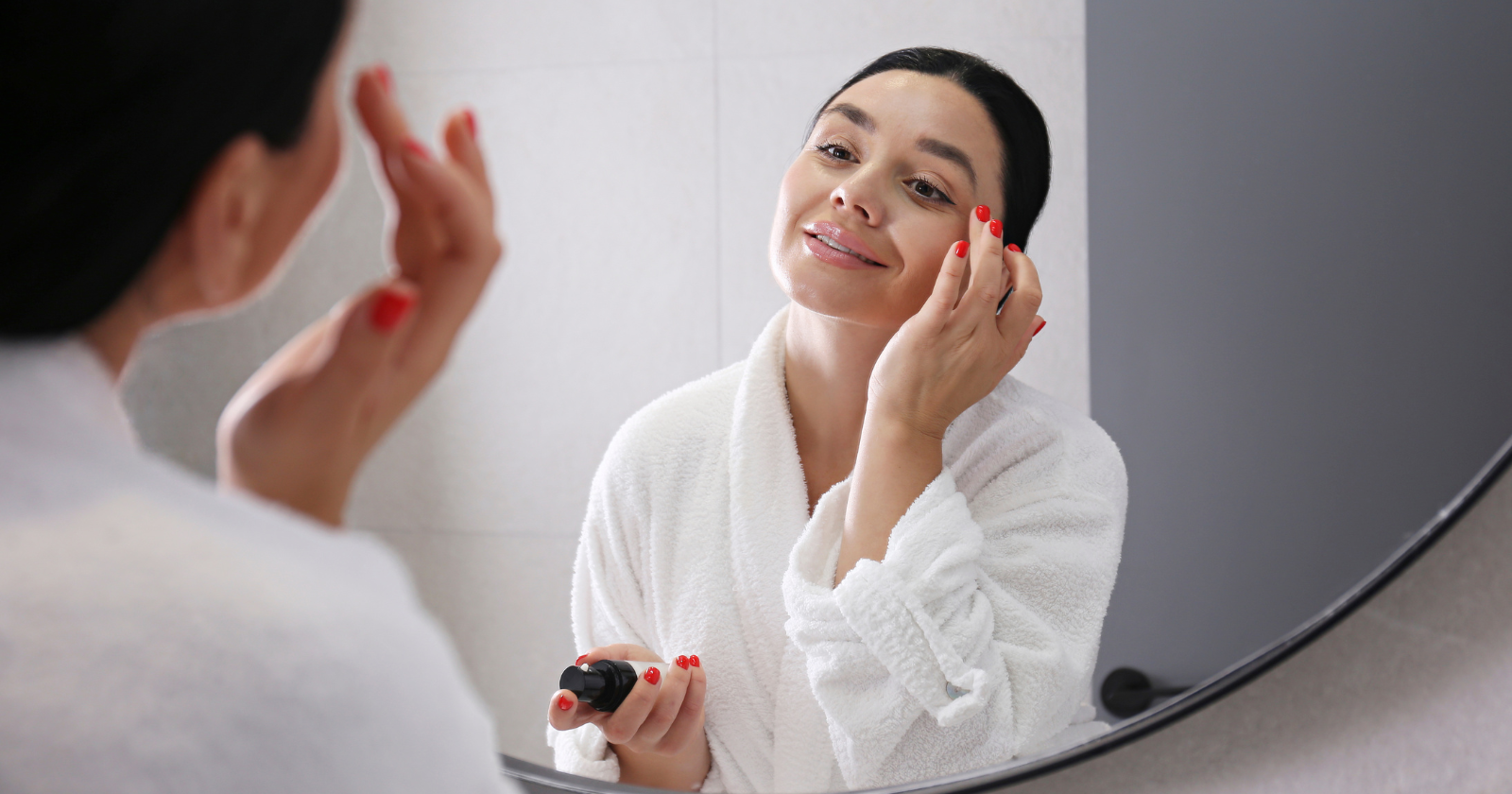
6 Simple Winter Skincare Habits For Glowing, Nourished Skin

6 Simple Winter Skincare Habits For Glowing, Nourished Skin

5. Hydrate From Within:

Dehydration shows up first on your skin, making it look dull, tight and tired. Drink plenty of water, herbal teas and warm fluids throughout the day. Include hydrating foods like oranges, cucumber, soups and coconut water in your winter diet. Proper internal hydration improves skin elasticity, flushes out toxins and supports faster skin repair.

Image Source: Canva

Tags: , , , , , ,
People who appear decades younger than their real age almost always have these 5 daily habits, according to a mindfulness expert – VegOut

People who appear decades younger than their real age almost always have these 5 daily habits, according to a mindfulness expert – VegOut

Ever notice how some people just seem to glow with an energy that makes them look way younger than their years?

I was grabbing my usual black coffee last week when I ran into an old colleague. We hadn’t seen each other in maybe five years, but while I felt every one of those years showing on my face, she looked exactly the same. Maybe even better.

It got me thinking about what separates those who age gracefully from those of us who feel every birthday like a weight. And after diving deep into mindfulness research and observing the habits of people who seem to defy aging, I’ve discovered it’s not about expensive creams or extreme diets.

The people who look decades younger than their real age share something much simpler: daily habits rooted in mindfulness.

These aren’t complicated rituals or time-consuming routines. They’re small, intentional practices that anyone can adopt. And according to mindfulness experts, they work because they address aging from the inside out, reducing stress, improving mental clarity, and boosting overall vitality.

Ready to discover what these age-defying individuals do differently? Let’s explore the five daily habits that could transform not just how you look, but how you feel about each passing year.

1. They prioritize quality sleep like their life depends on it

Here’s something that might surprise you: those people who look perpetually young? They’re probably in bed by 10 PM.

While the rest of us are scrolling through our phones or binge-watching another series, they’re getting their seven to nine hours of quality sleep. And this isn’t just about quantity. It’s about creating a sleep ritual that actually works.

Think about it. When you’re sleep-deprived, what happens? Your skin looks dull, bags appear under your eyes, and you reach for that third (or fourth) cup of coffee just to function. Chronic sleep deprivation accelerates aging at a cellular level, increasing cortisol production and breaking down collagen faster.

The age-defiers I’ve observed treat their bedroom like a sanctuary. No screens, cool temperature, maybe some lavender on the pillow. They understand that sleep is when your body repairs itself, produces growth hormone, and clears out cellular waste.

Want to start? Try this: Set a non-negotiable bedtime alarm. Not for waking up, but for starting your wind-down routine. When it goes off, screens go dark, and you begin preparing your body for rest.

2. They move their bodies every single day

You know what I’ve learned from my daily runs through the humid streets of Saigon? Movement isn’t just exercise. It’s a conversation with your body.

People who look younger than their years don’t necessarily spend hours at the gym. Instead, they’ve mastered the art of consistent, enjoyable movement. Maybe it’s yoga, dancing, swimming, or just a brisk morning walk. The key is they do it daily, and they actually enjoy it.

In my book “Hidden Secrets of Buddhism: How To Live With Maximum Impact and Minimum Ego”, I explore how Buddhist monks maintain remarkable vitality through simple walking meditation. They’re not power walking or checking their step count. They’re moving with intention and awareness.

Hidden Secrets of Buddhism: How To Live With Maximum Impact and Minimum Ego

The science backs this up. Regular movement improves circulation, delivers oxygen to your cells, and triggers the release of endorphins. It also helps maintain muscle mass, which naturally decreases with age but is crucial for that youthful appearance and energy.

Here’s my challenge to you: Find a form of movement that doesn’t feel like punishment. Something you’d miss if you couldn’t do it tomorrow. That’s your golden ticket to sustainable, age-defying exercise.

3. They practice stress management like it’s their job

Want to know the fastest way to age yourself? Chronic stress.

Those worry lines, that tension in your shoulders, the way your jaw clenches when you’re overwhelmed? That’s stress literally aging you from the inside out.

People who maintain their youthful appearance have figured out something crucial: stress management isn’t optional. It’s as essential as brushing your teeth.

My own meditation practice varies. Sometimes I sit for 30 minutes, sometimes just five. But it happens every day without fail. And you know what? On the days when I think I don’t have time for it, that’s usually when I need it most.

These age-defiers use different techniques. Some meditate, others practice deep breathing, journal, or spend time in nature. The method matters less than the consistency. They’ve learned to create space between themselves and their stressors.

Research shows that chronic stress shortens telomeres, those protective caps on our DNA that are directly linked to aging. Managing stress isn’t just about feeling better. It’s about preserving your cellular youth.

4. They hydrate like they’re preparing for a marathon

This might sound too simple to matter, but hear me out.

Ever notice how a plant perks up after watering? Your body works the same way. Those people with the glowing, plump skin that seems to defy gravity? They’re drinking water like it’s their favorite beverage.

And I’m not talking about those sugary drinks or even too much coffee (though I’ll never give up my morning black coffee ritual). I mean pure, simple water. Lots of it.

Dehydration shows up on your face faster than almost anything else. Fine lines become more pronounced, skin loses its elasticity, and you develop that tired, drawn look that adds years to your appearance.

The youth-preservers I know carry water bottles everywhere. They start their day with a big glass of water before anything else touches their lips. They’ve made hydration a non-negotiable habit, not something they remember to do when they’re already parched.

Aim for at least eight glasses a day, more if you’re active or live in a hot climate. Your skin, energy levels, and overall appearance will thank you.

5. They eat mindfully and choose whole foods

Have you ever watched someone who looks incredibly young for their age eat a meal? They’re probably not wolfing it down while checking emails.

The people who seem to age in reverse have a different relationship with food. They eat slowly, savoring each bite. They choose whole, unprocessed foods most of the time. And they listen to their bodies rather than following the latest fad diet.

This mindful approach to eating reduces inflammation, one of the primary drivers of aging. When you eat slowly, you digest better, absorb more nutrients, and are less likely to overeat.

These individuals typically load up on antioxidant-rich foods like berries, leafy greens, and colorful vegetables. They enjoy healthy fats from sources like avocados and nuts. They’re not obsessive about it, but they understand that food is fuel, and better fuel leads to better performance and appearance.

My coffee ritual each morning has taught me this: when you pay attention to what you’re consuming, you naturally make better choices. You start craving nourishment over empty calories.

Final words

Looking younger than your age isn’t about finding the fountain of youth or spending thousands on treatments. It’s about these simple, daily habits that compound over time.

The beautiful thing about these practices? They don’t just make you look younger. They make you feel younger too. More energized, more resilient, more alive.

Start with just one habit. Master it for a month before adding another. Remember, small daily practices matter more than grand transformations. The person you’ll be in five years is being shaped by the habits you choose today.

Which one will you start with?


VegOut Magazine’s November Edition Is Out!

In our latest Magazine “Curiosity, Compassion & the Future of Living” you’ll get FREE access to:

    • – 5 in-depth articles
    • – Insights across Lifestyle, Wellness, Sustainability & Beauty
    • – Our Editor’s Monthly Picks
    • – 4 exclusive Vegan Recipes

Learn more


Tags: , , , , , , , , ,
daily habits

The Daily Health Habits I Can’t Live Without

For a long time, I believed feeling my best required complex routines and constant optimization. Instead of spreadsheets to track all my supplements, I’ve learned that health is built through simple, daily habits. While I don’t follow them perfectly and I vary as needed, there are some things that I consider to be my non-negotiables.

When people ask about my daily habits, they often expect advanced biohacks or expensive tools. The reality is much simpler. Most of what I do is free or low-cost and rooted in nature. Light, minerals, movement, sleep, and time outdoors aren’t trends, but foundational needs. This post breaks down the habits I practice most consistently and explains why they matter.

The idea isn’t for you to copy everything I do exactly, but see what resonates with you. Use it as a springboard to create your own healthy routines.

Why I Rely On Minerals (and So Do You)

Hydration is one of the few things I consider close to a true non-negotiable, but it’s not just about drinking more water. You might have heard that we’re 80% water, but actually we’re 80% salt water. Our bodies are intricate electrical systems that need minerals for cellular communication, nerve signaling, muscle contraction, and energy. Water alone won’t do the job.

Our ancestors drank from streams and rivers that washed over rocks and minerals, but our modern water sources are less ideal. I’ve noticed a huge difference in my hydration since adding minerals and salt first thing in the morning.

After hours of sleep, the body naturally wakes up mildly dehydrated from water lost through breathing and perspiration. I rotate different sources, including mineral water, electrolytes, or water with plenty of quality salt. I even travel with my own salt and minerals!

Most of us are mineral deficient from depleted soil and filtered water. Add sweating, sauna use, or exercise, and those needs increase significantly. I also prefer to front-load hydration earlier in the day so I’m not trying to catch up at night. This supports better sleep and steadier energy throughout the day.

The Minerals I Take Daily

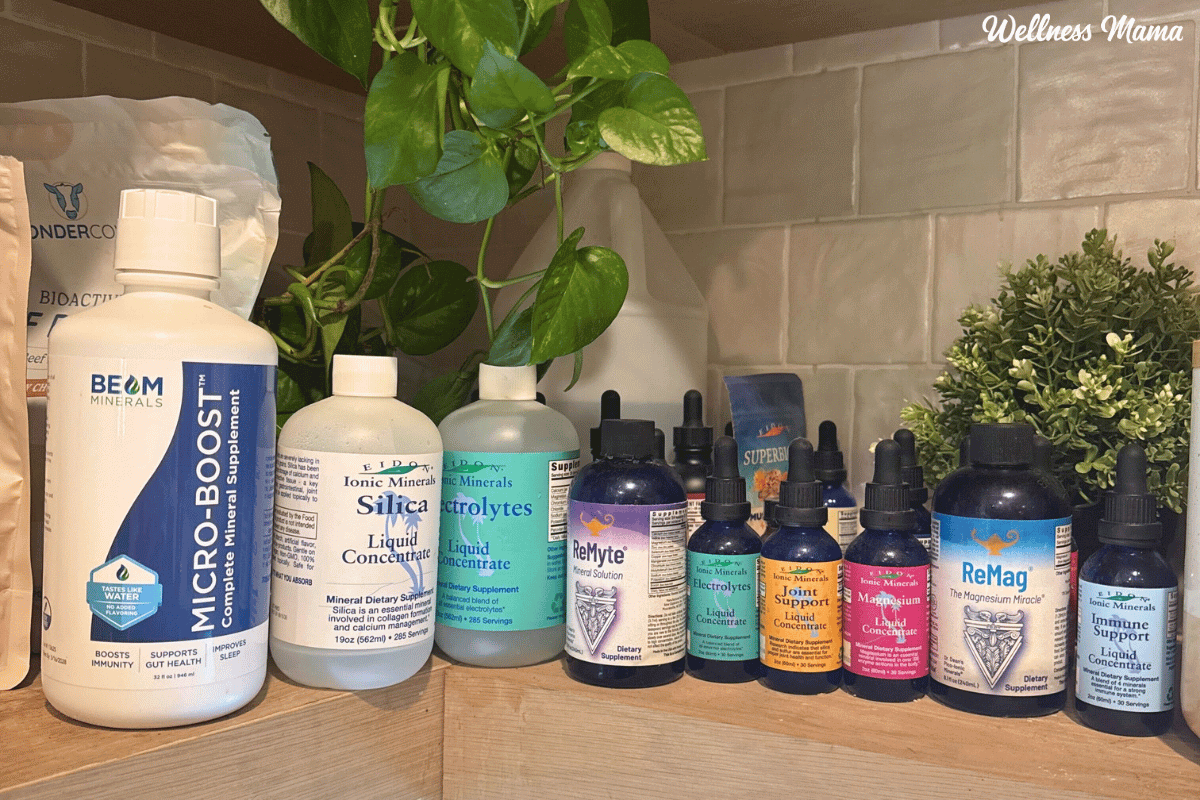
I mention several different mineral sources on the podcast and blog and that’s because I like to rotate my minerals. Right now my go-to minerals are :

Supplements I’m Loving Right Now

I don’t take supplements every single day, and I don’t even take the same ones every day. I’ll reach for what I feel like my body needs in the moment. There are a few however that I do take most days. While my genetic testing showed these are especially helpful for me, they’re also great for most people. I rotate others as needed, but these are the steady ones.

• Phosphatidylcholine (for methylation, nervous system health, and focus)
• Glycine (for sleep, blood sugar support, collagen production)
• Inositol (for mood, metabolic support, and restorative sleep)

Getting Morning Sunlight to Set Circadian Rhythm

Morning light exposure is one of the most impactful daily habits I’ve adopted. As soon as I roll out of bed and grab my jar of salt water, I step outside for some morning sunlight. If you can’t get out at sunrise, aim to get outside within an hour of it. I’m not staring at the sun, just being outdoors and letting natural light do its work.

Light exposure regulates circadian rhythm, cortisol patterns, and hormone signaling. Morning light also supports melatonin production later in the day, which directly impacts sleep quality. Even on cloudy days, outdoor light is far stronger and more beneficial than indoor lighting.

I often habit stack this with hydration and grounding, standing barefoot outside while drinking mineral water. When possible, I also try to see sunrise and sunset. These times offer natural red light that supports mitochondrial health, skin health, and eye health.

Light is one of the simplest and most overlooked health tools available, and it’s completely free.

Make Sleep a True Priority

Quality sleep is foundational. I’ve never interviewed a single health expert who said sleep doesn’t matter. Without enough quality sleep, every other aspect of our health suffers. But a good night’s sleep starts long before bedtime.

Morning light exposure, hydration, and daytime movement all support better sleep at night. Our sleep environment also plays a big role. I prioritize darkness with full blackout shades and eliminate artificial light exposure in the bedroom. I literally can’t see my hand in front of my face once the shades go down!

Temperature is another key factor. Sleeping in a cooler environment supports deeper and longer sleep. Instead of cooling the entire house, I use my ChiliPad to cool my bed and mimic natural sleeping conditions. I notice a big difference when I travel and don’t have it with me!

My Favorites For Sleep

While many of my health habits are free, my sleep area and nighttime routine is one area I’ve invested a little more in. And things like a sound machine, bedroom air filter, and blackout shades are things I can set up once and just keep using. It’s an easy way to automate my health habits.

It’s completely optional, but I’ve also been liking Tranq Dart from Wizard Sciences at night for winter sleep. Sometimes I’ll alternate this with my other favorite evening beverage, Cacao Calm.

Better Breathing With Mouth Taping

This is another nighttime habit, but deserves it’s own mention. Mouth taping is one of my more unconventional habits, and it’s not for everyone. It helps support nasal breathing during sleep, which promotes slower, deeper breaths and better oxygenation.

Chronic mouth breathing can contribute to dry mouth, cavities, brain fog, sleep issues, and so much more. Gently taping the lips closed encourages nasal breathing and I notice I wake up more refreshed. You can get more details on mouth taping (and if you should try it) here.

Grounding For a Happier Nervous System

Grounding (aka earthing) means spending time barefoot on grass or dirt. It’s another daily staple in my healthy habit routines. Whether it’s grass, dirt, or sand, direct contact with the earth has a calming effect on the nervous system and helps align our body’s natural electrical signals. These can easily become disrupted from too much time indoors and using devices (like cell phones).

Research suggests grounding may help regulate cortisol rhythms, reduce inflammation, and improve heart rate variability over time. Subjectively, it feels grounding and stabilizing, especially when paired with sunlight and fresh air. I’ll often ground in the mornings and evenings when I’m getting light exposure and it’s another free habit.

Using Hot and (Sometimes) Cold Therapy

Sauna is one of my favorite and most powerful wellness tools I use. Heat exposure creates a short-term stress that teaches the body to become more resilient. Regular sauna use is linked with cardiovascular benefits, better detox, and a longer life span.

I aim for sessions around 20 minutes and use my sauna several times per week whenever possible. Cold exposure can also be beneficial, either on its own or paired with sauna in contrast therapy. While this one isn’t free, it can be a great addition to your health routine. If I could only keep one wellness modality in my home, sauna would be it.

Starting the Day With Protein

After hydration and light exposure, I prioritize morning protein. Getting at least 40 grams of protein early in the day helps stabilize blood sugar, support muscle health, and promote steady energy.

From a hormonal perspective, protein-first mornings send safety signals to the body. This helps reduce junk food cravings later in the day and help avoid energy crashes. I’ve noticed I focus better and feel fuller when I get morning protein in.

It’s not about eating the same foods on repeat, but prioritizing nourishment so our body is getting those safety signals.

Timing Is Everything

When possible, I try to stop eating around sunset. This isn’t a strict rule, and I recognize it doesn’t work for everyone or every location. For me, eating earlier supports better digestion and deeper sleep.

By aligning meals with daylight hours this works with our circadian biology. It gives the body a break from digestion and instead allows more energy for repair and recovery during sleep. Even shifting dinner a bit earlier so that you’re done eating 3-4 hours before bed can make a difference.

This is one habit that’s flexible and depends on the seasonal rhythms.

Why I Hang (Almost) Every Day

Hanging from a bar or sturdy surface is one of the simplest movement habits I practice. Even short intervals throughout the day can decompress the spine, stretch the shoulders, and support grip strength.

Researchers are increasingly recognizing how grip strength plays a big role in our longevity and overall health. Hanging supports joint health, posture, and functional movement without requiring a formal workout. I aim for a total of about three minutes per day, broken up as needed. This habit fits easily into daily life and offers benefits far beyond the time invested.

Getting Red Light From Nature First

Red light therapy devices can be helpful, but nature offers a free version every day at sunrise and sunset. This gentle light supports mitochondrial health, skin health, and circadian rhythm regulation.

I have red light panels that I use often, but I still prioritize natural red light whenever possible. This keeps the focus on foundational habits rather than tools or technology. Simply being outside at sunrise and sunset is an easy way to get the free benefits of red light. And again, I’ll habit stack this with grounding and minerals!

I prioritize the simple things, but I’ve also noticed benefits from other wellness tools. I love my acupressure mat for muscle tension relief, and things like PEMF and BioCharger tech. While I don’t consider them essential basics, they’re a nice addition to a solid health routine.

These tools are layered on top of foundational daily habits and the basics matter far more than any advanced tech. You can still be really healthy without access to specialized equipment.

Final Thoughts on Building Your Own Daily Habits

Over time, I’ve found consistency matters more than intensity. Most of the habits I rely on are simple and accessible. They don’t require perfection or rigid schedules but instead support the body’s natural rhythms day after day.

Health builds quietly, much like compound interest. The small choices you make most days shape how you feel over time. You don’t need to adopt every habit at once. Start with baby steps and build from there. Often, the simplest daily habits create the biggest and most lasting change.

Which health habits do you rely on to feel your best? Any you would add to this list? Leave a comment and let us know!

Tags: , , ,
8 minimalist beauty habits that save time, reduce waste, and look effortlessly chic

8 minimalist beauty habits that save time, reduce waste, and look effortlessly chic

A few years ago, I was juggling a demanding job, early morning trail runs, weekend volunteer shifts at the farmers’ market, and what felt like an overly complicated beauty routine I never truly enjoyed.

One morning, while staring at a bathroom counter covered in half-used products, I had a simple realization. The more clutter I had, the less confident I felt.

Around that time, I started leaning deeper into minimalism in other areas of my life. Decluttering my home made me feel lighter. Simplifying my meals made my vegan routine easier.

So it made sense to experiment with simplifying the way I cared for my skin, hair, and overall appearance.

What started as a practical time saver became something much bigger. I found that stripping back my routine helped me feel more grounded and intentional. It reduced waste, saved money, and oddly enough, made me look more put together with half the effort.

If you’ve ever wondered how to simplify your beauty routine without sacrificing how you feel, here are eight minimalist habits that might fit into your life more naturally than you expect.

1) Prioritizing skin hydration instead of covering everything up

I used to think beauty started with makeup, but hydration changed everything for me. When your skin is well moisturized, it naturally looks smoother and healthier. You don’t need to hide as much because there’s less to hide.

You’d be surprised how many skin concerns soften just by drinking enough water, using a gentle moisturizer, and giving your skin time to breathe.

I learned this during my financial analyst days when stress often showed up on my face before anywhere else. Keeping hydration simple helped calm everything down.

Minimalists love this approach because it reduces the number of products you use and cuts down on packaging waste. Plus, hydrated skin never goes out of style.

2) Using multitasking products that streamline your routine

Have you ever noticed how many products promise to solve one tiny issue at a time? Moisturizer for day, another for night, a serum for brightening, another for smoothing, and the list keeps growing.

Switching to multitasking products made my routine so much easier. A tinted moisturizer with SPF. A single nourishing oil for both hair ends and dry elbows. A lip balm that doubles as a subtle cheek tint.

Not only does this save time, but it dramatically reduces the clutter in your bathroom. And honestly, less clutter creates a calmer mind. I’ve always believed that the state of your space influences the state of your thoughts.

A simple routine helps you begin the day with clarity instead of overwhelm.

3) Embracing natural textures instead of fighting them

For years, I tried to force my hair into a style that didn’t suit its natural texture. Straightening, curling, smoothing, reshaping. It took time, heat, and far too many plastic product bottles.

Letting my hair exist as it is felt like a revelation. It wasn’t perfect, but it was honest. And the time I saved allowed me to enjoy slower mornings, which I value much more than a perfectly sculpted look.

The same applies to skin. Minimalist beauty often means working with what you have rather than covering it up or reshaping it into something unrealistic. It’s an approach rooted in acceptance, and that acceptance frees you from so much unnecessary effort.

4) Simplifying your color palette to a few trusted tones

One day, I opened my makeup drawer and realized I was keeping products I hadn’t used in months simply because they felt aspirational. Shades I thought I might wear someday lived there rent-free.

A minimalist habit that changed everything was narrowing down my color palette to just the tones I naturally reach for. A soft neutral for the eyes. A rosy or berry tint for the lips. A subtle highlighter that works for everyday wear.

This keeps your routine fast, reduces decision fatigue, and removes that guilty feeling that comes from unused products.

More importantly, it helps you develop a cohesive look that becomes effortlessly chic because it reflects your real taste, not a fantasy version of yourself.

5) Choosing reusable tools instead of disposables

This point came to me through a combination of environmental awareness and personal convenience.

As someone who volunteers at farmers’ markets and spends a lot of time around sustainability-focused communities, I started noticing how many disposable beauty tools end up in the trash.

Reusable cotton rounds, quality makeup brushes, stainless steel razors, refillable containers, and silicone masks can all replace single use items without sacrificing any part of your beauty experience.

The first time I switched to reusable cotton rounds, I was surprised by how much softer they felt on my skin. It reminded me that minimalism isn’t about giving things up. It’s about choosing items that last longer, feel better, and create less waste along the way.

6) Practicing “finish before you buy” as a mindful beauty rule

The beauty industry thrives on novelty. New serums, new scents, new formulas, new promises every single week. If you’re not intentional, you start buying products because of the possibility they represent rather than the practicality of your needs.

A habit I adopted early in my minimalist journey is something I call “finish before you buy.” It’s exactly what it sounds like. Use the products you have before replacing them.

On the surface, it saves money and reduces clutter. But there’s something deeper here. It trains you to slow down, notice your impulses, and recognize when you’re trying to buy your way into a feeling rather than solve a real problem.

I’ve found that this level of mindfulness extends into other parts of life too.

7) Choosing hairstyles and cuts that grow out gracefully

Have you ever had a haircut that looked perfect for exactly two weeks and then needed constant upkeep? I used to end up in that cycle often. And honestly, it drained both my time and patience.

Minimalist beauty shifts your focus toward styles that look good even as they grow. Think soft layers, simple bobs, natural curls, or long hair with gentle movement. These styles require far fewer products and far fewer emergency salon visits.

When I started trail running more often, I realized how important this was. I needed my hair to look good without constant attention.

A low-maintenance cut made it possible for me to feel put together without rearranging my schedule around my appearance.

8) Focusing on nourishment instead of perfection

Minimalist beauty isn’t just about what you put on your skin. It’s also about how you support your body from the inside.

Eating whole plant-based foods, drinking enough water, getting enough sleep, and moving your body in ways you enjoy make a bigger difference than any bottle on your shelf.

I’ve noticed the days I eat colorful, nutrient dense meals or spend time gardening, my skin naturally looks brighter. Those habits don’t feel like effort. They feel like alignment.

Being vegan has helped me understand this even more deeply. Nourishment creates radiance without trying. Perfection demands endless work. Choosing nourishment saves time, energy, and mental space, and it shows in your natural glow.

Final thoughts

Minimalist beauty isn’t about doing less for the sake of less. It’s about choosing habits that support your well-being instead of draining it. When you simplify your routine, you create more room for clarity, joy, and intention.

If you were to adopt just one of these habits, which one would feel the most natural to start with?


If You Were a Healing Herb, Which Would You Be?

Each herb holds a unique kind of magic — soothing, awakening, grounding, or clarifying.
This 9-question quiz reveals the healing plant that mirrors your energy right now and what it says about your natural rhythm.

✨ Instant results. Deeply insightful.


Tags: , , , , , , , ,
7 skincare habits that disrupt your hormones and how to avoid them

7 skincare habits that disrupt your hormones and how to avoid them

How your daily skincare habits can affect your hormones. Seven simple ways to improve your skincare routine for better health and well-being.

Sometimes, while trying to take care of our skin a little too much, we tend to forget that some skincare habits may be actually affecting our health in some way, unknowingly. From mindless use of essential oils to chemical-laden fragrance in products – some skincare ingredients can actually disrupt your hormones. A dermatologist says being aware of such harmful ingredients can be a step towards better skin and overall health.

Skincare habits that can disrupt hormones

According to Dermatologist and Skin Specialist Dr Rinky Kapoor, there are certain small skincare habits that people may use every day without knowing how it may be affecting their hormones. In an interview to Health Shots, the expert outlines seven such habits and warns against indiscriminate use.

1. Endocrine-disrupting chemicals
It is tempting to trust skincare products just because you find them at your local drugstore or because they have catchy ads. However, many of these products may contain phthalates and synthetic fragrances, which can disrupt hormones and mimic estrogen. Research published by the Endocrine Society shows that these chemicals can interfere with hormone production, leading to skin that doesn’t look its best.

A study in Environmental Health Perspectives found that repeated exposure to certain substances can accumulate, leading to hormonal imbalances. To avoid these issues, choose brands that are clear about their ingredients. “Look for natural or organic options that do not contain questionable chemicals,” Dr Kapoor tells Health Shots.

2. Over-exfoliation

The desire for quick results can lead to over-exfoliating our skin. But doing this too much and too often can damage our skin’s natural barrier. “This can cause inflammation and increase cortisol levels, our body’s primary stress hormone“, says Dr Kapoor. High cortisol not only damages our skin, making it look dull and tired, but also affects other hormones that control sleep, mood, and metabolism. The dermatologist suggests “limiting exfoliation to 2-3 times a week which allows your skin to naturally heal and renew itself. your skin is like a sensitive ecosystem; taking your time helps keep it healthy and balanced.”

3. Synthetic retinoids

Retinoids have become popular in skincare because they can help reduce signs of ageing. However, they can also pose risks, mainly if used without proper guidance. “Some forms, like topical and oral synthetic retinoids, can affect hormone-sensitive processes in the body”, says Dr Kapoor. For example, isotretinoin can change hormone levels. This medication is not safe to use during pregnancy due to associated risks. Before starting a retinoid routine, it’s good to talk to a dermatologist. “They can help you create a skincare plan that meets your hormonal health needs”, says the dermat. This way, you can achieve smoother skin without risking your health.

Essential oils are more than just a fad. Image courtesy: Adobe Stock

4. Essential oils

Essential oils have become very popular because many people believe they offer natural benefits. However, not all essential oils are the same. Lavandin and tea tree oil, which are often used, can affect hormones. A study published in Frontiers in Environmental Science has found that they can have estrogen-like effects and block male hormones. In rare cases, using these oils has been linked to breast growth in young boys. Be careful with essential oils. Always dilute them properly, and watch how often you use them. Each drop is powerful, so being mindful can help protect your skin and hormones.

5. Saying no to sun protection

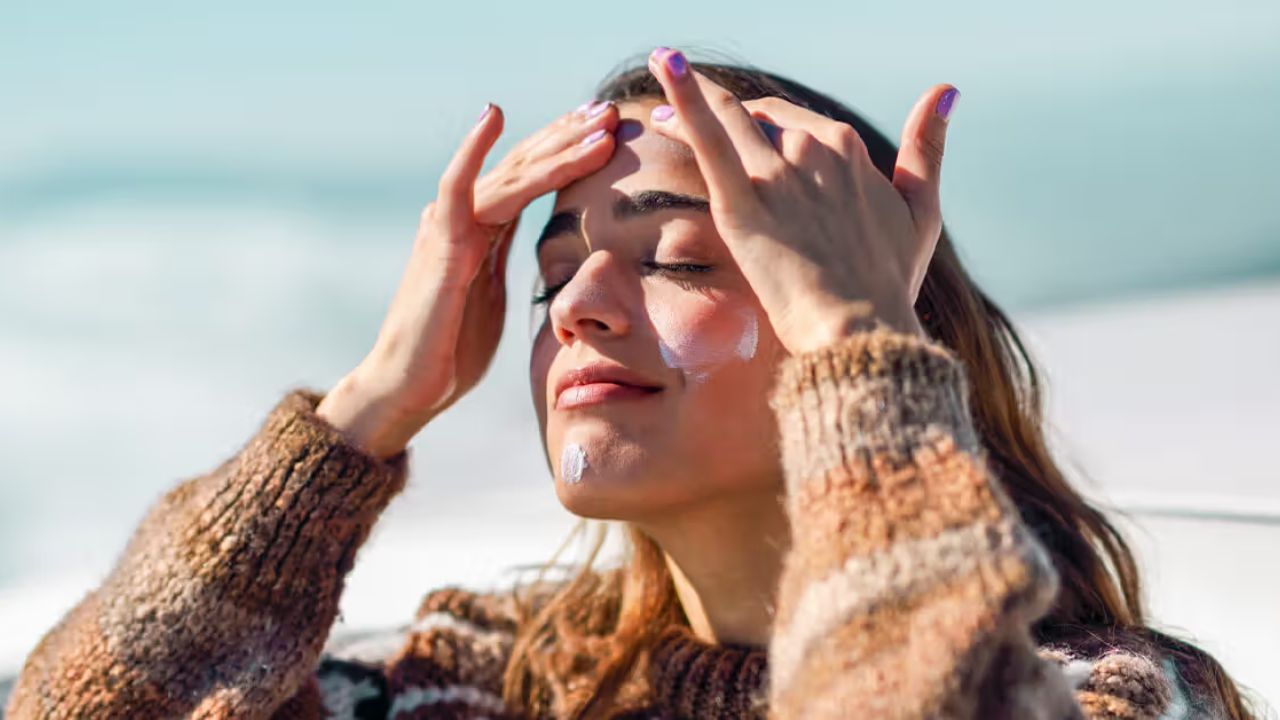
Who doesn’t want glowing complexion? But spending time in the sun without proper protection can harm your skin and upset your hormonal balance. “When you don’t protect your skin well, it can lead to oxidative stress, which can cause inflammation”, says the skin specialist. This inflammation can affect important hormones, such as cortisol and thyroid hormones. UV radiation can interfere with the production of vitamin D, which is important for making hormones. “It is important to use a broad-spectrum sunscreen with a high SPF every day,” says the skin expert. This protects your skin from harmful rays and supports your endocrine system.

6. The fragrance factor

Have you ever looked at your product labels and seen the words ‘fragrance’ or ‘parfum’? These terms often mask a mix of chemicals, many of which can disrupt your hormones. “Using heavily fragranced products every day, such as cleansers and moisturisers, can lead to a harmful buildup in your system, putting extra strain on your hormonal balance,” says the specialist. Choose unscented or naturally scented products to reduce exposure to potentially harmful chemicals. “Your skin may react better, and avoiding these chemicals could help your skin look clearer and healthier,” shares the doctor.

You may also like

7. Gut-skin-hormone connection

Skincare is not just about what you put on your skin. It’s important to think about your overall health. Your gut health affects how your skin looks and how your hormones work. “The gut microbiome is closely connected to hormone balance, inflammation, and skin health,” says the expert. When your gut lacks balance, it can show on your skin, worsening conditions like acne, eczema, and psoriasis. Include probiotic-rich foods in your diet, like yoghurt, kimchi, or leafy greens. “A healthy gut can improve your skin and hormones,” explains the expert. This balanced approach to skincare looks at both internal and external factors.

Tags: , , , ,
Mindfulness and Smartphone Use: A Path to Healthier Digital Habits

A Path to Healthier Digital Habits

Mindfulness techniques may help people reduce problematic smartphone use and build healthier digital habits.

Excessive smartphone dependence among more than four billion users worldwide is raising concerns about a growing public health issue, problematic smartphone use. ().
Dr. Susan Holtzman, a psychology instructor at UBC Okanagan’s Irving K. Barber Faculty of Arts and Social Sciences, recently presented findings in Mindfulness that explore smartphone overuse or dependence and how mindfulness methods might help people manage it.

She explains the concern and shares practical guidance for individuals who feel they may be overly attached to their devices.

Smartphones now play a central role in the everyday routines of billions of people. Use may be labeled “problematic” when someone spends too much time on their phone, struggles to limit use, and experiences significant disruption in essential parts of their life. However, there is still considerable debate over how problematic smartphone use should be defined and measured.

TOP INSIGHT

Did you know?
Some people feel intense anxiety without their phones, simple mindful breathing can help break the cycle. #smartphoneuse #digitalwellbeing #medindia

Advertisement

Smartphone Impact on Daily Functioning

Smartphones offer constant access to information, social networks, and tools that support day-to-day activities. Yet heavy use can still disrupt work, relationships, and mental health. It can also contribute to physical concerns such as disturbed sleep and discomfort, particularly in the neck and shoulders.

While smartphone overuse is not officially categorized as an addiction like problematic gambling or substance use, it does share some similar characteristics. For instance, some individuals feel intense distress or anxiety when separated from their device, a response known as nomophobia. Regardless of whether one calls it an addiction, people of all ages are increasingly looking for ways to scale back their smartphone time.

Our review showed that individuals who tend to practice mindfulness in their regular lives are less likely to develop an unhealthy connection with their phones.

The work involved a wide-ranging systematic review and meta-analysis of 61 studies including more than 39,000 participants across 11 countries, examining how mindfulness relates to problematic smartphone use. A key focus was identifying who might benefit most from this approach.

Advertisement

Mindfulness Awareness and Emotional Regulation

Mindfulness involves staying aware of the present moment and observing it without judgment. Think of someone frequently checking their phone. They might be doing so to seek stimulating information, ease boredom or stress, or avoid difficult situations or interactions.

Mindfulness may assist in these moments by helping individuals manage emotions more effectively, reduce impulsive actions, and withstand urges to engage in behaviors that may not be useful. It can also help people recognize when they are acting out of habit rather than intention.

If staying focused or present feels challenging, recent findings indicate that short, consistent mindfulness activities, such as noticing one’s breathing, may help decrease problematic phone habits.

When reaching for the phone, pause and ask what is driving the action. Is there a clear purpose, or is it simply automatic? What is the intention behind it, especially if only a few minutes have passed since the last check?

Advertisement

Building Healthier Digital Habits

Naturally, this process is not always straightforward. Smartphones and the apps installed on them are intentionally designed to attract and hold attention. To address this, people are encouraged to examine their smartphone usage. If certain apps or websites consume too much time or disrupt focus, it may help to set usage limits, remove them from the home screen, or delete them altogether.

Because smartphones are constantly within reach, staying fully present in daily life becomes more difficult. Taking time to reflect on personal values and how one truly wants to use their time can guide the development of healthier digital routines.

Reference:

  1. Understanding the Link Between Mindfulness and Problematic Smartphone Use: A Systematic Review and Meta-Analysis( https://link.springer.com/article/10.1007/s12671-025-02665-x)

Source-Eurekalert

Tags: , , ,
Best oLive
Privacy Overview

This website uses cookies so that we can provide you with the best user experience possible. Cookie information is stored in your browser and performs functions such as recognising you when you return to our website and helping our team to understand which sections of the website you find most interesting and useful.