daily habits

The Daily Health Habits I Can’t Live Without

For a long time, I believed feeling my best required complex routines and constant optimization. Instead of spreadsheets to track all my supplements, I’ve learned that health is built through simple, daily habits. While I don’t follow them perfectly and I vary as needed, there are some things that I consider to be my non-negotiables.

When people ask about my daily habits, they often expect advanced biohacks or expensive tools. The reality is much simpler. Most of what I do is free or low-cost and rooted in nature. Light, minerals, movement, sleep, and time outdoors aren’t trends, but foundational needs. This post breaks down the habits I practice most consistently and explains why they matter.

The idea isn’t for you to copy everything I do exactly, but see what resonates with you. Use it as a springboard to create your own healthy routines.

Why I Rely On Minerals (and So Do You)

Hydration is one of the few things I consider close to a true non-negotiable, but it’s not just about drinking more water. You might have heard that we’re 80% water, but actually we’re 80% salt water. Our bodies are intricate electrical systems that need minerals for cellular communication, nerve signaling, muscle contraction, and energy. Water alone won’t do the job.

Our ancestors drank from streams and rivers that washed over rocks and minerals, but our modern water sources are less ideal. I’ve noticed a huge difference in my hydration since adding minerals and salt first thing in the morning.

After hours of sleep, the body naturally wakes up mildly dehydrated from water lost through breathing and perspiration. I rotate different sources, including mineral water, electrolytes, or water with plenty of quality salt. I even travel with my own salt and minerals!

Most of us are mineral deficient from depleted soil and filtered water. Add sweating, sauna use, or exercise, and those needs increase significantly. I also prefer to front-load hydration earlier in the day so I’m not trying to catch up at night. This supports better sleep and steadier energy throughout the day.

The Minerals I Take Daily

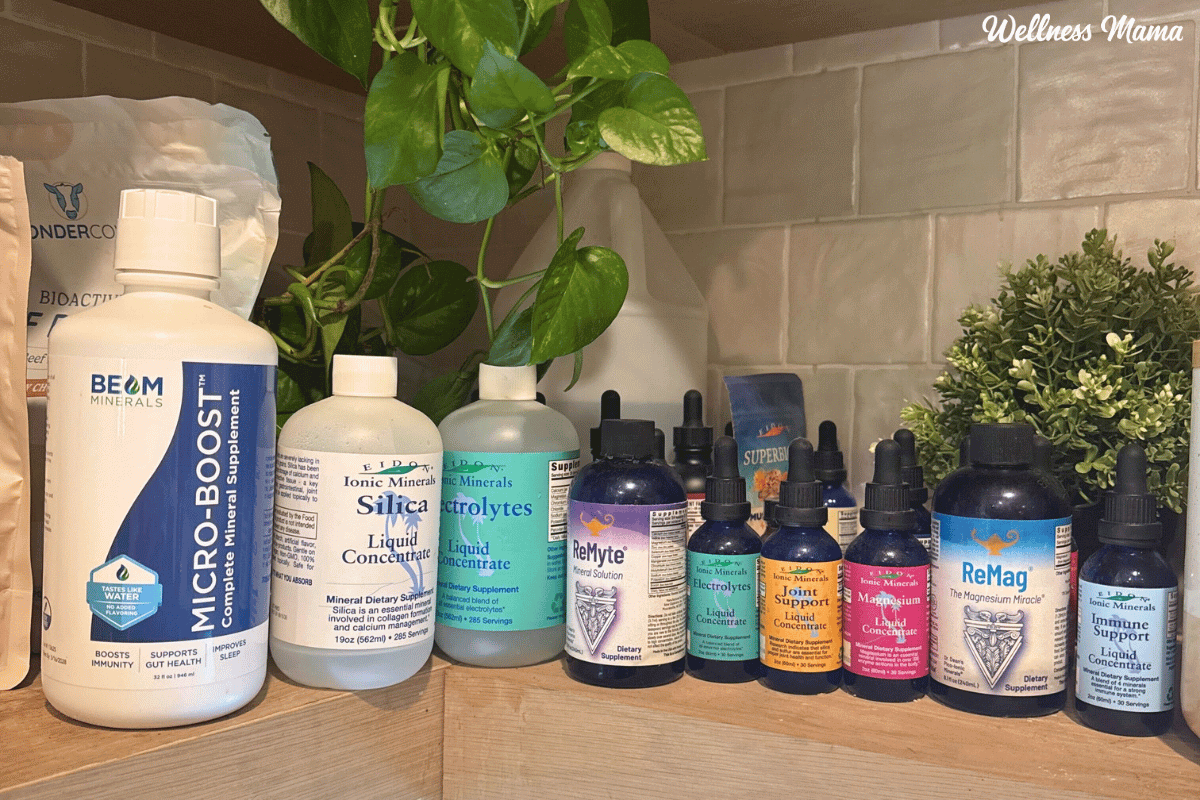
I mention several different mineral sources on the podcast and blog and that’s because I like to rotate my minerals. Right now my go-to minerals are :

Supplements I’m Loving Right Now

I don’t take supplements every single day, and I don’t even take the same ones every day. I’ll reach for what I feel like my body needs in the moment. There are a few however that I do take most days. While my genetic testing showed these are especially helpful for me, they’re also great for most people. I rotate others as needed, but these are the steady ones.

• Phosphatidylcholine (for methylation, nervous system health, and focus)
• Glycine (for sleep, blood sugar support, collagen production)
• Inositol (for mood, metabolic support, and restorative sleep)

Getting Morning Sunlight to Set Circadian Rhythm

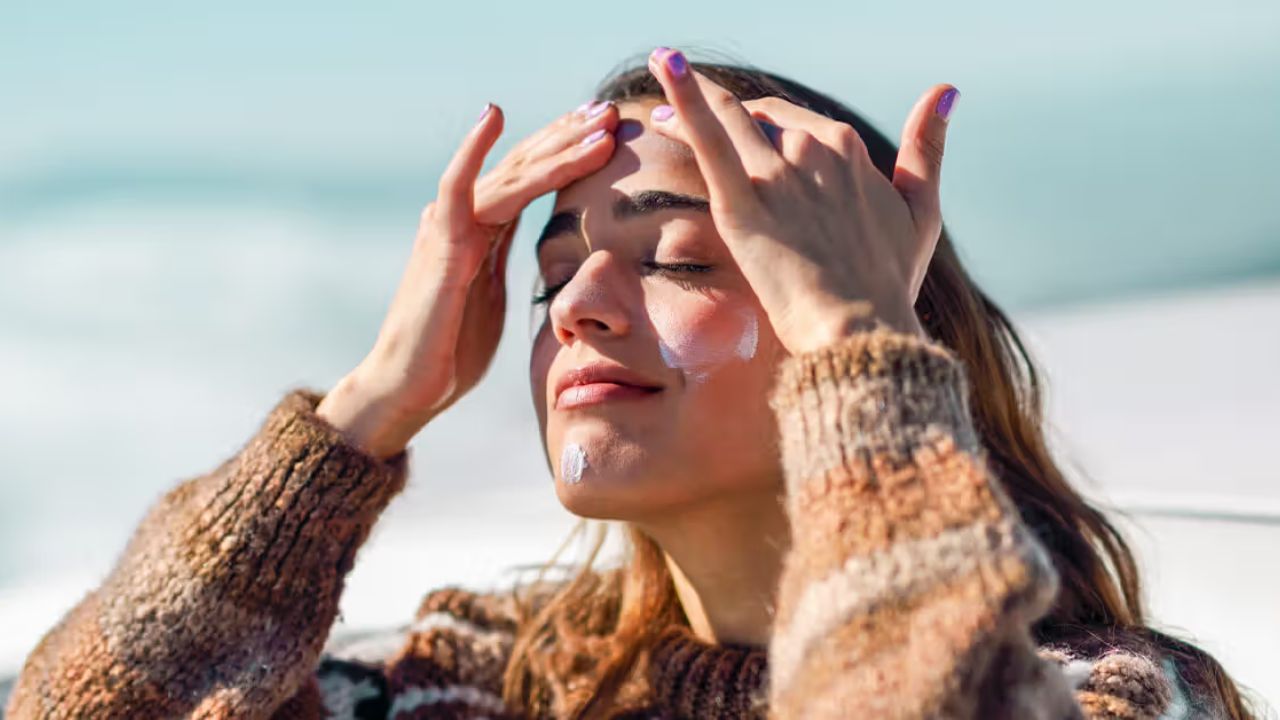
Morning light exposure is one of the most impactful daily habits I’ve adopted. As soon as I roll out of bed and grab my jar of salt water, I step outside for some morning sunlight. If you can’t get out at sunrise, aim to get outside within an hour of it. I’m not staring at the sun, just being outdoors and letting natural light do its work.

Light exposure regulates circadian rhythm, cortisol patterns, and hormone signaling. Morning light also supports melatonin production later in the day, which directly impacts sleep quality. Even on cloudy days, outdoor light is far stronger and more beneficial than indoor lighting.

I often habit stack this with hydration and grounding, standing barefoot outside while drinking mineral water. When possible, I also try to see sunrise and sunset. These times offer natural red light that supports mitochondrial health, skin health, and eye health.

Light is one of the simplest and most overlooked health tools available, and it’s completely free.

Make Sleep a True Priority

Quality sleep is foundational. I’ve never interviewed a single health expert who said sleep doesn’t matter. Without enough quality sleep, every other aspect of our health suffers. But a good night’s sleep starts long before bedtime.

Morning light exposure, hydration, and daytime movement all support better sleep at night. Our sleep environment also plays a big role. I prioritize darkness with full blackout shades and eliminate artificial light exposure in the bedroom. I literally can’t see my hand in front of my face once the shades go down!

Temperature is another key factor. Sleeping in a cooler environment supports deeper and longer sleep. Instead of cooling the entire house, I use my ChiliPad to cool my bed and mimic natural sleeping conditions. I notice a big difference when I travel and don’t have it with me!

My Favorites For Sleep

While many of my health habits are free, my sleep area and nighttime routine is one area I’ve invested a little more in. And things like a sound machine, bedroom air filter, and blackout shades are things I can set up once and just keep using. It’s an easy way to automate my health habits.

It’s completely optional, but I’ve also been liking Tranq Dart from Wizard Sciences at night for winter sleep. Sometimes I’ll alternate this with my other favorite evening beverage, Cacao Calm.

Better Breathing With Mouth Taping

This is another nighttime habit, but deserves it’s own mention. Mouth taping is one of my more unconventional habits, and it’s not for everyone. It helps support nasal breathing during sleep, which promotes slower, deeper breaths and better oxygenation.

Chronic mouth breathing can contribute to dry mouth, cavities, brain fog, sleep issues, and so much more. Gently taping the lips closed encourages nasal breathing and I notice I wake up more refreshed. You can get more details on mouth taping (and if you should try it) here.

Grounding For a Happier Nervous System

Grounding (aka earthing) means spending time barefoot on grass or dirt. It’s another daily staple in my healthy habit routines. Whether it’s grass, dirt, or sand, direct contact with the earth has a calming effect on the nervous system and helps align our body’s natural electrical signals. These can easily become disrupted from too much time indoors and using devices (like cell phones).

Research suggests grounding may help regulate cortisol rhythms, reduce inflammation, and improve heart rate variability over time. Subjectively, it feels grounding and stabilizing, especially when paired with sunlight and fresh air. I’ll often ground in the mornings and evenings when I’m getting light exposure and it’s another free habit.

Using Hot and (Sometimes) Cold Therapy

Sauna is one of my favorite and most powerful wellness tools I use. Heat exposure creates a short-term stress that teaches the body to become more resilient. Regular sauna use is linked with cardiovascular benefits, better detox, and a longer life span.

I aim for sessions around 20 minutes and use my sauna several times per week whenever possible. Cold exposure can also be beneficial, either on its own or paired with sauna in contrast therapy. While this one isn’t free, it can be a great addition to your health routine. If I could only keep one wellness modality in my home, sauna would be it.

Starting the Day With Protein

After hydration and light exposure, I prioritize morning protein. Getting at least 40 grams of protein early in the day helps stabilize blood sugar, support muscle health, and promote steady energy.

From a hormonal perspective, protein-first mornings send safety signals to the body. This helps reduce junk food cravings later in the day and help avoid energy crashes. I’ve noticed I focus better and feel fuller when I get morning protein in.

It’s not about eating the same foods on repeat, but prioritizing nourishment so our body is getting those safety signals.

Timing Is Everything

When possible, I try to stop eating around sunset. This isn’t a strict rule, and I recognize it doesn’t work for everyone or every location. For me, eating earlier supports better digestion and deeper sleep.

By aligning meals with daylight hours this works with our circadian biology. It gives the body a break from digestion and instead allows more energy for repair and recovery during sleep. Even shifting dinner a bit earlier so that you’re done eating 3-4 hours before bed can make a difference.

This is one habit that’s flexible and depends on the seasonal rhythms.

Why I Hang (Almost) Every Day

Hanging from a bar or sturdy surface is one of the simplest movement habits I practice. Even short intervals throughout the day can decompress the spine, stretch the shoulders, and support grip strength.

Researchers are increasingly recognizing how grip strength plays a big role in our longevity and overall health. Hanging supports joint health, posture, and functional movement without requiring a formal workout. I aim for a total of about three minutes per day, broken up as needed. This habit fits easily into daily life and offers benefits far beyond the time invested.

Getting Red Light From Nature First

Red light therapy devices can be helpful, but nature offers a free version every day at sunrise and sunset. This gentle light supports mitochondrial health, skin health, and circadian rhythm regulation.

I have red light panels that I use often, but I still prioritize natural red light whenever possible. This keeps the focus on foundational habits rather than tools or technology. Simply being outside at sunrise and sunset is an easy way to get the free benefits of red light. And again, I’ll habit stack this with grounding and minerals!

I prioritize the simple things, but I’ve also noticed benefits from other wellness tools. I love my acupressure mat for muscle tension relief, and things like PEMF and BioCharger tech. While I don’t consider them essential basics, they’re a nice addition to a solid health routine.

These tools are layered on top of foundational daily habits and the basics matter far more than any advanced tech. You can still be really healthy without access to specialized equipment.

Final Thoughts on Building Your Own Daily Habits

Over time, I’ve found consistency matters more than intensity. Most of the habits I rely on are simple and accessible. They don’t require perfection or rigid schedules but instead support the body’s natural rhythms day after day.

Health builds quietly, much like compound interest. The small choices you make most days shape how you feel over time. You don’t need to adopt every habit at once. Start with baby steps and build from there. Often, the simplest daily habits create the biggest and most lasting change.

Which health habits do you rely on to feel your best? Any you would add to this list? Leave a comment and let us know!

Tags: , , ,
health risk assessment

What My Health Risk Assessment Showed Me (and How It Can Help You Too)

I used to think that serious disease was either genetic, unavoidable, or something that appeared suddenly later in life. You went to the doctor when something felt wrong, ran tests, and reacted from there. I never thought that there was a better way to do health risk assessment. 

Over the last decade, that view has changed dramatically. I’ve since learned that most of the diseases that impact us the most are not sudden at all. They develop quietly over years or even decades, often without obvious symptoms. What’s different now is that we finally have tools that allow us to see those risks early and respond long before our body reaches a crisis point.

Lately I’ve been taking a deep dive into data backed, noninvasive ways to identify disease risk early and how to actually reduce that risk. It’s something I’ve personally explored, invested in, and used. I truly think it represents a major shift in how we think about our health.

The Four Horsemen 

You might think chronic disease is really diverse and complicated, but there are a lot of similarities. Just four health categories account for about 85% of deaths over age 50. Often referred to as the four horsemen they include heart disease, cancer, metabolic diseases (like type two diabetes), and Alzheimer’s dementia. 

Even more concerning is that the rates of all four are increasing. Not just in older adults but in younger populations and even children. So what do all of them have in common?

They’re not sudden and they don’t appear overnight. Instead, they develop slowly as the result of a build up of lifestyle choices, environmental exposures, and biological changes. Symptoms can start to slowly develop and creep up on us years or decades before a diagnosis. 

Despite this, most of our medical system is built around reaction rather than prevention. We typically wait until a disease is so far along that we can get a diagnosis before taking action. By then our body has often been stressed and sending us subtle (or not so subtle) signals for a very long time. I was struggling with hypothyroid symptoms for many years and felt off, yet couldn’t get a diagnosis until I’d hit a crisis point. 

Understanding this shared pattern is important because it reframes disease not as an inevitable outcome, but as a process. And when we can see the process early through a health risk assessement, we have a chance to change its direction.

Why Waiting For Symptoms Doesn’t Work

One of the biggest challenges of chronic disease is that the early stages are often subtle. There may be quiet changes happening beneath the surface, but nothing that clearly signals a problem.

For heart disease, the first symptom for many people is a heart attack. And about half of heart attacks happen in people who had no prior warning signs. Cancer is frequently detected only once it’s progressed to a later stage, even though we know outcomes are dramatically better when it’s found early. Alzheimer’s disease can begin twenty to thirty years before noticeable memory loss, yet we rarely screen for risk during that window.

Standard screening approaches don’t do much to address this gap either. Heart disease risk is often calculated using a narrow ten year model. Cancer risk for the average person is not routinely assessed at all. And Alzheimer’s risk typically isn’t evaluated unless someone is already showing symptoms. 

Many people have experienced the frustration of knowing something feels off, seeking answers, and being told everything looks normal. Years later, a diagnosis appears that confirms what the body had been signaling all along. This isn’t a failure of intuition. It’s a limitation of a system that wasn’t designed to catch early risk.

The Most Empowering Truth About Disease Risk

When I realized we can often change our chronic disease risk, it completely changed how I think about health. Depending on the condition, we can influence about 60 and 90 percent of our disease risk. For cancer specifically, less than 10 percent of risk is purely genetic. The rest is shaped by lifestyle, environment, and daily habits over time.

That means risk isn’t fixed, it’s flexible. Early detection makes an enormous difference. When cancer is caught early, survival rates can approach 90 percent. When it’s found late, survival rates drop dramatically. Similar patterns exist for heart disease and cognitive decline.

Lifestyle isn’t just a vague concept here, it’s measurable. Small choices made consistently compound over time, either increasing or decreasing risk. This is where early, personalized data becomes so powerful. It helps identify which levers matter most for each individual instead of relying on broad, one size fits all advice.

How Data and AI Are Changing Early Detection

Until recently, assessing early disease risk at an individual level wasn’t realistic. Each condition is influenced by dozens or even hundreds of variables that interact and change over time. No human could track or interpret that complexity accurately.

With advances in data analysis and AI, that’s changed. Large datasets from thousands of studies can now be analyzed together to identify meaningful patterns and calculate personalized risk.

This is why I became involved with a company called Catch. They use data from over ten thousand studies to analyze hundreds of individual variables and generate personalized lifetime cancer risk profiles. These profiles show which factors increase risk, which reduce it, and which changes are likely to have the greatest impact. Even though this just covers cancer right now, it offers insight into positive changes we can make for overall better health too. 

They also help prioritize screening in a more personalized way, focusing on what actually matters for an individual instead of just age based guidelines. This approach doesn’t replace medical care, but it adds a layer of insight that simply didn’t exist before.

Lifestyle Factors That Quietly Shape Risk

One of the most fascinating parts of reviewing this kind of data is seeing how specific lifestyle factors influence risk in ways that aren’t always intuitive.

For example, adding even a modest amount of extra vegetables to our daily diet is linked with a lower risk of multiple cancers. Eating oily fish once per week is linked to lower stomach cancer risk. Adding just one more serving of fruit a day, especially berries, is linked with a lower risk of lung cancer risk.

Some associations are more surprising. Drinking coffee regularly (not full of sugar and vegetable oils!) is linked to a lower risk of several cancers. A history of asthma or allergies appears to reduce the risk of certain brain cancers, possibly due to differences in immune system activity.

On the other hand, certain risk factors often go unnoticed. Head injuries and concussions can significantly increase lifetime brain cancer risk. Radon exposure in homes is a major contributor to lung cancer that many people never test for. Poor sleep, circadian disruption, and indoor air pollution are all linked to higher disease risk.

When these factors are viewed together, it becomes clear that risk is rarely random. It’s the cumulative result of small inputs adding up over time.

What My Own Risk Assessment Revealed

Using a personalized health risk assessment model taught me several things I didn’t expect. Despite having a family history of cancer, my overall risk was lower than the population average. That reinforced how much lifestyle and environment matter.

I also learned that having children at a younger age, having multiple children, and breastfeeding all reduced my risk for certain cancers, including breast and uterine cancer. My blood type slightly increased risk for a few cancers, something I had never considered. My height increased risk marginally (something I can’t change), while my activity level offset that increase.

Some recommendations were simple and practical. Increasing vegetable intake, especially fermented vegetables, adding more colorful plant foods, and increasing weekly intake of oily fish were all identified as meaningful levers for me.

What stood out most was how achievable these changes felt. I didn’t need to overhaul my life. A few targeted adjustments could meaningfully reduce lifetime risk, which made the process feel empowering rather than overwhelming. And these were already things I was doing, I just decided to bump it up a little. 

Why Nuance and Personal Discernment Matter

While I found Catch to be very insightful, there was one area where I disagreed with my health risk assessement. When it comes to sun exposure, sunscreen, and skin cancer, I have a different opinion than some. Many health experts suggest sunscreen helps prevent or reduce skin cancer risk, but there’s more to it.

The data does not show a clear link between moderate, non-burning sun exposure and increased skin cancer risk. It does show a strong link between sunburn and cancer risk. Healthy vitamin D levels are linked with the reduced risk of several cancers, and for me personally, sunlight is essential for maintaining those levels. Sunlight is also crucial for so many other healthy biological functions in our body!

This isn’t a recommendation for or against sunscreen. It’s an example of why data should guide curiosity, not replace discernment. Tools like this provide information, but it’s still important to ask questions, understand context, and listen to your own body. So even though Catch said my risk of skin cancer is higher than average due to my health sun exposure, I respectfully disagree. 

Taking a Peak at Heart Disease and Alzheimer’s

What excites me most about this approach to health risk assessment is that it doesn’t stop with cancer. The same principles apply to heart disease and Alzheimer’s dementia.

Heart disease risk isn’t fully captured by cholesterol numbers alone. Inflammation, calcification, metabolic markers, mineral balance, and even light exposure play significant roles. Half of people who experience heart attacks have normal LDL levels, which highlights how incomplete our current models are.

Alzheimer’s disease begins decades before symptoms appear, and lifestyle is one of the strongest drivers of risk. AI driven models can identify early patterns long before traditional screening methods would detect a problem.

This is where proactive health truly becomes protective health, giving us time and space to make changes that matter.

Final Thoughts on Health Risk Assessment 

We don’t have a shortage of health information, but a lack of clarity and personalization. Generic advice and fear based messaging leave many people overwhelmed or disconnected from their own bodies. Personalized data helps bridge that gap by showing which factors actually matter for each individual and where small changes can have the greatest impact.

The good news is that our health future isn’t random. It’s shaped daily by choices, environments, and habits that compound over time and that are largely within our control. Early detection gives us the opportunity to change outcomes before disease takes hold.

That’s not to say that if we eat healthy and try to avoid toxins that nothing bad will ever happen to us. However, there is a lot we can do to mitigate that risk, and personalized and actionable health recommendations have never been more available. 

When we change and tweak our habits, we change our future health story. 

What steps and daily habits do you take to lessen your chronic disease risk? Have you ever used a health risk assessment tool before? Leave a comment and let us know!

Tags: , , ,
A Dermatologist Explains Why “Doing Less” Might Be The Most Effective Skincare Trend Today | Health and Fitness News

A Dermatologist Explains Why “Doing Less” Might Be The Most Effective Skincare Trend Today | Health and Fitness News

Last Updated:December 14, 2025, 15:43 IST

Is skin fasting just a viral trend or a dermatologist-approved reset? An expert explains how simplifying skincare can repair the skin barrier and restore balance.

A dermatologist-backed look at skin fasting and why simplifying your skincare routine may help restore the skin barrier and improve overall skin health.

Skin fasting refers to temporarily stopping most skincare products for a short period and allowing the skin to regulate and repair itself naturally. The idea is simple: stop overloading the skin, let it breathe, and allow its own repair mechanisms to take charge. But as the concept gains traction online, one question remains is skin fasting just another viral trend promising quick, flawless skin, or does it hold real dermatological value?

“Skin fasting is more relevant today than it has ever been,” says Dr Ridhima Arora, MBBS, MD (Dermatology & VD), Malik Radix Healthcare Pvt. Ltd. “The current beauty landscape is like a jungle of products, and consumers are often lost in it.” She explains that people are routinely layering retinol, vitamin C, exfoliating acids, niacinamide, peptides, and other ‘actives’ often without understanding compatibility or long-term consequences.

According to Dr Arora, this ‘more is better’ approach has led to a silent but widespread issue: skin barrier damage.

“The skin barrier functions like a fortress, it retains moisture and keeps irritants out,” she explains. “When it is repeatedly exposed to multiple active ingredients without adequate recovery time, the barrier becomes compromised.” The result, she notes, is a familiar list of concerns: dullness, breakouts, redness, hypersensitivity, and stinging even with the most basic products.

“These are not signs that skincare itself is harmful,” Dr Arora clarifies. “They are signs that the skin has become overwhelmed and vulnerable.”

How Skin Fasting Helps Repair the Barrier

Skin fasting, when done correctly, allows the skin to reset. “By simplifying the routine, you give the skin barrier the freedom to heal itself,” says Dr Arora. However, she cautions against extreme approaches.

“In my clinical practice, I’ve seen that patients respond best to a gradual, controlled method rather than abruptly stopping everything,” she says. Dr Arora recommends limiting skincare for two to three days to just three essentials: a mild cleanser, a simple moisturiser, and sunscreen.

“During this period, avoid serums, exfoliants, and active treatments,” she advises. “In many cases, the skin appears calmer, less inflamed, and more balanced within just a few days.”

Reintroducing Actives Slowly and Safely

Once the skin feels settled, Dr Arora suggests reintroducing actives with caution. “Bring back only one product at a time, and wait at least two weeks before adding another,” she says. This approach not only helps identify what truly works for your skin but also prevents unnecessary irritation and setbacks.

The Takeaway: Moderation Over Excess

“Skin fasting doesn’t mean throwing away all your skincare products,” Dr Ridhima Arora emphasises. “It’s about moderation understanding that sometimes restraint leads to healthier skin.”

In a world of complex routines and constant new launches, the message is refreshingly simple. As Dr Arora concludes, “As paradoxical as it sounds, sometimes less really is more. Your skin needs it.”

Click here to add News18 as your preferred news source on Google. First Published:

December 14, 2025, 15:43 IST

Disclaimer: Comments reflect users’ views, not News18’s. Please keep discussions respectful and constructive. Abusive, defamatory, or illegal comments will be removed. News18 may disable any comment at its discretion. By posting, you agree to our Terms of Use and Privacy Policy.

Tags: , , , , , , , ,
wellness

Say Happy Holiday With These Health And Wellness Gifts

by Ahsan Washington

The perfect gifts for people who want to improve their physical and mental wellness

Who says the holiday season isn’t the perfect time to choose gifts that enhance mental and physical health along with spiritual well-being? During the holiday season, a significant amount of people experience depression and practice poor habits around diet and exercise.

The following health and wellness brands fuse purposeful approaches with plant-based solutions and self-care practices to create perfect gifts for people who want to improve their physical and mental wellness, and enhance their everyday health.

Golde

The wellness and beauty brand Golde started in 2017, to deliver clean vegan latte blends and matcha powders along with skincare products that nourish daily self-care routines. Golde started in a Brooklyn apartment and has grown steadily to achieve national recognition. Products are sold through online platforms, as well as in expanded retail and wellness locations. Golde serves people who want complete wellness through nutritional support and skin health and lifestyle routines.

Organic Olivia

The herbal supplement brand Organic Olivia combines traditional plant-based healing methods with modern wellness formats. Its herbal support addresses stress, gut health, and hormone balance. Organic Olivia sells its products through online platforms and are a perfect gift for people who want to achieve holistic health.

The Honey Pot

The Honey Pot provides a range of plant-based feminine care products including gentle pH-balanced washes and wipes along with tampons, pads and intimate-care items. The Honey Pot makes a considerate wellness gift because it focuses on bodily care and comfort. The Honey Pot operates online and through major retailers that sell women’s personal care products.

Movita Organics

Movita Organics provides a clean whole-food multivitamin and beauty supplement through its brand. The beauty-vitamin blends from Movita Organics support internal wellness while enhancing your hair, skin and nail health. The brand operates actively and sells its supplements through 30-day supplement bottles available for online purchase. Movita Organics serves as the perfect option for people who want an easy daily nutritional boost to support their hair, skin and nail health.

Plant Apothecary

Plant Apothecary sells organic body care and aromatherapy products with minimalist design and mood-boosting ingredients for customers who want gifts that enhance both body care and mood. The brand exists within modern wellness-care trends and sells through online platforms to customers who practice aromatherapy, self-care rituals or prefer minimalist body care products.

Homebody

The luxury bath-soak and self-care ritual brand Homebody combines botanicals with wellness-focused ingredients. Homebody was developed for a person who uses bath therapy to recover from serious injury. The brand provides deep relaxation and healing experiences that can help reduce holiday stress. Homebody products are sold through its website and retail stores, and make an ideal present for people who want to rest and relax or reset their minds.

Alaffia

Alaffia functions as a fair-trade enterprise to produce personal care products using West African shea and ethically sourced ingredients. Through its commitment to community empowerment and fair trade practices, the wellness gifts have extra ethical value. Alaffia sells its products on online platforms. People who prioritize ethical sourcing together with community support and clean personal care will find these products to be a meaningful selection.

Iyoba

Iyoba is a small-batch natural skincare and wellness brand that creates handmade soaps along with body butters and hair oils and bath products. The brand delivers personal care items which are non-toxic and environmentally sustainable, while focusing on holistic health and clean beauty standards. Customers can purchase Iyoba’s soaps and bath oils and body butters and hair/body care products from Iyoba’s official website. 

Body Complete RX

The brand Body Complete RX specializes in plant-based wellness supplements that include products designed to balance hormones, support metabolism and manage weight. The brand serves people who want internal wellness assistance for hormonal and metabolic health as an alternative to topical treatments.

SuperGut

The fiber-based wellness product line SuperGut promotes gut health together with digestion, satiety and metabolic function. The product makes an ideal gift for people who focus on improving their gut and digestive health. The product belongs to the modern wellness supplement market and can be purchased through online platforms.

PEAK + VALLEY

PEAK + VALLEY creates adaptogen and mushroom-based wellness products that include Ashwagandha, Reishi, and Lion’s Mane to help customers manage stress while improving sleep and cognitive function. This wellness gift provides excellent support for people who experience stress, sleep problems, or need help with cognitive health. 

RELATED CONTENT: Ahmaud Arbery ‘s Mother Keeps His Legacy Alive By Creating A Safe Space For Black Teens

Tags: , , , ,
TheWellnessVerse Launches Holistic Health & Longevity Guides On New Website

TheWellnessVerse Launches Holistic Health & Longevity Guides On New Website

TheWellnessVerse’s newly launched website offers expert-led guidance on luxury holistic wellness, addressing the growing demand for clarity and high-quality products in the expanding wellness market.

— TheWellnessVerse has announced the launch of its new website, a platform designed to offer guidance on luxury holistic wellness products and the broader practices that support long-term well-being. Developed in response to the growing demand for credible information in the wellness sector, the site brings together expert insights, educational resources, and a curated range of products selected to encourage a balanced approach to physical, emotional, and mental health.

Further details are available at https://thewellnessverse.com/

The expansion of the holistic wellness industry has brought with it an unprecedented amount of consumer choice, making reliable advice more essential than ever. A report from the Global Wellness Institute found that the wellness market surpassed $5.6 trillion worldwide in 2023, with holistic health representing one of its fastest-growing segments. The report also noted that consumers increasingly seek clarity and expert-backed information to help them navigate products and practices safely. TheWellnessVerse has been developed with this need for guidance at its core, aiming to support visitors in making thoughtful and informed decisions about their well-being.

The new website offers detailed editorial content exploring established and emerging trends in holistic wellness, with a focus on mindful self-care, anti-aging longevity, and evidence-informed practices. By providing context, comparative information, and balanced perspectives, the platform seeks to counter misinformation and superficial wellness messaging. Topics include meditation and movement practices, nutrition approaches, skincare science, and travel experiences that promote restorative health. The curated selection of products featured throughout the site is chosen to complement this content, with each item assessed according to quality, craftsmanship, and alignment with holistic principles.

TheWellnessVerse also highlights approaches that integrate emotional and mental resilience into daily routines, emphasizing that long-term wellness extends beyond aesthetics and physical health. Its content encourages reflection, sustainable habits, and a meaningful connection between lifestyle choices and overall vitality. While the site presents luxury-focused options, its editorial perspective underscores the importance of intentional decision-making rather than consumption for its own sake.

By sharing well-researched guidance and a refined selection of offerings, TheWellnessVerse aims to establish itself as a trusted source for individuals exploring the intersection of holistic wellness and longevity. The launch marks a significant step in providing a comprehensive resource that prioritizes clarity, balance, and education. The platform invites readers to explore its growing collection of luxurious content as it develops its role within the wellness industry. For more information, visit https://thewellnessverse.com/

Contact Info:
Name: Tricia
Email: Send Email
Organization: https://thewellnessverse.com
Address: The Wellness Verse, United States, United States United States, United States
Website: https://thewellnessverse.com

Source: NewsNetwork

Release ID: 89177976

In the event of any inaccuracies, problems, or queries arising from the content shared in this press release, we encourage you to notify us immediately at error@releasecontact.com (it is important to note that this email is the authorized channel for such matters, sending multiple emails to multiple addresses does not necessarily help expedite your request). Our diligent team will be readily available to respond and take swift action within 8 hours to rectify any identified issues or assist with removal requests. Ensuring the provision of high-quality and precise information is paramount to us.

Tags: , , , , , ,
The Biggest Wellness Trends Of 2025: Clean Living, Longevity, And Mind–Body Optimisation | Health and Fitness News

The Biggest Wellness Trends Of 2025: Clean Living, Longevity, And Mind–Body Optimisation | Health and Fitness News

Last Updated:December 02, 2025, 19:58 IST

Explore how clean living, holistic routines, and longevity-focused habits are emerging as the leading wellness priorities of 2025.

Long-term habits and holistic routines replace quick fixes in 2025.

Wellness in 2025 isn’t about chasing quick fixes or chasing the next viral superfood. It’s about designing a life that feels cleaner, calmer, and more intentional. Across India, individuals are rethinking what they bring into their homes, how they train, and what they consume daily. The focus is shifting from outward transformation to inner optimisation, from trends to long-term habits, and from temporary results to lasting vitality.

Cleaner Living Starts At Home

The move toward toxin-free living has accelerated this year, especially when it comes to the spaces we spend the most time in. “Across India, we are seeing a stronger shift toward cleaner, more mindful living,” says Divyata, Founder, Deco Aura, emphasising growing awareness around how chemical-heavy products can disrupt hormones and well-being. She adds, “Consumers no longer want smoke or toxins in the air they breathe. They want purity, comfort, and wellness.”

Her biggest observation? The rise of smoke-free home fragrance – a category once considered niche – is now mainstream. With indoor air quality becoming a major concern, people are willing to invest in scenting systems that are safe for humans, pets, and the planet. According to Divyata, “True luxury today goes beyond packaging; it’s about how a product affects your daily life.”

Rituals Over Quick Fixes

If the last decade celebrated fast beauty and shortcut wellness, 2025 is steering in the opposite direction. Arjun Bhargava, Founder, Forest Hill, highlights a fundamental mindset shift: “We’re moving from surface-level fixes to long-term optimisation.” Strength-focused fitness, microbiome-safe skincare, sleep tracking, cold therapy and clean formulations are no longer optional. They’re foundational for people who value discipline and recovery.

Arjun calls this the end of ‘fast beauty,’ noting that wellness routines now have three expectations: ritual, consistency, and results. The high-performance individual of 2025 doesn’t want hacks. They want systems.

Longevity Becomes A Lived Experience

While longevity has been a buzzword globally, 2025 is the year it becomes personal. “The real wellness trend is not a shiny new gadget. It’s the question: how good does your life actually feel as you age?” says Shivam Hingorani, Founder, Ace Blend.

He notes that people in India are embracing essentials like magnesium and omega-3 not as temporary supplements but as investments in their future brain and body. For Shivam, preventive longevity is measurable in everyday performance: “It’s in how your body responds during a workout, how clear your mind is at 5 PM, and how easily you bounce back after a hectic week.”

Together, these insights paint a clear picture. Wellness in 2025 is deeply personal, holistic, and rooted in long-term thinking. Cleaner homes, science-backed routines, better recovery, and purposeful nourishment are no longer luxuries; they’re lifestyle essentials. As consumers become more discerning, wellness is evolving from a trend to a lived, sustainable philosophy – one choice, one ritual, one mindful moment at a time.

Click here to add News18 as your preferred news source on Google. Location :

Delhi, India, India

First Published:

December 02, 2025, 19:58 IST

Disclaimer: Comments reflect users’ views, not News18’s. Please keep discussions respectful and constructive. Abusive, defamatory, or illegal comments will be removed. News18 may disable any comment at its discretion. By posting, you agree to our Terms of Use and Privacy Policy.

Tags: , , , , , , , , , ,
How Daily Beauty Rituals Improve Confidence, Mental Wellness, and Skin Health

How Daily Beauty Rituals Improve Confidence, Mental Wellness, and Skin Health

If you look closely at how people structure their mornings and evenings today, you’ll notice that beauty routines have become something more than simple grooming. They’ve turned into quiet rituals, moments carved out for grounding, reflection, and self-care. Many people describe their skincare or makeup routine as the one predictable part of their day, something that helps them feel centered, organized, and ready to show up as their best selves. It’s also why reliable brands like TAD Beauty have become part of these everyday habits, offering products people trust to support the way they look and the way they feel. What’s becoming clear is that beauty rituals now play a powerful role across three areas: confidence, mental wellness, and skin health.

Why Ritual Matters: The Psychological Power of Daily Care

There is something inherently soothing about repetition, small, consistent behaviors that anchor the mind. A daily beauty ritual, whether it takes two minutes or twenty, provides that sense of structure. It’s a moment of control in a world that feels anything but controlled. People wash their faces, apply serums, brush their brows, blend foundation, or moisturize their lips not just for appearance, but for grounding.

This kind of routine can create a rhythm that guides the day. In the morning, it signals the shift into alertness and readiness. At night, it signals rest and slowing down. These transitions matter. They help the brain unwind, recalibrate, and move more gently between active and restful states.

For some, beauty rituals even become a form of mindfulness. The act of applying skincare slowly, focusing on scent and texture, noticing how the skin feels, it becomes a small, meditative pause that calms the nervous system.


Beauty as Emotional Regulation

Daily beauty rituals often become emotional touchpoints. A person might start their day feeling overwhelmed, but a few minutes caring for their skin helps them settle. The act of taking time for oneself can counterbalance stress, signal self-worth, and reduce the internal pressure many people carry throughout the day.

On difficult days, these rituals can feel like a reminder that you’re allowed to treat yourself with care, even when the rest of life feels demanding. On good days, they become a celebration of steadiness and routine.

Small actions, brushing hair, applying eye cream, smoothing moisturizer, can be surprisingly effective emotional regulators. They offer a moment to breathe, to slow down, to reconnect. It isn’t vanity; it’s self-support.

How Beauty Rituals Strengthen Self-Confidence

Confidence is deeply tied to how we perceive ourselves. When people feel put-together, clean skin, groomed brows, hydrated complexion, they often navigate the world differently. They stand a bit taller. They engage more actively. They express themselves more freely.

A consistent beauty ritual enhances this by reinforcing both appearance and self-trust. When you show up for your skin daily, you build a subtle form of discipline. You begin to trust yourself to take care of your body consistently. That trust becomes confidence.

And this confidence isn’t only physical. It’s emotional and relational. Someone who feels good in their skin usually feels more comfortable in social interactions, more present at work, and more at ease in their relationships.

What Skin Health Gains From Consistent Rituals

Beyond the emotional rewards, the physical benefits of daily beauty rituals are significant. Skin responds best to consistency. Hydration, sun protection, balanced cleansing, and regular nourishment all contribute to healthier, more resilient skin.

Even simple routines, cleanser, moisturizer, SPF, strengthen the skin barrier. A strong barrier means:
• Better moisture retention
• Reduced irritation
• Lower inflammation
• Healthier texture and tone

Adding targeted treatments like retinoids, niacinamide, antioxidants, or peptides amplifies these results. Over time, consistent care improves elasticity, decreases dullness, and supports long-term skin vitality.

This is why people who commit to daily rituals often notice that their skin feels calmer, stronger, and more balanced. The cumulative effect becomes part of their overall wellness, not just their appearance.

The Science Behind Daily Rituals and Mental Well-Being

Research has begun to highlight how routines, including beauty-related ones, support psychological stability. According to findings summarized by the National Institute of Mental Health, consistent daily habits help regulate mood, reduce stress responses, and provide emotional structure throughout the day.

Routines act as anchors; they create predictability in a world full of unpredictability. When someone takes time to care for their skin every morning or evening, they’re engaging in a behavior that the brain interprets as safety and stability. This leads to:
• Lower stress levels
• Reduced anxiety
• Improved emotional resilience
• Enhanced sense of control

It’s part habit, part self-care, and part emotional grounding.

Why Clean, Trusted Products Enhance the Ritual Experience

The products used in daily rituals matter. People increasingly gravitate toward brands that emphasize quality, gentleness, clean ingredients, and overall skin health. When you trust what you’re applying to your skin, the ritual becomes even more calming.

Irritating or overly harsh products disrupt the experience. In contrast, products designed to nourish, soothe, and support barrier health enhance the emotional and physical value of the routine. Using dependable formulations eliminates guesswork, reduces stress, and lets people fully enjoy the moment.

This is part of why many individuals prefer curated, thoughtfully crafted beauty lines, they feel confident in both the process and the outcome.

How Rituals Create a More Positive Self-Image

There’s something transformative about showing up for yourself every day. Even small acts of care shift the internal narrative. Instead of seeing beauty routines as chores, many people now see them as affirmations, proof that they deserve to feel comfortable, confident, and cared for.

Daily rituals encourage people to:
• Look at themselves with kinder eyes
• Appreciate small improvements
• Notice their unique features
• Feel more connected to their appearance

This positive self-perception extends into social interactions, professional environments, and personal relationships. When someone feels good about who they are, they naturally move through the world with more ease and warmth.

How Rituals Strengthen the Mind–Body Connection

Beauty rituals bridge physical and emotional wellness. The intentional touch, cleansing, moisturizing, massaging, applying, helps people reconnect with their bodies in a grounding way. In a digital world dominated by screens, this tactile experience becomes a quiet form of reconnection.

The mind slows down. Breathing steadies. Awareness shifts inward. This connection often sets the tone for the entire day or night.


Disclaimer

The information contained in South Florida Reporter is for general information purposes only.
The South Florida Reporter assumes no responsibility for errors or omissions in the contents of the Service.
In no event shall the South Florida Reporter be liable for any special, direct, indirect, consequential, or incidental damages or any damages whatsoever, whether in an action of contract, negligence or other tort, arising out of or in connection with the use of the Service or the contents of the Service. The Company reserves the right to make additions, deletions, or modifications to the contents of the Service at any time without prior notice.
The Company does not warrant that the Service is free of viruses or other harmful components

Tags: , , , , , , , ,
Health Listicle: 5 Ways To Build The Essential Men's Skincare Routine:

Health Listicle: 5 Ways To Build The Essential Men’s Skincare Routine:

Everyone’s skin is different, varying between dry, oily, normal, sensitive or a mix.

Men’s skin is quite different from women’s and needs its own regimen. 

The American Academy of Dermatology advises using oil-free or non-comedogenic products (that don’t block the pores) for those who are acne-prone.

While fragrance-free potions should be picked for sensitive skin, avoid items labelled unscented, as they may still contain hidden fragrances that hurt the skin.


Photograph: Kind courtesy Mas Vathon/Pexels

1. Face Cleansing

Wash your face twice a day with a gentle, non-abrasive cleanser to wash away dirt and oil without harming your skin barrier, states Cleveland Clinic.

When shaving, use a sharp razor, go with the grain, skip hot water and finish with moisturiser to calm the skin, according to the American Academy of Dermatology.

 Photograph: Canva

2. Moisturise Daily

Right after washing your face, while it’s still a little moist, smooth on a moisturiser that matches your skin type.

Opt for hypoallergenic, fragrance-free formulas to lock in hydration — petrolatum, or petroleum jelly, is one of the safest, most soothing ingredients you can choose, says Mayo Clinic.


Photograph: Kind courtesy David Chancey/Wikimedia Commons

3. Protect Your Skin From The Sun

Sunlight is the main culprit behind early ageing and skin cancer, warns Harvard Medical School.

Shield your skin daily with a broad-spectrum SPF 30+ sunscreen, even on cloudy days or when indoors, informs Mayo Clinic. 

Photograph: Kind courtesy Loico/Wikimedia Commons

4. Smart Sweat Control For Men

Men naturally perspire more than women, which often leads to stronger underarm odour.

While many can manage with a regular deodorant, those dealing with hyperhidrosis (excessive sweating) should choose an antiperspirant containing aluminium chloride, as it helps reduce sweat by blocking the glands, advises WebMD.

Apply it at night before sleeping, and rinse it off the next morning to prevent any skin irritation, explains WebMD.


 Photograph: Canva

5. Beat Ingrown Hairs Naturally

If you often struggle with ingrown hairs on your face, gently exfoliate a few times a week to clear away dead skin cells, suggests Cleveland Clinic.

Prefer a more natural touch? Choose products infused with earthy or woody essential oils like sandalwood or cedarwood for a refreshing finish, states Healthline.

Tags: , , , , , , ,
Winter Skincare Simplified: Experts Share How To Keep Your Skin Healthy, Hydrated And Radiant | Health and Fitness News

Winter Skincare Simplified: Experts Share How To Keep Your Skin Healthy, Hydrated And Radiant | Health and Fitness News

Last Updated:November 17, 2025, 14:45 IST

Experts share essential winter skincare tips from barrier repair to deep hydration and sun protection.

With barrier-strengthening products, mindful routines, and hydrating formulations, healthy winter skin is well within reach

As temperatures drop and cold winds settle in, winter quickly becomes a challenging season for the skin. Dryness, dullness, irritation, and disruption of the skin barrier are some of the most common concerns. This year, leading skincare experts and brand spokespersons share their insights on how to care for your skin the right way, without overcomplicating your routine.

Shaily Mehrotra, co-founder, Fixderma, says, “The key lies in strengthening the skin barrier rather than layering too many products. As temperatures drop, our skin’s natural barrier becomes more vulnerable to dryness and irritation. Winter skincare isn’t about layering multiple products but about strengthening your skin barrier with the right activities and hydration.”

She recommends looking for barrier-supporting ingredients like ceramides, almond oil, and hyaluronic acid, and emphasizes small seasonal adjustments such as switching to a gentle cleanser, using a richer moisturizer, and applying sunscreen daily. “At Fixderma, we always emphasize consistency over complexity; skincare should adapt to the season, not overwhelm it,” she adds.

Highlighting how winter affects the skin’s internal balance, Dr. Anuradha Sharma, Medical Advisor & Skin Expert, FCL Skincare, notes that abrupt temperature changes, cold air outdoors and indoor heating confuse the skin, often triggering irritation and dullness. “The goal should be to help your skin adjust gently,” says Dr Sharma. She recommends a mild cleanser followed by a hydrating serum and a ceramide or hyaluronic acid–based moisturizer to lock in moisture. Sunscreen, she stresses, remains non-negotiable even in winter: “UV rays don’t take a winter break.” At FCL, she says, the focus is on strengthening skin resilience so it stays nourished and radiant throughout the season.

Deep hydration is also at the core of O3+’s winter recommendations. O3+ Skincare experts warn that skin loses moisture rapidly due to cold winds and low humidity, demanding a routine centred around barrier repair. They advise using nourishing moisturizers immediately after cleansing to trap hydration effectively. Weekly treatments like the Hydrogel Mask provide an instant moisture boost, while gentle cleansing with lukewarm water helps preserve natural oils. For indoor environments, they recommend using a humidifier to maintain comfortable hydration levels. And just like other experts, O3+ stresses the importance of sun protection: their broad-spectrum sunscreens keep skin shielded and hydrated even on cooler days. To restore radiance, O3+ highlights its Hydrate & Glow Facial Kit as an ideal winter pick-me-up.

Bringing an easy-to-follow routine to the table, Snigdha Suman, General Manager, Marketing & Business Development, Avon, says winter can be harsh on the skin, stripping away moisture and glow. She suggests a simple yet effective regimen powered by Avon India’s Anew range. “Start with the Anew Sensitive Cream Cleanser to remove impurities without drying, and follow up with the Anew Ultimate Toner to help your skin absorb hydration better,” she says. To deeply hydrate, she recommends the Anew HA Hydrate & Plump Serum infused with a 3.5% Hyaluronic Acid Complex. For daytime, the Anew Ultimate Firm & Supple Day Cream SPF 20 locks in moisture while offering sun protection. At night, she recommends the Anew Ultimate Firm & Supple Night Cream to restore firmness and radiance, followed by the Anew HA Overnight Mask for an extra hydration boost. “Your winter glow, simplified,” she assures.

Across all experts, one message is clear, winter skincare doesn’t need complexity, it needs consistency, nourishment, and protection. With barrier-strengthening products, mindful routines, and hydrating formulations, healthy winter skin is well within reach.

About the Author

Swati Chaturvedi

Swati Chaturvedi is a seasoned media professional with over 13 years of experience in journalism, digital content strategy, and editorial leadership across top national media houses. An alumna of Lady Shri Ram …Read More

Swati Chaturvedi is a seasoned media professional with over 13 years of experience in journalism, digital content strategy, and editorial leadership across top national media houses. An alumna of Lady Shri Ram … Read More

First Published:

November 17, 2025, 14:45 IST

Disclaimer: Comments reflect users’ views, not News18’s. Please keep discussions respectful and constructive. Abusive, defamatory, or illegal comments will be removed. News18 may disable any comment at its discretion. By posting, you agree to our Terms of Use and Privacy Policy.

Tags: , , , , , , , , , , ,
Best oLive
Privacy Overview

This website uses cookies so that we can provide you with the best user experience possible. Cookie information is stored in your browser and performs functions such as recognising you when you return to our website and helping our team to understand which sections of the website you find most interesting and useful.