Espresso hair, PDRN skincare & πουά manicure: Όλες οι τάσεις του 2025 και τι θα δούμε το νέο έτος

Espresso hair, PDRN skincare & πουά manicure: Όλες οι τάσεις του 2025 και τι θα δούμε το νέο έτος

Το 2026 προμηνύει ακόμα πιο blended αποχρώσεις μαλλιών και φυσικές ρίζες που κάνουν το bronde μοντέρνο και καθόλου «παλιομοδίτικο».

Το 2025 ήταν μια χρονιά που άλλαξε τα δεδομένα στην ομορφιά. Ανακαλύψαμε νέους όρους, νέες υφές, νέους συνδυασμούς, ενώ ανοίξαμε τον δρόμο σε αισθητικές τάσεις που δεν δείχνουν διατεθειμένες να εξαφανιστούν με τη νέα χρονιά.

Espresso hair

Τα espresso hair έκανε την εμφάνισή του ως η πιο ζεστή, βαθιά και πλούσια σοκολατί απόχρωση του φθινοπώρου, δίνοντας νέα ζωή στα σκούρα μαλλιά. Η τάση όχι μόνο συνεχίζει δυναμικά, αλλά επιστρέφει πιο έντονη, με μεγαλύτερη διάσταση, gloss φινίρισμα και πιο γεμάτη υφή. Παράλληλα, το honey bronde hair κατάφερε να βρει τη χρυσή τομή ανάμεσα στο ξανθό και το καστανό, δημιουργώντας εκείνο το ηλιοκαμένο αποτέλεσμα που αγαπήθηκε το καλοκαίρι.

@haileybieber

5 makeup tips που χαρίζουν ένα φωτεινό, ξεκούραστο και ανορθωμένο βλέμμα

Το 2026 προμηνύει ακόμα πιο blended αποχρώσεις και φυσικές ρίζες που κάνουν το bronde μοντέρνο και καθόλου «παλιομοδίτικο». Και φυσικά, το cherry cola hair, η πιο σκοτεινή κόκκινη λάμψη που είδαμε σε influencers και celebrities, δεν πάει πουθενά. Αντίθετα, γίνεται το απόλυτο go-to για χειμωνιάτικα makeovers, βαθύ καφέ με κόκκινες αποχρώσεις που δείχνουν πολυτελείς, κομψές και ανεπιτήδευτα sexy.

Η τάση στο skincare που συνεχίζει

Το PDRN skincare είναι μία από τις μεγαλύτερες καινοτομίες που πέρασαν από την κοσμετολογία μέσα στο 2025 και συνεχίζει δυναμικά και στο 2026. Πρόκειται για μια δραστική τεχνολογία αναγέννησης κυττάρων, που αξιοποιεί πολυνουκλεοτίδια για να ενισχύσει την ανάπλαση του δέρματος, να βελτιώσει την ελαστικότητα και να χαρίσει βαθιά ενυδάτωση. Τα προϊόντα PDRN λειτουργούν στοχευμένα στην επανόρθωση και στη λάμψη, προσφέροντας πιο ομοιόμορφη υφή και πιο υγιή όψη, και γι’ αυτό θεωρούνται η επόμενη μεγάλη τάση στο skincare.

Το πουά manicure

Ήταν ένα από τα πιο ευχάριστα nail trends που είδαμε να σαρώνει στο τέλος του 2025. Και το 2026 συνεχίζει με περισσότερη δημιουργικότητα: micro dots σε nude βάση, πολύχρωμα μοτίβα ή ακόμη και μεταλλικές τελείες πάνω σε σκούρο φόντο.

Στην nail παλέτα όμως μπαίνουν δυναμικά δύο αποχρώσεις που ήδη κυριαρχούν στο feed μας:

Butter yellow nails: μια απαλή, κρεμώδης, ζεστή απόχρωση του κίτρινου που έρχεται να δώσει φως & μοντερνισμό στα χειμερινά looks. Άνοιξη, καλοκαίρι και φθινόπωρο 2026 θα την βλέπουμε παντού.

@iramshelton

Τα emerald, glitter & butter metallic textures επιστρέφουν επίσης, στηρίζοντας την ιδέα ότι τα νύχια πρέπει να είναι κοσμήματα — όχι απλά χρώμα.

Το συμπέρασμα; Το 2025 δεν φέρνει μια ριζική αλλαγή, αλλά μια εξελιγμένη συνέχεια.

@dualipa

Οι τάσεις που αγαπήσαμε το 2025 δεν φεύγουν από τα trends, απλώς ωριμάζουν!

Espresso hair, honey bronde highlights, cherry cola vibes, new skincare trends και statement μανικιούρ: το νέο έτος θα είναι πιο σοφιστικέ, πιο πειραματικό και πιο προσωπικό από ποτέ.

Buns και ponytails: Αυτά είναι τα χτενίσματα που επιλέγουν τώρα τα it girls

Tags: , , , , , , , , , , , , , , , ,
The Case For Fewer Products And Better Skin In 2026

The Case For Fewer Products And Better Skin In 2026

In 2026, we’re saying goodbye to a 10-step skincare routine. More is not always good, especially not when it involves dousing your face in a cocktail of serums because, honestly, it’s wrecking your skin instead of repairing it.  Minimalist skincare is all about doing the bare minimum that actually works for your skin. The industry’s obsession with overflowing bathroom shelves is the only kind of maximalism I’d rather resist.  

This shift in skincare philosophy is driven by smarter consumers, ingredient literacy, and a growing understanding that skin thrives on precision. A minimalist skincare routine is centred around a simple question: what does your skin actually need? So, for the greater good, you might have to let go of all the products you’re using simply because they feel fancy. 

Tailoring Skincare To Seasons

Photograph: (Pexels)

It’s no surprise that skin responds to seasons and weather conditions. Every minor change in your physical environment, be it heat, cold, humidity, or pollution, shows up on your face; to that extent, it’s imperative that your skincare roster changes with your skin’s needs. 

Since winters are in full swing, calibrate your routine accordingly. Cold air, indoor heating, and low humidity can strip the skin of moisture, leading to dryness, sensitivity, and dullness. This is where you pivot by adopting a capsule wardrobe for your face. Stick to the basics: cleanse, treat, moisturise, protect; the structure stays, but we switch formulas. In winter, your cleanser should feel like a cashmere sweater, not a squeaky-clean reset. Treatments should focus on hydration and barrier repair rather than aggressive exfoliation. Moisturisers get a little richer, and textures more viscous. And sunscreen remains essential because the sun doesn’t clock out just because it’s cold.

Advertisment

Caring for Sensitive Skin

Photograph: (Pexels)

Sensitive skin thrives on restraint. The fewer variables you introduce, the easier it is to maintain balance. Stick to fragrance-free formulas, avoid over-exfoliation, and choose products with soothing ingredients like centella, hyaluronic acid, or ceramides. A minimalist routine gives sensitive skin room to settle. Once you find the products that work the best for your skin, stick with them. 

Crafting Your Routine 

Photograph: (Pexels)

A perfect routine isn’t universal but personal. In 2026, skincare is less about copying influencers hastily and more about understanding ingredients that work for your skin. Start with essentials that have proven suitable and earned their place in your vanity. A gentle cleanser that doesn’t disrupt your barrier, a treatment serum targeting a specific concern, a moisturiser that supports your skin’s natural lipids, and a broad-spectrum sunscreen that you can comfortably wear daily.

When every product has a purpose, your routine becomes well-thought and personalised rather than overwhelming. A minimalist routine is also incredibly sustainable, for your skin, your pocket and the planet. Fewer products mean less waste, fewer reactions, and better results over time. 

How to Simplify Your Morning and Night Routine

Photograph: (Pexels)

Morning skincare should feel like setting the tone for your day, efficient, quick and grounding. Cleanse lightly, hydrate, moisturise, and apply sun protection before you step out. Nighttime is where repair happens. Cleanse thoroughly to ensure the day doesn’t weigh your skin down, apply your treatment serum or toner, then moisturise generously. Make sure you get your beauty sleep, as it allows your skin the time to restore overnight. 

Common Mistakes to Avoid

  • Using too many actives at once
  • Skipping sunscreen in winter
  • Over-cleansing or harsh exfoliation
  • Changing products too frequently
  • Ignoring signs of irritation

FAQs

  1. Is a minimalist skincare routine enough?
    Yes, when chosen correctly, a few well-formulated products can address hydration, protection, and repair effectively.
  2. Can minimalist skincare work for acne-prone skin?
    Fewer products reduce irritation and help identify what truly works for breakouts.
  3. Should I exfoliate in winter?
    Limit exfoliation to once a week and avoid strong acids if your skin feels dry or sensitive.
  4. Do I need different products for day and night?
    Not always, a good cleanser and moisturiser can work both times, while treatments can be reserved for night.
  5. How long does it take to see results?
    With consistency, most people notice calmer, more balanced skin within 4–6 weeks.

Also Read

Inside The World Of Essential Oils: How To Use Them On Skin And Scalp

Glow Decoded: Is Korean Glass Skin Worth The Hype For Indian Skin?

Tags: , ,
10 Key Beauty Trends to Know for 2026 F

10 Key Beauty Trends to Know for 2026

Makeup becomes expressive again rather than invisible.

Beauty in 2026 is less about chasing perfection and more about building longevity, resilience, and confidence across skin, body, and mind.

The industry is shifting away from surface-level fixes towards routines rooted in health, technology, and emotional well-being.

For South Asians, this evolution feels particularly relevant as conversations around hyperpigmentation, sensitivity, and holistic wellness continue to grow.

Skincare, makeup, and wellness are no longer separate categories but deeply interconnected parts of daily life.

Brands are responding with smarter formulations, personalised tech, and rituals that fit modern, busy lifestyles.

There is also a stronger focus on inclusivity, from shade ranges to cultural beauty needs that were once overlooked.

Gen Z and younger millennials are driving these changes, demanding transparency, performance, and pleasure from their products.

Beauty is now expected to support mental clarity, physical health, and long-term skin strength.

These ten key trends offer a clear picture of where beauty is heading in 2026 and how to start adapting now.

Whether you are a minimalist or a full glam lover, these shifts will shape how routines look and feel.

Metabolic and Longevity Beauty

Beauty in 2026 looks far beyond anti-ageing and focuses on how skin functions over time.

Products increasingly reference metabolism, cellular energy, and biological age rather than wrinkles alone.

This approach reframes skincare as a long-term investment rather than a corrective solution.

Prejuvenation becomes a key term, especially for those in their twenties and thirties.

For South Asians, who often experience pigmentation or inflammation earlier, longevity-focused formulas feel more preventative and empowering.

Ingredients are positioned to support skin resilience against stress, pollution, and hormonal changes.

Clinical language enters everyday beauty, borrowing ideas from functional medicine and dermatology.

Treatments and home care aim to support skin health at a cellular level. The goal is not reversing time but strengthening skin so it ages well and predictably.

This marks a more realistic and sustainable approach to beauty expectations.

Beauty From Within and Nutricosmetics

Ingestible beauty continues to grow as consumers seek visible results that start internally.

Collagen, probiotics, adaptogens, and micronutrient blends are marketed for glow, hair density, and barrier strength.

Sleep quality and gut health are increasingly linked to how skin looks and feels.

This resonates strongly within South Asian wellness traditions that already value internal balance.

Skincare brands now pair topical products with capsules, sachets, or functional drinks.

These combinations promise more comprehensive and consistent results. The messaging focuses on daily rituals rather than quick transformations.

Beauty becomes part of nutrition, not separate from it.

For busy lifestyles, this integrated approach feels practical and modern. It also reflects a growing trust in science-backed supplementation.

AI-Powered Personalisation

Artificial intelligence becomes central to how beauty routines are built and maintained.

Skin analysis tools assess tone, texture, acne, and sensitivity in real time.

Recommendations now change with climate, hormones, stress levels, and lifestyle habits. This dynamic approach feels far more realistic than static routines.

Virtual consultations allow users to access expert guidance without clinical appointments.

This is especially useful for communities historically underserved by dermatology.

Makeup matching also improves, offering better shade accuracy for deeper and olive undertones.

South Asian consumers benefit from fewer compromises.

Personalisation becomes an expectation rather than a luxury. Beauty finally adapts to the individual, not the other way around.

Neurocosmetics and Mood Regulating Beauty

Beauty products increasingly claim to influence mood through the skin-brain connection.

Formulas focus on stress relief, focus, calm, or relaxation.

Scents, textures, and application rituals are designed as emotional experiences.

Skincare becomes a moment of pause rather than another task. This trend reflects wider conversations around burnout and mental health.

Small daily rituals feel grounding and restorative.

For South Asians balancing family, work, and cultural expectations, this emotional support feels meaningful.

Beauty routines become private moments of self-care. The sensory element is just as important as visible results. Feeling better becomes part of looking better.

Microbiome, Barrier, and Sensitive Skin Science

Sensitive and reactive skin concerns continue to rise globally.

Barrier repair and microbiome balancing remain at the centre of skincare innovation.

Probiotic and postbiotic ingredients support healthier skin ecosystems.

Minimalist formulations reduce irritation and overuse. This is particularly relevant for South Asians prone to redness, adult acne, or compromised barriers.

Gentle formulas offer safer long-term use. Dermatology-inspired products move into mainstream beauty.

Clinical credibility matters more than fragrance or packaging. The focus shifts towards calming, strengthening, and protecting skin.

Healthy barriers become the foundation for all other goals.

Tech-Powered Try On and Virtual Artistry

Virtual try-on technology evolves into full look simulations. Users can test skin, eyes, lips, and hair with improved realism.

Shade accuracy and texture simulation become far more reliable. This reduces waste and increases confidence when shopping online.

Global inclusivity improves as more complex undertones are represented digitally.

South Asian users see themselves reflected more accurately.

Brands use virtual artistry to launch editorial and limited drops first online.

Digital experimentation feels playful and accessible. This technology supports bolder beauty choices without commitment.

Creativity becomes easier and more democratic.

Maximalist Glamour and Eye Focus

After years of understated aesthetics, glamour makes a confident return.

Statement eyes lead the way with lashes, liners, and shimmer. The look feels nostalgic yet refined, inspired by classic bombshell energy.

Makeup becomes expressive again rather than invisible.

South Asian beauty traditions already celebrate dramatic eyes, making this shift feel familiar. Cultural influences gain renewed relevance.

Complexion remains polished but not heavy. The focus is on impact rather than excess.

Going out makeup regains its place as a form of joy. Beauty feels fun again.

New Mattes and Skinified Makeup

Matte finishes return with softer, blurred textures. Lips and bases feel pillowy rather than flat or drying.

Makeup now includes skincare-grade ingredients like peptides and ceramides. Products treat while they perfect.

Foundations and tints support hydration and barrier health. SPF becomes standard rather than optional.

This benefits South Asian skin tones that often struggle with traditional mattes. Comfort and performance finally align.

Makeup feels lighter yet more functional. Everyday products work harder behind the scenes.

Sustainability 2.0 and Upcycled Formulas

Sustainability evolves beyond surface-level claims. Consumers demand traceable sourcing and measurable impact.

Biotech ingredients and upcycled botanicals gain credibility. Waste reduction becomes central to product design.

Refillable packaging and concentrated formulas are increasingly expected. Gen Z drives this accountability.

For conscious consumers, values influence purchasing decisions more than trends. Beauty becomes an ethical choice.

Sustainability feels integrated rather than performative. The industry moves towards long-term responsibility.

Hybrid Beauty Wellness Rituals

The boundaries between beauty, wellness, and performance continue to blur. Routines are framed as full-body rituals.

Body care adopts facial-level ingredients and textures. Serum-like products treat skin from head to toe.

Sleep, circadian rhythm, and recovery become beauty concerns. Launches focus on rest as much as results.

This holistic framing aligns with South Asian wellness philosophies rooted in balance. Beauty supports daily functioning.

Rituals feel intentional and personalised. Beauty becomes part of lifestyle design.

Beauty in 2026 is smarter, deeper, and more emotionally aware. The focus shifts from fixing flaws to supporting long-term well-being.

Technology plays a central role, but human experience remains at the heart of routines. Personalisation and inclusivity finally feel meaningful.

For South Asians, these trends offer better representation and more relevant solutions.

Cultural beauty needs are increasingly acknowledged.

Wellness, skincare, and makeup now exist on the same spectrum. This integration feels more realistic and sustainable.

Rather than chasing every launch, consumers are encouraged to build intentional routines. Beauty becomes a tool for confidence and care.

Understanding these trends helps you move forward with clarity, curiosity, and a stronger sense of self.

Tags: , ,
Which Cleanser Brand Is Gentle for Dry Skin in Cold Weather?

Which Cleanser Brand Is Gentle for Dry Skin in Cold Weather?

Though winter brings a lot to eat and different activities to enjoy, this cold season also takes a toll on your skin health! Cold waves usually strip the skin of its natural moisture, making even a basic face wash feel harsh and uncomfortable- especially for people with dry skin. During winter, using the wrong cleanser can worsen tightness, flakiness, and irritation. This is why choosing a gentle cleanser brand becomes essential rather than optional. A good winter cleanser should cleanse without over-drying, support the skin barrier, and prepare the skin for moisturising products that follow. Many skincare brands now focus on mild formulations designed specifically for dry and sensitive skin in colder months. Here, we will let you know about the best cleanser brands in India that are suited for dry skin during cold weather. So, what are you waiting for? Get ready for your ultimate winter skincare. 

Best Cleanser Brands in India: Top Choices From Amazon 

To end your search to find the best facial cleanser, we have explored the top brands that share a major market when it comes to skincare. Are widely known for their noticeable results; the legendary brands come from CeraVe, Cetaphil, Bioderma, Derma Co., Minimalist and Mamaearth. Check out the review of top cleansers from each brand to find the right facial cleanser for your dry skin. 

Loading…

Best Cleanser Brands in India: Key Features of Top Products 

Take Away 

When it comes to caring for dry skin in cold weather, the right cleanser brand is essential- after all it is about your skin and taking a big risk is a strict “No-No!”. The Gentle, hydrating cleansers help maintain the skin’s natural barrier while cleansing effectively, ensuring your skin feels soft and comfortable even in winter. By choosing a cleanser designed for dry skin and cold conditions, you can create a basic foundation for your winter skincare routine and avoid unnecessary dryness or irritation. 

Also Read

Disclaimer: At HerZindagi, we prioritize providing the up-to-date information on the latest trending commodities and goods. This Article is written and vetted by our in-house category authors in sync with the Google guidelines on product reviews and shoppable content. HerZindagi is in an associate partnership, so we may earn a part of the revenue when you make a purchase. We shall not be liable for any claim under applicable laws, including but not limited to the Consumer Protection Act, 2019, concerning the products. The products listed in this article are in no particular order of priority.

Loading…

Tags: , , , , , ,
From fiction to flawless  – skincare myths that need to go

From fiction to flawless  – skincare myths that need to go

In the world of beauty, old wives’ tales spread faster than a trending serum. The result? Confusion, frustration, and routines that aren’t doing your skin any favours. Here’s what’s fact, what’s fiction, and what you can finally stop believing.

  1. Mixing sunscreen formulas & makeup

It’s best not to mix sunscreens with your makeup or other sunscreens. These carefully tested formulas are designed to work on their own. By blending them with other products, you risk affecting the stability and effectiveness of your sunscreen, which is one of the most important steps in your skincare routine. For the best protection, choose a broad-spectrum sunscreen that works well for your skin type, and use it as intended.

  1. Oily skin doesn’t need moisturisers

People with oily, acne-prone skin often over-cleanse with harsher foaming cleansers, which can lead to dryness and irritation. Using a moisturiser tailored to your skin type can help reduce inflammation and support the skin barrier.

  1. Natural is better

Many believe that natural skincare products are inherently better, but this isn’t always true. Certain unrefined raw botanical extracts can contain hundreds or even thousands of sub compounds that aren’t listed on the ingredient label. Some of these can irritate or disrupt the skin barrier. What really matters are proven ingredients at concentrations that are bioavailable to the skin, regardless of whether they are naturally or synthetically derived.

  1. Cleansing treats acne

While cleansing is essential for removing dirt and oil, it is not considered a standalone treatment for acne. Effective acne treatment requires specific ingredients such as retinoids, salicylic acid, silymarin, and benzoyl peroxide in leave-on formulas.

  1. All ingredients are made equal

Manufacturing skincare ingredients is a complex process. While many brands may list the same ingredients, the quality of raw materials can vary depending on how they are sourced, processed, refined, and tested. Pharmaceutical-grade ingredients, though more expensive, are the most thoroughly vetted for safety and efficacy.

Find out more by visiting Dermastore. 

Tags: , , ,
The viral skincare trend dermatologists are warning against: 6 reasons to avoid it

The viral skincare trend dermatologists are warning against: 6 reasons to avoid it

We seem to be going back to basics with everything these days, from improving sleep by mimicking our ancestors’ circadian rhythms to eating whole foods to reduce the risk of dementia. 

This shift has paved the way for the viral “Caveman” skincare routine, a trend built on the premise that “less is always more” when it comes to keeping skin looking young and healthy. 

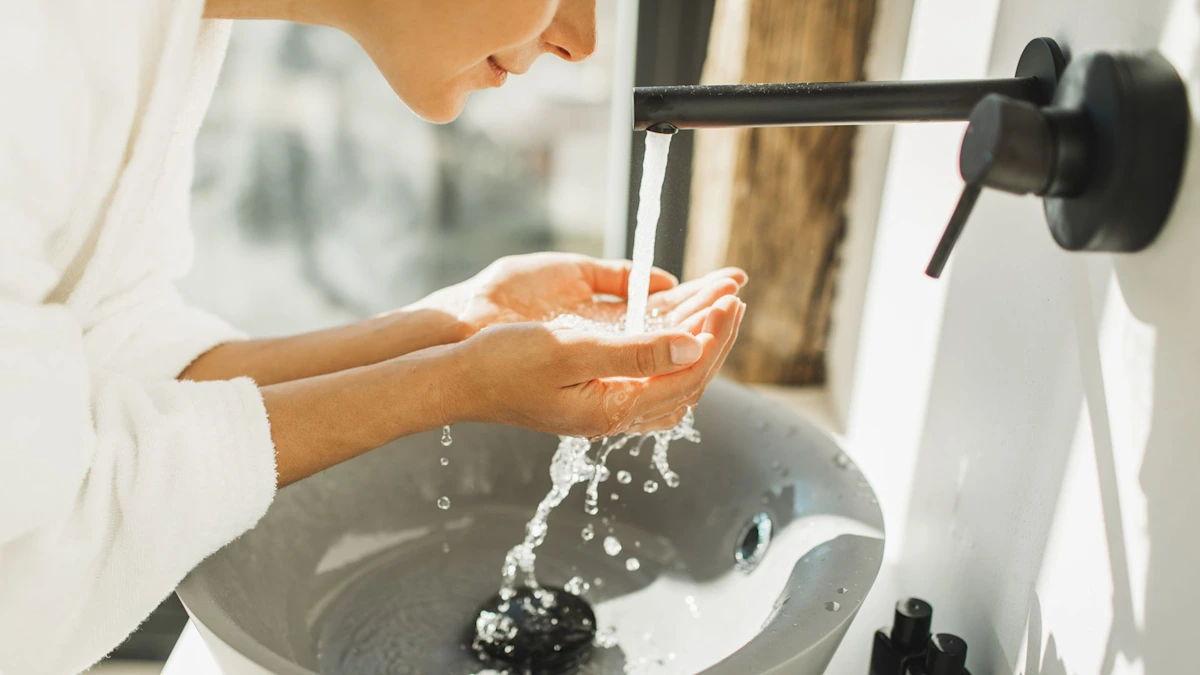
The Caveman technique involves ditching skincare products entirely, including cleansers, in favour of washing your face with water alone. The most extreme version proposes avoiding water altogether! “The theory is that this allows the skin to ‘self-regulate’ naturally,” explains dermatologist Dr Cristina Eguren.

However, the doctor and other experts warn of a major flaw in this logic. “Water alone cannot effectively dissolve sebum or remove traces of sunscreen, makeup or pollution,” notes fellow dermatologist Dr Inés Escandell. “Adequate cleansing requires surfactants (active cleaning ingredients) capable of removing these substances without disrupting the skin’s barrier.”

Why you should avoid the viral ‘Caveman Skincare’ routine

© GettyThe Caveman technique involves ditching cosmetic products entirely in favour of cleansing with water alone

Taken at face value (pun intended), the idea of a ‘natural detox’ sounds appealing. However, skipping your daily cleanse can trigger a cascade of skin problems. The Caveman routine can:

  • Disrupt the skin’s microbiome: Our skin hosts an ecosystem of microorganisms that coexist in a delicate balance. “Without a proper cleansing routine, it’s easier for certain bacteria and mites to proliferate, disrupting that balance,” says Dr Eguren. Dr Escandell adds that failing to remove sweat, sebum, pollutants or dead cells creates a situation that “favours the appearance of opportunistic or pathogenic microorganisms.”
  • Encourage bacterial proliferation: As noted above, leaving sebum and dirt on the skin creates a breeding ground for bacteria. “This increases the risk of inflammatory disorders and infections,” states Dr Eguren. Dr Escandell points to clinical evidence: “Studies on acne patients show that cleansing once or twice a day reduces the load of bacteria like Cutibacterium acnes. Other studies demonstrate that a lack of cleansing encourages Staphylococcus aureus to flourish.”
  • Cause irritation: “The accumulation of impurities and excess sebum can [weaken] the barrier function,” explains Dr Eguren. “The skin becomes sensitised and more prone to dehydration, leading to irritation, redness and discomfort.”
  • Trigger infection and acne breakouts: An inflammatory environment is ideal for the blackheads and pustules to thrive. Dr Eguren adds: “By not properly removing impurities and cellular debris, especially excess sebum, pores become clogged. This can trigger or worsen breakouts of acne, rosacea and seborrheic dermatitis.”
  • Accelerate ageing: “Avoiding cleansing hinders proper cell renewal and exposes the skin to more free radicals, which accelerates ageing,” asserts Dr Eguren. Our skin also needs antioxidants and sun protection to remain healthy. “Skipping SPF increases oxidative damage; UV radiation and pollution contribute to photoageing, collagen loss and wrinkles. Also, dehydrated skin simply looks older,” says Dr Escandell.
  • Cause Dermatosis Neglecta: This is a specific condition caused by the build-up of dead cells and dirt, resulting in dark, rough patches. “In the absence of proper cleansing, these brownish or greyish plaques appear, formed by a solidified accumulation of sweat and sebum,” Dr Escandell concludes.

© ShutterstockLack of cleansing can trigger or worsen breakouts of acne, rosacea and seborrheic dermatitis

The alternative: A dermatologist-approved routine for healthy skin

According to the experts, a proper facial cleansing routine should be simple, consistent and tailored to your specific skin type. It also should be done both morning and night, even if you haven’t worn makeup.

© Getty ImagesDermatologists recommend a gentle cleanse, morning and night

Here is the recommended protocol:

  1. In the morning: Start with a gentle cleanse using a product suited to your skin type. Next, apply an antioxidant serum (such as Vitamin C). Finally, finish with broad-spectrum sun protection (minimum SPF 30), which is essential year-round but critical during the summer months.
  2. At night: “I recommend a double cleanse, particularly if you have been wearing makeup,” advises Dr Eguren. “Start with an oil-based cleanser or micellar water to break down surface grime, then follow with a water-based gel or foam cleanser to rinse the skin clean.” Once the skin is prepped, apply a product containing active ingredients, such as retinoids or alpha hydroxy acids (AHAs).
  3. Exfoliation: “It is very beneficial to include proper exfoliation to effectively remove traces of oil, cellular debris and Demodex mites; this will improve the skin’s condition and function,” explains Dr Eguren. Frequency will depend on your skin type. “For oily skin, this can be done frequently, even daily,” Dr Eguren concludes. “For dry skin, once or twice a week is sufficient.”

© Getty ImagesMicellar water can also be beneficial for skin health

The dangers of viral misinformation in skincare

The fact that the Caveman routine has gone viral on TikTok means it has resonated with, and unfortunately misinformed, a massive, predominantly young audience. 

“Social media can turn any practice into a trend, even without a scientific basis,” warns Dr Eguren. “Many young people adopt this routine without understanding the implications. It normalises habits that aren’t beneficial for skin health and can actually worsen conditions like acne or rosacea.”

Dr Escandell shares this concern, noting that the craze trivialises the importance of dermatological hygiene. It also “may encourage people with acne, dermatitis or rosacea to abandon effective treatments and disregard specialist advice. 

“As with other fads, it creates unrealistic expectations; the ‘benefits’ shown online are usually anecdotal and cannot be applied to the general population.”

About the experts: 

  • Dr Cristina Eguren is a dermatologist and founder of the Eguren Clinic in Madrid.
  • Dermatologist Dr Inés Escandell is a member of Spain’s Aesthetic and Therapeutic Dermatology Group as well as the Dermothéque blog and skincare podcast.

Tags: , , , , , ,
From 'honey masks to hydration' for glowing, healthy skin

From ‘honey masks to hydration’ for glowing, healthy skin

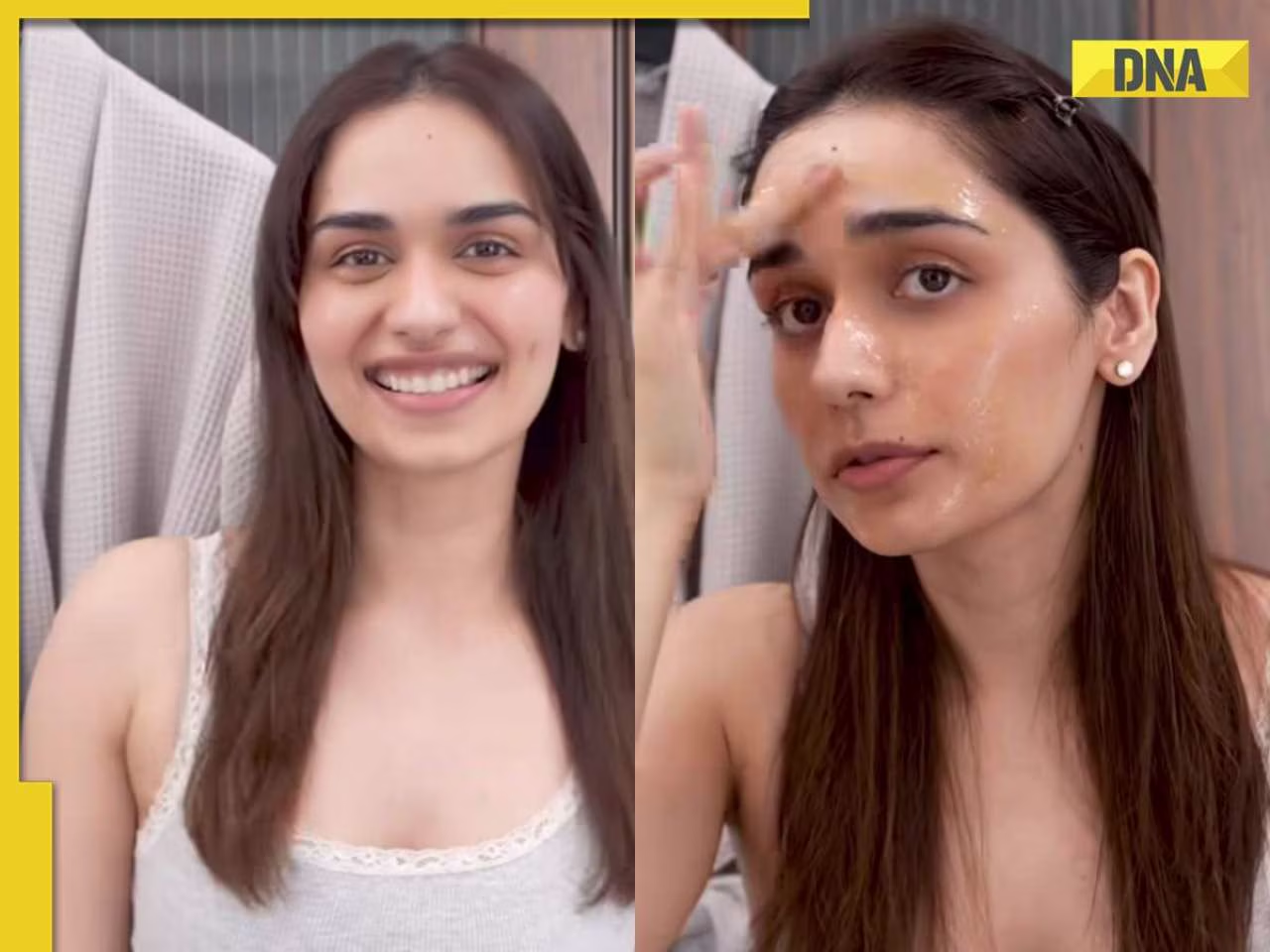
Manushi Chhillar emphasizes hydration, natural remedies like honey masks, gentle cleansing, sun protection and minimal makeup. Her simple, consistent skincare routine promotes healthy, glowing and youthful skin.

Former Miss World and actress Manushi Chhillar recently shared the morning routine that helps her maintain healthy and glowing skin. She emphasises natural remedies, staying hydrated, and maintaining habitual routines, as opposed to relying heavily on skincare products.

Start with hydration:

Manushi wakes up and enjoys hydrogenated water first thing in the morning. She claims that it helps her detoxify and hydrate her body, as well as her skin. Water intake in sufficient quantity is a simple yet effective way to achieve healthy skin and support general health.

Natural face masks:

She also uses honey masks as a part of her skincare. The moisturising and antibacterial qualities of honey are famous, and therefore, it will maintain the skin soft, bright, and dirt-free. To make the honey even more powerful, she sometimes mixes it with other natural things for the skin.


Simple skincare habits:

Besides the masks, Manushi puts great emphasis on gentle cleansing, sun protection, and minimum use of makeup. She thinks that the routine should be very simple and only the necessary products should be used while the skin is allowed to breathe. The skin would then be free to maintain a fresh and youthful look with the right amount of products without being overworked.

Also read: Who is Subhashree Ganguly? Bengali star actress getting massively trolled for pic with Lionel Messi amid Kolkata fiasco, is married to famous director-turned-MLA

Manushi Chhillar’s skincare shows that healthy, glowing skin comes from simplicity and consistency. She stays hydrated, uses natural remedies such as honey, and adopts gentle routines, which, in her case, is really less is more when it comes to radiant and youthful skin.

Tags: , , , , ,
Best time to apply skincare products for maximum results

Best time to apply skincare products for maximum results

Optimal times to use skincare products for optimal results: How to align routine with skin’s natural rhythms for healthy, glowing skin?

Have you ever wondered why skincare products come with instructions on how and when to use them? It might seem like a marketing trick, especially if you spent a lot on that fancy night cream. But it’s important to follow these guidelines. Our skin has its own internal clock that shows the best times to use products for maximum benefits. How do you adjust your skincare routine to align with this timing for beautiful, glowing skin?

What should your morning skincare routine be?

Morning is important for your skin because it protects it from factors such as pollution, ultraviolet rays, and oxidative stress. These factors can harm your skin. That’s why your morning routine should focus on strengthening your skin’s barrier.

Antioxidants, such as vitamin C, are beneficial during this time. Research from Harvard Health shows that vitamin C can neutralise free radicals caused by sun exposure, helping reduce potential damage. However, using sunscreen is important. A study published in the Journal of the American Academy of Dermatology shows that applying sunscreen daily can prevent skin ageing, pigmentation, and even skin cancer. “A lightweight moisturiser that helps the skin barrier can also be a great addition to your daytime routine. It is important to create a protective barrier that lasts throughout the day,” cosmetic dermatologist Dr Rinky Kapoor tells Health Shots.

The sun’s rays can still reach you on cloudy days. Due to this, you should always wear sunscreen, even when it’s overcast.

Why does my skin get oily in the afternoon?

As the afternoon sun shines brightly, your skin absorbs not only UV rays but also dirt and pollutants. By mid-afternoon, your skin feels greasier. This is due to the buildup of sebum, sweat, and environmental debris, which can worsen skin conditions such as acne or rosacea.

Reapplying sunscreen is very important. If you think putting it on once in the morning is enough, think again! Doctors recommend reapplying sunscreen every two hours, especially when you’re in direct sunlight. “In addition to sunscreen, calming ingredients like niacinamide can help reduce inflammation caused by environmental stress,” says the dermatologist. This can lower redness and control oil production, helping you maintain a balanced, fresh complexion throughout the day.

Consider using a heavier cream at night to provide extra nourishment while your skin rejuvenates during sleep. Image Courtesy: Adobe Stock.

What happens to your skin during the night?

At night, your skin undergoes significant changes. This is when your skin repairs and regenerates itself the most. Research published in the Journal of Clinical and Aesthetic Dermatology indicates that your skin’s natural repair processes are most effective at night. DNA repair accelerates, new cells are produced more quickly, and barrier recovery occurs efficiently.

Evening is the best time to use treatment products. Retinoids and exfoliants such as AHAs (alpha-hydroxy acids) and BHAs (beta-hydroxy acids) are effective in nighttime skincare routines. “These ingredients help boost collagen production, improve skin texture, and support skin renewal over time. However, be patient; when you first start using retinoids, they can irritate your skin and make it more sensitive to sunlight,” says Dr Kapoor. That’s why it is better to apply them at night when your skin is less exposed to environmental stress.

As the night goes on, your skin loses more moisture and becomes more prone to dryness. “Using a rich moisturiser or barrier cream during this time can help restore hydration and support recovery”, says the doctor.

You may also like

Why timing matters in dermatology?

Timing is important for good clinical outcomes. Research in Biomedicine and Pharmacotherapy shows that wound healing, barrier recovery, and inflammation follow natural biological rhythms. “For example, if you time your post-procedure care, such as after chemical peels, laser treatments, or microneedling, to these natural repair periods, it can improve healing and reduce irritation”, says the expert. You need to think about both which products you use and when you use them.

What helps to maintain healthy skin?

Your skin has an internal clock that is important for maintaining healthy skin. To support this, protecting your skin during the day and nourishing it at night helps your skincare work in sync with your body’s natural rhythms. “Creating a skincare routine that aligns with your skin’s natural rhythms can make your products work better and promote healthier skin over time”, shares Dr Kapoor. So, when you apply your night cream or wash your face after a long day, you are participating in a careful interplay with your skin’s internal clock.

Tags: , , , , ,
Best oLive
Privacy Overview

This website uses cookies so that we can provide you with the best user experience possible. Cookie information is stored in your browser and performs functions such as recognising you when you return to our website and helping our team to understand which sections of the website you find most interesting and useful.