Hindustan Times News

Is your skincare routine harming the planet? Beauty expert Blossom Kochhar shares eco-friendly beauty tips

Beauty isn’t just about good looks anymore, it’s about making choices that are good for you and the Earth. People are waking up to the reality of environmental problems, and eco-friendly beauty isn’t just a buzzword these days. It’s a shift in how we live. You don’t have to flip your whole routine upside down either. Small, practical tweaks add up over time.

How to make your beauty routine more eco-friendly? (Adobe Stock)

Tavishi Dogra is a health and wellness journalist with over eight years of experience in the field of health and wellness journalism. She knows how to explain complex health topics in a way that is easy to understand for many readers. Tavishi has written for respected publications like RSTV, Financial Express, Jagran, and Zee. She has a strong understanding of current health trends and social issues. Tavishi is dedicated to promoting holistic health and wellness solutions, which she shares in her articles about fitness, nutrition, and mental well-being. For more insights and updates on health, you can follow her work in the Hindustan Times.

Read moreRead less

How to make your beauty routine more eco-friendly?

“To create an eco-friendly skincare routine, focus on reducing your environmental impact. You can do this by using products wisely, reducing waste, and choosing ethically made items. To help the planet and your skin, choose refillable packaging, switch from single-use products, and opt for multi-purpose items,” Dr Blossom Kochhar, beauty expert and aromatherapist, tells Health Shots.

1. Start by paying closer attention to the products you use

Many typical skincare products contain ingredients that aren’t great for the environment. Think about how they’re sourced, how they’re made, and what happens when you rinse them off. Instead, look for naturally derived ingredients. Stuff like plant oils, botanical extracts, essential oils, and formulas that break down easily after use. These options are gentle on your skin and on the planet.

2. Then there’s the matter of packaging

The beauty industry generates a staggering amount of plastic waste each year. Most of it ends up in landfills or pollutes the ocean. Look for products made of glass, aluminium, or recycled plastic. Refillable packages are popping up everywhere, giving you the power to cut out single-use containers.

3. Consider simplifying your routine

The internet is loaded with 10-step skincare routines. But honestly, your skin probably doesn’t need all that. A gentle cleanser, a toner, a good moisturiser, sunscreen, and maybe one treatment product sometimes that’s enough. This approach keeps your skin and your conscience clear, since you’re not loading up your bathroom shelf (and the landfill) with stuff you hardly use.

4. Don’t forget how much water gets used in beauty routines

Both when you wash up and in the manufacturing of products themselves. Small steps like turning off the tap while cleansing, adopting water-saving habits, or choosing concentrated products can save more water than you might expect.

5. Support cruelty-free brands and companies

Supporting brands that conduct business ethically is another way to make a difference. Look for companies that don’t test on animals, that are open about where their ingredients come from, and that care about their full supply chain. Certifications can help you spot who’s genuine.

Eco-conscious beauty isn’t about perfection

Real beauty is about finding the sweet spot, caring for yourself while caring for the world around you.

  • Try not to get swept away by shiny new product drops or social media fads. It’s easy to collect more jars and bottles than you’ll ever use. Before buying, ask yourself what you really need and whether a new product will actually improve your routine or collect dust.
  • And here’s something simple but powerful don’t open a new product till you finish the last one. Those half-finished or expired bottles create waste (and waste money). Stick to what you need, use it up, and buy replacements only when it’s time.
  • Eco-conscious beauty is about making steady progress with little changes. Each choice, whether it’s a better formula, less packaging, or just saying “no” to impulse buys, helps the planet heal a little, and that’s something to feel good about.

(Disclaimer: At Hindustan Times, we help you stay up-to-date with the latest trends and products. Hindustan Times has an affiliate partnership, so we may get a part of the revenue when you make a purchase. We shall not be liable for any claim under applicable laws, including, but not limited to, the Consumer Protection Act, 2019, arising from the products. The products listed in this article are in no particular order of priority, and the brands have not been directly suggested by the expert mentioned.

This article is for informational purposes only and is not a substitute for professional medical advice. Always seek the advice of your doctor with any questions about a medical condition.)

Tags: , , , , , , , , , ,
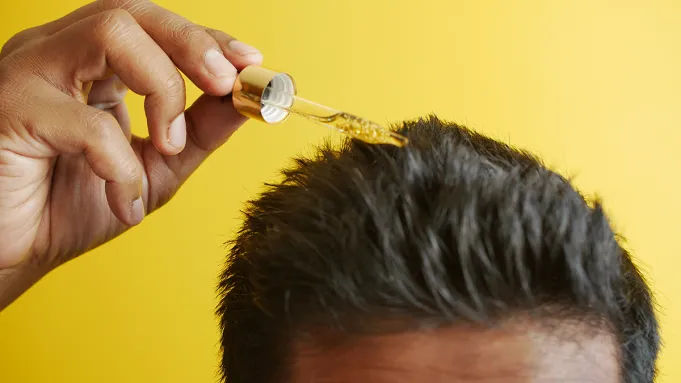
Expert Tips for Thicker Hair

Expert Tips for Thicker Hair

Retinoids have long been a key ingredient in an anti-aging skincare routine, because they are exemplary for optimizing your cellular turnover. After a short adjustment period, they reliably deliver the smoothest, clearest, firmest skin possible. But recently, there’s been more buzz about how great they are for hair growth.

We asked NYC-based board-certified dermatologist, Dr. Dendy Engelman of the renowned Shafer Clinic, to explain how you can get the best results by incorporating this ingredient into a structured hair care routine.

How Retinoids Work in the First Place—And On the Scalp

“Retinoids are Vitamin A derivatives that function as cellular regulators, signaling cells to turn over more efficiently and behave like youthful tissue,” Engelman says. “On the scalp, this translates to normalization of keratinization within the follicle, helping to prevent buildup that can disrupt the follicular opening and disturb the growth cycle.”

So these retinoids (retinol, retinal, tretinoin, adapalene…) can bind to receptors in skin cells (which includes the scalp) and tell those cells to behave differently. On the scalp specifically, that messaging yields better cellular turnover for the hair itself, reduced oil buildup, and improved skin tissue.

And a lot of the talk in favor of using retinoids on your scalp focuses on enhanced penetration: when used in tandem with medications like topical minoxidil and finasteride, you can multiply the benefits of those hair-raising ingredients. 

How Retinoids Work for Hair Growth and Optimization

So, for clarification: Retinoids have a supporting role in hair growth. I wouldn’t tell you to use them up there if you aren’t also using something clinical-grade and topical in the first place, nor would Engelman: “I think of them less as a primary growth treatment, and more as a strategic enhancer within a broader regimen,” she adds.

The two core topical hair-growth options worth considering include minoxidil, which actively pushes follicles into growth mode, allowing you to express more hairs at once; and finasteride, which can interfere with the hormonal factors that cause hair thinning, dihydrotestosterone, or DHT.

How to Apply Retinoids for Hair Growth

The scalp is not as forgiving as the skin on your face, and hair makes retinoid application a bit more complicated.

“Trying to distribute it all at once can get messy and result in inconsistent coverage,” Engelman notes. “You’ll get the most value by keeping the application close to the scalp, not the hair.” So, define the parts as best as possible, and pat in the product with your ring finger or middle finger. The amount to use will differ from one person to the next, though, as retinoids are dose-, formulation-, and user-dependent (including how irritation could impact you). That’s also why it can be good to start with a prescription and a doctor’s supervision, as well as their tailored advice.

Engelman suggests doing so at night, too—at the same time you should apply those core topical products (if they are once-a-day use). “Apply them at night, on a completely dry scalp, since that’s when skin repair processes are most active, and you can minimize potential irritation from environmental exposure,” she says.

And start conservatively: “In terms of frequency, starting at 2–3 times a week is reasonable, and you can increase frequency as tolerated,” she advises. 

The Best Retinoids for Hair Growth

Retinoids aren’t (yet) approved by the FDA for use on your head. So you won’t see brands using and marketing any Vitamin A serums just yet. Still, you’ll have plenty of options available via higher-grade prescriptions, as well as alternative over-the-counter picks that primarily focus on peptides for better hair growth. 

Engleman, as a board-certified derm, recommends going the prescription route instead of using a facial retinoid on your scalp: “Prescription retinoids are more predictable in terms of strength, stability, and clinical outcome, especially when you’re trying to meaningfully influence the follicular environment,” she says. Plus, having a doctor know what to supervise and adjust for irritation is an important part of getting adjusted to the sometimes-irritating ingredient. 

Prescription Options

Tretinoin (retinoic acid): This is the most studied and predictable retinoid, for all kinds of use in skin clarity, resilience, and brightness. Same for scalp cellular turnover: It is effective at normalizing keratinization and enhancing penetration of other actives. “Tret” is often used in compounded scalp formulas alongside minoxidil.

Adapalene: You might know adapalene as Differin gel, but it is also available in higher-grade prescription formulations. It tends to be more stable and generally better tolerated than tretinoin (which is also why it is commonly used in skincare with sensitive, acne-prone teens). Still, it is quite effective for regulating turnover and equally gentle on scalps.

Tazarotene: The most potent of the common prescription retinoids, tazarotene is typically reserved for more resilient skin types given its higher irritation potential. Still, it works fantastically when tolerated.

Over-the-Counter Alternatives 

If you are in the market for hair-boosting products that are FDA approved, then look to these treatments that take different routes for that fullness effect:

  • Nulastin Vibrant Scalp Treatment

    Image Credit: Nulastin

    Engelman likes this OTC product best for her patients: “It addresses the follicular environment in a meaningful, biologically relevant way, particularly around elastin support and anchoring at the root.” The lightweight formula is easily tolerated even for sensitive folks, and clinically shown to improve the look of fullness and reduce visible shedding over time, which she says is the goal with most people. But she adds one reminder: “This is a long-term scalp health treatment, so consistency matters more than anything here.”

  • Caldera + Lab The Hair Serum

    Image Credit: Caldera + Lab

    Exosomes, peptides, plant stem cells, amino acids… this one is a delivery vehicle for thicker hair, stronger shafts, healthier shine, and a balanced scalp. A beautiful pairing with the brand’s hair-densifying shampoo-conditioner duo, at that.

  • Happy Head Hair Serum

    Image Credit: Happy Head

    A full-service serum for fuller hair: Ingredients like Procapil, Capixyl, Redensyl, peptides, and biotin work at the follicle level to support stronger anchoring, extend the growth phase, and improve hair’s keratin structure (so, thicker strands, less shedding). Meanwhile, scalp-focused ingredients like witch hazel, collagen, argan oil, rosemary oil, and ashwagandha reduce inflammation, balance oil, boost circulation, and counter stress (sooo, optimal growth environment for fuller, healthier hair).

  • Patricks RD1 Recovery and Defence Treatment Spray

    Image Credit: Patricks

    How does Patricks’ awesome hair-growth serum work on follicles? Let us count the ways: Caffeine energizes follicles and supports circulation; saw palmetto helps counter DHT; biotin strengthens keratin; acetyl tetrapeptide-3 supports anchoring proteins; rosemary extract boosts scalp circulation for denser, healthier growth. And we’re just getting started…

  • OMI WellBeauty Hair Growth Peptides

    Image Credit: Omi

    “If a serum doesn’t feel compatible with your routine or if you think applying a topical consistently might be a challenge for any reason, then try an ingestible option that supports follicle health systemically,” Engelman says. She recommends these peptides, available as capsules or gummies.

Tags: , , ,
5 easy skincare tips using fruits you already have at home

5 easy skincare tips using fruits you already have at home

We’ve all been there. Staring at the mirror, wondering if that complicated 10-step Korean skincare routine is actually doing anything, or if we just enjoy buying tiny, aesthetic glass bottles. The beauty industry has us convinced that glowing skin requires importing rare ingredients from across the globe. But what if the ultimate skincare hack has been sitting quietly in our local markets all along?

Desi berries are having a major moment in the wellness world right now, and for good reason. While you might drop upwards of ₹3,500 (INR) on a tiny vial of imported antioxidant serum, a hearty haul of these indigenous super-berries will barely dent your wallet at around ₹100 to ₹250 (INR) from the local vendor. They are potent, totally natural, and work from the inside out. If you are looking to upgrade your skin health this season, here are five Indian berries you need to add to your daily diet.

Tags: , , , ,
Japanese skincare puts emphasis on using less products

These Japanese Skincare Tips Can Take Years Off Your Face

Cleansers, toners, serums, creams and sunscreens are part of everyone’s skincare routine. However, these alone won’t be enough to make their skin appear and feel better. Many people believe that the more products they use, the better the results will be. However, Japanese skincare teaches us something entirely different. If you adopt a Japanese skincare routine, you will discover that you can achieve excellent results using fewer products.

Double cleansing is crucial: After spending the entire day in the sun, it is common for sweat and excess oil to accumulate on one’s face. In such instances, double cleansing is absolutely essential to keep your skin in optimal condition. First, you must remove your makeup using an oil-based cleanser, and then thoroughly cleanse your skin using a face wash.

Incorporate green tea in skincare: The antioxidants found in green tea can protect the skin from damage and help reduce inflammation. You can incorporate it into your daily skincare routine by using it in a face mask, a toner, or as an ingredient in other skincare products.

Stay protected from the sun: In Japan, people never step outdoors without applying sunscreen. Therefore, if you too wish to maintain healthy, beautiful skin, make sure to include a lightweight, fast-absorbing sunscreen in your daily routine.

Gentle exfoliation: Removing dead skin cells is vital for maintaining a glowing complexion. If you are planning to exfoliate your skin, consider using a gentle scrub, like one based on rice or enzymes.

Apply sheet masks: Using a sheet mask once or twice a week can help keep your skin feeling fresh and hydrated. This can prove to be a highly effective method for achieving radiant, glowing skin.

Tags: , , , ,
Anti aging Images - Free Download on Freepik

7 Anti-Ageing Tips Dermatologists Recommend For Women

According to Dr Pankaj Chaturvedi, Senior Consultant and Dermatologist, MedLinks, “The focus on modern dermatology has changed from reversing the clock to supporting it, and we are moving away from an era of frozen expressions and toward a philosophy of skin health longevity. The goal for women today isn’t to cover up their age, but to ensure their skin remains structurally resilient and vibrant throughout their 40s, 50s, and beyond. If you are someone looking to evolve your regimen, here are seven expert-recommended strategies to maintain your skin’s biological vitality.”

7 Anti-Ageing Tips Dermatologists Recommend For Women

1. Defend Against Photo-Ageing

It is a clinical reality that nearly 90% of visible skin changes, including loss of elasticity and uneven pigment, stem from cumulative UV damage. Dermatologists now view high-factor, broad-spectrum sunscreen as a daily medical necessity rather than a seasonal option. Since UVA rays, often referred to as the ageing ray, can penetrate glass and clouds, protecting the skin even while indoors or on overcast days remains one of the most effective ways to slow visible signs of ageing and maintain the skin’s structural integrity.

2. Protect the Skin Barrier

In the pursuit of achieving a glass skin, many women over-process their faces with aggressive peels, which strip away the skin’s natural barrier, triggering inflammaging, which is a state of chronic, low-grade inflammation that actively destroys collagen. Therefore, incorporating a regimen that is aimed at promoting longevity and focusing on ingredients such as ceramides and fatty acids can support the skin’s barrier function. When the skin maintains a healthy barrier, it will hold onto its moisture naturally, causing the skin to look plump without the need for additional treatments.

3. Integrate Smart Retinoids

The gold standard for cellular health is Vitamin A derivatives or retinoids. They are incredibly effective at improving the turnover of skin cells and promoting the production of new collagen. Some people experience a retinol burn and peel from using these products too frequently. Many experts suggest the following sandwich method, which starts with a low concentration formula just twice a week, until the skin becomes used to it is beneficial, and individuals can experience the benefits of texture improvement over time.

4. Invest in Bio-Remodelling

While traditional skincare works on the surface, bio-remodelling has revolutionised how we address deeper structural ageing. Unlike dermal fillers, which are used to sculpt or add volume to specific features like the lips, bio-remodelling, specifically via treatments like Profhilo, acts as an internal hydrator.

It utilises a high concentration of ultra-pure hyaluronic acid that flows through the skin’s layers. Instead of remaining in one place to simply fill a wrinkle, it initiates a process known as bio-remodelling that stimulates the production of multiple types of collagen and elastin. By improving the underlying structure of the skin, this technique can also enhance the skin’s firmness, elasticity, and hydration levels, which can lead to a healthier and more glowing look that might not be possible with topical applications.

ALSO READ- 5 Best Pre-Swim Lotions To Shield Your Skin From Chlorine Damage

5. Target Cellular Dehydration

Hydration is an essential component in keeping the skin supple and elastic. Even oily skin types can become dehydrated, and this makes lines look more prominent. Ingredients such as glycerin and multi-molecular weight hyaluronic acid are humectants, which attract moisture into the skin at various levels. This helps to increase hydration levels, making the skin smoother, softer, and more supple.

6. Extend Care Beyond the Jawline

The neck, chest, and hands are often the first places to show signs of ageing, as the skin in these areas is much thinner and contains fewer oil glands than the face. A comprehensive approach must be applied to all areas of the body, including the face, when applying products. Be sure to extend antioxidant serums and sunscreen to the neck and chest as well, as these areas are often prone to early signs of ageing, such as sun spots and thinning, crepey skin. Consistent protection and care can help maintain a more even and healthy skin appearance over time.

7. Neutralise Oxidative Stress

Every day, the skin is under constant attack due to urban pollution and blue light, which can create free radicals that can harm your DNA. Antioxidants like Vitamin C, Ferulic Acid, and Resveratrol provide a second line of defence. When used in the morning under your SPF, they act as neutralisers against the environmental aggressors that can break down your natural support structures.

Conclusion

Ageing is a gift, and your skin is the storyteller of your life. By shifting the focus of your skin from fixing to nourishing it, you align your routine with your skin’s actual biology. Whether through consistent daily protection or advanced structural support like bio-remodelling, the most effective routine isn’t the one with the most steps. It is the one that respects your skin’s long-term health.

Image credits: Freepik

ALSO READ- How To Choose The Best Facewash For Summers For Fresh And Oil-Free Skin

For more such stories, stay tuned to HerZindagi. 

Herzindagi video

Tags: , , , ,
Best pre-Eid skincare routine 2026 | how to get glowing skin for Eid | Ramadan skincare tips for dehydrated skin | natural home remedies for Eid glow | when to get a facial before Eid | Pre-Eid skincare habits that actually work during Ramadan fasting

Best pre-Eid skincare routine 2026 | how to get glowing skin for Eid | Ramadan skincare tips for dehydrated skin | natural home remedies for Eid glow | when to get a facial before Eid | Pre-Eid skincare habits that actually work during Ramadan fasting

Eid preparations usually start with outfits and accessories but somewhere along the way, skincare joins the list too. Between long fasting hours, changing weather, and late-night gatherings, the skin can feel a little tired — making a simple pre-Eid reset all the more welcome.

Hydration is key

One of the biggest challenges during Ramadan is maintaining hydration. Yes yes, it’s the age-old advice of drinking your weight, but honestly there is no better or sustainable option out there!

Long hours without water leaves your skin looking tired, which is why replenishing fluids from iftar till sehri becomes very important.

Alongside plain water, many people are now turning to chia seed water for hydration boost. Electrolyte drinks are also becoming popular, particularly for those who spend long days outside or remain active during Ramadan.

Cleansing and Gentle Exfoliation

A good cleansing routine remains the foundation of healthy skin. And no, you need not have five steps for cleaning your face. However, with warmer weather and daily exposure to dust, sweat, and pollution, cleansing twice a day with a mild face wash is a must.

Also, cleansing alone is not always enough. Gentle exfoliation two to three times a week can help the skin appear brighter and smoother. This step allows moisturisers and serums to absorb more effectively.

That said, moderation is key. Do not over-exfoliate! Especially if you don’t want an irritated skin and with micro tears.

The Truth About Glow

If miracle under-eye creams actually worked overnight, dark circles would have gone extinct by now!

Yet as Eid approaches, ads promising instant fixes seem to pop up everywhere.  Rollers, creams and serums all claiming to erase tired eyes in record time.

The truth, however, is far less dramatic.

Dark circles are often linked to genetics, lack of sleep, dehydration, stress, and dry skin. What does help here is a good moisturiser paired with a hydrating serum. Pair it up with a good sunscreen and you have the golden combination. One that can improve the under-eye area, as well as pigmentation around the mouth and chin.

Photo: Sazzad Ibne Sayed


Nourish From Within

Great skincare begins at the iftar table. While our iftar spread often features fried snacks, balancing them with lighter options can make a visible difference to both energy levels and skin health.

Dishes such as chickpea salad, pasta salad or yoghurt-based drinks with limited sugar are refreshing alternatives that nourish the body without overwhelming it.

Word of advice? Cut down the oil now if you don’t want to welcome a breakout right before Eid.

Time Your Facials

Thinking of getting a facial before Eid? Timing matters.

Most skincare experts recommend booking treatments 10 to 12 days before the celebration. This gives the skin enough time to settle in case of temporary redness or irritation. Trying a brand-new facial too close to Eid can be a very risky business; hardly ideal when festivities are just around the corner.

Keep It Simple

When Eid is approaching, simplicity tends to work best.

A routine built around hydration, gentle cleansing, light exfoliation and moisturising is more than enough to keep skin looking fresh and balanced. Be consistent and the glow will follow. 

Tags: , , , , , , , , , , , , , , , ,
Future-Proof Your Skin In Your 20s: Dermatologist Tips To Prevent Early Ageing | Beauty News

Future-Proof Your Skin In Your 20s: Dermatologist Tips To Prevent Early Ageing | Beauty News

Last Updated:January 29, 2026, 15:32 IST

Dr Sumit Sethi shares expert tips on preventing early skin ageing in your 20s with the right skincare routine, retinol use, hydration, sunscreen, and lifestyle habits.

A dermatologist-guided routine that supports hydration, barrier repair, targeted actives like retinol and hyaluronic acid, and daily sun protection builds long-term skin strength

Are you in your 20s and assuming skin ageing is a distant concern, something to address in your 30s or 40s? That assumption, unfortunately, isn’t accurate. Subtle signs of ageing can begin as early as the mid-20s. Fine lines around the eyes, uneven pigmentation, and lingering dullness often appear earlier than expected.

In India, these changes can be further accelerated by environmental and lifestyle factors such as pollution, harsh seasonal variation, late nights, stress, and prolonged screen exposure. Addressing early signs of ageing isn’t about chasing perfection, it’s about protecting the skin barrier and strengthening long-term skin health.

“As a dermatologist, I often tell patients that prevention must begin before damage becomes visible,” says Dr Sumit Sethi, Medical Director, DermaStation Skin Clinic, Janakpuri, Delhi. “Your 20s are not too early, they’re actually the ideal time to start.”

The Indian Skin Advantage and Its Challenges

According to the study Aging and the Indian Face: An Analytical Study of Aging in the Asian Indian Face, Indian skin can show earlier ageing changes compared to some other skin types due to a mix of internal and external factors, including pigmentation tendencies and collagen breakdown triggers.

“Most people think wrinkles are the first and only sign of ageing,” explains Dr Sethi. “But in Indian skin, early ageing often shows up first as uneven tone, hyperpigmentation, and textural dullness.”

Awareness remains limited, and many consumers either miss early warning signs or turn to unsuitable products. A proactive, individualised approach guided by dermatologist-recommended formulations can significantly delay visible ageing.

Building a Preventive Regimen in Your 20s

The most effective anti-ageing routines are consistent, minimal, and preventive rather than complicated. Start with essentials:

• a gentle cleanser that does not strip natural oils

• a lightweight moisturiser to maintain hydration

• daily sun protection

“These three steps form the backbone of long-term skin resilience,” says Dr Sethi. “Once the basics are in place, active ingredients can be introduced gradually and under expert guidance.”

Retinol: Small Steps, Big Benefits

Retinol remains one of the most researched and effective anti-ageing ingredients. It helps delay fine lines, refine texture, and support collagen production by increasing cell turnover.

“Retinol is powerful, but it must be introduced slowly,” advises Dr Sethi. “Begin with beginner-strength, dermatologist-recommended formulations and use them only a couple of times a week at first.”

Encapsulated retinol formulations often offer better tolerability and controlled absorption, making them more suitable for first-time users and sensitive Indian skin types.

Hyaluronic Acid: Keeping Skin Resilient

Hydration is one of the simplest ways to preserve a youthful appearance. Hyaluronic acid (HA), naturally present in the skin, attracts and retains moisture, helping skin look plumper and smoother.

“In your 20s, dehydration is a bigger ageing trigger than most people realise,” says Dr Sethi. “Air-conditioning, travel, and screen exposure all dry the skin. HA helps maintain water balance and barrier strength.”

Well-hydrated skin is not only healthier in appearance but also more resistant to early ageing triggers.

Sunscreen: The Non-Negotiable Step

If there is one product dermatologists universally insist on, it is sunscreen. UV radiation accelerates pigmentation, breaks down collagen, and remains the leading cause of premature skin ageing.

“Daily sunscreen is non-negotiable regardless of weather or whether you are indoors,” emphasises Dr Sethi. “Choose a broad-spectrum SPF 50 formula, ideally with protection against high-energy visible (HEV) light from screens, which is especially relevant for urban Indian lifestyles.”

Consistent application matters more than occasional heavy use.

Lifestyle Choices That Influence Skin Ageing

Skincare products form the external defence but lifestyle determines long-term outcomes.

“Topicals help, but internal health shows on the skin,” notes Dr Sethi.

A diet rich in antioxidants, fruits, leafy greens, nuts supports repair from within. Exercise improves circulation and nutrient delivery. Adequate sleep enables overnight cellular regeneration. On the other hand, smoking, excessive alcohol, and chronic stress accelerate visible ageing and can undermine even the best skincare routine.

What This Means for Your Skin

Your 20s should focus on prevention not chasing miracle anti-ageing fixes. A dermatologist-guided routine that supports hydration, barrier repair, targeted actives like retinol and hyaluronic acid, and daily sun protection builds long-term skin strength.

“Ageing is natural,” says Dr Sethi. “But premature ageing is often preventable. Start early, stay consistent, and your future skin will show the difference.”

Combine smart skincare with healthy living habits, and the benefits will extend well beyond your 20s lasting for decades.

Handpicked stories, in your inbox

A newsletter with the best of our journalism

submit

First Published:

January 29, 2026, 15:32 IST

News lifestyle beauty Future-Proof Your Skin In Your 20s: Dermatologist Tips To Prevent Early AgeingDisclaimer: Comments reflect users’ views, not News18’s. Please keep discussions respectful and constructive. Abusive, defamatory, or illegal comments will be removed. News18 may disable any comment at its discretion. By posting, you agree to our Terms of Use and Privacy Policy.

Tags: , , , , , , , , ,
Why Indian Skin Needs A Winter Reset: Expert-Backed Skincare Tips | Beauty News

Why Indian Skin Needs A Winter Reset: Expert-Backed Skincare Tips | Beauty News

Last Updated:January 14, 2026, 08:48 IST

Winter affects Indian skin differently, leading to dryness and sensitivity. Learn how barrier repair, hydration, and the right ingredients can restore balance.

Winter calls for a skin reset, strengthening the barrier, boosting hydration, and restoring balance to meet the season’s demands.

Winter brings more than just a change in weather, it alters how our skin behaves. For Indian skin, this seasonal transition can be particularly demanding. While it’s true that Indian skin contains more collagen than Caucasian skin, offering better resilience against early wrinkling, studies from the ITC Dermafique Indian Skin Health Report reveal that it also has a weaker barrier and lower moisture retention. This means that even though Indian skin may appear firmer for longer, it is significantly more prone to dryness and sensitivity when temperatures drop.

Understanding the Indian Skin Barrier

The outermost layer of our skin, the stratum corneum acts as a protective shield, locking in moisture and defending against external aggressors. However, Indian skin tends to have lower levels of Natural Moisturising Factors (NMF), making it more vulnerable to transepidermal water loss, especially during colder months. This helps explain why nearly 80% of Indian women experience dryness due to environmental factors, with 87% struggling with under-eye dryness even after using moisturisers, as noted in the Dermafique report.

The Role of Barrier-Repairing Ingredients

Dr Aparna Santhanam, skin expert and dermatologist, ITC Dermafique, emphasises that winter care for Indian skin must go beyond superficial hydration. Ingredients such as ceramides, hyaluronic acid, and glycerin play a crucial role in reinforcing the skin’s lipid barrier and improving water retention. Hyaluronic acid acts as a moisture magnet, drawing water into the skin, while glycerin forms a humectant layer that helps seal hydration in. Together, these ingredients help restore balance to skin that is both dehydrated and sensitive.

Addressing Pigmentation and Uneven Tone

Interestingly, Indian skin’s higher melanin content, approximately 50% more than Caucasian skin provides natural sun protection but also makes it more prone to pigmentation. Winter sun exposure, combined with indoor heating, can trigger oxidative stress, leading to dullness and uneven tone. Niacinamide, a form of vitamin B3, helps regulate melanin transfer and improve skin tone, making it particularly beneficial for winter skincare routines.

The Winter Reset Routine

A winter reset doesn’t require a complete overhaul of your skincare routine; it simply involves adapting to your skin’s changing needs. Start with a gentle cleanser containing amino acids or lactic acid to cleanse effectively without stripping natural oils. Follow this with a hydrating serum rich in humectants, and finish with a barrier-supporting moisturiser infused with ceramides and panthenol. Most importantly, stay well hydrated, internal hydration plays a vital role in maintaining skin moisture.

As Dr Santhanam summarises, “Indian skin is beautifully resilient yet uniquely sensitive. Understanding its biology allows us to customise our routines to truly support it. Winter care, when done right, helps restore not just moisture, but balance.”

First Published:

January 14, 2026, 08:48 IST

Disclaimer: Comments reflect users’ views, not News18’s. Please keep discussions respectful and constructive. Abusive, defamatory, or illegal comments will be removed. News18 may disable any comment at its discretion. By posting, you agree to our Terms of Use and Privacy Policy.

Tags: , , , , , , , ,
Download app

Hydrating foods and skincare tips for natural radiant cheeks and healthy skin glow

A healthy, rosy glow on the cheeks is often a sign of good skin health and circulation. While makeup can give instant colour, natural glow comes from consistent care, nourishment, and the right habits. Here’s how you can achieve naturally glowing cheeks without relying on heavy products.

HYDRATION IS THE FIRST STEP TO GLOW

Well-hydrated skin reflects light better, making cheeks look naturally plump and radiant. Drink enough water throughout the day and include water-rich foods like cucumber, oranges, and watermelon in your diet to keep skin supple.

NOURISH YOUR SKIN WITH A BALANCED DIET

Your diet directly affects your skin’s glow. Foods rich in vitamin C, healthy fats, and antioxidants help boost collagen and improve blood circulation, giving cheeks a natural flush.

USE NATURAL INGREDIENTS FOR A ROSY TINT

You don’t need chemical blushes for colour. Natural ingredients can enhance your cheeks gently over time.

  • Beetroot juice: Adds a natural pink tint

  • Rose water: Soothes skin and improves tone

  • Aloe vera gel: Hydrates and enhances glow

  • Apply lightly and wash off after 10–15 minutes.

FACIAL MASSAGE FOR BETTER BLOOD CIRCULATION

Regular facial massage increases blood flow, which naturally brightens the cheeks. Use gentle upward strokes with clean hands or a facial roller for 5 minutes daily to stimulate circulation and reduce dullness.

EXFOLIATE GENTLY, NOT EXCESSIVELY

Dead skin cells can make cheeks look dull. Mild exfoliation once or twice a week helps reveal fresh skin underneath. Use gentle scrubs or natural exfoliants like oatmeal or rice flour mixed with curd.

GET ADEQUATE SLEEP AND MANAGE STRESS

Lack of sleep and high stress levels can make skin look tired and lifeless. Aim for 7–8 hours of sleep and practice stress-relieving activities like yoga or deep breathing for a healthy glow.

PROTECT YOUR SKIN FROM SUN DAMAGE

Sun exposure can cause pigmentation and uneven tone. Apply sunscreen daily to protect your cheeks and maintain their natural brightness, even when indoors.

If you want a natural glow on your cheeks, focus on hydration, nutrition, gentle skincare, and healthy lifestyle habits. Consistency not quick fixes is the key to long-lasting radiance.

– Ends

Published By:

Chaitanya Dhawan

Published On:

Jan 6, 2026

Tags: , , , , , , , , ,
Best oLive
Privacy Overview

This website uses cookies so that we can provide you with the best user experience possible. Cookie information is stored in your browser and performs functions such as recognising you when you return to our website and helping our team to understand which sections of the website you find most interesting and useful.