Glossy Skin, Minimal Makeup: How Fashion Shapes Skincare Habits

Glossy Skin, Minimal Makeup: How Fashion Shapes Skincare Habits

Fashion and beauty often shift and intermingle. How many times have we seen a new clothing mood that completely revolutionises makeup, hair, and skin routines in one fell swoop? Over the past few years, glossy skin and minimal makeup have become one of the most visible examples of this happening. Runway shows, street style photos, and social feeds all now favor the fresh skin look, using soft textures and lighter product use than we have seen in previous years.

What is the minimal makeup look? Good question, as some of these fashion aesthetics can be pretty vague. This look says it’s about time for the natural beauty of skin to do more of the visual heavy lifting, instead of makeup. The idea is that a heavy foundation hides, rather than exhibiting texture and tone.

In response to this, minimal makeup leaves more of our beautiful faces visible. That change is huge because it pushes skincare into the center of daily beauty habits. We now look for routines that help skin appear smooth, calm, and well cared for with less cosmetic cover.

The Rise of the Glossy Skin Look

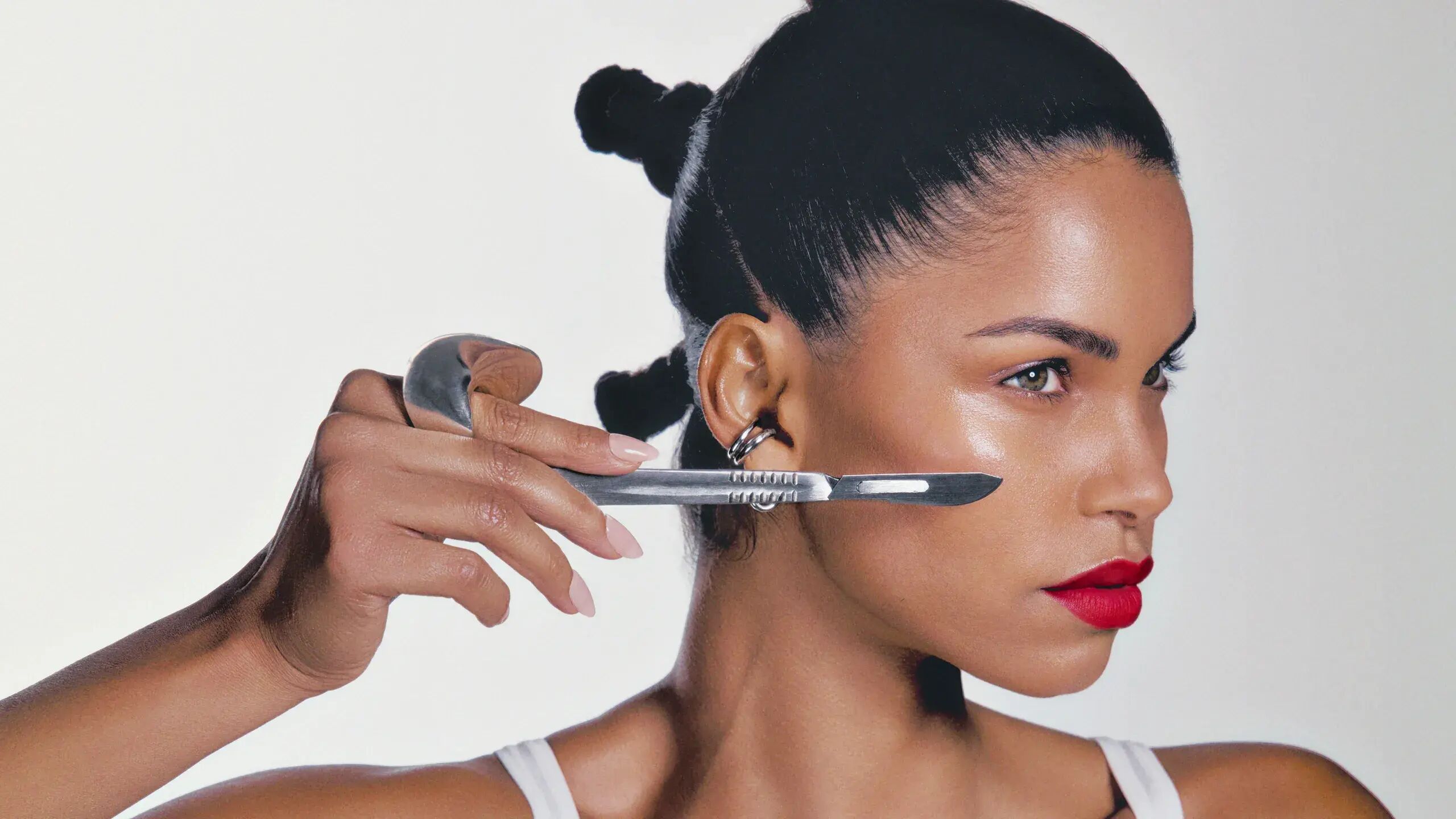
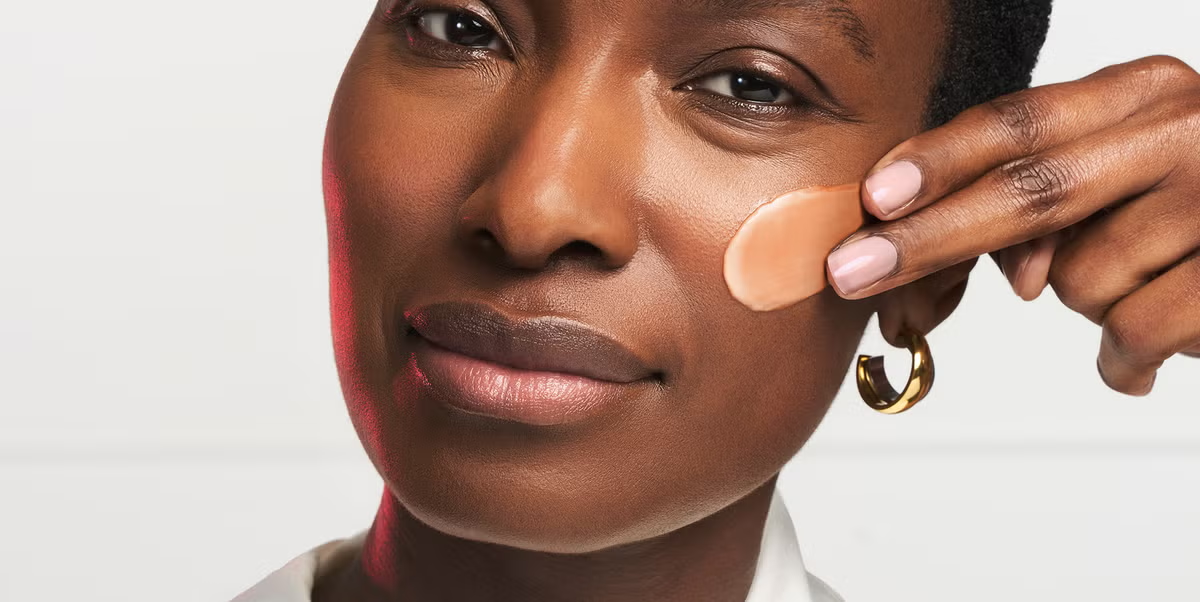
Glossy skin stands out for its soft shine and healthy surface. It does not look flat or powdered. It reflects light in a gentle way, so the face appears fresh rather than painted. This finish works well with clean tailoring, simple jewelry, and modern basics, which helps explain its strong link to fashion.

The look gained speed through runway beauty teams and editorial shoots. Designers often paired simple clothes with natural skin and brushed brows. That choice made the face look current and easy, yet still polished. Then celebrities and creators repeated the style in campaigns, videos, and red carpet looks.

Several visual traits define the glossy skin look:

  • Light reflection across the cheekbones and forehead rather than a heavy highlight.
  • Smooth texture that shows natural skin rather than thick coverage.
  • Hydrated skin that appears fresh under daylight and studio lighting.

The appeal is practical too. Minimal makeup takes less time than full coverage routines. A tinted product, a touch of concealer, and lip color can finish the look. But this style leaves little room to hide dryness or uneven texture. Skin preparation matters more, so skincare becomes part of the final outfit.

How Skincare Routines Support the Minimal Makeup Trend

Minimal makeup works best on skin that looks balanced and hydrated. That is why many people now focus on cleansing, moisturizing, and daily sun protection. These steps are simple, but they shape how skin looks under light makeup or no makeup at all.

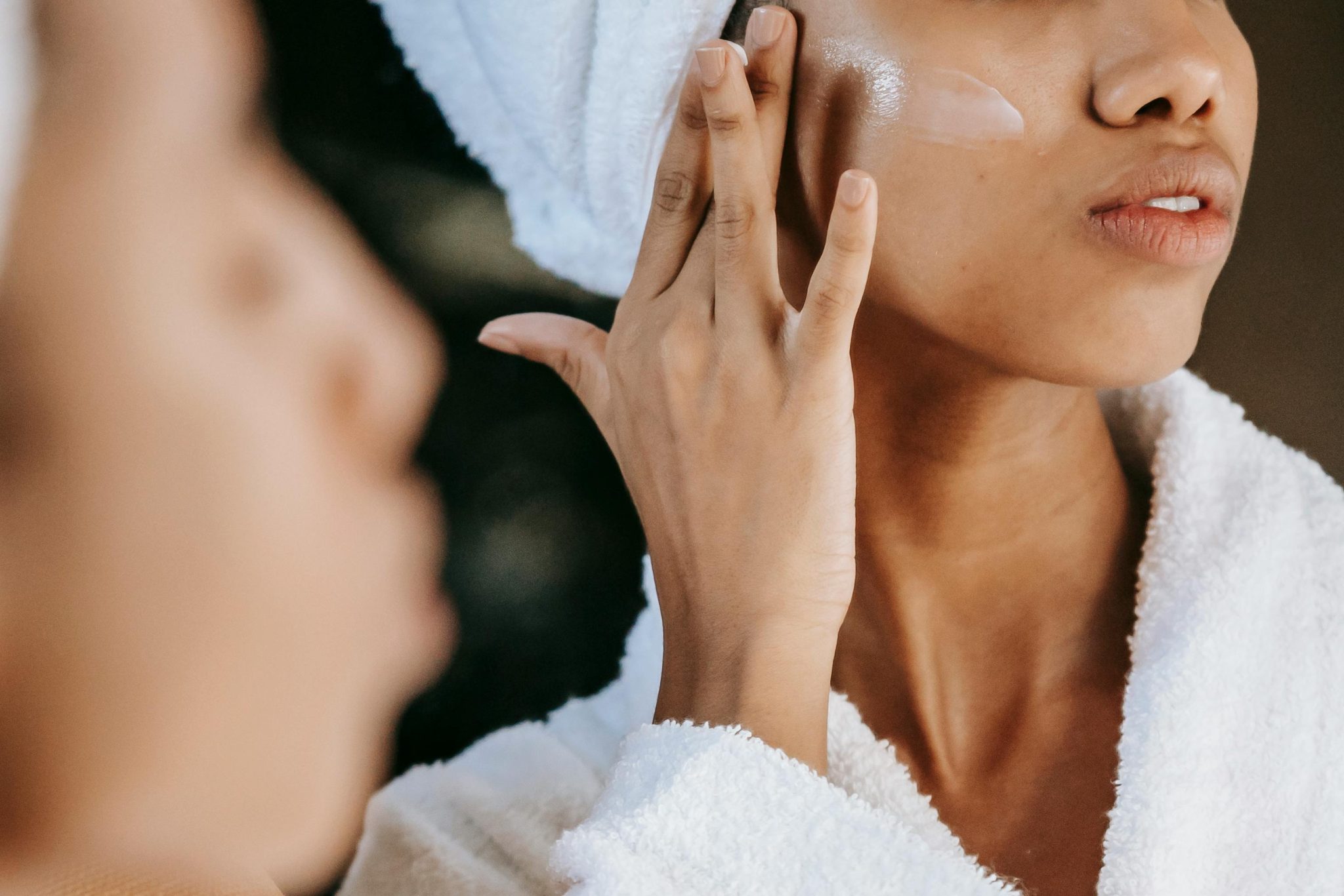
A gentle cleanser helps remove oil, dirt, and product without leaving skin tight. A light moisturizer adds water and softness. Sunscreen protects tone and texture over time. These are basic steps, yet they support the whole glossy skin effect.

Some brands fit the shift from the maximalist look to the minimalist look better than others. Take products by the Okoa Skin, for example. This brand uses light textures and simple formulas that many people find sit comfortably on the skin. A lot of people use these products to support a clean, natural look, so skin appears fresh without heavy layers or thick cosmetic coverage.

Okoa Skin products suit a minimalist routine since they use simple ingredients that support hydration in a quiet way. Ingredients such as aloe vera add moisture without creating an obvious glossy or heavy finish.

That matters for people who want a clean finish under minimal makeup. A distinct aspect of Okoa Skin care products is their focus on barrier-friendly, non-greasy formulas that aim to keep moisture in place without leaving a thick surface layer. In a fashion-led beauty routine, that kind of finish suits the glossy skin look more naturally than rich products that feel dense.

Fashion Runways and the Skin-First Mindset

Backstage beauty has changed. Makeup artists still create bold looks for some shows, but many now start with skin and stop there. They use masks, hydrating serums, and light creams before any color goes on the face. The goal is clear skin with life in it, not skin hidden under layers.

Key steps often appear in runway preparation:

  • Skin cleansing and hydration before any cosmetic product.
  • Lightweight moisturizers that leave a natural glow.
  • Minimal base makeup that lets natural texture remain visible.

This runway habit shapes consumer behavior. People see dewy faces in photos from Paris, Milan, London, and New York, then copy the look at home. They buy fewer base products and spend more time on prep. The fashion message is simple. Good skin is part of the styling.

This shift has a visual logic. A sleek dress or sharp jacket often looks stronger next to fresh skin than next to heavy contour and matte powder. The face feels modern, and the clothes stay in focus.

The Shift Toward Simpler Beauty Routines

This trend has changed daily habits. Many people now keep fewer products in rotation. They choose one cleanser, one moisturizer, sunscreen, and a small number of extras. That routine feels easier to maintain, and it fits the wider taste for simple dressing and low-fuss grooming.

Common traits appear in these simplified routines:

  • Fewer daily products with clear purposes.
  • Hydration-focused formulas rather than heavy cosmetic coverage.
  • Consistent sunscreen use is part of everyday grooming.

The shift does not mean people care less about beauty. It means they want visible results from fewer steps. A smooth skin surface, even tone, and steady hydration can replace layers of makeup in many settings. This is one reason fashion and skincare connect so closely. Both now reward restraint.

The market has responded to this preference. Light textures, skin tints, gel creams, and glow products appear across beauty shelves. The names change, but the demand stays steady. People want skin that looks clean, fresh, and ready without much covering.

Conclusion

Beauty trends never stay still for long. In the 2010s, matte skin and full coverage base makeup had a strong hold. Then fashion moved toward ease, skin visibility, and softer styling. Skincare habits changed with it.

That pattern will keep repeating. A return to sharper glamour could increase demand for smoothing primers and fuller base products. A rise in sporty or outdoor fashion could keep the focus on sunscreen and light hydration. Skin routines follow the visual mood of the time.

Glossy skin and minimal makeup show this link clearly. Fashion does not just shape clothing choices. It influences what people want their skin to look like each day. As a result, skincare has become less separate from style and more central to it. A polished look now starts with the skin, then the makeup, then the outfit.

Tags: , , , , , , ,
spring cleaning checklist

My Natural Spring Cleaning Checklist (Room by Room)

I’ve written many times about how I clean my house with natural cleaners. Now to check off something that’s been on my list for a while: a complete cleaning checklist for the whole house!

Sometimes it’s hard to get the motivation (or time) to take on deep cleaning. However, the one time of year most of us feel like tackling it is when spring finally arrives and the weather warms up.

Spring cleaning doesn’t have to mean complicated systems or cabinets full of cleaning supplies. In fact, the simpler the process, the more likely I am to actually do it (or convince the kids to help!). I like to open the windows for fresh air, turn on the air filter, and tackle one room at a time. Nothing beats the satisfaction of checking items off a list as you go.

Below is the room-by-room checklist I use for deep cleaning the house each spring. You’ll also find the printable version at the bottom.

Cleaning Supplies to Have on Hand

Before getting started, it helps to gather a few simple cleaning supplies so everything is within reach. Most of these are items you may already have around the house. 

A Note on Microfiber

I have some old microfiber cloths that I bought when I first started with natural cleaning that I still use. However, if you’re buying supplies, I recommend opting for cotton cloths or re-using old natural fiber clothing as rags. Microfiber is basically plastic and contributes to our plastic pollution problem every time they’re washed. 

I’m using mine up since I already have them, but I won’t be buying more. You can read more about microfiber and my thoughts and solutions to the problem here. So whenever you see cleaning cloths or microfiber mentioned below, just keep this in mind. 

Basic cleaning supplies:

  • Microfiber cloths, cotton cloths, or old T-shirt rags
  • Spray bottles of cleaners
  • Mop
  • Small bucket for soapy water
  • Vacuum with attachments

Helpful natural cleaning products:

You don’t need every single cleaner on this list, just pick and choose what works best for you. Basics like baking soda, vinegar, and natural dish soap can tackle most messes!

My Minimalist Natural Cleaning Closet

Confession time: If you ever wonder how I do it all… well, I don’t. Like most busy families, it’s all about priorities and simplifying where possible.

I used to make all my cleaners from scratch, but life with older kids, a business, and a podcast eventually changed that. These days there are so many excellent natural options available that I prefer using a few high-quality products that work for multiple purposes.

Here’s a quick roundup of my current natural cleaning favorites:

With just a handful of supplies, it’s possible to clean almost everything in the house without the harsh chemicals found in many conventional cleaners.

Whole-House Tasks (Start Here)

there are a few cleaning tasks that apply throughout the entire house. Start by opening windows for ventilation and turning on an air filter if you have one. Fresh air makes the whole process feel easier and helps clear out lingering dust and indoor pollutants.

Before diving into deep cleaning, start with a quick tidy-up. Pick up items from the floor, return things to their proper places, and keep a bin nearby for items you want to donate or get rid of. Spring cleaning is the perfect time to declutter as you go.

And if you have kids at home, enlist them! My kids have their own room checklists, and they love the satisfaction of crossing something off the list. Next, work from the top down in each room. This keeps dust from falling onto areas you’ve already cleaned.

Whole-house cleaning checklist:

  • Dust from the highest points (door frames, window frames, shelves, etc.)
  • Vacuum or dust away cobwebs
  • Clean light fixtures and ceiling fans
  • Wipe down walls, switch plates, and door frames
  • Clean doors and door handles (hydrogen peroxide works well if anyone has been sick)
  • Clean baseboards
  • Vacuum or sweep all floors
  • Mop hard floors
  • Move furniture (coffee tables, chairs, etc.) and clean underneath
  • Clean windows inside and outside
  • Wipe window frames and sills
  • Wash blinds, drapes, and window screens
  • Clean rugs and decorative pillows
  • Vacuum couches and under cushions
  • Wax and polish wooden surfaces

After dusting or vacuuming walls, wipe them down with a damp cloth to remove grime, grease, and marks. Kitchens especially tend to collect grease buildup on walls over time. If you have tile in the kitchen or bathroom, spring is also a good time to clean and reseal grout lines, which helps prevent water damage and staining.

Living Room and Living Areas

Living spaces tend to collect the most daily clutter, so I like to start here. Begin by picking up everything on the floors and moving it to the appropriate rooms. Then work from top to bottom, dusting furniture, shelves, and fixtures.

Living room cleaning checklist:

  • Open windows or run an air filter for ventilation
  • Dust furniture with a damp rag or cloth
  • Dust lighting fixtures and fan blades
  • Spot clean furniture with baking soda and water or natural all-purpose cleaner
  • Clean lamps with cloths. Hydrogen peroxide spray is great for cleaning white lampshades
  • Wipe down electronics and screens with a screen safe cleaner
  • Wash windows and windowsills
  • Wash or wipe down blinds. I like taking them down and washing them in the bathtub with vinegar and water. 
  • Wipe down walls and switch plates
  • Wash throw blankets and pillows
  • Vacuum couches and chairs
  • Remove couch cushions and vacuum crumbs
  • Condition leather furniture if needed
  • Sweep, vacuum, or mop floors

If your living room has area rugs or carpet, spring is also a great time to deep clean them. Use your vacuum attachments to reach corners and along baseboards.

Kitchen

The kitchen is often the most used room in the house, which means it benefits from a deep clean at least once a year. Start by clearing off countertops so you can thoroughly clean surfaces. This is also a great opportunity to declutter appliances and store ones you rarely use.

Kitchen cleaning checklist:

  • Open windows or run an air filter
  • Dust high surfaces, lights, and fans. Use warm, soapy water as needed to tackle kitchen grease.
  • Remove everything from countertops and wipe them down
  • Wipe down backsplash and walls to remove grease buildup
  • Clean the outside of cabinets (use a wood-safe cleaner if needed)
  • Wipe down appliances. Use a stainless steel cleaner as needed.
  • Clean the stove, stove vent, and replace vent filter
  • Deep clean the oven
  • Remove food from the fridge and freezer and wipe down inside
  • Wipe down the outside of the refrigerator
  • Pull out fridge and stove and clean underneath
  • Dust refrigerator coils and clean the grate at the front
  • Clean out the pantry and wipe shelves
  • Clean sink and fixtures
  • Deep clean dishwasher by running it empty with vinegar
  • Clean garbage disposal
  • Hose down the trash can and let it disinfect in the sun
  • Sweep and mop the floor
  • Clean tile grout if needed

If your kitchen has granite counters, use a granite-safe cleaner rather than vinegar, which can damage the stone over time. You can also find a more detailed kitchen cleaning checklist here.

Bathrooms

Bathrooms are another area where deep cleaning makes a big difference. Warm, damp environments can allow mold and mildew to develop if they aren’t cleaned regularly. Just like any other room, be sure to start at the highest surfaces first, like the walls and tops of the door and window frames. 

Bathroom cleaning checklist:

  • Open windows or run an air filter
  • Dust high surfaces, lights, and fan
  • Take everything out of cabinets and wipe shelves. Get rid of anything you don’t use, old or expired
  • Clean mirrors and windows
  • Wipe down counters and sinks
  • Clean makeup brushes and replace old makeup
  • Scrub shower and tub
  • Remove soap scum and hard water buildup in the shower/bath and sink
  • Replace or wash the shower liner
  • Clean tile and grout, reseal if needed. Baking soda and hydrogen peroxide work well for stained grout.
  • Deep clean the bathroom fan
  • Clean around the outside of the toilet
  • Clean the inside of the toilet bowl
  • Mop the floor and wipe baseboards
  • Restock natural bath supplies

A shower filter can also help reduce mineral buildup, which makes the shower easier to clean over time. If the toilet seat still looks dingy despite cleaning, it might simply be time to replace it. Sometimes that’s the easiest fix!

Bedrooms

Bedrooms are usually simpler to clean but benefit from a seasonal refresh. Start by picking up anything on the floors and clearing surfaces so you can clean more easily. Here’s what I keep in my nightstand for a more relaxed nighttime routine and refreshed morning.

Bedroom cleaning checklist:

  • Open windows or run an air filter
  • Dust furniture, lights, and fans. Start from the top and work your way down so any falling dirt/dust can be cleaned up. 
  • Wash sheets, blankets, and bedding
  • Wash throw pillows if needed
  • Hang pillows or mattress pads in the sun for a few hours to air out.
  • Wash pillows in the washer if they can be machine washed
  • Vacuum or mop floors
  • Clean under the bed
  • Wipe down walls and switch plates
  • Wipe down doors and handles
  • Clean lamps and lampshades
  • Wash windows, windowsills, and blinds
  • Clean out nightstands and drawers and toss expired items like old lip balm
  • Remove clothes from drawers, wipe down drawers, and return clothes. (This may not be the time to start KonMari folding, but I highly recommend checking it out!)
  • Refresh linen spray and drawer freshener sachets. 

Spring is also a great time to declutter closets and refresh your wardrobe. I like to use this time to simplify clothing and rotate seasonal items. A capsule wardrobe can make getting dressed much easier and keeps closets from becoming overcrowded.

If it’s been several years, evaluate whether the mattress still provides good support. Sometimes a better night’s sleep is just a mattress upgrade away. Here’s one we love.

Laundry Room or Utility Room

The laundry room often becomes a catch-all space for cleaning supplies, storage bins, and random household items. A quick seasonal reset helps keep things organized. I also keep this printable reference sheet for how to naturally treat stains in my laundry room. 

Laundry room cleaning checklist:

  • Open windows or run an air filter
  • Dust lights, shelves, and surfaces
  • Remove everything from cabinets and shelves. Declutter and organize what’s left.
  • Wipe down shelves and cabinets
  • Declutter old cleaning products or expired supplies
  • Wipe down washer and dryer
  • Deep clean the washing machine
  • Wash the dryer lint trap with dish soap to remove buildup
  • Clean the dryer vent
  • Wipe down walls and baseboards
  • Sweep and mop floors
  • Organize laundry products and restock as needed
  • Replace or refelt wool dryer balls if needed

This is also a good time to evaluate the space and see if better organization would help. Maybe it’s time to add coat hooks in the mudroom, a mat for muddy boots, or a shelf to store laundry supplies that are currently piled on the floor. 

Make Spring Cleaning a Family Routine

Deep cleaning the entire house can feel overwhelming, but breaking it down room by room makes it much more manageable. And when you sign up for my VIP newsletter you’ll get my free Deep Cleaning Checklist as a thank you here. I’m also giving you my complete Home Organization Binder printables with blank room cleaning templates to customize.

I like to print out the checklist and slip it into a binder sleeve so it can be reused each year. Turn on a favorite playlist, open the windows, and enjoy the fresh air while you work. By the time you finish, the whole house feels lighter, cleaner, and ready for the new season. Happy spring cleaning!

Did I miss anything on the checklist? I’d love to hear what’s on yours.

Tags: , , , ,
Sunscreen

Expert Shares Why Sunscreen Is the Most Important And Unavoidable Step Skincare Routine

Why Sunscreen Is the Most Important Step in Your Skincare Routine
| Image:
Unsplash

Mercury rises, heat wave, harsh summer and record-breaking temperatures are a few terms that will be frequent over the next few months. As retiring winter paves the way for a hot and humid summer, skincare needs significant changes too. Greasy heavyweight products will be replaced by high-moisture locking skincare essentials. However, one item that will remain constant, and even more important than ever, is sunscreen.

Make sunscreen your best friend this summer 

Dr Rinky Kapoor shares why sunscreen is the most important part of one’s skincare routine. Even though most of us are aware of the importance of a good and effective sunscreen, its relevance is sometimes forgotten. Influencers and targeted ads have done a good job of inculcating the habit of reapplying sunscreen and making terms like ‘broad spectrum’, ‘UV rays’ and ‘SPF’ a part of our daily vocabulary. If you are still doubting why the said lotion is important and if you still think of it as a cosmetic addition to your vanity, it is essential to know the role it plays in blocking sun exposure.

Representational Image | Freepik

As per the expert, “Sunscreen plays a pivotal role in shielding the skin from the long-term consequences of sun exposure. Persistent exposure to sunlight gradually breaks down the skin’s natural defence mechanisms, leading to pigmentation problems, uneven skin tone, dullness, sun spots, premature ageing, and, in serious cases, skin cancer.”

Also Read: 7 Best Night Haircare Hacks To Wake Up With Smooth, Healthy Hair

Is sunscreen only for a sunny day? 

Representational Image | Freepik

Busting another myth, the medical practitioner says, “What many people underestimate is that sun protection is not just an outdoor concern. UV rays are present even on dull days, and they penetrate cloud cover and glass, meaning that everyday indoor and sheltered environments offer far less defence than most assume. The cumulative effect of this ongoing exposure gradually alters skin texture and tone.”

Also Read: How To Pick The Right Face Serum For Your Skin Type?

Why is sunscreen essential? 

Dr Kapoor links several dermatological issues to prolonged sun exposure. She says, “Tanning, persistent pigmentation, and early signs of ageing are among the most common skin concerns patients seek dermatological help for. While a range of treatments can effectively address these issues, they must always be paired with consistent sun protection to maintain results and preserve long-term skin health.”

Representational Image | Freepik

Putting special emphasis on those who have undergone skin procedures, the doctor shares that the absence of sunscreen and increased exposure to the sun can undo the effects of all treatments. “Incorporating sunscreen into a daily skincare routine is one of the simplest yet most powerful steps towards healthier skin. Used consistently, it guards against environmental damage and UV radiation, keeping skin more balanced, resilient, and better positioned to hold onto the results of any treatment over time,” Dr Kapoor concludes.

Also Read: Here’s How Yogurt Can Benefit Your Hair And Scalp – Know How To Use It

Tags: , , , , , , ,
Trends in Non-Invasive Cosmetic Services for 2026 and Beyond

Trends in Non-Invasive Cosmetic Services for 2026 and Beyond

Because of this growing number, non-invasive beauty procedures are increasingly more favorable- who doesn’t want to be prettier without going under the knife and the subsequent long wait? The future of beauty care will be defined by shifts in technology, more personalized ways to administer treatments, and a wider focus on health overall. By 2026, med spas will be using safer and more precise techniques to alter one’s appearance and their perception of themselves. You see the difference in clinics such as Skin Savvy Aesthetics Med Spa, which employs new technologies and customized care models.

Advanced Energy-Based Skin Treatments

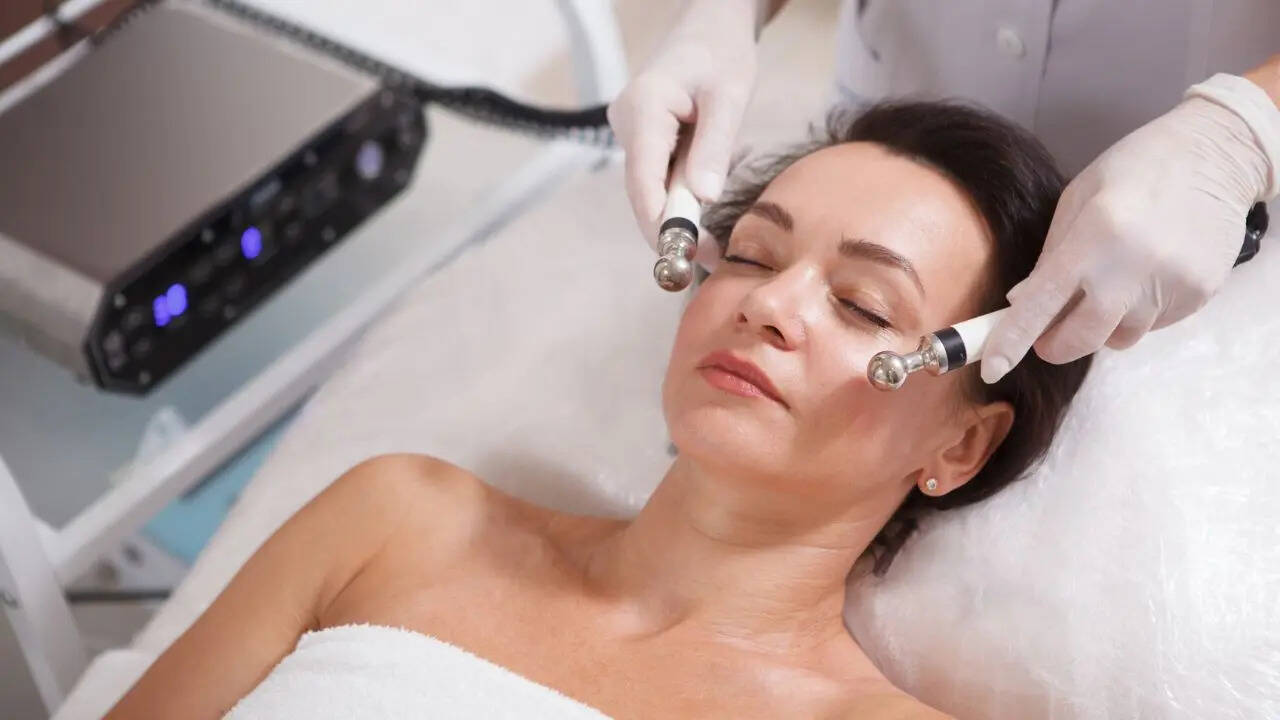
But energy-based gadgets are becoming better and better each year. Radiofrequency, ultrasound, and lasers are some of the new technologies that can be used to stimulate collagen more effectively while still keeping the client relaxed. Without surgery, these methods can smooth out the skin, get rid of lines, and firm it up.

By 2026, doctors will be able to target specific layers of skin more effectively thanks to better accuracy. This tightens and smooths the skin with fewer sessions. These devices are standard fare at contemporary med spas because an increasing number of people desire treatments that enhance the body’s natural collagen production.

Next-Generation Injectables

Injectables remain a stronghold of non-invasive cosmetic procedures, but new concepts are achieving well beyond traditional wrinkle relaxers and fillers. Biostimulatory injectables are starting to come up a lot more because they aid the body in gradually rebuilding that collagen. These treatments do more than just add volume; they also work from the inside to make the skin healthier generally.

More and more, clients are picking small, natural-looking changes that keep their faces balanced. At Skin Savvy Aesthetics Med Spa, these new injectable choices are being used in personalized treatment plans that are made to fit the goals and facial structure of each patient.

Personalized Treatment Planning Through Technology

AI and digital image tools are altering how consultations work. High-tech skin analysis devices are very good at measuring the amount of moisture, pigmentation, elasticity, and pore size a skin has. Using this data-driven approach, professionals can create individualized treatment plans tailored to each client.

After 2026, personalization will remain the pillar for success. Clients appreciate clear visualizations and step-by-step game plans that demonstrate how things are going to improve over time. Technology can help, making it easier to establish realistic goals and attain the optimal outcomes.

Holistic Beauty and Wellness Integration

Another one of the major trends is that beauty services are getting combined with assistance with general health. Modern clients know that having healthy skin shows that they are balanced on the inside. Because of this, med spas are adding vitamin injections, hydration therapies, and other treatments that focus on health to their lists.

This all-around method is better for long-term results than quick wins. Places like Skin Savvy Aesthetics Med Spa and others provide full-service treatment integrating wellness techniques with aesthetic procedures to enhance appearance in a way that is simultaneously health-improving.

Evolving Body Contouring Solutions

The body shaping devices are increasing their efficiency very fast. Now, there are better fat-loss methods that contour better and feel easier to go through. Treatment with cooling and ultrasound is becoming more effective at home on trouble spots while protecting surrounding healthy tissue.

These options appeal to people because they are non-surgical and leave no downtime. With the next technologies coming, non-invasive body shaping will be able to provide even greater results in fewer sessions.

The Shift Toward Natural Results

One of the clearest shifts in how humans want to look is for incremental tweaks. Treatments that are designed to have patients looking refreshed and balanced are replacing operations that make major changes. Customers want to see that you are well-rested and sure of yourself, not drastically different.

This way of thinking affects everything, from where to put fillers to how much skin is renewed. The goal is to keep each person’s uniqueness while making the group work better together.

Transparency and Client Education

Smart choices are becoming increasingly significant in beauty medicine. Clients want to know exactly how things work, what might happen, and when they can expect things to be done. Being honest with each other is a very important part of relationships that last.

As the non-invasive beauty business grows, education is still the most important thing. Med spas that focus on being open and honest are better able to meet the needs of today’s smart customers.

Tags: , , ,
Discover Premium Skin Care Treatments for Radiant Skin

Discover Premium Skin Care Treatments for Radiant Skin

Source: Nikola Stojadinovic / Getty

Premium skin care treatments have moved well past basic facials, and the options available now cover everything from professional-grade resurfacing to at-home routines built around clinical ingredients. The right premium skincare treatment depends on your skin type, your specific concerns, and how much maintenance you’re realistically willing to commit to. Whether you’re dealing with uneven tone, early signs of aging, or skin that’s lost its usual brightness, knowing which treatments actually deliver is the most useful place to start.

What Are the Premium Skincare Treatments for Skin Rejuvenation?

Premium skin care treatments consistently outperform over-the-counter products for one straightforward reason: they use higher concentrations of active ingredients and delivery methods that penetrate deeper than anything available on a drugstore shelf. The American Academy of Dermatology notes that board-certified dermatologists have the expertise needed to help people safely rejuvenate and care for their skin, and results from cosmetic treatments depend largely on the skill and training of the person performing them. That distinction matters when you’re choosing between a med spa, an esthetician, and a dermatologist’s office.

Chemical Peels

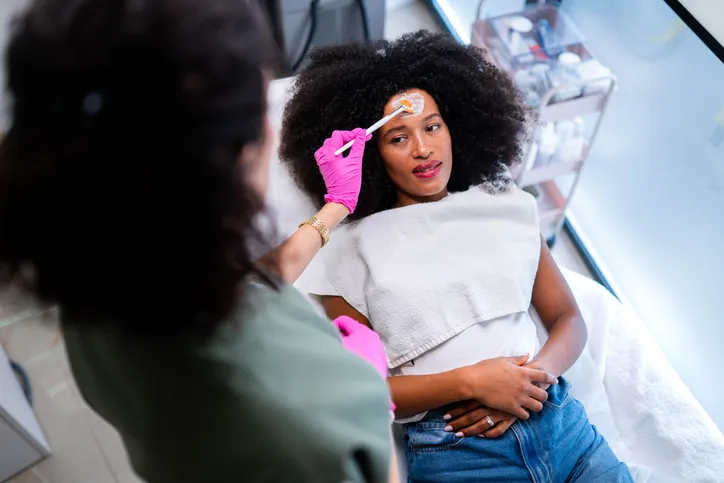
Chemical peels remove the outer layers of skin using an acid solution, prompting the skin to regenerate with improved texture and tone. According to the Mayo Clinic, deeper peels provide the most dramatic and long-lasting results, though they require longer recovery, sometimes up to two weeks. Lighter peels work well for maintenance and brightening with minimal downtime, and for deeper skin tones, selecting a provider experienced with melanin-rich skin is critical, since certain peel strengths carry a higher risk of post-inflammatory hyperpigmentation.

Microneedling

Microneedling uses fine needles to create controlled micro-injuries in the skin, triggering the body’s collagen production response. According to Healthline, radiofrequency microneedling is used to rejuvenate facial skin and can target acne scars and early signs of aging, like fine lines and sagging, with most people needing at least four treatments to achieve full results. For darker skin tones, however, microneedling carries a lower risk of hyperpigmentation than laser treatments, making it a frequently recommended alternative for Black women seeking skin rejuvenation without that trade-off.

Hydrafacial Treatments

A hydrafacial combines cleansing, exfoliation, extraction, and hydration into one in-office session using a specialized device. Unlike more aggressive treatments, it works across most skin types with no downtime or recovery period. For a high-quality version of this treatment, a hydrafacial in Houston, TX, at Houston Skin Health delivers the full protocol with clinical-grade serums tailored to your specific skin concerns.

What Are the Most Effective Anti-Aging Skin Treatments?

Anti-aging skin treatments work best when they address both surface-level concerns and what’s happening structurally underneath. Mayo Clinic notes that collagen and elastin production begins declining in the early twenties, which means the window for prevention is longer than most people act on. Retinoids, vitamin C serums, and SPF are the daily ingredients dermatologists point to consistently, particularly vitamin C, which addresses hyperpigmentation and uneven tone, two of the most common skin concerns among Black women.

If you want more visible correction, laser resurfacing holds the strongest clinical track record. According to the AAD, laser resurfacing is the most effective procedure for tightening loose skin and can diminish fine lines, wrinkles, and dark spots, with results visible within 5 to 7 days of healing. The trade-off is downtime and a higher risk of side effects, making it better suited to people with specific concerns rather than general maintenance.

Natural Skin Care Methods That Actually Work

Natural skin care approaches work best as daily maintenance rather than standalone treatments for visible concerns. Consistent SPF use, adequate hydration, and a diet rich in antioxidants support your skin’s ability to repair itself over time. These aren’t glamorous recommendations, but dermatologists point to them more consistently than any single product because their impact compounds over the years.

DIY skin care recipes using ingredients like honey, oatmeal, shea butter, and aloe vera serve a real purpose: they soothe and hydrate, and they have long been staples in Black households for good reason, given how well they support moisture retention in textured and melanin-rich skin. What they can’t do is replicate the structural changes that professional treatments or prescription-strength actives produce.

Best Skin Care Products for Glowing Skin

Vitamin C serums, retinol, and niacinamide are the three ingredients that consistently appear in dermatologist-recommended routines for radiance. According to the Mayo Clinic, vitamin C used daily can help protect skin from sun and pollution damage while improving overall skin tone, and it works best when combined with vitamin E and hyaluronic acid in a serum formula. Applying these in the right order, thinnest to thickest with SPF last in the morning, determines how much actually absorbs and works.

Frequently Asked Questions

What Skin Care Treatment Is Best for Sensitive Skin?

Gentle, fragrance-free formulations and low-concentration actives are the most widely recommended starting point for sensitive skin. Hydrafacials are frequently cited as a strong professional option because the treatment is customizable and avoids the inflammation risk that peels and lasers carry for reactive skin types.

How Often Should You Get Professional Skin Care Treatments?

It depends on the treatment and your goals. Chemical peels and hydrafacials can be scheduled monthly for maintenance, while more intensive treatments like laser resurfacing or microneedling typically require 6 to 8 weeks between sessions for full healing. Your provider should map out a treatment cadence based on your skin’s response rather than a fixed calendar schedule.

Can You Combine Professional Treatments With a Home Routine?

Yes, and doing so typically produces better results than either approach alone. The AAD recommends that anyone undergoing professional treatments maintain a consistent home routine, including sun protection, since UV exposure can undermine results and increase post-treatment complication risk. Your provider can outline which at-home products best support your specific plan.

Build the Right Skin Care Treatment Plan

Premium skin care treatment isn’t one-size-fits-all; it’s a combination of professional procedures, proven ingredients, and a clear-eyed understanding of what each approach is designed to do. Retinoids and vitamin C hold their own as daily non-negotiables, while treatments like chemical peels, microneedling, and laser resurfacing address structural concerns that topical products can’t reach alone. The key is building a plan that fits your skin, schedule, and long-term goals.

Looking for more beauty, wellness, and lifestyle content? Hello Beautiful has everything you need to elevate your skincare routine.

Tags: , , , , ,
Nirogi Panchan Churna: The Digestion, Skin And Mood Connection For Clear Skin, Better Energy, And Wellness

Nirogi Panchan Churna: The Digestion, Skin And Mood Connection For Clear Skin, Better Energy, And Wellness

In recent years, health experts and wellness practitioners have increasingly highlighted the deep relationship between digestion, skin health, and emotional well-being. Many people focus on skincare products or stress management techniques without realising that the root cause of their concerns may lie in their digestive system. Understanding the digestion and skin connection can help explain why issues like acne, dull skin, fatigue, or mood fluctuations often appear together.

The digestion and skin relationship may be used to understand why problems like acne, dull skin, fatigue, and mood swings tend to be observed in combination. Weakness or imbalance in the digestion process may lead to a series of consequences that affect both the physical appearance and emotional state.

The Digestion and Skin Connection

Proper digestion means that the body gets the necessary nutrients needed to repair and regenerate the skin. Antioxidants, minerals, and vitamins that are absorbed during digestion are directly beneficial to the skin.

But, in case of slowing down or inefficiency of digestion, nutrients are not absorbed effectively. Meanwhile, toxins that are supposed to be removed may build up in the body.

Since the skin is one of the organs of the body that helps to detoxify the body, these internal imbalances can manifest themselves externally in the form of breakouts, dullness, or irritation. This is why there is a high level of digestion and skin connection that is usually witnessed in holistic health practices.

How Digestive Imbalance Affects Skin and Mood?

Digestive health does not just affect the skin, but it is also very crucial in emotional well-being. In case of disrupted digestion, it may affect various body systems.

1. The Gut and Mood Link

The gut and mood link is a direct communication between the digestive system and the brain. That is why the gut is referred to as the second brain.

A healthy digestive system aids in the production of neurotransmitters like serotonin that control mood and emotional stability. This connection is the reason behind the strong gut and mood connection.

In case of weak digestion, individuals can be irritable, lack energy, be anxious, or be moody.

2. Acne and Gut Health

Most individuals only use external skincare to treat acne, yet the root cause may be in the digestive system.

The connection between acne and gut health is becoming more accepted. In case the digestive system is not able to digest food effectively, the toxins may build up and cause inflammation in the body.

This inflammation can present itself as acne, redness, or chronic breakouts.

3. Hormonal Skin Issues

Hormone skin issues are also influenced by digestive health. The gut assists in the digestion and removal of surplus hormones in the body.

Hormones can be disrupted when the digestive system is impaired, which leads to hormonal skin problems, including jawline acne, frequent breakouts, or oily skin.

Digestion can be supported and thus help stabilise hormonal fluctuations and skin clarity.

4. Nutrient Deficiency and Dull Skin

Poor digestion can make the body unable to absorb the necessary nutrients like zinc, vitamin A, and antioxidants. These are essential nutrients that are important in skin repair and renewal.

In the absence of adequate absorption, the skin can be dull, fatigued, or inflamed.

Recognising Digestive Imbalance Symptoms

Most people complain of digestive problems without even knowing how they affect their health in general. Early detection of digestive imbalance symptoms can prevent the development of complications in the long term.

Common symptoms include:

  • Bloating or gas after meals

  • Indigestion or heaviness

  • Constipation or bowel irregularities.

  • Fatigue after eating

  • Bad breath or coated tongue

  • Recurrent acne or skin eruptions.

In case these symptoms are frequent, it could be a sign that the digestive system requires assistance.

The Ayurvedic Approach to Digestive Health

The traditional wellness systems have traditionally focused on digestion as the basis of health. Ayurveda has a concept of Agni, or digestive fire, which controls digestion.

In case of the weakness of digestive fire, toxins called Ama can build up in the body. These toxins may disrupt the health of the skin, energy, and emotional stability.

An Ayurvedic gut cleanse is aimed at boosting the digestive system, aiding detoxification, and restoring the body’s balance. Instead of severe detoxification, Ayurveda advocates mild herbal supplementation and nutrition.

Supporting Digestion with Nirogi Panchan Churna

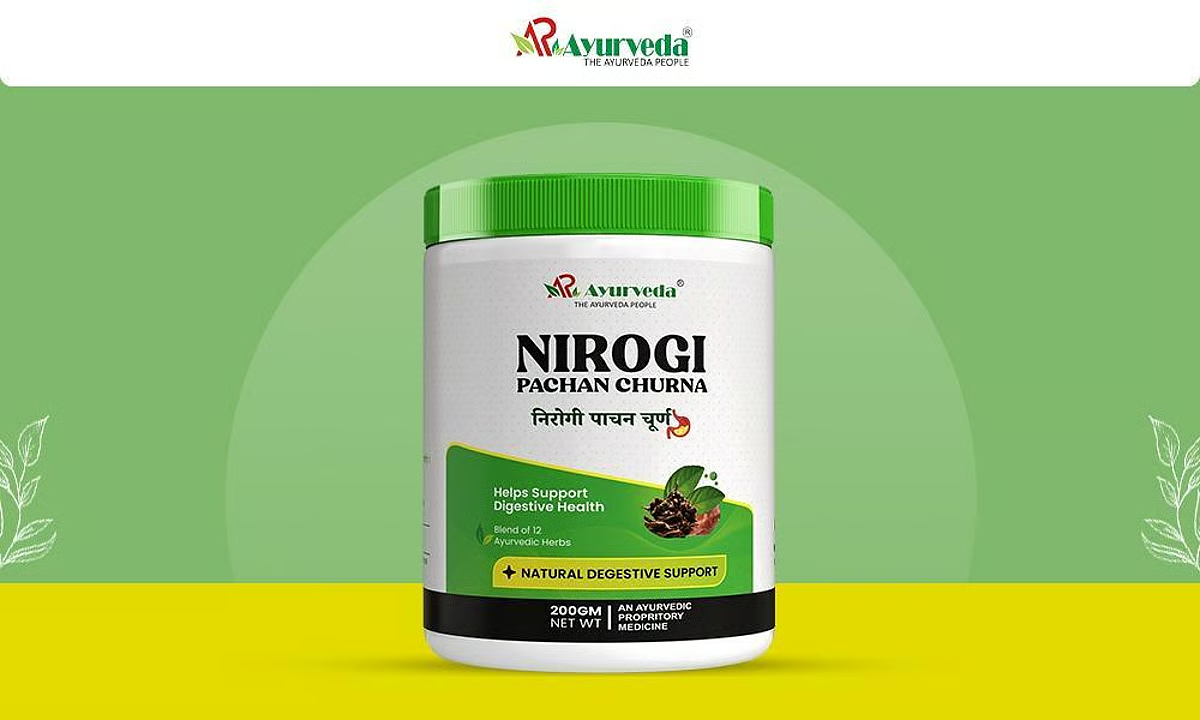
Ayurveda has been practicing herbal remedies to keep the digestive system healthy over centuries. Nirogi Panchan Churna is one such formulation that is meant to help in the natural functioning of the digestive system.

This Ayurvedic combination assists in enhancing the digestion process by helping the body to digest food more effectively and eliminating the usual digestive issues like bloating or heaviness.

It can also assist in enhancing the absorption of nutrients and the natural detoxification of the body by enhancing digestion.

As the digestion is enhanced, its effects are not limited to the gut. Better skin, increased energy, and a better mood usually follow, supporting the significance of the digestion and skin relationship.

A Holistic Path to Better Skin and Mood

Internal balance is often reflected in healthy skin and emotional well-being. Although skincare and stress management are significant, real wellness starts with a healthy digestive system.

Knowing the gut and mood connection, treating acne and gut health, and being aware of the symptoms of digestive imbalance, people can take active measures to improve their health.

Ayurvedic preparations such as Nirogi Panchan Churna can be used to support digestion by maintaining a balanced diet, mindful habits, and Ayurvedic preparations.

Finally, in case of a healthy digestion, the whole body is healthy, the skin is clear, the mood is better, and the sense of well-being is enhanced.

Disclaimer: This content is for informational purposes only and not medical advice. Consult a healthcare professional before using supplements. Our editors are not involved, and we do not take any responsibility for your decisions.

Tags: , , , , , , , , ,
the real science of skincare and why it matters for your health

the real science of skincare and why it matters for your health

Over the past five years, dermatologist Rajani Katta has noticed a change in the people who come into her office. Their skincare routines have been getting more complicated — some stretching to 12 steps — and often involve products that they found through social media, many of which don’t have a lot of scientific backing.

They didn’t realize that some of those products were doing damage to their skin, says Katta, who specializes in sensitive skin and allergies at the University of Texas Health Science Center at Houston. “People are much more likely to experiment on themselves” than they have been in the past, she says.

Globally, there seems to be more interest in skincare than ever before, with the industry expected to generate more than US$200 billion worldwide in 2026. Social-media platforms such as TikTok seem to be a main driver of the hot pursuit of youthful, glowing skin, with hashtags such as #SkinTok generating more than one billion views per month. The platforms have helped to kick-start a wave of skincare trends, from using beef tallow as a moisturizer to achieving ‘glass skin’ — a smooth, shiny complexion — using dozens of pricey products. They’re also rife with harmful misinformation, such as the false claim that sunscreens cause skin cancer and vitamin-D deficiency.

For most people, the recipe for maintaining healthy skin should be simple and follows guidelines that dermatologists have offered for years. But it’s not just about what one puts on or takes off one’s skin. There’s plenty of evidence that lifestyle factors are important — arguably more important — than products and daily rituals for keeping skin healthy. Often, the recommendations from physicians about skin run counter to what is circulating on social media.

What’s more, new research is elucidating the connections between the skin and other organ systems, and it has become clear that keeping skin healthy has effects far beyond one’s outward appearance, says Mao-Qing Man, a dermatologist at Hebei Medical University in Shijiazhuang, China. “Skin health is important for overall health,” he says.

A dynamic organ

The skin is the body’s suit of armour, acting as the first line of defence against the constant barrage of threats from the outside world, including pathogens, chemicals and ultraviolet radiation. “It has a lot of different dimensions,” says Daniel Kaplan, a dermatologist who focuses on immunology at the University of Pittsburgh in Pennsylvania.

Skin is made up of three main layers: the hypodermis (bottom), dermis (middle) and epidermis (top). The epidermis constantly churns out fresh skin cells to replace the roughly 40,000 dead skin cells that the body sheds every day.

The outermost layer of the epidermis is the stratum corneum, more commonly known as the skin barrier. This waterproof shield is made of corneocytes — flat, dead cells filled with the protein keratin. These tough cells are surrounded by lipids called ceramides, which lock in moisture and keep invaders out of the skin.

The outer layer of the skin and its natural oils form a protective barrier.Credit: Thierry Berrod, Mona Lisa Production/SPL

Although biology textbooks often compare the skin barrier to a brick wall, it’s more like a thriving ecosystem of physical, chemical, microbial and immune functions, says Peter Lio, a dermatologist who specializes in eczema at Northwestern University in Evanston, Illinois. “Our skin barrier is incredibly dynamic and complex,” he says.

But, it’s also “pretty easy to screw it up”, Lio says. For instance, some popular cosmetic procedures, such as chemical peels — which temporarily remove the outer layers of the skin to reduce wrinkles and acne scars — can cause lasting harm to the skin barrier and result in chronic sensitivity if done incorrectly or too frequently. “The skin does have powerful abilities to regenerate”, but some treatments can override that, says Katta.

Common signs of a compromised skin barrier include persistent dryness, itchiness and redness, along with acne and infection. This damage can increase a person’s risk of developing more chronic skin conditions, such as atopic dermatitis, psoriasis and even allergies, says Katta. It can also make it easier for pathogens such as Staphylococcus aureus, a bacterium that can cause abscesses and, in more severe cases, blood infections, to slip past the barrier.

A common mistake that many people make at home is overusing harsh soaps, detergents and astringents — liquids that shrink body tissues by drawing water out of them, says Kaplan. These substances, which include alcohol and witch hazel, can be useful for removing excess oil, make-up and acne-causing bacteria. But they can also strip away the natural oils that keep the skin barrier intact in the first place, adds Kaplan.

The barrier also has an acid mantle — a thin, filmy layer of oils, fatty acids and amino acids — which helps to keep the skin stable and creates the conditions needed for a healthy microbiome to flourish (see ‘A home for beneficial bacteria’). Wiping out lipids with harsh products raises pH levels. This, in turn, weakens the community of beneficial microorganisms and enables pathogenic types to flourish. Taking scalding hot showers is another way to damage the skin barrier, says Tamia Harris-Tryon, a physician scientist who studies the skin microbiome at the University of Texas Southwestern Medical Center in Dallas. “If it’s hot enough to clean your pots and pans of oil, it will clean your body of natural oils,” she says.

Source: go.nature.com/4rigfrx

Children as young as nine years old are becoming more interested in skincare products and multistep routines, says Lio. Whereas gentle cleansers, moisturizers and sunscreen are generally safe for kids, potent serums and anti-ageing products for mature skin can wreak havoc on younger skin, he says.

The American Academy of Dermatology recommends washing the face twice a day with a gentle cleanser, applying a moisturizer and — during the day — putting on sunscreen and protective clothing.

Shield against the Sun

Over the long term, few things are worse for the skin than overexposure to UV radiation, either through natural sunlight or tanning beds, says Elsemieke Plasmeijer, a dermatologist and epidemiologist at the Netherlands Cancer Institute in Amsterdam. UV radiation is the leading cause of melanoma — the deadliest form of skin cancer. In 2022, almost 60,000 people died from melanoma, according to the World Health Organization’s (WHO) International Agency for Research on Cancer.

The two main types of UV radiation that reach Earth’s surface — UVA and UVB —affect the skin in different ways. UVA causes damage in the dermis by triggering oxidative stress and breaking down collagen and elastin — proteins that provide tissues with structure and flexibility. Meanwhile, UVB only reaches the epidermis, but causes sunburn and DNA damage that can lead to skin cancer. A 2019 study found that both types of UV radiation disrupt a protein that helps cells to stick together in the skin barrier1. This resulted in weaker bonds between corneocytes, leading to a less resilient skin barrier.

Sunbathing on the beach for hours isn’t the only way to get too much UV radiation. In December, Pedram Gerami, a dermatologist who specializes in skin cancer at Northwestern University, and his colleagues reported that people who use indoor tanning beds were three times more likely to get melanoma than those who don’t use them2. They were more likely to have multiple melanomas, even in parts of the body that usually have low levels of Sun damage, such as the thighs.

The indoor tanning industry often argues that tanning beds are safer than natural sunlight because they emit more UVA than they do DNA-damaging UVB light. But this claim is often false, says Gerami. “The amount of UVA is about 10 to 15 times higher than the UVA outside,” he says. The WHO classifies tanning beds as a human carcinogen in the same category as asbestos and cigarette smoke.

Tags: , , , ,
Beauty Tourism in Seoul: Inside the World’s Skincare Capital

Beauty Tourism in Seoul: Inside the World’s Skincare Capital

Beyond dermatology clinics, Seoul’s beauty culture extends to elaborate wellness rituals. One of the most memorable experiences of my trip was the famed 18-step hair spa, a deeply indulgent treatment lasting nearly 90 minutes. The process begins with a detailed scalp analysis, followed by deep cleansing, exfoliation, massage, steaming, nourishing oils and hydrating masks. The experience felt less like a routine salon visit and more like a therapeutic ritual designed to restore scalp health. This emphasis on scalp care reflects a broader Korean philosophy: healthy hair begins with healthy skin.

Tags: , , , , ,
How Laser Facials Are Inspiring A New Generation Of Beauty Products

How Laser Facials Are Inspiring A New Generation Of Beauty Products

In recent years laser facial treatments have grown in prominence, becoming a popular option for refining fine lines, minimising the appearance of scars and achieving a lasting, luminous glow.

It should come as no surprise, then, that this boom is now steering new and innovative cosmetic solutions, such as the new L’Oréal Paris Revitalift Laser Melasyl serum. The product of 18 years of research, it draws inspiration from lasers to target the appearance of wrinkles, and to give skin a firmer, more radiant look. Of course, these products do not replace professional procedures, but can serve as a brilliant at-home accompaniment to in-clinic treatments, or as a glow-giving addition to your regular skincare routine.

What is a laser facial?

Widely offered in clinics, laser facials are used primarily to target fine lines and wrinkles, as well as skin tone and texture concerns. While treatments vary, they all involve energy-based tools that emit light in specific wavelengths. Different types are used to target different needs: some work by reducing inflammation in redness-prone skin, while others stimulate the formation of new collagen and elastin to help iron out wrinkles and firm-up slack skin and use heat to break up pigments in complexions affected by hyperpigmentation.

Courtesy of L’Oreal

There are ablative and non-ablative options: ablative resurfacing removes the top layer of the skin, while non-ablative lasers are gentler and use warmth without compromising the upper layers of the epidermis, meaning a shorter recovery time.

A professional consultation is essential to work out which type is right for you, and depending on your skin’s specific needs, your practitioner will recommend either one, or a combination of both. Downtime differs according to each device, and while you may see a difference after one session, a course of treatments is often required for long-term results.

Laser-inspired skincare

Laser facials can only be performed by professionals, but the treatment is inspiring a new wave of skincare.

L’Oreal Paris Revitalift Triple Laser Anti-Ageing Creamy-Serum

Case in point: L’Oréal Paris’ new Revitalift Laser Melasyl Anti-Ageing Creamy-Serum, which promises a visible reduction in the appearance of wrinkles, and skin that feels firmer with a more radiant tone, in just seven days.*

This future-facing formula uses L’Oréal’s patented and award-winning Melasyl ingredient, which took scientists at the L’Oréal Group around 18 years of research and testing to perfect.

Melasyl is designed to specifically target dark spots and hyperpigmentation. It aims to work by stopping melanin precursors before they turn into pigments; essentially minimising the appearance of current dark spots and helping to prevent future ones.**

This all-rounder serum also features a vitamin C derivative, which brightens and protects against environmental damage, alongside niacinamide, to encourage hydration and bolster the skin barrier.

Courtesy of L’Oreal

The sensorially-pleasing cream-serum texture also makes it a joy to use. It absorbs quickly yet feels extra comforting on drier skin types without being greasy on oilier complexions. It layers seamlessly under moisturisers, SPF and make-up, and leaves skin feeling plush.

The best skincare routine is one that you are consistent with. Given how easily the L’Oréal Paris Revitalift Laser Melasyl Anti-Ageing Creamy-Serum can be used with other products and the silky, smooth texture, it is easy to incorporate this serum into your daily routine, and according to L’Oréal’s research, it can give visible results in just a week.*

With skincare science moving at lightning speed, what’s certain is that there is more choice than ever, whether you choose to turn to aesthetic interventions, or focus on next-generation skincare to make your skin the healthiest it can be.

Give the new frontier of skincare a try with the L’Oréal Paris Revitalift Laser Melasyl Anti-Ageing Creamy-Serum, available now at Boots

*Consumer self-assessment study of 69 women after seven days’ daily use. Testers reported visible results on wrinkles, firmness and brightness.

**According to L’Oréal Paris in vitro and in vivo studies.

Medina Azaldin is the beauty editor of ELLE and Harper’s Bazaar UK, working across print and digital features. She has more than seven years journalism experience and has previously written for Red and Good Hoousekeeping. When she’s not demystifying the latest skincare ingredient, sniffing out the next big perfume trend or uncovering the science behind wellness practices, you’ll most likely find her in Hatchards Piccadilly or watching a crime series with her cats. Oh, and she’s a competitive cheerleader, too. 

Tags: , , , , ,
Sara Tendulkar Skincare Routine: Sara Tendulkar proves you don’t need a 10-step routine for glowing skin- Here’s the minimal skincare trick she swears by |

Sara Tendulkar Skincare Routine: Sara Tendulkar proves you don’t need a 10-step routine for glowing skin- Here’s the minimal skincare trick she swears by |

(Image Credits: Instagram) We live in a world obsessed with 10-step skincare routines and product layering, which experts often consider a wrong practice. Well, Sara Tendulkar, known for her naturally glowing skin, agrees. The diva never indulges in heavy products and layering but believes in a minimal skincare approach. Somewhere leaning towards minimalism and consistency, her secret to glowing skin is refreshingly simple. Not many people know, but Sara Tendulkar is a biomedical scientist and nutritionist by training who views her skin through a clinical lens. She believes that the surface of our skin is deeply connected to our internal happenings. This is where the mindset needs to change.

(Image Credits: Instagram)

In an interview with Hindustan Times Shop Now, she shed light on her skincare journey, including her issues fighting PCOS and how it affected her skin. She said, “PCOS brought its set of challenges, especially oily skin and breakouts. It made me more aware of how closely internal health and skin health are linked. I focused on consistency with eating clean, strength training, and simplified and gentle skincare and worked with dermatologists to understand what my skin actually needs rather than chasing quick fixes.”

Skincare for stress and fatigue: 5 ways to revive your tired skin

Understanding the meaning of “doing less,” she said, “My skin is sensitive and acne-prone, so I am very particular about what I use. I gravitate towards gentle cleansers, lightweight moisturisers, and ingredients that help maintain balance without stripping the skin.”

(Image Credits: Pinterest)

What does her routine involve?Her daily ritual usually revolves around cleansing, sun protection, and intense hydration. She said, “My routine is quite simple and consistent. I focus on cleansing well, keeping my skin hydrated, and protecting it from the sun by using sunscreen. I prefer not to overwhelm my skin with too many products, as I have learnt that consistently doing the basics well works far better for me than constantly experimenting.” The result? A dewy and fresh glow that looks effortless, rather than being overworked. Sara proves that in an era where skincare routines are now becoming more complicated, her simple approach is another reminder that minimal rituals remain the most powerful.

Tags: , , , , , , , , , , , ,
Best oLive
Privacy Overview

This website uses cookies so that we can provide you with the best user experience possible. Cookie information is stored in your browser and performs functions such as recognising you when you return to our website and helping our team to understand which sections of the website you find most interesting and useful.