Are dedicated skincare products necessary for your children?

Are dedicated skincare products necessary for your children?

A new skincare brand for children has sparked concern among many parents, who say kids should not be subjected to adult behaviours. 

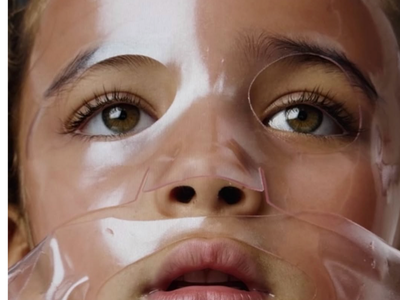
A young girl wearing a clear facial mask for children’s skincare brand Rini/Instagram (@shaymitchell)

Actress Shay Mitchell has launched a skincare brand for children, and moms aren’t too thrilled. Do children really need skincare products? 

The ‘Pretty Little Liars’ star caused an outcry online after announcing that her new brand, Rini, will offer dermatologist-tested products for little ones as young as 3. 

The celebrity entrepreneur teamed up with her friend, Esther Song, and partner Matt Babel to “nurture healthy habits, spark confidence and make thoughtfully crafted daily care essentials and play products accessible to every family”. 

The brand, which is called Rini, kicked off their launch with several hydrogel facial masks, including an ‘After-Sun Hydrogel Facial Mask’.

Mitchell, who has successfully launched brands such as BÉIS and Onda Tequila, told her fans that the brand is inspired by her two daughters, Atlas and Rome. 

“This has been three years in the making, inspired by my girls, their curiosity, and all the little moments that made me realize how early it starts,” she wrote on Instagram.

“From birthday parties and face paint to wanting to do ‘what mommy does’ with her face masks… it was only a matter of time. Rini isn’t about beauty it’s about self-care. About teaching our kids that taking care of themselves can be fun, gentle, and safe.”

She also explained how some of the products came about.

“Our first product, the aloe vera recovery mask, actually came from a spring break moment in Mexico when one of the girls got too much sun and needed some extra TLC. I wanted something that worked, but was still clean enough for my kids and now it’s finally here.

READ: Say what? Jennifer Aniston tried a salmon sperm facial

READ: Oh no, she didn’t! Influencer’s poop face mask causes outrage

Mitchell is not the first celebrity to launch a skincare line. Selena Gomez, Kylie Jenner, Dua Lipa, Hailey Bieber, Gwyneth Paltrow, Rihanna, Brad Pitt, August Alsina, and John Legend are all building beauty empires. 

However, Mitchell is one of the first to launch a line specifically designed for children. The launch comes hot on the heels of the TikTok trends and ‘Sephora Kid’ trend controversy, which, despite people’s concerns, showed a high demand for children’s skincare.  

Videos showed children using products designed for adults, including ones with active ingredients such as retinol. The ingredient is used in anti-ageing skincare products that target wrinkles.

Definitely not something children would be worried about, but their curiosity about skincare was obvious. 

“Kids are naturally curious and instead of ignoring that, we can embrace it. With safe, gentle products parents can trust, and sweet moments that bring us closer,” Mitchell concluded her post. 

READ: Boss moves! Hailey Bieber sells Rhode for $1 billion

Skincare and children

Over 2,000 people commented on Mitchell’s post. Many felt that promoting a skincare line for children would do more harm than good.

“So yet again we are subjecting little girls (didn’t see a boy on the picture) to adult behaviors. Got it!” one person wrote.

Another Instagram user wrote: “Everything about this is wrong, but also WHY is this AGAIN only focused on little girls?”

“Why can’t we teach boys to take care of themselves? Oh maybe because they might grow into self-aware adults who take care of them & each other,” the user added. 

It is essential to note that Rini’s promotional advertisements include both boys and girls. 

“Guys! I’m rebranding alcohol and [creating] this super kid-friendly beverage so that kids don’t feel left out when adults are having a glass,” one user commented sarcastically on a Rini post.

“It’s called Not Wine ™ (not – meaning gentle breeze in Japanese – and wine meaning blessing in Korean). This is ridiculous!”

A second person added, “I’m genuinely concerned by this. Kids don’t need hydrogel masks or actives. Their skin barrier is already healthy and still developing. This kind of ‘early skincare’ marketing really blurs the line between care and consumerism. Do better.”

However, not everyone is against the idea. “Y’all find any reason to be upset,” one woman commented. 

“How is this different [from] the mom that takes her daughter for a spa day or to get her nails or hair done?! Skin care is something that WE ALL NEED! I wish this was around when I was a kid, maybe I would know how or even care to take care of my skin now…. Or maybe I would even like going to the spa.”

READ: How to embrace skinimalism in 2025

An expert spoke to CHOC’s Children’s Health Hub in 2024 about the viral social media skincare trends. 

Pediatric dermatologist Dr Brandie Metz shared some interesting insights on the matter. She said at the time that it was an excellent opportunity to educate the younger generation about skincare and help them build healthy habits. 

“I would like to think that there is a positive side to this trend … young people are taking care of their skin earlier and are more willing to adhere to a skincare routine.”

However, she warned that using too many skincare products, especially those containing retinol, Vitamin C, Alpha- and beta-hydroxy acids, and peptides, can be harmful to the skin.

Dr Metz suggested that parents encourage their children to stick to simple routines that contain:

  • Gentle cleanser
  • Moisturiser
  • Sunscreen

Many tweens and teenagers start to explore skincare while undergoing puberty, as it can affect their skin, with many developing acne. 

Parents should always consider what is age-appropriate and research the products their families use. 

It is also advisable to consult a dermatologist or other healthcare experts for advice, especially if your child has eczema, acne, or other skin concerns.

READ: 10 weird (and kinda gross) celebrity beauty trends

HOW TO LISTEN TO EAST COAST RADIO

1.     Listen to East Coast Radio on the FM (frequency modulation) spectrum between 94 and 95 FM on your radio.

2.     Listen live to ECR by clicking here or download the ECR App (iOS/Android).

3.     Listen to East Coast Radio on the DStv audio bouquet, channel 836. 

4.     Switch to the audio bouquet on your Openview decoder and browse to channel 606.

5.     Listen to us on Amazon Alexa. 

Follow us on social media: 

· Facebook

· Twitter

· Instagram

· TikTok

· WhatsApp Channel

MORE FROM EAST COAST RADIO:
Tags: , , ,
RSVP Live

Byoma fans love €20 skincare starter kit with three bestselling products

The brand is well known for their affordable but effective skincare and now you can snag a great deal with three of Byoma’s bestselling items for just €20 in a set

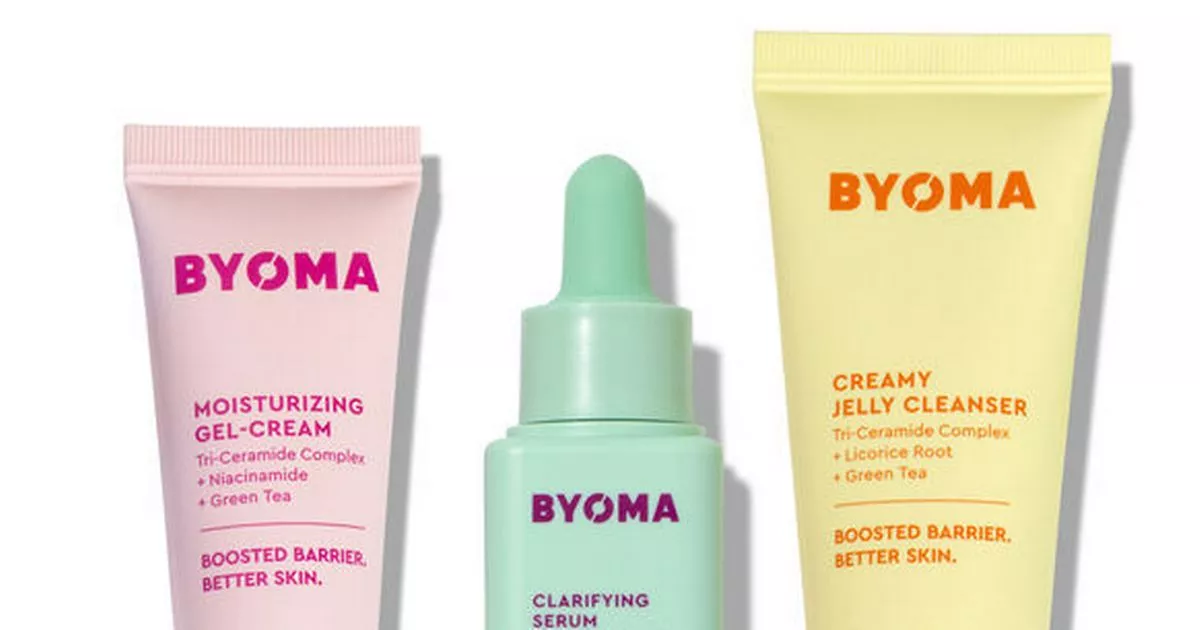
Byoma Clarifying Starter Kit

Skincare can be extremely expensive, but it doesn’t always have to be.

There are a number of great brands out there who have effective products at affordable prices – one such brand loved by skincare fans is Byoma. Well known for their skin loving ingredients and budget friendly prices, they have garnered a cult following.

Their products are affordable to begin with, but they have launched some handy sets just in time for Christmas that are amazing value – one such set is a skincare starter kit with three of their bestsellers.

The Clarifying Starter Kit contains a trio of dermatologist approved essentials and retails for just €20 – an absolute steal! A description of the kit reads: ” Clarifying Starter Kit contains a trio of dermatologist approved essentials to soothe signs of inflammation, unclog pores and calm active breakouts. Lightweight, gentle and effective, our Tri-Ceramide Complex(ceramides, cholesterol, fatty acids), boosts the skin barrier for a happy, clear complexion.

“The Daily Creamy Jelly Cleanser is super hydrating and pH-balanced with antioxidant-rich Liquorice Root and Green Tea to hydrate and brighten, leaving skin refreshed, clean and makeup-free. Our Clarifying Serum with Blue Tansy , PHA and Zinc targets blemishes and helps unclog pores for a calmer, clearer complexion.

“The deeply hydrating, lightweight Moisturising Gel Cream with Niacinamide and Green Tea helps brighten skin and reduce redness while supporting skin barrier function for healthy, hydrated skin.”

You can shop it on Space NK here.

Byoma Clarifying Starter Kit

It already has rave reviews, with one shopper writing: “I love these kits. They are such a good way to try a variety of byoma products and start a mini routine. I think it would be an especially great gift for young adults getting into skincare or someone looking for a beginner routine. I think this kit is especially great for combination skin. I really like the cleanser and serum. Also love they have different kit options. I also find these really useful for travel.”

“This set is ideal for travel as the products come in a handy little plastic case or for anyone who wants to test the products out first before committing to buy the bigger sizes. All the products worked well on my acne prone/combination skin and helped keep breakouts and excess oil to a minimum. I’d definitely recommend this for those who have the same skin type as me as the products are gentle on the skin but really effective. Overall, great value!” another gushed.

If you want something a bit more high end, you can snag an entire skincare routine from Trinny London thanks to one of their amazing Christmas sets. The products are five minis, which is a great way to try out the formulas and see which ones you like and want to repurchase. It also comes with a stunning vanity bag to keep your new products in one chic place.

You can shop it on the Trinny London website here.

Tags: , , , , , , ,
Personalization Is Key To Marketing Successful Wellness Products

Personalization Is Key To Marketing Successful Wellness Products

Alana Sandel is a Chief Experience Officer at Marketing For Wellness, an agency committed to supporting brands that stand for well-being.

The wellness industry has exploded over the last decade, now accounting for more than $6 trillion globally. From functional beverages to wearable health trackers, biohacking clinics to personalized supplement regimens, consumers are surrounded by products and services promising vitality, longevity and optimization. The challenge is no longer access. The challenge is choice.

At the recent Biohackers World event I attended in Chicago, innovators showcased breakthroughs such as hyperbaric oxygen therapy and sleep optimization. For me, it was clear that the future of wellness is personalized. Yet, with constant marketing on social media, I’ve noticed consumers struggle to know what really works, what is safe and what is worth the investment.

For companies, this reality has profound implications. I think success depends not only on effective products but also on marketing rooted in transparency, responsibility and personalization.

Consumers Empowered Like Never Before

Many of today’s consumers no longer accept blanket health advice. They expect interventions—from nutrition to sleep strategies—to be tailored to the individual. What works for one person may fail for another.

Wearables now track heart rate variability and sleep cycles. Continuous glucose monitors reveal how foods affect blood sugar. Tech platforms help people synthesize information, ask smarter questions and personalize expert guidance.

For example, after a dietitian outlined my supplement needs, I used AI to organize them into a schedule that matched my eating habits and the times of day I absorb nutrients most effectively. The technology did not replace expertise; it amplified it. That is the kind of empowerment consumers now expect: the ability to validate, customize and optimize advice.

The Social Media Noise Problem

Despite innovation, consumers face overwhelming noise. Social media trends and influencer routines often lack validation yet gain traction quickly. This creates both excitement and skepticism.

As a result, consumers need to research claims, cross-reference sources and consult practitioners before making decisions.

For brands, hype-heavy marketing is risky. If claims are questioned or products disappoint, educated consumers can fact-check, share experiences and quickly damage reputations.

Implications For Wellness Marketing

Personalization is not just a product feature; it is a marketing strategy. Moving forward, I think winning brands will:

• Lead with transparency. Share research, explain limitations and set realistic expectations.

• Educate without overwhelming. Provide context and practical applications rather than jargon.

• Empower choice. Encourage professional consultation, and acknowledge that wellness is not one-size-fits-all.

• Build authentic trust. Partner with credible experts and influencers whose values align with your brand.

Marketing Strategies For Wellness Brands

To build credibility and drive conversion, here are a few best practices for creating meaningful, personalized marketing strategies across events, collaborations, education and sampling.

1. Holding Events And Conferences With Experts

To create visibility through sponsorships, speaking opportunities and expert panels, brands should focus on aligning with events that genuinely reflect their mission. Prioritize quality over quantity by choosing gatherings where your ideal audience will be present and designing activations that connect in-person experiences with online engagement.

Capture authentic content and share expert takeaways after the event to extend visibility and thought leadership beyond the room. For example, we supported a food brand that was launching a new smoothie. The campaign was anchored by red carpet visibility, where a brand ambassador helped engage influencers to promote the product. Bottles were sampled and photographed, and authentic moments with influencers were captured and shared across social media.

2. Collaborating With Practitioners

To build trust through medical and holistic partnerships, start by identifying practitioners who already embody your brand’s values. I’ve learned that building long-term trust in wellness means aligning with those closest to the consumer’s health decisions. That could mean partnering with MDs, dietitians and nutritionists.

Co-create educational content that integrates your product into their real-world routines, and let them lead with their expertise rather than your marketing message.

Authenticity and transparency are key because these relationships work best when they feel like natural extensions of the practitioner’s practice.

Consider featuring these partners in activations, interviews and wellness-focused sampling moments. By showing up authentically in this space, not just as a product but as a wellness partner, brands can establish credibility and expand their community through both peer-to-peer content and shared values.

3. Working With Kids’ Health And School Programs

To align your brand with long-term healthy habits, you may want to consider partnerships that engage families and educators, such as nutrition workshops, cooking classes or in-school challenges.

Focus on interactive, experiential formats that empower children and parents to make healthier choices together. When executed with sincerity, I’ve found these initiatives can create emotional connection and generational brand loyalty.

4. Offering Functional Sampling At Retail And Wellness Chains

To introduce your product in meaningful real-world settings, go beyond simple sampling.

Position your product within wellness touchpoints, such as pharmacies, fitness studios, IV lounges or healthcare offices, where consumers are already in a health-focused mindset. For example, we helped a client install branded refrigerators in medical and wellness offices so patients could access free samples where they were already seeking care and guidance.

Pair every in-person experience with digital storytelling to reinforce your product’s benefits and drive measurable engagement.

Through combining educational content, trusted partnerships and AI-enhanced targeting, brands can move from transactional marketing to transformational engagement and earn their place in wellness movement.

Personalization Is The Future

The wellness economy will likely continue to expand. Innovation could accelerate. Options could multiply. Yet, I believe personalization—grounded in transparency, expert guidance and consumer empowerment—will remain the key to adoption and brand success.

For brands, my advice is simple: Market responsibly. Build trust and empower people with knowledge and flexibility.

In a noisy marketplace, personalization can be the most powerful differentiator.

Forbes Business Council is the foremost growth and networking organization for business owners and leaders. Do I qualify?

Tags: , , , , ,
Best oLive
Privacy Overview

This website uses cookies so that we can provide you with the best user experience possible. Cookie information is stored in your browser and performs functions such as recognising you when you return to our website and helping our team to understand which sections of the website you find most interesting and useful.