5 Skincare Tips To Help You Deal With Malaysia's Heat & Humidity

5 Skincare Tips To Help You Deal With Malaysia’s Heat & Humidity

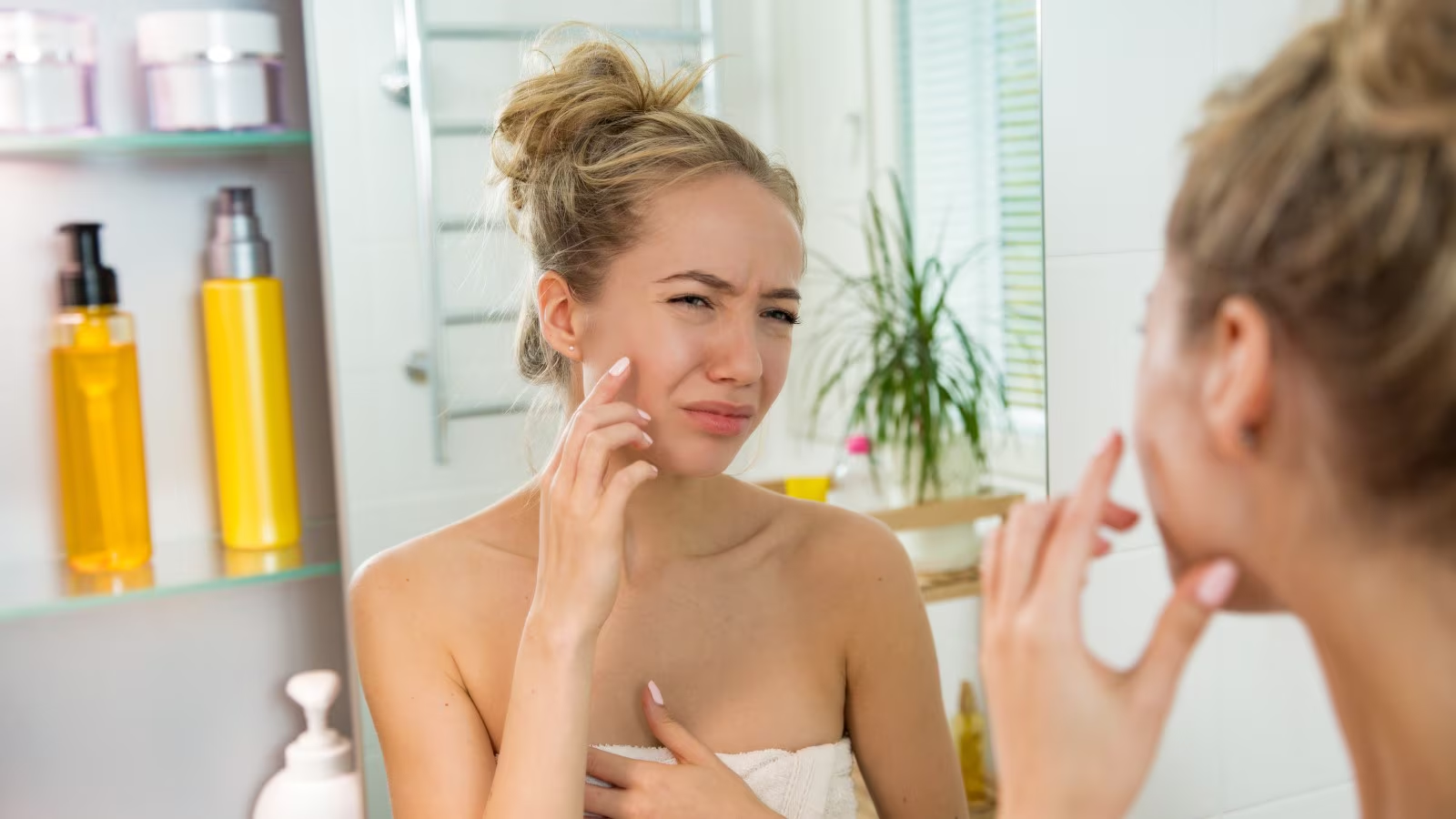
Humidity, or the quantity of moisture in the air – especially here in Malaysia’s tropical climate, can have an impact on your skin in both positive and negative ways. It affects your skin in a variety of ways, including moisture, oiliness, acne and breakouts, sensitivity, fungal infections, eczema and psoriasis, and heat rash.

If the weather is wreaking havoc on your skin lately, worry not! Here’s a nifty guide on keeping your skin cool and calm while preventing heat-induced breakouts:


Hydrate inside and out

Source: Freepik

Hydration is something everyone should be taking seriously. Remember, drinking water will nourish your skin, while also helping to flush out unwanted toxins, and improving skin texture.

Outside of drinking plenty of water, you can also use certain skincare products to add more moisture back to your skin directly. For starters, use a lightweight gel/water-based moisturiser that absorbs quickly, and don’t forget to layer on sunscreen right after!

Calm it with a sheet mask

Source: Freepik

One of our favourite ways to literally cool down on a hot day is to pop a sheet mask into the fridge. Nothing is more refreshing than some iced tea and a cooling sheet mask during a heat wave. Cooling down your face aids in diminishing inflammation and puffiness, and has anti-aging benefits. 

Look out for skin-loving ingredients

Source: Freepik

Keep an eye out for skin-calming ingredients that won’t aggravate it further and to help prevent redness and inflammation. We like active ingredients such as Centella asiatica (or tiger grass), chamomile, colloidal oatmeal (especially great for dry and sensitive skin types), liquorice root, panthenol and aloe vera.

Slough off dead skin cells

Source: Freepik

Exfoliating twice a week is the right balance for your skin. Use a gentle exfoliator or chemical exfoliants like AHAs or BHAs to remove dead skin cells and unclog pores, and keep your skin smooth and clear. However, you also wouldn’t want to over-exfoliate as it strips away all of your skin’s natural oils and can cause irritation or sensitivity.

Keep it natural

Source: Freepik

When it’s super humid out, the last thing your skin needs is layers of skincare products or heavy-duty makeup. Instead, wear minimal makeup or use lightweight, oil-free, and non-comedogenic products. Don’t forget to remove your makeup before going to bed so that your skin can breathe and regenerate during the night.

Tags: , , , , ,
Skincare tips for grooms to be: Pre-wedding tips to match your bride's glow on your big day

Skincare tips for grooms to be: Pre-wedding tips to match your bride’s glow on your big day

Weddings are not just about vibrant decor or stunning outfits. It is also a time to invest in a proper skincare routine to wear the best glow for your special day. Gone are the days when grooms would just show up clean shaved, wearing the wedding outfit. Today’s man indulges in a proper skincare ritual to look their best on their D-Day, and match their bride’s glow.

Skincare tips for grooms to be(Pexels)

If your wedding is just a couple of weeks away, it’s the perfect time to start investing in your skin to make a noticeable difference.

Pre-wedding skincare tips every groom-to-be

“Grooms like to keep the skincare simple. Start with a good exfoliating face wash once a day, follow it up with a light ceramide-based moisturiser and don’t forget a water-based sunscreen. For eye care, go for a thick moisturiser, and keep the beard area soft with gentle shaving,” dermatologist and aesthetic medicine specialist Dr Geeta Mehra, founder of Skin & You Clinic, tells HT ShopNow.

Start early: At least 2–3 months before the wedding

Good skin takes time. Begin your skincare routine early, so your skin has enough time to heal, adjust to new products, and glow naturally. Consistency is key, so, don’t expect results overnight.

Follow the basic CTM routine

Cleansing, toning, and moisturising is not just meant for women. Men should also follow this basic skincare ritual, whether they are getting married or not. This skincare routine twice a day helps maintain clear and healthy skin.

Cleanser: A cleanser is one of the most crucial skincare products. Use a gentle face wash suitable for your skin type.

Toner: A toner helps minimise pores and control oil without drying your skin. Make it a point to cleanse your face with a toner to remove excess dirt, grime, giving you a clearer looking skin.

Moisturiser: Never skip a moisturiser, come what may. A moisturiser keeps your skin supple and prevents dullness or flaking. Choose a moisturiser as per your skin type or skin concerns. Choose an oil-free moisturiser if you have acne-prone or oily skin, and go for a hydrating moisturiser if your skin in dry and flaky.

Never skip sunscreen

If you thought that sunscreens are not for you, it’s time to rethink! Sun exposure accelerates tanning, dark spots, and premature ageing. Apply a broad-spectrum SPF 30 or higher every morning, especially if your wedding events include outdoor shoots or ceremonies. Sunscreen ensures your skin tone remains even and photogenic.

Get regular exfoliation

Dead skin cells can make your face look rough and tired. So, exfoliate your skin at least twice a week to brighten your skin and prevent clogged pores. You can opt for face scrubs from the list below:

  • Physical scrubs for normal or oily skin
  • Chemical exfoliants (AHA/BHA) for sensitive or acne-prone skin
  • Avoid over-exfoliation to prevent irritation.

“A good facial goes a long way on looking good the wedding day, you can also use a hydrating or lightening face pack as needed”, Dr Fazalbhoy says.

Keep yourself hydrated

Keeping yourself hydrated is a solution to most of your skin problems. Hydrated skin appears firmer, smoother, and more radiant. Increase your daily water intake and include water-rich foods like cucumbers, citrus fruits, and melons. Limit caffeine and alcohol, as they dehydrate the skin, especially during pre-wedding celebrations.

Manage facial hair thoughtfully

Grooming matters. Whether you’re planning to flaunt a full-grown, or a subtle beard, make it a point to tame your whiskers to look your best. Here are a couple of pointers you need to take care of to manage your facial hair:

  • Trim regularly to maintain shape
  • Use a beard oil or balm to soften facial hair
  • Consider a pre-wedding professional shave or grooming session

A pro tip is if you’re prone to razor bumps, switch to a gentler razor or try shaving creams suitable for sensitive skin.

Also read: From beard to body: Top 8 grooming tools for men that every contemporary man needs

Prioritise sleep and stress management

Wedding planning can be stressful. But lack of sleep leads to puffy eyes, dull skin, and breakouts. Try to take adequate rest and sleep at least for 7–8 hours. You can also incorporate relaxation techniques such as deep breathing, meditation, light exercise or yoga. After all, healthy lifestyle habits show on your skin more than you think.

“Lastly, it is also crucial to avoid too much sugar and alcohol and stay hydrated,” Dr Fazalbhoy asserts.

Similar articles for you:

Korean skincare routine: 10-steps to get perfect glass-like glowing skin

Makeup forecast 2026: Minimal and natural looks will rule, say celebrity makeup artists

Truth about sunscreen you wish you knew earlier: 7 common myths busted by a skin expert

How to do smokey eye makeup: Our step-by-step guide to flaunt bold, shimmery eyes

Disclaimer: At Hindustan Times, we help you stay up-to-date with the latest trends and products. Hindustan Times has an affiliate partnership, so we may get a part of the revenue when you make a purchase. We shall not be liable for any claim under applicable laws, including but not limited to the Consumer Protection Act, 2019, with respect to the products. The products listed in this article are in no particular order of priority.

Tags: , , , , , , , ,
Trendy skincare or playing with fire?

Trendy skincare or playing with fire?

While millennials once sipped apple cider vinegar shots in the morning hoping to boost metabolism and shed pounds, 2025 trends have taken the ingredient to a new level—directly in the bath. Today, people add apple cider vinegar (ACV) to their beauty routines to hydrate skin, calm irritation, exfoliate, and give the body a glow. But does it really work—or has the trend become potentially dangerous?

“Apple cider vinegar contains acetic acid, which offers antibacterial and exfoliating properties,” explains Dr. Priya Verma, a London-based aesthetic doctor. “Scientifically, it may help restore skin pH and reduce bacterial growth. That’s why people sometimes think vinegar works like a toner or cleanser. But its acidity is much higher and less controlled than specialized skincare products.”

Dermatologist Dr. Anna Karp in New York adds that claims about ACV’s benefits for skin and hair are mostly anecdotal. “People are drawn to it because it’s natural, cheap, and has antimicrobial properties,” she says.

Potential Benefits

  • Skin: ACV’s acidity can gently exfoliate dead skin cells and remove excess sebum. Its antibacterial effect may help with certain breakouts, though results vary.

  • Hair: Vinegar can dissolve styling product residue and mineral buildup from hard water, leaving hair smoother and shinier. It may also restore scalp microbiome balance and reduce dandruff when used correctly.

Risks of Home Use
“Many of these ‘benefits’ are often exaggerated,” warns Dr. Verma. The main danger lies in uncontrolled acid exposure. TikTok users dilute vinegar in baths or use it as a rinse, but concentrations vary widely. Unlike cosmetic acids, ACV is unstable and its pH fluctuates, which can cause irritation or chemical burns—even at seemingly mild concentrations.

Dermatologists recommend never using ACV undiluted:

  • For skin: 1 part vinegar to 3–4 parts water, short contact, then rinse.

  • For hair: Diluted rinse after shampooing.

Excessive use can cause chemical burns, dermatitis, dryness, flaking, and brittle hair. People with sensitive skin, eczema, rosacea, or compromised skin barriers should avoid ACV entirely.

Expert Verdict
“The risks outweigh potential benefits. In clinics, we use products with precise pH and stable concentrations. Vinegar baths are neither safe nor effective,” says Dr. Verma. For exfoliation and pH balance, experts recommend proven acids like lactic, glycolic, or mandelic. For the scalp, shampoos containing salicylic, glycolic, or zinc-based formulas are far safer and more effective.

Apple cider vinegar may make for an intriguing beauty experiment, but when it comes to skincare and haircare, tested and safe products remain unmatched.

Follow NEWS.am STYLE on Facebook, Twitter and Instagram

Tags: , , ,
Why your summer skincare routine is failing you this winter

Why your summer skincare routine is failing you this winter

(Image Credits: Pinterest) As temperatures drop and winter breezes settle in, people start experiencing a sudden shift in their skin and hair health, resulting in tightness, flakiness, dullness, chapped lips, and frizzy hair. If you are also wondering why your skincare routine worked perfectly in summer but seems ineffective now in this chill season, there’s a simple reason: your skin’s needs change drastically with the season, and your routine must evolve with it.As soon as winter comes, it brings dry air, low humidity, and colder winds, all of which strip natural moisture from the skin and hair. One of the main reasons your routine isn’t working is because you’re sticking to your lightweight, gel-based, summer-friendly items.Here’s what’s going wrong—and how to fix it.1. You’re Not Prioritising Deep HydrationSummertime is all about light hydration and oil management. However, winter necessitates substantial nourishment that fortifies the skin barrier and restores lost moisture.

(Image Credits: Pinterest)

Switch to a Hydrating Body LotionEven while your summer lotion can seem “invisible,” it’s not doing enough in the cold. A thick, moisturizing body lotion that can reach deeper skin layers and retain moisture for extended periods of time is what you need.Look for ingredients such as White Haldi, Kokum Butter, White Lily, and Almonds, that provide daily conditioning, maintain softness even in harsh weather and gives you plump, luminous and youthful skin.2. Your Face Wash Might Be Too DryingFoaming or gel cleansers that work in summer often strip essential oils during winter.Use a Soap-Free Face WashA good soap-free face wash that does not contain any kind of SLS can help maintaining the skin glowing and nourished. You can look for actives such as hyaluronic acid, ceramides and glycerine for optimum results. On the other hand, if you are a pro-natural person then you should look for natural ingredients like cranberry, mulberry, avocado, oranges, grapefruits, olive oil, white haldi, etc that ensures your skin is cleansed properly without disrupting its natural skin barrier. This simple switch prevents tightness, dryness and that uncomfortable stretched feeling after washing your face.Winter skincare begins with choosing the right cleanser—one that hydrates as it purifies.3. You’re Ignoring Your LipsLips have no oil glands, making them extremely vulnerable and chapped to winter dryness. If you’re applying your usual lip care but still facing cracks and flakiness, it’s because your lips need deeper nourishment, which your summer Lip care is not providing. You must strictly avoid lip balms with lead and synthetic polymers that can further block your lips from getting the nutrition they deserve during winter.

Why Incorporate Vitamin C Into Your Skincare Routine

Choose a Lip Balm with Vitamin E, Licorice Oil & Shea Butter● Vitamin E helps repair damaged lip skin.● Licorice Oil brightens and improves lip tone.● Shea Butter forms a protective barrier to keep moisture sealed in.This trio ensures long-lasting softness and healing even in peak winters.4. Your Haircare Routine Is Not SeasonalJust like skin, hair becomes extremely dry during winter. Losing natural oils leads to frizziness, split ends, brittle strands and dandruff.Use a Nourishing Hair Oil with Methi Dana (Fenugreek)

(Image Credits: Pinterest)

Methi dana is a time-tested ingredient known for:● Reducin frizz● Treating dryness● Strengthening hair from the roots● Restoring shine and bounceIts rich conditioning properties make it indispensable for winter haircare.5. You’re Not Building a Protective BarrierSummer skincare is light and breathable. Winter skincare is restorative and protective.Your routine should create a shield that prevents moisture loss and environmental damage.The right winter essentials—hydrating lotion, nourishing face wash, enriching lip balm, and oiling routine—work together to maintain your skin barrier and hair health.Your skin and hair don’t fail you during winter—your routine does. With lower humidity and cold temperatures, your body needs formulations that hydrate deeply, soothe dryness, and protect from harsh weather.(Inputs By: Nitin Jain, Founder, La Pink)

Tags: , , , ,
The best aeroplane skincare routine for glowing post-flight skin - and mistakes to avoid

The best aeroplane skincare routine for glowing post-flight skin – and mistakes to avoid

Hitting the tarmac with breakouts and tired, dull, dry skin is less than ideal ahead of a jet-setting holiday or an important work trip. 

Taking care of your skin while flying is no easy feat, with harsh air conditioning pulling the moisture out of your cheeks and the circulation of bacteria threatening to tarnish your skin barrier.

However, while difficult, it is not impossible. While up in the air, you have plenty of time to implement a small skincare routine that can help protect your face from the toll flying takes on your body. 

I personally struggle with post-flight blemishes and so, went on a mission for myself and HELLO! readers to seek expert advice on how we can all take better care of our skin while travelling above the clouds. 

Why your skin acts up while flying 

Taking to the skies has a grave impact on your skin, but for most of us, the reason why flying creates havoc is pretty unknown.

Road trips or train journeys don’t seem to be as detrimental, so what is it about getting on an aeroplane that makes our skin struggle as much as it does? 

There are a few reasons why flying can wreck your skin, but it is mostly due to the extremely low humidity inside the cabin that causes moisture to evaporate and your face to become uncomfortably dry. 

Typically, most aircraft cabins have humidity levels that sit below 20 per cent. This creates an environment that is drier than some deserts and leaves skin feeling tight and flaky. 

If you are someone who suffers from oily skin, the dryness in the air can trigger your skin to start overproducing oil to compensate for the lack of moisture, resulting in breakouts and clogged pores. 

Elsewhere, the reduced oxygen levels and pressure changes on a flight mean that less oxygen is circulated to your skin, causing it to appear dull and tired. 

Stress and an early morning departure time can also contribute to washed-out skin as your body battles being awake at a frighteningly early hour of the morning or an equally late time at night. 

© Getty ImagesMake sure your products adhere to the airline’s guidelines

Pre-flight – cleanse, hydrate, and ditch the makeup

Before you even get on the plane, there are some things you can do to prep your skin for the journey ahead. 

This includes cleansing and applying a heavy moisturiser before leaving the house and heading to the airport, and leaving your face makeup-free. 

Dermatologist Dr Anna Andrienko told HELLO!: “I always tell patients to treat a flight the way they’d treat a nighttime routine. 

“Start with a gentle, non-stripping cleanser, then apply a humectant serum containing hyaluronic acid or glycerin, followed by a ceramide-rich moisturiser to lock that water in. Avoid wearing makeup, which can mix with bacteria and sweat during a flight and increase congestion.

“At Dr Ducu Clinics, we remind frequent travellers that good pre-flight skin prep is more effective than anything you do in the air because it stabilises the barrier before it’s exposed to extreme dryness.” 

Travel grooming expert Abel Disla added: “The night before you fly matters more than the hour before boarding. Do a gentle cleanse, light exfoliation, then a hydrating, non-greasy moisturiser on face and scalp. Think ‘well-sealed skin’, not ‘glazed doughnut’.”

During the flight – mist, moisturise, and protect 

Once in the air, you’ll be left to your own devices, so the products you pack are vital if you are interested in maintaining your skin as you soar above the clouds. 

Melanie Brownlow, founder of St. Moriz tan, highlighted the importance of SPF when sitting in a window seat. She said: “It has been said that sitting in a window seat with the blind up during a flight for an hour has the equivalent UVA radiation as twenty minutes on a tanning bed, so missing this step is a no-go.

“If you can, try to stick to an oil-free sunscreen as oil-based products can interfere with the self-tanning process. Avoiding this will help you achieve an airbrushed, streak-free finish.” 

She also suggested: “Once your SPF has had time to settle on the skin, it’s important to keep the hydration up – especially if you’re on a long-haul flight. 

“The best way to do this is by using a light face spritz. Spritz your face with a water-based facial mist every 30-40 minutes to prevent any dryness from occurring. Just make sure it’s under 100ml so you can bring it into your cabin bag!” 

Dr Anna warned against the dangers of over-hydrating your face, to ensure excess product doesn’t clog your pores. 

She said: “On board, focus on maintaining hydration, not over-treating. A hydrating mist with thermal water or hyaluronic acid adds surface moisture, and topping up your moisturiser every few hours helps prevent barrier disruption.

“Avoid applying active ingredients such as retinol, AHAs or BHAs mid-flight. In such low humidity, these can easily lead to irritation.

“Don’t forget lips and hands. They lose moisture fastest due to the thinness of their skin and constant washing on planes.” 

© Getty ImagesThe low humidity in the cabin is what causes extreme dryness

Post-flight – cleanse again, apply serum, calm your skin

The work doesn’t stop once you have descended the plane’s steps. What you do for your skin once you have reached your destination is just as important as all the other steps. 

Abel recommended: “As soon as you get to your hotel, treat it like a mini reset: cleanse off cabin grime, use a calming serum with niacinamide or centella, then a simple moisturiser. No new activities on landing day, your skin is already stressed.” 

What to pack in your carry-on

Something to note before you zip up your cabin bag is the liquid restrictions enforced by the airline and the airport. 

There’s no point in bringing all your best products along with you if they are only going to get taken off you while passing through security before you reach departures. 

Dr Anna put together a list of things suitable for your carry-on that could save your skin from take-off to landing. 

She reminded flyers that “all products must be under 100ml” (though some modern scanners now allow more, it’s best not to risk it!), and suggested this order of application:

  • A gentle micellar cleanser
  • Hydrating serum (hyaluronic acid, glycerin or panthenol)
  • Ceramide or peptide moisturiser
  • SPF 30+
  • Lip balm
  • Hand cream
  • A simple hydrating mist

“If you fly regularly, keep a pre-packed travel skin kit. Many of our patients do this, so they aren’t tempted to use overly strong products on board,” the expert added. 

Mistakes to avoid 

When it comes to caring for your skin, there are tons of recommendations and overly hyped products out there that could be making things worse, not better. 

Before you take to the skies, make sure you avoid these mistakes so that you land glowing and not glowering at a usually overpriced skincare hack that has caused a breakout on your face. 

Dr Anna urged people to avoid sheet masks. “They seem luxurious, but in the dry cabin air, they actually pull moisture out of your skin as the sheet starts to dry,” she said. “Sheet masks only work in humid environments where evaporation is minimal.” 

She also advised that any alcohol-based products be left at home as “these increase dryness and undermine the skin barrier – exactly what you’re trying to protect”.

Her final tip was to skip using creams that have too many active ingredients: “The plane is not the place for retinoids, acids or strong vitamin C serums. Save those for home, where humidity is normal”. 

Tags: , , , , , , ,
Most skincare brands are not 100% environmentally friendly – Scot Scoop News

Most skincare brands are not 100% environmentally friendly – Scot Scoop News

A skincare bottle spills on the grass, causing the toxic chemicals in the bottle to ignite the surrounding grass to demonstrate how products that are claimed to be eco-friendly can have harmful ingredients. Cosmetic waste and synthetic ingredients contribute to the loss of 18 million acres of forests every year, as products require the farming of vast amounts of soy, palm oil, and sugar cane, according to the University of Connecticut.

Across many shelves of beauty stores, skincare brands market themselves as clean, containing natural ingredients, or having environmentally friendly packaging. 

People are more likely to spend money on a product if it comes from a sustainable brand. But are these brands actually sustainable, as they claim to be, or is it all just a marketing scheme?

According to the Washington State Department of Ecology, when toxic chemicals in beauty products are washed down the drain or thrown in the trash, they impact the environment, whether through their effect on water quality or the endangerment of wildlife.

Brands like L’Oréal, Aveda, Tarte, and many more have gained controversy due to their practices.

For example, according to a sustainability report from L’Oréal, the company claims that its goal is to have 100% of its packaging materials recycled from bio-based materials by 2025; however, in a 2020 report, only 40% of its packaging was sustainable, which raises concerns about whether it is realistic for L’Oréal to meet its goal this year.

In 2022, Aveda was accused of violating Proposition 65, also known as the Safe Drinking Water and Toxic Enforcement Act, according to the State of California Department of Justice. Customers were exposed to methyl eugenol, a toxic chemical. It can expose organisms to toxicity and is linked to a substance that can cause cancer, according to the Environmental Working Group.

Countless other companies have followed through with such practices. According to Top Class Actions, Tarte agreed to pay $1.7 million in a class action lawsuit in which a customer was financially injured after purchasing a product from Tarte, as it was advertised as containing natural ingredients when, in reality, it contained synthetic ingredients.

But why is it so controversial for companies not to be environmentally friendly? Brands need to build trust for their audiences to gain profits. Lying to customers decreases credibility, ultimately leading to bankruptcy and a bad reputation.

However, those are not the only consequences. Products that can trigger allergic reactions while claiming they are clean and cruelty-free trigger controversies and harm customers, whether it is financially or physically.

Still, it can be challenging for companies to be environmentally friendly due to factors such as high costs or a demand for specialized expertise in creating sustainable packaging and products. While businesses need to grow and gain a brand image, exaggerated claims are not the answer.

Good ethics are more relevant than ever before. It is imperative that not only individuals do their research, but also that companies are more transparent with their ingredients, rather than relying on false claims to boost their marketing.

Tags: , , , , , ,
Health Listicle: 5 Ways To Build The Essential Men's Skincare Routine:

Health Listicle: 5 Ways To Build The Essential Men’s Skincare Routine:

Everyone’s skin is different, varying between dry, oily, normal, sensitive or a mix.

Men’s skin is quite different from women’s and needs its own regimen. 

The American Academy of Dermatology advises using oil-free or non-comedogenic products (that don’t block the pores) for those who are acne-prone.

While fragrance-free potions should be picked for sensitive skin, avoid items labelled unscented, as they may still contain hidden fragrances that hurt the skin.


Photograph: Kind courtesy Mas Vathon/Pexels

1. Face Cleansing

Wash your face twice a day with a gentle, non-abrasive cleanser to wash away dirt and oil without harming your skin barrier, states Cleveland Clinic.

When shaving, use a sharp razor, go with the grain, skip hot water and finish with moisturiser to calm the skin, according to the American Academy of Dermatology.

 Photograph: Canva

2. Moisturise Daily

Right after washing your face, while it’s still a little moist, smooth on a moisturiser that matches your skin type.

Opt for hypoallergenic, fragrance-free formulas to lock in hydration — petrolatum, or petroleum jelly, is one of the safest, most soothing ingredients you can choose, says Mayo Clinic.


Photograph: Kind courtesy David Chancey/Wikimedia Commons

3. Protect Your Skin From The Sun

Sunlight is the main culprit behind early ageing and skin cancer, warns Harvard Medical School.

Shield your skin daily with a broad-spectrum SPF 30+ sunscreen, even on cloudy days or when indoors, informs Mayo Clinic. 

Photograph: Kind courtesy Loico/Wikimedia Commons

4. Smart Sweat Control For Men

Men naturally perspire more than women, which often leads to stronger underarm odour.

While many can manage with a regular deodorant, those dealing with hyperhidrosis (excessive sweating) should choose an antiperspirant containing aluminium chloride, as it helps reduce sweat by blocking the glands, advises WebMD.

Apply it at night before sleeping, and rinse it off the next morning to prevent any skin irritation, explains WebMD.


 Photograph: Canva

5. Beat Ingrown Hairs Naturally

If you often struggle with ingrown hairs on your face, gently exfoliate a few times a week to clear away dead skin cells, suggests Cleveland Clinic.

Prefer a more natural touch? Choose products infused with earthy or woody essential oils like sandalwood or cedarwood for a refreshing finish, states Healthline.

Tags: , , , , , , ,
Summer skincare tips for all skin types

Summer skincare tips for all skin types

Dr Maureen Allem shares expert advice on protecting and perfecting your summer glow.

As South Africans prepare for longer days and warmer weather, one thing is certain: the summer sun is both our best friend and our skin’s greatest challenge. Increased UV exposure, heat, humidity, and environmental stress can all take their toll, no matter your skin tone or type.

At Skin Renewal, the philosophy has always been simple yet profound: healthy, glowing skin is the result of individualised care, not a one-size-fits-all routine.
“When you understand your skin type and how it responds to the sun, you can protect, nourish and strengthen it through every season, especially summer,” says Dr Maureen Allem, founder and medical director at Skin Renewal.

Understanding your skin: The Fitzpatrick Scale

The Fitzpatrick Skin Type Scale is the global gold standard for understanding how different complexions respond to sunlight. From very fair to deep brown, each type requires a unique approach to sun care and seasonal maintenance.

Type I: Very fair skin that burns easily and rarely tans
Type II: Fair skin that may tan slightly but often burns
Type III: Medium or olive skin that tans gradually
Type IV: Light brown skin that tans easily, rarely burns
Type V: Brown skin that tans easily, almost never burns
Type VI: Deeply pigmented dark brown or black skin, very resistant to burning

Summer sun can leave its mark, especially on skin types prone to higher melanin activity. Uneven tone, dark spots, and post-inflammatory pigmentation often appear when heat and UV exposure overstimulate pigment cells. At Skin Renewal, we believe radiant skin is possible for every tone. Our multifunctional, medical-grade multifunctional topicals such as Tri-Peptide Brightening Complex, Radiance Cream and Brightening with Vitamin A go beyond brightening; they correct, calm, and restore. These powerful formulations target pigmentation at its source, support barrier repair, and reveal a luminous, even complexion.

Pair them with diligent sun protection and in-clinic treatments for results that glow with confidence, health, and balance; your skin, renewed.

1. Sun protection for every shade

Sun protection remains the most important skincare step for all skin tones. While fair skin (Types I–III) is more prone to visible sunburn, darker skin (Types IV–VI) can experience UV damage in the form of pigmentation, uneven tone, or premature ageing.

Choose a broad-spectrum SPF 50 that shields against UVA (ageing) and UVB (burning) rays and reapply every two hours when outdoors.

  • Fair to light skin: Opt for mineral sunscreens such as Heliocare 360 Mineral Tolerance Fluid or Lamelle Helase 50+, ideal for sensitive, reactive complexions.
  • Medium to deep tones: Look for sheer, oil-free options like Heliocare 360 Gel Oil-Free or Lamelle Urban Defence 50+, which protect without leaving a white cast.

“SPF is your skin’s most important daily investment,” says Dr Allem. “Even on cloudy days or when you’re indoors, UV light and blue light from screens contribute to cumulative skin damage.”

2. Hydration and barrier support

Summer heat can strip skin of moisture, leading to dullness and barrier disruption. Hydration helps restore balance and keeps skin resilient.

  • Lighter skin types: Use water-based moisturisers with hyaluronic acid and niacinamide to calm and replenish.
  • Darker skin tones: Choose gel-cream or serum textures with ceramides and peptides for barrier support without congestion.

Here are some suggestions:

  • Skin Renewal Treatment Prep Cream (for the barrier support)
  • Skin Renewal Triple Ceramide Hydrating Complex
  • Skin Renewal HA Gel with Peptides

In-clinic treatments such as HydraTouch Facials and Chemical Peels at Skin Renewal offer intensive hydration and cellular renewal for all skin types.

3. Managing pigmentation and uneven tone

Hyperpigmentation is one of the most common summer concerns, particularly among Fitzpatrick Types IV–VI, where melanin activity is higher. Excess sun exposure and heat can lead to uneven tone and post-inflammatory marks.

Sun protection is the first line of defence, but corrective treatments can further help:

  • SkinCeuticals Discoloration Defense and Lamelle Correctives Brightening Serum target existing pigmentation.
  • Skin Renewal Products that can be used are our Brightening Cream AM, Brightening Cream with Vit A, and Radiance Cream.
  • For deeper skin tones, gentle Laser Genesis, Mesoglow, and Chemical Peels are safe, effective options for restoring even, radiant skin.

4. Exfoliate wisely

Over-exfoliation during summer can make skin more sensitive to sunlight.

Types I–II: Stick to mild enzyme or lactic acid exfoliants once or twice weekly.
Types III–VI: Use gentle mandelic acid or PHA-based products to renew safely without triggering hyperpigmentation.

For all skin types, we recommend the Skin Renewal Azelaic MediCleanse. Professional options like Radiance Peels or Microdermabrasion at Skin Renewal can be customised according to skin tone and sensitivity.

5. Lifestyle: Beauty from the inside out

Glowing summer skin begins with internal health. Hydrate adequately, prioritise sleep, and include antioxidant-rich foods such as berries, green tea, and leafy greens. Minimise sugar and alcohol, which contribute to inflammation and dehydration. At Skin Renewal, an integrative approach ensures every patient’s inner and outer wellness align. Treatments such as Immune Boosting and Skin Brightening IV infusions, nutritional assessments, and hormonal balance programmes complement topical skincare for lasting results.

6. Professional treatments for the season

If you’re unsure where to start, seek professional guidance. During summer, maintenance and protection are key. Recommended treatments include:

  • HydraTouch Facials for deep hydration
  • Laser Genesis for collagen stimulation
  • Mesoglow or PRP for radiance and rejuvenation
  • LED Therapy to reduce inflammation and promote healing

Each plan at Skin Renewal is tailored to your Fitzpatrick skin type, ensuring results that are safe, effective, and sustainable.

A final word

Healthy summer skin isn’t about perfection, it’s about protection, prevention, and personalised care. “Your skin remembers every moment in the sun, both the good and the harmful,” says Dr Allem. “Protect it, nourish it, and it will thank you for years to come.”

Tags: , , , ,
Winter Wedding Skincare: Expert Tips for Glowing Skin

Winter Wedding Skincare: Expert Tips for Glowing Skin

LA Times Studios may earn commission from purchases made through our links.

As the winter wedding season approaches, it’s just as important to prepare your skin as it is to plan the events themselves. The combination of cold outdoor air and dry indoor heat could wreak havoc on your complexion, leaving it dull or dehydrated if not cared for properly. With the right seasonal adjustments—and some advance planning—your skin can stay healthy and radiant through the colder months so it’s photo-ready when the big day finally arrives.

We consulted leading experts to gather the most effective cold-weather skincare tips. These tried and tested recommendations will help you navigate the season’s harsh elements and ensure your complexion looks fresh when it’s time to walk down the aisle (or even just attend as a guest).

How to Keep Wedding Skin Hydrated in Winter

According to the experts we asked, the most common skincare issue in the winter months is the lack of hydration. The cold winter air and dry indoor heat draw moisture from the skin, making it look lifeless and dull. Skincare specialists advise incorporating products with humectants, substances that help attract and retain moisture.

“The key is to layer hydration strategically,” explains Diana Choi, skincare expert and founder of Vibes of Grace. “Start with a serum or essence packed with humectants like hyaluronic acid, panthenol and glycerin to draw in moisture, then seal it in with a richer cream or balm. Look for ingredients such as ceramides and squalane or lightweight oils like jojoba and grapeseed that nourish deeply without clogging pores,” she notes.

Best Winter Facials for Brides and Grooms

In addition to daily hydration, skincare specialists suggest opting for hydrating facials for an extra dose of moisture.

“The key is to start prepping four to six weeks before the big day and to focus on barrier repair and hydration,” advises Dr. Bindu Sthalekar, celebrity dermatologist and founder of Skin Smart Solutions. “Brides and grooms could consider hydrating facials or skin boosters a week prior for that dewy, plump finish. Most importantly, don’t experiment with new products close to your wedding, consistency is your real glow-up,” she emphasizes.

How Hydrating Treatments Prep Skin for the Big Day

Moreover, they also recommend going for an exfoliating facial and pairing it with a hyaluronic acid infusion. These procedures help give your complexion a radiant boost in a short amount of time.

“One of my favorite treatments to begin with is the DiamondGlow Facial,” shares Dr. Sanya Arora, co-owner and medical director at Forever Young Complete Health Care & Med Spa. “Unlike standard facials, this treatment exfoliates, extracts and infuses medical-grade serums directly into the skin. In the winter months, I always recommend pairing it with a hyaluronic acid infusion. It restores suppleness and luminosity while strengthening the barrier for the colder climate,” she explains.

Why a Humidifier Helps Your Makeup Look Better

According to experts, using a portable humidifier while getting ready is a must. This small detail could make a big difference to your overall look.

“Bring a humidifier to your hotel room and run it constantly starting 48 hours before the wedding,” recommends Shani Gailbreath, hair and makeup creative director at Shani Gailbreath. “Hotel heating systems pump dry, recycled air that strips moisture from your skin overnight. If you’re getting ready in a hotel, a portable humidifier is non-negotiable. The difference in how your skin looks and how makeup sits on it is immediate.”

Targeted Skin Treatments for Acne and Pigmentation

If you have specific skincare issues such as acne or pigmentation, experts advise opting for targeted procedures such as PDRN with microneedling.

“For brides and grooms with compromised or stressed skin, especially those who have struggled with acne scars, redness or dull texture, PDRN microneedling is transformative,” observes Dr. Arora of Forever Young. “PDRN or Polydeoxyribonucleotide is derived from salmon DNA and works to regenerate tissue, improve microcirculation and boost collagen production. When performed in a structured series before the wedding, it rebuilds the skin’s foundation, leaving it firmer, smoother and more luminous without the downtime of more aggressive treatments,” she continues.

When to Stop Retinoids Before a Winter Wedding

Moreover, skincare specialists recommend discontinuing the use of potent products such as retinoids that can actually dry out your skin in the winter months.

“Stop using Tretinoin or prescription-strength retinoids at least three weeks before your wedding,” cautions make-up artist Gailbreath. “Tretinoin compromises your moisture barrier and leaves skin vulnerable to flaking and irritation in cold weather. When you layer makeup over retinoid-treated skin in winter, foundation clings to dry patches and cream products absorb unevenly, leaving you with a patchy finish. Pause it three to four weeks out and switch to a gentler routine focused on hydration.”

Essential Lip Care for Cold Weather Weddings

While many brides-to-be understand they need to take care of their skin, one area that is often overlooked is the lips, particularly in the winter months.

“The skin on your lips is the thinnest and most sensitive compared to anywhere else on your body,” explains Dr. Robin Smith of Exoceuticals. “Make sure your lips stay protected, well hydrated and wedding-ready for the premier ‘you may kiss the bride’ moment!”

How to Prep Winter-Dry Body Skin for Events

While it’s natural with photos in mind to spend most of your focus on your face and lips, also pay attention to the skin on the rest of your body, which tends to be extra dry in the winter months.

“Opt for a luxurious chocolate body scrub that gently exfoliates dry skin while activated charcoal draws out impurities, followed by a nourishing body wrap that seals in moisture and leaves the skin silky and radiant,” recommends Imna Kumla, spa manager at Anantara Jewel Bagh Jaipur. “Follow it with a hot stone massage that combines the warmth of volcanic stones with aromatic oils, relaxing muscles, improving circulation and deeply nourishing dry winter skin.”

Rest and Stress Relief for a Natural Wedding Glow

Furthermore, while you incorporate all these skincare procedures and tips, also remember to de-stress and rest before your wedding celebrations.

“As a planner, I always remind my couples that the real wedding glow starts long before the big day. Skincare isn’t just about products, it’s hydration, rest and managing stress in those final weeks of planning,” reflects Martina Asgari-Majd, founder of Parisa Social Events. “When couples prioritize feeling good on the inside, it naturally shows on the outside. The calm, refreshed energy they bring truly sets the tone for the entire celebration.”

Winter Skincare Mistakes to Avoid Before a Wedding

Lastly, experts suggest keeping things simple and not overdoing it. Over-treatment could make your skin worse than before.

“In winter, restraint is therapeutic. Avoid aggressive exfoliants or deep chemical peels as a compromised barrier heightens the risk of post-inflammatory erythema,” concludes Dr. Gagan Raina, cosmetologist and aesthetic medicine specialist at Arisia Skin Clinic. “Sustainable radiance stems from physiologically balanced, well-hydrated skin, not over-treatment.”

More Weddings & Celebrations

Tags: , , , , , ,
Daily Mirror

Expert reveals dangers of young kids copying adult anti-aging skincare on TikTok

TikTok isn’t just influencing adult beauty trends. Tweens and teens are plunging into complex skincare regimens, creating both intrigue and worry amongst professionals

Tweens and teens are plunging into complex skincare regimens(Image: Catherine Falls Commercial via Getty Images)

From anti-ageing serums to homemade facial tricks, social media platforms like TikTok are swaying a fresh generation of beauty fans, sometimes before they’ve even reached their teenage years.

Labelled “Sephora Kids,” these youthful users are copying grown-up skincare practices, generating viral content under hashtags like #teenageskincare and #tweenskincare, which have accumulated tens of millions of views.

While interest in personal care is normal, skin specialists warn that early use of adult-targeted products can be pointless or even damaging.

Infinity Laser Spa observes that overcomplicating young skin with powerful active components or invasive procedures may trigger irritation, disruption of natural defences, and lasting skin sensitivity.

READ MORE: Best early Black Friday beauty deals you can already shop picked by our beauty editorREAD MORE: Amanda Holden’s daughter Lexi Hughes on the one skincare tip she’s learnt from her mumDrunk Elephant is a favourite among Sephora tweens(Image: Boots)

Grasping what youthful skin actually requires, and what to steer clear of, is vital for both teenagers and their parents, especially in an age where TikTok trends can make adult-level beauty routines seem normal.

What “Sephora Kids” are getting wrong

Numerous teens and preteens are using strong anti-ageing creams, acids, and scrubs created for mature skin. Skin experts caution that this can trigger irritation, sensitivity, and even worsen spots or dryness.

Basic routines, mild cleansing, moisturising, and sun protection, are frequently more than adequate at this stage of life.

TikTok’s algorithm favours relatable, visually captivating content, which prompts young viewers to copy routines without grasping the potential dangers. Viral tutorials, product reviews, and “glow-up” transformations make complex regimens appear crucial, even for skin that doesn’t require them.

“TikTok has turned skincare into a cultural phenomenon for all ages, but not all trends are safe for young skin. Tweens and teens often copy adult routines without grasping their skin’s genuine requirements,” says Certified Laser Technician and Skincare Expert Sam Rock.

The social pressure to achieve “perfect” skin can also have psychological implications, creating stress or anxiety around appearance at an early age. By educating young users and parents, Rock emphasises the importance of safe, age-appropriate skincare, alongside digital literacy about social media influence.

Quick tips for safe tween skincare

  • Stick to a gentle cleanser and lightweight moisturiser.

Gentle cleansing, hydration, and sun protection remain the foundations of healthy adolescent skin. It’s appealing for teens to pursue viral routines, but simplicity triumphs.

  • Avoid harsh chemical exfoliants or adult anti-ageing products.

Overusing acids, retinols, or intensive treatments can damage the skin barrier, causing dryness, sensitivity, and breakouts that could have been prevented. Youthful skin is naturally robust, needing basic care rather than harsh regimens.

  • Parents should supervise and guide purchases, encouraging age-appropriate routines.

Parents and teens should focus on building foundational habits rather than chasing the latest viral product. Safe, gentle routines instil lifelong healthy habits while avoiding unnecessary risks.

“Social media can inspire curiosity, but guidance from trained professionals ensures that enthusiasm doesn’t come at the expense of skin health,” says Rock.

Tags: , , , , , , , , ,
Best oLive
Privacy Overview

This website uses cookies so that we can provide you with the best user experience possible. Cookie information is stored in your browser and performs functions such as recognising you when you return to our website and helping our team to understand which sections of the website you find most interesting and useful.