Boomers who still get compliments on their appearance tend to follow these 8 routines most people underestimate – VegOut

Boomers who still get compliments on their appearance tend to follow these 8 routines most people underestimate – VegOut

Ever notice how some boomers just seem to glow with vitality while others their age look, well, tired?

Last week at the farmers’ market where I volunteer, I watched a woman in her seventies receive three separate compliments on her radiant skin and overall appearance within the span of an hour. What struck me wasn’t just the compliments themselves, but her response. She didn’t brush them off or act surprised. She simply smiled, said thank you, and continued selecting her organic vegetables with the energy of someone half her age.

This got me thinking about the boomers in my life who consistently turn heads and receive genuine compliments about their appearance. After years of observation and countless conversations, I’ve noticed they all share certain routines that most of us completely overlook or dismiss as too simple to matter.

The fascinating part? These aren’t expensive treatments or complicated regimens. They’re deceptively simple habits that compound over decades into visible results.

1. They protect their skin religiously from sun damage

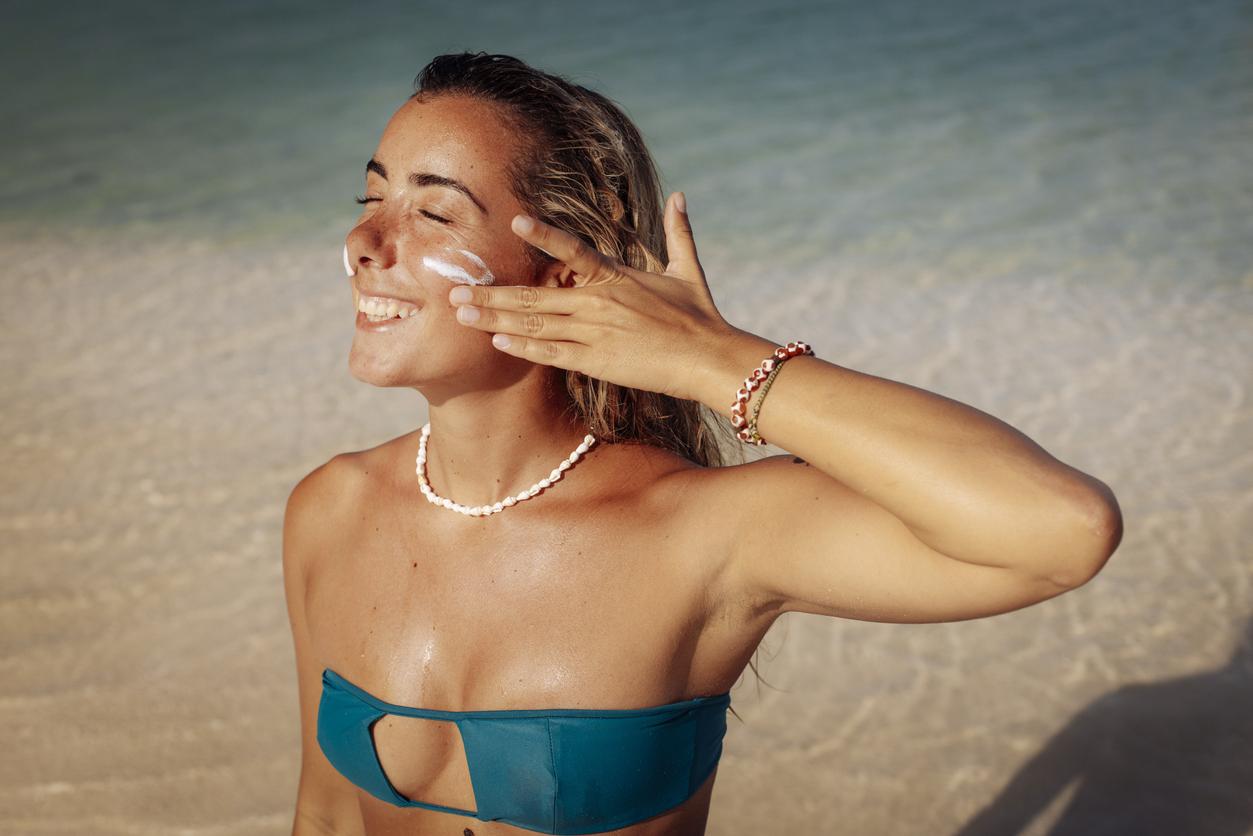
While the rest of us were slathering on tanning oil in our twenties, these boomers were already wearing SPF 30 daily. One seventy-something friend told me she started wearing sunscreen on her face and hands every single day since 1975, rain or shine.

“People thought I was paranoid,” she laughed, showing me her remarkably smooth hands next to mine. The difference was striking.

They don’t just wear sunscreen at the beach. They apply it before their morning coffee, reapply if they’re outside for extended periods, and many wear wide-brimmed hats without caring if it messes up their hair. This single habit alone accounts for so much of their youthful appearance that dermatologists often guess their age as ten to fifteen years younger.

2. They move their bodies every single day

Not gym sessions. Not CrossFit. Just consistent, daily movement.

The boomers who get compliments have been walking, swimming, dancing, or gardening nearly every day for decades. One gentleman I know has walked his neighborhood loop every morning since 1982. Another woman has been doing gentle yoga stretches while her coffee brews for thirty years.

When I took up trail running at 28 to manage work stress, I thought I was being proactive. These folks started moving daily in their twenties and never stopped. Now in their sixties and seventies, they have the posture, flexibility, and energy that makes them appear decades younger. Their secret? They never let a day go by without some form of movement, even if it’s just a ten-minute walk around the block.

3. They hydrate like it’s their job

Watch a boomer who looks great for their age, and you’ll notice they’re constantly sipping water. Not fancy vitamin water or energy drinks. Just plain water, sometimes with lemon.

They figured out decades ago what we’re just learning from Instagram wellness influencers. Proper hydration affects everything from skin elasticity to energy levels. One woman told me she’s been drinking eight glasses of water daily since the 1970s when her mother-in-law suggested it would help her complexion. “Back then, people thought I was weird carrying a water bottle everywhere,” she said. Now everyone does it, but she’s been reaping the benefits for fifty years.

4. They go to bed at the same time every night

While we’re scrolling phones at midnight, these boomers are already three hours into their sleep cycle. They treat bedtime like a non-negotiable appointment, usually between 9:30 and 10:30 PM, and they stick to it even on weekends.

The consistency matters more than the exact time. Their bodies have adapted to a rhythm that supports cellular repair, hormone regulation, and all those processes that keep us looking and feeling young. They wake up naturally, without alarms, looking refreshed while the rest of us are mainlining coffee to function.

One friend jokes that she’s been “boring” about bedtime since college, but her skin looks like she’s had thousands of dollars of treatments. She hasn’t. She’s just been getting eight hours of quality sleep for forty-plus years.

5. They eat real food, mostly plants

These boomers aren’t following the latest diet trends. They’ve been eating basically the same way since the 1970s: whole foods, lots of vegetables, moderate portions.

They shop the perimeter of grocery stores, cook most of their meals at home, and treat processed foods as occasional treats rather than staples. Many of them started this way of eating before it was trendy, often for economic reasons. “We couldn’t afford to eat out much when the kids were young,” one woman explained, “so I learned to cook everything from scratch.”

As someone who went vegan years ago, I appreciate how ahead of their time they were. They were eating kale before it was a superfood and limiting sugar before we knew about inflammation. The result? Clear skin, healthy weight maintenance, and energy levels that put younger folks to shame.

6. They maintain genuine social connections

The boomers who look vibrant have something beyond good skin: they radiate warmth and engagement that comes from meaningful relationships. They’ve maintained friendships for decades, meet regularly with groups, and prioritize face-to-face interaction over digital communication.

Research backs this up completely. Social connection affects our physical appearance through stress reduction, immune function, and even cellular aging. These folks have book clubs, walking groups, volunteer commitments, and regular coffee dates that keep them engaged and glowing with social vitality.

7. They practice stress management without calling it that

Long before meditation apps existed, these boomers were managing stress through simple daily practices. Some garden. Others do crossword puzzles. Many have a morning routine of quiet coffee and newspaper reading that serves as meditation without the label.

Initially, I thought meditation was too “woo-woo” for my analytical mind, but these practical boomers showed me that stress management doesn’t need to be complicated. They’ve been taking deep breaths, going for walks when upset, and maintaining perspective for decades. The result shows in their faces: fewer worry lines, less tension, more genuine smiles.

8. They moisturize consistently and simply

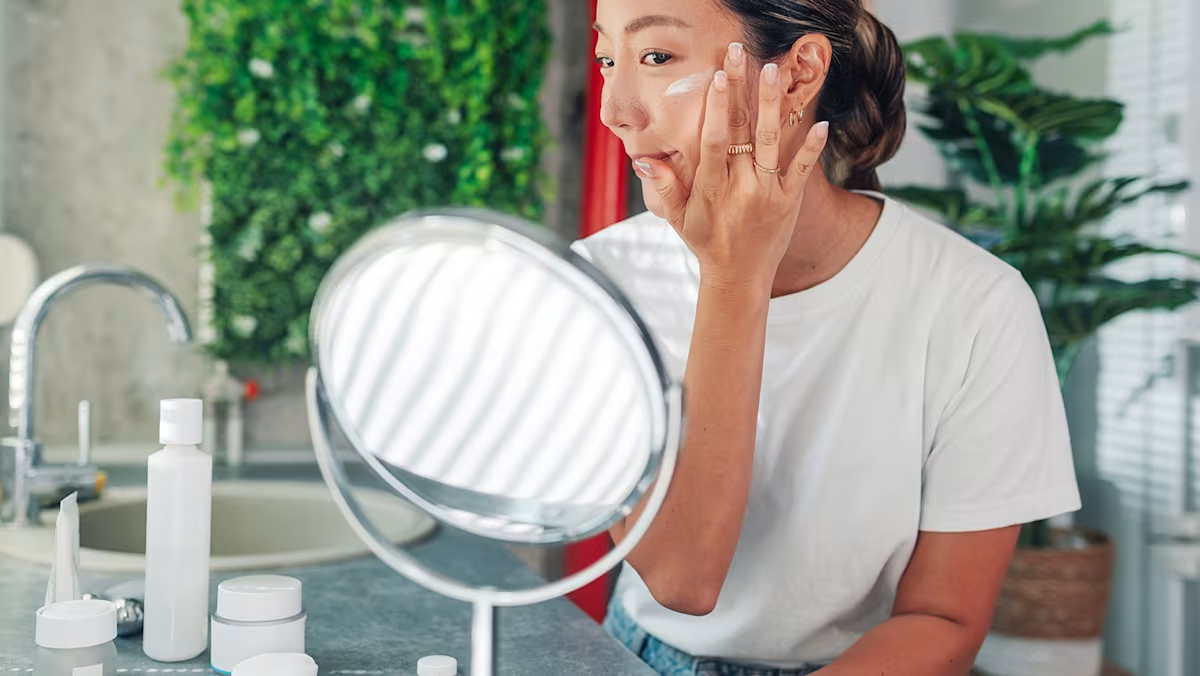
Forget ten-step skincare routines. The boomers with great skin have been using the same basic moisturizer for decades. They apply it after washing their face in the morning and before bed. That’s it.

One woman showed me her bottle of Pond’s Cold Cream. “Same brand since 1969,” she said proudly. Her skin looked like silk.

They don’t chase every new serum or treatment. They found something that worked and stuck with it, applying it consistently through pregnancies, career changes, and everything life threw at them. The compound effect of this simple habit over fifty years beats any expensive treatment.

Final thoughts

What strikes me most about these routines is their simplicity. No expensive equipment, complicated procedures, or exclusive products. Just consistent daily habits maintained over decades.

The boomers who still turn heads didn’t discover a fountain of youth. They discovered the power of compound interest applied to health and appearance. Small actions, repeated daily for forty or fifty years, create remarkable results.

Looking at them now, glowing with vitality in their sixties and seventies, I’m reminded that the habits we build today determine how we’ll look and feel decades from now. Maybe we should spend less time searching for the next quick fix and more time adopting these simple, time-tested routines that actually work.

The best part? You can start any of these today. Pick one, make it a habit, and trust the process. Your future self will thank you.


If You Were a Healing Herb, Which Would You Be?

Each herb holds a unique kind of magic — soothing, awakening, grounding, or clarifying.
This 9-question quiz reveals the healing plant that mirrors your energy right now and what it says about your natural rhythm.

✨ Instant results. Deeply insightful.
 

Tags: , , , , , , , ,
Effective Preventive Anti-Aging Strategies for 20s, 30,s 40s

Effective Preventive Anti-Aging Strategies for 20s, 30,s 40s

Quick Answer

Preventative anti-aging works best when started early and tailored by decade. In your 20s, prioritize broad-spectrum sunscreen and antioxidants to shield against UV damage. Your 30s benefit from introducing gentle retinoids and hydration. By the 40s, focus on collagen support and targeted therapies. Consistent habits like these slow visible changes, promoting firmer, radiant skin over time. Evidence shows daily protection reduces photoaging significantly.

Introduction

Many people notice subtle shifts in their skin as years pass, from a slight loss of glow to emerging fine lines around the eyes or mouth. These changes often stem from natural processes combined with environmental factors, yet proactive steps can make a real difference. Skin aging prevention involves protecting and supporting the skin’s structure before deeper signs appear, leading to healthier results in later decades.

Options like Vive Med Spa botox illustrate how neuromodulators relax muscles to soften expression lines gently. Building an effective anti-aging skincare routine early helps maintain elasticity and brightness.

Tailoring approaches to your current age allows for gradual improvements, fostering confidence in your skin’s resilience. As habits compound, the focus shifts toward sustainable practices rather than quick fixes.

Building a Solid Anti-Aging Skincare Routine by Decade

Tailoring daily habits to your age helps address emerging concerns effectively while reinforcing protective barriers. Routines evolve as needs shift, emphasizing defence in earlier years and repair later on. Consistency remains key, with simple steps yielding cumulative benefits.

Essentials for Your 20s: Focus on Protection

This decade centers on shielding against environmental stressors to delay premature changes. Start with gentle cleansing twice daily, followed by lightweight moisturizers.

  • Apply broad-spectrum sunscreen every morning, reapplying as needed outdoors
  • Incorporate antioxidant serums containing vitamin C to fight free radicals
  • Use mild hydration products to maintain barrier function
  • Adopt lifestyle supports like sufficient water intake and balanced nutrition

These practices build resilience, keeping texture smooth and tone even.

Refinements for Your 30s: Introducing Actives

Fine lines may begin appearing around the eyes or forehead, prompting gentle stimulation of renewal. Layer products thoughtfully to avoid irritation.

  • Continue daily sun protection as the cornerstone
  • Add hyaluronic acid for deeper moisture retention
  • Introduce low-strength retinoids a few nights weekly to encourage cell turnover
  • Include eye creams targeting early crow’s feet

Patience pays off, as skin adjusts gradually to these additions.

Advanced Steps for Your 40s: Supporting Structure

Volume shifts and deeper creases often emerge, calling for ingredients promoting firmness. Prioritize nourishing formulas alongside protection.

Age

Core Focus

Key Additions

Frequency

20s

Defense

Sunscreen, antioxidants

Daily

30s

Renewal

Retinoids, hyaluronic acid

Gradual introduction

40s

Firmness

Peptides, richer moisturizers

Consistent nightly

  • Layer peptide serums to aid elasticity
  • Opt for creamy textures, combating dryness
  • Maintain all prior habits for ongoing defence

Adjusting gradually prevents overwhelm, allowing visible improvements over months.

Retinol vs Tretinoin: Key Differences and Choices

Many seek retinoids for their proven ability to refine texture and fade early signs of wear. Two stand out: retinol, available over the counter, and tretinoin, a prescription-strength option. Understanding their distinctions guides better decisions.

How They Work and Strength Levels

Both derive from vitamin A, binding to receptors that boost cell renewal and collagen synthesis. Retinol converts slowly in the skin, offering milder effects suitable for beginners. Tretinoin acts directly, delivering faster, more potent results yet often with initial redness or peeling.

Suitability by Age and Tolerance

In younger years, retinol fits well for gradual introduction without disruption. Those in later decades might lean toward tretinoin if handling stronger formulas, though patch testing matters regardless.

Aspect

Retinol

Tretinoin

Availability

Over-the-counter

Prescription only

Potency

Milder, slower conversion

Stronger, direct action

Common Side Effects

Minimal dryness

Potential irritation, flaking

Ideal Starting Point

Sensitive or beginner skin

Experienced users seeking speed

Start low and slow with either, applying pea-sized amounts at night over moisturizer. Sunscreen becomes non-negotiable during the day, as sensitivity to light increases. Over time, tolerance builds, revealing smoother, brighter outcomes.

Exploring the Best Anti-Aging Treatments Available

Beyond daily care, targeted interventions address specific concerns like uneven pigmentation or loss of contour. These range from at-home devices to clinic-based procedures, each backed by varying levels of clinical evidence. Choosing wisely depends on individual goals and tolerance.

Non-Invasive Options for Everyday Use

Light-based tools and topical enhancements offer accessible starting points.

  • LED masks stimulate deeper layers with red or blue wavelengths for improved tone
  • Microneedling rollers at home promote the absorption of serums
  • Chemical peels with mild acids exfoliate surface buildup

Results appear gradually, complementing consistent routines.

Professional Procedures with Stronger Impact

Dermatologist-guided approaches often yield noticeable shifts faster.

Treatment Type

Primary Benefit

Downtime

Sessions Needed

Laser resurfacing

Even texture, reduces spots

Several days

1–3

Radiofrequency

Tightens without surface damage

Minimal

3–6

Ultrasound therapy

Lifts deeper tissues

None

1–2 annually

These methods stimulate natural rebuilding processes effectively. Consulting specialists helps match options to skin type and history, minimizing risks while maximizing outcomes.

Effective Collagen-Boosting Treatments to Consider

Collagen forms the scaffolding that keeps skin plump and firm, yet its natural decline accelerates after the 30s. Boosting efforts target production through ingredients, devices, or procedures, helping restore bounce without invasive measures.

Topical and Oral Approaches

Daily applications or supplements provide foundational support accessible to most.

  • Serums with peptides signal cells to ramp up synthesis
  • Vitamin C stabilizes new fibres while brightening overall appearance
  • Bone broth or hydrolyzed supplements supply amino acids internally
  • Plant-based options like silica from herbs aid indirect pathways

Consistency over months reveals subtle firming.

In-Clinic Methods for Deeper Results

Specialist interventions penetrate further for enhanced effects.

Method

Mechanism

Expected Timeline

Considerations

Microneedling with radiofrequency

Combines channels and heat

3–6 sessions

Mild redness post-treatment

Injectable stimulators

Poly-L-lactic acid prompts growth

Gradual over months

Natural-looking volume

Focused ultrasound

Heat zones trigger repair

Visible in 2–3 months

No downtime

These build progressively, aligning with individual recovery rates. Pairing any choice with sun protection amplifies longevity, as UV rays degrade new structures quickly.

Long-Term Habits for Sustained Youthful Skin

Maintaining a vibrant complexion over decades hinges on woven-in practices rather than sporadic efforts. Small, steady choices compound, preserving resilience against time’s subtle toll.

Daily and Lifestyle Foundations

Incorporate these reliably for ongoing support.

  • Prioritize sleep of seven to nine hours nightly to aid overnight repair
  • Stay active with regular movement, boosting circulation and oxygen delivery
  • Eat colourful produce loaded with omega-3 fats and polyphenols
  • Manage stress through mindfulness or hobbies to curb cortisol’s breakdown effects

Hydration from within, via plenty of water, keeps tissues supple.

Monitoring and Adjusting Over Time

Track changes subtly to refine approaches.

Habit

Frequency

Long-Term Payoff

Sun avoidance

Daily, especially midday

Fewer spots and wrinkles

Gentle exfoliation

Weekly

Brighter, even surface

Annual check-ups

Yearly with a specialist

Early detection of shifts

Adapt as needs evolve, perhaps adding facial massage for lymphatic flow. Commitment here turns back the clock gradually, rewarding patience with a lasting glow. Starting skin aging prevention through these means proves most rewarding in the long run.

Embracing Skin Aging Prevention for Lasting Results

Proactive steps in your 20s, 30s, and 40s yield enduring rewards. Start with broad protection and hydration, then layer in actives like retinoids for renewal. By midlife, emphasize support for firmness and structure. These tailored habits minimize fine lines, maintain even tone, and preserve elasticity.

Remember, consistency trumps intensity. Simple daily choices compound over time, turning potential concerns into a confident glow. Skin aging prevention isn’t about halting time but navigating it gracefully. Commit to these practices, and your reflection will thank you years ahead.

Tags: , , , , , ,
9 Moisturizers That Fix Flaky Winter Skin Overnight

10 Thoughtful Skincare Essentials For A Smarter 2026 Routine

10. Skinvest Body Cream Bomb Bum Cream

Smarter body care in 2026 focuses on performance-driven formulations and Skinvest Bomb Bum Cream stands out with its dermatologist-approved, targeted design. Created to firm, tighten and improve skin elasticity, this high-performance body cream helps reduce the appearance of stretch marks and stubborn cellulite. 

The built-in five-metallic-ball massager enhances product absorption while stimulating microcirculation for visible sculpting benefits. With regular use, skin feels smoother, more supple and visibly refined which makes this cream an intelligent addition to a results-oriented body care routine.

Frequently Asked Questions (FAQs) 

Q. What makes a skincare routine “smarter” in 2026?

A. A smarter routine focuses on barrier health, proven ingredients, daily protection and long-term skin resilience.

Q. Are these skincare products suitable for sensitive skin?

A. Most products highlighted are formulated to be gentle, barrier-friendly, and suitable for sensitive skin types.

Q. Why is skin barrier care important?

A. A strong skin barrier helps retain moisture, reduce irritation, and improve the effectiveness of other skincare products.

Q. Can I use these products in a minimal routine?

A. Yes, these essentials are designed to work efficiently, making them ideal for simplified, results-driven routines.

Q. Is sunscreen necessary even indoors or on cloudy days?

A. Yes, daily SPF helps protect against UV damage and prevents dullness and premature skin ageing.

Also Read: 7 Under Eye Brighteners That Hide Dark Circles Instantly

Tags: , , , ,
How much retinol, Vitamin C and acids does your skin really need? Dermatologists explain

How much retinol, Vitamin C and acids does your skin really need? Dermatologists explain

So what is the right amount? “The goal is consistency and tolerance, not intensity,” said Dr Ho.

1. Vitamin A (retinol and retinoid) 

Optimal concentration: 0.25 – 0.5 per cent for retinol; 0.025 – 0.05 per cent for retinoid, depending on skin type. 

Application: A pea-sized amount for the entire face, twice to three times a week at the start, increasing to nightly if the skin is able to tolerate it. 

Best time: Only at night as retinoids break down under UV and can make skin more sun-sensitive. 

Potential side effects: Retinoid dermatitis (dryness, flaking, redness and a burning sensation) 

2. Vitamin C (L-ascorbic acid, sodium ascorbyl phosphate and magnesium ascorbyl phosphate)

Optimal concentration: Ten to 20 per cent for most skins and 5 to 10 per cent for sensitive skins. Anything above 20 per cent doesn’t necessarily improve efficacy.

Application: A thin, even layer for the face. 

Best time: Mornings to boost your sunscreen’s UV protection and fight daytime free radical damage. 

Potential side effects: Stinging, redness, dryness and even breakouts from overly acidic or high-strength formulations, especially over 20 per cent.

3. Alpha Hydroxy Acids (glycolic acid, lactic acid and citric acid)

Optimal concentration: Five to 10 per cent as a daily leave-on and up to 20 per cent for weekly exfoliating treatments.

Application: A 20-cent coin-sized amount applied in a thin, even layer; avoiding around the eyes and mouth, which can be more sensitive.

Best time: At night as it can increase sun sensitivity during the day. 

Potential side effects: Over-exfoliation can lead to skin tightness, peeling or micro-tears, heightened sensitivity and increased risk of hyperpigmentation. 

4. Beta Hydroxy Acids (salicylic acid)

Optimal concentration: 0.5 to 2 per cent for most skins.

Application: Two to three times a week initially, increasing to daily or every other day. In addition, start at the affected areas (clogged pores and breakouts) or over oilier areas such as the forehead or nose, before extending to the rest of the face. 

Best time: Either morning or night. 

Potential side effects: Excess dryness, irritation and peeling, especially around the nose and mouth. In darker skin tones, it may also trigger post-inflammatory hyperpigmentation. In addition, combining multiple exfoliants, such as BHA with AHA and retinol, can compound irritation risk. 

5. Niacinamide

Optimal concentration: Five per cent, though sensitive skins should opt for 2 to 3 per cent. 

Application: One pump or four to five drops for full-face coverage. 

Best time: Morning and night. 

Potential side effects: While generally well-tolerated, however, too much can over-stimulate the skin and disrupt its natural pH balance. 

Caution: Concentrations above 10 per cent can cause flushing, itching or irritation, especially in sensitive skins. 

6. Hyaluronic Acid 

Optimal concentration: One to 2 per cent. Look for multiple molecular weights of hyaluronic acid for best results. 

Application: One to two pumps onto damp skin to boost hydration effects.

Best time: Twice daily. 

Potential side effects: Though inherently gentle, using too much without proper hydration (that is, sealing with moisturiser after) can paradoxically dehydrate the skin as it’s a humectant that can pull water from the deeper skin layers when skin is dry.

7. PDRN

Optimal concentration: 0.5 to 1 per cent, which translates to 5,000ppm to 10,000ppm.

Application: One pump for the whole face after cleansing and before moisturiser.

Best time: Nightly to support skin repair. Also ideal for post-aesthetic treatment recovery too. 

Potential side effects: Overuse or unregulated concentrations may lead to congestion or temporary breakouts due to its regenerative property. 

5 MORE FACTORS TO CONSIDER TO BOOST SKINCARE EFFICACY

Tags: , , , , ,
Download app

Hydrating foods and skincare tips for natural radiant cheeks and healthy skin glow

A healthy, rosy glow on the cheeks is often a sign of good skin health and circulation. While makeup can give instant colour, natural glow comes from consistent care, nourishment, and the right habits. Here’s how you can achieve naturally glowing cheeks without relying on heavy products.

HYDRATION IS THE FIRST STEP TO GLOW

Well-hydrated skin reflects light better, making cheeks look naturally plump and radiant. Drink enough water throughout the day and include water-rich foods like cucumber, oranges, and watermelon in your diet to keep skin supple.

NOURISH YOUR SKIN WITH A BALANCED DIET

Your diet directly affects your skin’s glow. Foods rich in vitamin C, healthy fats, and antioxidants help boost collagen and improve blood circulation, giving cheeks a natural flush.

USE NATURAL INGREDIENTS FOR A ROSY TINT

You don’t need chemical blushes for colour. Natural ingredients can enhance your cheeks gently over time.

  • Beetroot juice: Adds a natural pink tint

  • Rose water: Soothes skin and improves tone

  • Aloe vera gel: Hydrates and enhances glow

  • Apply lightly and wash off after 10–15 minutes.

FACIAL MASSAGE FOR BETTER BLOOD CIRCULATION

Regular facial massage increases blood flow, which naturally brightens the cheeks. Use gentle upward strokes with clean hands or a facial roller for 5 minutes daily to stimulate circulation and reduce dullness.

EXFOLIATE GENTLY, NOT EXCESSIVELY

Dead skin cells can make cheeks look dull. Mild exfoliation once or twice a week helps reveal fresh skin underneath. Use gentle scrubs or natural exfoliants like oatmeal or rice flour mixed with curd.

GET ADEQUATE SLEEP AND MANAGE STRESS

Lack of sleep and high stress levels can make skin look tired and lifeless. Aim for 7–8 hours of sleep and practice stress-relieving activities like yoga or deep breathing for a healthy glow.

PROTECT YOUR SKIN FROM SUN DAMAGE

Sun exposure can cause pigmentation and uneven tone. Apply sunscreen daily to protect your cheeks and maintain their natural brightness, even when indoors.

If you want a natural glow on your cheeks, focus on hydration, nutrition, gentle skincare, and healthy lifestyle habits. Consistency not quick fixes is the key to long-lasting radiance.

– Ends

Published By:

Chaitanya Dhawan

Published On:

Jan 6, 2026

Tags: , , , , , , , , ,
Aυτό το προϊόν ομορφιάς που μονοπώλησε τις online αναζητήσεις το 2025

Aυτό το προϊόν ομορφιάς που μονοπώλησε τις online αναζητήσεις το 2025

Aυτό το προϊόν ομορφιάς που μονοπώλησε τις online αναζητήσεις το 2025 – Newsbeast

play


Φράσεις όπως «serum με άμεσα αποτελέσματα», «προϊόν που αξίζει τα χρήματά του» και «πώς να βελτιώσω την υφή του δέρματός μου» κυριάρχησαν στις αναζητήσεις και αυτό ανταποκρίνεται

Tags: , , , , , , , ,
2026's Biggest Skincare Trends to Try Now

2026’s Biggest Skincare Trends to Try Now

It was only a matter of time before the concept of “longevity” made its way into our skincare routines. While the term is often overused, 2026 marks a turning point—one in which longevity is no longer about marketing spin, but about cultivating skin cells that work harder for us. We’re after skin that is resilient, able to repair itself, and looks (and, crucially, feels) good not just now, but for years to come.

“We’re moving away from ambiguous claims and superficial trends and into an era defined by quantifiable biology, measurable outcomes, and a demand for transparency,” says dermatologist and founder of Klira, Dr. Emma Craythorne. “Consumers are no longer satisfied with vague promises of glow and hydration—they want to understand mechanisms, data and longevity. And truthfully, so do we as clinicians.”

From cellular health and personalized treatment plans to next-generation LED that goes further than ever before, Vogue speaks to the experts to uncover the ingredients, innovations and treatments shaping skin health in 2026.

Biostimulators and regenerative treatments

Regeneration sits at the heart of skincare in 2026. “My patients are increasingly focused on the long-term health of their skin and are seeking regenerative treatments that look natural, rather than quick fixes or dramatic changes,” says Dr. Wassim Taktouk. The overfilled, over-frozen (even just a bit) aesthetic has had its day; in its place is a desire for luminosity, movement and healthy-looking skin. “The demand for treatments that respect skin health and tissue integrity will only continue to grow,” he adds.

Biostimulators—injectables that trigger the skin’s own collagen production—are central to this shift. Unlike traditional fillers, they offer both an immediate effect and progressive improvement over time. Julaine, a newer bio-activator, is one to watch. Using poly-L-lactic acid technology, it stimulates the tissue-supporting network around skin cells—what Dr. Taktouk calls “the skin’s factory for all the good stuff”—supporting natural collagen and elastin production with minimal inflammation.

“It delivers tighter, firmer skin with improved tone and texture, but without looking ‘done’,” he says. “It’s ideal for patients who want to look like a better version of themselves, not different.” Sculptra, another poly-L-lactic acid-based treatment, is also experiencing a renaissance, according to Dr. Ash Soni, as patients increasingly prioritise gradual, natural regeneration.

Skin cell health

Topical skincare is following the same regenerative logic, with a focus on mitochondrial health—also known as the engines of our cells. Ingredients that support mitochondrial function help skin cells generate more energy (ATP), repair damage more efficiently and withstand environmental stress, resulting in healthier, more resilient skin for longer.

Expect to see formulas rich in CoQ10, NAD+ boosters such as niacinamide and NMN, peptides, antioxidants like vitamin C and resveratrol, and alpha-lipoic acid. Dr. Craythorne also points to the rise of diagnostic clinical tests capable of measuring cellular stress, mitochondrial function and barrier integrity, paving the way for genuinely personalized skincare.

Ectoin

Next year’s hottest skincare ingredient? Ectoin, a natural amino acid derivative that protects and strengthens the skin by forming a hydration shield around skin cells—Google searches are up 60% in the last month. Helping the skin hold onto moisture, it also reduces inflammation and irritation, while defending the skin against environmental stressors like pollution, UV exposure, and changes in temperature, for more hydrated, resilient skin.

Peptides, redefined

“Peptides will take centre stage in 2026 as we move away from aggressive exfoliation and overly complicated routines, and towards barrier-repairing, microbiome-friendly and healing skincare,” says Dr. Brendan Khong.

“Peptides are the building blocks of the skin,” Dr. Khong explains. “They act as messengers, signalling the skin to produce more collagen and elastin, while also offering anti-inflammatory benefits that reduce redness and premature ageing.”

Tags: , , ,
Four Essential Skincare Products For Harsh Winter Skin In NJ

Four Essential Skincare Products For Harsh Winter Skin In NJ

You’re not the only one battling dry skin in South Jersey this winter. Cold temps, harsh winds, and indoor heat can do a number on your face fast. Trust me… I’m speaking from experience.

If you’re new to skincare, here’s the good news: you don’t need a 10-step routine. Experts agree that winter skincare comes down to just four essentials: cleanser, serum, moisturizer, and SPF. That’s it.

If you’re building a routine for the first time this year, it’s probably best to think of skincare as maintenance, not AT ALL like perfection.

The goal is to hydrate, protect, and cleanse without stripping your skin. That’ll make dry winter skin even worse. Everyone’s skin is different, though. That’s totally normal. What really matters is choosing products that actually work for your skin type.

Foaming Face Cleanser

Photo by The Good Hygenie Co TGHC on Unsplash

Start With A Gentle Cleanser

A hydrating cleanser removes dirt and oil without wrecking your skin barrier. If you have dry or sensitive skin, try cream or milky cleansers. If you have more oily or acne-prone skin, gentle gel cleansers are best. For combination skin, foam or balancing cleansers are your best bet.

Face Serum

Photo by sarah b on Unsplash

Add A Serum

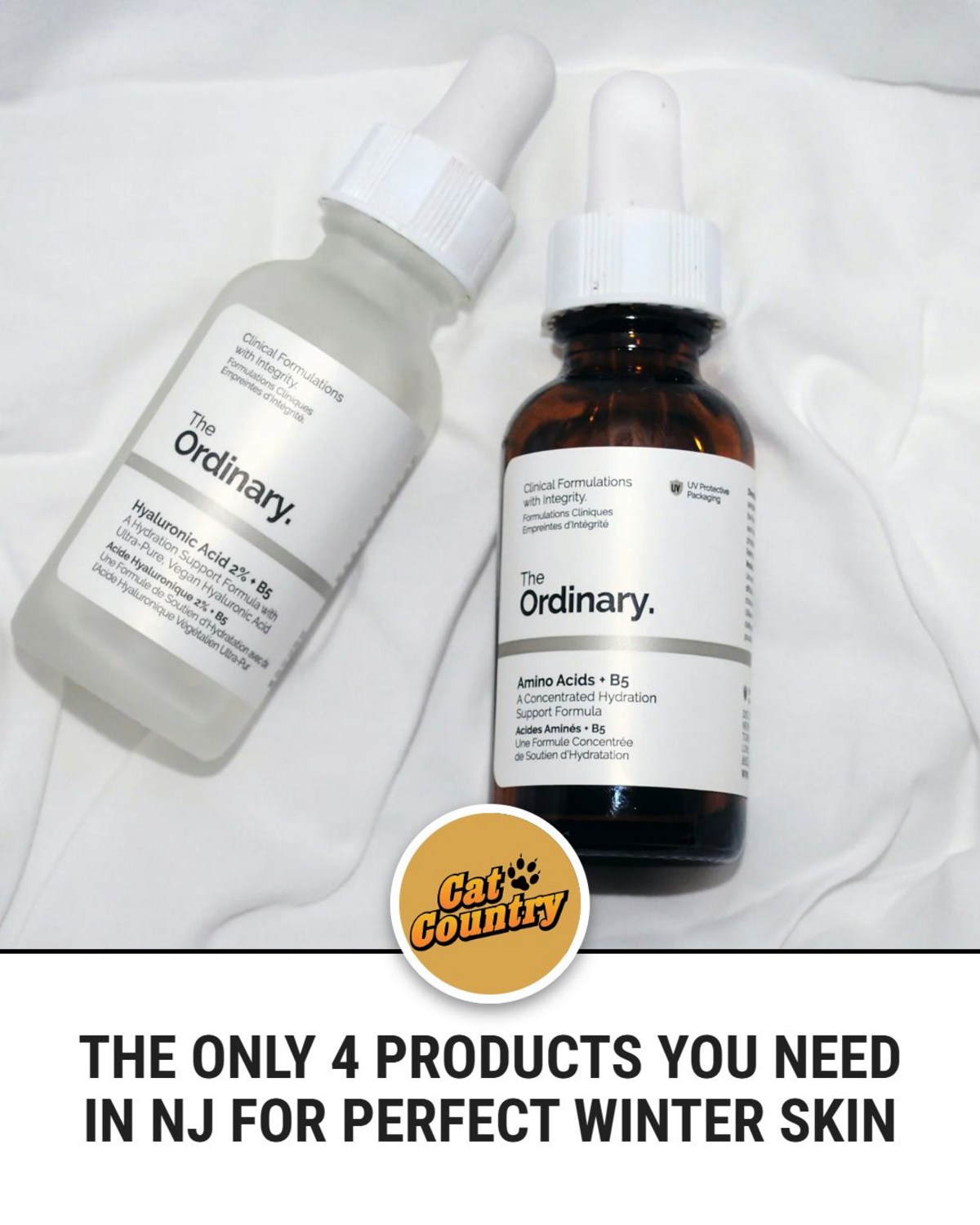
When it comes to winter skin, serums do the heavy lifting when it comes to healing. Look for serums with Hyaluronic acid or glycerin. You’re going to want to add vitamin C if you have dull skin. Battling acne? Cue niacinimide or salicylic acid.

Cetaphil Moisturizer

Photo by Zoshua Colah on Unsplash

Lock It In With Moisturizer

Winter is not the time to skip moisturizer. Make sure you’re using thicker creams with ceramides on dry skin. For oily skin, opt for more lightweight, oil-free lotions. If you have sensitive skin, make sure everything is fragrance-free.

SPF Face Cream

Photo by Natallia Photo on Unsplash

Never Skip SPF (Even In Winter)

Unfortunately for us all, UV rays don’t take the season off. The experts recommend using SPF 30+ daily to protect against aging and damage.

It may be the new year, so it’s great to hear that you’re focusing on yourself… including your skin. The truth is skincare doesn’t need to be complicated.

The best advice for you is to keep it basic, stay consistent, and let your skin do its thing.

The Best Tips For Top Tier Winter Skincare

When we think of protecting our skin, we usually think about slathering on the sunscreen at the beach, but our skin needs protection year-round especially as temperatures drop.

Gallery Credit: ThinkStock

7 Skincare Products Being Recalled Due To Cancer Risk

Check your cabinets! These creams and lotions are being recalled due to elevated levels of benzene.

Gallery Credit: Chris Cardenas

Tags: , , , , ,
Here's how you can you this natural skin elixir

Here’s how you can you this natural skin elixir

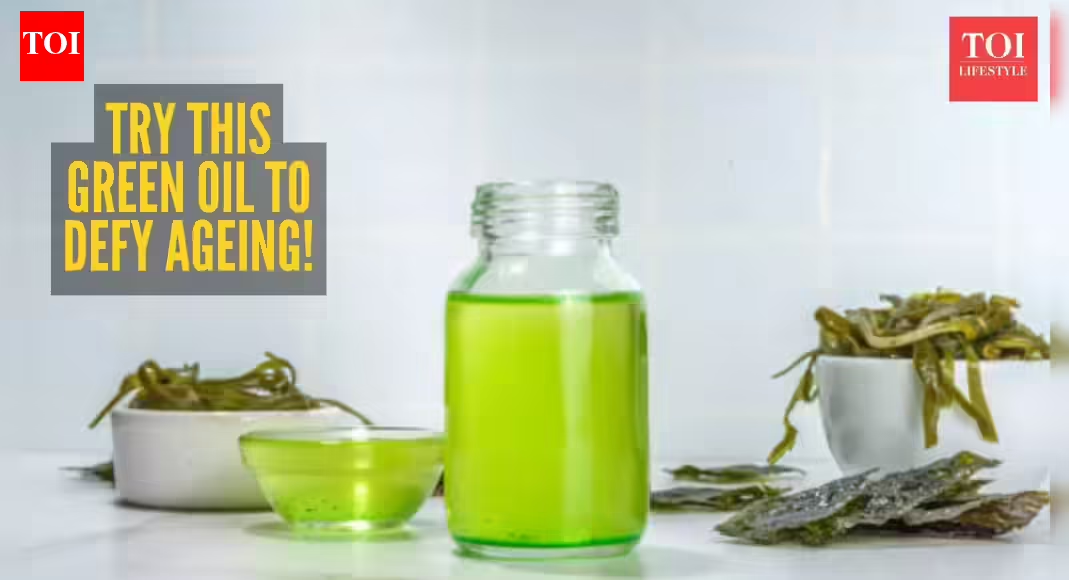
Algae oil works for most skin types, especially if your skin feels tight, tired, or easily irritated. It’s gentle, doesn’t clog pores easily, and plays well with other products. That said, a quick patch test is never a bad idea, skin can be unpredictable like that.

At first glance, algae oil might sound like just another trendy ingredient. But once you understand what it does, and see how your skin responds, it makes sense why it’s quietly earning a spot in so many routines.

No big promises. No loud claims. Just a simple, sea-derived oil helping your skin age a little more gracefully.

And sometimes, that’s exactly what good skincare should do.

Tags: , , ,
Best oLive
Privacy Overview

This website uses cookies so that we can provide you with the best user experience possible. Cookie information is stored in your browser and performs functions such as recognising you when you return to our website and helping our team to understand which sections of the website you find most interesting and useful.