How To Achieve The Biggest Beauty Trend Of 2026: 'Less Is More'

How To Achieve The Biggest Beauty Trend Of 2026: ‘Less Is More’

Beauty gurus have been opting for more minimalistic beauty routines recently. We are seeing a shift to prioritising ‘beauty from within’, where beauty enthusiasts are choosing to focus on minimalist skincare and are reducing the number of makeup products they use.

Why should we jump on board with this trend? By allowing the skin barrier to repair itself through pared-back skincare regimes and lightweight makeup, your skin can be more rejuvenated, radiant and luminous. It’s less time and less effort, not to mention easier on the environment and your wallet! 

Here are some trusty must-have products to achieve the ‘less is more’ look:

LASH SERUM: Coverluxesilk Lash Luxe Advanced Eyelash Growth Serum

RRP: $68.95
Stockist: https://coverluxesilk.com/ 
Coverluxesilk Lash Luxe™ is a gentle formulation of natural elements, dermatologically tested and proven to increase your eyelashes’ length, thickness, and overall strength. Our cutting-edge formula features a blend of Organic Plant Extracts, Peptides, Biotin, and Pro-Vitamins including B5 and E that work simultaneously to produce breathtaking growth results in as little as 7 days!

FOUNDATION: Nu Skin Nu Colour Bioadaptive BB+ Skin Loving Foundation

RRP: $77

Stockist: https://www.nuskin.com/en_AU/home.html

Makeup that doubles as skincare. Nu Skin’s Nu Colour Bioadaptive* BB+ Skin Loving Foundation rewrites the rules of makeup. It cleverly combines the payoff and staying power of a foundation (up to 12 hours!) with the skin-nourishing benefits of a BB cream. The hybrid formula imparts a luminous, second-skin finish – the kind that feels effortlessly invisible, just the way you like it.

CLEANSER: Nourishing Cleansing Oil

RRP: $45

Stockist: www.jurlique.com.au

On contact with water, this light cleansing oil transforms into a rich cleansing milk that softens the skin as it removes makeup including waterproof mascara, excess oil, pollution and impurities. It’s enriched with exceptional plant-based oils to nourish the complexion to improve suppleness. Skin feels smoother and softer, and looks more radiant.

TONER: Activating Water Essence

RRP: $80

Stockist: www.jurlique.com.au

This silky lightweight essence perfectly prepares the skin for optimal hydration by harnessing two powerful Marshmallow Root extracts. This combination actively improves the skin’s ability to retain moisture for optimal skin preparation and superior penetration of products to follow. This essence is free from all artificial colours, artificial fragrances, parabens, and sulphates.

SERUM: Nutri-Define Supreme Rejuvenating Serum

RRP: $166

Stockist: www.jurlique.com.au

Smooth out fine lines around the eyes and mouth with this silky gel serum that rejuvenates mature skin. Containing natural extracts of spilanthes flower and horseradish root from our farm that help to improve skin firmness and restore suppleness. This face serum is a must-have to address signs of ageing. High-performing active ingredients enhance and rebalance the skin.

MOISTURISER: Moisture Replenishing Day Cream

RRP: $90

Stockist: www.jurlique.com.au

The nourishing natural ingredients are hand-picked from Jurlique’s farm and formulated into a high-performing hydrating facial cream to last throughout the day. Shea butter and beeswax restore and condition dry skin while chamomile and calendula flower extracts soothe and calm redness. A blend of organic oils including jojoba, avocado, and safflower protects and nurtures the skin

SKIN TECH: Nu Skin ageLOC LumiSpa iO 

RRP: $360

Stockist: https://www.nuskin.com/en_AU/home.html

Nu Skin ageLOC® LumiSpa® iO inputs smart skincare and outputs the skin of your dreams.  Input innovative skin renewal and deep cleansing with intelligent coaching, personalised regimens, IoT technology—and more—through the Nu Skin Vera™ app. Output gorgeous, glowing, selfie ready skin—all day, every day.

Tags: , , ,
Foods That Help Your Body Handle Microplastics (What We Know So Far)

Foods That Help Your Body Handle Microplastics (What We Know So Far)

Close up side shot of microplastics lay on people hand.Concept of water pollution and global warming. Climate change idea.

Some headlines are surprising but true – like the time a German street was covered in chocolate after a factory leak. Others are the kind we really want to be true, or at least as simple as they sound.

Lately I’ve been seeing a lot of headlines about foods that supposedly remove microplastics from the body, so I clicked through and tracked down the research behind them.

Turns out, foods like tamarind and okra do bind and remove microplastics . . . from water.

And if that were the whole story, this would be a very short article.

But once I started digging, I found something more interesting: no food has yet been shown to remove microplastics from human tissues directly, but there are foods that may help your body limit absorption, support elimination, and deal with some of the damage these particles can cause.

How Microplastics End Up Inside Us

Microplastics – tiny pieces of plastic less than 5 millimeters long – are everywhere. They’ve been found in deep ocean trenches, on the summit of Mount Everest, and in the human body, too.

In everyday life, they enter our bodies through several common routes: we breathe them in through household dust, swallow them in food and drinking water, and encounter them daily through synthetic fabrics, plastic packaging, and other plastic-containing products. Research has detected microplastics in human blood, lungs, liver, kidneys, and reproductive organs, as well as other areas like the brain, heart, and placenta. (1)(2)(3)(4)

Microplastic exposure is linked to chronic inflammation, heart disease, fertility problems, and other health issues. (5)(6)

And the concern isn’t just the plastic itself; it’s what the plastic is carrying. These particles can act like tiny sponges for heavy metals and chemicals like BPA or phthalates, which are known endocrine disruptors. In short: they can mess with your hormones and trigger inflammation.

That’s why microplastics have become more than just an environmental issue – they’re increasingly being discussed as a growing public health concern.

I’ve shared several practical ways to reduce your exposure to microplastics, but that still leaves an obvious question:

What about the microplastics we’ve already been exposed to?

I wish I could give you a smoothie recipe or supplement recommendation that would handle everything all at once.

Based on what we know right now, that’s not how it works. But there is some encouraging news.

Researchers are beginning to identify specific compounds that may help the body clear ingested microplastics more effectively. In one recent study, scientists found two strains that stood out for their ability to increase microplastic excretion, reduce the amount remaining in the gut, and lower inflammation in mice. (7)

Beyond that, research also suggests that certain foods may support the systems your body already uses to limit absorption, bind particles in the gut, and move them out efficiently.

Foods That Help Your Body Handle Microplastics

While we can’t fully eliminate exposure, we can support how the body handles it. And we don’t do that by starting a strict “microplastic detox” protocol that ignores everything else the body needs – we do it by supporting the pathways and systems involved in handling them.

When it comes to diet specifically, that means focusing on foods that:

  • Support the gut barrier (our first line of defense) and microbial balance
  • Encourage a healthy gut transit time (getting things moving through your digestive tract so plastic doesn’t sit around)
  • Reduce oxidative stress (the cellular inflammation plastic causes)

Fermented Foods (Gut Barrier + Emerging Binding Research)

This is where probiotic-rich foods stop being “generally healthy” and start getting weirdly specific.

For years, probiotics have mostly been talked about in broad terms: good for the gut, good for digestion, good for immune health.

But when it comes to microplastics, researchers are zooming way in. They’re not asking whether yogurt or kimchi is “good for you” in a general sense. They’re asking whether certain individual strains of bacteria often associated with those foods can bind to microplastics, help move them out through the digestive tract, and reduce some of the inflammation they leave behind.

And so far, the answer appears to be: some of them might. A 2025 study screened 784 bacterial strains and found that two stood out – Lacticaseibacillus paracasei DT66 and Lactiplantibacillus plantarum DT88. In mice, those strains increased fecal microplastic excretion by 34%, reduced the amount left behind in the gut by 67%, and helped lower intestinal inflammation. (7)

Now, at first glance, it would be easy to assume that if one form of Lacticaseibacillus paracasei helps with microplastics, they all probably do. But even when bacteria come from the same general families, that doesn’t mean they all do the same work. A screwdriver and a wrench can sit in the same toolbox and still solve completely different problems.

However, the more researchers look for probiotics that show promise for microplastic removal, the more they seem to find. A newer 2026 study identified a kimchi-derived strain, Leuconostoc mesenteroides CBA3656, that showed strong nanoplastic-binding ability under simulated intestinal conditions and increased fecal nanoplastic excretion by more than twofold in mice. (8)

Now for the important caveat: that does not mean all kimchi, yogurt, kefir, or sauerkraut will automatically do the same thing.

Even if a particular strain is commonly associated with a certain fermented food, there can be a lot of variation from one culture or product to another, especially in wild ferments. Unless a strain is intentionally added or a food is tested, there’s no way to know for sure that it’s there.

That said, I still think fermented foods matter here.

Even when they’re not delivering one of these lab-tested strains, they can support our microbiome and help strengthen the gut barrier, which is one of the body’s first lines of defense.

And if future research continues in this direction, we may eventually see certain strains intentionally cultivated in foods or used in more targeted probiotic supplements.

Looking for a recipe to try this week? I recommend spicy kimchi or garlicky fermented radishes.

Fiber-Rich Foods (Binding + Elimination)

One way to think about fiber is as a bouncer. It helps escort some of the things your body would rather not keep around toward the exit.

That matters here because tiny plastic particles – and the compounds attached to them – are generally better off moving through the digestive tract than lingering in it. This is one reason gut transit time matters: when things move too slowly, the body has a higher chance of reabsorbing some of what it was trying to eliminate.

Fiber also helps on more than one level. Some forms of dietary fiber bind substances in the gut and carry them out through stool, which is one of the body’s main elimination routes. Fiber also supports regularity, nourishes beneficial gut microbes, and helps maintain the intestinal barrier – all of which are relevant here, since microplastic exposure has been linked to gut dysbiosis, increased intestinal permeability, and inflammation. (9)

So while we don’t have studies showing that fiber detoxes microplastics specifically, it does support several of the systems involved in moving unwanted material along and protecting the gut while that happens.

This is one reason foods like beans, lentils, oats, chia seeds, flaxseeds, chickpeas, and vegetables can be so helpful. They support regularity, healthy transit, and the everyday work of moving waste along efficiently.

Antioxidant-Rich Foods (Inflammation Support)

This is where the job shifts from getting things out to helping your body respond with more resilience.

Microplastics aren’t just inert little particles. Research suggests they can stir up oxidative stress and inflammation in a few different ways: by triggering immune responses, disrupting normal cellular energy production, carrying chemical hitchhikers like BPA and heavy metals, and putting pressure on the body’s own antioxidant defenses. (10)

That’s one reason antioxidant-rich foods matter here. In other words, this category is less about escorting unwanted stuff to the exit and more about helping the body deal with the wear and tear it may leave behind. (10)

This is where berries, green tea, herbs, spices, and colorful produce really shine. They don’t appear to remove microplastics directly, but they may help buffer some of the downstream stress associated with exposure. Think of them as part of the cleanup crew: not the ones hauling out the trash bags, but the ones repairing scuffed floors and patching drywall afterward.

Blueberries, raspberries, and strawberries are rich in anthocyanins, while green tea is known for polyphenols like EGCG.

Cruciferous vegetables deserve special mention here, because they’re doing more than one job. Vegetables like broccoli, kale, Brussels sprouts, and cabbage contain compounds such as sulforaphane, which has been widely studied for its ability to support antioxidant defenses and reduce oxidative stress and inflammation through pathways such as Nrf2 activation. (11)

Garlic and onions deserve a mention here too. Their organosulfur compounds have also been studied for antioxidant and anti-inflammatory effects. (12)

Bottom line: antioxidant-rich foods are less about detoxing microplastics and more about supporting cellular resilience while the body deals with an exposure we can reduce, but not avoid completely.

A Practical Place to Start

If you were hoping for a simple list of foods that “remove microplastics,” I get it. I was hoping for that too.

As research continues, maybe we’ll discover more probiotic strains – and possibly even some whole foods – that support microplastic detox more directly. But for now, my takeaway is this: the foundational choices many of us are already trying to make – prioritizing fermented foods, dietary fiber, and antioxidant-rich foods – are likely to be some of the most practical ways to help the body limit absorption, support elimination, and stay more resilient.

In other words, the habits that take effort are often doing more good than we can see.

It also means paying attention to the front end when we can – filtering tap water, using reusable glass or stainless steel instead of a plastic water bottle, switching to glass or stainless steel food containers, filtering indoor air, and reducing exposure from common sources of microplastics where it feels realistic to do so. (You can find more ideas here.)

I’m still working through that process too. Right now I’m researching PFAS-free toilet paper and non-toxic bathing suits because those are two swaps I still haven’t fully made. I’ve tried “better” brands before, but I hadn’t taken the time to really dig into the details until now. It’s a lot. I share what I learn here in the hope that it makes the process a little easier for you too.

And with that in mind, I’m always open to article ideas and research suggestions. If there’s a topic you’d like me to look into next, feel free to leave a comment below

Sources

  1. Roslan, N. S., et al. (2024). Detection of microplastics in human tissues and organs: A scoping review. Journal of Global Health.
  2. Leslie H.A., van Velzen M.J.M., Brandsma S.H., et. al. (2022). Discovery and quantification of plastic particle pollution in human blood. Environment International.
  3. Campen, M., Nihart, A. J., Garcia, M. A., et. al. (2024). Bioaccumulation of microplastics in decedent human brains. medRxiv.
  4. Dzierżyński, E., Gawlik, P. J., Puźniak, D., et. al. (2024). Microplastics in the human body: Exposure, detection, and risk of carcinogenesis — A state-of-the-art review. Cancers.
  5. Marfella, R., Prattichizzo, F., Sardu, C., et. al. (2024). Microplastics and Nanoplastics in Atheromas and Cardiovascular Events. New England Journal of Medicine.
  6. Zhang, C., Chen, J., Ma, S., et. al. (2022). Microplastics May Be a Significant Cause of Male Infertility. American Journal of Men’s Health.
  7. Teng, X., et al. (2025). Novel probiotics adsorbing and excreting microplastics in vivo show potential gut health benefits. Frontiers in Microbiology.
  8. Lee, J., Lee, D., Kwon, M. S., et. al. (2026). Efficient biosorption of nanoplastics by food-derived lactic acid bacterium. Bioresource Technology.
  9. Yang, X. Y., et al. (2026). Gut microbiome remodeling induced by microplastic exposure: A review of mechanisms and health implications. Gut Microbes.
  10. Bora, S. S., et al. (2024). Microplastics and human health: Unveiling the gut microbiome and potential mechanisms of toxicity. Microorganisms.
  11. Cascajosa-Lira, A., Prieto, A. I., Pichardo, S., et. al. (2024). Protective effects of sulforaphane against toxic substances and contaminants: A systematic review. Phytomedicine.
  12. Batiha, G. E. S., Beshbishy, A. M., Wasef, L. G., et. al. (2020). Chemical constituents and pharmacological activities of garlic (Allium sativum L.): A review. Nutrients.

Share with a friend! 👇

Tags: , , ,
How skincare became a signal of personal identity

How skincare became a signal of personal identity

Picture: iStock / Moyo Studio

Skincare has quietly changed. What used to be a simple, behind-the-scenes routine has become something far more personal, a reflection of how we live, what we value, and how much we actually understand about the products we use.

Brands like Nip + Fab are part of that shift, helping bring a more informed, science-led approach into everyday routines.

Also see: Why AI-powered personalised beauty is the next era of skincare and make-up

There is a noticeable change in how people are engaging with skincare. It’s no longer about blindly following a trend or copying a routine seen online.

Consumers are asking questions, reading ingredient lists, and taking a more thoughtful approach. As clinical pharmacist Niki Schoeman (MPharm) explains, skincare has moved beyond habit. It has become something more deliberate, shaped by both knowledge and personal preference.

What ends up on someone’s bathroom shelf says a lot about them. For some, it is about sustainability or cruelty-free formulations. For others, it is about proven performance and results. Either way, skincare has become a quiet but powerful form of self-expression.

Social media has played a big role in this shift. The rise of the ‘bathroom selfie’ feels like a response to years of overly polished beauty content. In a space that has often felt curated to perfection, these glimpses into real routines feel more honest.

Also see: Why your skincare stops working at a certain age – and how to adjust your routine 

There is something disarming about seeing someone in their own space, sharing what they actually use and how they use it. No heavy editing, no unrealistic expectations, just everyday skincare in its rawest form.

At the same time, this move towards authenticity has gone hand in hand with a demand for transparency. Schoeman points out that people are becoming far more selective about where they get their information. Marketing alone is no longer enough. Consumers want to understand what an ingredient does, how it works, and whether it is right for them.

That is where education becomes important. When buyers understand the basics of skincare science, they are far less likely to fall into the trap of chasing every new trend. Instead, they build routines that genuinely work for their skin.

Why peptides are having a moment

Among the ingredients gaining attention right now, peptides stand out,  not because they are loud or trend-driven, but because they fit so naturally into this more considered approach to skincare.

Peptides are essentially short chains of amino acids that act as messengers in the skin. They help signal processes that keep skin looking firm, supported, and resilient. It sounds technical, but in practice, their role is quite straightforward; they help the skin do what it’s already designed to do, just a little more efficiently. And that is part of their appeal.

Unlike more aggressive ingredients that focus on rapid resurfacing, peptides take a quieter, more supportive approach. They work in the background, making them especially appealing to consumers who are moving away from harsh routines and towards a more balanced approach.

They are also easy to incorporate into everyday skincare routines. Peptides layer well with other ingredients and are less likely to cause irritation, making them a practical option for a wide range of skin types, including sensitive skin.

Research is continuing to grow around the role certain peptides can play in supporting collagen, which naturally declines over time. As the conversation around ageing shifts from correction to maintenance, ingredients such as these are becoming increasingly relevant.

According to Schoeman, this reflects a broader change in mindset. There is now less emphasis on doing more and a greater focus on doing what is right for the skin. Over-exfoliation and overly complicated routines are beginning to give way to a more balanced approach that prioritises long-term skin health. The fundamentals, however, remain unchanged. Gentle cleansing, proper hydration and daily sun protection still form the backbone of any effective skincare routine. Peptides do not complicate that foundation; they complement it.

For brands, this shift is influencing not only how products are formulated, but also how they are communicated. Clear, honest information is becoming just as important as the ingredients themselves.

In South Africa, this approach is gaining real traction. Consumers are looking for products that deliver visible results, while also recognising the importance of protecting and maintaining their skin over time.

Ultimately, the rise of peptides speaks to something bigger than a single ingredient trend. It reflects a broader move towards consistency, simplicity and long-term thinking,  a more grounded and sustainable approach to beauty.

Also see: How to Build the Perfect Skincare Routine for Your Skin Type

Be the first to know – Join our WhatsApp channel for content worth tapping into. Click here to join!

Tags: , , ,
Skincare Mistakes to Avoid for Healthy, Clear Skin

Skincare Mistakes to Avoid for Healthy, Clear Skin

Lifestyle

-Oneindia Staff


Updated: Sunday, April 19, 2026, 8:54 [IST]

Many skincare problems come from daily habits, not bad luck. Common skincare mistakes can cause dull skin, acne, dark spots, or dryness. Small fixes can support healthy, clear skin. Focus on gentle cleansing, steady moisturising, and daily sun protection. Also watch how you use active products like retinol and acids.

Washing your face too often is a common skincare mistake. It can strip natural oils and weaken your skin barrier. This may lead to tightness, more oil, and breakouts. Cleanse twice a day, and after heavy sweat. Use lukewarm water, not hot water.

Many skincare problems like dullness and acne arise from daily habits such as overwashing, harsh products, skipping moisturizer or sunscreen, and improper makeup removal, which can be corrected with gentle cleansing, consistent moisturizing, and daily SPF.

Strong soaps and rough scrubs can irritate skin. They can also make redness and acne worse. Choose a mild cleanser that suits your skin type. For oily skin, avoid “squeaky clean” feels. For dry skin, pick a creamy, non-drying face wash.

Many people skip moisturiser to avoid oily skin. This can backfire and trigger more oil. Moisturiser helps reduce water loss and supports the barrier. For healthy, clear skin, use a light, non-comedogenic moisturiser if you get acne.

Using a heavy cream on very oily skin may clog pores. Using a very light gel on very dry skin may not be enough. Match texture to your needs. If skin feels tight after cleansing, moisturise within a few minutes to lock in moisture.

Not using sunscreen every day

Skipping sunscreen is one of the biggest skincare mistakes. UV rays can cause tanning, dark spots, and early lines. They can also worsen acne marks. Use a broad-spectrum SPF 30 or higher each day. Apply it even on cloudy days and indoors near windows.

Using too little sunscreen reduces protection. Apply enough to cover face and neck. Reapply when you are outdoors for long hours. If you sweat a lot, reapply more often. Sunscreen should be the last step of morning skincare, before makeup.

Over-exfoliating and using too many actives

Exfoliation can help with clogged pores and dullness. Too much can harm the barrier and cause burning. This may lead to more pimples and peeling. Avoid using scrubs daily. If you use acids, start slow and watch for irritation.

Mixing many strong actives is another common mistake. Using retinol, AHA, BHA, and benzoyl peroxide together can be harsh. Keep routines simple. Add one active at a time. Use it a few nights a week, then increase only if skin stays calm.

Picking, popping, and touching the face

Popping acne can push germs deeper into skin. It can cause swelling and dark marks. It may also leave scars that take long to fade. If you get painful pimples, use spot treatment. For frequent acne, consider a dermatology visit.

Touching your face often can spread oil and dirt. This can block pores and trigger breakouts. Keep hands away from the face during the day. Clean your phone screen often. Change pillowcases on a regular schedule, since they collect oil and sweat.

Using products without patch testing

Trying new skincare without a patch test can lead to rashes. Fragrance, essential oils, and strong actives may irritate. Patch test on a small area first. Wait at least 24 hours to check for redness, itching, or bumps before full use.

Do not change many products at once. If you react, it becomes hard to know the cause. Keep a simple routine for two weeks. Then add one new item. This helps you build a routine for healthy, clear skin with fewer surprises.

Not removing makeup properly

Sleeping with makeup is a major skincare mistake. It can trap oil and dirt in pores. This may lead to blackheads and dull skin. Remove makeup before bed. Use a gentle remover or cleansing balm, then follow with a mild face wash.

Rubbing hard to remove makeup can irritate skin. Be gentle around the eyes. Use soft cotton or clean hands. If you use waterproof products, choose a remover made for them. Clean makeup brushes often to reduce bacteria and acne flare-ups.

Ignoring skin type, climate, and consistency

Copying a friend’s routine may not suit your skin. Oily, dry, and sensitive skin need different care. Weather also matters in India, since heat and humidity can increase sweat and oil. Choose products based on your skin type and how it feels.

Changing products too quickly is another common issue. Skincare takes time, especially for acne marks. Use a routine for several weeks unless you have irritation. Keep steps basic: cleanse, moisturise, and sunscreen. Add treatment steps only when needed and tolerated.

Tags: , , , , ,
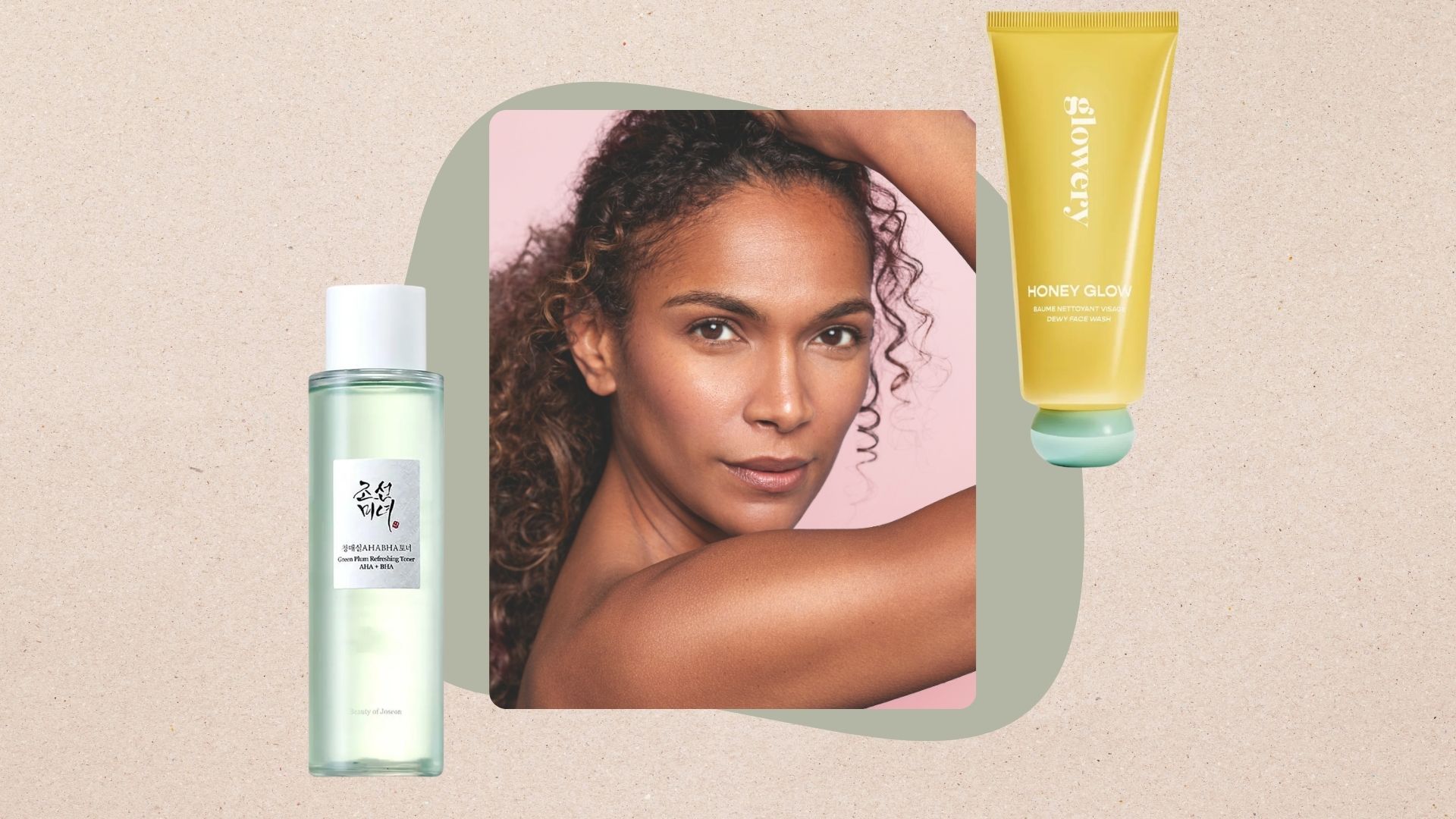
A beige backdrop with a model with glowing skin and curly dark hair and a bottle of beauty of joseon toner and glowery oil cleanser

A derm just revealed the ultimate 12-step skincare routine

Would you carry out 12 skincare steps every day? Asking for a friend. A doctor friend, no less, who has just released the ultimate “structured, doctor-led approach to adult skincare”.

It’s not as complex as it sounds. It’s six steps in the morning and six at night – some of which are the same (your best cleanser will make an appearance more than once) And as the expert behind it all, Consultant Dermatologist at The Devonshire Clinic, Dr Conal Perrett, explains, many of us are using lots of products already, but not in the most effective way.

“In reality, many people are investing consistently but not seeing meaningful change because they’re stopping short of the treatments that can make a real difference,” said Dr Perrett, after analysing YouGov’s 2026 Anti-Ageing report. And, happily, he went on to detail a step-by-step breakdown of everything we should be doing to get results.


You may like

The most effective skincare routine, according to a dermatologist

YouGov’s study contains so many interesting insights. The part that caught Dr Perrett’s eye was that 60% of UK adults are regularly buying skincare products, but the vast majority never use powerful actives. And so he has helpfully aimed to get us past this hurdle by outlining his optimum 12-step daily regimen, “aimed at supporting skin health, barrier function and anti-ageing outcomes more effectively.” Et voila:

  • Morning routine
  • Cleanser: Removes sweat, oil, bacteria and overnight products, creating a clean base for active ingredients.
  • Toner: Modern formulas hydrate, rebalance pH or deliver light active ingredients.
  • Treatment serums: Target concerns such as hydration, pigmentation or oil control; apply from thinnest to thickest texture.
  • Eye cream: Supports hydration in the delicate under-eye area.
  • Moisturiser: Locks in hydration and supports the skin barrier.
  • Suncream: Protects against UV damage, which accounts for up to 80–90% of visible skin ageing; SPF 30+ recommended daily, even on cloudy days.
  • Evening routine
  • Cleanser: Double cleansing may help remove SPF, makeup, and impurities.
  • Toner: Hydrating or lightly exfoliating, depending on skin type.
  • Treatment products: Retinol, AHAs/BHAs or prescribed actives, often used at night due to increased sun sensitivity.
  • Hydrating serum: Helps minimise irritation and support skin recovery.
  • Moisturiser: Seals in treatments and prevents dryness.
  • Facial oil: Applied last to lock in moisture and actives.

Our beauty editor’s morning picks

Creamy AM cleanser

Liz Earle

Cleanse & Polish Hot Cloth Cleanser

The perfect gentle and nourishing morning cleanser, this gently shifts debris while nourishing dry or dehydrated skin.

Re-texturising toner

Beauty of Joseon

Glow Replenishing Rice Milk Toner 150ml

A mild yet effective Korean daily toner that gently refines skin texture and helps reduce the look of pores. Swipe it on with a re-usable cotton pad after your morning cleanse.

Pigmentation-buster

E.L.F

Skin Vitamin C Brightening Serum

An absolutely outstanding Vitamin C serum for the price, with high levels of Vit C and antioxidant ferulic acid, which helps it be even more effective. A must if pigmentation and sun damage is a concern.

Perks up tired eyes

Cerave

Skin Renewing Eye Cream

Peptides are excellent ingredients to work on lines and collagen without irritating the sensitive eye area – this combines them with caffeine which is known to help energise and depuff morning eyes.

Daily quencher

Kiehl’s

Ultra Facial Cream Moisturiser

There’s no need to overcomplicate your face cream when using so many other treatments. This one deeply hydrates but has a lovely light and silky texture that feels particularly good on combination or hot flush-prone skin.

Elegant SPF

La Roche Posay

Anthelios Uvmune 400 Spf50+

Recommended by countless dermatologists and beauty editors alike, this has an elegant, fluid-like feel, very high UVA and UVB protection and comes in very handy slimline packaging.

Our beauty editor’s evening picks

PM cleanse

Glowery

Honey Glow Dewy Face Wash

An oil-based cleanser is a good idea in the evenings, as it’ll cut through makeup, SPF and daily grime like a dream. This has an oil-balm texture that leaves skin feeling soft and clean but never dry.

Glow-inducing AHA

This effective toner contains super AHA Glycolic acid to exfoliate dead cells and help bring glow back to dry or textured skin. Instead of using it every evening, I’d suggest going night-on, night-off with your treatment step, which is…

Powerful retinal

Medik8

Crystal Retinal 1 Serum

Retinoids are the most effective ingredients for reversing skin damage. Retinals like this go through fewer conversions in the skin to become retinoid acid, so should get to work faster and all but the most sensitive skins should give this a go.

Plush PM cream

Nip+Fab

Ceramide Fix Overnight Repair Cream 12%

Use something richer and packed with skin cushioning ceramides after all those nighttime actives. This has a creamy, plush texture and skin is still noticeably protected and conditioned in the morning.

Hydrate and plump

L’Oreal

Paris Revitalift Filler Hyaluronic Acid Anti-Wrinkle Serum

Hyaluronic acid is your friend here, a molecule that draws water into the skin and keeps it there for hydration, comfort and a plump, bouncy feel. This L’Oreal serum offers cutting edge technology at an affordable price.

Active-packed oil

Trilogy

Certified Organic Rosehip Oil

Not everyone loves the feeling of an oil, but if you have skin that’s become dryer with age this one is well worth a try. It’s perfectly nourishing and comforting without feeling greasy, is packed with antioxidants and it’s reportedly Kate Middleton’s rosehip oil of choice, too.

While 12 steps sounds like a lot, some of these can be combined or swapped around. For example, you can opt to use the same cleanser day and night – and the best toner for your skin may be the same formula in the morning and evening too – the same goes for your best facial moisturiser.

Stronger actives such as alpha hydroxy acids and retinoids work well when swapped in and out night by night, and more skin-type-specific products, such as an oil, can be added in, or not, at your discretion. As with anything to do with skincare, there’s nuance in the conversation.

But with so much skincare noise out there, it is a gift to have this clear, Dr-approved list, designed for pure efficacy, and broken down in steps. As Dr Perrett says himself, “Patients today don’t want dramatic changes. They want to look like a fresher version of themselves. The trend is moving towards natural, preventative approaches, but education is key. Closing this gap is about giving people clear, medically-led guidance so they can make informed decisions, rather than relying on trial and error with products alone.”

With expertise fromWith expertise from

Dr Conal Perrett

Consultant Dermatologist and Dermatological Surgeon

Dr Conal Perrett is a leading Consultant Dermatologist and Dermatological Surgeon and the founder of The Devonshire Clinic. He is an expert in all skin conditions but has a special interest in skin cancer, utilising the most advanced techniques, including Mohs micrographic surgery and photodynamic therapy (PDT).

Tags: , , , , ,
8 common habits that secretly make you look older (most people ignore #3)

8 common habits that secretly make you look older (most people ignore #3)

Think you look older than your age? These 8 everyday habits could be ageing you faster, especially #3, which most people ignore.


A woman in athletic wear smiling under a clear blue sky, leaning forward after a workout or run.


A stressed young African man wakes up and holds his head.


A man sitting on a bed, holding a glass of water and touching his head as if experiencing a headache.


A man with a distressed expression holding his head in his hands, looking downward in a state of high stress.


A woman sleeping peacefully in a bed with white linens, resting her head on a soft pillow.


A woman smiling and laughing while looking at her phone and drinking a dark soda through a straw.

it’s no longer a disease of the old.⁰Salty diets, stress, and weak health systems are fueling a silent epidemic.

Among adults aged 18–40, 21% already have it. In Lagos, nearly 27% of teenagers show high blood pressure. Most don’t even know until it’s too late, often after a… pic.twitter.com/WmW4ZSQT8V

— gst (@wearegst) October 7, 2025


A smiling woman applying white moisturising lotion to her shoulder in a bright, indoor setting.


A woman lying in bed at night, looking at her smartphone with a neutral expression in a dimly lit room.

Tags: , , , , ,
night lights for kids

The Problem With Night Lights (and Better Solutions)

I’ve had the privilege of interviewing and meeting a lot of amazing health experts over the years. Not a single one has ever said that sleep isn’t important. Something as simple (and common) as night lights though are enough to sabotage sleep.

I noticed a big difference once I overhauled my sleep environment and I’ve heard from plenty of readers who say the same. Sleeping in a cool, completely dark space is so important for healthy sleep. It means better sleep quality and more energy from some simple changes (like turning off the ever present night light). 

Here’s why:

What’s the Problem With Night Lights?

Light exposure during the night is linked with an increased risk of depression, higher breast cancer risk, brain fog, and unbalanced hormones. As PhD Joyce Walseben explains, light inhibits the secretion of melatonin. And even if we do fall asleep, our brain can still detect the light through our eyelids, making it confused. 

A cool, dark nighttime environment is vital for hormone health, yet we often put lights in kids’ rooms. Only within the last 100 years has this even been possible. Before that, there was a natural cycle of light and darkness. While people might have had candles or lamps after dark, there wouldn’t have been lights on all night.

More and more research is emerging that shows a link between nighttime light exposure and health problems. A CDC report and a recent meta-analysis showed a surprising link between lack of sleep and increased cancer risk. 

The CDC found that profoundly blind women had less than half the breast cancer risk of women with normal vision. Profoundly blind men had less than half the risk of other cancers as normally sighted men. Even more interesting, those who were legally blind but could still see light didn’t have a reduced cancer risk. 

Shift workers (those who work after dark) who are exposed to artificial blue light through the night are more likely to develop cancer. Research shows shift work raises the risk of death from all causes, likely due to circadian disruption and abnormal light exposures. 

Night Light Free Zone Importance For Kids

Nighttime light exposure can decrease sleep quality, but it can also shorten the duration of sleep, leading to further problems. A 2024 study in Biomedicines reports that children who get quality sleep are less likely to struggle with obesity.  They also point to healthy sleep as having a positive impact on the epigenetics that affect the genes linked with obesity. 

Chronic sleep deprivation may cause weight gain by affecting the way our bodies process and store carbohydrates. It may also alter hormone levels that affect appetite.

Moreover, Dr. Zee, the director of the Sleep Disorders Center at Northwestern Memorial Hospital reports:

“Perhaps even more important than sleep duration is the effect of day to day variability of sleep wake timing on weight regulation.”

Why Sleep is So Critical For Kids

Sleep is important for everyone, but especially children. This is when our brains clean up from the stress of the day, organize information, and the body goes into recovery mode. 

Children who don’t get enough sleep or have disrupted sleep may experience the following: 

  • Allergies and immune system problems
  • Anxiety and depression 
  • Obesity, diabetes, and future high blood pressure
  • Poor academic performance and trouble concentrating
  • Learning and memory problems
  • ADHD like symptoms 
  • Mood swings and irritability
  • More stress hormone levels and irregular heartbeat
  • Daytime sleepiness (which leads to many of the above issues)

Blue light from screens and most night lights is especially harmful at night since they signal to the brain it’s daytime. It’s equally important to get morning sunlight to set the circadian rhythms for the day. This further sets the stage for healthy sleep. 

Practical Changes For Better Sleep

For years I’ve made getting out into the morning sunshine a daily habit and many of my kids have followed suit. I also model a positive nighttime routine for them and made practical changes in our home lighting. Not only do we use amber lights in the evening, but I also use red light in certain areas (like bathrooms) if needed at night. 

Switching to complete darkness as an adult is a relatively easy process. It isn’t so easy for children, especially those who are afraid of the dark or are used to nightlights. 

With all the research showing the importance of nighttime darkness, I felt strongly that this was something I wanted my kids to do. It took a little time to get all of the kids used to sleeping in darkness, but they finally did.

Step by Step How to Ditch the Nightlights (Mostly)

My kids’ rooms look a little different now that I have several teens (and one grown and out of the house!). The older kids have a similar setup to my bedroom. When the kids were little, here’s how I helped them transition into a healthy sleep environment for better sleep. 

  • Removed night lights, regular alarm clocks, and other things with lights. 
  • Kept the house cool and used a mattress cooling pad as needed 
  • Used blackout shades to cover artificial light from street lights and to help with heating and cooling costs.
  • Used sound machines to help them stay asleep. The “rain” sound was a favorite. We now have air filters in the bedrooms that have ambient white noise. 

My kids have lamps with these amber light bulbs in their bedrooms to use while winding down in the evening. Once it’s bedtime though, these go off. We’ve also used these Himalayan salt lamps that have a red tone in the hallway and bathrooms. This way their rooms are dark, but they can see to go to the bathroom if needed, without blue light disruption. 

The same place where I get my amber and red light bulbs from also has red light night lights. These are also a good option for hallways and bathrooms, but I’d avoid putting them in a kid’s room at night. 

Helpful Tips For Better Sleep

Years ago when I helped my kids set their rooms up like this, I did a bedtime routine with them to help them transition. First, I turned on the sound machine and read to them with the light on. Then, I turned off the light but left the door open with the salt lamp in the hallway. From here, I slowly worked up to putting them to sleep with the door closed and complete darkness.

Here are some more helpful tips to help kids avoid blue light and get better sleep: 

  • Put screens away after dark. A DIY charging drawer to store devices has been helpful! 
  • If screens are needed, use blue light glasses or the kids’ Daytime Computer that doesn’t have blue light. 
  • A cup of chamomile tea with a little raw honey and butter blended in is a restful way to wind down. The healthy fats support hormones and the chamomile soothes and calms. 
  • Use magnesium lotion on feet and legs before bed. Magnesium promotes sleep and helps with so many other things. 
  • Switching to organic mattresses also made a big difference, especially for my son with allergies. Along with diet changes, this was one way I helped him reverse his allergies. The light made a bigger difference, so I wouldn’t put new mattresses as the highest priority. 

Let Them Be A Part of the Process

I’ve found that my kids often make healthy choices when given the information to help them do so. I talked to my older kids about the reasons why nightlights weren’t good for them. This lets them be involved in the decision making process to get rid of the night lights.

I’m continually surprised by how smart and curious kids innately are and the decisions they can come up with when given the chance. Just one of the reasons behind my unconventional parenting style!

Final Thoughts on Night Lights

Sleep is so important for everyone, but especially growing children. Making the transition to a night light free room can be challenging, but very doable with the right approach. 

Have a chat with your kids about why you want to make changes, and make the process fun. Calming bedtime rituals like a cup of herbal tea and a bedtime story go a long way in helping kids ditch the night light in their rooms. 

Do your kids have night lights? Ever thought about removing them? Share below!

Tags: , , ,
5

5 Vitamin C Serums That Protect Your Skin From Summer Damage

Vitamin C Serums For Summer Season: Summer can be harsh on your skin, causing tanning, dullness, and damage due to constant sun exposure. Adding a vitamin C serum to your skincare routine can help protect your skin while boosting its natural glow. Known for its brightening and antioxidant properties, vitamin C works effectively to keep your skin fresh and healthy even in the heat.

Why Vitamin C Serum Is A Must In Summer

Vitamin C serum is an antioxidant which prevents the damage done to your skin by ultraviolet rays and pollution. It helps in minimising tanning and improves the tone of your skin, thus giving it a glow. In the summer season, your skin is more likely to develop dark spots and become dull; hence, a vitamin C serum is needed for your skin.

5 Vitamin C Serums That Protect Your Skin From Summer Damage

1. Mamaearth 10% Vitamin C Face Serum

This serum is enriched with vitamin C and turmeric, helping brighten the skin and reduce pigmentation. It is lightweight and suitable for daily use.

  • Key Ingredients: Gotu Kola, Niacinamide, Vitamin C
  • Best for: Normal to dry skin
  • Price of the product: ₹608

2. Minimalist 10% Vitamin C Serum

Known for its simple formulation, this serum helps improve skin texture and boost radiance. It works well for those looking for a gentle yet effective option.

  • Key Ingredients: Vitamin C, Acetyl Glucosamine, Gluconolactone (PHA)
  • Best for: All skin types
  • Price of the product: ₹284

3. Lakmé Vitamin C+ Serum

Lakmé’s vitamin C serum is designed to give a quick glow while protecting the skin from daily damage. It is ideal for beginners in skincare.

  • Key Ingredients: Vitamin C, Vitamin E
  • Best for: All skin types
  • Price of the product: ₹205

4. Plum 15% Vitamin C Serum

This serum is rich in antioxidants and helps reduce dark spots and dullness. It’s suitable for all skin types and has a refreshing, non-greasy formula.

  • Key Ingredients: Ethyl Ascorbic acid, Kakadu Plum, Japanese Mandarin
  • Best for: Oily to acne-prone skin
  • Price of the product: ₹599

ALSO READ- Top 5 Glycolic Acid Serums To Include In Your Skincare Routine

5. WOW Skin Science Vitamin C Serum

Packed with natural ingredients, this serum helps improve skin tone and provides hydration. It’s a good option for those who prefer plant-based skincare.

  • Key Ingredients: Ascorbyl Methylsilanol Pectinate,  Vitamin C, Witch Hazel Extract
  • Best for: All skin types
  • Price of the product: ₹699

How To Use Vitamin C Serum In Summer

Begin by washing your face and drying it. Then, take some drops of the vitamin C serum and apply it to your face and neck. After that, apply a moisturiser to your skin, and make sure that you use a sunscreen while going out during the daytime. It is recommended that you use this product only once a day.

Benefits Of Vitamin C Serum

Vitamin C serum lightens your skin, fades blemishes, and combats ageing. It shields your skin from external stressors and increases collagen formation. Its consistent application can result in clearer, smoother, and more glowing skin.

Image credits: Nykaa/Amazon

ALSO READ- 5 Best Hair Growth Serums You Need To Try For Longer Tresses

If you liked this story, then please share it. To read more such stories, stay connected to HerZindagi.

Tags: , , , , ,
5 Companies That Need To Be On Your Radar

5 Companies That Need To Be On Your Radar

Sustainable beauty brands to shop now from skincare to makeup.

Sustainable beauty isn’t just a “nice to have” anymore. It’s slowly becoming part of how we choose what goes into our routines what we use, how it’s made and what happens after.

At the same time, it doesn’t mean giving up on quality or experience. Some of the most well-known beauty brands are now rethinking how they create products, from cleaner ingredients to refillable packaging and more responsible sourcing.

If you’re looking to make a shift, these are the names already doing the work and worth adding to your list. Harper’s Bazaar Arabia compiles the must-know names.

Sustainable Beauty Brands That Need To Be On Your Radar

Aesop

Aesop is known for its minimalist approach to skincare, body and haircare with a strong focus on sustainability built into every stage of production. The brand uses responsibly sourced ingredients and vegan formulations, alongside packaging designed to be reused or recycled, particularly its signature glass bottles. Aesop also prioritises reduced carbon impact through thoughtful design and supply chain practices, making it a consistent leader in conscious beauty without overcomplicating its message.

Tata Harper

The natural skincare brand Tata Harper, is known for its use of non-toxic botanical ingredients within its products. This sustainable brand prides itself in crafting high-performing radiant formulas with all the benefits and none of the extra fillers, instead opting to unlock the full potential of raw ingredients and extract the concentrating benefits.

Armani Beauty

Giorgio Armani’s beauty line, Armani Beauty, aims to minimise its harmful impact on the environment by keeping their products safe and as clean as possible. Every facet of the brand’s production process is sustainable, starting from its use of renewable energy to its long-lasting and refillable packaging. Armani Beauty goes above and beyond when it comes to holding its sustainable title, the brand created a project called “Aqua For Life” which aids in providing communities from all over the world with clean, safe-to-drink water.

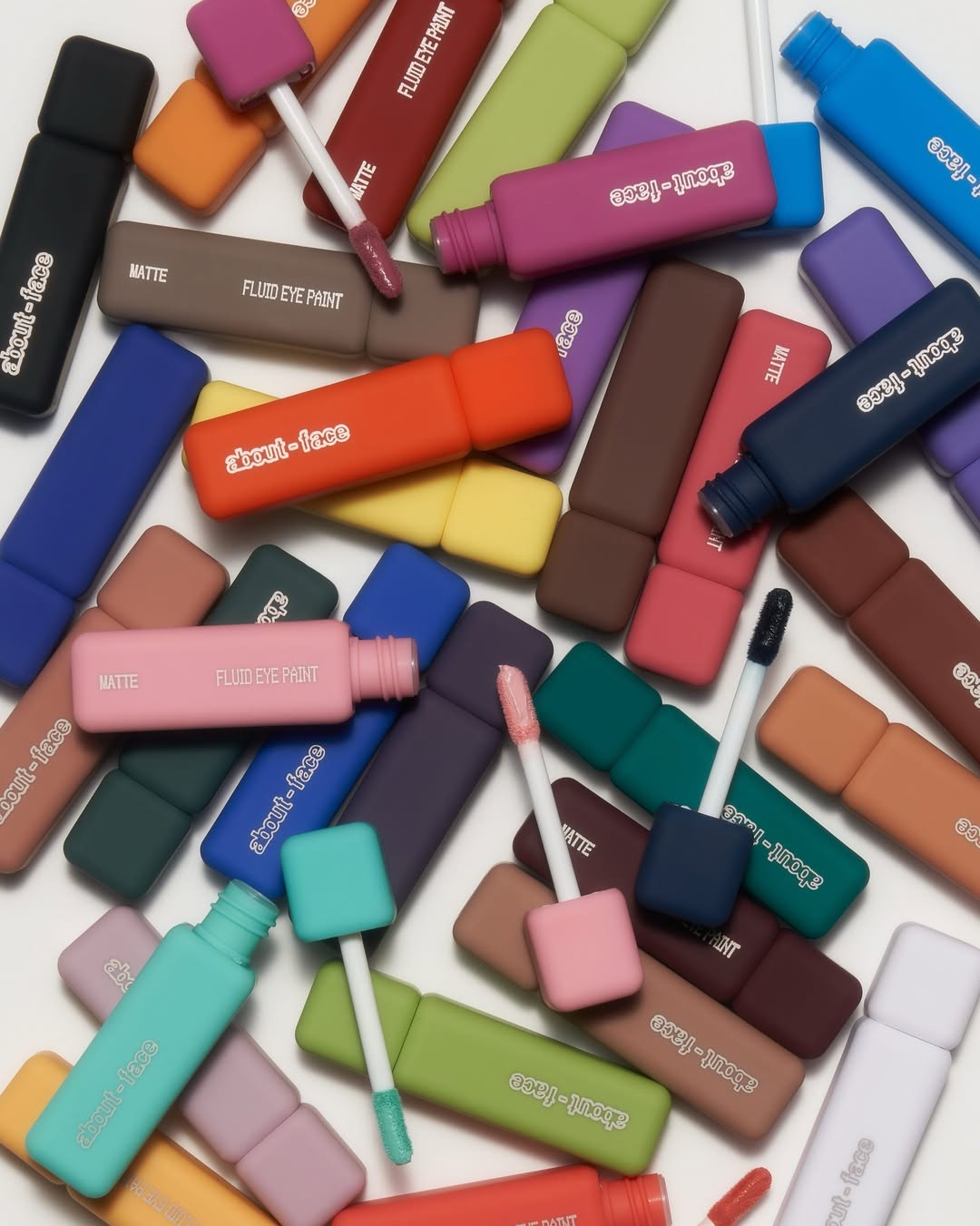
About-Face Beauty

About-Face Beauty, founded by Halsey brings a more expressive and unapologetic take on makeup, centred around creativity and individuality. The brand is built on vegan, cruelty-free formulations, with a focus on clean ingredients and high-performance colour products designed for self-expression rather than perfection. While not positioned as fully sustainable in the traditional sense, About-Face leans into conscious beauty through its ingredient choices and evolving approach to packaging. With bold pigments, experimental textures and a strong community-driven identity, it reflects a new generation of makeup that values creativity, freedom and authenticity alongside more mindful beauty choices

Origins

The skincare brand Origins uses natural ingredients from plants, making all their products vegetarian and some vegan. This sustainable brand also takes care of the ecosystem by using renewable electricity and promoting low-carbon emissions in its production process. To aid in the restoration of the ecosystem, Origins has implemented tree-planting initiatives and uses eco-conscious packaging that can be recycled, reused, or refilled.

L’Occitane

The French brand L’Occitane curates high-quality sustainable skin, body and hair care as well as fragrances. The beauty brand has taken action to preserve and restore nature through championing biodiversity and employing the use of eco-friendly, biodegradable ingredients. With a long-standing commitment to sustainability, L’Occitane works directly with farmers and producers, ensuring fair-trade practices while minimising its environmental footprint. Additionally, the brand has introduced refill stations across selected stores and developed recyclable packaging solutions to reduce waste.

Devines

Davines is a professional haircare brand that places sustainability at the core of its identity. From carbon-neutral production to the use of renewable energy and recyclable packaging, the brand takes a holistic approach to reducing environmental impact. Ingredients are ethically sourced, and formulations are designed to balance performance with care for both hair and the planet. Davines also invests in regenerative agriculture projects, reinforcing its long-term commitment to sustainability beyond the product itself.

Cartier Perfumes

Cartiers Perfume first introduced the recognisable La Panthère fragrance in 2014, it was created in an effort to reimagine the classic chypre with a floral-feline twist. The distinctive bottle, sculpted with a panther motif, and has undergone a sustainable makeover nine years later. It now features a 50% reduction in glass weight, a 70% cut in plastic for the cap, and a shift to 94% recyclable aluminium, the design aims for a 48% reduction in greenhouse gas emissions. Cartier’s commitment extends to using 100% plant-based alcohol. This eco-conscious approach began in 2021, expanding across Cartier’s fragrance line by 2025, blending sustainability with the allure of the original design.

Lead image courtesy of Instagram / @aboutfacebeauty

Tags: ,
For these reasons, skin appears dull.. and Vitamin C enhances its brightness

For these reasons, skin appears dull.. and Vitamin C enhances its brightness

Khaberni – Using Vitamin C to enhance skin brightness cannot be considered just a gimmick in the skincare world, but it is an effective and scientifically supported solution. Learn about its properties, benefits, and usage methods below.


Skin loses its radiance for several reasons, most of which are completely treatable. Environmental damage is at the forefront of these reasons, caused by pollution, ultraviolet rays, and free radicals that rob the skin of its brightness. The accumulation of dead skin cells is another reason, as it creates a barrier that makes the skin appear dull and tired. Uneven melanin production also plays a role, causing dark spots that make the skin tone appear uneven. With age, collagen production naturally slows down, affecting the texture of the skin and its youthful and radiant brightness that we all want to maintain.


– Using Vitamin C:

Vitamin C serum works on multiple levels to enhance the skin’s natural radiance, and as a powerful antioxidant, it neutralizes free radicals before they can damage skin cells. The process of inhibiting melanin is equally effective, as Vitamin C interferes with the enzyme tyrosinase, responsible for melanin production, helping to lighten existing dark spots and prevent new ones. Additionally, it stimulates collagen production, improving skin texture and creating a smooth, reflective surface that beautifully captures light. Research in this field has shown that topical use of Vitamin C improves skin radiance within a period ranging from 4 to 12 weeks of regular use. Studies indicate that concentrations ranging from 10 to 20 percent are most effective for lightening the skin without causing excessive irritation.


– A routine that enhances skin radiance:

Creating an effective routine to enhance skin radiance is not limited to applying Vitamin C serum and waiting for results. Timing, technique, and the gradual application of products are all important factors in achieving long-lasting real results.


• Best time to use Vitamin C serum:

Dermatologists recommend using skincare products containing Vitamin C in the morning, as it provides antioxidant protection throughout the day. However, for sensitive skin or when using high concentrations of this vitamin, evening use is also appropriate. The important thing is to choose a specific time for application and stick to it consistently.

When using other active ingredients, it is advisable to apply a few drops of Vitamin C serum first on clean skin, then apply niacinamide or hyaluronic acid. Also, be sure to use sunscreen during the day, as Vitamin C increases the skin’s light sensitivity in the initial stages of use.


• Ingredients that support Vitamin C:

Combining Vitamin C with suitable ingredients enhances its effect in the area of lightening the skin. Niacinamide interacts wonderfully with Vitamin C to reduce inflammation and improve skin texture. Vitamin E enhances the stability of Vitamin C, providing additional antioxidant protection. Hyaluronic acid is ideal for moisturizing the skin without affecting the effectiveness of Vitamin C. For better absorption, it is recommended to use gentle exfoliants like lactic acid two or three times a week, avoiding their use at the same time with Vitamin C.


– Choosing the right Vitamin C:

Not all types of Vitamin C serum are equal, and choosing the right type can make a significant difference in results. Ascorbic acid is the most effective form of Vitamin C, but it may cause irritation for sensitive skin. It is excellent for treating dull skin if it can be tolerated.

Magnesium ascorbyl phosphate is gentler and more stable, making it ideal for beginners or those with sensitive skin. Sodium ascorbyl phosphate offers good stability and is less prone to oxidation, while ascorbyl glucoside has a gentle lightening effect that does not cause any irritation. Each type has its specific uses depending on skin needs and tolerance levels. Start with a concentration ranging from 10 to 15 percent when beginning to use skincare products containing Vitamin C. This ensures getting the benefits of this vitamin without overburdening the skin. If you have previously used this vitamin at concentrations ranging from 15 to 20 percent for more prominent results.

It is advised to store Vitamin C serum in a cool, dark place to avoid oxidation and loss of effectiveness. Most types of this vitamin last from 6 to 12 months when stored properly. Always make sure to close the bottle tightly after use and avoid exposing it to direct sunlight or heat. It is also necessary to avoid using Vitamin C with retinol, benzoyl peroxide, or alpha-hydroxy and beta-hydroxy acids in the same skincare routine. Moreover, excessive exfoliation while using Vitamin C may weaken the skin barrier, leading to increased sensitivity and delayed results.


Tags: , , , , , ,
Best oLive
Privacy Overview

This website uses cookies so that we can provide you with the best user experience possible. Cookie information is stored in your browser and performs functions such as recognising you when you return to our website and helping our team to understand which sections of the website you find most interesting and useful.