Ultimate guide to layering serums for glowing skin

Ultimate guide to layering serums for glowing skin

Get expert tips on layering serums to improve your skincare routine. Find out which serums you can mix for the best results.

Serums are highly concentrated products formulated to deliver active ingredients into the skin to address specific skin concerns, including pigmentation, fine lines, loss of firmness, and dull skin. Although the benefits of using serums are well established, layering them to achieve these benefits poses significant challenges due to chemical interactions and the skin’s tolerance.

What is the best layering of serums?

The overall strategy for layering serums is to apply them from thinnest to thickest and to identify the right time of day for each active ingredient. “Water-based serums, such as Vitamin C or Niacinamide, should be applied first. The slightly thicker products will follow”, Dermatologist Dr Varshini Reddy tells Health Shots. These may include peptides or oil-based serums. The layering order must be correct for each active.

Try using vitamin C and glycerin to get a glass-like look. Image courtesy: Adobe Stock

  1. Vitamin C

An antioxidant that has skin-lightening properties and protects the skin from oxidation. By far the best time to use vitamin C is in the morning, when the skin has the opportunity to shield itself from environmental factors. “To reduce sensitivity, a beginner may use a low concentration that they can gradually increase”, says Dr Reddy. In addition, alternative skin antioxidants are available for those sensitive to vitamin C.

2. Niacinamide (Vitamin B3)

It has numerous benefits for the skin, from barrier repair to sebum control. “Its use will not interact adversely with other creams or serums containing other actives, such as Vitamin C”, says the doctor. Niacinamide works very well both during the day and at night.

3. Retinoids

They are the gold standard for anti-ageing. Retinoids promote skin cell turnover, stimulate collagen production, and help reduce fine lines and hyperpigmentation. “Retinoids should be used in the evening because they are photosensitive. They should also be used cautiously to minimise irritation,” says the doctor. We recommend starting with twice to three times a week. A chemical exfoliant should not be used on the same day as the use of retinoids.

4. Peptides

They are short chains of amino acids that signal the skin to synthesise collagen and support firmness. “They are generally light and can be mixed with most serums, such as antioxidants and retinoids”, says the expert. They may be used either for morning or night care.

Peptides may be used in the morning or at night. Image courtesy: Adobe Stock

Layer serums from thinnest to thickest, and remember to seal them with a moisturiser to keep the active ingredients locked in. “Introduce only one new active ingredient at a time so you can monitor your skin’s tolerance and minimise potential irritation”, suggests Dr Reddy.

How to layer your skin care routine?

A sample layering routine could be: Vitamin C, Niacinamide, and peptides in the morning, followed by moisturiser and broad-spectrum sunscreen. “Then, one might use Niacinamide, retinoids (two to three times per week), AHA/BHA-based toners or serums, peptides, and a hydrating moisturiser”, says the expert. Hydration is key, as water-based serums enhance the penetration and effectiveness of other actives.

What are the benefits of layering skincare?

Overall, layering serums can significantly improve skin outcomes when applied in the correct order, at appropriate concentrations, and at the proper timing. “Being informed about the properties of each active and following principles of evidence-based layering safely optimises the routine for improving texture, brightness, and overall skin health in the patient,” says the dermatologist.

Tags: , , , , ,
A Daily Habit that Damages Your Skin and Accelerates the Appearance of Wrinkles

A Daily Habit that Damages Your Skin and Accelerates the Appearance of Wrinkles

Khaberni – Experts warn of a daily habit that may seem ordinary and simple, and comfortable, but may cause long-term damage to your skin and then you find yourself surprised by premature aging on your face.

For instance, washing your face with extremely hot water, especially in winter, can accelerate skin aging without you realizing it, despite the temporary feeling of relaxation that a hot shower provides.


Dr. Annette Philips, a beautician at the “Forever Facial Esthetics” clinic, asserts that using hot water is one of the most common skincare mistakes she observes daily.


She explains that excessively hot water weakens the skin’s protective barrier, which is responsible for retaining moisture and protecting it from dryness. When this barrier is damaged, the skin becomes dull and tight, and fine lines and wrinkles appear more clearly, especially around the eyes and mouth.


And the problem doesn’t stop with the water temperature alone, but also extends to incorrect habits accompanying bathing. Many people cleanse their faces with body wash or let shampoo and conditioner run directly onto their facial skin, even though these products are not intended for that use.

Dr. Philips points out that these practices can lead over time to dry skin and increased sensitivity and roughness, noting that many people think their skin suddenly looks older, while the real reason is excessive cleaning with inappropriate products.


According to Philips, the solutions lie in simple but effective changes; notably, stopping the washing of the face with extremely hot water, replacing it with lukewarm water during the shower, and then cleansing the face later at the sink using tepid water and a gentle cleanser designed for the face..


She adds: “If you feel a tightness in your skin after washing, then it’s a clear indication that the water or cleanser used is harsher than it should be.”


She also emphasizes the importance of moisturizing the skin immediately after cleansing, noting that applying moisturizer on slightly damp skin helps maintain hydration and gives the skin a softer, fresher look.


Moreover, for those with dry or sensitive skin, she advises against frequently trying new products and sticking to the fundamental products that the skin is accustomed to, allowing it adequate time to recover, as time is a part of the healthy recipe.

Tags: , , , , , ,
Want Glowing Skin Without Luxury Products? Try Rujuta Diwekar’s 4-Step Routine | Beauty News

Want Glowing Skin Without Luxury Products? Try Rujuta Diwekar’s 4-Step Routine | Beauty News

Last Updated:January 08, 2026, 16:28 IST

Celebrity nutritionist Rujuta Diwekar revealed her affordable and refreshingly simple four-step beauty regimen.

Good skin does not depend on high-end products but rather begins from inside.

Celebrity nutritionist Rujuta Diwekar is questioning the belief held by the beauty industry nowadays that elaborate routines and costly treatments are necessary for radiant skin. The fitness and wellness specialist, who has long collaborated with Bollywood celebrities like Kareena Kapoor, shared her simple, low-cost 4-step skincare regimen on Instagram, emphasising that good skin does not depend on high-end products but rather begins from inside.

Taking to Instagram, Rujuta says, “Here’s a four-step skincare routine that I follow, and I think you can do it too. It’s easy, it’s inexpensive, and it’s your ghar ka stuff.”

Watch the video here:

Water for hydration

Hydration is the cornerstone of Rujuta’s simple strategy, which she views as essential to skin health. She stresses the need to drink water all day long, not just when you are thirsty.

“I drink a lot of water during the day. I don’t wait to get thirsty. I drink because I keep water accessible. I can see it, I drink it,” she begins, highlighting that hydration helps flush toxins and maintain skin plumpness and radiance.

Sleep for repair

Sleep becomes the emphasis of Rujuta’s second stage. She advises resting early, generally between 9:30 and 10:00 pm, to give the body enough time for repair and renewal of cells.

“I make sure that I go to bed between 9:30 and 10 on most nights of the year, unless I’m travelling or there’s an emergency,” she says, reiterating that getting enough sleep helps boost the formation of collagen and minimise puffiness and dark circles—benefits that are often sought after through expensive treatments.

Workout for hormones

The third point of Rujuta’s routine is physical activity on a regular basis. She suggests a small, regular program of exercises that one can do in daily life rather than pushing hard exercises or subscribing to a gym. Regular physical activity leads to increased blood circulation, which provides the skin with nutrients and oxygen necessary for its natural glow and overall health.

“Nothing too much, nothing too little, but something that I log in week by week. And I ensure that as a working woman, I am done with my exercise before 9 am every single day,” she says.

No skincare videos

Rujuta’s refusal to engage in viral gimmicks and her disregard for skincare trends might be the most surprising feature of her method. She is quite vocal about her refusal to see videos of skincare routines and not to be taken in by products that promise age-defying transformations or anti-ageing miracles.

“I don’t fall for anything that says anti-ageing. I don’t fall for anything that says look 20 years younger than your age,” she says, advising followers to be cautious of flashy marketing and instead trust fundamental habits.

Rujuta’s message, which reminds viewers that regular, simple practices often outperform complex, costly procedures, connects with a growing movement towards simplicity and skin health rooted in lifestyle choices. “Keep it real this year. Have a glowing 2026,” she mentions in the caption.

First Published:

January 08, 2026, 16:28 IST

News lifestyle beauty Want Glowing Skin Without Luxury Products? Try Rujuta Diwekar’s 4-Step RoutineDisclaimer: Comments reflect users’ views, not News18’s. Please keep discussions respectful and constructive. Abusive, defamatory, or illegal comments will be removed. News18 may disable any comment at its discretion. By posting, you agree to our Terms of Use and Privacy Policy.

Tags: , , , , , , , , ,
How much retinol, Vitamin C and acids does your skin really need? Dermatologists explain

How much retinol, Vitamin C and acids does your skin really need? Dermatologists explain

So what is the right amount? “The goal is consistency and tolerance, not intensity,” said Dr Ho.

1. Vitamin A (retinol and retinoid) 

Optimal concentration: 0.25 – 0.5 per cent for retinol; 0.025 – 0.05 per cent for retinoid, depending on skin type. 

Application: A pea-sized amount for the entire face, twice to three times a week at the start, increasing to nightly if the skin is able to tolerate it. 

Best time: Only at night as retinoids break down under UV and can make skin more sun-sensitive. 

Potential side effects: Retinoid dermatitis (dryness, flaking, redness and a burning sensation) 

2. Vitamin C (L-ascorbic acid, sodium ascorbyl phosphate and magnesium ascorbyl phosphate)

Optimal concentration: Ten to 20 per cent for most skins and 5 to 10 per cent for sensitive skins. Anything above 20 per cent doesn’t necessarily improve efficacy.

Application: A thin, even layer for the face. 

Best time: Mornings to boost your sunscreen’s UV protection and fight daytime free radical damage. 

Potential side effects: Stinging, redness, dryness and even breakouts from overly acidic or high-strength formulations, especially over 20 per cent.

3. Alpha Hydroxy Acids (glycolic acid, lactic acid and citric acid)

Optimal concentration: Five to 10 per cent as a daily leave-on and up to 20 per cent for weekly exfoliating treatments.

Application: A 20-cent coin-sized amount applied in a thin, even layer; avoiding around the eyes and mouth, which can be more sensitive.

Best time: At night as it can increase sun sensitivity during the day. 

Potential side effects: Over-exfoliation can lead to skin tightness, peeling or micro-tears, heightened sensitivity and increased risk of hyperpigmentation. 

4. Beta Hydroxy Acids (salicylic acid)

Optimal concentration: 0.5 to 2 per cent for most skins.

Application: Two to three times a week initially, increasing to daily or every other day. In addition, start at the affected areas (clogged pores and breakouts) or over oilier areas such as the forehead or nose, before extending to the rest of the face. 

Best time: Either morning or night. 

Potential side effects: Excess dryness, irritation and peeling, especially around the nose and mouth. In darker skin tones, it may also trigger post-inflammatory hyperpigmentation. In addition, combining multiple exfoliants, such as BHA with AHA and retinol, can compound irritation risk. 

5. Niacinamide

Optimal concentration: Five per cent, though sensitive skins should opt for 2 to 3 per cent. 

Application: One pump or four to five drops for full-face coverage. 

Best time: Morning and night. 

Potential side effects: While generally well-tolerated, however, too much can over-stimulate the skin and disrupt its natural pH balance. 

Caution: Concentrations above 10 per cent can cause flushing, itching or irritation, especially in sensitive skins. 

6. Hyaluronic Acid 

Optimal concentration: One to 2 per cent. Look for multiple molecular weights of hyaluronic acid for best results. 

Application: One to two pumps onto damp skin to boost hydration effects.

Best time: Twice daily. 

Potential side effects: Though inherently gentle, using too much without proper hydration (that is, sealing with moisturiser after) can paradoxically dehydrate the skin as it’s a humectant that can pull water from the deeper skin layers when skin is dry.

7. PDRN

Optimal concentration: 0.5 to 1 per cent, which translates to 5,000ppm to 10,000ppm.

Application: One pump for the whole face after cleansing and before moisturiser.

Best time: Nightly to support skin repair. Also ideal for post-aesthetic treatment recovery too. 

Potential side effects: Overuse or unregulated concentrations may lead to congestion or temporary breakouts due to its regenerative property. 

5 MORE FACTORS TO CONSIDER TO BOOST SKINCARE EFFICACY

Tags: , , , , ,
Download app

Hydrating foods and skincare tips for natural radiant cheeks and healthy skin glow

A healthy, rosy glow on the cheeks is often a sign of good skin health and circulation. While makeup can give instant colour, natural glow comes from consistent care, nourishment, and the right habits. Here’s how you can achieve naturally glowing cheeks without relying on heavy products.

HYDRATION IS THE FIRST STEP TO GLOW

Well-hydrated skin reflects light better, making cheeks look naturally plump and radiant. Drink enough water throughout the day and include water-rich foods like cucumber, oranges, and watermelon in your diet to keep skin supple.

NOURISH YOUR SKIN WITH A BALANCED DIET

Your diet directly affects your skin’s glow. Foods rich in vitamin C, healthy fats, and antioxidants help boost collagen and improve blood circulation, giving cheeks a natural flush.

USE NATURAL INGREDIENTS FOR A ROSY TINT

You don’t need chemical blushes for colour. Natural ingredients can enhance your cheeks gently over time.

  • Beetroot juice: Adds a natural pink tint

  • Rose water: Soothes skin and improves tone

  • Aloe vera gel: Hydrates and enhances glow

  • Apply lightly and wash off after 10–15 minutes.

FACIAL MASSAGE FOR BETTER BLOOD CIRCULATION

Regular facial massage increases blood flow, which naturally brightens the cheeks. Use gentle upward strokes with clean hands or a facial roller for 5 minutes daily to stimulate circulation and reduce dullness.

EXFOLIATE GENTLY, NOT EXCESSIVELY

Dead skin cells can make cheeks look dull. Mild exfoliation once or twice a week helps reveal fresh skin underneath. Use gentle scrubs or natural exfoliants like oatmeal or rice flour mixed with curd.

GET ADEQUATE SLEEP AND MANAGE STRESS

Lack of sleep and high stress levels can make skin look tired and lifeless. Aim for 7–8 hours of sleep and practice stress-relieving activities like yoga or deep breathing for a healthy glow.

PROTECT YOUR SKIN FROM SUN DAMAGE

Sun exposure can cause pigmentation and uneven tone. Apply sunscreen daily to protect your cheeks and maintain their natural brightness, even when indoors.

If you want a natural glow on your cheeks, focus on hydration, nutrition, gentle skincare, and healthy lifestyle habits. Consistency not quick fixes is the key to long-lasting radiance.

– Ends

Published By:

Chaitanya Dhawan

Published On:

Jan 6, 2026

Tags: , , , , , , , , ,
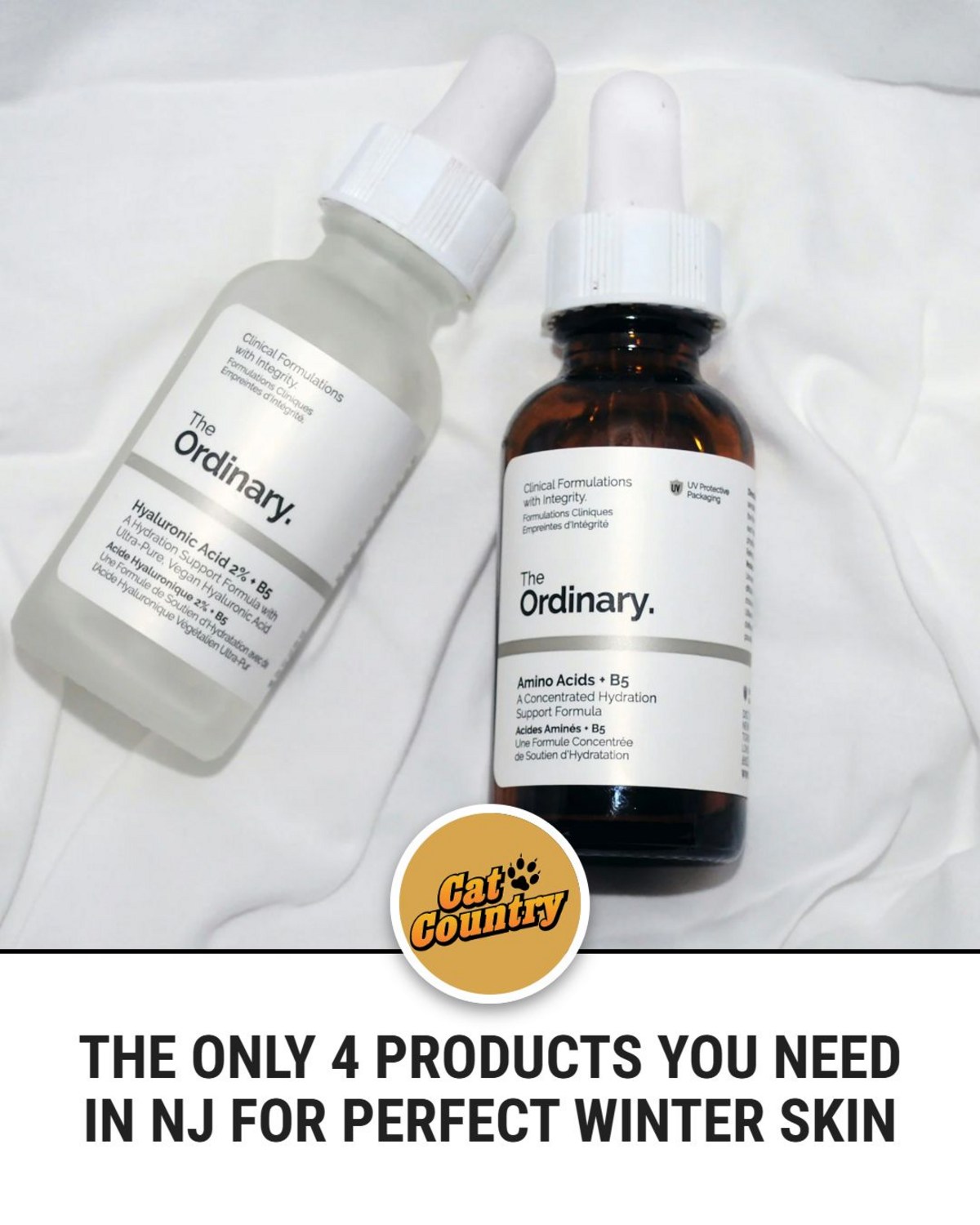
Four Essential Skincare Products For Harsh Winter Skin In NJ

Four Essential Skincare Products For Harsh Winter Skin In NJ

You’re not the only one battling dry skin in South Jersey this winter. Cold temps, harsh winds, and indoor heat can do a number on your face fast. Trust me… I’m speaking from experience.

If you’re new to skincare, here’s the good news: you don’t need a 10-step routine. Experts agree that winter skincare comes down to just four essentials: cleanser, serum, moisturizer, and SPF. That’s it.

If you’re building a routine for the first time this year, it’s probably best to think of skincare as maintenance, not AT ALL like perfection.

The goal is to hydrate, protect, and cleanse without stripping your skin. That’ll make dry winter skin even worse. Everyone’s skin is different, though. That’s totally normal. What really matters is choosing products that actually work for your skin type.

Foaming Face Cleanser

Photo by The Good Hygenie Co TGHC on Unsplash

Start With A Gentle Cleanser

A hydrating cleanser removes dirt and oil without wrecking your skin barrier. If you have dry or sensitive skin, try cream or milky cleansers. If you have more oily or acne-prone skin, gentle gel cleansers are best. For combination skin, foam or balancing cleansers are your best bet.

Face Serum

Photo by sarah b on Unsplash

Add A Serum

When it comes to winter skin, serums do the heavy lifting when it comes to healing. Look for serums with Hyaluronic acid or glycerin. You’re going to want to add vitamin C if you have dull skin. Battling acne? Cue niacinimide or salicylic acid.

Cetaphil Moisturizer

Photo by Zoshua Colah on Unsplash

Lock It In With Moisturizer

Winter is not the time to skip moisturizer. Make sure you’re using thicker creams with ceramides on dry skin. For oily skin, opt for more lightweight, oil-free lotions. If you have sensitive skin, make sure everything is fragrance-free.

SPF Face Cream

Photo by Natallia Photo on Unsplash

Never Skip SPF (Even In Winter)

Unfortunately for us all, UV rays don’t take the season off. The experts recommend using SPF 30+ daily to protect against aging and damage.

It may be the new year, so it’s great to hear that you’re focusing on yourself… including your skin. The truth is skincare doesn’t need to be complicated.

The best advice for you is to keep it basic, stay consistent, and let your skin do its thing.

The Best Tips For Top Tier Winter Skincare

When we think of protecting our skin, we usually think about slathering on the sunscreen at the beach, but our skin needs protection year-round especially as temperatures drop.

Gallery Credit: ThinkStock

7 Skincare Products Being Recalled Due To Cancer Risk

Check your cabinets! These creams and lotions are being recalled due to elevated levels of benzene.

Gallery Credit: Chris Cardenas

Tags: , , , , ,
Here's how you can you this natural skin elixir

Here’s how you can you this natural skin elixir

Algae oil works for most skin types, especially if your skin feels tight, tired, or easily irritated. It’s gentle, doesn’t clog pores easily, and plays well with other products. That said, a quick patch test is never a bad idea, skin can be unpredictable like that.

At first glance, algae oil might sound like just another trendy ingredient. But once you understand what it does, and see how your skin responds, it makes sense why it’s quietly earning a spot in so many routines.

No big promises. No loud claims. Just a simple, sea-derived oil helping your skin age a little more gracefully.

And sometimes, that’s exactly what good skincare should do.

Tags: , , ,
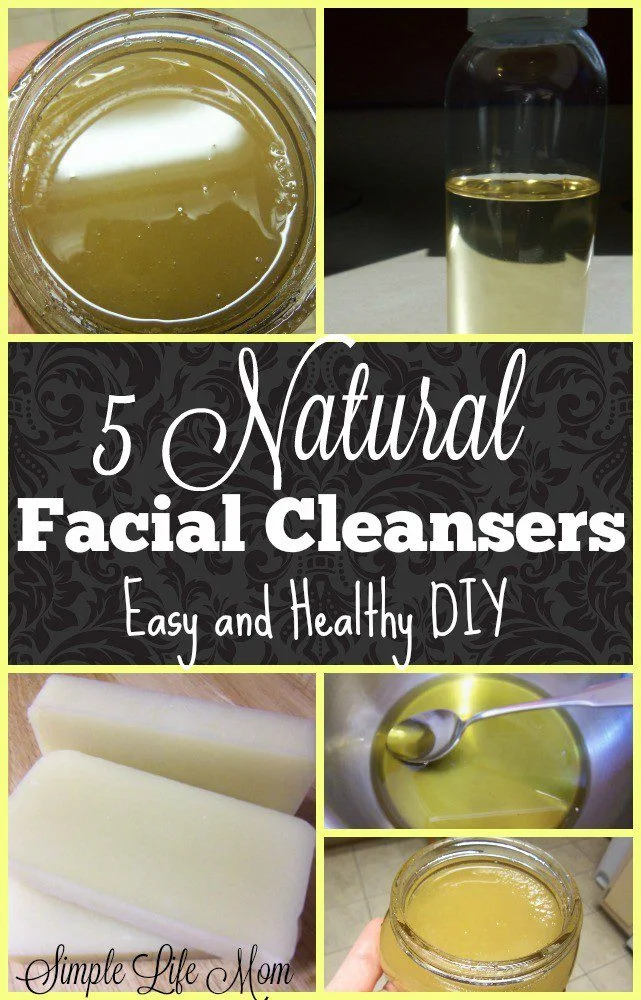
How to Make 5 All-Natural Facial Cleansers for Every Skin Type

How to Make 5 All-Natural Facial Cleansers for Every Skin Type

Making your own natural facial cleansers is a simple, affordable way to care for your skin without unhealthy ingredients. These homemade facial cleanser recipes use gentle, natural ingredients to cleanse effectively while supporting healthy, balanced skin. Whether you have sensitive, dry, or oily skin, these DIY natural face wash recipes are easy to make and perfect for a simple, non-toxic skincare routine.

I’ve used natural facial cleansers in my own skincare routine for years, especially simple ingredients like honey, oils, and oats. These recipes are ones I’ve personally tested and rotated depending on the season and my skin’s needs.

What Are Natural Facial Cleansers?

A natural facial cleanser is a face wash made with natural, organic, and healthy ingredients that clean the skin without synthetic fragrances, sulfates, or harsh chemicals. Homemade facial cleansers are also customizable. Whether you have oily, combination, or dry skin, you can customize your cleanser recipe for your specific needs and know that you are using healthy ingredients.

Why Choose Natural Homemade Facial Cleansers?

There are a lot of facial cleansers out there with lots of dangerous ingredients like petroleum, artificial dyes and fragrances, and propylparaben (which mimics estrogen and messes up your hormone balance whether you are male or female).  Making sure you use natural cleansers, makes sure you know exactly what your skin is absorbing.

Benefits of Using Homemade Natural Facial Cleansers

  1. Avoids harsh chemicals and synthetic fragrances
  2. Gentle on sensitive and acne-prone skin
  3. Affordable and easy to make at home
  4. Customizable for dry, oily, or combination skin
  5. Supports a simple, natural skincare routine

5 DIY Natural Facial Cleansers

I sell 2 liquid facial cleansers in my shop: Anti-Aging & Acne Facial Cleansers. They are similar in ingredients, except vary by what essential oils I use in them. But if you would like to make your own, then you want to look for ingredients that will cleanse your skin without stripping it completely of its natural oils.  Here are a few recipes and methods to get you going.

Oil Cleansing Method for Dry Skin

Try oil based facial scrubs to exfoliate and cleanse your skin while deeply nourishing at the same time.  Oils are also great for removing makeup.

Using oil as a cleanser is an age old method that does not clog pores. Instead, it beautifully enters pores and pulls out all impurities. You can also try these 21 amazing beauty recipes with coconut oil.

Lemon and Rosemary Facial Sugar Scrub

Ingredients:

Directions:

  1. Mix the ingredients together and store in a glass jar.
  2. To use, place 1 Tbsp in your hand and massage onto your face.
  3. Rinse and pat dry.

Gentle Castile Soap Face Wash

I did not put the recipes for cold processing here, since it is a large process for those who have never made soap before. However, Castile soaps are often made from 90-100% Olive oils instead of a mixture of fats like other soaps.  This makes the soap softer, but very gentle on the skin.  A great soap to try as a beginner and wonderful for the skin.

Another Homemade Soap that is gentle on the skin is a shampoo bar, due to the great nourishing oils within the recipe and because it usually has more readily available oils that were not converted to soap by the lye.  I know many people who use shampoo bars as a shaving bar.

Also find these shampoo bars in my SHOP

Honey Cleanser for Sensitive Skin

Raw Honey is very hydrating, kills bacteria, and nourishes skin, replenishing moisture and vitamins. That’s why you will often see it being used in natural beauty recipes. Here is a simple recipe using honey to help cleanse pores.

Ingredients:

Directions:

  1. Combine ingredients and keep in a sterile container and use a clean utensil each time.
  2. Wet face with warm water.
  3. Rub 1 tsp. between fingers and massage into face to loosen dirt and makeup.
  4. Rinse.

Oatmeal Facial Cleanser for Irritated Skin

Ingredients:

  • 1/4 cup yogurt
  • 1/4 cup pulverized oats

Directions:

  1. Pulverized oats in blender (optional).
  2. Mix yogurt and oats together.
  3. Keeps in fridge for one week, depending on how sterile you keep it.
  4. To use: wet face with warm water.  Rub 1 Tbsp between fingers and massage into face to loosen dirt and makeup.  Rinse.

Clay Cleanser for Oily or Acne-Prone Skin

I really like this cleanser, but some people are sensitive to using baking soda directly on their skin.  I know of a few people who cannot use homemade deodorant because of this.  So, like with every recipe on my site, test on a small area and make sure you have no reaction. Use it with just bentonite clay if needed.

Ingredients:

Directions:

  1. Mix all three ingredients together and massage into face to remove dirt and makeup, staying away from eyes.
  2. Rinse.

Always patch test new skincare products. If you have skin conditions or allergies, consult a qualified professional before trying new skincare products. Remember, you can become allergic to literally anything as your body changes over time.

Frequently Asked Questions About Homemade Facial Cleansers

  • Are homemade facial cleansers effective?
    • Yes! They work just as well as store bought cleansers but can be even more tailored to your specific needs.
  • Can natural facial cleansers work for acne?
    • Yes, frankincense is very anti-inflammatory, while other essential oils like rosemary, carrot, and tea tree can benefit the skin in powerful ways. Knowing your ingredients puts the power of homemade skincare in your own hands.
  • How long do DIY facial cleansers last?
    • It’s important to use water-based cleansers within a few days. Bacteria will grow quickly. Oil based cleansers can last 2-3 months, depending on how sterile they are kept.
  • Are homemade face washes safe for sensitive skin?
    • Yes, you can use gentle ingredients like honey, clays, aloe, and oils to cleanse pores. These are gentle, cleansing, and hydrating ingredients that are great for sensitive skin.

Follow up with one of 4 Herbal Skin Toners and Homemade Lotion and Anti-Wrinkle Serum. Click the links to get the recipes or go to my shop to try them before you make them.

For a full simplified skincare routine, see these Best Homemade Skincare Recipes for Healthy Skin.

Tags: , , , ,
Steps for Naturally Glowing, Makeup-Ready Skin

Steps for Naturally Glowing, Makeup-Ready Skin

As the New Year approaches, many are looking for ways to start 2026 with naturally glowing, healthy skin. Achieving a radiant complexion doesn’t always require heavy makeup—it begins with consistent, dermatologist-approved skincare practices.

A solid skincare routine starts with cleansing. Using a gentle, sulfate-free cleanser twice daily removes dirt, oil, and pollutants without stripping the skin. For those who wear makeup or sunscreen, a double cleanse ensures the skin is fully clean.

Hydration is the next key step. Well-moisturized skin naturally reflects light, creating a healthy glow. After cleansing, applying a hydrating toner or mist helps balance the skin’s pH, followed by a lightweight serum containing ingredients like hyaluronic acid or glycerin to lock in moisture. Even oily skin benefits from non-comedogenic hydrators.

Exfoliation 2-3 times a week helps remove dead skin cells and improves texture, while targeted treatments—such as antioxidant serums for dullness or under-eye creams for puffiness—enhance brightness and reduce signs of fatigue. Choosing the right moisturizer for your skin type, whether gel-based for oily skin or cream-based for dry skin, maintains comfort and prevents makeup from appearing patchy.

Sun protection remains crucial. Applying a broad-spectrum SPF 30+ daily, even in winter or indoors, prevents dullness and long-term damage, ensuring the skin retains its youthful radiance.

Finally, a balanced diet rich in antioxidants and adequate water intake supports skin health from within. With consistent care and early preparation, glowing, makeup-ready skin can be achieved naturally, letting you enter the New Year looking confident and radiant.

Tags: , , , ,
Eating Vitamin C Rich Foods Works Better To Boost Collagen Production In Skin, Finds Study | Health and Fitness News

Eating Vitamin C Rich Foods Works Better To Boost Collagen Production In Skin, Finds Study | Health and Fitness News

Last Updated:January 02, 2026, 18:10 IST

A recent study has shown that vitamin C should be consumed via fruits if you want to see the benefits when it comes to boosting collagen production.

Kiwis: Kiwis are packed with vitamin C, minerals and fibre that promote overall health and metabolism. One kiwi contains about 93 mg of vitamin C per 100 grams. (Image: Canva)

If you have been coming across mentions of vitamin C a lot lately, it is because it has been proving itself to be a main character. Recently, results from two separate studies have been published that yet again prove that including vitamin C in your food and skincare can have some wondrous results.

Eat kiwis for an increase in vitamin C and a boost in collagen 

You might have heard of the adages that ‘beauty comes from within’ and ‘you are what you eat’. Well, a new study conducted by researchers at the University of Otago found that collagen production and skin renewal directly respond to the amount of vitamin C we eat. It was published in the International Journal of Investigative Dermatology.

It was conducted on two dozen healthy adults in New Zealand and Germany, and researchers found that skin vitamin C levels are closely tied to levels of the vitamin in the blood plasma and can be boosted by increasing fruit intake.

The participants were instructed to eat two vitamin C-rich kiwifruit per day to increase the amount of the vitamin in the skin, which also helped to improve their skin thickness, aka collagen production, and stimulate the renewal and regeneration of the outer skin layer.

For the unversed, vitamin C is not only found in citrus foods like oranges, limes, lemons, and grapefruits but can also be ingested from berries such as strawberries and blackcurrants, red and yellow peppers, kiwifruit, broccoli, tomatoes, and potatoes.

Collagen is the most abundant protein in the human body, forming the main structural support for skin, bones, tendons, ligaments, and connective tissues. It keeps your skin firm and elastic, joints cushioned, and bones strong, while also aiding wound healing and tissue repair, making it vital for overall structural health and healthy ageing.

Lead author Professor Margreet Vissers from Mātai Hāora – Centre for Redox Biology and Medicine, within the Department of Pathology and Molecular Medicine, says the strength of the association between collagen and vitamin C intake is “compelling”.

“We were surprised by the tight correlation between plasma vitamin C levels and those in the skin – this was much more marked than in any other organ we have investigated,” Professor Vissers says.

She went on to add that study has shown the best way to supporting your skin function is from the inside out and by delivering vitamin C to the skin via the bloodstream. “We know that vitamin C is required for collagen production. This fact has inspired the addition of vitamin C to many skin cream formulations. However, vitamin C is highly water soluble and poorly absorbed through the outer skin barrier. Our study shows that the skin is extremely good at absorbing vitamin C from the blood circulation. Uptake into the outer epidermal skin layer also seems to be prioritised,” she says.

First Published:

January 02, 2026, 18:10 IST

Disclaimer: Comments reflect users’ views, not News18’s. Please keep discussions respectful and constructive. Abusive, defamatory, or illegal comments will be removed. News18 may disable any comment at its discretion. By posting, you agree to our Terms of Use and Privacy Policy.

Tags: , , , , , , , , , , , , ,
Best oLive
Privacy Overview

This website uses cookies so that we can provide you with the best user experience possible. Cookie information is stored in your browser and performs functions such as recognising you when you return to our website and helping our team to understand which sections of the website you find most interesting and useful.