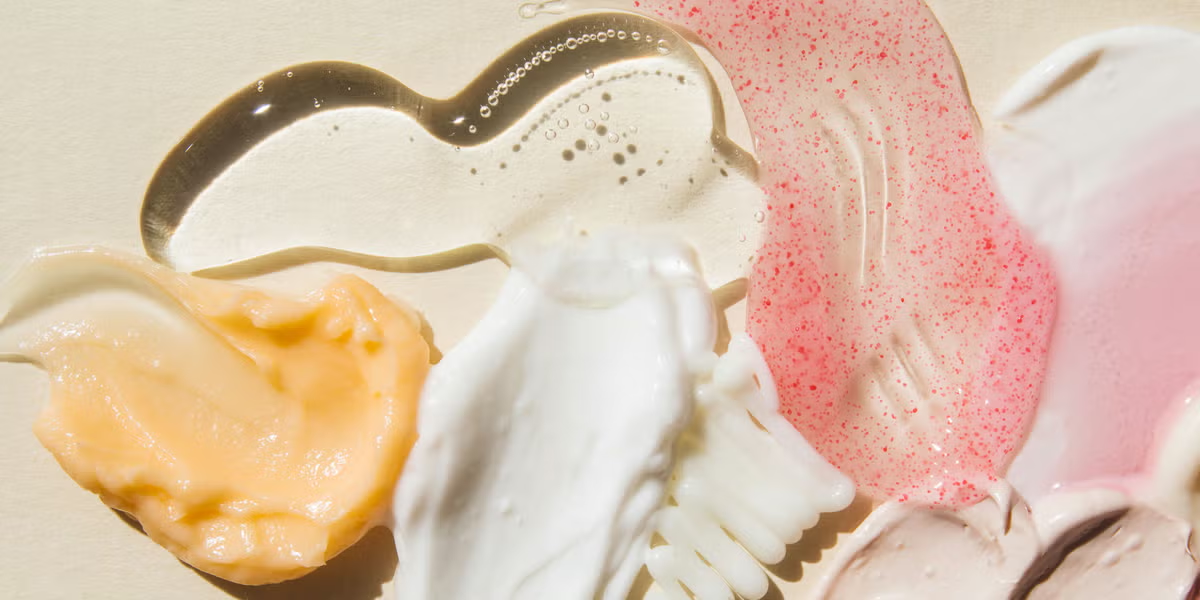
Best Skincare Habits for Your 20s

Best Skincare Habits for Your 20s

In your 20s, your skin usually still feels “on your side.” It heals faster, breaks out less dramatically than teenage years, and often looks naturally fresh.

But here’s what most people don’t realize — this is exactly the decade where long-term skin health is quietly being shaped.

Dermatologists consistently point out that habits formed in your 20s directly influence how your skin looks in your 30s, 40s, and beyond. Sun damage, dehydration, and poor routines don’t show up immediately… they accumulate slowly over time.

So instead of chasing 10-step routines or viral trends, the goal is simple: protect, prevent, and stay consistent.

Here are the habits that actually matter.

1. Wear sunscreen every single day (non-negotiable)

If there’s one skincare habit that defines healthy aging, it’s sunscreen.

Dermatology guidance consistently highlights daily broad-spectrum SPF as the most important step in preventing premature aging and sun damage.

Even in Cape Town’s cloudy winter mornings or quick office commutes, UV exposure still reaches your skin.

Think of sunscreen as your “future skin insurance.”

2. Keep your cleansing routine simple and gentle

Your skin doesn’t need harsh stripping or over-washing.

A mild cleanser used morning and night helps remove oil, sweat, and buildup without damaging your skin barrier.

In real life terms:
If your face feels tight after washing, your cleanser is probably too harsh.

3. Moisturise like it’s a daily essential (because it is)

Moisturiser isn’t just for dry skin — it’s for maintaining a strong skin barrier.

A healthy barrier helps prevent irritation, breakouts, and premature aging. Dermatologists emphasise barrier support as a foundation step in your 20s skincare routine.

Even oily skin needs hydration — just in a lighter formula.

4. Introduce one active ingredient at a time

Your 20s are a good time to start using targeted ingredients like:

  • Vitamin C (brightening, antioxidants)
  • Retinoids (texture, early anti-aging support)
  • Niacinamide (oil control, barrier support)

But the key is not overloading your skin.

Dermatologists warn that too many active ingredients at once can damage the skin barrier and cause irritation instead of improvement.

5. Never sleep with makeup on

It sounds basic, but it’s one of the most damaging habits to ignore.

Leaving makeup on overnight can clog pores, increase breakouts, and stress the skin barrier.

Even on tired nights after a long Jozi-style day or Cape Town night out — cleanse properly.

6. Support your skin from the inside

Healthy skin isn’t just what you apply — it’s also what you eat and drink.

Foods rich in antioxidants, healthy fats, and hydration (like fruits, fish, nuts, and leafy greens) support skin health and help fight inflammation over time.

Think of skincare as a “full-body system,” not just a bathroom routine.

7. Be careful with skincare trends on social media

Not everything trending online is skin-safe.

Over-exfoliation, DIY acids, or mixing too many actives can weaken your skin barrier and lead to long-term sensitivity.

Dermatologists consistently advise sticking to proven basics instead of experimental routines seen online.

8. Stay consistent, not complicated

The biggest skincare mistake in your 20s is constantly changing products.

Your skin responds best to:

  • Consistency
  • Simple routines
  • Time to adjust

Real results take weeks, not days.

Your 20s Are the “Set It Up Right” Decade

In South Africa’s climate — with strong sun exposure, changing weather, and busy lifestyles — skincare isn’t about perfection.

It’s about protection and consistency.

You don’t need luxury products or complicated routines. You need habits that respect your skin’s long-term health.

Because the truth is simple:

The skin you protect today is the skin you’ll thank yourself for in 10 years.

Tags: , ,
The Jerusalem Post - Israel News

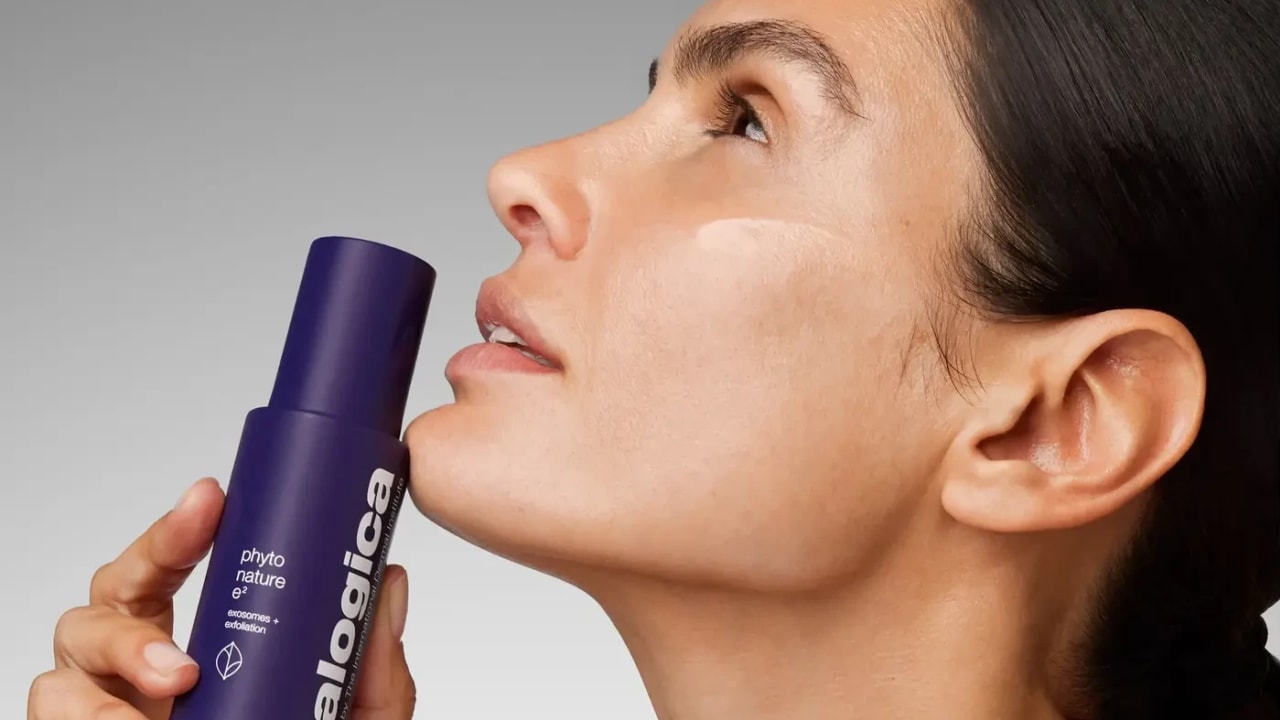
A regenerative serum with exosomes for a daily anti-aging routine

Dermalogica launches Phyto Nature E2, an innovative new product for daily home use that brings the world of regenerative medicine directly into the skincare routine. The new formula is based on an advanced cocktail of plant-derived exosomes, next-generation enzymes and active ingredients designed to support the skin’s natural renewal processes, which weaken with age.

The product was specifically developed to treat visible signs of aging such as fine lines, loss of firmness, dull skin and uneven texture. It combines regenerative exosome technology with pumpkin enzymes for gentle exfoliation, phyto glycogen, an active botanical blend and acetyl glucosamine, with the goal of accelerating cell renewal, improving skin texture and delivering a smoother, more radiant and firmer appearance over time.

At Dermalogica, they explain that this represents the next stage in the skincare world: The regeneration stage. If in the past the focus was on moisture, antioxidants or exfoliation, now the focus is shifting toward supporting the skin’s biological ability to repair itself, similar to professional regenerative treatments in clinics.

According to brand data, in an independent clinical study a visible reduction in fine lines and wrinkles was recorded within two weeks, with twice-daily use. The product is also suitable as at-home support for those undergoing professional aesthetic treatments such as microneedling, laser or peels.

The texture is lightweight, absorbs quickly and is suitable for morning and evening use on clean skin, before continuing the skincare routine.

• How much: NIS 698 for 100 ml
• Where: At Dermalogica points of sale

Tags: , , , , ,
article-image

Why Your Everyday Basics Need A Winter Reset

Simple winter skincare habits like gentle cleansing and moisturising help protect skin from dryness and seasonal damage | File Photo

Winter changes everything. Wardrobes get heavier, mornings get slower, and suddenly even the smallest routines demand more effort. The season has a way of nudging us towards comfort with softer fabrics, warmer drinks, and longer showers.

But while we’re quick to swap cotton dresses for knits, our everyday essentials don’t always get the same seasonal upgrade.

True winter essentials for women go beyond clothing. They’re about small, thoughtful adjustments that help the body and skin cope better with cold air, low humidity, and indoor heating. And somewhere between woollens and wellness teas, skincare comes into focus.

Winter Essentials Are About Comfort, Not Excess

If summer is about lightness and efficiency, winter is about protection and balance. Essentials in colder months tend to share one goal, which is reducing stress on the body.

Think hydration over deprivation. Nourishment over harsh fixes. Whether it’s choosing breathable layers, eating warming foods, or cutting back on overly aggressive routines, winter is a reminder that gentler usually works better.

Skin, unsurprisingly, feels this shift almost immediately.

Why Winter Is Harder On Skin Than We Realise?

Cold weather doesn’t just feel dry; it actively pulls moisture from the skin. Add hot showers, indoor heating, and frequent cleansing, and the skin barrier can weaken faster than expected. This is when tightness, dullness, and flakiness start showing up, even for those who don’t usually struggle with dry skin.

That’s why winter skin essentials are all about making smarter choices within existing ones, especially for cleansing.

How Cold Weather Affects Women’s Skin More

Women’s skin can be more prone to seasonal dryness due to hormonal fluctuations, frequent cleansing, shaving, and lifestyle stressors. When the barrier is compromised, skin loses moisture faster and becomes more sensitive, making winter skin essentials particularly important.

The Overlooked Winter Essential: How You Cleanse

Cleansing is one habit that rarely changes with the seasons, even though skin’s needs do. Many everyday soaps and washes are designed to remove oil efficiently, helpful in humid months, but less kind during winter.

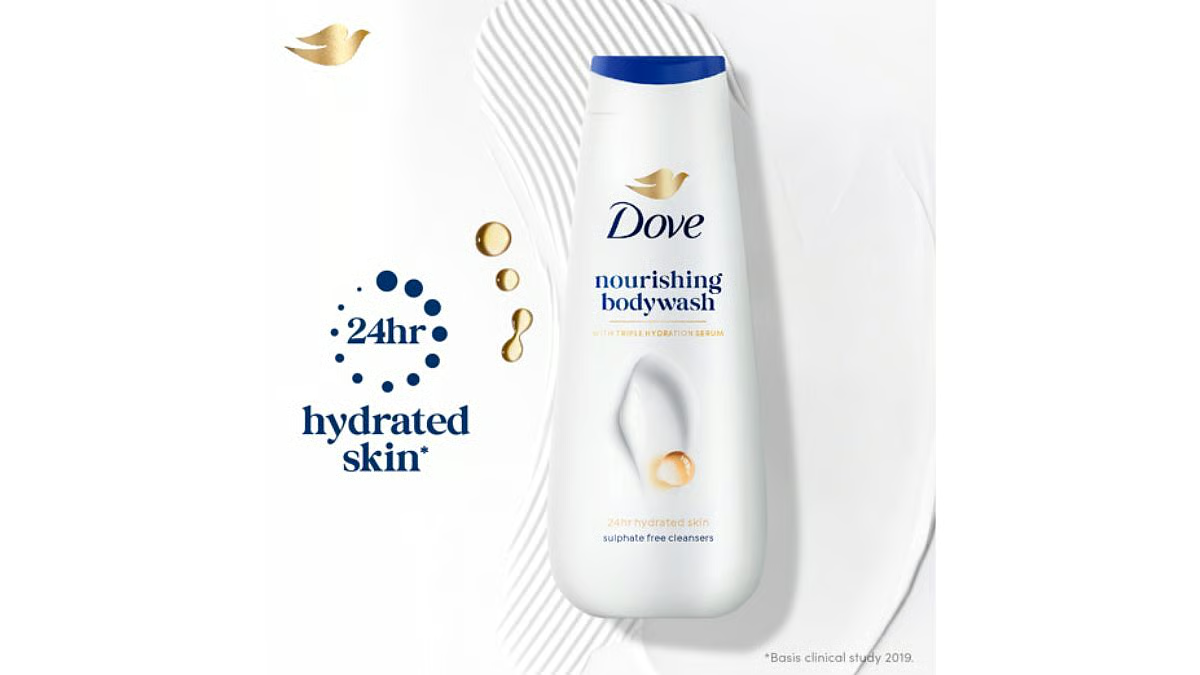
In colder weather, skin benefits from cleansers that clean without stripping. This applies just as much to the body as it does to the face, making your choice of winter body wash important.

Moisturising body washes, for instance, help skin feel comfortable after bathing instead of feeling immediately dry. Hydration-focused options are often preferred during winter routines for this reason, as they prioritise skin comfort while cleansing.

Where Winter Skincare Essentials Fit In Naturally

Once cleansing stops being harsh, the rest of the routine tends to fall into place more easily.

●       Applying moisturiser on slightly damp skin helps lock in hydration

●       Choosing barrier-supporting ingredients over strong actives keeps sensitivity at bay

●       Staying consistent matters more than layering products

These simple habits form the backbone of effective winter essentials for skin, without turning skincare into a chore.

Building A Simple Winter Skincare Routine For Women

Winter routines don’t need to be elaborate; they just need to be thoughtful.

1. Cleansing With a Moisturising Body Wash

Using a moisturising body wash during daily showers helps cleanse gently while supporting moisture retention. It fits naturally into existing routines without adding extra steps.

2. Locking In Moisture After Showering

Applying moisturiser while the skin is still slightly damp helps seal in hydration. This small habit can significantly reduce dryness and is one of the most effective winter skincare essentials.

3. Consistency For Healthy Winter Skin

More than products, winter skin responds to regular care. Gentle cleansing, daily moisturising, and avoiding harsh fixes create skin that feels calmer, softer, and far more resilient.

A Note On Keeping Winter Skincare Simple

Winter has a way of encouraging extremes, either doing too much or giving up entirely. The sweet spot lies somewhere in between.

Gentle, moisturising cleansers, including body washes formulated for dry skin, are often mentioned in winter routines for this exact reason. They support the skin barrier without demanding extra effort, fitting neatly into everyday showers rather than replacing them.

It’s less about adding something new and more about choosing versions of what you already use that suit the season better.

Common Winter Habits That Can Backfire

Some well-meaning habits tend to work against the skin during winter:

●       Over-cleansing in an attempt to feel “fresh”

●       Skipping moisturiser after bathing

●       Assuming sunscreen isn’t necessary in colder months

Avoiding these missteps is just as important as picking the right winter skincare essentials.

The Bottom Line: Winter Essentials That Make Sense

The most effective winter essentials for women are the ones that subtly support the body through colder days, without adding pressure or complexity.

When skincare aligns with the season, gentler cleansing, better moisture retention, and consistent care, skin stays far calmer and softer. Sometimes, the smartest winter upgrade is simply choosing kinder versions of the basics you already rely on.

Tags: , , ,
5 skincare benefits of red bananas

5 skincare benefits of red bananas

Red bananas are loaded with antioxidants

What’s the story

The Ugandan red banana face mask is a natural skincare remedy that has gained popularity for its potential benefits.
Known for its rich nutrient content, this mask is said to offer various advantages for skin health.
The unique properties of the Ugandan red banana make it an interesting option for those looking to explore natural skincare solutions.
Here are five potential benefits of using this face mask.

Rich in antioxidants

Ugandan red bananas are loaded with antioxidants, such as vitamin C and beta-carotene.
These antioxidants help fight free radicals that cause premature aging and skin damage.
By adding a face mask made from these bananas to your skincare routine, you may be able to improve your skin’s elasticity and reduce the appearance of fine lines.

Natural exfoliation properties

The natural enzymes present in Ugandan red bananas can help exfoliate the skin gently.
This exfoliation removes dead skin cells, revealing a brighter and smoother complexion underneath.
Regular use of this face mask may help improve your skin texture without causing irritation or redness.

Hydration boost for dry skin

Ugandan red bananas are also known for their hydrating properties, thanks to their high moisture content.
When used as a face mask, they can help keep dry skin hydrated by locking in moisture effectively.
This makes it an ideal option for people with dry or dehydrated skin looking for natural remedies.

Soothing properties for sensitive skin

The soothing properties of Ugandan red bananas make them suitable even for sensitive skin types.
They contain compounds that may help reduce inflammation and redness associated with sensitivity or irritation.
Using this face mask regularly could provide relief to sensitive areas, while promoting overall calmness on the face.

Supports even skin tone

Using Ugandan red banana face masks regularly may help in achieving an even skin tone by reducing spots and blemishes over time.
The vitamins and minerals present in these bananas work toward balancing pigmentation naturally, without harsh chemicals or treatments.

Tags: , , ,
Do you know: Tamarind is a skincare gem

Tamarind is a skincare gem

Follow this guide

What’s the story

African tamarind, a fruit native to West Africa, is becoming popular for its skin benefits.
Its rich vitamin C and antioxidant content makes it a great natural remedy for glowing skin.
From brightening complexion to fighting signs of aging, African tamarind can do it all.
Here’s how you can use this amazing fruit in your skincare routine.

Nutrient-rich composition

African tamarind is loaded with essential nutrients, such as vitamin C, calcium, and potassium.
Vitamin C is an essential antioxidant that protects the skin from environmental damage and promotes collagen production.
Calcium helps in maintaining the skin’s moisture levels, while potassium aids in keeping the skin cells healthy.
Together, these nutrients make a powerful combination for achieving glowing skin.

Natural exfoliant properties

The natural acids in African tamarind make it an excellent exfoliant.
These acids help remove dead skin cells and unclog pores, resulting in smoother, brighter skin.
Using products with African tamarind regularly can help reduce the appearance of spots and uneven texture.
This makes it a great option for those looking for natural exfoliation methods.

Hydration booster for skin

African tamarind is also known for its hydrating properties. It helps retain moisture in the skin, preventing dryness and flakiness.
The hydrating effect of this fruit makes it suitable for all skin types, including those with sensitive or oily skin.
Incorporating African tamarind into your skincare routine can help maintain optimal hydration levels.

Anti-aging benefits of tamarind

The antioxidants present in African tamarind also help fight free radicals that cause premature aging.
By reducing fine lines and wrinkles over time, these antioxidants keep your skin looking youthful.
Regular use of products containing this fruit can improve elasticity and firmness, giving you a more youthful appearance without invasive procedures.

Tags: , ,
No soap, no facewash. Priyanka Chopra’s mother shares her one simple skincare routine for glowing skin and the actress follows it too. What is it?

No soap, no facewash. Priyanka Chopra’s mother shares her one simple skincare routine for glowing skin and the actress follows it too. What is it?

When everyone just talks about expensive skincare products and complicated routines, many still search for something simple and effective. From serums to cleansers, the choices can feel endless and confusing. But what if glowing skin didn’t require any of that? What if the secret was something basic, natural, and already available at home? Interestingly, a traditional remedy followed for years by Priyanka Chopra’s mother, Madhu Chopra, proves that sometimes, less really is more.

The skincare secret revealed by Priyanka Chopra Jonas’ mother

Dr Madhu Chopra, mother of Priyanka Chopra, recently shared her go-to skincare routine, and it’s surprisingly simple. Taking to her social media handle, she revealed that she has never relied on soap or facewash for her skin. Instead, she uses a traditional homemade ubtan, a natural face pack made with everyday kitchen ingredients.
She explained that this routine has helped her maintain clear and healthy skin over the years, keeping issues like acne, pimples, and pigmentation at bay. What makes it even more interesting is that Priyanka Chopra also follows the same skincare ritual.

What goes into the face pack?

The base of this DIY face pack is gram flour (besan) and turmeric (haldi), both widely known for their skin-friendly properties. Besan works as a gentle cleanser, while turmeric helps soothe the skin and reduce inflammation.

To make the pack suitable for dry skin, Dr Madhu adds ingredients like fresh cream (malai), yoghurt, and a bit of cold milk. These elements help moisturise the skin and prevent dryness. Turmeric, considered the key ingredient, plays a major role in fighting infections, reducing acne, and giving the skin a natural glow.

How to use it properly

The preparation of the face pack is simple and quick. All the ingredients are mixed into a smooth paste and applied evenly on the face, just like a mask. It is then left on the skin for about 15 to 20 minutes before being washed off with water. Dr Madhu also advises being careful while applying the pack, especially around the eyes. She cautions that the under-eye area is delicate and should be left untouched to avoid irritation.
Alternatives for sensitive skin
While the face pack works well for many, Dr Madhu also suggests alternatives for those with sensitive skin or allergies. For instance, if gram flour doesn’t suit someone, wheat flour can be used instead. Similarly, if turmeric causes irritation, lemon juice can be added as a substitute, as it is rich in vitamin C. For those who cannot use dairy products like cream or yoghurt, natural options such as grated tomato or potato juice can be included in the mixture. These ingredients are known to improve skin texture and provide additional nourishment.
According to Dr Madhu Chopra, the secret to achieving good results lies in regular use. She recommends applying the face pack frequently, even daily, for visible improvement in skin texture and glow. Over time, this consistent routine can help restore the skin’s natural radiance without relying on chemical-based products.Her approach highlights a larger idea: skincare doesn’t always have to be expensive or complicated. Sometimes, traditional remedies passed down through generations can be just as effective, if not more. With both Dr Madhu Chopra and Priyanka Chopra trusting this simple routine, it also kind of shows that glowing skin might just be a few natural ingredients away.
Add as a Reliable and Trusted News Source

Tags: , , , , , , , , , , ,
Parade

The New ‘Longevity’ Peptide Creams That Are Replacing Traditional Anti-Aging Moisturizers

Parade aims to feature only the best products and services. If you buy something via one of our links, we may earn a commission.

If you’ve been paying attention to skincare lately, you may have noticed a subtle shift in how we talk about aging. It’s less about quick fixes and more about long-term goals—supporting the skin so it functions better over time rather than trying to reverse changes overnight. And at the center of that shift is one ingredient category that keeps coming up: peptides.

Unlike more aggressive anti-aging ingredients that focus on exfoliating or speeding up cell turnover, peptide creams take a more supportive approach. They’re designed to help skin maintain its structure, reinforce the barrier and gradually improve firmness and elasticity with consistent use. The appeal is obvious, especially for anyone who has found traditional actives like retinoids too irritating or difficult to stick with long term.

That’s why dermatologists are increasingly recommending peptide-based moisturizers as a foundational step—not just an add-on. They’re easy to layer, generally well tolerated across skin types and work in the background to support collagen production and overall skin health. The result isn’t a dramatic overnight change, but something more sustainable: smoother texture, better hydration and skin that simply looks more resilient over time.

So, are peptide creams actually worth the hype? And how do you know which ones to try? Ahead, dermatologists break down what peptides really do, how to use them and the nine best peptide cream formulas to consider right now.

Related: The 10 Best Makeup and Skincare Gifts for Women Over 50 From Our 49-Year-Old Beauty Editor

What Are Peptides?

At their most basic, peptides act as the basic ingredients for your body to build proteins like collagen and elastin.

“Peptides are short chains of amino acids that serve as the building blocks of proteins such as collagen and elastin, which give skin its structure, firmness and elasticity,” explains Dr. Hallie McDonald, MD, FAAD, co-founder of ERLY Skincare. “In skincare, peptides act as signaling molecules that help communicate with skin cells, encouraging processes like collagen production, repair and barrier reinforcement.”

Because peptides are smaller than full proteins, they’re able to penetrate the skin more effectively, making them particularly useful in topical formulas.

Dr. Tiffany J. Libby, MD, FAAD, a board-certified dermatologist, adds that peptides work by essentially telling your skin what to do next.

“They signal to your cells to produce more collagen and other complex molecules that help support the skin’s structure,” she says.

Related: Dermatologists Warn: These 7 Habits Make Crepey Skin Worse After 50

Do Peptide Creams Actually Work?

Short answer: yes—but they work differently than more aggressive anti-aging ingredients.

“Peptide creams absolutely have a role in an effective skincare routine, particularly for those looking for a gentle, consistent approach to anti-aging,” says Dr. McDonald. “Well-formulated peptide products can support collagen production, improve hydration and help soften the appearance of fine lines over time.”

The keyword here is “consistency.” Unlike exfoliating acids or retinol—which can produce faster visible changes—peptides tend to deliver more gradual results. But for many people, that’s part of the appeal.

“They provide many of the same supportive benefits for skin quality and firmness without the common side effects,” she adds, which makes them especially useful for those with sensitive skin or anyone who struggles with irritation from stronger actives.

Related:The 15 Best Body Lotions for Aging Skin, According to Board-Certified Dermatologists

Top Peptide Creams

What Peptides Are Best for Anti-Aging?

Not all peptides work the same way, and understanding the differences can help you choose a more effective product.

“Signal peptides, such as palmitoyl pentapeptide and tripeptide-1, help stimulate collagen and elastin production,” Dr. McDonald states. “Carrier peptides, including copper peptides, support repair processes, while neurotransmitter-inhibiting peptides can help soften the appearance of expression lines.”

From a dermatology standpoint, signal peptides and copper peptides tend to have the strongest track record for improving firmness and smoothing fine lines over time. Dr. Libby also notes that collagen-supporting peptides become more important as we age, since natural levels decline. That’s why incorporating them into a daily routine can help support the skin’s structure more consistently.

Can You Layer Peptide Creams With Other Products?

One of the biggest advantages of peptides is how easy they are to use and combine with other products.

“Peptides are highly versatile and generally layer well with most skincare ingredients,” says Dr. McDonald. They pair particularly well with hydrating ingredients like hyaluronic acid and barrier-supporting ingredients like niacinamide.

They can even be used with other anti-aging products.

“Using peptides alongside retinoids can be beneficial, as peptides help support the skin barrier and may reduce irritation,” she explains.

In other words, peptide creams don’t require you to overhaul your routine—they slot in easily, whether you’re keeping things simple or using more active treatments.

Related: I’m a Celebrity Dermatologist in My 60s and Here’s the 5-Minute Skincare Routine I Swear By

9 Best Peptide Creams, Tested by Dermatologists

Best Overall: Alastin Restorative Skin Complex, $258

Shop It at Alastin

If dermatologists had to pick one peptide product they consistently come back to, this is often it. According to Dr. McDonald, the formula leans heavily on a blend of signal peptides designed to support collagen and elastin production, which is what gives skin that “firmer, more resilient look over time.” It’s the kind of product that doesn’t necessarily feel flashy when you first apply it, but with consistent use, skin starts to look smoother and more even.

Best for Sensitive Skin: ERLY Night Moisturizer with Peptides, $42

Shop It at Erly

If your skin doesn’t tolerate stronger active ingredients well, this is a much easier entry point into anti-aging.

“It’s fragrance-free and designed with a barrier-first approach, so you’re getting the benefits of peptides without the dryness or irritation that can come with ingredients like retinol,” says Dr. McDonald.

Think of it as a steady, low-effort way to support skin overnight—hydrating, calming and quietly improving texture over time.

Best With SPF: Naked Sundays BeautyScreen Peptide Foundation Tint SPF 50, $38

Shop It at Ulta

This is one of those formulas that makes your morning routine feel more streamlined. It combines peptides with a subtle tint and mineral SPF, so you’re supporting collagen while also protecting it—which is arguably just as important. The texture is lightweight enough to wear daily, and it provides the perfect amount of natural coverage, making it a practical option if you’re trying to simplify your routine without skipping key steps.

Best for Dry Skin: Drunk Elephant Protini Polypeptide Cream, $68

Shop It at Sephora

This cream has built a following for a reason. It delivers a mix of peptides, amino acids and hydrating ingredients in a texture that feels rich without being heavy or greasy. If your skin tends to feel tight or depleted, it gives that immediate cushiony softness, but it also works over time to improve elasticity and smoothness, which is where peptides really come into play.

Related: How To Get ‘Cloud Skin’ at Any Age, According to a Celebrity Esthetician

Best for Mature Skin: Olay Regenerist Micro-Sculpting Cream, $38

Shop It on Amazon

There’s a reason this one keeps showing up in dermatologist offices. This drugstore pick pairs peptides with deeply hydrating ingredients to help improve firmness and soften the look of fine lines, especially in areas where skin tends to thin over time. It’s a bit richer in texture, which makes it particularly well-suited for mature skin that needs both moisture and structural support.

Best for Oily Skin: Paula’s Choice Peptide Booster, $55

Shop It on Amazon

If you tend to avoid heavier creams, this is a more flexible option. The formula is lightweight and designed to be mixed into your existing moisturizer or serum, so you can get the benefits of peptides without adding another heavy layer. It’s especially useful for oily or combination skin types that still want anti-aging support without compromising texture.

Best for Firming: SkinMedica TNS Advanced+ Serum, $295

Shop It on Amazon

This is one of the more advanced options in the category, combining peptides with growth factors for a more intensive approach to firming.

“The growth factors and peptides help support the dermal extracellular matrix,” says Dr. Libby.

She often recommends it for skin that’s starting to show more noticeable loss of elasticity, since it works on multiple levels—supporting collagen while also improving overall skin texture. It’s an investment, but one that’s frequently backed by in-office recommendations.

Best Budget: The Inkey List Peptide Moisturizer, $18

Shop It at Sephora

If you want to try peptides without spending much, this is an easy entry point. The lightweight formula uses a dual-peptide blend to support collagen and smooth fine lines over time, while still functioning as a simple, everyday moisturizer. The texture is straightforward and no-frills, but that’s part of the appeal—it does exactly what you need it to without overcomplicating things.

Best Luxury: Augustinus Bader The Cream, $99+

Shop It at Augustinus Bader

This formula is built around a peptide-rich complex designed to support skin renewal and improve overall skin quality, rather than targeting just one concern. Over time, it makes skin look more even, hydrated and generally healthier, which is why it’s become such a staple in high-end routines.

Up Next:

Related: 9 Best Peptide Lip Treatments for a More Hydrated, Plumper Pout

Sources:

  • Dr. Tiffany J. Libby, MD, FAAD, is a board-certified dermatologist.

  • Dr. Hallie McDonald, MD, FAAD, is a co-founder of ERLY Skincare.

This story was originally published by Parade on Apr 11, 2026, where it first appeared in the Shopping, Deals & Freebies section. Add Parade as a Preferred Source by clicking here.

Tags: , , , , , ,
Skincare Ingredients Dermatologists Recommend

Skincare Ingredients Dermatologists Recommend

If you’re dealing with acne, dermatologists recommend focusing on ingredients that target oil production, clogged pores, and inflammation rather than layering multiple trendy products that may irritate your skin.

“For acne-prone skin, ingredients like salicylic acid, benzoyl peroxide, and prescription-strength retinoids are highly effective, as they target clogged pores, inflammation, and excess oil production,” says Whitney Hovenic. “Niacinamide can also be helpful for regulating oil and calming inflammation, while topical alpha hydroxy acids (AHAs) can support gentle exfoliation.”

However, more isn’t always better, especially when it comes to acne treatments. “It’s important to avoid formulas with high concentrations, as this can lead to irritation and potentially worsen breakouts,” Hovenic adds. The key, she explains, is choosing a few effective ingredients and introducing them gradually to avoid overwhelming your skin.

Best for:

  • Acne-prone skin
  • Oily skin
  • Clogged pores
  • Inflammation

Read More About Salicylic Acid

Tags: , , ,
The Best Summer Skincare Routine For Oily Skin, According To Three Derms

The Best Summer Skincare Routine For Oily Skin, According To Three Derms

Curating a skincare routine for oily skin can feel like a year-round challenge – but throw warmer weather into the equation, and it becomes even trickier. As temperatures rise, it’s easy to assume that a summer skincare routine should follow a less-is-more approach to prevent everything melting away in a mix of sweat, sebum and shine. But is that really the case? Not exactly. To set the record straight, we turned to the experts: consultant dermatologists Dr Derrick Phillips and Dr Alexis Granite, along with cosmetic doctor Dr Sonia Khorana.

The expert-approved top products for summer skincare at a glance:

Murad Blemish Control Clarifying Cream Cleanser

Read more

Anua Heartleaf Quercetinol Pore Deep Cleansing Foam

Read more

“In warmer weather, oily skin often becomes more noticeable,” explains Dr Phillips. “Heat and humidity can increase sebaceous gland activity, leading to excess shine, more visible pores, and a higher likelihood of breakouts. When sebum mixes with sweat, SPF and daily build-up on the skin, it can contribute to congestion and acne in those who are blemish-prone.”

According to the pros, it’s a five-step ritual to control build-up and shine without stripping the skin. Dr Granite says, “Those who suffer from oily skin will often reach for drying formulas to combat excess sebum. The issue is that if the skin is over-dried, it will actually compensate by producing more oil, so a balance is key.”

This, according to Dr Phillips, starts with the right cleanser. “Cleansing becomes particularly important, but it needs to be balanced,” he stresses. “A gentle foaming cleanser can help remove excess oil, sweat and impurities without disrupting the skin barrier.” However, caution is advised. “It’s also important to resist the temptation to over-cleanse, as this can disrupt the skin barrier and lead to increased oil production as the skin tries to compensate.”

Tags: , , , , ,
Best oLive
Privacy Overview

This website uses cookies so that we can provide you with the best user experience possible. Cookie information is stored in your browser and performs functions such as recognising you when you return to our website and helping our team to understand which sections of the website you find most interesting and useful.